
Review · TOKYO
Tokyo: Imperial Palace and Shogun Historical Walking Tour
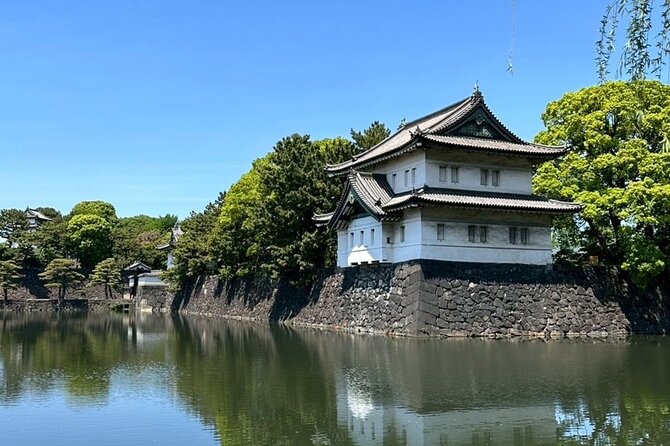
The old castle still shapes modern Tokyo. This two-hour walk through the Imperial Palace East Gardens connects Edo Castle ruins with Japan’s imperial past, while a guide explains the gates, walls, gardens, shoguns, and royal family. I like the small maximum group of 15, which makes it easier to ask questions, and I like the relaxed pace through places that buses cannot reach.
At $22 per person, the tour is a fair buy if you want context rather than a silent stroll through free gardens. The main drawback is that the quality depends on your guide, and some guides may explain too much or repeat points. You should also expect slopes and steady walking.
Key points to know before booking
- The tour begins at a clear city-center meeting point: Meet at Starbucks Coffee in Kokyo Gaien Wadakura Fountain Park, at 3-1 Kōkyogaien.
- Edo Castle is the main historical thread: You see stone gates, castle walls, and the foundation of the former keep.
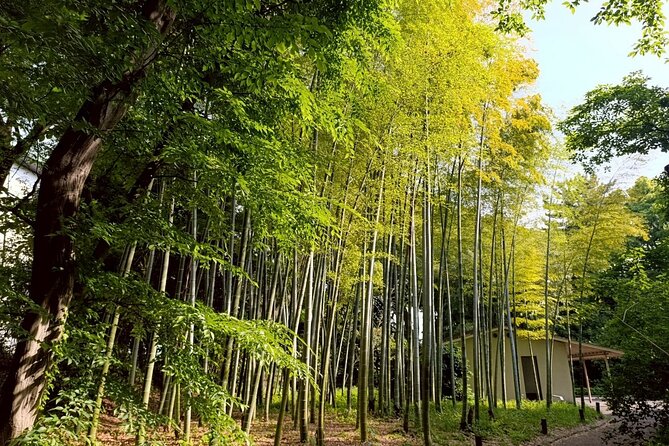
- Ninomaru Garden adds a quieter side of the visit: Ponds and seasonal flowers show the refined garden style of the Edo period.
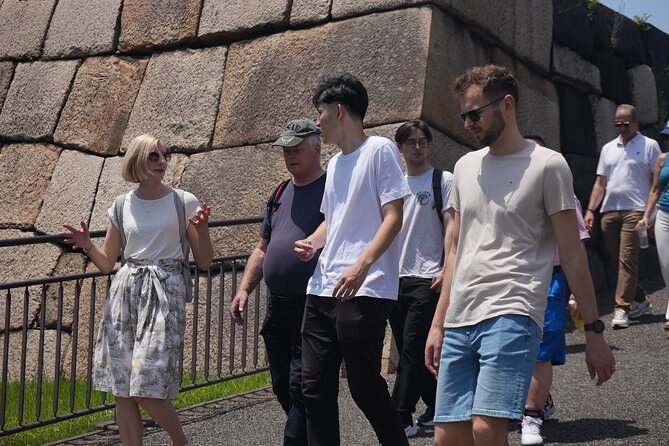
- The group is capped at 15 people: That is small enough for questions and easier movement through the grounds.
- Guides focus on context, not just sights: Jim, Tony, Miguel, Izzy, Aya, John, Michi, Lasse, Dylan, Blake, and others have been praised for history and storytelling.
- You need to allow for walking and slopes: The tour lasts about two hours, with roughly 90 minutes listed for the garden visit itself.
Why the Imperial Palace East Gardens are worth your time
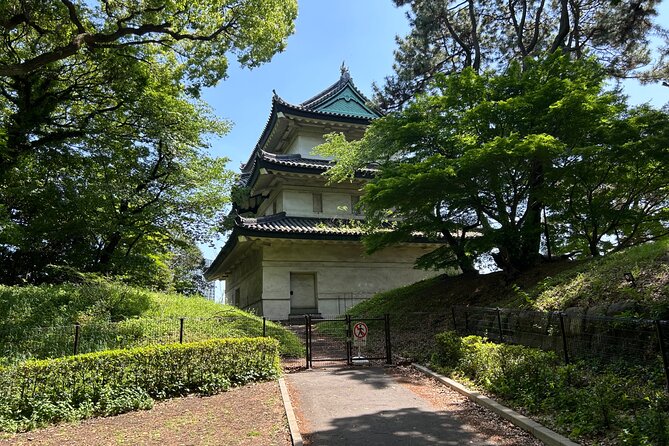
Tokyo can feel new at every turn, yet the Imperial Palace grounds preserve the footprint of Edo Castle, the seat of shogunal power before Japan’s modern imperial era. That contrast gives the walk its appeal. You are not simply looking at flowers and trimmed greenery. You are moving through the former center of military and political power.
The East Gardens are free to visit on their own, but that does not mean they are easy to understand. Stone walls can look like scenery until someone explains their scale, purpose, and connection to the castle. A garden pond may seem pretty until you learn how it reflects the careful design ideals of the Edo period.
I like this tour for that reason. The sights are attractive, but the stories give them weight. Guides have explained the Edo period, the shogunate, the emperor, the imperial family, Japanese culture, and changes in modern Tokyo. That range helps you connect old Japan with the city you see today.
This is not a visit inside the main Imperial Palace residence. The walk focuses on the East Gardens and former Edo Castle grounds. Keep that distinction in mind before you book. You are seeing historic outdoor sites and garden areas, not touring royal interiors.
More Castle and Palace History Tours in Japan
- Tokyo Castle & Imperial PalaceーShogun Walking Tour
★ 4.7 · 1,068 reviews - Tokyo: Imperial Palace Japanese History Walking Tour
★ 4.9 · 987 reviews - Tokyo Castle & Imperial PalaceーShogun Walking Tour
★ 5.0 · 724 reviews
Meeting at Wadakura Fountain Park
The tour starts at Starbucks Coffee in Kokyo Gaien Wadakura Fountain Park, at 3-1 Kōkyogaien in Chiyoda City. Since the meeting point is near public transportation, it is practical for a short visit to the palace area, but you should still arrive early enough to find the exact spot without rushing.
One poor experience came from a meeting-point problem. The group left even though the participant had arrived before the scheduled time, and later communication proved difficult. That appears to be an exception among the many positive accounts, but it is useful advice: confirm the meeting details carefully, arrive early, and keep your phone available.
The tour returns to the same meeting point. That makes planning easier if you want to continue exploring central Tokyo afterward. The supplied information does not promise hotel pickup or transportation between sights, so plan to reach the starting point independently.
Through the gates and former castle defenses
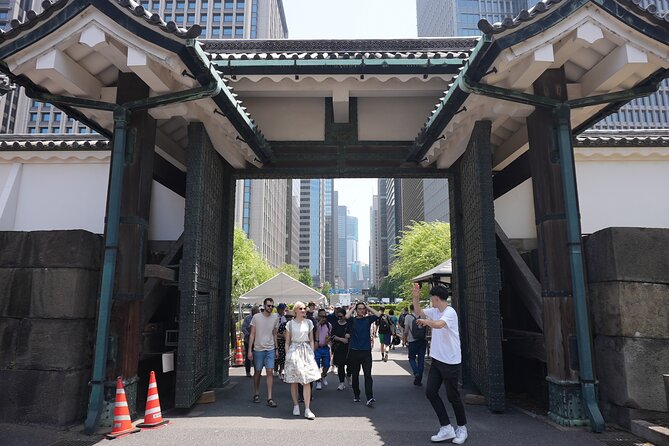
The first part of the walk brings you toward the old castle grounds, with majestic stone gates and broad walls that hint at the power once concentrated here. These defenses are among the strongest visual reminders that Edo Castle was more than a residence. It was the center of the shogun’s government.
A guide can help you notice details that are easy to pass by. The shape of a gate, the thickness of a wall, and the way the route approaches the inner grounds all become part of the story. You may find the walk more rewarding if you pause for these explanations instead of treating each stop as a quick photo opportunity.
The guides praised most often are good at making this past understandable. Jim has been described as patient and strong on Japanese history. Tony has covered the Edo period, the shogunate, the emperor, and the imperial family. Blake has been praised for making the tour friendly and engaging, while Miguel has mixed historical facts with stories about present-day Tokyo.
Those differences matter. The basic route stays the same, but your guide shapes the tone. One guide may offer a tightly organized history lesson. Another may invite more questions or add personal insight about life in Japan. The experience is strongest when you enjoy listening and asking questions rather than simply collecting landmark photos.
The Edo Castle keep foundation
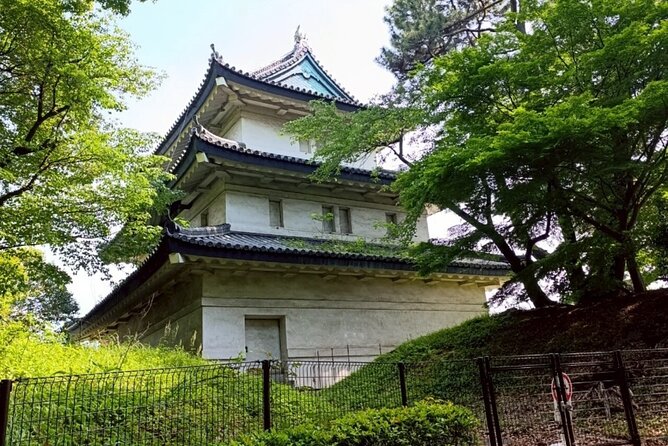
One of the clearest moments comes at the foundation of the former castle keep. You stand where the castle’s main tower once rose and imagine the scale of the shogun’s headquarters. The tower itself is gone, so this is a place where explanation does much of the work.
This stop gives the tour its strongest sense of time. The palace grounds are peaceful now, but the foundation points to a period of feudal lords, military authority, and strict social order. A good guide can explain how the castle grounds functioned and why the site mattered without turning the visit into a dry list of dates.
You should be ready for a fair amount of standing while the guide speaks. One account found the explanations too long and repetitive, while another wanted more historical framing at the beginning. That tells you what to expect from the format: the tour is designed for people who want instruction, but the pace may feel slow if you prefer to wander independently.
For me, that tradeoff is reasonable at $22. You are paying for the guide’s interpretation, not for admission to a costly attraction. If you already know Japanese history well, some sections may cover familiar ground. If the shogunate and imperial family are new subjects for you, the same pauses can make the grounds much easier to read.
More History Walking Tours in Japan
- Tokyo: Shinjuku Historical Walking Tour & Secret Backstreets
★ 5.0 · 530 reviews - Imperial Palace East Garden and Edo Castle Walking Tour in Tokyo
★ 5.0 · 510 reviews - Asakusa: A Big-picture History Walk to Know Japan
★ 4.6 · 77 reviews - Asakusa: 3.5-hour Big-picture History Walk
★ 4.7 · 39 reviews
Ninomaru Garden and the calmer side of Edo
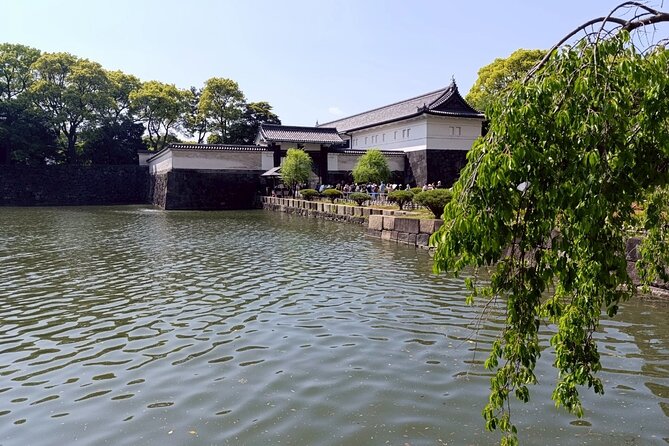
Ninomaru Garden changes the mood. After the gates and defensive walls, you reach ponds, seasonal flowers, and carefully arranged greenery that show another side of Edo culture. Here, power is expressed through order, restraint, and design rather than through massive stonework.
The garden is a good place to slow down. You may find that the guide’s comments help you notice the relationship between water, planting, paths, and views. The setting also offers a welcome break from Tokyo’s busy streets.
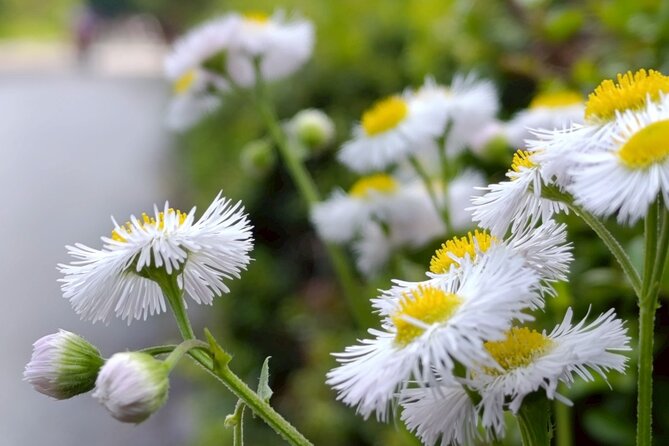
This is not a flower-focused garden tour, and the exact appearance will depend on the season. The description specifically points to seasonal flowers and tranquil ponds, so the appeal is the garden’s design and changing character rather than one guaranteed bloom display.
A guide called Aya has been praised for explaining cultural meaning and proper temple customs on another Tokyo visit, while other guides on this palace walk have focused on the garden, architecture, and castle history. That suggests the provider works with guides who bring different strengths. Ask questions if you want the visit to lean more toward gardens, history, architecture, or present-day culture.
What the guides add to the walk
The strongest praise is directed at the guides. Jim, Tony, Miguel, Izzy, Blake, Lasse, Dylan, Michi, and John are among the names associated with especially positive experiences. Their common strength is not simply knowing facts. It is making the past easier to follow.
Jim has been praised for answering questions patiently and for connecting architecture, history, and Japanese culture. Tony has been described as careful about keeping the group together and explaining the significance of the palace and castle grounds. Lasse has brought visible enthusiasm to Japanese history, while Michi has been praised for storytelling.
John went beyond the planned explanation by helping with directions back to a hotel. That kind of practical help can be useful in a large city, though it should not be treated as a guaranteed part of the tour.
The experience is not perfect every time. One participant found a newer guide short on historical information and felt that the supervising guide should have led instead. Another felt the tour needed more background before entering the historic area. The overall rating is very strong, with 99 percent recommending it and a five-star rating from 2,251 reviews, but those lower ratings are a useful reminder that guide quality can vary.
Walking conditions, group size, and timing
The activity lasts about two hours. The garden and Edo Castle portion is listed at roughly one hour and 30 minutes, leaving the remainder for meeting, moving through the area, and finishing back at the starting point.
This is a true walking tour. You should be comfortable walking for the duration and handling some slopes. Wear shoes that can manage paved paths and uneven historic areas. The supplied information does not give a precise distance, so I would not plan a tight appointment immediately afterward.
The maximum group size is 15. That is small enough to hear the guide more easily than in a large coach group, and it gives you a better chance to ask about details. A group of this size can still spread out near gates or scenic viewpoints, so stay aware of where the guide is standing.
Most people can participate, and the area is near public transportation. No special admission purchase is needed for the listed garden visit, since admission is included with the activity. The gardens themselves can be visited free of charge, so the value comes from the explanation, group organization, and focused route.
Is $22 a fair price?
At $22, I see this as a modest fee for a history-focused introduction to central Tokyo. You are not paying for a rare palace interior or an elaborate cultural performance. You are paying for about two hours of guided interpretation in a place where the major sights are otherwise free.
That is good value if you want to understand what you are seeing. The stone walls, castle foundation, and garden become connected parts of a story rather than separate stops. The small group also makes the price more appealing than a large, impersonal bus outing.
The value is weaker if you prefer complete freedom or already have a strong grasp of Japanese history. You can walk through the gardens without a guide, and one account made clear that a self-guided visit is possible. The question is simple: do you want quiet wandering, or do you want someone to explain why the grounds matter?
For most first-time visitors, I would choose the guide. Tokyo offers plenty of sights that are easy to photograph and hard to understand. This walk fills in that missing context without the cost or commitment of a full-day tour.
Who should book this Imperial Palace walk?
I would recommend it to first-time visitors who want a clear introduction to Japan’s political and royal past. It also suits anyone who enjoys architecture, castle remains, gardens, and stories about how Tokyo developed.
The tour can work well early in your stay, since it provides background for later sights. It can also work near the end, when you have more context and can connect the guide’s explanations with places you have already seen. One positive experience described it as useful both as an introduction and as a final look back at Japan.
Families and mixed-age groups may appreciate the short duration and modest pace, though everyone should be ready for walking and slopes. People who want a long, quiet garden visit may find the guide’s talking too dominant. History fans should enjoy the detail, but if you prefer only brief commentary, choose your expectations carefully.
Free cancellation is available up to 24 hours before the start time for a full refund. Cancellations or changes made less than 24 hours before the tour are not accepted for a refund.
Should you book it?
Book this tour if you want the Imperial Palace East Gardens to make sense, not just look attractive. The Edo Castle foundation, old walls, stone gates, and Ninomaru Garden are far more useful when a guide connects them to the shoguns, the emperor, and modern Tokyo.
Skip it if you want a private visit at your own pace or if you dislike extended historical explanations. For $22, a small group, and a two-hour route, I think it is a sensible choice for most first-time visitors. Arrive early, wear good walking shoes, and be ready to listen. The right guide can turn a free garden visit into one of the more meaningful short walks in Tokyo.
FAQ
How long does the Tokyo Imperial Palace walking tour last?
The experience lasts approximately two hours. The listed visit through the East Gardens and Edo Castle ruins takes about one hour and 30 minutes.
Where does the tour begin?
The meeting point is Starbucks Coffee in Kokyo Gaien Wadakura Fountain Park, at 3-1 Kōkyogaien, Chiyoda City, Tokyo 100-0002, Japan.
Where does the tour finish?
The tour ends back at the meeting point.
What places are included?
The walk includes the Imperial Palace East Gardens, the former Edo Castle grounds, stone gates, castle walls, the Edo Castle keep foundation, and Ninomaru Garden.
Is admission included?
Yes. An admission ticket is included for the listed East Gardens and Edo Castle ruin visit.
How many people can join the tour?
The activity has a maximum group size of 15 travelers.
Is the tour suitable for most people?
Most travelers can participate. You should be prepared for walking and some slopes.
Can I cancel for a full refund?
Yes. You can cancel at least 24 hours before the experience start time for a full refund. Cancellations or changes made less than 24 hours before the start time are not accepted for a refund.
More History Walking Tours in Tokyo
- History and Hauntings of Salem Guided Walking Tour
★ 5.0 · 14,564 reviews - Lisbon: History, Stories and Lifestyle Walking Tour
★ 4.8 · 10,902 reviews - Boston: Freedom Trail History Small Group Walking Tour
★ 5.0 · 6,450 reviews - Historic Charleston Guided Sightseeing Walking Tour
★ 5.0 · 6,216 reviews
More Castle and Palace History Tours in Tokyo
- Tokyo: Edo Castle & East Garden of the Imperial Palace Tour
★ 4.7 · 112 reviews - Tokyo: Imperial Palace, the history of Japan (ENGLISH GUIDE)
★ 5.0 · 77 reviews - Kyoto: Nijo Castle World Heritage Guided Tour with Admission
★ 4.9 · 37 reviews - Edinburgh: Edinburgh Castle Guided History Tour with Tickets
★ 4.8 · 9,933 reviews
Just added around Tokyo
- Tokyo: Mount Fuji Private Full-Day Trip with Hotel Pickup★ 5.0 · 18 reviews
- Private Tour Through the Tokyo National Museum & Ukiyo-e★ 4.7 · 17 reviews
- Tokyo: Imperial Palace, the history of Japan (ENGLISH GUIDE)★ 5.0 · 77 reviews
- Tokyo: Customized Private Historical Guided Photoshoot Tour★ 5.0 · 25 reviews
- Tokyo: Edo Castle & East Garden of the Imperial Palace Tour★ 4.7 · 112 reviews
- Tokyo: Nagano Snow Monkeys and Zenkoji Tour with Temples★ 4.9 · 19 reviews
- Kyoto: Nijo Castle World Heritage Guided Tour with Admission★ 4.9 · 37 reviews
- Historic Kanda Sake Tasting at Tokyo’s Oldest Shop (1596)★ 4.9 · 33 reviews
Castle & Palace History Tours, compared.

Edinburgh Castle Guided History Tour with Tickets
Read our review →
Venice’s Best: Basilica, Doge’s Palace, Gondola & History Gallery
Read our review →
Saadian Tombs & Bahia Palace, Medina Guided Tour
Read our review →
Charleston historical walking tour with a Professor of History at The Citadel
Read our review →
Abu Dhabi Grand Mosque, Palace, and Heritage Village
Read our review →
Buda Castle District Dark History, Legends and Vampire Night Tour
Read our review →
Tokyo Castle & Imperial PalaceーShogun Walking Tour
Read our review →
Browse the lists this tour appears in