
Review · HONSHU
Tokyo: Imperial Palace, the history of Japan (ENGLISH GUIDE)
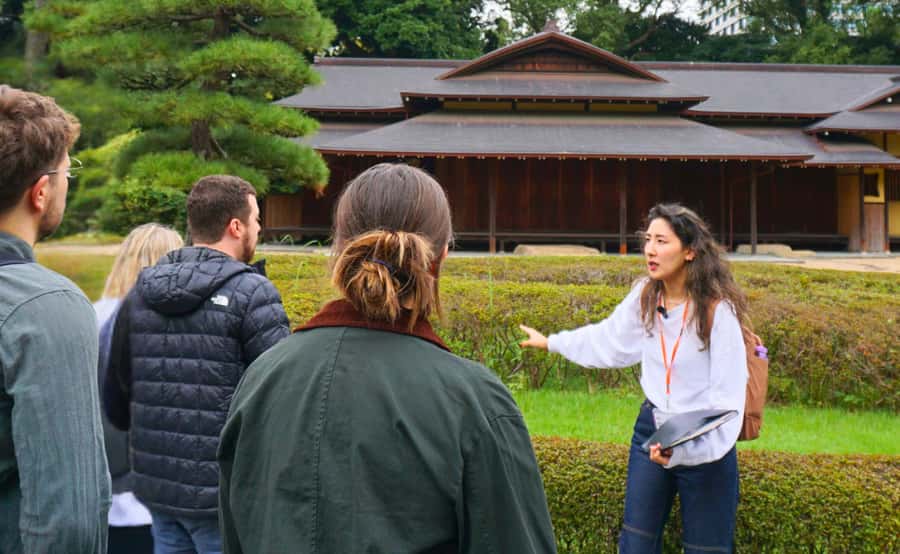
Edo Castle still speaks through its stones. This walking tour takes you into the eastern gardens of the former Edo Palace, where a guide explains how Japan changed from a feudal society into the modern country you see today. I like the focus on history, and I like that the tour includes quiet garden paths, palace ruins, special koi, and photo stops rather than only a quick look at the gates.
The main thing to check before booking is the language. The tour title refers to an English guide, but the supplied details list a French guide, with French as the available language. That mismatch matters, so confirm the language with Sunrise Adventure before paying.
Key points to know before you book
- Edo Castle’s former base: You walk through the grounds of a castle site more than 350 years old, with the original main castle no longer standing.
- A calm garden setting: The eastern gardens offer a quieter side of central Tokyo, with trees from different Japanese prefectures and carefully arranged oriental gardens.
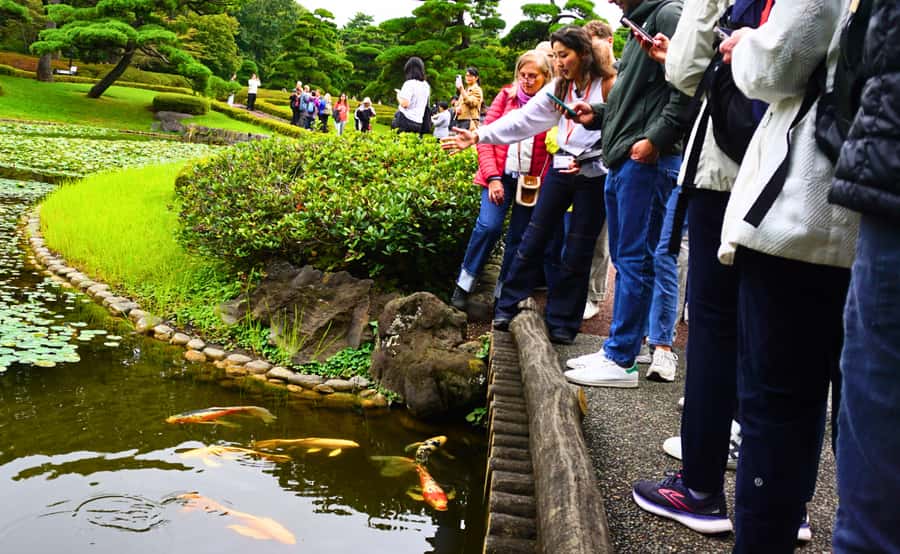
- A special koi population: The tour includes a chance to see a distinctive breed of koi said to be found only here.
- Small-group feel: One outing had just five people, making it easy to ask questions and speak with the guide.
- French-language guiding: The information provided names French as the tour language, despite the English wording in the title.
- A practical central meeting point: You meet near Starbucks in Wadakuramon Fountain Park, a five to ten minute walk from Tokyo or Otemachi Station.
Why the Imperial Palace grounds are worth your time
Tokyo can feel like a city built for speed. Trains arrive, office towers rise, and crowds move with purpose. The Imperial Palace grounds give you a pause from that rhythm, while also placing you at the center of Japan’s political story.
This is not a tour of the private imperial residence. You will not enter the inner palace. Instead, you visit the eastern gardens, which occupy part of the former Edo Castle complex. That distinction is important. You are not seeing grand palace rooms filled with imperial furnishings. You are walking through the remains of a major castle town and listening to the guide connect those remains to Japan’s later development.
I find that approach more useful than a simple photo stop. The walls, gates, garden paths, old barracks, and foundations make more sense when someone explains what they were built for and how the site changed over time.
The tour is especially helpful if you are visiting Tokyo early in your trip. It gives you a basic framework for understanding the shogunate, the imperial family, and the shift toward modern Japan. You do not need a background in Japanese history. The experience is built around explanations on site, not prior study.
More Castle and Palace History Tours in Japan
- Tokyo: Imperial Palace and Shogun Historical Walking Tour
★ 5.0 · 2,251 reviews - Tokyo Castle & Imperial PalaceーShogun Walking Tour
★ 4.7 · 1,068 reviews - Tokyo: Imperial Palace Japanese History Walking Tour
★ 4.9 · 987 reviews
Meeting at Wadakuramon Fountain Park
Your starting point is Wadakuramon Fountain Park, near a Starbucks and the fountain. From Tokyo Station or Otemachi Station, the walk takes about five to ten minutes. That is close enough to be simple, but central Tokyo has plenty of exits and underground passageways, so allow extra time to find the correct route.
Look for a guide holding a sign with the Sunrise Adventure logo. The meeting point is outside near the fountain, not inside the palace grounds. This gives you a clear place to gather before walking to the entrance.
The guide will wait for only ten minutes after the scheduled start time before beginning the tour without late arrivals. I would treat that rule seriously. Tokyo Station is large, and Otemachi Station can feel like a small underground city. Arrive early rather than trying to cut the connection close.
The activity ends back at the same meeting point. That makes it easier to continue sightseeing in the Marunouchi area, return to your hotel, or connect with another train.
Passing through Otemon, the great main gate
From the meeting point, the group walks to Otemon, the large main gate of the Tokyo Imperial Palace. This entrance is the first important historical stop, since it leads into the former Edo Castle grounds.
A gate like this is more than a pretty entrance. It helps you picture the castle as a protected political center rather than a garden in the middle of a modern city. The scale of the approach and the heavy defensive design give the site some weight before you even reach the gardens.
The guide’s role matters here. Without context, you may notice a large gate, stonework, and open space, then move on. With an explanation of the former castle complex, you can begin to understand how power was organized during the Edo period.
This part of the walk should suit anyone who prefers history tied to physical places. You are not sitting in a lecture room. You are moving through the same broad site where soldiers, officials, and rulers once operated.
The missing castle and its miniature replacement
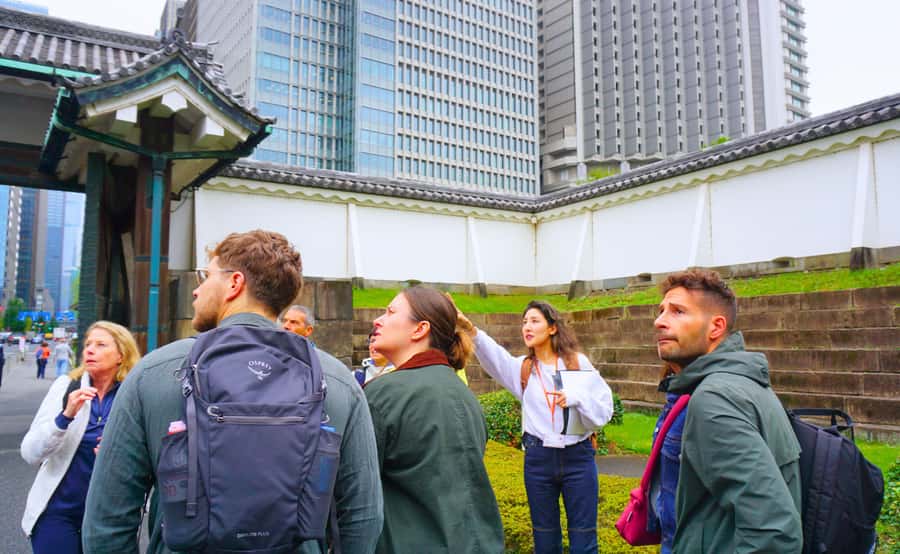
One of the tour’s central questions is simple: where is the main castle?
The main castle no longer exists, and the guide explains why. The supplied details do not give the specific reason, so I would not book this expecting a full castle interior or a preserved keep. Instead, the experience uses the remaining foundations, ruins, and a miniature structure to help you imagine what once stood here.
That missing building becomes part of the lesson. Many historic sites are easiest when the famous structure is still intact. Here, you have to read the ground, listen carefully, and use the model as a visual aid. For some people, that is less immediately dramatic than entering a preserved castle. For others, it makes the history feel more active because you are piecing the site together.
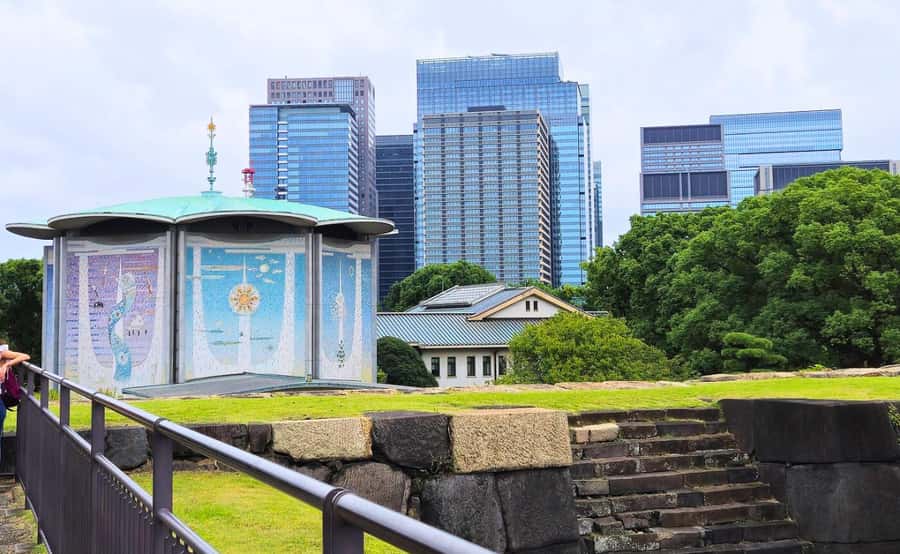
The miniature structure is useful for visitors who struggle to picture the former palace from foundations alone. It gives you a sense of scale and layout without pretending that the original building survives.
If your main goal is to see grand architecture inside and out, this tour may disappoint. If you want to understand what happened to the castle and how the site functions now, it offers a more thoughtful visit.
More Castle and Palace History Tours in Tokyo:
- Tokyo Castle & Imperial PalaceーShogun Walking Tour
★ 5.0 · 724 reviews - Imperial Palace East Garden and Edo Castle Walking Tour in Tokyo
★ 5.0 · 510 reviews - Tokyo: Edo Castle & East Garden of the Imperial Palace Tour
★ 4.7 · 112 reviews - Kyoto: Nijo Castle World Heritage Guided Tour with Admission
★ 4.9 · 37 reviews
Former barracks, castle ruins, and the story of change
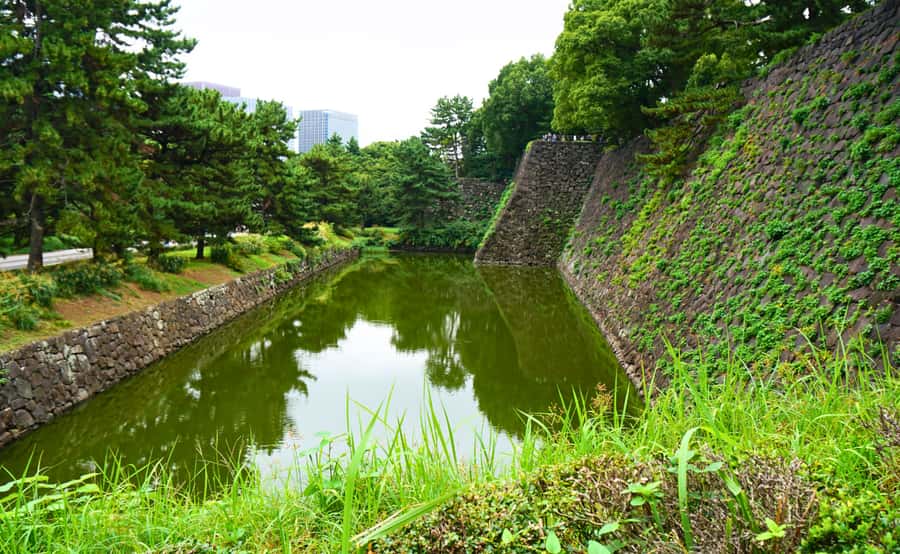
The walk includes the former soldiers’ barracks and other remains connected with Edo Castle. These stops add practical detail to the political story. A castle was not only a residence for rulers. It needed soldiers, storage, administration, movement routes, and spaces for daily work.
That is one reason I like the tour’s focus. It does not reduce the site to emperors and famous names. The barracks help you think about the people and systems that kept a castle functioning.
The guide also explains how Japan evolved into the country it is today. That broad theme can cover a lot of ground, but it gives the walk a clear purpose. You are not simply hearing dates attached to ruins. You are being asked to connect the former castle, the imperial institution, Japanese mythology, language, and modern national identity.
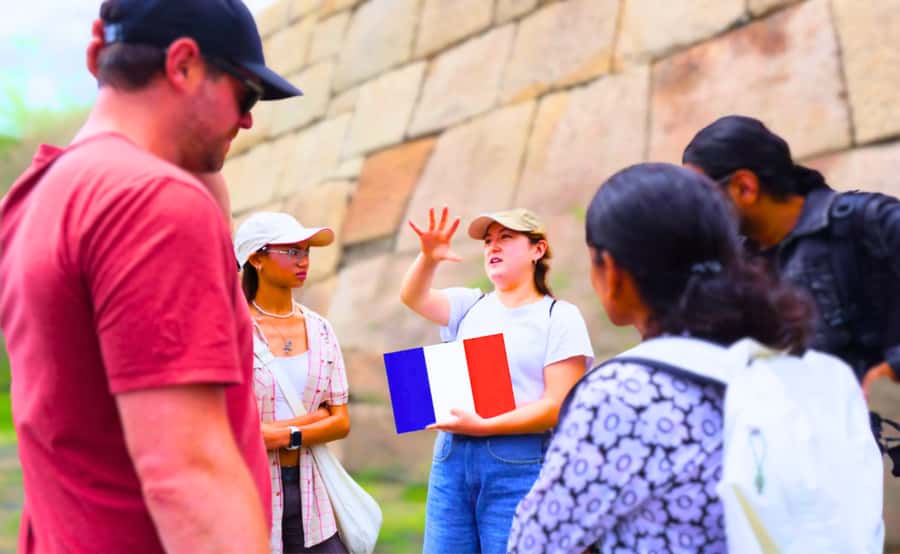
A small group makes this kind of discussion better. One outing had five participants, which allowed people to ask questions and talk easily with the guide. Nicolas, described as a Franco-Japanese guide, was praised for answering questions about Japan, Japanese mythology, and the language as well as the palace itself.
That personal exchange may be one of the strongest parts of the experience. If you enjoy asking why a custom exists or how a historical idea still appears in modern Japan, a small group gives you room to do that.
Oriental gardens and trees from across Japan
The eastern gardens provide a change of pace from the castle remains. You walk among landscaped paths, garden plantings, and trees connected with different prefectures of Japan.
The garden section is not just filler between historical stops. It shows how the palace grounds combine political memory with traditional garden design. You get time to notice the site rather than move from one plaque to the next.
The trees from different prefectures add a national dimension to the grounds. They are living reminders that the palace site represents more than Tokyo alone. The guide can help you understand why those plantings matter and how they fit into the story being told.
The gardens also make this a good choice for people who want a calmer side of the city. You will still be in central Tokyo, but the pace changes once you pass through the gate. Bring clothing suited to the weather because the tour runs in good weather or bad. This is an outdoor walking experience, not a museum visit where you can escape rain or heat.
Comfortable shoes are sensible, even though the supplied details do not specify the walking distance. You should expect to be on your feet while moving through palace grounds and garden paths.
Meeting the distinctive koi
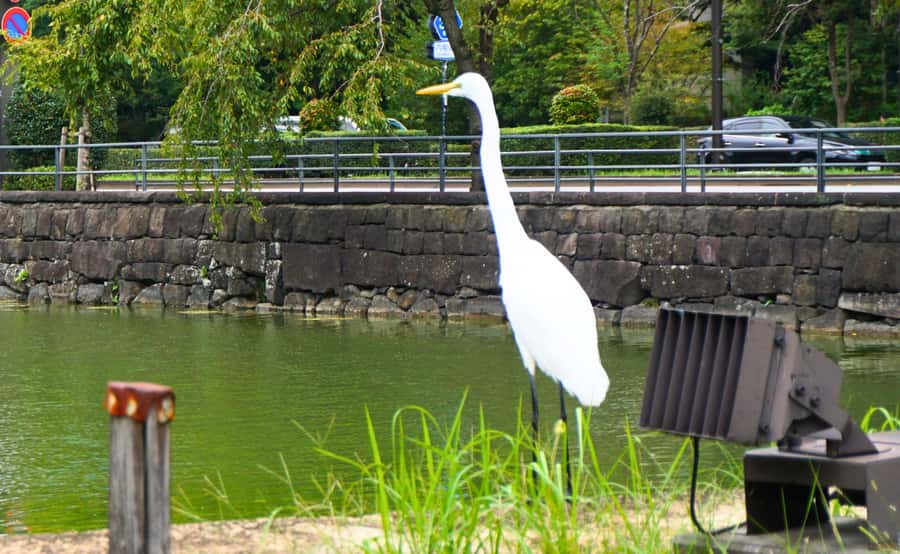
The koi are one of the tour’s most unusual details. You have a chance to see a breed described as unique to this site.
That stop gives the walk a welcome bit of everyday pleasure. History can become heavy when every point concerns battles, rulers, and political change. Watching the fish adds a small, memorable detail and makes the gardens feel alive.
Do not book this as a wildlife tour. The koi are one feature within a historical walk, not the main event. Still, if you enjoy gardens and photography, they provide a good reason to slow down and look closely.
The fish also fit the tour’s wider message: the Imperial Palace grounds hold layers of history, nature, symbolism, and daily visual interest. You get a better sense of the place by noticing all of those layers together.
Photo stops without losing the history

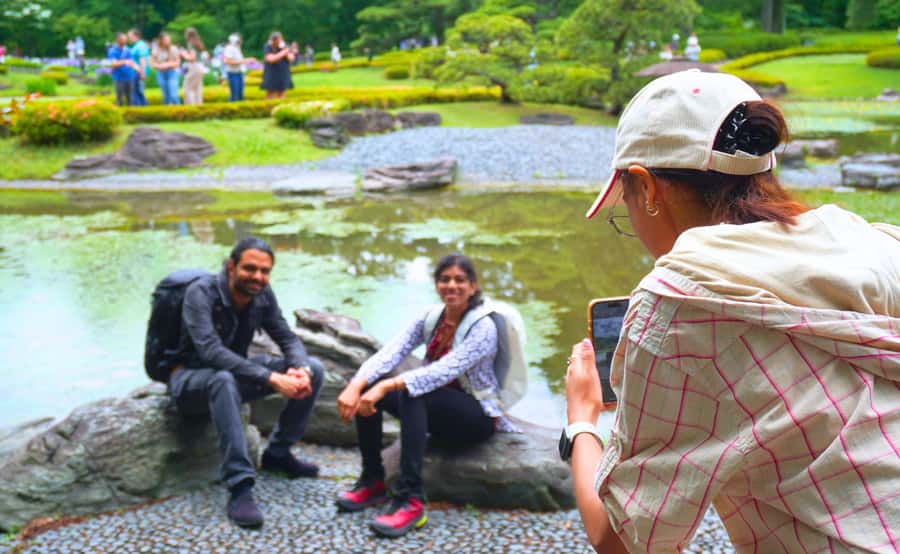
The tour includes some of the best spots for photographs around the palace grounds. That can mean views of the gate, garden paths, stone remains, miniature palace structure, trees, and koi.
I appreciate that the photo opportunities are built into a guided walk rather than treated as the entire purpose. You can take pictures, then hear why the location matters. That gives your photos a story when you look back at them.
Still, keep your expectations sensible. The tour does not promise access to the inner palace, and the most important views may be gardens, ruins, and exterior spaces rather than grand indoor rooms. If you want a polished skyline viewpoint or a dramatic modern Tokyo photo, this is not that kind of outing.
It is better for photographs that show the contrast between old castle grounds and present-day Tokyo. The setting lets you capture a quieter, more traditional side of the capital.
What the $40 price buys you
At $40 per person, this is not the cheapest way to walk around the Imperial Palace grounds. You can see parts of the area independently, at least from the outside, without paying for a guide.
The value comes from interpretation. You are paying for a historical walking tour, help finding the relevant remains, explanations of the former Edo Palace, and the chance to ask questions while moving through the site. That is useful if you would otherwise pass the barracks, ruins, and garden features without knowing what they mean.
The price makes the most sense for first-time visitors, history fans, and anyone who wants a structured introduction to Japan’s political past. It is less compelling if you already know the Edo period well or prefer to explore at your own pace with no fixed meeting time.
The small-group format improves the value. A five-person group can feel more like a conversation than a standard crowd-following tour. Nicolas’s ability to discuss mythology, language, and modern Japan also suggests that the experience can go beyond a memorized script, though the exact guide may vary.
The language issue remains the biggest value concern. The title refers to English, while the detailed information says French. Confirm that point before booking, especially if you do not speak French.
Who will enjoy this palace walk?
I would recommend this tour to you if you:
- Want a clear introduction to Japan’s historical development
- Prefer guided context to wandering among ruins alone
- Enjoy gardens, old stonework, and quiet photo stops
- Like asking questions about culture, language, and mythology
- Are comfortable with an outdoor walk in changing weather
- Want to stay in central Tokyo without spending a full day traveling
Families with older children may also find the castle ruins and koi more engaging than a formal museum. The tour gives younger visitors something to look at while the guide explains the history.
I would hesitate if you want to enter the inner palace, see the original main castle, or spend the outing indoors. None of those are part of the experience. I would also hesitate until the guide language is confirmed, since the supplied details conflict.
Smoking, drones, alcohol, drugs, littering, and skateboards are not allowed. Those rules are straightforward, but they reinforce that this is a protected historic and garden setting.
Should you book the Tokyo Imperial Palace history tour?
Book it if you want the eastern gardens to make sense, not just appear pretty. The former Edo Palace, missing main castle, soldiers’ barracks, koi, and garden plantings create a useful introduction to Japan’s past when they are tied together by a good guide.
The strongest reasons to go are the historical focus, the chance for questions, and the small-group atmosphere. The main reasons to pause are the lack of inner-palace access, the outdoor format, and the unclear language information.
Before committing, confirm that the tour will be conducted in the language you need. If that works, $40 is a fair price for a focused historical walk in one of Tokyo’s most important central sites.
FAQ
Where does the tour start?
It starts at Wadakuramon Fountain Park, near the Starbucks by the fountain. The guide will hold a Sunrise Adventure sign.
How do I reach the meeting point?
You can take the train to Tokyo Station or Otemachi Station, then walk about five to ten minutes to Wadakuramon Fountain Park.
Where does the tour end?
The activity ends back at the original meeting point.
Does the tour enter the inner palace?
No. Access to the inner palace is not included.
Is the main castle still standing?
No. The main castle no longer exists. The guide explains why, and you can also see a miniature structure of the former palace.
What language is the tour conducted in?
The detailed tour information lists French as the language and describes a French guide. The title refers to English, so confirm the language with Sunrise Adventure before booking.
What should I wear?
Wear clothing suitable for the weather. The tour operates in both good and bad weather and takes place outdoors.
What happens if I arrive late?
If you do not arrive within ten minutes of the meeting time, the tour may begin without you.
Just added around Tokyo
- Private Tour Through the Tokyo National Museum & Ukiyo-e★ 4.7 · 17 reviews
- Tokyo: Customized Private Historical Guided Photoshoot Tour★ 5.0 · 25 reviews
- Tokyo: Edo Castle & East Garden of the Imperial Palace Tour★ 4.7 · 112 reviews
- Tokyo: Nagano Snow Monkeys and Zenkoji Tour with Temples★ 4.9 · 19 reviews
- Kyoto: Nijo Castle World Heritage Guided Tour with Admission★ 4.9 · 37 reviews
- Historic Kanda Sake Tasting at Tokyo’s Oldest Shop (1596)★ 4.9 · 33 reviews
- From Tokyo: Private Nikko World Heritage Sights One Day Trip★ 4.7 · 52 reviews
- From Tokyo: Guided Day Trip to Nikko World Heritage Sites★ 4.8 · 51 reviews
Castle & Palace History Tours, compared.

Edinburgh Castle Guided History Tour with Tickets
Read our review →
Venice’s Best: Basilica, Doge’s Palace, Gondola & History Gallery
Read our review →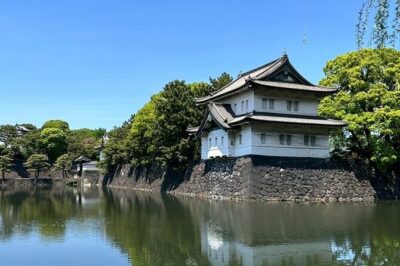
Imperial Palace and Shogun Historical Walking Tour
Read our review →
Saadian Tombs & Bahia Palace, Medina Guided Tour
Read our review →
Charleston historical walking tour with a Professor of History at The Citadel
Read our review →
Abu Dhabi Grand Mosque, Palace, and Heritage Village
Read our review →
Buda Castle District Dark History, Legends and Vampire Night Tour
Read our review →
Tokyo Castle & Imperial PalaceーShogun Walking Tour
Read our review →Browse the lists this tour appears in