
Review · HONSHU
Tokyo: Edo Castle & East Garden of the Imperial Palace Tour
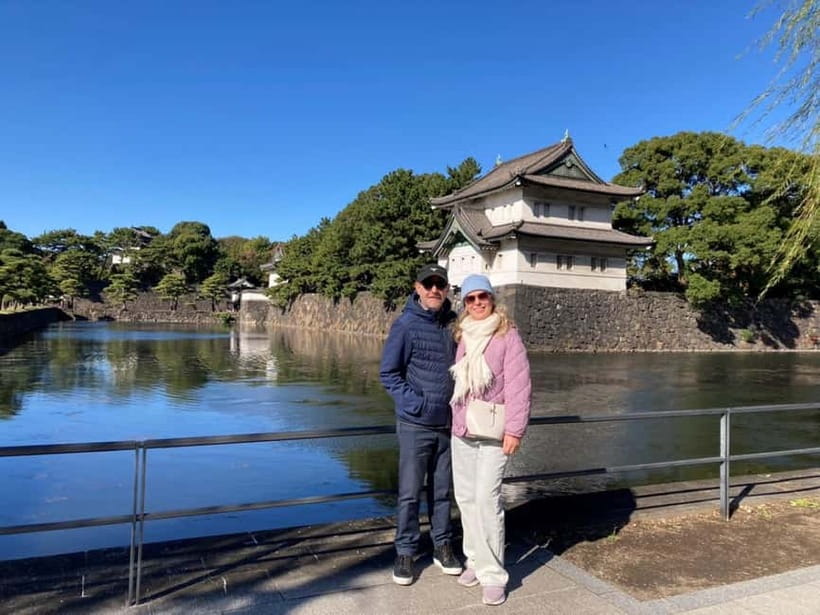
The shoguns ruled here, not on a movie set. This two-hour walk through Tokyo’s Imperial Palace East Gardens takes you across the former grounds of Edo Castle, where Japanese rulers shaped the country for centuries. I like the peaceful gardens and the way a good guide turns scattered walls, gates, and plants into a clear story. I also like the gentle pace, which leaves time for questions and photos.
The main catch is simple: you do not enter the Imperial Palace itself. The East Garden is also closed on Mondays and Fridays, and the $42 price is worth it mainly if you want historical explanation, not just a free stroll through the grounds. Guides such as Hitoshi, Shigeru, Naoko, Masahito, and Mikio have earned especially warm praise for their clear English, patience, and personal attention.
Key points to know before you book
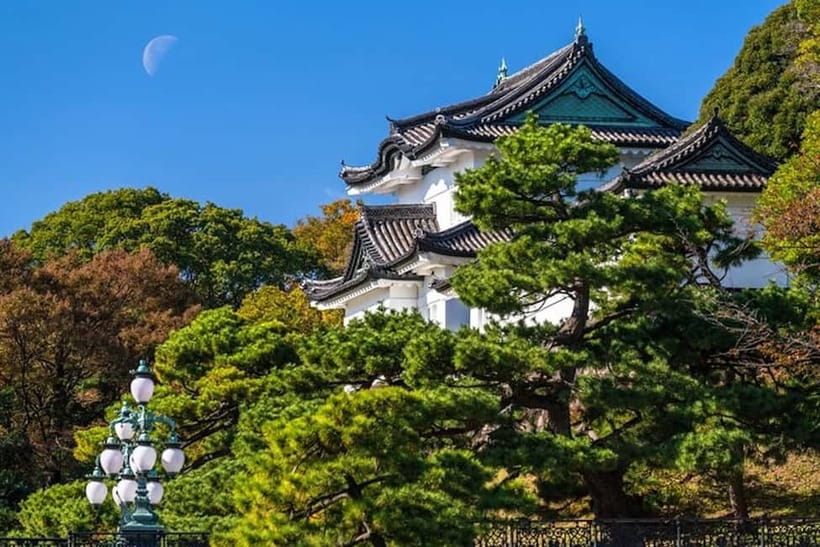
- Former Edo Castle grounds: Walk among surviving walls, old building remains, and garden spaces tied to the shoguns.
- A two-hour English tour: The timing is long enough for context without taking over your whole Tokyo day.
- A free garden with paid guidance: You are paying for interpretation, stories, photos, and help with orientation rather than for entry alone.
- No access to the Inner Palace: The tour covers the East Gardens only, not the private Imperial Palace buildings.
- Look for the special koi: The fish are one of the tour’s distinctive small pleasures, especially if you enjoy Japanese garden details.
- Meet by the Wadakura Fountain: Find the guide holding a sign marked Gotcha, then be ready for a baggage inspection.
Starting at the Wadakura Fountain
The meeting point is in front of the fountain at Wadakura Fountain Park. This gives you a pleasant, open place to meet before the tour begins, but allow enough time to identify the correct fountain and guide. The guide will be holding a sign that says Gotcha.
The opening matters because the palace area can feel grand but confusing at first. A good guide gives you a basic outline before the walk begins, explaining how Tokyo was once called Edo and how Edo Castle became the center of political power under the shoguns. Several guides, including Shigeru and Hitoshi, have been praised for giving this wider background before entering the gardens.
That short introduction helps you read the site properly. Without it, you may see a broad lawn, stonework, and trees. With it, those same features begin to suggest a fortified castle city and the immense authority once concentrated here.
More Castle and Palace History Tours in Japan
- Tokyo: Imperial Palace and Shogun Historical Walking Tour
★ 5.0 · 2,251 reviews - Tokyo Castle & Imperial PalaceーShogun Walking Tour
★ 4.7 · 1,068 reviews - Tokyo: Imperial Palace Japanese History Walking Tour
★ 4.9 · 987 reviews
Walking into the East Gardens
The East Gardens occupy part of the former grounds of Edo Castle. Today, you get a calm green setting in the middle of Tokyo, but the quiet can hide how important this place once was. The tour connects the present garden with the shoguns who governed Japan from Edo.
The walk includes the remains of old buildings, walls, and entrances. One guide showed the former ministers’ entrance and explained what the area would have been like in earlier times. Do not expect a complete castle complex. Much of Edo Castle no longer survives, and that is one reason the guide’s explanation matters.
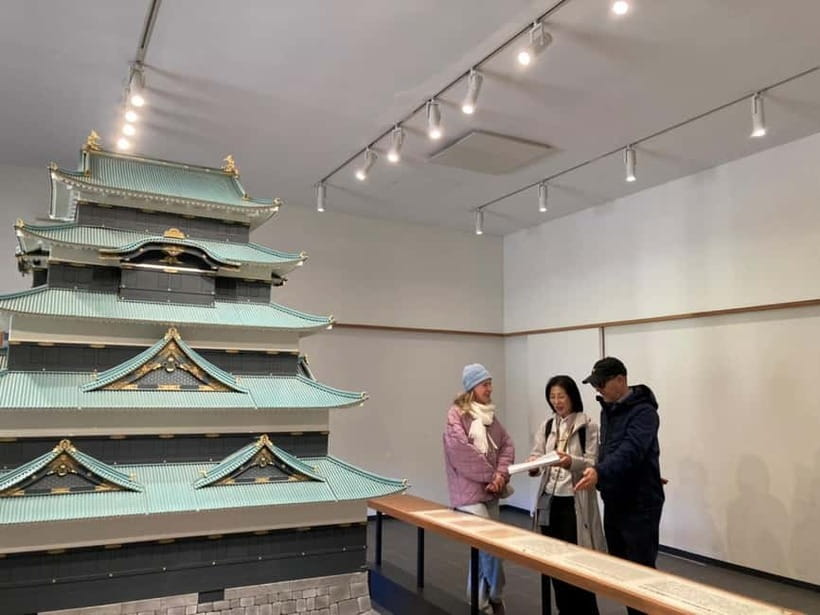
I like tours that do not pretend ruins are more complete than they are. Here, pictures and visual explanations can help fill in the gaps. Mikio, for example, used images and stories to show how the site looked in earlier periods, including the world of shoguns, daimyo, and ninjas. That approach gives you a mental picture without turning the visit into a lecture.
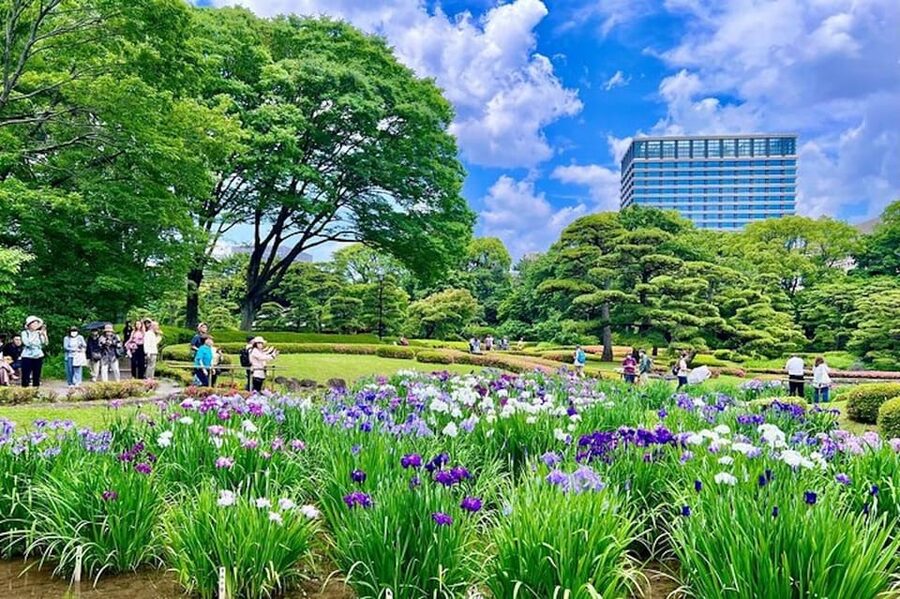
The East Garden itself is a reason to come. Paths lead through carefully maintained planting areas, open spaces, and quieter corners. You get the contrast that makes Tokyo so interesting: a major city outside the walls, and a controlled, peaceful garden inside them.
What the garden tells you about Japan
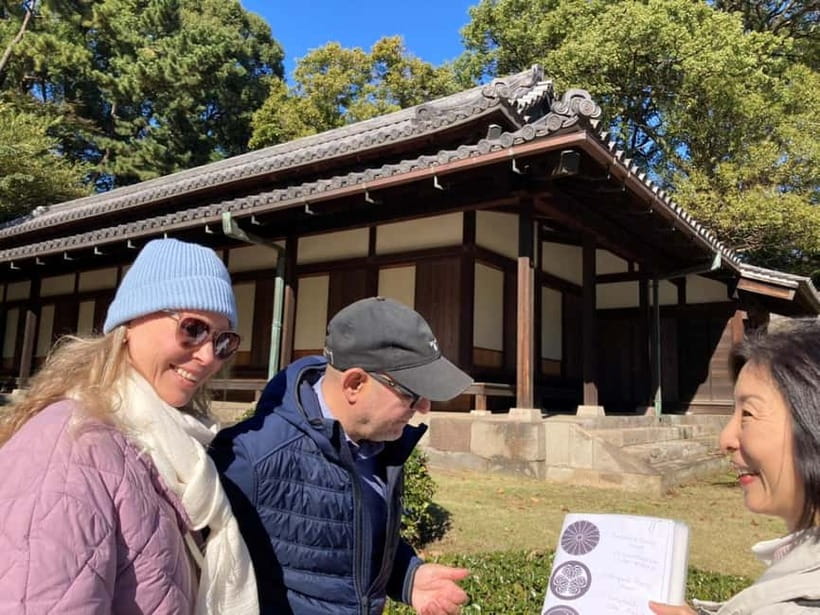
The garden is not just a break from city noise. It shows how Japanese design can make nature feel ordered without making it look stiff. Your guide may point out trees, plants, views, and details you would likely pass without noticing.
The strongest part of the experience is the connection between the garden and the country’s political past. You are not simply looking at flowers or stone. You are walking through a place linked with emperors, shoguns, officials, and the changing shape of Tokyo.
Guides often add cultural details that make the site easier to understand. Shigeru has been praised for explaining both the palace grounds and wider Japanese culture, while Naoko’s visual teaching style helped make the story clear for older visitors. Hitoshi has also been singled out for his strong English and ability to answer questions without rushing the group.
That personal explanation is the real product here. If you already have a strong grasp of Japanese history, you may find some of the introduction familiar. If you are new to the subject, the tour gives you a useful framework for understanding later visits to places such as Asakusa, Nikko, or other former castle towns.
The koi and smaller garden details
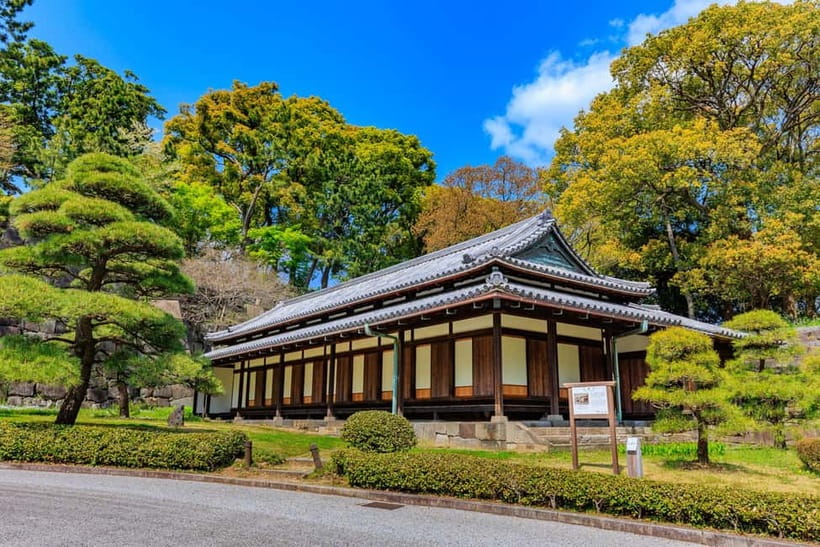
The tour highlights a special breed of koi fish, described as a one-of-a-kind attraction. Koi may seem like a small detail beside castle history, but it suits the garden well. They give the walk a lighter moment and a close-up detail after the larger story of emperors and military rulers.
I would not book the tour solely for the fish. Their appeal depends on your timing, the exact garden conditions, and your interest in Japanese ornamental traditions. Still, they add character and give children something concrete to watch while adults listen to the history.
The garden’s smaller features also help keep the two hours varied. You move between open areas, old stonework, plants, and historical points rather than standing in one place for a long talk. That makes this a good choice if you want history delivered through walking rather than through a museum display.
More Castle and Palace History Tours in Tokyo:
- Tokyo Castle & Imperial PalaceーShogun Walking Tour
★ 5.0 · 724 reviews - Imperial Palace East Garden and Edo Castle Walking Tour in Tokyo
★ 5.0 · 510 reviews - Tokyo: Imperial Palace, the history of Japan (ENGLISH GUIDE)
★ 5.0 · 77 reviews - Kyoto: Nijo Castle World Heritage Guided Tour with Admission
★ 4.9 · 37 reviews
The guide makes or breaks the experience
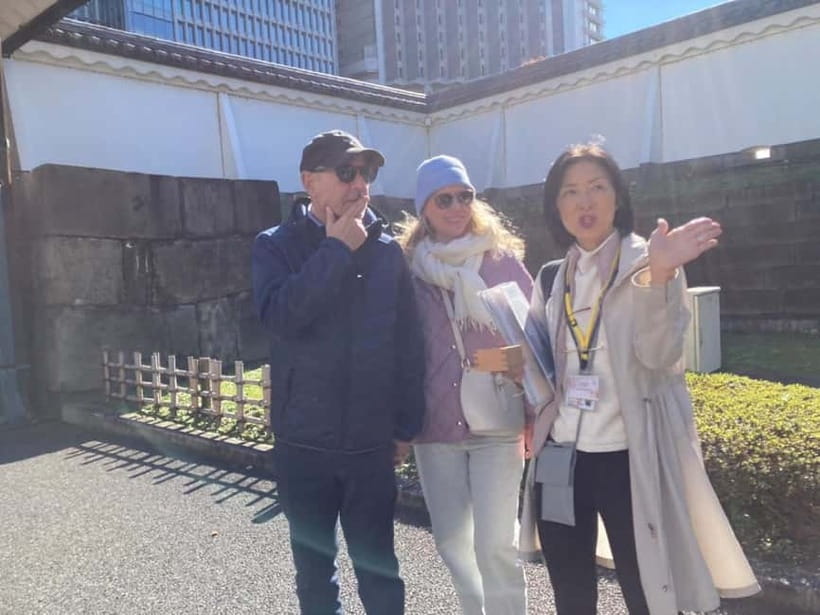
This tour’s strongest feature is its guide. The repeated praise for Hitoshi, Shigeru, Naoko, Masahito, Mikio, Ayako, and other guides points to a consistent strength: the human explanation is often much better than a self-guided walk.
Hitoshi has been described as friendly, patient, and especially helpful. He has assisted visitors after the tour by walking them toward a subway station, and he took extra care with a visitor using a wheelchair. Mikio adjusted the pace for a small group that wanted to walk slowly and stop often. Those examples suggest a considerate style, although you should not assume every group will receive exactly the same level of individual help.
Masahito has earned praise for his preparation, humor, and ability to explain the palace area in clear English. Naoko has been appreciated for her teaching style, visual aids, and patience with groups of older people. Shigeru has helped with photographs, answered many questions, and even folded an origami crane for one group.
Those touches are not guaranteed, but they show what can make a guided walk memorable. You are not only following a route. You may get help with photos, a clearer explanation of a confusing historical point, or advice about reaching your next stop.
A relaxed two-hour pace
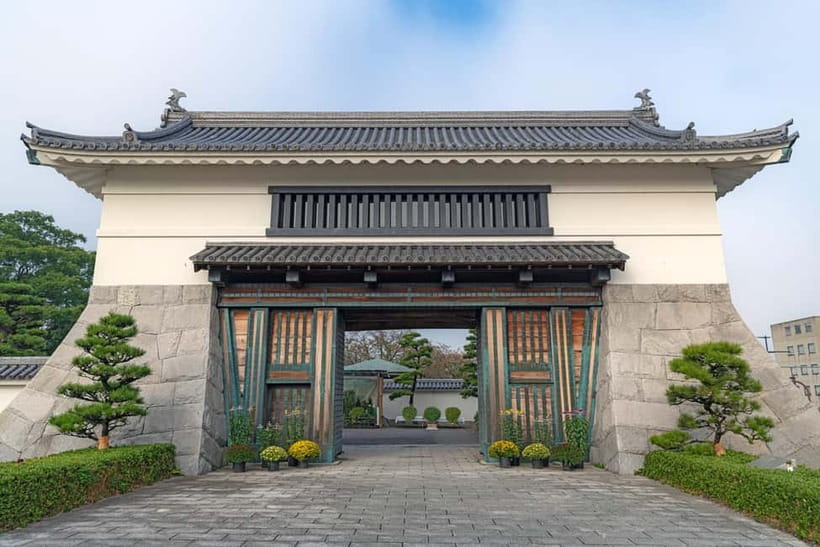
The tour lasts two hours and returns to the Wadakura Fountain area. That makes it easy to fit into a morning or afternoon plan. It is long enough to cover the main garden areas without demanding an entire day.
The pace is generally described as slow and comfortable. That is good news if you want to listen, take photos, or pause at garden features. It also suits older visitors better than a fast city walk. Still, this remains a walking tour, so comfortable shoes and weather protection are sensible choices.
Rain does not necessarily ruin the experience. One group enjoyed the walk despite heavy rain, thanks to an engaging guide. But the garden will be more pleasant in dry weather, and the open spaces offer limited shelter. Check the forecast and bring an umbrella or rain jacket if needed.
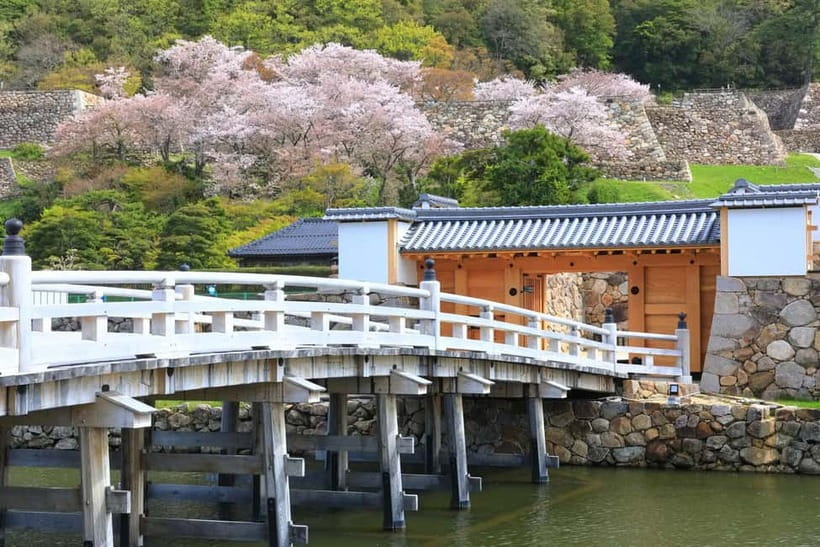
Spring can be especially appealing because of the garden setting and nearby cherry blossoms. One guide made an extra effort to show a group cherry blossoms in an adjacent park. That was a helpful addition, but it should be viewed as a kind gesture rather than a fixed part of the route.
What you do not see
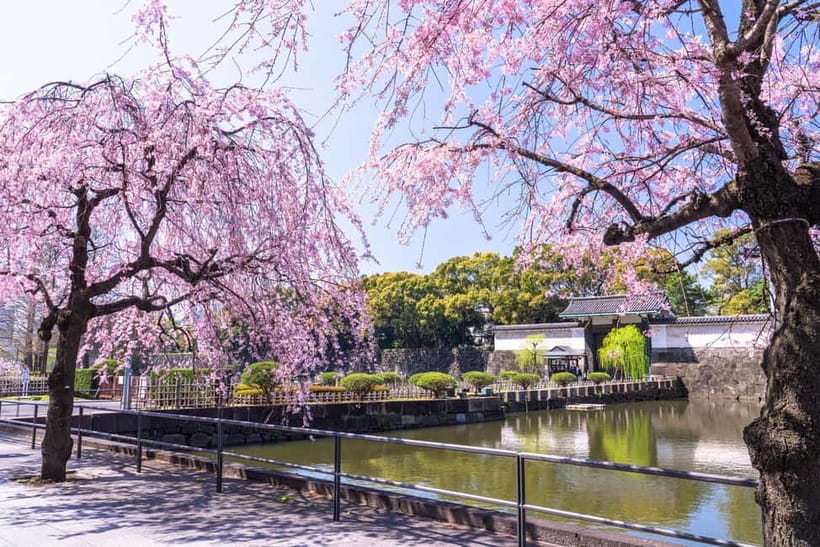
The title can create the wrong expectation if you imagine touring the Imperial Palace interior. You cannot go inside the Inner Palace on this experience, and the tour does not provide access to private royal buildings.
That limitation is not a flaw if you want the East Gardens and castle remains. It is a serious consideration if your main goal is to see palace rooms or get close to the imperial residence. The tour is about the former castle grounds and public garden area.
The garden is closed on Mondays and Fridays, so those days will not work. On open days, visitors are subject to a baggage inspection when entering the Imperial Palace grounds. The instruction about knives is unusually important: if you buy Japanese knives or another object that could be treated as a weapon at Tsukiji, Asakusa, or elsewhere, leave it in a coin locker before meeting the guide.
That rule can catch you off guard if you plan to combine shopping with the tour. Schedule the garden before those purchases, or store them first.
Is $42 a fair price?
At $42 per person, this is not a cheap way to enter a garden. The East Garden is free to enter, so the fee pays for the guide’s time, English narration, historical context, questions, photographs, and help with orientation.
That can be good value if you are visiting Tokyo for the first time and want the site to make sense. A free walk may show you attractive trees and old stone walls, but it will not necessarily explain how the grounds connect to Edo Castle, the shoguns, daimyo, the imperial family, and modern Tokyo.
The price is less convincing if you only want a quick look at the garden. One visitor fairly noted that $42 can also contribute toward a full-day trip to Nikko or Mount Fuji. That comparison is worth keeping in mind. This is a short, focused city tour, not a full-day excursion with multiple destinations.
I see it as a good purchase for history fans, first-time visitors, families who want a clear story, and anyone who prefers guided sightseeing. It is harder to justify for repeat visitors who already know the site or for budget-focused visitors happy to explore independently.
Who will enjoy this walk most?
You will get the most from this experience if you enjoy a calm pace and want context for what you are seeing. It works well for couples, families, older visitors, and small groups who prefer conversation over a crowded bus tour.
Children can also benefit, especially if the guide uses pictures, stories, and the koi to break up the historical material. One guide made the visit useful for a nine-year-old by explaining Japanese history in an accessible way.
This is also a sensible first or second activity in Tokyo. The tour gives you a basic map of Japanese political history and may help you understand later visits to temples, castles, museums, and former shogunal sites.
You may want to skip it if you dislike guided walks, need a fully indoor activity, or expect to enter the Imperial Palace. The experience is outdoors, and its appeal depends on listening to the guide as much as looking at the gardens.
Practical advice for a smoother visit
Arrive at the Wadakura Fountain with time to spare. Look for the Gotcha sign, and keep your group together during the entry process.
Wear shoes suited to two hours of walking. The advertised pace is leisurely, but the tour still covers a substantial garden area. Bring water and weather protection, particularly in rain or strong sun.
Keep shopping plans in the right order. Japanese knives and similar purchases must not be carried into the palace grounds, so use a coin locker before the meeting time if you have already bought them.
If you need a slower pace or have mobility concerns, say so at the beginning. Hitoshi and Mikio received particular praise for patience and care, including support for a wheelchair user, but the available information does not promise a formal accessible route for every condition.
The booking terms are flexible: you can cancel up to 24 hours before the start for a full refund, and you can reserve while paying later. The tour is offered in English with a live guide.
Should you book the Edo Castle and East Garden walk?
Book it if you want the former castle grounds to tell a story rather than remain a pleasant but puzzling garden. The best part is the guide’s ability to connect old walls, garden details, koi, shoguns, and the imperial family in a way that fits into two hours.
Skip it if you mainly want palace interiors, a full-day excursion, or the lowest possible cost. You can enter the garden without paying for a tour, but $42 can be worthwhile when you want clear English explanations and personal help.
For most first-time visitors with an interest in Japanese history, I would book it on an open day and keep the rest of the schedule light. A thoughtful guide such as Hitoshi, Shigeru, Naoko, Masahito, or Mikio can turn the walk into a useful introduction to Tokyo’s past, while the garden gives you a quiet pause from the city.
FAQ
How long is the Tokyo Edo Castle and East Garden tour?
The guided walking tour lasts two hours and returns to the Wadakura Fountain area.
Where do I meet the guide?
Meet in front of the fountain at Wadakura Fountain Park. The guide will be holding a sign that says Gotcha.
Does the tour enter the Imperial Palace?
No. The tour visits the East Gardens on the former grounds of Edo Castle. It does not enter the Inner Palace or private palace buildings.
Which days is the East Garden closed?
The East Garden is closed on Mondays and Fridays.
Is the tour offered in English?
Yes. It includes a live English-speaking guide.
Can I bring Japanese knives into the palace grounds?
No. Visitors are subject to a baggage inspection. If you have bought Japanese knives or similar objects at Tsukiji, Asakusa, or elsewhere, leave them in a coin locker or another secure place before the meeting.
Just added around Tokyo
- Private Tour Through the Tokyo National Museum & Ukiyo-e★ 4.7 · 17 reviews
- Tokyo: Imperial Palace, the history of Japan (ENGLISH GUIDE)★ 5.0 · 77 reviews
- Tokyo: Customized Private Historical Guided Photoshoot Tour★ 5.0 · 25 reviews
- Tokyo: Nagano Snow Monkeys and Zenkoji Tour with Temples★ 4.9 · 19 reviews
- Kyoto: Nijo Castle World Heritage Guided Tour with Admission★ 4.9 · 37 reviews
- Historic Kanda Sake Tasting at Tokyo’s Oldest Shop (1596)★ 4.9 · 33 reviews
- From Tokyo: Private Nikko World Heritage Sights One Day Trip★ 4.7 · 52 reviews
- From Tokyo: Guided Day Trip to Nikko World Heritage Sites★ 4.8 · 51 reviews
Castle & Palace History Tours, compared.

Edinburgh Castle Guided History Tour with Tickets
Read our review →
Venice’s Best: Basilica, Doge’s Palace, Gondola & History Gallery
Read our review →
Imperial Palace and Shogun Historical Walking Tour
Read our review →
Saadian Tombs & Bahia Palace, Medina Guided Tour
Read our review →
Charleston historical walking tour with a Professor of History at The Citadel
Read our review →
Abu Dhabi Grand Mosque, Palace, and Heritage Village
Read our review →
Buda Castle District Dark History, Legends and Vampire Night Tour
Read our review →
Tokyo Castle & Imperial PalaceーShogun Walking Tour
Read our review →Browse the lists this tour appears in