
Review · HONSHU
Private Tour Through the Tokyo National Museum & Ukiyo-e
Ueno tells Japan’s story in a compact walk. This private 150-minute tour links the calm grounds of Ueno Park with the Tokyo National Museum, Kiyomizu Kannondo, and Ueno Toshogu Shrine, giving you a useful introduction to Japan’s art, religion, and political past. I especially like the combination of outdoor sights and museum time, plus the chance to ask an English-speaking guide questions as you go.
I also like that the tour begins with the older religious sites before moving indoors to samurai armor and colorful ukiyo-e woodblock prints. Guides such as Shigeru, Mieko, Masahito, and Hattori Yutaka have received praise for clear explanations, patience, and help with family groups. The main consideration is pace: the museum portion may feel too general if you want detailed guidance on a particular gallery or object.
Key points before you book
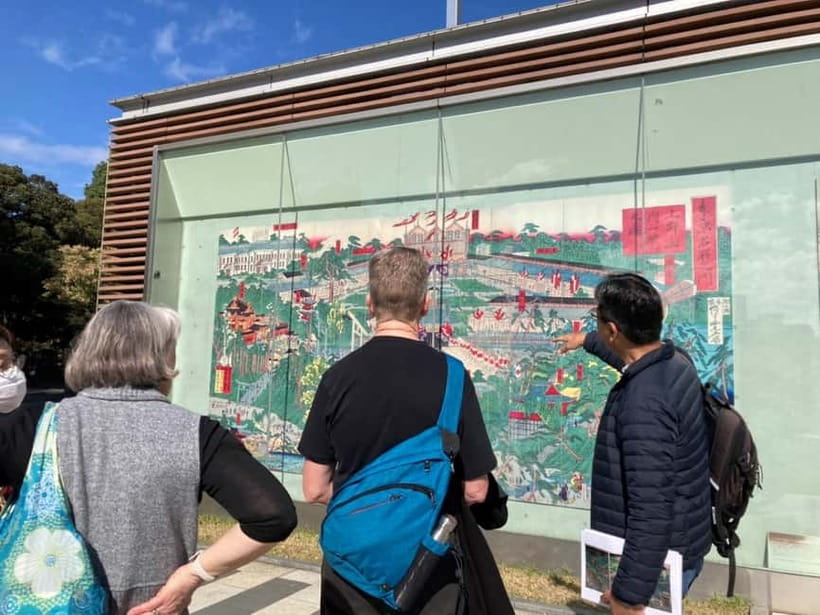
- Ueno’s past in one short route: Connect the former Kaneiji Temple grounds, the Edo period, the Battle of Ueno, and the Meiji Restoration.
- A private English-speaking guide: You can ask questions and request extra time for specific museum areas.
- Three distinct stops: See Kiyomizu Kannondo, Ueno Toshogu Shrine, and the Tokyo National Museum.
- Ukiyo-e and samurai armor: The museum adds visual drama after the quieter park and shrine visits.
- A useful view over Ueno Park: Kiyomizu Kannondo’s wooden stage gives the tour a scenic pause.
- Good value for focused sightseeing: At $74 per person, admission and private guidance are included, though the value depends on how much museum explanation you want.
Why Ueno is a smart place to study Tokyo’s past
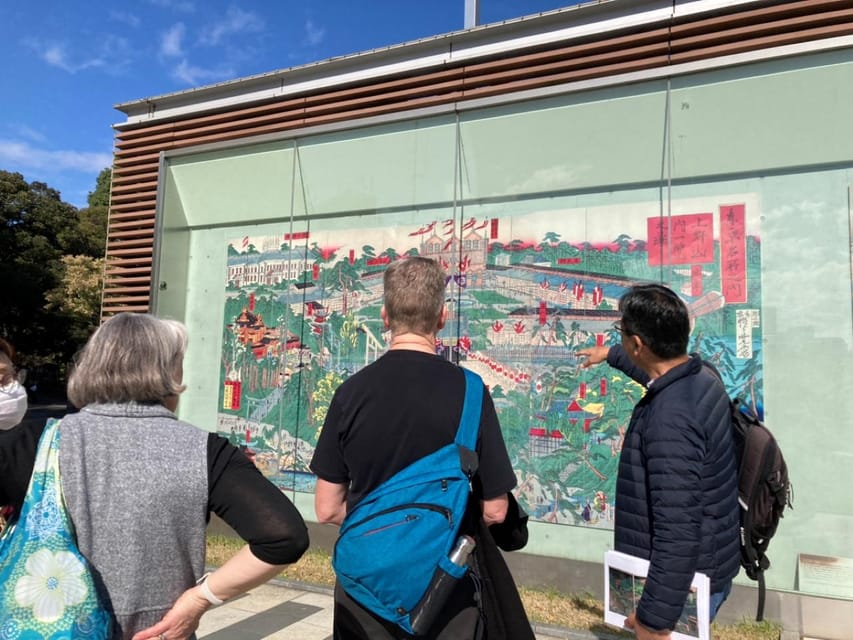
Tokyo can feel like a city built in layers, and Ueno makes those layers easy to see. The hill was once part of the huge grounds of Kaneiji Temple, a major Buddhist institution connected with the Tokugawa Shogunate. Later, Ueno became a public space, and the area also saw fighting during the Battle of Ueno.
That makes this more than a simple museum transfer. Your guide can show you how religious land, political power, war, public recreation, and modern cultural institutions came together in one part of the city. The walk gives the museum objects a setting, so the armor and prints are not just items behind glass.
I would choose this tour early in a Tokyo visit if you want a firm starting point for Japanese culture. You will not learn every period in detail, but you should leave with a clearer sense of how religion, military rule, art, and the modern city connect.
More Private History Tours in Japan
- From Tokyo: Nikko World Heritage Site Private Full-Day Trip
★ 4.9 · 243 reviews - Tokyo: Nikko World Heritage Private Day Trip Hotel Pick-up
★ 4.8 · 145 reviews - From Tokyo: Nikko World Heritage Sight Full Day Private Tour
★ 4.9 · 127 reviews
Starting outside Family Mart Ueno Park Branch
The meeting point is in front of Family Mart Ueno Park Branch, facing the street. This detail matters because the store is not inside Ueno Park. If you head into the park first, you may pass the correct place and spend time searching among the paths.
The tour ends at the Tokyo National Museum, so the route has a practical shape. You begin outdoors, walk through the historic Ueno area, and finish at the museum rather than returning to the starting point. Wear comfortable shoes, bring water, and carry sun protection. A hat and sunscreen are sensible because part of the experience takes place outside.
The private format is helpful here. Ueno Park has several religious buildings and historical associations, and a guide can point out the meaning of each stop instead of leaving you to sort out the names on your own. You also avoid being tied to the interests of a large group.
Kiyomizu Kannondo and the wooden stage
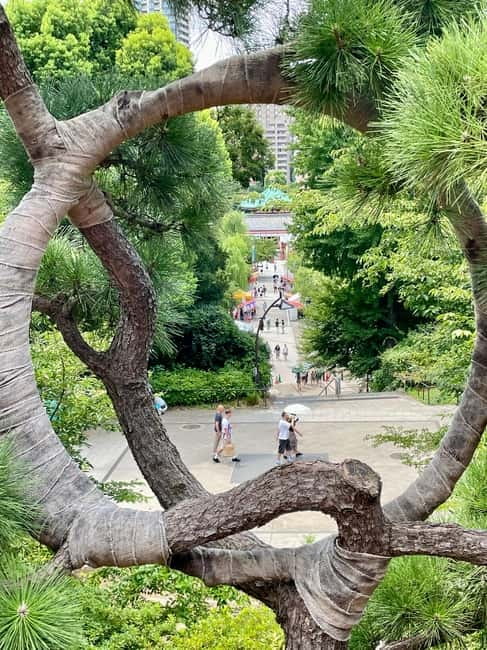
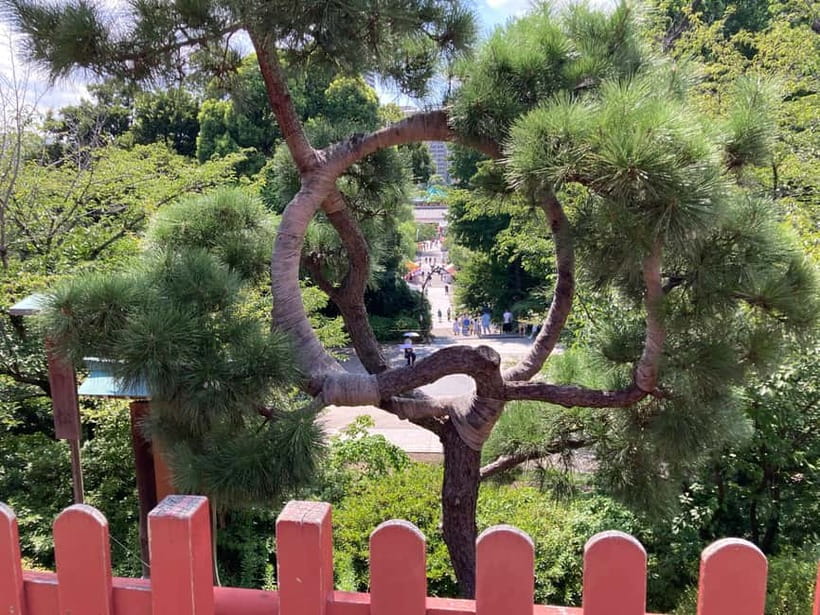
Kiyomizu Kannondo is the first proper stop. You receive a guided visit and time for photographs at this quiet temple, surrounded by trees and park greenery. Its wooden stage offers a pleasing view across Ueno Park and creates a natural break before the route continues.
The temple’s name recalls Kiyomizudera in Kyoto, but this visit is not presented as a full comparison tour. Instead, it gives you a chance to see how Buddhist buildings formed part of the old Kaneiji Temple grounds. The setting is calm, and that quiet helps you notice the contrast between historic religious architecture and Tokyo’s modern city beyond the park.
I would treat this stop as a context setter rather than the main event. It is not a long temple-focused visit, and the attraction is as much the view and setting as the building itself. If photography matters to you, this is one of the better places to have your camera ready. Flash photography is not allowed, so bring a camera you can use without it.
Ueno Toshogu Shrine and Tokugawa connections
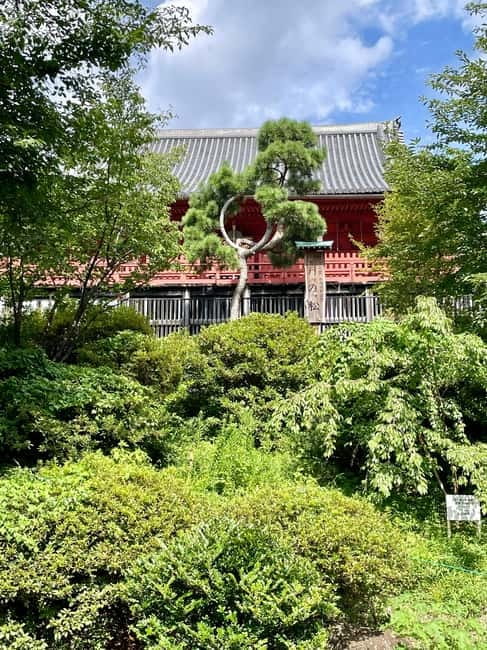
The route then moves to Ueno Toshogu Shrine, which has ties to the Tokugawa Shogunate. You receive a guided sightseeing visit and a photo stop, with the guide explaining why this shrine belongs in a tour about Ueno’s political past.
This is where the Edo period becomes easier to understand. The Tokugawa government shaped Japan for centuries, and Ueno’s temples and shrines were connected to that power. You do not need a detailed knowledge of Japanese history to follow the basic story. The value comes from having someone explain what you are looking at and why this site was placed here.
The shrine stop also balances the museum section. Instead of spending all 150 minutes indoors, you see architecture, sacred grounds, and open park space first. If you prefer a slow, contemplative visit at every religious site, the fixed tour length may feel brisk. The private setup gives you a better chance to ask for a short pause, but the full route still needs to fit into two and a half hours.
More Museum and Gallery History Tours in Tokyo:
- Paris: Louvre Museum Entry with History of Mona Lisa
★ 3.9 · 2,823 reviews - Venice’s Best: Basilica, Doge’s Palace, Gondola & History Gallery
★ 4.5 · 2,478 reviews - Guided African American History Tour with Reserved Museum Entry
★ 4.5 · 1,180 reviews - Warsaw: POLIN Museum of the History of Polish Jews Ticket
★ 4.7 · 1,142 reviews
Tokyo National Museum: armor, prints, and a broad introduction
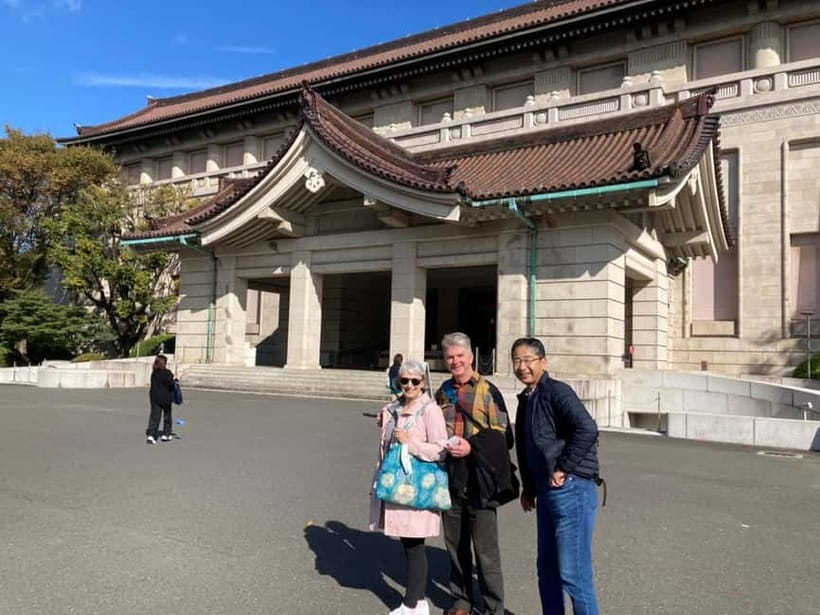
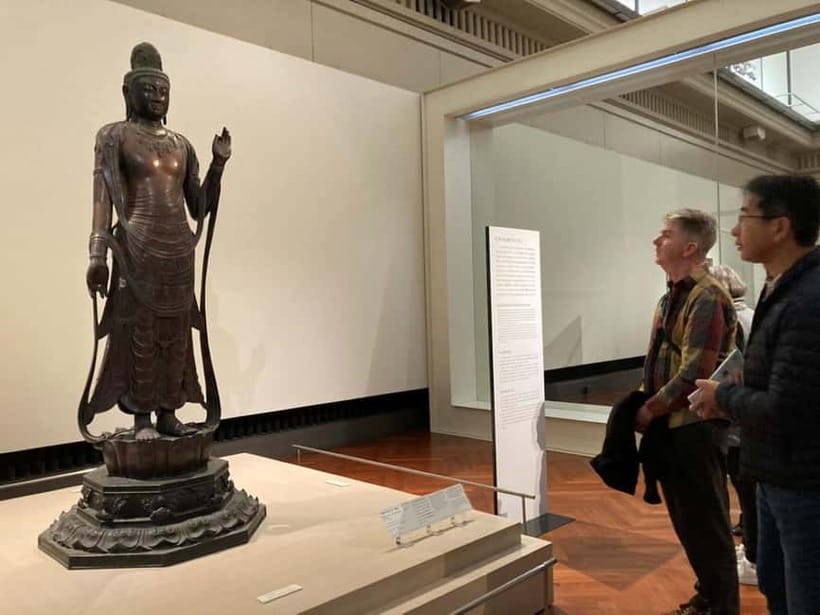
The Tokyo National Museum is the final stop and the main reason to book this experience. Admission is included, and the tour takes you into one of Japan’s key museum settings for art and historical objects. The displays can include samurai armor and colorful ukiyo-e woodblock prints, two subjects that give you an immediate visual link to Japan’s past.
Samurai armor is useful because it makes military history tangible. Ukiyo-e offers a different window, showing how printed images brought art and popular subjects to a wider audience. Seeing both in the same visit helps you compare the world of warrior authority with the visual culture of everyday Japan.
The museum is large enough that a 150-minute tour cannot cover everything. That is not a flaw, but you should set your expectations correctly. This is a guided introduction, not a complete museum study. One person specifically wanted more targeted explanation of individual objects, while another appreciated having enough time to focus on two chosen areas. Those two experiences point to the key question: tell your guide early what interests you most.
A private tour works best when you speak up. If your priority is ukiyo-e, say so. If you care more about armor, religious sculpture, or a particular section, mention it before entering or at the beginning of the museum visit. Masahito was praised for making time for specific areas, and that is the kind of flexibility you should try to use.
What the guides add to the experience
The strongest part of this tour is the human explanation. Shigeru has been praised for his understanding of Japanese history and for suggesting a good place for lunch afterward. Mieko received praise for explaining the grounds from their earlier history through to the present day.
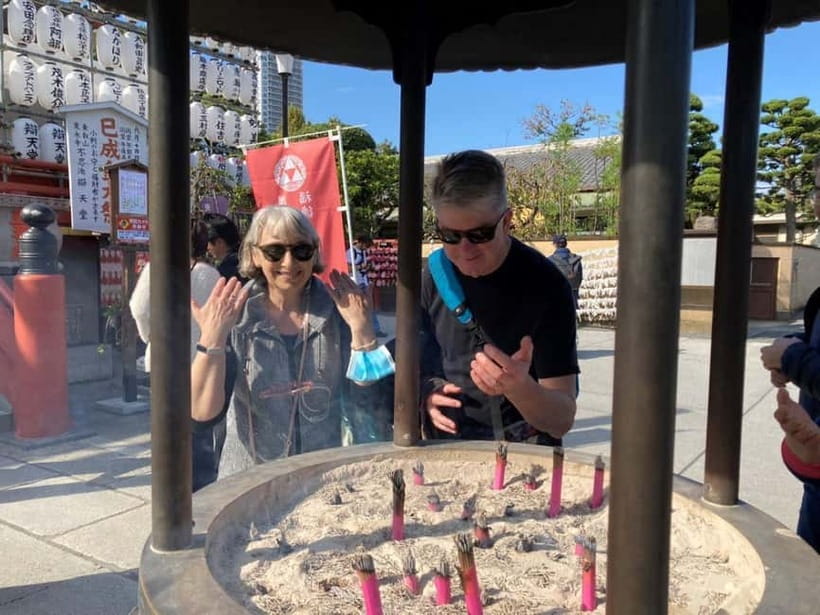
Hattori Yutaka has been described as attentive, patient, and helpful with photographs. That matters on a private walking tour, particularly if you want a picture of the group or need a more relaxed pace. A French-speaking family also appreciated a guide who was gentle, patient with children, and able to explain Japan’s past while moving through both the park and museum.
Masahito was praised for answering questions and allowing enough time for two specific museum areas. These details suggest that guide quality can shape the tour considerably. The experience is not simply a recorded route with fixed facts. Your guide’s approach may determine how much you learn outside and how focused the museum visit becomes.
There is also evidence that the tour works for Japanese visitors, not only international sightseers. A Japanese family joined because their son enjoyed history and found the explanation clear and enjoyable. That is useful if you already know some basic Japanese history and want a more organized visit rather than a beginner-only overview.
Is $74 per person a fair price?
At $74 per person, the price includes admission to the Tokyo National Museum, access to Kiyomizu Kannondo, and a private English-speaking guide for 150 minutes. The value is strongest for two or more people who want conversation, historical context, and a route that joins several nearby sights.
You are paying for more than entry tickets. The guide explains the connection between the sites, helps you read the area as one story, and can respond to your interests. If you visited the park and museum alone, you could certainly spend less, but you would need to research the history and organize the route yourself.
The price is less attractive if you want a long, object-by-object museum lesson. The museum alone can take far longer than this tour, and one of the more moderate assessments pointed out that the guidance inside could be more targeted. You can improve the value by deciding in advance which sections matter most and telling your guide.
The private format also changes the calculation. A family with children, a couple with a shared interest in art, or a small group that wants to ask questions may get more from the fee than someone who prefers to browse silently. The reserve-now, pay-later option and free cancellation up to 24 hours before the start add useful flexibility when Tokyo plans are still changing.
Who will enjoy this tour most?
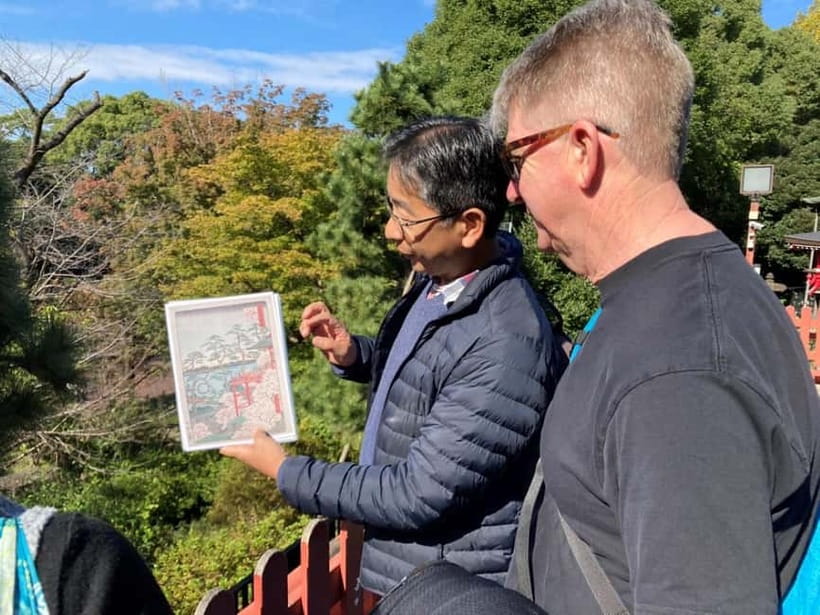
I would recommend it to first-time visitors who want a manageable introduction to Japanese culture without committing to a full-day museum program. It also suits people who enjoy historical connections, outdoor religious sites, and art in equal measure.
Families may appreciate the private setting and the chance to request a pause. The guide can explain the sites at a level that works for children and adults, and the route includes both open-air stops and visually striking museum displays. Still, you should bring water and wear proper shoes because this is a walking experience.
This is also a good choice if you want to understand ukiyo-e but do not know where to start. You may not receive a specialist lecture on every print, but the guide can place the works beside other parts of Japanese history. Art lovers who already have a strict list of objects should communicate that list clearly.
I would not choose it for wheelchair users or people with mobility impairments, since the experience is not suitable for them. I would also reconsider it if you want to spend most of the day inside the museum or prefer an entirely self-guided visit.
Small details that can improve your visit
Bring a camera, but remember that flash photography is not allowed. A hat, sunscreen, comfortable shoes, and water are also recommended, especially because the first half includes outdoor sightseeing in Ueno Park.
The tour is conducted in English and is offered as a private group. Starting times vary, so you need to check availability when booking. The route finishes at the museum, which is useful if you want to continue there after the guided portion, though the included experience itself lasts 150 minutes.
The meeting point deserves one final reminder: Family Mart Ueno Park Branch faces the street and is not inside Ueno Park. Arriving at the park entrance instead of the convenience store could create an avoidable scramble before the tour begins.
Should you book the Tokyo National Museum and ukiyo-e tour?
Book it if you want a clear, human-led introduction to Ueno, especially if you value the link between temples, Tokugawa-era power, modern public space, and museum art. The strongest reasons are the private English guidance, the mix of outdoor and indoor sights, and the ability to ask for attention in particular museum areas.
I would be more cautious if your main goal is a specialist ukiyo-e lesson or a slow museum visit. In that case, the 150-minute schedule may leave you wanting more. For most visitors, though, $74 is reasonable when you use the guide actively and treat the tour as a well-shaped introduction rather than the last word on the Tokyo National Museum.
FAQ
How long does the tour last?
The tour lasts 150 minutes, or two and a half hours.
What language is the tour conducted in?
The tour is conducted in English with a live English-speaking guide.
Is this a private tour?
Yes. The experience is offered for a private group.
Where does the tour begin?
It begins in front of Family Mart Ueno Park Branch, facing the street. The meeting point is outside Ueno Park, not inside it.
Where does the tour finish?
The tour finishes at the Tokyo National Museum.
What places are visited?
The route includes Kiyomizu Kannondo, Ueno Toshogu Shrine, and the Tokyo National Museum.
Is admission to the Tokyo National Museum included?
Yes. Admission to the Tokyo National Museum is included.
Is access to Kiyomizu Kannondo included?
Yes. Access to Kiyomizu Kannondo is included.
Is the tour suitable for wheelchair users?
No. The experience is not suitable for wheelchair users or people with mobility impairments.
What should I bring?
Bring comfortable shoes, a hat, a camera, sunscreen, and water. Smoking and flash photography are not allowed.
More Private History Tours in Tokyo
- From Tokyo: Private Nikko World Heritage Sights One Day Trip
★ 4.7 · 52 reviews - Tokyo: Customized Private Historical Guided Photoshoot Tour
★ 5.0 · 25 reviews - Private Historical Walking Tour of York
★ 5.0 · 1,324 reviews - Private Guided Historic Electric Cart Tour of St. Augustine
★ 5.0 · 1,194 reviews
Just added around Tokyo
- Tokyo: Imperial Palace, the history of Japan (ENGLISH GUIDE)★ 5.0 · 77 reviews
- Tokyo: Customized Private Historical Guided Photoshoot Tour★ 5.0 · 25 reviews
- Tokyo: Edo Castle & East Garden of the Imperial Palace Tour★ 4.7 · 112 reviews
- Tokyo: Nagano Snow Monkeys and Zenkoji Tour with Temples★ 4.9 · 19 reviews
- Kyoto: Nijo Castle World Heritage Guided Tour with Admission★ 4.9 · 37 reviews
- Historic Kanda Sake Tasting at Tokyo’s Oldest Shop (1596)★ 4.9 · 33 reviews
- From Tokyo: Private Nikko World Heritage Sights One Day Trip★ 4.7 · 52 reviews
- From Tokyo: Guided Day Trip to Nikko World Heritage Sites★ 4.8 · 51 reviews
Museum & Gallery History Tours, compared.
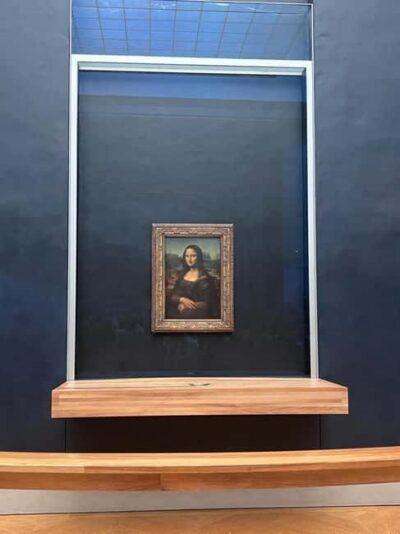
Louvre Museum Entry with History of Mona Lisa
Read our review →
Venice’s Best: Basilica, Doge’s Palace, Gondola & History Gallery
Read our review →
Guided African American History Tour with Reserved Museum Entry
Read our review →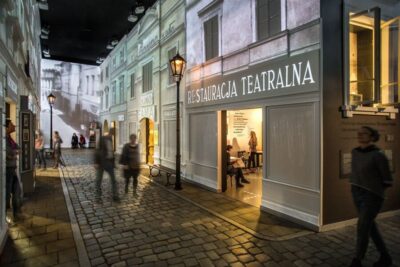
POLIN Museum of the History of Polish Jews Ticket
Read our review →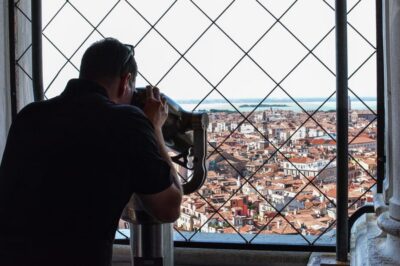
Bell Tower & St Mark’s Square History Gallery Ticket
Read our review →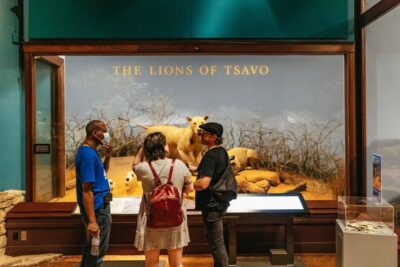
Field Museum of Natural History Ticket or VIP Tour
Read our review →
Madrid in a Day Tour:Royal Palace, Historic Center & Prado Museum
Read our review →
Basilica, Doge’s Palace, History Gallery & Bell Tower Option
Read our review →Browse the lists this tour appears in