
Review · SALEM
History and Hauntings of Salem Guided Walking Tour
Salem’s past is darker than its souvenirs. This two-hour walk mixes the facts of the 1692 witch trial hysteria with colonial architecture, ghost lore, modern witchcraft, and the city’s rise as a wealthy seaport. I especially like the route through the McIntire Historic District and the way guides such as Lisa, Michael, Sean, Ryan, and Diane bring the stories to life with humor and theatrical flair. I also like the choice of a daytime or lantern-lit evening tour, which gives you two very different moods.
The main drawback is simple: this is an outdoor walking tour in every kind of weather. Salem’s cobblestones, wind, and long periods of standing can be hard on a cold or wet day. One January participant left after 15 minutes in bitter wind, while others managed the cold with warm clothing and, on some tours, hand warmers. Plan your shoes and clothing carefully.
Key Things to Know Before You Go
- The story reaches far beyond the witch trials: You hear about roughly 400 years of Salem’s past, including Native American trade routes, wealthy seafaring families, architecture, hauntings, and the city’s modern identity.
- Every stop is outdoors: You see the Witch House, Ropes Mansion, Hamilton Hall, the memorial, and Old Burying Point Cemetery from outside. No buildings or cemeteries are entered.
- Lantern light changes the mood: Evening departures add a spooky edge to the old streets and ghost stories, while daytime tours make it easier to study the buildings and take photos.
- The walk ends at the Witch Trials Memorial: The tour begins at Old Town Hall in Derby Square and finishes near Charter Street, so you can continue exploring from a different part of central Salem.
- Guide personality matters: Names praised in the supplied feedback include Lisa, Michael, Sean, Ryan, Diane, Dana, Meaghan, Henry, Topher, Hilary, and others. The strongest theme is lively storytelling mixed with solid historical detail.
- Allow up to two hours and 15 minutes: The advertised length is about two hours, but the pace and group may stretch it slightly.
Why This Salem Walk Works So Well
At $36 per person, this is not the cheapest way to spend two hours in Salem, but it offers useful value if you want the city to make sense rather than simply collect photographs. A local guide links scattered landmarks into one story, saving you from stopping every few minutes to read plaques or search for background information.
The 4.9 rating from 14,564 reviews and 97 percent recommendation rate reflect a clear strength: the guides tend to be engaging. Michael is repeatedly praised for humor and broad historical coverage. Sean is described as theatrical and easy to listen to. Lisa receives particular praise for her information, warmth, and lantern-led presentation. Ryan, Dana, Diane, Topher, Hilary, and Meaghan are also singled out for energy, humor, or strong storytelling.
That does not mean every guide will use the same style. Some lean into performance and ghost stories, while others may focus more on historical explanation. The common thread is an attempt to make Salem more than a witch trial theme park.
The tour also corrects the narrow version of Salem that many people arrive with. The witch trials are central, but they are only one chapter. You also hear how Salem became a wealthy port, how old homes and public halls shaped the city, and how present-day witches fit into its culture.
More History Walking Tours in the USA
- Boston: Freedom Trail History Small Group Walking Tour
★ 5.0 · 6,450 reviews - Historic Charleston Guided Sightseeing Walking Tour
★ 5.0 · 6,216 reviews - Savannah History and Haunts Candlelit Ghost Walking Tour
★ 5.0 · 3,235 reviews
Meeting at Old Town Hall in Derby Square
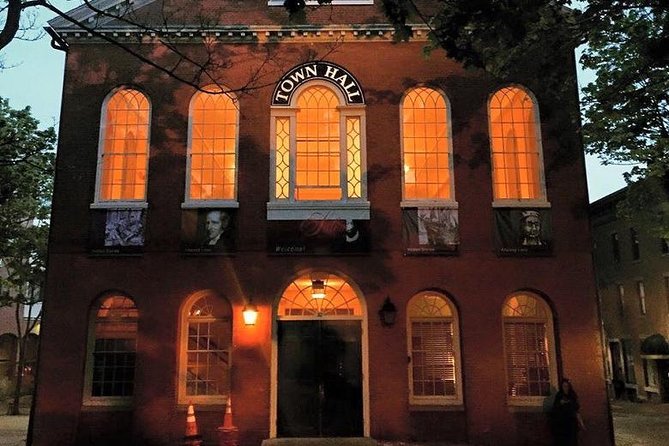
The tour begins at Salem Old Town Hall, at 32 Derby Square. Look for the three steps where the group gathers. This is a practical starting point in the center of town, close to the Essex Street Pedestrian Mall and many other Salem attractions.
The first section sets the tone. Your guide introduces Salem as a 17th-century city with more than one identity: colonial settlement, trading center, wealthy seaport, site of religious conflict, and modern destination built partly around its haunted reputation.
The opening discussion covers the forces behind the 1692 hysteria rather than treating the trials as a collection of spooky anecdotes. You may also encounter practicing modern witches during the walk, adding a useful connection between Salem’s past and present.
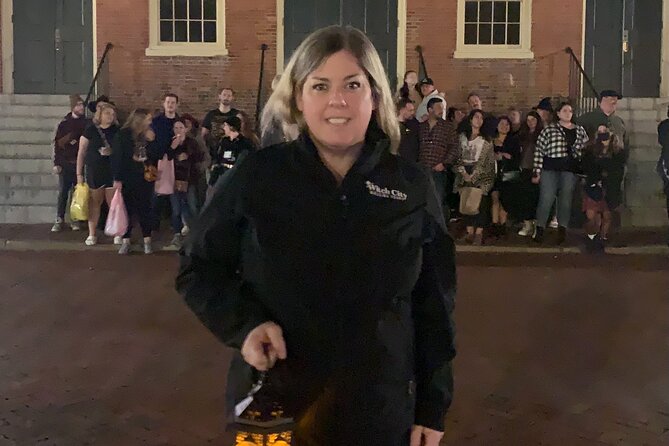
This is also where an evening departure makes its mark. Lantern light gives the old streets a more dramatic feel, but it can make it harder to study architectural details or take clear photographs. Daytime is better for visual detail. Night is better for atmosphere.
Essex Street and the Lady in Blue
The route follows the Essex Street Pedestrian Mall, a central walking area that once served as a Native American trading path. That detail helps widen the story beyond colonial buildings and witch trial folklore.
You stop at the site of the First Church of Salem and hear the tale of the Lady in Blue. The stop is brief, but it shows how the tour works: a real place, a historical layer, and a ghost story are placed side by side.
The pedestrian mall is also one of the easier sections for walking because cars are not the main concern. Still, the route includes cobblestone surfaces and periods of standing while the guide speaks. Comfortable shoes are essential, not optional.
The Bewitched Statue and Salem’s Modern Image
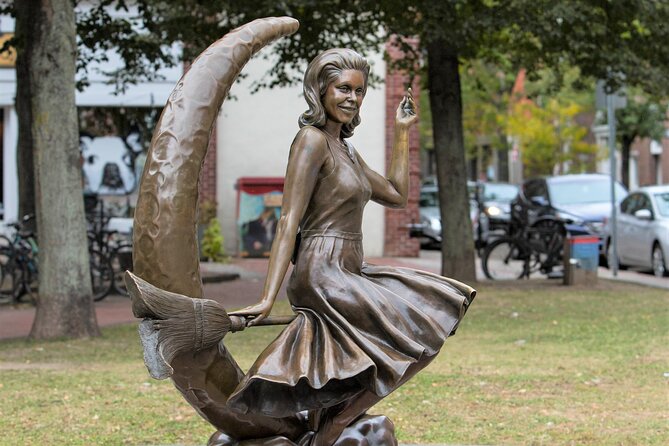
The nine-foot bronze statue of Elizabeth Montgomery as Samantha from Bewitched is one of Salem’s most photographed sights. It is a playful contrast to the solemn sites that follow.
Your guide explains how local people really felt about the statue when it was dedicated in 2005, including the curious question of why security cameras point toward Samantha. This stop is short, but it gives you a glimpse of Salem’s ongoing argument with itself: Is the city a place of serious history, popular entertainment, or both?
I like this part because it keeps the tour from becoming too solemn. Salem’s identity includes witch trial memorials and colonial houses, but also television imagery, tourism, and a healthy sense of humor.
Same place, a different slice of the past:
- Charleston’s Old South Carriage Historic Horse & Carriage Tour
★ 5.0 · 10,023 reviews - Beneath The Streets Underground History Tour
★ 4.5 · 8,006 reviews - Charleston Horse-Drawn Carriage Tour: Explore Historic Charleston
★ 5.0 · 3,561 reviews - Oahu: Mauka Warriors Luau Honoring Polynesia’s Forgotten History
★ 5.0 · 3,013 reviews
The Salem Witch Trials Memorial
The memorial is one of the most important stops on the route. Here, the tone changes as the guide brings you to pay respects to those executed during the 1692 trials.
The site gives the historical discussion a physical center. Instead of treating the trials as a distant story, you are reminded that real people suffered and died. The guide’s earlier explanation of the hysteria becomes more meaningful here.
You do not need to enter a building or pay an admission fee for this stop. The memorial is an outdoor visit, and the tour later ends nearby. If you want quiet time to reflect or take photographs, you may prefer to return after the group has moved on.
Ropes Mansion and the McIntire District
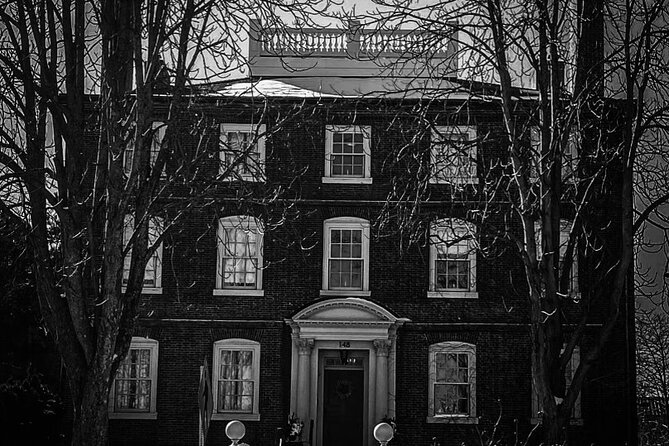
At Ropes Mansion, the guide discusses the home’s history and visits the gardens with permission. You do not go inside the house. That distinction matters because anyone expecting a mansion tour should book a separate indoor visit.
The garden and exterior still provide a useful look at Salem’s domestic past. You get a sense of how the city’s prosperous families lived and how architecture communicates wealth without a lecture hall or museum display.
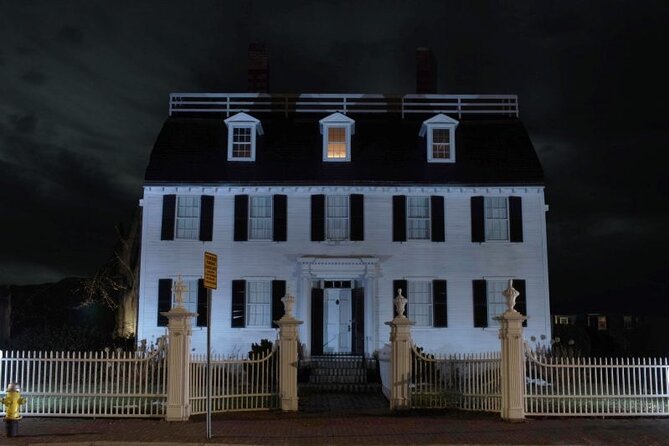
The walk then continues into the McIntire Historic District, named for architect and woodcarver Samuel McIntire. This section is especially good for photographs. The old homes and streets create one of the tour’s strongest visual stretches, and the guide helps you see details you might otherwise pass without noticing.
This is one of my favorite parts for visitors who care about buildings as much as ghost stories. The witch trial story gets the headlines, but the architecture explains how Salem developed after the trials and during its years as a prosperous port.
The Witch House and the Limits of the Tour
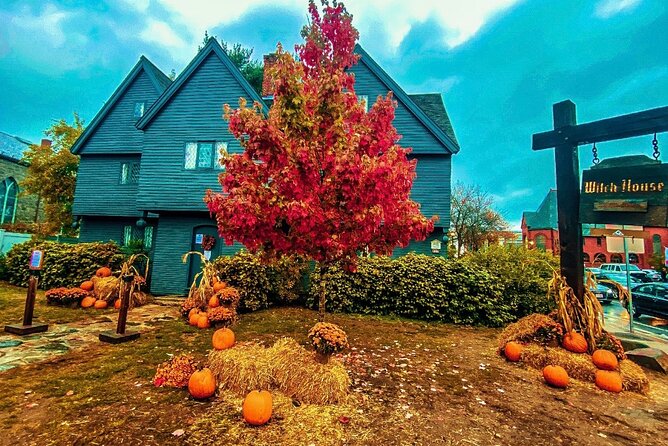
The Witch House is discussed from outside. You do not enter, and admission is not included.
That limitation is easy to miss when planning a Salem day. The Witch House is one of the city’s best-known attractions, but this tour only gives you exterior context. If you want to see the inside, plan a separate visit and allow extra time.
The stop is still useful because the guide can place the building within Salem’s witch trial story. It also helps you decide if an indoor admission is worth adding later. I appreciate this approach for a first walk, but anyone seeking museum interiors should not treat this tour as a substitute.
Old Burying Point Cemetery and Hamilton Hall
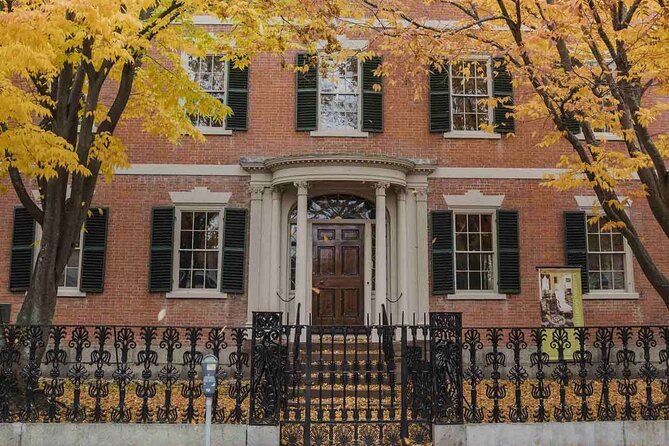
The guide points out Old Burying Point Cemetery and shares a few facts, but the group does not enter. This keeps the route moving and avoids turning the cemetery into a rushed photo stop.
Hamilton Hall follows as an exterior look at another Samuel McIntire building. Like the Witch House and Ropes Mansion, it rewards you most if you enjoy architecture and context. You get the setting, the story, and the chance to see how Salem’s public and private buildings fit together.
The route’s final stretch helps balance the tour. It is not only about ghosts or the 1692 crisis. You also see the city’s design, civic history, and later prosperity.
What the Guides Do Best
The guide can make or break any walking tour, and the strongest feedback here is remarkably consistent. People praise the guides for being funny, energetic, interactive, and easy to follow.
Lisa is praised for detailed explanations and for making the lantern format especially memorable. Michael is repeatedly described as funny, informative, and good at explaining that the witch trials occupy only a small part of Salem’s full story. Sean combines theatrical delivery with historical detail, while Ryan brings energy and humor even in cold weather.
Diane is noted for keeping the pace lively and answering questions. Topher is praised for spending the full two hours with a very small group and giving extra attention to questions. Hilary even provided hand warmers during a freezing tour, a small gesture that matters when you are standing outdoors.
The guides are not delivering a dry lecture. Expect expressive storytelling, ghost lore, jokes, and direct engagement with the group. If you prefer a quiet, academic presentation with minimal performance, this may feel theatrical. If you want facts delivered with personality, it is a strong match.
Weather, Walking, and Group Size
The tour runs rain or shine and does not cancel because of bad weather. Salem’s winter conditions can be severe, with wind making a moderate temperature feel much colder. Bring layers, a warm hat, gloves, and shoes with good grip.
You may be standing in one place while the guide explains a site, so warmth alone is not enough. Waterproof outerwear helps in rain, and comfortable footwear matters on cobblestones and historic sidewalks.
Groups can reach 40 people during busy periods. That is a reasonable size for a popular city walk, but it can affect how close you stand to the guide and how easily you can ask questions. Arrive ready to listen closely, especially on a crowded evening.
There are no public restrooms along the route, so use facilities before meeting the group. Dogs are welcome, and service animals are allowed. Children must be accompanied by a ticketed adult. Smoking, vaping, and alcoholic drinks are not permitted during the tour.
Who Will Get the Most From It
I would choose this tour for a first visit to Salem, especially if you want an overview before deciding which museums and houses deserve your money. It also suits couples, families with older children, solo visitors, and anyone who prefers learning a city on foot.
History fans will appreciate the effort to explain the causes and consequences of the witch trial hysteria. Architecture fans will enjoy the McIntire District, Ropes Mansion, and Hamilton Hall. Ghost-story fans will get tales such as the Lady in Blue and other hauntings along the route.
It is less suitable if you want indoor comfort, extensive museum time, or a short photo tour. The route does not enter any buildings or cemeteries, and the walk can last up to two hours and 15 minutes. You should also think twice about booking in the coldest part of winter unless you are prepared for long periods outside.
Free cancellation is available up to 24 hours before the start time. Cancellations within 24 hours are not refunded, so check the forecast before that deadline.
Should You Book the History and Hauntings Tour?
Yes, if you want Salem explained rather than simply displayed. At $36, the price is fair for a two-hour guided introduction that covers the witch trials, colonial streets, wealthy seafaring families, architecture, modern witches, and haunted lore.
Choose a daytime departure for clearer views and photographs. Choose the lantern tour for mood and ghost-story atmosphere. In either case, wear serious walking shoes, check the weather, and use a restroom before you arrive.
I would book it near the start of a Salem visit. The route gives you a map in your head, points out places worth returning to, and helps separate the city’s documented past from its more theatrical legends.
FAQ
How long does the History and Hauntings of Salem tour last?
The tour lasts about two hours, though some departures run up to two hours and 15 minutes.
Where does the tour begin?
The tour begins at Salem Old Town Hall, 32 Derby Square, Salem, Massachusetts. The meeting point is on the three steps outside.
Where does the tour end?
The tour ends at the Salem Witch Trials Memorial near 24 Liberty Street and Charter Street.
Does the tour enter the Witch House or other buildings?
No. The entire tour is outdoors. The guide discusses the Witch House, Ropes Mansion, Hamilton Hall, and other locations from outside.
Does the tour enter Old Burying Point Cemetery?
No. The guide points out the cemetery and shares information, but the group does not enter.
Does the tour run in bad weather?
Yes. Tours run rain or shine and do not cancel because of weather. Wear suitable clothing and comfortable shoes.
Is the tour available at night?
Yes. You can choose an evening departure led by lantern light. Daytime and evening departure times are offered.
How many people can join a tour?
Groups may include up to 40 people during busy periods.
Are dogs allowed?
Yes. The tour is dog friendly, and service animals are allowed.
What is the cancellation policy?
You can receive a full refund by canceling at least 24 hours before the experience start time. Cancellations or changes made within 24 hours are not accepted for a refund.
Just added around the USA
- Charlotte Historic : Queen Bee City Tour★ 4.5 · 31 reviews
- Charlotte’s Premier Historical City Bus Tour★ 5.0 · 178 reviews
- Charleston’s Historic Pubs, Taverns, and Taprooms Tour★ 4.5 · 33 reviews
- Charlotte’s Ultimate Southern Charm Historical City Bus Tour★ 5.0 · 61 reviews
- Charleston’s Strong Women of the South History Tour★ 4.5 · 27 reviews
- Small-Group Tour: Charleston Old Walled City Historical Walking Tour★ 4.5 · 283 reviews
- Private Walking Tour of Historic Charleston★ 5.0 · 38 reviews
- Sip History in The Sun Cabana Covered Cocktail Class★ 5.0 · 332 reviews
History Walking Tours, compared.

Freedom Trail History Small Group Walking Tour
Read our review →
Historic Charleston Guided Sightseeing Walking Tour
Read our review →
Tapas Walking Tour with Food, Wine, and History
Read our review →
Savannah History and Haunts Candlelit Ghost Walking Tour
Read our review →
A History of Terror – Belfast City Centre Walking Tour
Read our review →
New Orleans Garden District History Walking Tour
Read our review →Browse the lists this tour appears in