
Review · CHUGOKU REGION
Hiroshima: Peace Walking Tour of World Heritage Sites
Hiroshima asks you to remember. This five-hour walking tour brings the city’s difficult past into focus through the Peace Memorial Museum, local stories, and the places tied to the atomic bombing. I like that it does not stop at grim facts: it also shows Hiroshima’s recovery and its call for peace. The small-group format makes room for questions, while guides such as Yasue, Yuji, Yuki, and Fumiko have earned praise for their warmth and clear explanations.
I also like the change of pace at Orizuru Tower, where you make a paper crane, take in the city from above, and finish with lunch. The main drawback is that the museum can be crowded and emotionally hard to absorb, especially when the schedule leaves little time to pause. Food choices are limited for vegetarians, and the tour is not suitable for people with gluten intolerance.
Key points to know before booking
- Five hours cover Hiroshima’s core peace sites, including the museum, Peace Memorial Park, Aorigi Tree, Atomic Bomb Dome, and Orizuru Tower.
- Local guides make the difference, adding family memories, personal insight, and context you may miss on your own.
- The museum visit is sobering, with difficult exhibits and stories that can stay with you long after the tour.
- Origami offers a gentle pause, letting you fold a crane and make a personal wish for peace.
- Lunch is included, usually featuring Hiroshima-style okonomiyaki, though dietary choices are limited.
- Arrive early, since arriving more than 15 minutes late means you cannot join or receive a refund.
Why this Hiroshima walking tour works
Hiroshima is easy to visit on your own, but it is not always easy to understand. The Peace Memorial Museum presents objects, photographs, and personal accounts. The park adds monuments and open space. The Atomic Bomb Dome gives you a stark physical reminder of what happened.
A good guide connects those pieces. That is the real value here.
The guides are not interchangeable in personality, but the strongest pattern is clear. Yasue brings a heartfelt connection to Hiroshima’s message of peace. Yuji is praised for excellent English and broad knowledge of the city. Yuki combines energy with personal stories, while Fumiko explains the subject with a calm, human touch. Etsko has helped visitors understand details they would probably miss alone, and Kippei has been especially considerate when the museum became overwhelming.
This is not a tour built around rushing from one photo stop to another. It is a guided conversation about what happened, how Hiroshima recovered, and what the city wants you to carry forward.
You should still expect a serious morning or afternoon. The tour includes difficult material, and the museum may stir strong emotions. The peaceful message does not erase the tragedy. It gives the day a direction.
More History Walking Tours in Japan
- Tokyo: Imperial Palace and Shogun Historical Walking Tour
★ 5.0 · 2,251 reviews - Kyoto Gion: 2-Hour Geisha Culture & History Walking Tour
★ 5.0 · 1,186 reviews - Tokyo Castle & Imperial PalaceーShogun Walking Tour
★ 4.7 · 1,068 reviews
Starting at Montbell near Kamiya-cho-nishi Station
The meeting point is in front of the Montbell store, about a one-minute walk from Kamiya-cho-nishi Station. Look for the guide holding an orange sign marked Magical Trip Tour.
You are asked to arrive 10 minutes before the start. This matters. If you arrive more than 15 minutes late, you cannot join the group, and there is no refund or rescheduling. Hiroshima’s central streets are straightforward, but allow extra time if you are unfamiliar with the tram stops or station exits.
The tour is offered in English, with private or small-group options available. A smaller group is useful here. You can ask questions without holding up a large crowd, and the guide can adjust the pace when the museum feels like too much.
Shirakami-sha Shrine brings local custom first
The first stop is Shirakami-sha Shrine, visited for about 25 minutes. This gives the tour a cultural beginning before it turns toward the events of August 1945.
The stop also gives your guide a chance to explain proper shrine behavior. One visitor especially appreciated being shown how to enter and how to receive a blessing. That may sound like a small detail, but it makes the visit feel respectful rather than like a quick tourist photo stop.
The shrine helps you see Hiroshima as a living city, not only as a memorial. People still pray, work, eat, shop, and raise families here. That context matters when the tour later discusses the destruction and rebuilding of the city.
The Peace Memorial Museum requires time and care
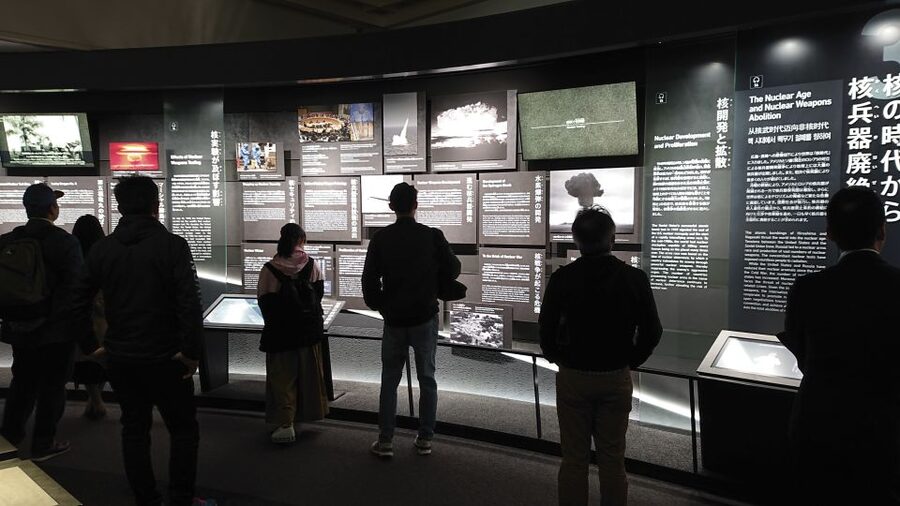
The museum is the emotional center of the tour. You spend about an hour inside with your guide, learning about the atomic bomb, the people caught in the attack, and the long aftermath.
Expect a difficult visit. The exhibits include personal stories and objects connected to victims. The power comes from the human scale: clothing, belongings, and accounts of ordinary lives interrupted in an instant. Your guide helps place the exhibits in context and answers questions as you go.
This is also where the tour’s pace can be tricky. The museum can be extremely crowded, particularly during busy periods, and one person noted having to move quickly through parts of it. If you need time to look closely or gather yourself, tell your guide. Kippei was praised for allowing a visitor to move at a personal pace and take a break when needed, and other guides have shown similar care.
Do not expect a light museum visit. Even people who already know the basic story may find the details hard to process. The benefit of having a guide is not that the guide makes the subject easier. It is that you have someone to explain, listen, and help connect the displays to the wider city.
More UNESCO World Heritage Tours in Japan
- World Heritage Shirakawa-go and Experience Tours from Kanazawa
★ 5.0 · 4,049 reviews - World Heritage Kyoto & Nara Uji Authentic Matcha Experience
★ 5.0 · 1,573 reviews - Kanazawa: World Heritage Shirakawa-go Morning Guided Tour
★ 4.9 · 988 reviews - Hiroshima Peace (Heiwa) Walking Tour at World Heritage Sites
★ 5.0 · 872 reviews
Walking through Peace Memorial Park
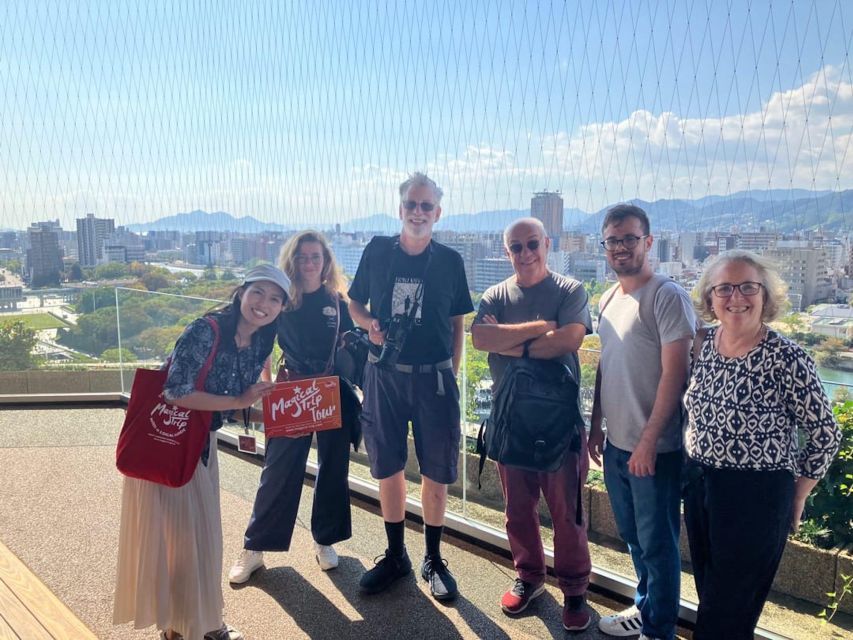
The tour then continues through Hiroshima Peace Memorial Park for about an hour. This is where the museum’s information takes on a physical setting.
The park gives you room to reflect and helps explain how Hiroshima presents its past today. Your guide points out significant places and tells the stories connected with them. Several guides have been praised for showing sites that are easy to overlook when walking through the park alone.
The park visit also shifts the focus from destruction to remembrance and peace building. One guide described Hiroshima as an example of how a city can work toward peace. That theme runs through the tour, but it is strongest here, among the monuments and open paths.
You will be walking outdoors, so comfortable shoes are sensible. The tour lasts 270 minutes and includes several stops, but the schedule is not an endurance challenge. Still, the combination of walking and museum time can feel tiring, especially in warm weather or after an intense morning.
The Aorigi Tree adds a living symbol
The Aorigi Tree is a smaller stop, but it carries unusual weight. It represents hope after the atomic bomb and gives the tour a living point of focus.
A tree cannot tell a story on its own. Your guide supplies the meaning, linking survival and regrowth to Hiroshima’s larger recovery. This is one of the details you might pass without noticing if you explored independently.
The stop also keeps the tour from becoming only a sequence of monuments. The city’s recovery is not presented as an abstract idea. It is tied to things that continued to grow and to people who continued to rebuild.
The Atomic Bomb Dome is powerful from every angle
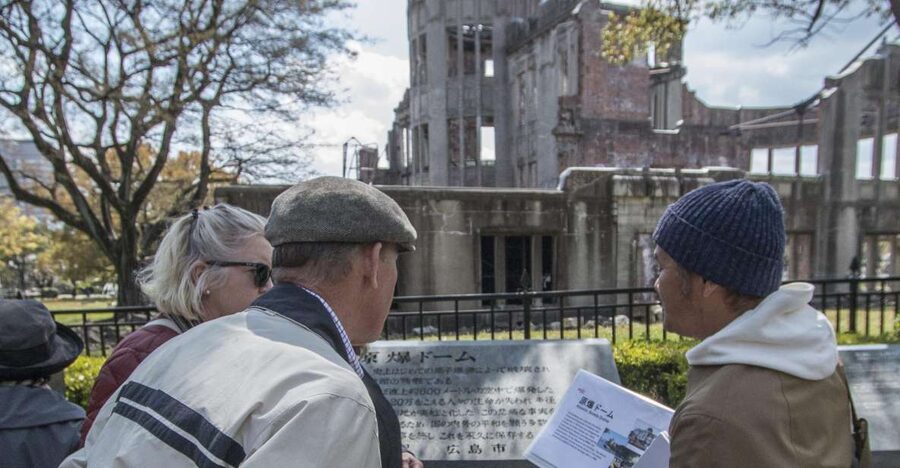
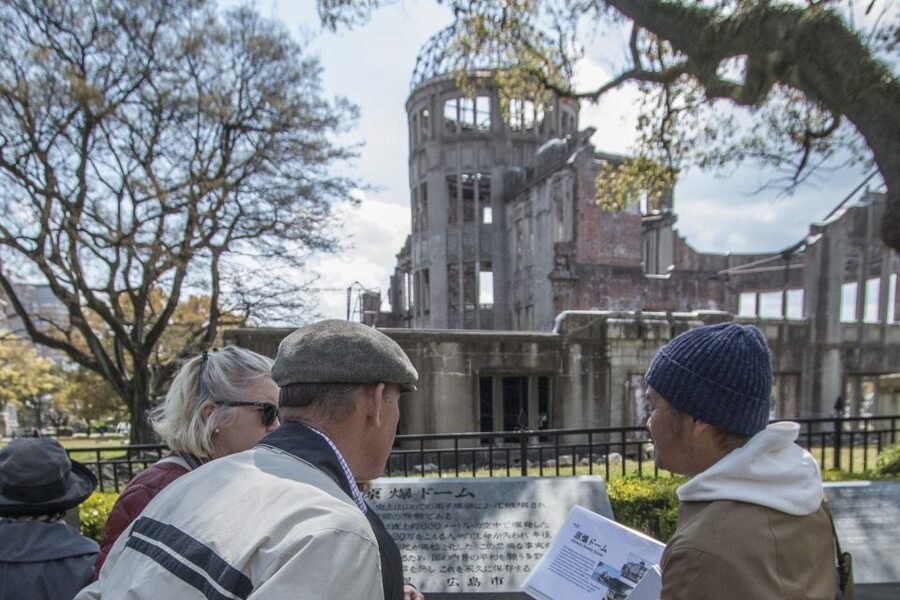
The UNESCO-listed Atomic Bomb Dome is the tour’s final major peace site. You spend about an hour at the dome with your guide, learning how it relates to the bombing and to Hiroshima’s remembrance.
The building is visually striking because it is both familiar and damaged. Its preserved remains do not need much decoration. Your guide’s explanation helps you understand why the structure was retained and why it remains one of the world’s best-known symbols of the atomic age.
This is a good place to ask questions. The tour’s guides have been praised for explaining the events in a balanced way and for encouraging discussion rather than delivering a memorized speech. Eri, for example, was praised for handling a difficult subject with clarity and inviting conversation. Some guides also share family connections to the bombing, which can make the stories feel close and personal without turning the visit into a performance.
Orizuru Tower changes the mood
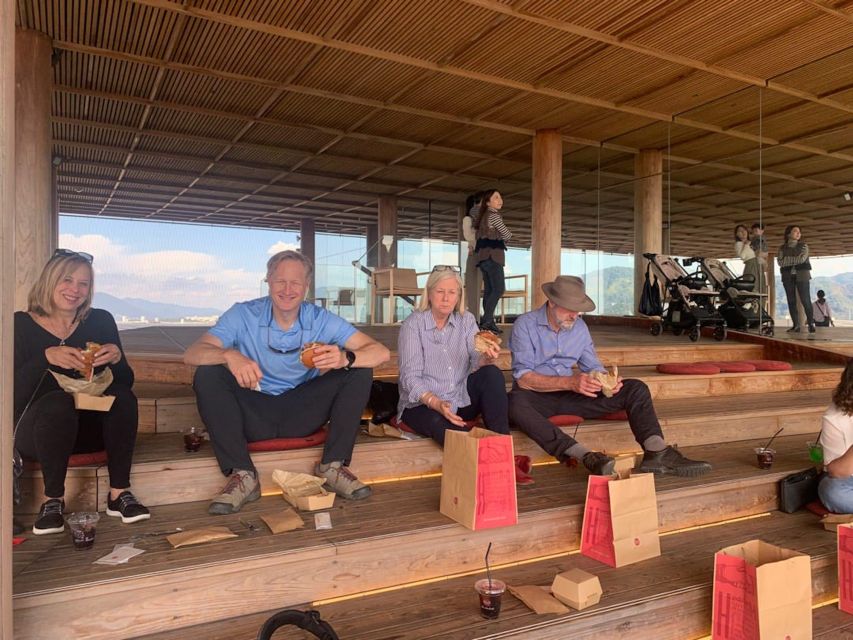
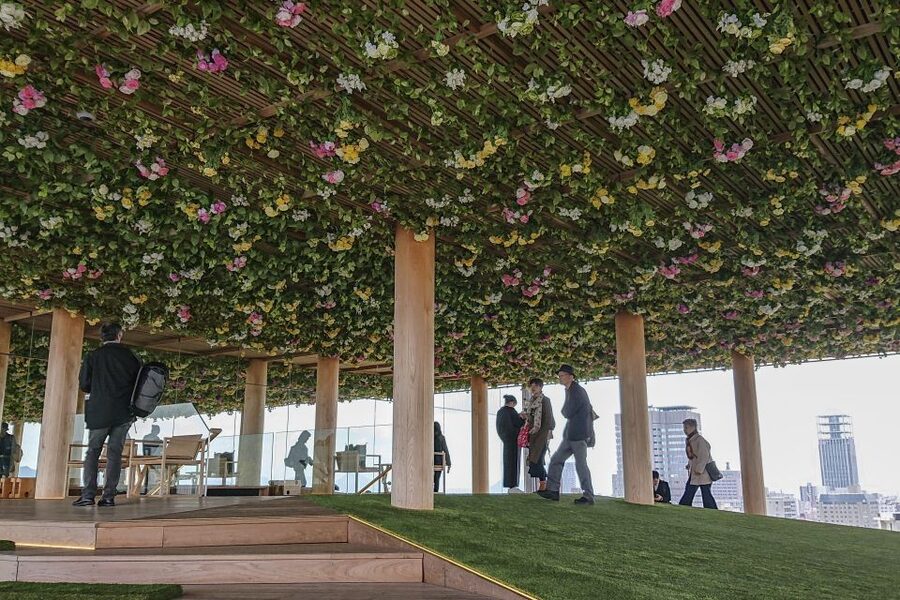
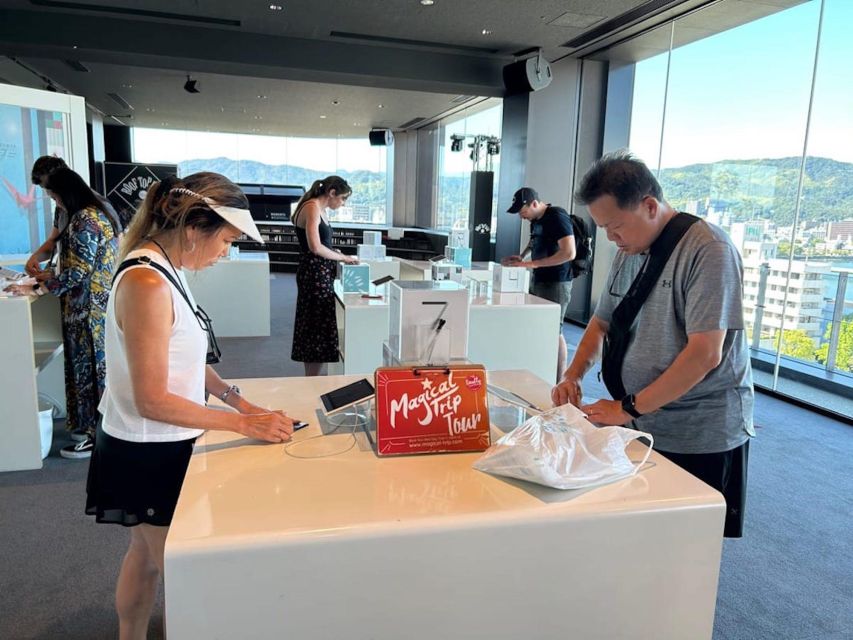
After the peace sites, the tour moves to Hiroshima Orizuru Tower. The tower includes an observatory with broad views across the city. After the museum and park, the open air feels like a welcome change.
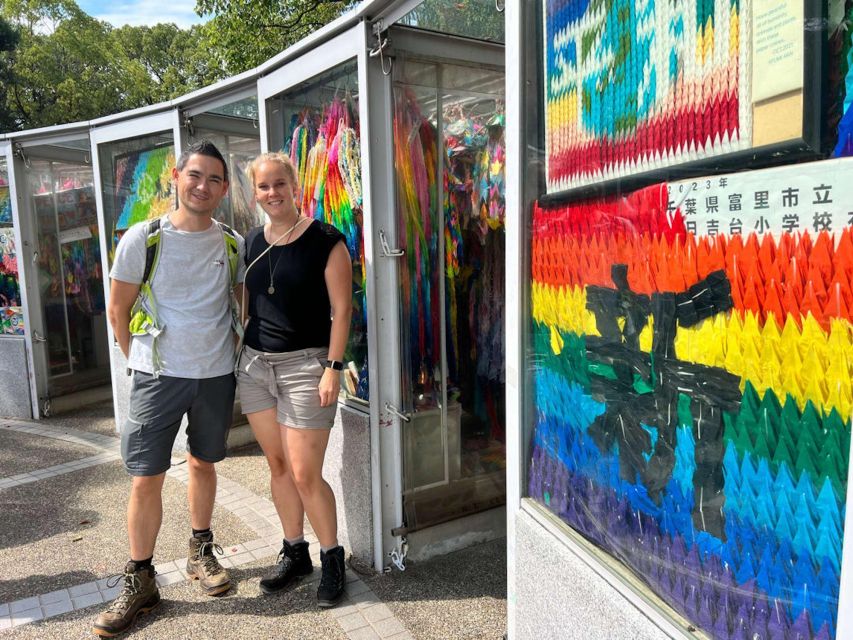
The orizuru, or folded paper crane, is a symbol of peace. You learn how to make one and make a wish for peace. This activity is simple, but it works because it gives you something to do with your hands after absorbing so much information.
One particularly memorable detail is the chance to watch a paper crane spiral down to join many others in the building’s glass wall. Another visitor appreciated having names written in Japanese as part of the personal touch. These small moments help the afternoon end with participation rather than passive viewing.
The tower ticket also allows a return visit for sunset, according to one experience with the tour. Confirm the current terms when booking, but if available, this is a useful bonus. You can revisit the view after the formal tour and see Hiroshima in a quieter frame of mind.
Lunch puts Hiroshima on your plate
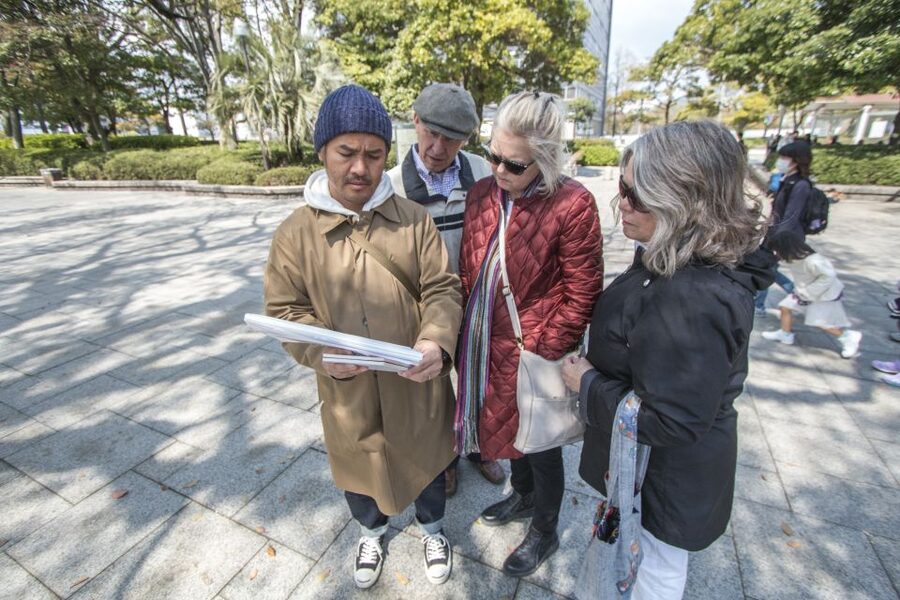
Lunch follows the tower visit and is included in the $92 price. Hiroshima’s famous okonomiyaki pancake is the expected highlight, and it gives you a chance to try a local specialty with your guide and fellow group members.
Lunch is more than a meal here. It gives you time to discuss the morning, ask follow-up questions, and see your guide in a less formal setting. Several guides have been praised for choosing tasty food and creating a relaxed close to the day.
The food arrangements require attention. Vegetarian choices are limited because many Japanese restaurants are not set up for full vegetarian menus. You must report dietary requests or allergies at least one day before the tour, and same-day requests cannot be accommodated. The operator cannot guarantee allergy-free meals, since the food is prepared in kitchens it does not run.
People with gluten intolerance should not book this experience. Even if you are flexible with food, it is wise to contact the provider before reserving if you have an allergy or strict dietary requirement.
The tour finishes at Akushu Cafe inside Hiroshima Orizuru Tower. Additional food and drinks are not included, but you can purchase them if you want more time there.
Is $92 a fair price?
At $92 per person, this is not the cheapest way to walk around central Hiroshima. You can visit the park and see the Atomic Bomb Dome without paying for a guide. The museum and Orizuru Tower admissions, however, are included, as are lunch, tour photos, and five hours with an English-speaking local guide.
The price makes sense if you want structure and interpretation. You are paying for the connections between the sites, not just entry tickets. You are also avoiding the work of planning the route, arranging lunch, and figuring out how the museum fits with the park and dome.
For a short Hiroshima visit, the value is stronger. One visitor specifically found the tour useful while in the city for only a day. You get the central experience in one half-day, leaving the rest of your schedule open for Miyajima, shopping, or more independent exploring.
The value is weaker if you dislike guided visits, need a slow museum pace, or already know you want to spend several hours studying the museum alone. In that case, visit independently and give yourself more time.
Who should book this experience?
I would choose this tour if you want a clear introduction to Hiroshima’s peace sites and prefer learning through conversation. It suits first-time visitors, families with older children or teenagers, and anyone with limited time.
The tour also works well for people who want local perspective. The guides bring different backgrounds and styles, but the best ones add personal stories and explain how Hiroshima presents its past and future. Teenage children have found the experience memorable, although parents should prepare them for difficult museum exhibits.
You might skip it if you want a purely cheerful sightseeing day. This is serious, and the museum can be upsetting. You should also think twice if you have strict food restrictions or cannot arrive early at the meeting point.
Practical details that matter
Book with the museum’s emotional weight in mind, not only the five-hour duration. You may want a quiet evening afterward rather than another packed activity.
Wear comfortable shoes and bring water. Additional drinks are not included, and the tour involves outdoor walking between important sites.
The tour offers free cancellation up to 24 hours before the start and lets you reserve now and pay later. Starting times vary, so check availability for your date. The tour photos are included, and the guide may take group pictures during the day.
Most importantly, arrive on time. Meet at Montbell 10 minutes early, find the orange sign, and do not rely on arriving exactly at the scheduled start.
Should you book the Hiroshima Peace Walking Tour?
Yes, if you want Hiroshima explained with care rather than reduced to a list of memorials. The museum, park, Aorigi Tree, Atomic Bomb Dome, shrine, tower, origami, and lunch form a thoughtful half-day route.
The strongest reason to book is the guide. Names change by date, but guides such as Yasue, Yuji, Yuki, Fumiko, Etsko, and Kippei have shown the kind of patience and personal warmth this subject needs. The main cautions are the crowded museum, limited meal flexibility, and emotional intensity.
Book it for a meaningful first look at Hiroshima. If you want more time inside the museum, use this tour as an introduction, then return independently.
FAQ
How long does the Hiroshima Peace Walking Tour last?
The tour lasts 270 minutes, or about five hours.
What language is the tour conducted in?
The live tour guide speaks English.
Where does the tour meet?
Meet in front of the Montbell store near Kamiya-cho-nishi Station, about a one-minute walk from the station. Look for the orange Magical Trip Tour sign.
Is lunch included?
Yes. Lunch is included, and Hiroshima-style okonomiyaki is a featured local dish. Additional food and drinks are not included.
Can the tour accommodate vegetarian or allergy-related diets?
Vegetarian choices are limited. You must provide dietary requests or allergy information at least one day before the tour, but allergy-free meals and all dietary restrictions cannot be guaranteed. The tour is not suitable for people with gluten intolerance.
What happens if I arrive late?
You should arrive 10 minutes before the tour begins. If you are more than 15 minutes late, you cannot join the tour, and no refund or rescheduling is offered.
Just added around Japan
- Hiroshima: History and Hidden Gems Tour★ 4.9 · 81 reviews
- Hiroshima & Miyajima Island Private Tour: History & Culture★ 5.0 · 26 reviews
- Himeji: Himeji Castle Guided Tour – UNESCO Heritage★ 4.7 · 115 reviews
- Fukuoka Essentials: History, Culture, & Charms★ 4.8 · 39 reviews
- From Tokyo: Private Nikko World Heritage Sights One Day Trip★ 4.7 · 52 reviews
- From Tokyo: Guided Day Trip to Nikko World Heritage Sites★ 4.8 · 51 reviews
- Shirakawa-go UNESCO Half-Day Tour from Takayama★ 4.6 · 47 reviews
- Authentic Sapporo: Nijo Market Seafood Lunch & History Tour★ 4.8 · 20 reviews
UNESCO World Heritage Tours, compared.
World Heritage Shirakawa-go and Experience Tours from Kanazawa
Read our review →
Bali: Tanah Lot UNESCO World Heritage Sites Full-Day Tour
Read our review →World Heritage Kyoto & Nara Uji Authentic Matcha Experience
Read our review →
UNESCO’s Ayutthaya Historical Park: Full-Day Tour from Bangkok
Read our review →
Rotterdam: Kinderdijk UNESCO World Heritage Entry Ticket
Read our review →
From Busan: Gyeongju UNESCO World Heritage Guided Day Tour
Read our review →Browse the lists this tour appears in