
Review · CHUGOKU REGION
Hiroshima Historical Walking Tour – Why A-Bomb was Dropped
Some places ask you to slow down. This Hiroshima walk links Gokoku Shrine, Hiroshima Castle, and Peace Memorial Park into a clear 150-minute story about the city before and after the atomic bombing. I like the thoughtful route and the way it reaches the Peace Memorial Museum, where you can continue learning while the sites are still fresh in your mind.
I also like the guides’ personal touch. Chihiro, Emi, Thomas, Chisa, and others are repeatedly praised for explaining difficult subjects in clear English, answering side questions, and adding local food tips. The main drawback is the subject itself: this is a serious, sometimes upsetting tour, and the pace leaves limited time for long visits inside each site.
Key points to know before booking
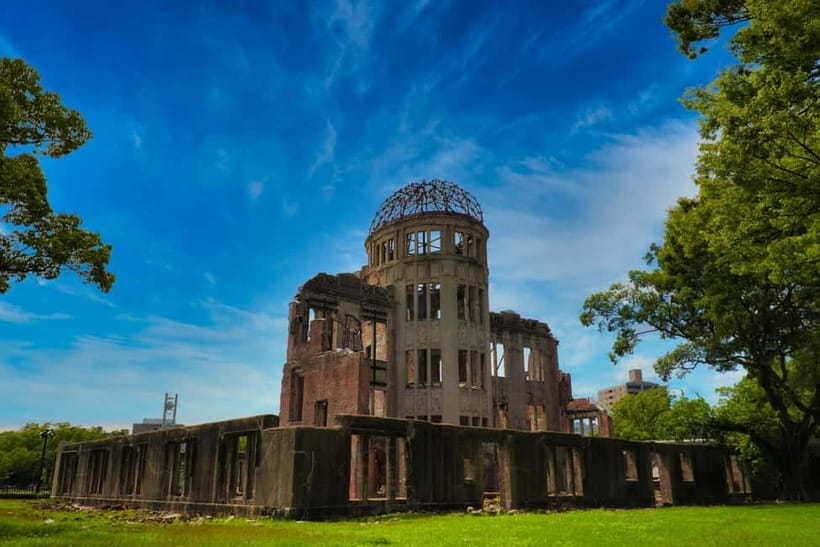
- The route begins at Hiroshima Gokoku Shrine, by the torii gate near the main hall, then moves toward Hiroshima Castle and the Peace Memorial area.
- The tour explains the reasons Hiroshima was selected, placing the bombing within the city’s military, political, and cultural setting.
- The walk ends at the Hiroshima Peace Memorial Museum, making it a useful introduction before you enter the exhibits.
- Guides add personal and local perspectives, with Chihiro and other guides sharing family connections, peace work, food advice, and clear historical context.
- The 150-minute length is well judged, though you should expect a steady outdoor walk and only short visits at some stops.
- At $35 per person, the price is reasonable if you want context and conversation rather than simply walking between monuments.
Why the order of the Hiroshima walk matters
Hiroshima can be difficult to understand if you visit the Peace Memorial Park without first placing it in the city’s wider story. The tour begins in an area connected with Japan’s military past, then moves toward the bombing’s human cost and the city’s message of peace.
That order gives the experience a clear shape. You start with Hiroshima as a historic Japanese city and military center. You then consider why it became a target before reaching the buildings, memorials, and museum that show what happened to the people who lived there.
I value that approach because the tour does not reduce Hiroshima to one terrible morning. It also discusses the city before the bomb, the wartime setting, cultural meaning, and the work of remembrance that followed.
The tour is conducted in English by a live guide. Names vary by departure, but Chihiro, Emi, Thomas, Chisa, Emmy, and Katja have all led tours praised for clear explanations and a relaxed pace. Several guides have offered help with restaurant choices after the walk, which is a small but useful bonus in a city known for its food.
More History Walking Tours in Japan
- Tokyo: Imperial Palace and Shogun Historical Walking Tour
★ 5.0 · 2,251 reviews - Kyoto Gion: 2-Hour Geisha Culture & History Walking Tour
★ 5.0 · 1,186 reviews - Tokyo Castle & Imperial PalaceーShogun Walking Tour
★ 4.7 · 1,068 reviews
Starting at Gokoku Shrine
Meet in front of the Hiroshima Gokoku Shrine torii gate near the main hall. This is a practical starting point because it introduces a part of Hiroshima connected with commemoration and the city’s military past before the route reaches the better-known peace sites.
Your guide uses the shrine and its setting to discuss the forces that shaped Hiroshima before August 1945. This is where the tour begins to address the central question: why was this city chosen?
Do not expect the shrine stop to function like a long temple visit. Its role is mainly historical and interpretive. You are getting the first piece of the story, not checking off a major sightseeing attraction.
I would arrive with comfortable shoes and an open mind. The opening can feel less immediately dramatic than the Atomic Bomb Dome, but it gives later stops more meaning. Guides such as Chihiro and Emi have been praised for adding local family perspectives, while Thomas has been appreciated for explaining Japanese history and culture from the viewpoint of someone who has lived in Japan for years.
Hiroshima Castle and the city before 1945
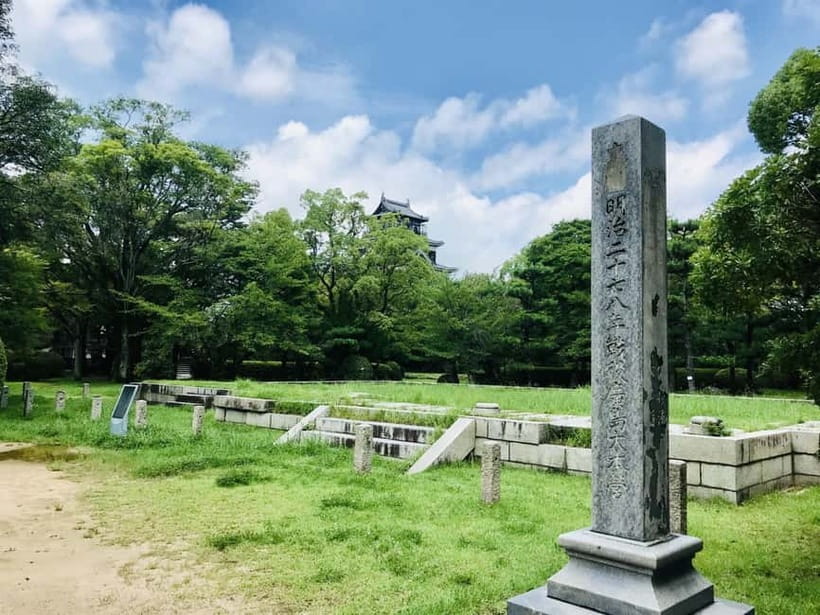
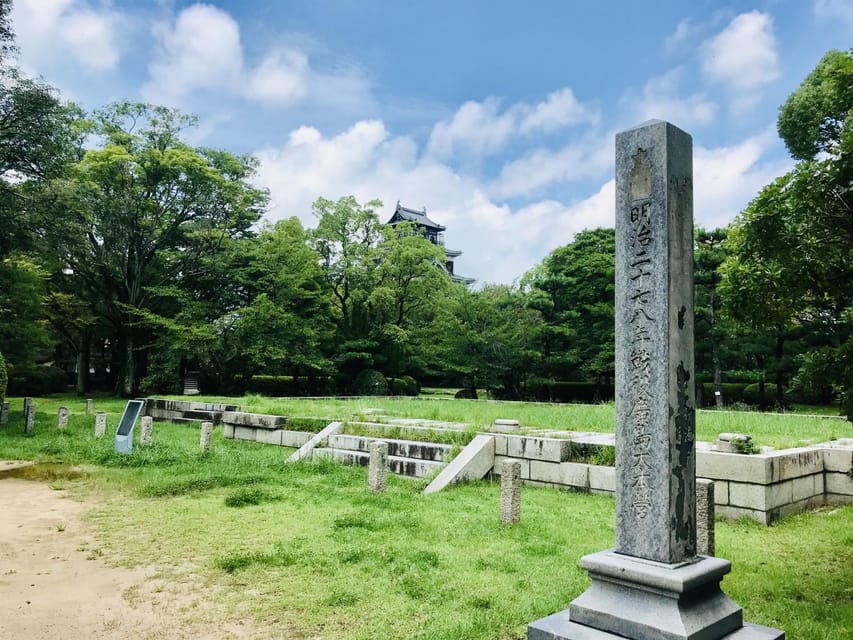
The route continues to Hiroshima Castle, with about 20 minutes for a visit, guided explanation, and photographs. The castle is important here not simply as a reconstructed landmark, but as a way to discuss Hiroshima’s military role.
This stop helps explain why the city mattered during World War II and how its position affected the decision-making around the bombing. The guide connects the castle area to the larger wartime story rather than treating it as an isolated photo stop.
That is useful for anyone who knows Hiroshima mainly through the Peace Memorial Park. The castle gives you a sense of the city’s earlier identity and makes clear that Hiroshima was not selected at random.
The limitation is time. Twenty minutes is enough for an introduction and photos, but not a leisurely castle visit. If you want a longer look at the castle itself, you may need to return independently. On the tour, listen closely to the guide’s explanation, since the historical context matters more than a quick circuit of the grounds.
The short central stop and Hiroshima Gate Park
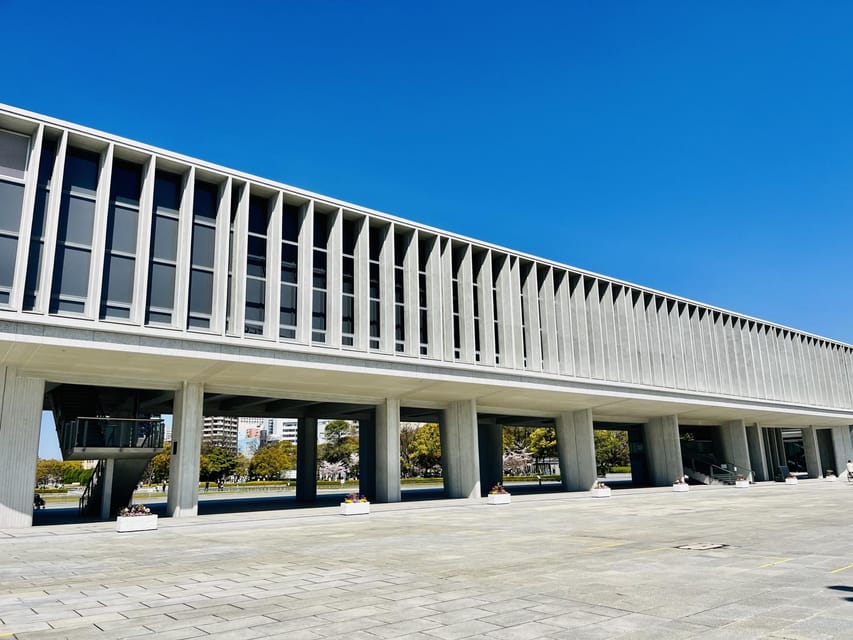
The itinerary includes another brief guided visit of about 10 minutes, followed by around 30 minutes at Hiroshima Gate Park. The short stop is not separately named in the supplied details, so you should treat it as part of the connecting historical route rather than expect a full attraction visit.
Hiroshima Gate Park gives the walk room to discuss the city’s changing public spaces and the transition from wartime Hiroshima to the modern city. It also breaks up the heavier material before the route reaches the most recognizable remains of the bombing.
Several people have appreciated the pacing, especially the small sitting breaks and the fact that the walk does not feel like a race. Still, 150 minutes covers a lot. Your guide will be doing most of the explaining while you move between places, so this tour suits you if you prefer a guided story to a slow, self-directed visit.
Some feedback also refers to Hiroshima Orizuru Tower and the former Hiroshima Prefectural Industrial Promotion Hall. The core route clearly includes the Atomic Bomb Dome and Peace Memorial Park, while the exact sequence of nearby points may vary. Follow the guide’s route on the day rather than expecting every stop to receive the same amount of time.
Same place, a different slice of the past:
- Kyoto: Fushimi Inari, Kinkakuji, Bamboo Grove 1 Day Bus Tour
★ 4.8 · 4,316 reviews - World Heritage Shirakawa-go and Experience Tours from Kanazawa
★ 5.0 · 4,049 reviews - World Heritage Kyoto & Nara Uji Authentic Matcha Experience
★ 5.0 · 1,573 reviews - Kanazawa: World Heritage Shirakawa-go Morning Guided Tour
★ 4.9 · 988 reviews
Atomic Bomb Dome: the most immediate reminder
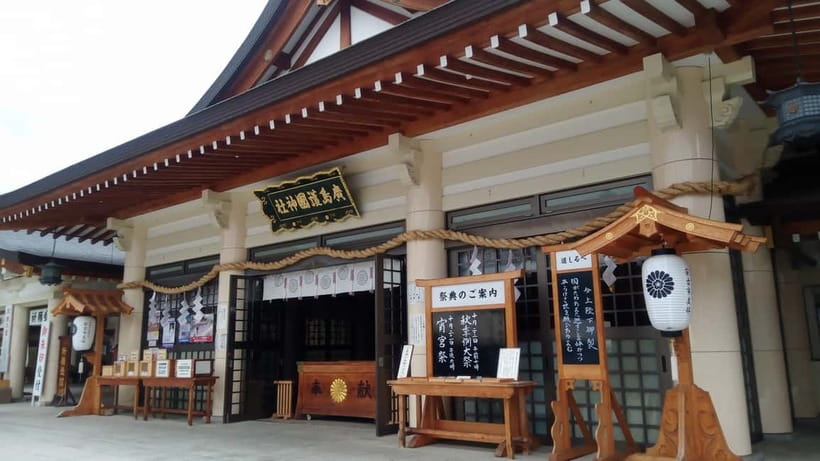
The Atomic Bomb Dome is scheduled for about 20 minutes with the guide. This is likely to be one of the most visually powerful moments of the walk because the building remains a direct, physical reminder of the blast and its aftermath.
Your guide explains what the building represents and places it within the wider story of Hiroshima. The stop is not just a chance to take photographs. It is a moment to consider how a damaged structure became part of the city’s memorial landscape.
Allow the place to speak for itself, too. Guides can provide facts and context, but this is one stop where a little quiet is useful. The group may pause for photographs, and the guide will answer questions, but the mood is naturally solemn.
The 20-minute allocation is enough for an introduction and reflection from outside. It is not intended as an extended architectural study. If you want to spend longer around the Dome, you can do so after the tour, subject to your own schedule.
Peace Memorial Park and the meaning of the cranes
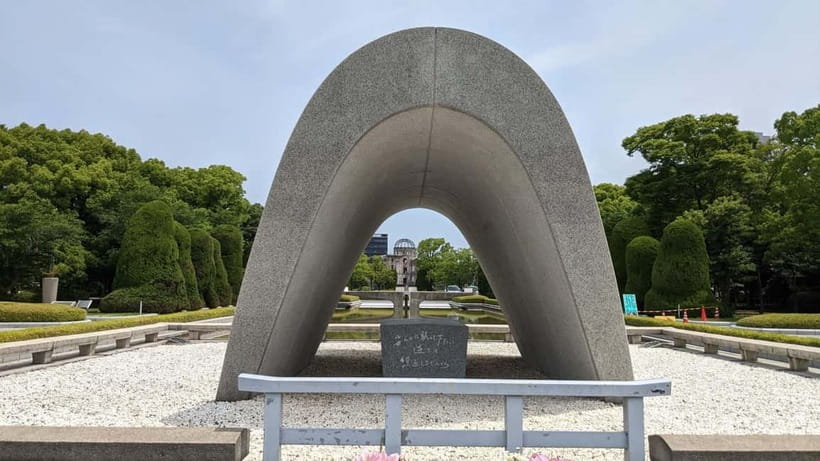
The walk then enters Hiroshima Peace Memorial Park, with about 30 minutes of guided visiting. This is where the emotional weight of the tour gathers. You will encounter memorial spaces connected with the people affected by the bombing and the city’s continuing appeal for peace.
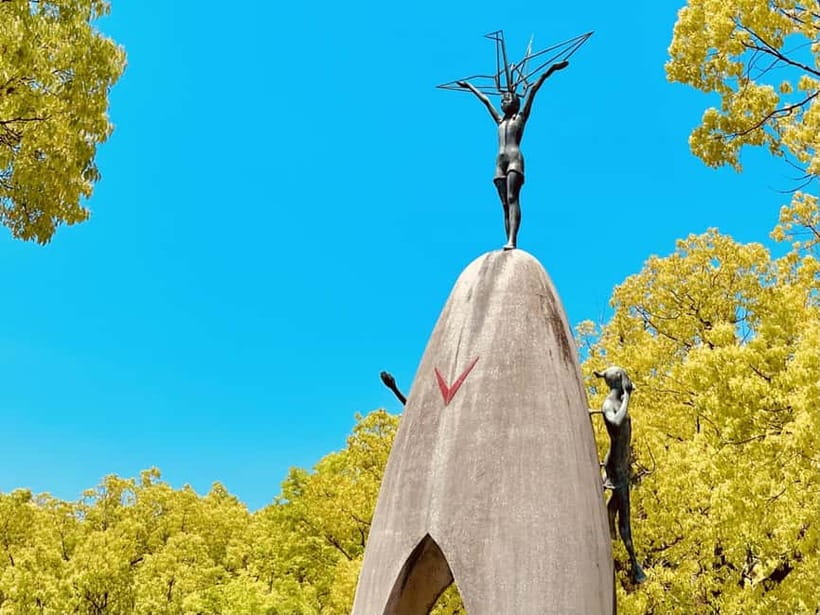
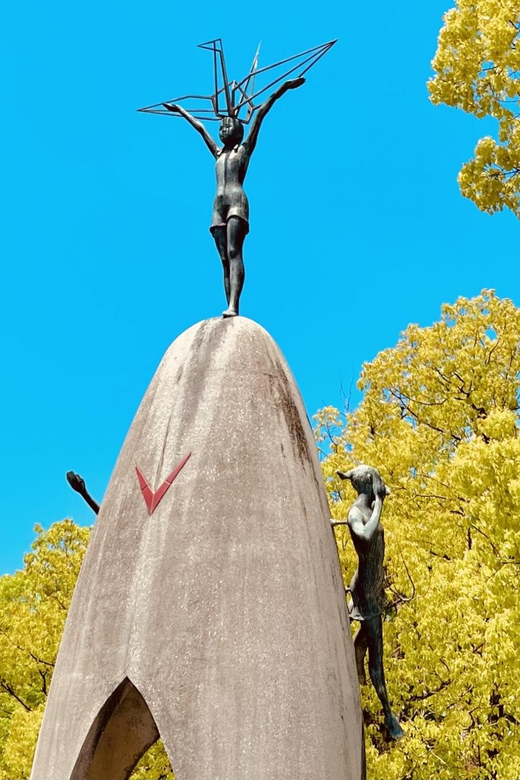
The guides explain the meaning behind the monuments rather than leaving you to guess what each one represents. Paper cranes are an important part of that story. One particularly useful detail from the tour experience is the attention given to the Children’s Peace Monument and the millions of paper cranes placed there.
At Hiroshima Orizuru Tower, some departures have included a view of origami cranes floating down. That detail may not be part of every exact route, so treat it as a possible feature rather than a promise. The broader point remains the same: cranes are not merely colorful decorations. They carry a strong message about remembrance, children, hope, and peace.
This part of the tour can be confronting. Parents with older children may appreciate the careful storytelling, and one family found the guide able to keep a 12-year-old engaged despite the heavy subject. Still, you know your own group best. The content concerns mass death, wartime decisions, and long-term suffering, so it is not a light sightseeing walk.
Finishing at the Peace Memorial Museum
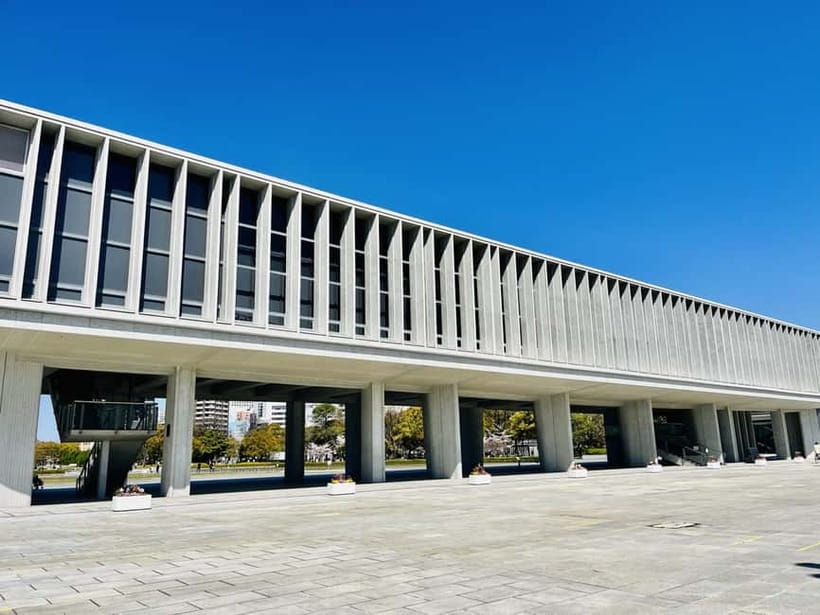
The tour ends at the Hiroshima Peace Memorial Museum. This is one of its best practical features. You receive the historical framework first, then have the option to enter the museum while the explanations are still clear in your mind.
The guided walk does not replace the museum. In fact, it works better as preparation for it. The guide helps you understand the city’s military importance, the reasons behind its selection, and the human and cultural consequences of the bombing. The museum can then add documents, objects, testimony, and personal detail.
I would plan the rest of your day carefully if you want a full museum visit. The tour lasts 150 minutes, but no museum admission or extended museum tour is included in the information provided. You finish at the museum entrance area, giving you a convenient next step, but you should allow separate time for the exhibits.
The ending also avoids a common problem with historical tours: leaving you at the final monument with no clear place to continue. Here, the next stage is obvious.
How the guides shape the experience
The strongest part of this tour is the guide. The subject requires more than dates and military terms. You need someone who can explain complex decisions without turning the walk into a lecture or a political argument.
Chihiro is especially praised for being local to Hiroshima and for sharing personal and family perspectives. Emi has been appreciated for clear English, strong storytelling, and a Japanese viewpoint explained with care. Thomas has received praise for his historical detail, patient answers, and helpful restaurant suggestions, even though he is not originally from Japan.
That range matters. A local guide may offer family memories and a personal connection to the city. A guide from outside Japan may help explain Japanese culture to an international audience in a way that feels easy to follow. The exact guide cannot be guaranteed, but the repeated praise centers on patience, clear English, good organization, and warmth.
You should feel free to ask questions. Guides have handled side questions about history, culture, food, museums, and other places to visit. The experience is at its best when you treat it as a conversation rather than simply standing in a group and listening.
Price, pace, and practical value
At $35 per person, this is fairly priced for a 2.5-hour English walking tour with a live guide and several major Hiroshima sites. You are paying mainly for interpretation and structure. The shrine, castle grounds, park, and Dome are not valuable because someone walks you past them. They become more useful when someone explains how they connect.
The tour is especially good value if you are visiting Hiroshima for the first time or have only one day in the city. It can prevent the Peace Memorial area from feeling like a collection of monuments without a clear story.
The value is lower if you prefer to read at your own speed, spend a long time photographing each site, or already know the history well. The route is carefully paced, but it is still a group walking tour. You will not linger everywhere.
The experience is listed as wheelchair accessible, conducted in English, and available with free cancellation up to 24 hours before the start. You can also reserve now and pay later, which helps if your Japan plans are still shifting. Tips are not included, so plan to tip the guide separately if you feel the service earned it.
Who should book this Hiroshima tour?
I would choose this walk if you want a clear introduction before visiting the museum. It suits adults, older children, history students, and anyone who wants the city’s wartime role explained alongside its peace message.
It is also a good choice for you if personal context matters. The strongest guide experiences include family stories, local perspectives, and thoughtful answers about Japanese culture. Food recommendations after the tour are another welcome touch.
I would hesitate if you want a cheerful sightseeing outing. Hiroshima’s memorial sites deserve attention, and the subject can leave you quiet for a while. The tour is respectful and often hopeful, but it does not make the history easy or painless.
Should you book it?
Book this tour if you want to understand Hiroshima before entering the museum, not merely photograph its famous monuments. For $35, the route gives you a useful historical frame, a local or Japan-based perspective, and a clear progression from Gokoku Shrine to Hiroshima Castle, the Atomic Bomb Dome, Peace Memorial Park, and the museum.
Skip it only if you prefer complete independence or already have a strong grasp of Hiroshima’s history. For most first-time visitors, I think the guide’s explanations, personal insight, and convenient museum finish make this a worthwhile start to a day of remembrance.
FAQ
How long does the Hiroshima Historical Walking Tour last?
The tour lasts 150 minutes, or 2.5 hours.
What is the price?
The price is $35 per person.
Where does the tour begin?
It begins in front of the Hiroshima Gokoku Shrine torii gate near the main hall.
Where does the tour finish?
The tour finishes at the Hiroshima Peace Memorial Museum.
Which places are included?
The route includes Hiroshima Gokoku Shrine, Hiroshima Castle, Hiroshima Gate Park, the Atomic Bomb Dome, and Hiroshima Peace Memorial Park. The tour also ends at the Peace Memorial Museum.
Is the tour offered in English?
Yes. The live guided tour is conducted in English.
Is the tour wheelchair accessible?
Yes, the activity is listed as wheelchair accessible.
Can I cancel for a refund?
Yes. You can cancel up to 24 hours in advance for a full refund.
Is a tip for the guide included?
No. Tips are not included in the tour price.
Just added around Japan
- Private sake pairing@ancient underground★ 5.0 · 27 reviews
- [30 minutes] Rickshaw tour around Asakusa [History, sightseeing, Tokyo Skytree]★ 5.0 · 38 reviews
- Tokyo: Asakusa & Sensoji ー Oldest Temple Walking Tour (2hrs)★ 5.0 · 213 reviews
- Tokyo: Mount Fuji Private Full-Day Trip with Hotel Pickup★ 5.0 · 18 reviews
- Private Tour Through the Tokyo National Museum & Ukiyo-e★ 4.7 · 17 reviews
- Tokyo: Imperial Palace, the history of Japan (ENGLISH GUIDE)★ 5.0 · 77 reviews
- Tokyo: Customized Private Historical Guided Photoshoot Tour★ 5.0 · 25 reviews
- Tokyo: Edo Castle & East Garden of the Imperial Palace Tour★ 4.7 · 112 reviews
History Walking Tours, compared.
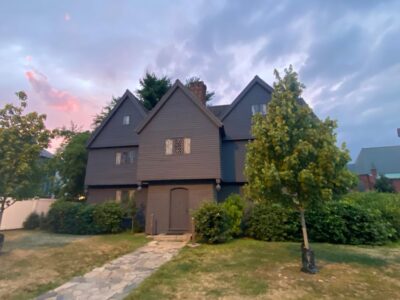
History and Hauntings of Salem Guided Walking Tour
Read our review →
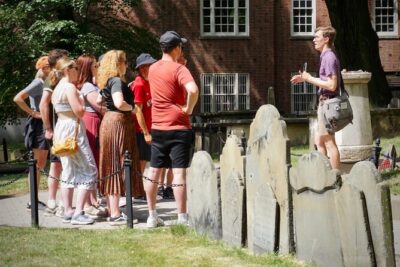
Freedom Trail History Small Group Walking Tour
Read our review →
Historic Charleston Guided Sightseeing Walking Tour
Read our review →
Tapas Walking Tour with Food, Wine, and History
Read our review →
Savannah History and Haunts Candlelit Ghost Walking Tour
Read our review →
A History of Terror – Belfast City Centre Walking Tour
Read our review →Browse the lists this tour appears in