
Review · KANAZAWA
World Heritage Shirakawa-go and Experience Tours from Kanazawa
A mountain village and a garden in one day. This $122.45 tour links Shirakawa-go with Kanazawa’s best-known cultural sights, using an air-conditioned vehicle with Wi-Fi and an English-speaking guide. I like the early visit to Shirakawa-go’s gassho-zukuri houses, and I like the hands-on afternoon, especially the gold leaf activity and Japanese sweets.
The trade-off is pace. Nine and a half hours is a long day, and you have limited time at each stop. Lunch is not included, the group can reach 38 people, and poor weather or traffic can change the plan.
Key points at a glance
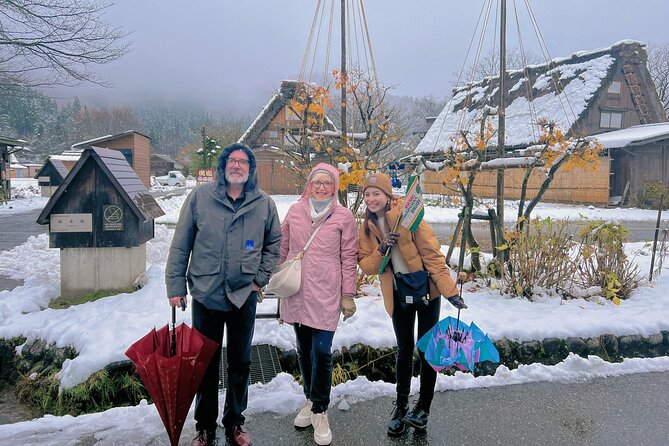
- Shirakawa-go before the crowds: The morning schedule can give you a calmer look at Ogimachi and its steep, prayer-hand-shaped roofs.
- A clear village viewpoint: The Ogimachi Castle Old Site Observatory offers broad views over the historic settlement.
- Two practical craft activities: You may make wagashi or paint a Daruma doll, then try a gold leaf experience.
- Kenrokuen in a one-hour visit: You get a useful introduction to one of Japan’s most famous gardens, but not enough time for a slow wander.
- Strong guide presence: Guides such as Aiko and Yasushi receive repeated praise for clear English, good energy, history stories, and smooth organization.
- Easy city meeting point: The tour starts and ends at Kanazawa Station West Plaza, with no hotel pickup or drop-off.
Why this day trip works
Kanazawa is an excellent base for Shirakawa-go, but arranging the connection yourself can take planning. This tour removes the transport puzzle and adds a Kanazawa culture program after the village visit.
You leave from Kanazawa Station at 7:50 a.m. and return to the same general meeting point at the end of the day. That makes the outing simple if you are staying near the station or using Kanazawa as a stop between other Japanese cities.
I especially like the combination of scenery and making things with your hands. Shirakawa-go gives you architecture and mountain views. Kanazawa gives you gardens, sweets, gold leaf, and a geisha district. The day has more texture than a simple sightseeing bus ride.
Still, this is not a slow, reflective tour. The full route covers several places, and the schedule can feel tightly packed. You should choose it for range and convenience, not for long, unhurried visits.
The tour has a 5.0 rating from 4,049 reviews and a 100 percent recommendation figure in the supplied information. Guides named Aiko and Yasushi receive especially warm praise. Yasushi is described as a former school teacher who uses history, mythology, humor, visuals, and photography to make the long bus rides more interesting. Aiko is praised for her friendly approach and for explaining local culture, including the meaning of Daruma dolls.
More UNESCO World Heritage Tours in Japan
- World Heritage Kyoto & Nara Uji Authentic Matcha Experience
★ 5.0 · 1,573 reviews - Kanazawa: World Heritage Shirakawa-go Morning Guided Tour
★ 4.9 · 988 reviews - Hiroshima Peace (Heiwa) Walking Tour at World Heritage Sites
★ 5.0 · 872 reviews
Starting early from Kanazawa Station
The meeting point is Kanazawa Station West Plaza, at Short-term Car Park 1, 1-chōme-6-802 Hirooka. You need to arrive on time. Late arrivals are not accepted, and joining after departure is not practical because the tour moves as one group.
The vehicle is air-conditioned, and Wi-Fi is available on the bus. A restroom is also mentioned in one detailed account of the coach, though the formal inclusions list only confirms the air conditioning and Wi-Fi. Multilingual audio guidance is available in English, Spanish, French, Italian, German, Portuguese, and Ukrainian.
The ride to Shirakawa-go is part of the experience. Guides may use the journey to explain Japanese history and culture. This matters because the morning stop is partly about seeing buildings and partly about understanding why the village looks so different from modern Japanese cities.
A large group is possible, with up to 38 people. That size helps keep the price reasonable, but it can make boarding, regrouping, and photo stops slower. A good guide matters here, and the repeated praise for Aiko and Yasushi suggests that they keep the day moving with energy and clear instructions.
Shirakawa-go and its steep-roofed houses
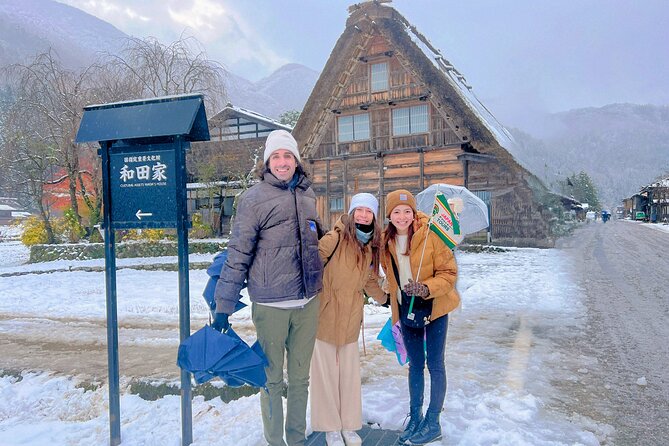
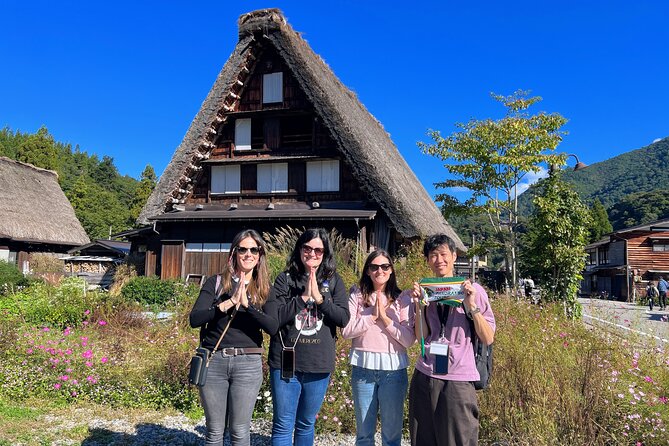
The main morning stop lasts about two hours. Shirakawa-go is a mountain settlement known for its gassho-style farmhouses. The word refers to hands joined in prayer, an apt description of the sharply pitched roofs.
The roofs are the visual reason most people come. Their steep shape is tied to the village setting and heavy winter conditions. You get the best sense of the settlement by walking among the houses rather than viewing only one building from the road.
The village has a storybook appearance, but it is not a stage set. The historic buildings are part of a real mountain community, and the appeal comes from seeing how the settlement fits into its surroundings. The tour gives you free time to explore, so you are not required to follow the guide at every step.
That independence is a real advantage. You can use the time for photos, browse a local shop, or look for a small museum or craft display. One useful suggestion from the experience notes is to visit a small museum for local artists with a shop selling locally made items at reasonable prices.
Lunch is on your own at Shirakawa-go. This gives you flexibility, but the meal timing may not match your normal schedule. One participant found the available eating time too early. I would treat lunch as a practical stop rather than plan on a long restaurant meal.
The main limitation is the short visit. Two hours sounds generous until you include walking, photos, food, and any lines. If you want to inspect several houses in detail, shop slowly, and eat a full lunch, you will need to choose carefully.
Ogimachi Castle Old Site Observatory
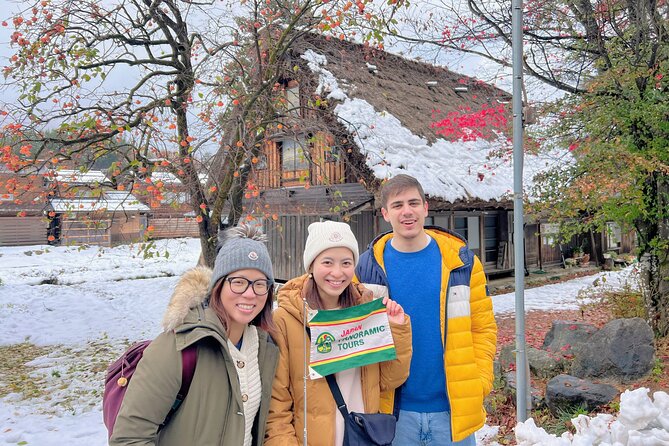
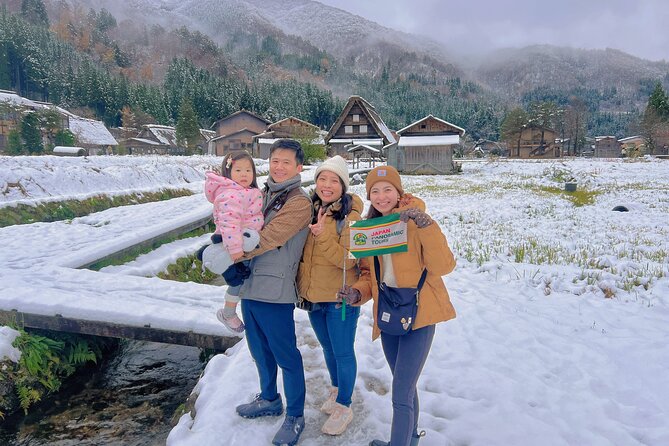
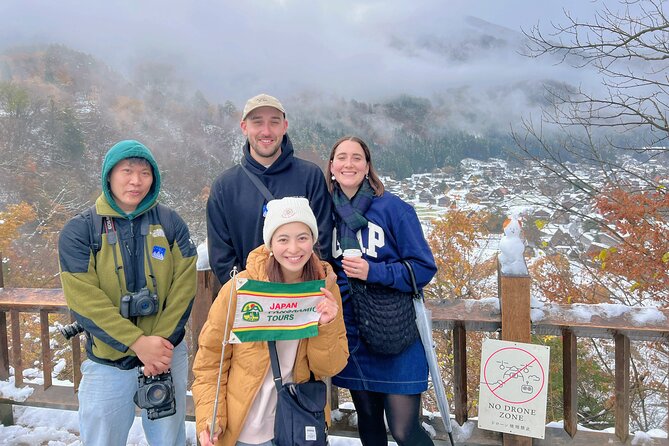
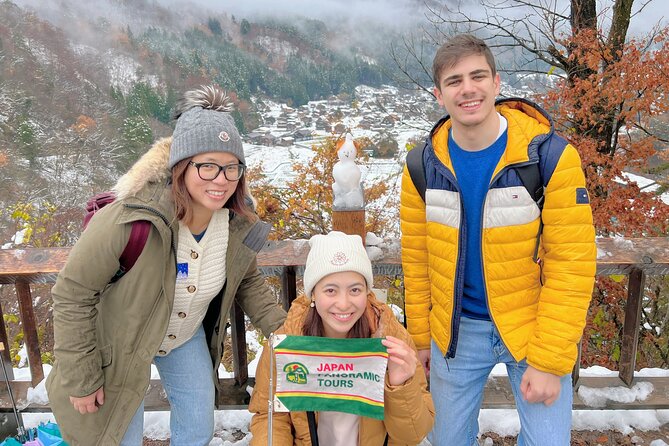
The group also visits the Ogimachi Castle Old Site Observatory for about 20 minutes. It provides a broad view over Ogimachi, the central settlement of Shirakawa-go.
This is a smart addition because the village looks different from above. From street level, you notice roof construction and small details. From the lookout, you can see how the houses sit together in the valley, with mountains around them.
Twenty minutes is enough for the view and photographs, but not much more. The tour description also refers to a walk past the site, so the exact movement may depend on road access, weather, and traffic. You should be ready for a short walk and some uphill movement.
A moderate level of physical fitness is requested. The tour does not promise a strenuous hike, but you will be walking around a historic village, getting on and off a coach, and moving through several afternoon stops.
Same place, a different slice of the past:
- Kyoto: Fushimi Inari, Kinkakuji, Bamboo Grove 1 Day Bus Tour
★ 4.8 · 4,316 reviews - Tokyo: Imperial Palace and Shogun Historical Walking Tour
★ 5.0 · 2,251 reviews - Kyoto Gion: 2-Hour Geisha Culture & History Walking Tour
★ 5.0 · 1,186 reviews - Tokyo Castle & Imperial PalaceーShogun Walking Tour
★ 4.7 · 1,068 reviews
Kenrokuen Garden in one hour
After Shirakawa-go, the tour turns to Kanazawa and visits Kenrokuen Garden. Admission is included, and the planned visit lasts about one hour.
Kenrokuen is known as one of Japan’s three most famous gardens. Its appeal changes with the seasons, so the exact mood depends heavily on when you visit. The hour gives you a useful introduction to its paths, plantings, water features, and carefully arranged views.
I would not expect to see every corner. Kenrokuen rewards a slow walk, and one hour passes quickly when the group has to enter, gather, receive an explanation, and return to the vehicle. The visit works best as a first look. If the garden becomes the highlight of your day, you may want to return independently later.
The garden is also a welcome change of pace after Shirakawa-go. The morning is about a compact mountain village and distinctive farmhouses. Kenrokuen shifts your attention to deliberate design, seasonal beauty, and the refined culture associated with Kanazawa.
Wagashi, Daruma painting, and gold leaf
The afternoon includes hands-on cultural activities, which are among the strongest reasons to choose the full-day version.
At the Ishikawa Local Products Center, you may make Japanese sweets with a professional wagashi craftsperson. Depending on the craftsperson’s schedule, the activity may instead involve painting Daruma dolls. Both options offer more than a photo opportunity because you take part in a traditional art form rather than only watching one.
Wagashi are Japanese sweets often shaped with care and linked to the seasons. The supplied information does not specify the exact sweet you will make, so you should expect a guided introduction rather than a particular recipe. The activity lasts about 50 minutes.
Daruma painting offers a different kind of connection to Japanese culture. One guide, Aiko, received specific praise for explaining the Daruma doll. If your schedule includes this alternative, the value comes from learning what the figure represents while making your own piece.
The gold leaf activity lasts about 40 minutes at Kanazawa Bikazari Asano. Kanazawa is strongly associated with gold leaf, and the experience lets you learn about the craft directly. One participant described making a gold leaf postcard, which gives you a useful idea of the sort of souvenir you might create.
This part of the day can be especially good for families, couples, and anyone who prefers doing something to simply looking at another historic site. It also gives you a small, personal object to take home. The activity is included in the price, as is admission to Kenrokuen.
The plan can change. Weather, traffic, operating conditions, or a craftsperson’s schedule may prevent every activity from taking place. An alternative place or a gift may be offered, but the conditions state that changes of this kind do not bring a refund.
Higashi Chaya District and Kanazawa’s evening feel
The itinerary includes about 30 minutes in Higashi Chaya District, one of Kanazawa’s major geisha areas. The district offers traditional streets and buildings, giving you a final taste of the city after the garden and craft stops.
Half an hour is enough to walk through part of the area and take photographs. It is not enough for a long tea house visit or a detailed exploration of every lane. You may also want to try gold leaf ice cream, a local specialty specifically suggested as an option.
The placement of this stop may vary. The listed schedule places the Kanazawa Station finish before Higashi Chaya District, while the tour also says the activity ends back at the meeting point. The order is subject to change, so follow the guide’s instructions rather than planning an independent appointment around the posted sequence.
This is a good final stop because it brings together several themes from the day: traditional architecture, local crafts, and Kanazawa’s connection with geisha culture. It also leaves you near the city center rather than ending with only a bus ride.
Price, pace, and what you receive
At $122.45 per person, the tour offers solid value if you want transport, a guide, Kenrokuen admission, and two cultural activities in one day. You would otherwise need to arrange transport to Shirakawa-go, organize your timing, pay for garden admission, and book or locate craft experiences separately.
The price does not include lunch, hotel pickup, or hotel drop-off. You also need to budget for personal food, drinks, and any shopping. The tour starts and ends at Kanazawa Station, so it is most useful for people already staying near the station or comfortable reaching it by public transport.
The value depends on your touring style. If you like a full schedule and want to check off several major sights, the price is attractive. If you prefer long meals, quiet garden walks, or extended time inside museums, the schedule may feel hurried.
The bus helps with the hardest part: getting to Shirakawa-go and back without managing connections. Air conditioning and Wi-Fi make the long ride easier, while the guide adds context that you would miss by simply arriving and walking around alone.
Weather, cancellations, and practical limits
The route depends on road and weather conditions. The itinerary order can change, and a stop or activity may be replaced if a place closes or operations are suspended.
The tour requires good weather. If the operator cancels because of poor weather, you can receive a different date or a full refund. If the tour runs but conditions prevent some activities, an alternative location or gift may be offered instead, without a refund for the change.
You can cancel for a full refund up to 24 hours before the local start time. Changes or cancellations inside that 24-hour period are not accepted for a refund.
Wear comfortable shoes and expect a moderate amount of walking. Keep your morning organized, arrive early at the station, and do not count on hotel collection. These small details matter more here than on a short city tour because missing the departure means missing the whole day.
Who should book this Shirakawa-go tour?
I would recommend it most strongly to first-time visitors with one free day in Kanazawa. You see a UNESCO World Heritage village, a famous garden, a geisha district, Japanese sweets or Daruma painting, and gold leaf work without having to coordinate each piece yourself.
It also suits you if you enjoy guides who tell stories during the drive. Yasushi’s background as a former school teacher and his use of history, mythology, humor, and visuals could make the long transport time feel useful rather than wasted.
Families and small groups may enjoy the craft sessions, while photographers will appreciate the early Shirakawa-go visit and the Ogimachi lookout. The tour is also a good fit for anyone who wants a broad introduction to Kanazawa culture before deciding which places deserve a longer return visit.
I would hesitate to recommend it if your main goal is an unhurried Shirakawa-go visit. You get only about two hours in the village, and the entire day has several fixed movements. I would also think twice if you need a specific lunch hour or cannot manage an early start.
Should you book it?
Book this tour if convenience, variety, and lively guiding matter most. It turns a difficult transport day into a well-supported outing and adds hands-on activities that many sightseeing tours skip.
Skip it if you want to spend half a day at Kenrokuen or several hours slowly exploring Shirakawa-go. For most visitors with limited time, though, the mix is strong: dramatic village scenery in the morning, Kanazawa gardens and crafts in the afternoon, and a guide such as Aiko or Yasushi to connect the pieces.
FAQ
How long does the tour last?
The experience lasts approximately 9 hours and 30 minutes.
Where does the tour start?
It starts at Kanazawa Station West Plaza, at Short-term Car Park 1, 1-chōme-6-802 Hirooka, Kanazawa.
What time should I arrive?
The scheduled start time is 7:50 a.m. You should arrive on time because late arrivals are not accepted and joining partway through is not feasible.
Does the tour include hotel pickup?
No. The tour does not provide hotel pickup or drop-off. It starts and finishes at the stated Kanazawa Station meeting point.
Is lunch included?
No. Lunch is not included. You have time to arrange and pay for lunch yourself at Shirakawa-go.
Is Kenrokuen Garden admission included?
Yes. Admission to Kenrokuen Garden is included.
What craft activities are included?
The tour includes Japanese sweets making or painting Daruma dolls, depending on the craftsperson’s schedule. It also includes a gold leaf experience.
Is the tour available in languages besides English?
An English-speaking guide is provided. Multilingual audio guidance is available in English, Spanish, French, Italian, German, Portuguese, and Ukrainian.
Can I cancel for a refund?
You can cancel up to 24 hours before the experience start time for a full refund. Cancellations or changes made less than 24 hours before the start time are not accepted for a refund.
Just added around Japan
- Private sake pairing@ancient underground★ 5.0 · 27 reviews
- [30 minutes] Rickshaw tour around Asakusa [History, sightseeing, Tokyo Skytree]★ 5.0 · 38 reviews
- Tokyo: Asakusa & Sensoji ー Oldest Temple Walking Tour (2hrs)★ 5.0 · 213 reviews
- Tokyo: Mount Fuji Private Full-Day Trip with Hotel Pickup★ 5.0 · 18 reviews
- Private Tour Through the Tokyo National Museum & Ukiyo-e★ 4.7 · 17 reviews
- Tokyo: Imperial Palace, the history of Japan (ENGLISH GUIDE)★ 5.0 · 77 reviews
- Tokyo: Customized Private Historical Guided Photoshoot Tour★ 5.0 · 25 reviews
- Tokyo: Edo Castle & East Garden of the Imperial Palace Tour★ 4.7 · 112 reviews
UNESCO World Heritage Tours, compared.

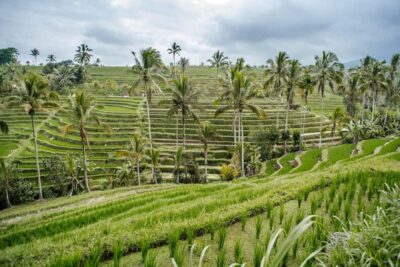
Bali: Tanah Lot UNESCO World Heritage Sites Full-Day Tour
Read our review →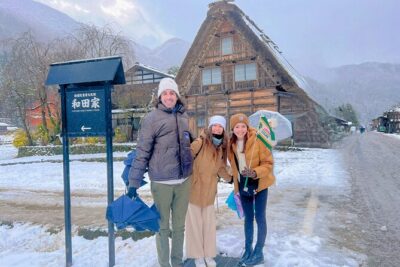
World Heritage Kyoto & Nara Uji Authentic Matcha Experience
Read our review →

UNESCO’s Ayutthaya Historical Park: Full-Day Tour from Bangkok
Read our review →
Rotterdam: Kinderdijk UNESCO World Heritage Entry Ticket
Read our review →
From Busan: Gyeongju UNESCO World Heritage Guided Day Tour
Read our review →
Morning World Heritage Cruise on the Gordon River from Strahan
Read our review →Browse the lists this tour appears in