
Review · CHUGOKU REGION
Hiroshima: History of Hiroshima Group Walking Tour
History feels close here. This two-hour Hiroshima walking tour brings the Peace Memorial Park to life through survivor stories, lesser-known details, and the city’s path from destruction to peace. I especially like the route’s careful mix of major landmarks and quieter memorials, and the guides’ personal connections to Hiroshima, including family stories shared by guides such as Moe, Cva, and Sada. The main consideration is emotional weight: this is a serious experience, and two hours can feel short for such a large subject.
At $35 per person, the tour offers a sensible way to understand the park before exploring it on your own. You will walk between many sites, so comfortable shoes matter. One practical caution: the group can sometimes feel large, making it harder to hear every word, although guides such as Ali have been praised for handling bigger groups well.
Key details before you book
- Personal stories from Hiroshima families: Guides including Moe, Cva, and Sada have shared family connections to survivors, adding a human element to the historical account.
- A full Peace Park route: The walk includes the Gates of Peace, memorial cenotaph, Flame of Peace, Children’s Monument, Peace Bell, Atomic Bomb Dome, and the hypocenter.
- A thoughtful English-language tour: Guides use questions, stories, and pauses for reflection rather than rushing from one plaque to the next.
- Entrance included: Your ticket includes the Hiroshima National Peace Memorial Hall for Atomic Bomb Victims.
- Good value for a first visit: At $35, you receive two hours of guided context across many important sites.
- Wheelchair accessible: The activity is listed as wheelchair accessible, though it remains an outdoor walking tour.
Starting at the Gates of Peace
The meeting point is in front of the Gates of Peace, next to the Italian restaurant Mario. This is a useful place to begin because the gates introduce the tour’s main idea: remembrance paired with a hope for peace.
Your guide sets the stage by discussing Hiroshima before August 6, 1945. That opening matters. Without it, the park can feel like a collection of solemn monuments. With it, you begin to picture Hiroshima as a living city before the bombing, then follow the choices and events that led to the atomic attack.
The guides come from varied academic backgrounds, including tourism, anthropology, history, and peace studies. That range helps explain why the tour is not only about dates and military decisions. You also hear about ordinary people, survivors, recovery, memory, and the way Hiroshima presents its message today.
More History Walking Tours in Japan
- Tokyo: Imperial Palace and Shogun Historical Walking Tour
★ 5.0 · 2,251 reviews - Kyoto Gion: 2-Hour Geisha Culture & History Walking Tour
★ 5.0 · 1,186 reviews - Tokyo Castle & Imperial PalaceーShogun Walking Tour
★ 4.7 · 1,068 reviews
Mother and Baby in the Storm
The first memorial stop, Mother and Baby in the Storm, takes about five minutes. It is a short visit, but it sets a personal tone early in the walk.
Here, the focus shifts from the scale of the bombing to the effect on families. That change is important. The tour does not treat the bombing as a distant event viewed only through statistics. It connects memorials to individual lives and to the testimonies of people affected by the attack.
Guides with family connections to Hiroshima have made this part especially meaningful. Moe, for example, has shared details about her family’s experience, while other guides have spoken about relatives who survived the atomic bomb. These accounts are presented with care, not as dramatic entertainment.
Prayer Fountain and the meaning of water
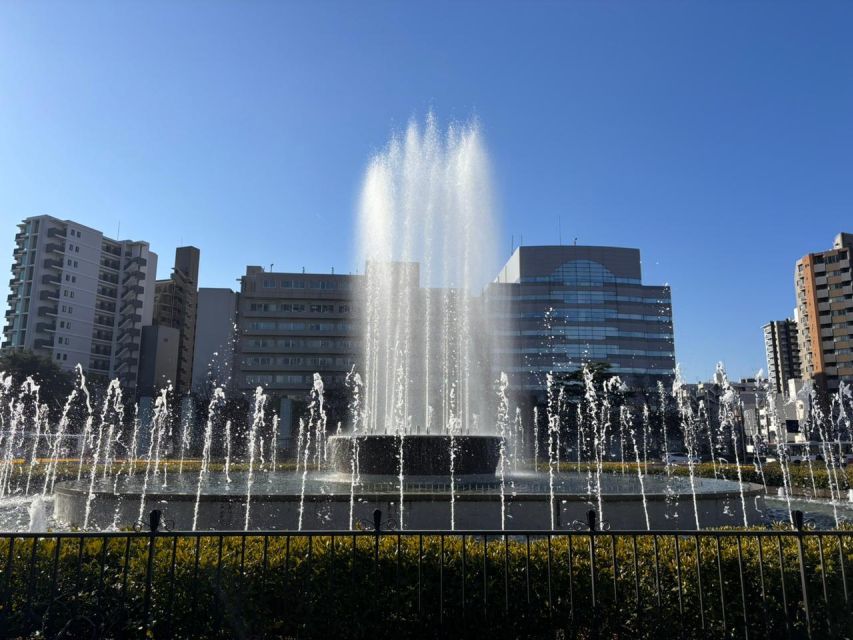
The walk continues to the Prayer Fountain, where you spend about ten minutes. This stop combines sightseeing with explanation of the memorial’s symbolism.
Water carries particular emotional force in Hiroshima’s memorial spaces. The guide explains why it appears so often and connects the fountain to the suffering of people who desperately needed water after the bombing. The setting also gives you a moment to look around the park and absorb its quiet design.
This is one reason a guided walk helps. You can pass a fountain quickly on your own without understanding why it matters. A good explanation turns a simple feature into part of the larger story.
The Hiroshima Victims Memorial Cenotaph
The Hiroshima Victims Memorial Cenotaph receives about ten minutes. This is one of the park’s central memorials, and your guide explains its purpose, language, and connection to the people who died.
The discussion covers both direct and indirect victims. That wider view is valuable because the human cost did not end at the instant of the explosion. Survivors faced injuries, illness, grief, displacement, and long-term effects. The tour keeps those consequences in view without trying to compress every detail into a lecture.
This is also a place where the guide may pause for questions. Several guides, including Cva, have been praised for encouraging participation and answering questions carefully. If you already know the basic timeline, ask about the memorial’s symbols, the city’s recovery, or how Hiroshima’s peace message developed.
Same place, a different slice of the past:
- Kyoto: Fushimi Inari, Kinkakuji, Bamboo Grove 1 Day Bus Tour
★ 4.8 · 4,316 reviews - World Heritage Shirakawa-go and Experience Tours from Kanazawa
★ 5.0 · 4,049 reviews - World Heritage Kyoto & Nara Uji Authentic Matcha Experience
★ 5.0 · 1,573 reviews - Kanazawa: World Heritage Shirakawa-go Morning Guided Tour
★ 4.9 · 988 reviews
Flame of Peace and the city’s message
The Flame of Peace is a brief five-minute stop. Its symbolism is direct: the flame will continue burning until the world is free of nuclear weapons.
You do not spend long here, but the stop helps connect the past to the present. Hiroshima is not preserved only as a site of destruction. The city uses its memorial spaces to make an active argument about peace, responsibility, and the danger of nuclear weapons.
The guides generally balance this message with historical detail. Christina from Denmark described Cva’s approach as both educational and emotionally powerful, with room for tears and laughter. That balance is useful. The subject is painful, but a tour that offers no room for human warmth could become exhausting.
Hiroshima National Peace Memorial Hall
The Hiroshima National Peace Memorial Hall for Atomic Bomb Victims is the only indoor entrance included in the price, and the tour allows about fifteen minutes here.
This visit adds depth to the outdoor route. The park’s monuments give you large symbols and visible reminders. The memorial hall brings the focus back to victims and their lives. Your guide helps you understand why the hall exists and how it fits into the city’s wider effort to preserve testimony.
Fifteen minutes is enough for an introduction, but not enough for a long independent visit. If this subject matters greatly to you, you may want to return later with more time. The walking tour is best viewed as a guided framework, not a complete substitute for every museum and memorial in Hiroshima.
Free time and the quieter parts of the park
One portion of the route includes about twenty minutes of free time alongside guided sightseeing. This break is welcome. Hiroshima Peace Memorial Park contains many details, and a constant stream of commentary can make it hard to think.
Use this pause to look at the memorials, take notes, ask your guide a personal question, or simply sit quietly. The tour’s subject deserves a little silence. Kevin from the United Kingdom specifically appreciated that the walk was not rushed and allowed time to see things.
Because the exact use of this period can depend on the group and guide, keep your expectations flexible. It is not presented as a separate museum visit or a long rest stop.
Children’s Peace Monument and the story of Sadako
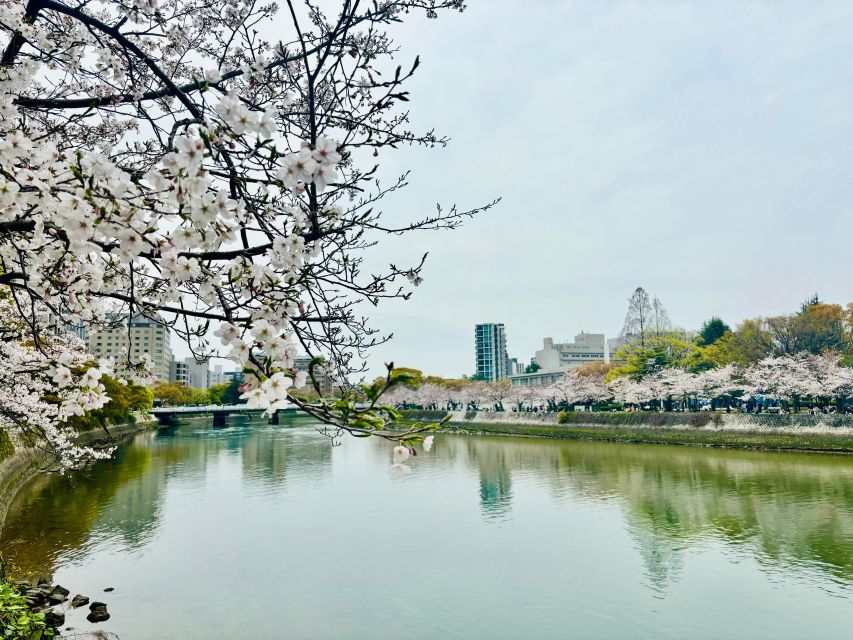
The Children’s Peace Monument is a ten-minute stop and one of the park’s most recognizable memorials. It is also one of the places where the tour’s focus on children and families becomes especially clear.
Your guide explains the story behind the monument and its connection to children affected by the bombing. The site is often associated with paper cranes and the story of Sadako Sasaki, though the supplied tour details do not promise a particular presentation of every part of that story. You should expect a guided explanation of the monument and its meaning.
The stop includes time for photographs, but be mindful of the setting. This is a memorial, not simply a photo backdrop. A respectful approach is part of the experience.
Atomic Bomb Memorial Burial Mound
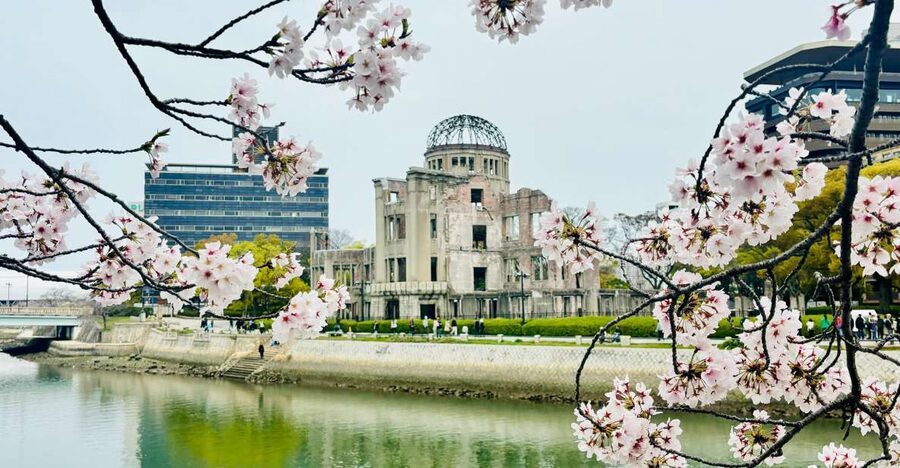
The Atomic Bomb Memorial Burial Mound takes about ten minutes. Its presence adds an uncomfortable but necessary truth to the tour: many victims could not be identified or returned to individual families.
This stop helps explain the scale of the disaster in a way that a single monument cannot. The guide connects the site to the broader story of unidentified victims and the city’s continuing act of remembrance.
If you have children with you, this is a point where the tone may feel especially serious. The guide’s manner matters, and the strongest feedback about this tour repeatedly points to compassionate presentation rather than sensational storytelling.
Korean Atomic Bomb Victims Cenotaph
The Korean Atomic Bomb Victims Cenotaph is a shorter five-minute visit. It widens the historical frame beyond Hiroshima’s Japanese population.
The memorial recognizes Korean victims of the bombing and reminds you that imperial Japan’s wartime history involved people from across Asia. This is one of the more easily missed sites in the park, which makes the guide’s role useful. You might walk past without realizing its significance.
The stop also helps prevent an overly narrow telling of Hiroshima’s past. The bombing affected people of different backgrounds, and the park’s memorials reflect that complicated history.
Peace Bell and the meaning of participation
The Peace Bell receives about ten minutes and includes time for photographs. Its design and sound carry a simple message, but the guide adds context about why the bell is part of the park.
This is a lighter moment in the route, though not a carefree one. You get a chance to take in the park’s symbols and to consider how visitors are invited to participate in the city’s peace message.
The tour’s format works well here because guides often involve the group with questions. Cva, in particular, has been praised for getting people involved without making the experience feel like a classroom exercise.
The Atomic Bomb Dome
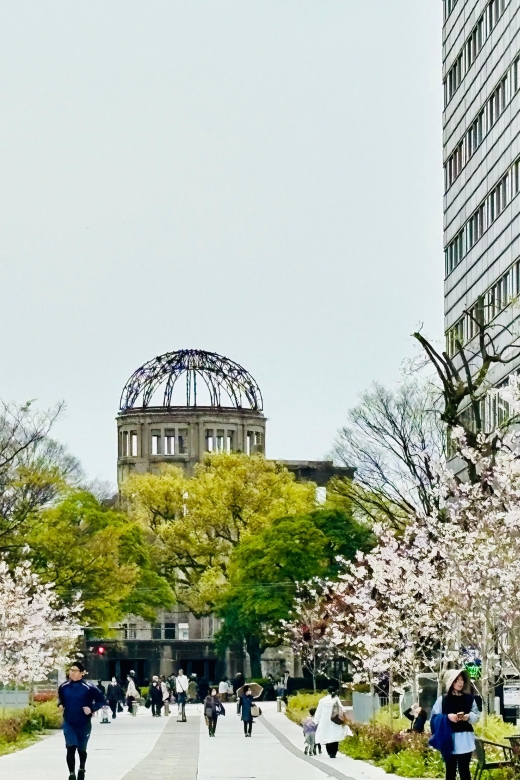
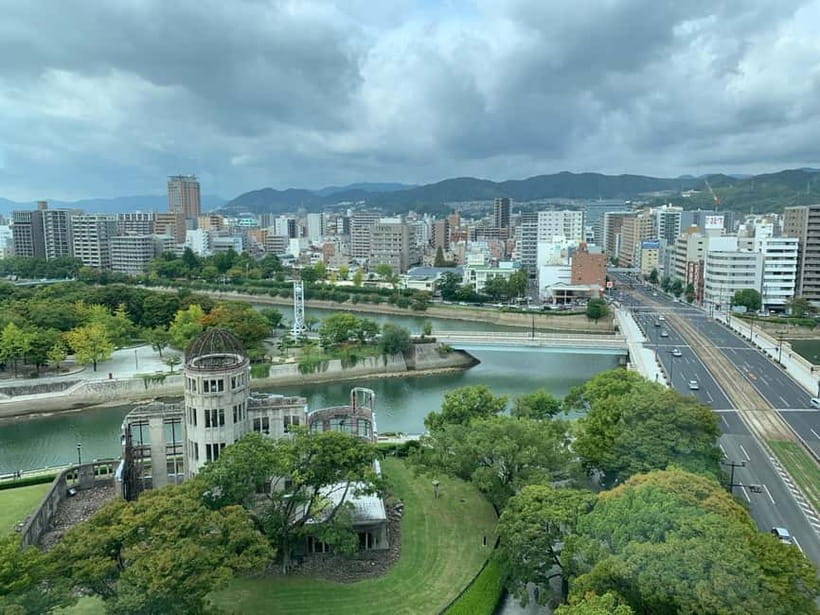
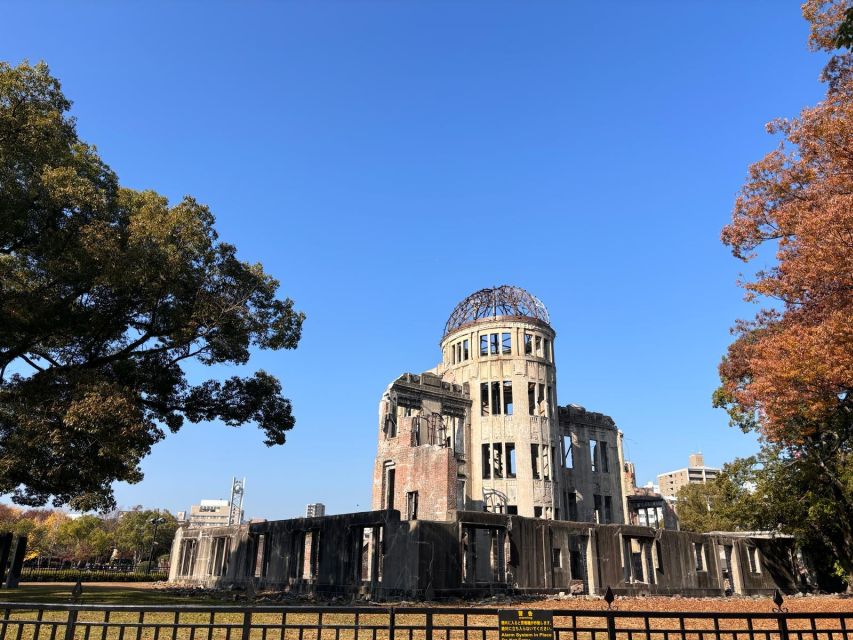
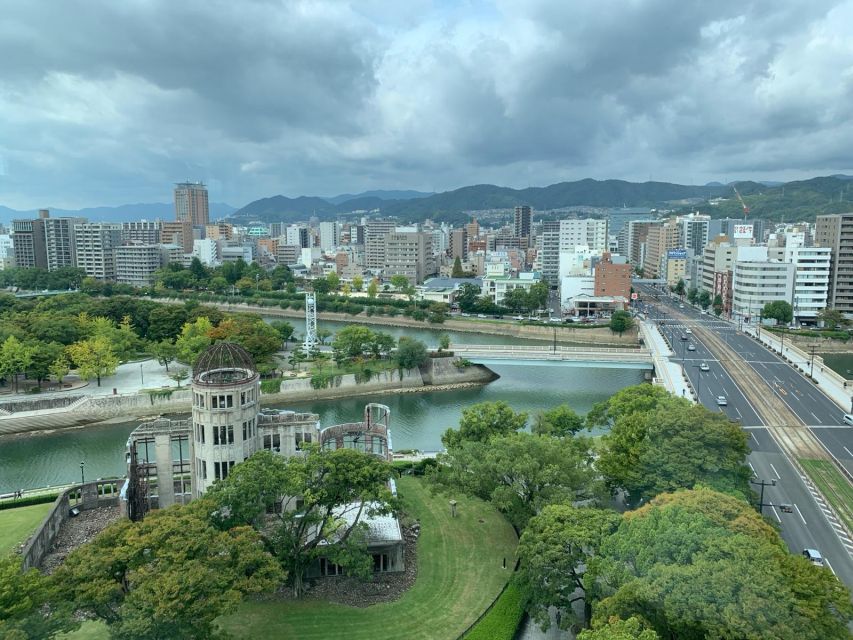
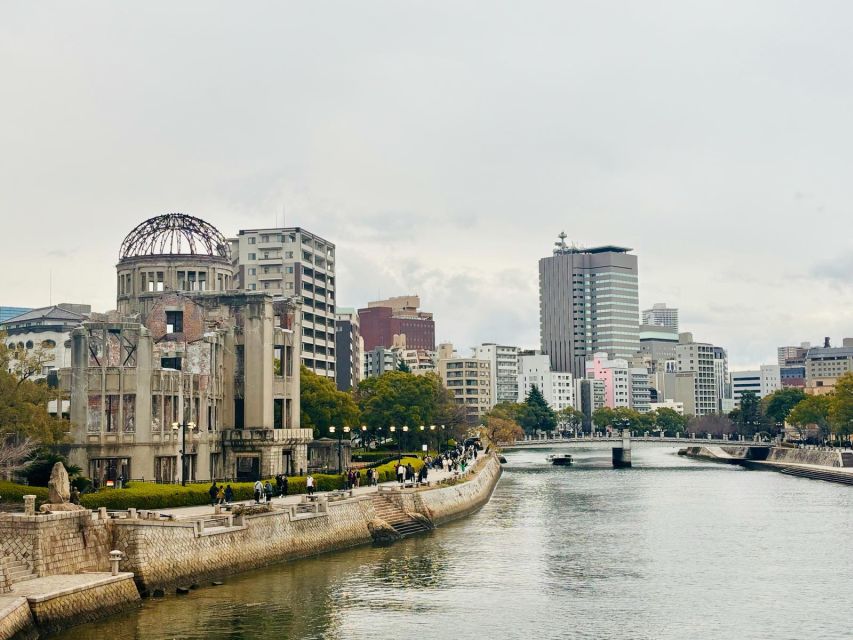
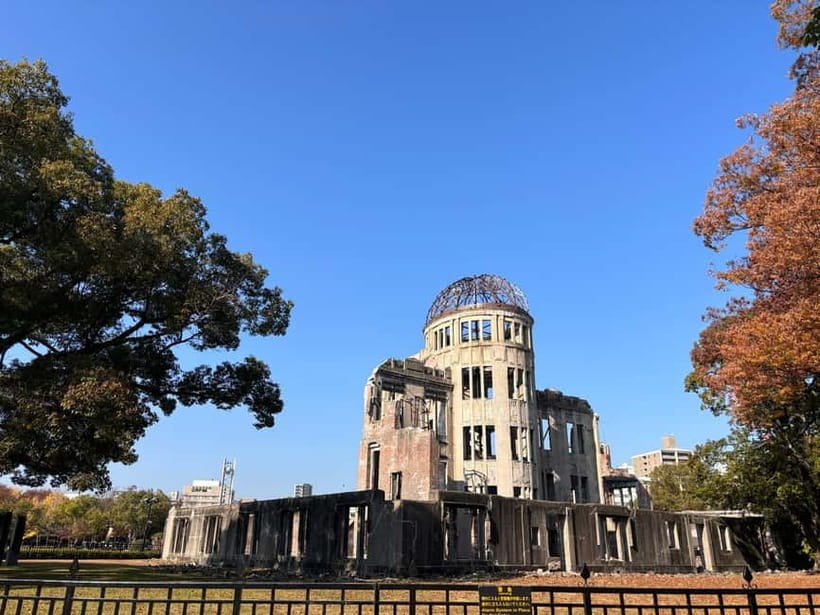
The Atomic Bomb Dome is the visual anchor of the walk. You spend about fifteen minutes here, with time for photographs and a full explanation of the building’s role.
The structure is described as the only one left standing after the blast. Its ruined frame is difficult to ignore, especially because the surrounding city has been rebuilt. The contrast between the preserved remains and modern Hiroshima makes the city’s recovery visible without needing a long speech.
The Dome is also where many people feel the history become physical. You are no longer looking only at memorial text or symbolic monuments. You are looking at a surviving structure tied directly to the explosion.
Your guide explains what happened on August 6, 1945, and how the building became a memorial. Take photographs if you wish, but allow yourself time to look without a camera. The site carries more force when you slow down.
The hypocenter and the final reflection
The tour ends at the Atomic Bomb Hypocenter Monument, marking the location directly below the point of detonation. This final stop lasts about ten minutes.
Ending here gives the route a clear structure. You begin with Hiroshima as a city, walk through memorials devoted to victims and peace, visit the Atomic Bomb Dome, and finish at the physical center of the explosion. The guide brings the story back to the people who died, those who survived, and the city’s message for the future.
The ending is not designed as a cheerful finale. It is a moment to reflect. Many participants describe the tour as moving, heavy, and inspiring at once. That combination is appropriate for Hiroshima.
Guide quality, pace, and group size
The strongest feature of this experience is the guiding. Names that appear repeatedly in the guide roster include Cva, Moe, Tomas, Toma, Sada, Ali, Aya, Nisa, Han, Shiva, Syed, Wajid, and Camille. Experiences can vary by departure, but the consistent pattern is clear: the best guides combine facts with stories, answer questions, and treat the subject with respect.
Cva has been praised for his clear English, humor, steady pace, and ability to involve the whole group. Moe has brought personal family stories and a warm connection to Hiroshima. Sada has combined history with information about Hiroshima’s culture, food, recovery, and present-day life.
Group size is the main variable to keep in mind. One person described a group as too large for comfort, while still praising Ali’s handling of it. In a larger group, you may need to stay close to the guide and listen carefully near busy outdoor areas.
The route is listed as wheelchair accessible. You should still expect a two-hour outdoor walk, so weather-appropriate clothing and comfortable shoes are sensible. The experience continues in snow and poor weather, according to one January account, but conditions can affect comfort.
Is $35 good value?
At $35, this is good value if you want a structured introduction to Hiroshima Peace Memorial Park. You cover many important sites in two hours, receive an English-speaking guide, and enter the National Peace Memorial Hall without paying a separate tour charge.
The value comes mainly from interpretation. You can walk through the park for free, but you may miss the connection between the monuments, the stories of survivors, and the city’s peace message. A guide also helps you use your limited time well.
The price is less compelling if you want a slow, private experience or extensive time inside museums. This is a group walking tour, not a private historian-led visit. You are paying for clear organization, human stories, and a meaningful route.
Who should book this Hiroshima walk?
I recommend it for first-time visitors, English-speaking families, couples, solo visitors, and anyone who wants context before exploring the park alone. It also suits people who already know the basic history but want local stories, memorial details, and a better sense of how Hiroshima rebuilt itself.
It may be less suitable if you want a light sightseeing activity. The tour discusses death, injury, grief, survivor testimony, and the long effects of nuclear warfare. You should arrive ready to listen.
The two-hour length works well as an introduction. Afterward, you can return to the Peace Memorial Museum or other sites at your own pace, though those additional visits are not included here.
Should you book it?
Book this tour if you want Hiroshima explained with care rather than simply photographed. The combination of personal family stories, overlooked memorials, the Atomic Bomb Dome, and the hypocenter gives you a clear route through a difficult subject.
Skip it only if you prefer complete independence, need a very quiet private visit, or already plan to spend several hours with your own detailed guidebook and museum research. For most first visits, $35 is a fair price for two hours of thoughtful orientation and a human connection to Hiroshima’s past and present.
FAQ
How long does the Hiroshima walking tour last?
The tour lasts two hours.
How much does the tour cost?
The listed price is $35 per person.
What language is the tour conducted in?
The live tour guide speaks English, and English is the listed tour language.
Where does the tour meet?
Meet in front of the Gates of Peace, next to the Italian restaurant Mario.
Where does the tour finish?
The tour finishes at the Hiroshima Atomic Bomb Hypocenter Monument.
Is entrance to the Hiroshima National Peace Memorial Hall included?
Yes. Entrance to the Hiroshima National Peace Memorial Hall for Atomic Bomb Victims is included.
Is the tour wheelchair accessible?
Yes. The activity is listed as wheelchair accessible.
What should I bring?
Bring comfortable shoes and clothing suited to the weather.
Does the tour visit the Atomic Bomb Dome?
Yes. The route includes a guided visit and photo stop at the Atomic Bomb Dome.
Can I cancel for a full refund?
Yes. Cancellation up to 24 hours in advance qualifies for a full refund.
Just added around Japan
- Private sake pairing@ancient underground★ 5.0 · 27 reviews
- [30 minutes] Rickshaw tour around Asakusa [History, sightseeing, Tokyo Skytree]★ 5.0 · 38 reviews
- Tokyo: Asakusa & Sensoji ー Oldest Temple Walking Tour (2hrs)★ 5.0 · 213 reviews
- Tokyo: Mount Fuji Private Full-Day Trip with Hotel Pickup★ 5.0 · 18 reviews
- Private Tour Through the Tokyo National Museum & Ukiyo-e★ 4.7 · 17 reviews
- Tokyo: Imperial Palace, the history of Japan (ENGLISH GUIDE)★ 5.0 · 77 reviews
- Tokyo: Customized Private Historical Guided Photoshoot Tour★ 5.0 · 25 reviews
- Tokyo: Edo Castle & East Garden of the Imperial Palace Tour★ 4.7 · 112 reviews
History Walking Tours, compared.
History and Hauntings of Salem Guided Walking Tour
Read our review →
Freedom Trail History Small Group Walking Tour
Read our review →
Historic Charleston Guided Sightseeing Walking Tour
Read our review →
Tapas Walking Tour with Food, Wine, and History
Read our review →
Savannah History and Haunts Candlelit Ghost Walking Tour
Read our review →
A History of Terror – Belfast City Centre Walking Tour
Read our review →Browse the lists this tour appears in