
Review · HIROSHIMA
Morning Hiking Tour: Mt. Futaba & Hiroshima’s History
Hiroshima’s best morning may begin uphill. This private three-and-a-half-hour walk leads from Hiroshima Station into the wooded slopes of Mt. Futaba, with shrines, more than 100 red torii gates, a peace pagoda, breakfast, and an open-air tea ceremony along the way. I like the way it connects Hiroshima’s religious traditions with the city’s recovery and present-day life.
I also like the small-group format, limited to six people, and the personal attention from guides such as Michi, Naomi, Michiyo, Kota, and Lisa. The main consideration is simple: this is an uphill hike, even though it is described as easy and several participants found it gentler than other Hiroshima walks.
Key Points Before You Book
- Start at Hiroshima Station: You meet your guide at the Shinkansen Exit, then walk toward the mountain rather than spending time on a long transfer.
- See several sacred sites: Hiroshima Toshogu and Kinko Inari Shrine provide the cultural heart of the walk.
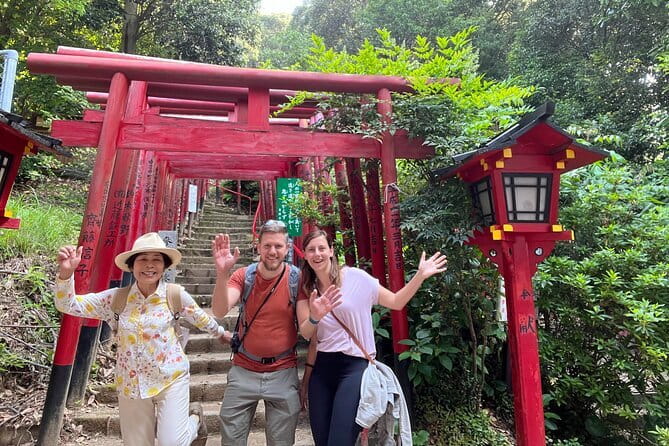
- Follow over 100 red torii gates: The route through Kinko Inari Shrine gives the forest section a strong visual identity.
- Reach a city-and-sea viewpoint: From Futabayama Peace Pagoda, you can look across Hiroshima, the Seto Inland Sea, and Miyajima.
- Eat and drink outdoors: A local bento breakfast at Okugu Shrine is followed by nodate, an open-air tea ceremony.
- Private attention matters: With no more than six participants, you can ask questions and set a comfortable pace with your guide.
Why This Morning Walk Works So Well
Hiroshima is often approached through its Peace Memorial sites, museums, and central streets. Those places matter, but this tour shows another side of the city. Within a short walk of Hiroshima Station, you move from urban streets into a quiet wooded area filled with religious buildings, stone paths, and mountain air.
That change of setting is the tour’s real strength. You do not simply look at a shrine, then return to the city. You walk through a sequence of places that lets you notice how Japanese religious customs, local geography, and modern Hiroshima fit together.
The timing helps, too. The early departure gives you cooler air and a quieter setting. One morning option begins at 7:30, while another listed start is 10:00. Confirm your exact departure when booking, since the schedule affects the temperature, the amount of morning light, and how the rest of your day unfolds.
The experience is also private rather than a large group outing. That makes a difference at places where you may want an explanation of a gate, carving, prayer custom, or building detail. Guides have been praised for explaining religion, Japanese architecture, Hiroshima’s past, and daily life in clear English.
A few more history tours around Hiroshima worth a look
- Rio: Tijuca Forest Small Group Hike to Caves and Waterfalls
★ 4.9 · 536 reviews - Antalya: Hiking in Termessos Ancient City
★ 5.0 · 152 reviews - Nepal Discovery Tour: Heritage Sites & Scenic Hill Easy Hike
★ 5.0 · 121 reviews
Meeting at Hiroshima Station
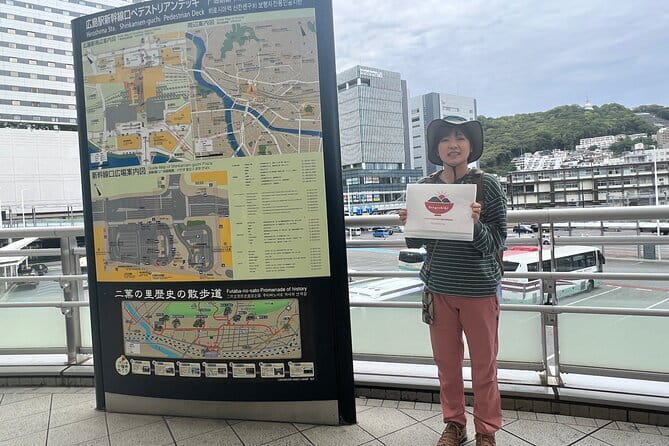
The meeting point is at Hiroshima Station, near the Shinkansen Exit, at 1-2-37 Matsubaracho in Minami Ward. This is a practical start for visitors arriving by train or staying near the station. You do not need to arrange a separate ride out to a distant trailhead.
Allow enough time to locate the exact meeting place. The guide uses the first part of the tour to introduce the route and explain what you will see. This is useful because the walk is not just a fitness outing. The meaning of each shrine and the relationship between the mountain and the city are central to the experience.
The tour ends back at Hiroshima Station. That makes it easy to continue sightseeing afterward, although you should leave yourself a little breathing room if your plans are tightly timed. Mountain walking, explanations, breakfast, and tea can naturally take a few extra minutes.
Hiroshima Toshogu: An Architectural Start
The first major stop is Hiroshima Toshogu, where you spend about 30 minutes. This shrine introduces the cultural side of the tour before the trail grows more wooded.
The stop is especially worthwhile if you enjoy details that are easy to miss on your own. Guides explain the shrine’s important cultural assets, the construction, decorative patterns, and the choices made by the craftsmen. One particularly praised part of the experience is the attention given to the building’s design, including the meaning behind some of its motifs.
This is where having a guide earns its keep. Without context, you may see a beautiful shrine and take a few photographs. With an explanation, you can begin to understand why the structure looks as it does and how religious spaces are arranged.
The stop is not physically difficult, but the overall route soon turns uphill. Use this pause to adjust your shoes, take a drink, and settle into the morning pace.
Kinko Inari Shrine and the Red Torii Route
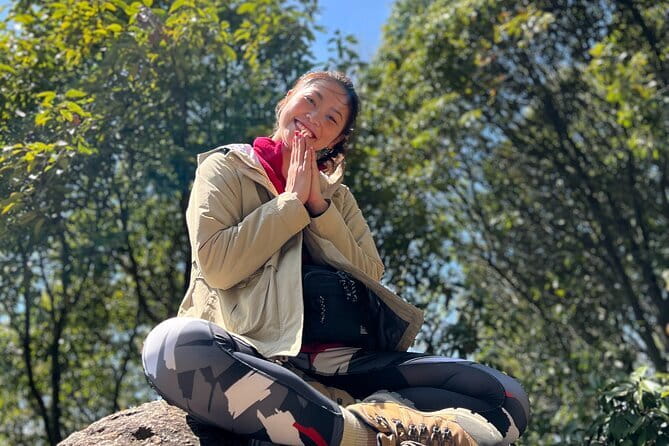
From Hiroshima Toshogu, the walk continues to Kinko Inari Shrine. The listed visit lasts about 25 minutes, but this section also marks the beginning of the hike into Mt. Futaba.
The red torii gates are the visual highlight here. Passing through more than 100 gates gives the route a strong sense of movement, with the bright color set against the forest. It is a familiar Japanese scene, but the location near Hiroshima Station makes it feel unexpected.
Your guide can explain shrine customs and how to behave respectfully at religious sites. That is valuable for first-time visitors, especially if you are unsure where to bow, how to approach a shrine, or what various features mean. The point is not to rush through the gates for photographs. The quieter rhythm gives you time to notice the woods, the slope, and the changing view.
This is also where you should be honest about your fitness. The route has been described as easy and suitable for people who do not exercise regularly, but it is still an uphill walk. If you are comfortable walking on an incline for part of a morning, you should find it manageable. If hills are difficult for you, ask the guide about the pace before setting out.
Same place, a different slice of the past:
- Hiroshima Historical Walking Tour – Why A-Bomb was Dropped
★ 4.8 · 893 reviews - Hiroshima Peace (Heiwa) Walking Tour at World Heritage Sites
★ 5.0 · 872 reviews - Miyajima Half-day Trip Historical Walking Tour
★ 5.0 · 284 reviews - Hiroshima: History of Hiroshima Group Walking Tour
★ 4.8 · 266 reviews
Mt. Futaba and the Peace Pagoda View
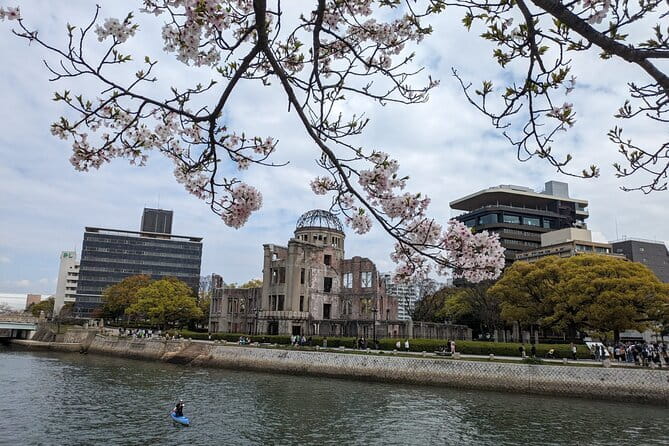
The summit area is marked by Futabayama Peace Pagoda. From here, you can look over Hiroshima City, the Seto Inland Sea, and Miyajima. The view gives the tour its strongest connection to Hiroshima’s story.
From above, the city’s recovery becomes easier to consider. You see a functioning modern city spread below the mountain, with the sea and islands beyond it. The tour does not treat the view as a quick photo stop. It gives you time to pause, take in the scene, and connect Hiroshima’s past with its present.
Visibility will affect the experience. Clear morning air can provide broad views toward Miyajima and the islands, while haze or poor weather may soften the outlook. This is one reason the early start can be rewarding, though it can also feel chilly in cooler months. One account of a November morning described temperatures around 5 degrees Celsius, so bring a layer if you visit in autumn or winter.
The mountain is close to the city, but the forest changes the mood quickly. You may find the quiet especially welcome after a busy sightseeing day or a long train journey.
Forest Bathing in the Middle of Hiroshima
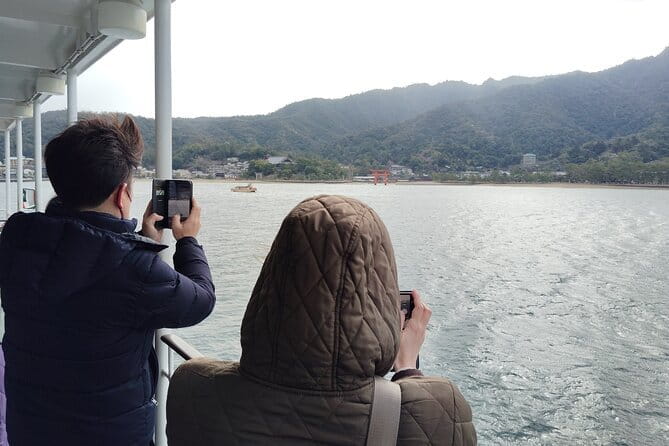
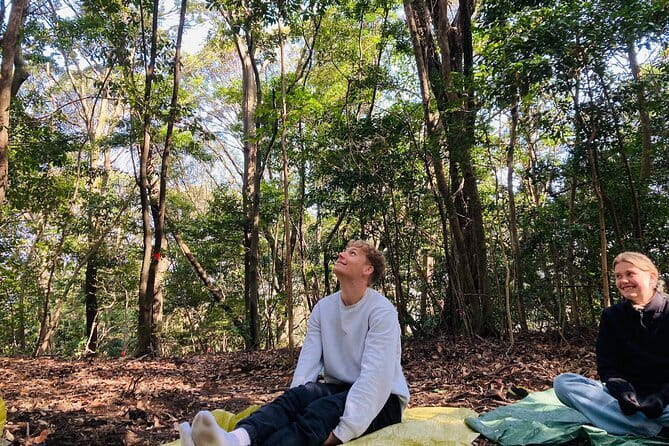
The tour includes time for shinrinyoku, or forest bathing. This is not presented as a strenuous activity or a technical outdoor lesson. It is a guided pause in the woods, encouraging you to slow down and pay attention to the air, trees, and surroundings.
I like this part because it gives the morning a purpose beyond reaching the viewpoint. You are not simply collecting stops. You are given time to rest and notice the setting.
The forest section also makes the tour a good choice for someone who wants nature without committing to a full-day hike. You remain close to Hiroshima, yet the city can feel far away for a while. If you usually move quickly from one attraction to the next, this slower section may be the part you remember best.
Breakfast at Okugu Shrine
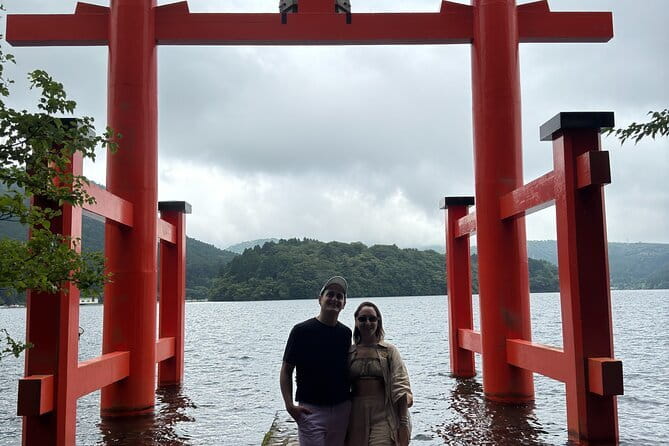
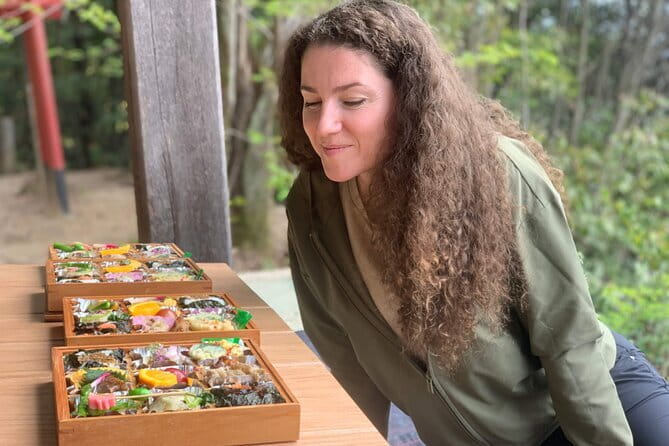
After reaching the upper part of the mountain, you have a bento breakfast at Okugu Shrine. The meal is filled with local products and is served with the surrounding view, making it more memorable than eating at a station or hotel.
The timing is practical. By this point, you have walked uphill and are ready for food. The breakfast also turns the summit stop into a proper break rather than a rushed snack.
Dietary needs can be accommodated for food allergies, halal, Muslim-friendly, vegetarian, and vegan requirements, but you need to contact the operator before booking. Do not wait until the morning of the tour. The meal is part of the planned experience, so advance notice matters.
The setting may appeal to you if you prefer local, simple food to a formal restaurant. It is also worth remembering that outdoor dining depends on conditions. The operator may need to adjust arrangements if weather becomes a problem.
Nodate, Japan’s Open-Air Tea Ceremony
The final special element is nodate, an open-air tea ceremony led by the guide. Instead of sitting inside a tea house, you take tea outdoors near the mountain shrine and viewpoint.
This is a small but meaningful choice. It links the tea to the place around you: forest, shrine, open sky, and the view across Hiroshima. You get a cultural activity without leaving the trail or adding another transfer.
The ceremony is likely to be most enjoyable if you approach it with curiosity rather than expecting a formal performance. Your guide can explain what is happening and help you appreciate the gestures, setting, and pace. It is a calm finish after the uphill section.
The combination of bento breakfast and tea also gives the tour a distinctive shape. Many city walks provide history and photographs. This one adds food, stillness, and a direct encounter with a Japanese custom.
Guide Quality and the Small-Group Advantage
The experience depends heavily on the guide. The guides named in the tour material include Michi, Naomi, Michiyo, Kota, and Lisa, and the strongest praise focuses on their warmth, English ability, and explanations.
Michi is noted for sharing both Hiroshima’s history and Japanese religion with enthusiasm. Naomi is praised for giving detailed explanations of religious traditions. Kota and Lisa are described as friendly and attentive, particularly when explaining temples, architecture, and local history.
That range matters because this is not a route where scenery does all the work. The shrines and gates become more interesting when someone explains what you are seeing. At the same time, guide quality can vary from one departure to another, so the exact personality and style of your morning may differ.
A maximum of six people keeps the outing personal. You should be able to ask questions without holding up a large group. The guide can also keep an eye on the pace, which is useful on the uphill portion.
Price, Pace, and Practical Value
The price is $157.60 per person. That is not a cheap city walk, so the value depends on how much you want from the morning.
You are paying for a private or very small-group guide, shrine visits, a mountain walk, cultural explanations, a bento breakfast, forest bathing, an open-air tea ceremony, and the convenience of starting and finishing at Hiroshima Station. If you only want to reach a viewpoint, you can find less expensive ways to walk Mt. Futaba on your own.
For many visitors, the guide is the difference. You gain context at Hiroshima Toshogu and Kinko Inari, help with shrine etiquette, and a planned meal and tea experience. I consider the price easier to justify if you are new to Japan, interested in religious customs, or want a thoughtful morning rather than an independent exercise walk.
The duration is about three hours and 30 minutes. That is long enough to feel substantial but short enough to leave most of the day available for the Peace Memorial Park, museums, Miyajima, or other Hiroshima sights.
Who Should Book This Tour?
I would recommend it to you if you want:
- A gentle introduction to hiking in Hiroshima
- A small-group experience with personal guide attention
- Shrine architecture and religious customs explained in English
- A city view that includes the Seto Inland Sea and Miyajima
- A local breakfast in a memorable setting
- A cultural activity that feels connected to the place, not added as a separate show
It is less suitable if you dislike hills, want a completely flat walking tour, or prefer to explore independently. It may also be a poor fit if you need a strict schedule, since the morning combines walking, explanations, food, and tea.
Children from ages 0 through 5 can participate free of charge. Most people can take part, but the uphill nature of the route still deserves attention when deciding if it suits your group.
Weather, Clothing, and Booking Details
Wear comfortable walking shoes. The route includes an uphill section and forest paths, so sandals or hard city shoes may make the walk less pleasant.
Bring a light layer, especially for an early start or a cool-season visit. The forest and summit can feel cooler than the station area. Water is also sensible, even though breakfast and tea are included.
The activity may be cancelled because of weather. If poor conditions are expected, contact the operator directly by the morning of the previous day. The booking is non-refundable and cannot be changed for any reason, so check your plans and the weather before committing.
Confirmation is sent within 48 hours, subject to availability. The ticket is mobile, which keeps the arrangements simple once your booking is confirmed.
Should You Book the Mt. Futaba Morning Tour?
Book it if you want to see Hiroshima beyond its central memorial sites and you value a guide who can explain what you are seeing. The route offers an unusually good mix: a station meeting point, sacred architecture, red torii gates, forest, a mountain view, local food, and tea, all in one morning.
I would skip it if you want a hard hike, a low-cost activity, or total freedom to set your own pace. For everyone else, the tour offers a well-shaped introduction to Hiroshima’s quieter side, with the uphill walk balanced by generous pauses and a rewarding view.
FAQ
Where does the tour start?
It starts at Hiroshima Station, near the Shinkansen Exit, at 1-2-37 Matsubaracho in Hiroshima’s Minami Ward.
Where does the tour end?
The tour ends back at Hiroshima Station, at the original meeting point.
How long does the tour take?
The experience lasts approximately three hours and 30 minutes.
What time does the tour start?
The provided schedule lists start times of 7:30 and 10:00. Confirm your exact departure time when booking.
How many people can join?
The tour has a maximum of six participants.
Is the hike difficult?
The hike is described as easy, but it includes an uphill section on Mt. Futaba. Comfortable walking shoes are recommended.
What sights are included?
You visit Hiroshima Toshogu, Kinko Inari Shrine, Mt. Futaba, Futabayama Peace Pagoda, and Okugu Shrine.
Is breakfast included?
Yes. You have a bento breakfast filled with local products at Okugu Shrine.
Is the tea ceremony included?
Yes. The tour includes nodate, an open-air tea ceremony led by the guide.
Can dietary requirements be accommodated?
Food and drinks can be adapted for food allergies, halal, Muslim-friendly, vegetarian, and vegan requirements. Contact the operator before booking.
Just added around Hiroshima
- History of Hiroshima Group Walking Tour★ 5.0 · 23 reviews
- Walking Through History: Hiroshima’s Path to Peace★ 5.0 · 31 reviews
- Hiroshima & Miyajima: Private Full-Day Tour with a Local Guide★ 5.0 · 39 reviews
- The history of Hiroshima “the event that shape the history”★ 4.9 · 18 reviews
- Hiroshima: Miyajima Half-day Historical Walking Tour★ 4.7 · 100 reviews
- Hiroshima: Peace Walking Tour of World Heritage Sites★ 4.9 · 190 reviews
- Hiroshima: History and Hidden Gems Tour★ 4.9 · 81 reviews
- Hiroshima & Miyajima Island Private Tour: History & Culture★ 5.0 · 26 reviews
Hiroshima History Tours, compared.
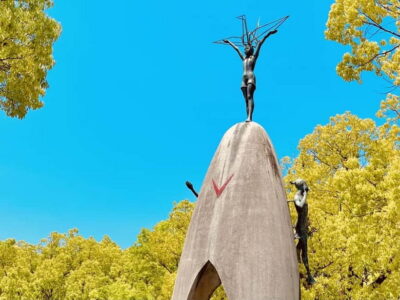
Hiroshima Historical Walking Tour – Why A-Bomb was Dropped
Read our review →
Hiroshima Peace (Heiwa) Walking Tour at World Heritage Sites
Read our review →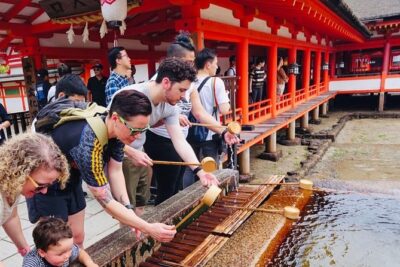
Miyajima Half-day Trip Historical Walking Tour
Read our review →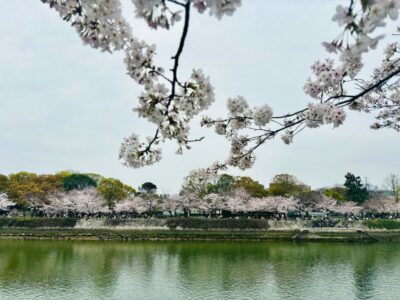
Hiroshima & Miyajima: Private Full-Day Tour with a Local Guide
Read our review →Browse the lists this tour appears in