Review · HONSHU
Nara: Bike Tour in Ancient Capital UNESCO World Heritage
Ancient Nara feels best on two wheels. This two-hour ride through the Heijo Palace site gives you a calm look at the old capital, with a licensed guide, small groups, and stops at gates, gardens, museums, and an ancient tomb. I especially like the peaceful route around Mizukami Pond and the way the bike lets you cover a huge site without wearing out your shoes. The main drawback is that much of the palace is reconstructed or marked by excavated remains, so this may feel slow if you are not interested in archaeology or Japanese history.
I also like the excellent value: at $22, your bike, helmet, guide, admissions, and traditional costume experience are included. Guide Kay receives especially warm praise for her patience, clear English, and thoughtful help with families. The only serious catch is the summer heat. One visitor found August very hot, and there is not much point pretending that a bike makes hot weather disappear.
Key points to know before you ride
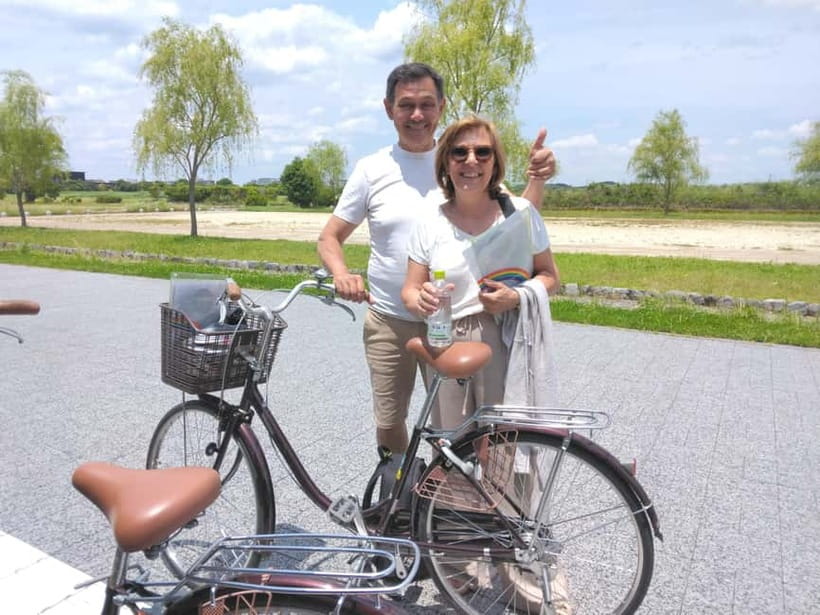
- A quiet side of Nara: You leave the deer crowds of Nara Park behind and explore the wide palace grounds instead.
- Kay is a major strength: She explains Nara’s past in clear English and adjusts the pace for families and curious first-time visitors.
- Eight-person maximum: The small group keeps the ride personal and makes questions easy.
- More than a sightseeing loop: You visit a Japanese garden, excavation museum, ancient tomb, palace buildings, and several gates.
- Traditional clothing is included: The Tenpyo costume stop adds a playful photo opportunity to an otherwise history-focused outing.
- Plan around the weather: The supplier can cancel for heavy rain or storms, and hot summer conditions can make cycling uncomfortable.
Why a bike works so well at Heijo Palace
Heijo Palace is not a compact cluster of buildings. The site spreads across open ground, with major gates, reconstructed halls, museums, gardens, ponds, and archaeological remains separated by broad stretches of nature. Walking is possible, but you would spend more of your two hours covering the distance and less time looking closely at the site.
A bicycle gives you a better sense of scale. You ride from one important point to the next, then stop for an explanation, photographs, or a look inside. The pace is easy rather than athletic. That matters because the value here comes from connecting the pieces of the ancient capital, not from racing around them.
The group is limited to eight people, and that is a useful size for this kind of outing. You can hear the guide, ask questions, and keep the group together without the stop-and-start feel of a large coach tour. Families also seem well served. Kay has been praised for her patience with a six-year-old, and another family appreciated the manageable length and stamp-collecting opportunities for children.
This is not a deer tour. The focus is the Nara period, palace grounds, archaeology, gardens, and the way the site looks today. If your idea of Nara is only feeding deer beside Todai-ji, this ride gives you a very different part of the city.
More History Bike, Segway and Tuk-Tuk Tours in Japan
- Historical Kyoto E-Bike Tour
★ 5.0 · 181 reviews - Sakurajima Century Lava Climb Journey with E-bike
★ 5.0 · 54 reviews - Tokyo: 3-Hour Bike/E-Bike Tour of the City’s Hidden Gems
★ 5.0 · 47 reviews
Starting at Suzaku Gate and the old capital
Meet at the rental bike reception counter inside Miharashi-Kan in Suzaku-Mon Square. You should arrive 10 minutes before the start time. The meeting point is at 34.68628944048124, 135.7926401146025, which is useful if you are using a map app.
Public transport takes some planning. From Kintetsu Nara Station, the Nara Kotsu bus reaches Suzakumon-hiroba-mae in about 16 minutes, followed by a five-minute walk north. From Kintetsu Yamato-Saidaiji Station, the bus ride is about 10 minutes, followed by the same five-minute walk. From JR Nara Station, the bus takes about 10 minutes from the West Exit, then you walk five minutes north.
You can also walk about 20 minutes from the South Exit of Kintetsu Yamato-Saidaiji Station or about 20 minutes from Shin-Omiya Station. Do not cut the timing too closely. Missing the tour is non-refundable, even though cancellation up to 24 hours before departure is allowed for a full refund.
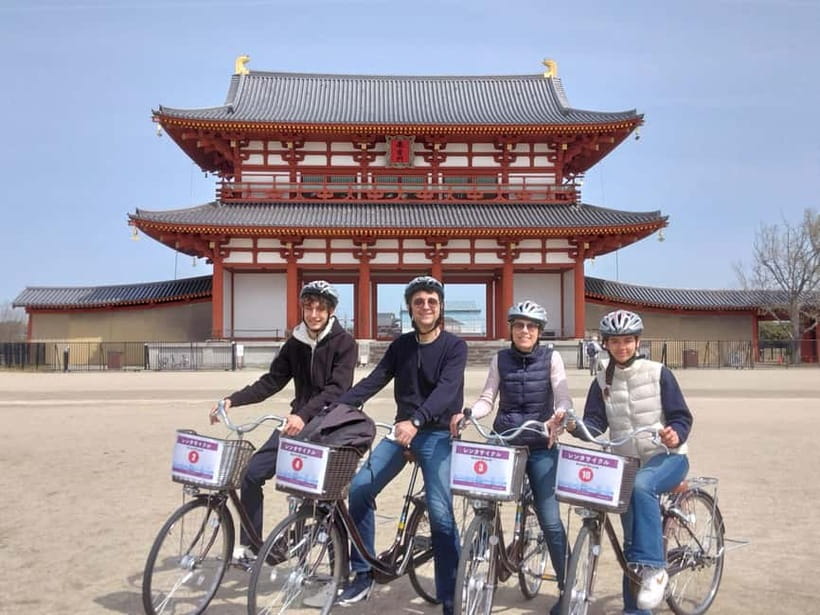
Suzaku Gate is the natural opening scene. It was the main entrance to Heijo Palace, and the guide uses the stop to explain the ancient capital and point out the surrounding scenery. You have about 15 minutes here, enough for photographs and a first sense of how open the palace site is.
This is one of the better photo stops because the gate gives the visit a strong visual beginning. It also helps you understand that the palace was planned on a grand scale. The open setting can feel surprising if you arrive expecting a dense group of old buildings.
To-in Garden shows the courtly side of Nara
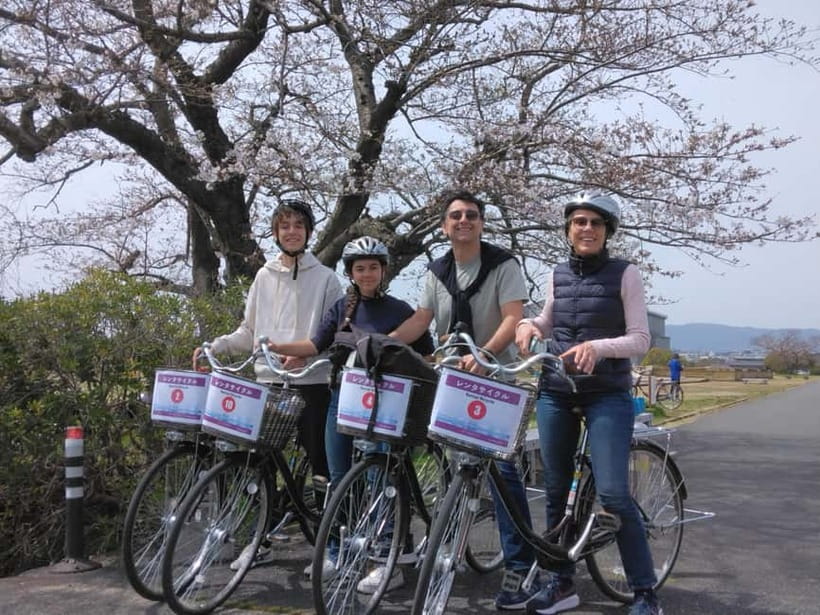
From Suzaku Gate, you ride to To-in Garden, also called East Palace Garden. You spend about 10 minutes here, looking at the arrangement of bridges, buildings, rocks, and water.
The garden is important because it shows how Japanese garden design took root at the palace. The guide explains its role as a state guest house, so you are not simply looking at a pleasant pond and calling it a garden. You get a sense of how scenery, buildings, and formal visits worked together.
This is a short stop, but it gives the ride welcome variety. After the large gate and open palace grounds, the garden offers a more carefully framed setting. I would pay attention to the layout rather than rushing through for a single photograph. The point is to see how the built and natural parts of the palace were arranged.
April can be especially pleasant here. One visitor enjoyed seeing local people out for hanami and weekend activities, which gave the stop a more everyday feel. The garden is not only an archaeological display. It is also a place where modern Nara continues its ordinary life.
Archaeology at the excavation site museum
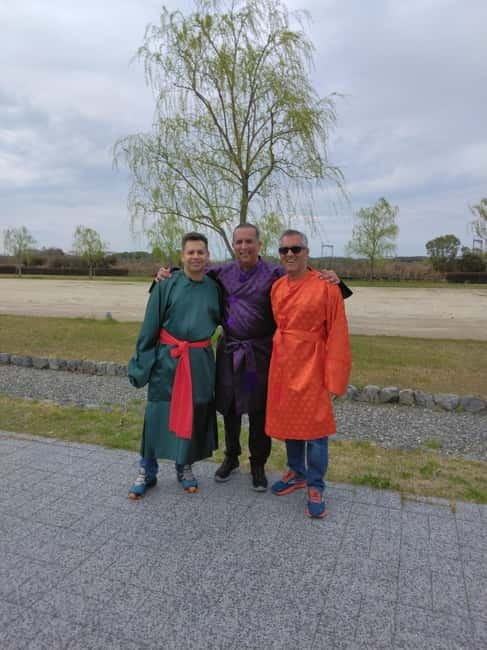
The Nara Palace Site Museum and Excavation Site Exhibition Hall provide two museum-focused stops, with around 10 minutes listed for each. The excavation hall is particularly unusual because remains are preserved and displayed in the condition in which they were found.
That approach makes the archaeology easier to understand. Instead of seeing only polished reconstructions, you can look at the physical traces left in the ground and consider how the ancient capital is pieced together. The palace site becomes a working archaeological record, not just a collection of attractive buildings.
The Heijo Palace Site Museum is described as the oldest museum at the site. Inside, you can see ancient roof tiles, wooden tablets, and models. These smaller objects help fill in the gaps between the grand gates and halls. A roof tile may not have the instant drama of a palace gate, but it gives you a more direct connection to the people and work behind the complex.
The short timing is useful for anyone who prefers variety. If you want to read every display in detail, 10 minutes will feel brief. This tour aims to give you an overview, with Kay selecting the key points and explaining why the remains matter.
More UNESCO World Heritage Tours in Japan
- World Heritage Shirakawa-go and Experience Tours from Kanazawa
★ 5.0 · 4,049 reviews - World Heritage Kyoto & Nara Uji Authentic Matcha Experience
★ 5.0 · 1,573 reviews - Kanazawa: World Heritage Shirakawa-go Morning Guided Tour
★ 4.9 · 988 reviews - Hiroshima Peace (Heiwa) Walking Tour at World Heritage Sites
★ 5.0 · 872 reviews
A quiet ride beside Mizukami Pond
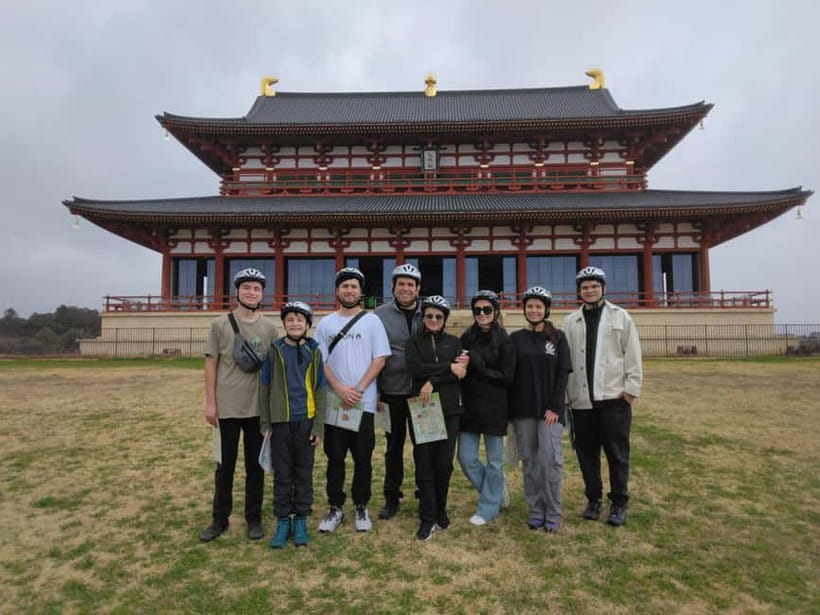
The ride around Mizukami Pond, also called Minakami Pond, is the calmest part of the experience. You feel the breeze, hear birds, and may see ducks and turtles. It is a simple stop, but it gives the two-hour tour a welcome pause between museums and formal palace buildings.
The pond also helps you appreciate the scale of the site. You are not being moved from attraction to attraction through city streets. You are riding through open nature connected to the former palace grounds. Several people especially liked this peaceful stretch, and I can see why. It offers the kind of moment that is difficult to get from a standard city sightseeing route.
Keep your expectations practical. This is not a wilderness ride, and the tour is not built around wildlife. Ducks and turtles are possible encounters, not guaranteed attractions. The appeal is the quiet atmosphere and the chance to see the grounds at an easy pace.
Hishiage Kofun and the evidence beneath your feet
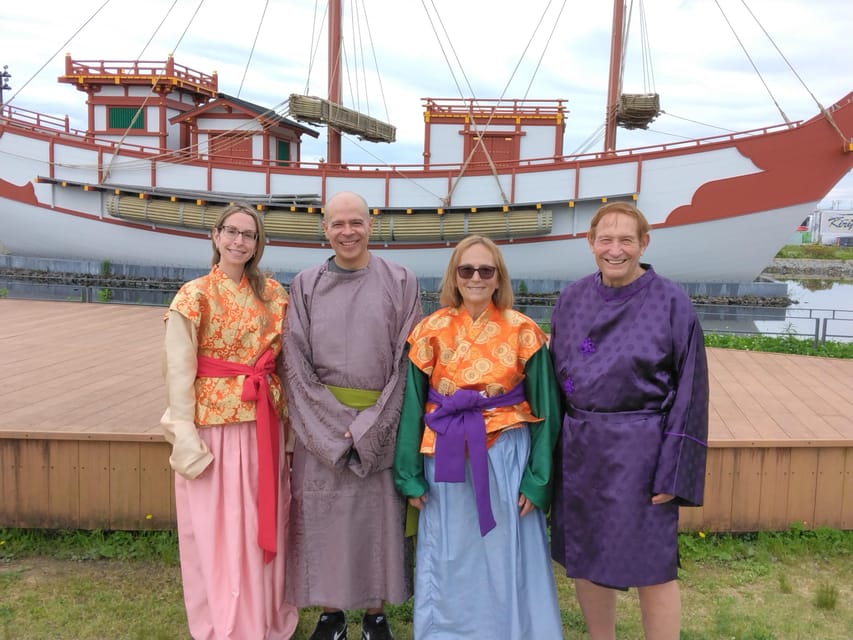
Hishiage Kofun is an ancient tomb, with about 10 minutes for a guided visit and photographs. The stop adds another layer to the palace story by showing that the area contains more than reconstructed palace architecture.
You also have a chance to consider grave goods connected with the tomb. These objects help make the past more personal. Palace gates can feel grand and distant, while a tomb and its burial items raise questions about the people who lived in this world and how they marked status and memory.
For visitors interested in archaeology, this may be one of the most rewarding stops. For others, it may feel less immediately dramatic than the palace halls. Kay’s explanation is important here because the value comes from context, not from a flashy display.
The grand audience hall and its southern gate
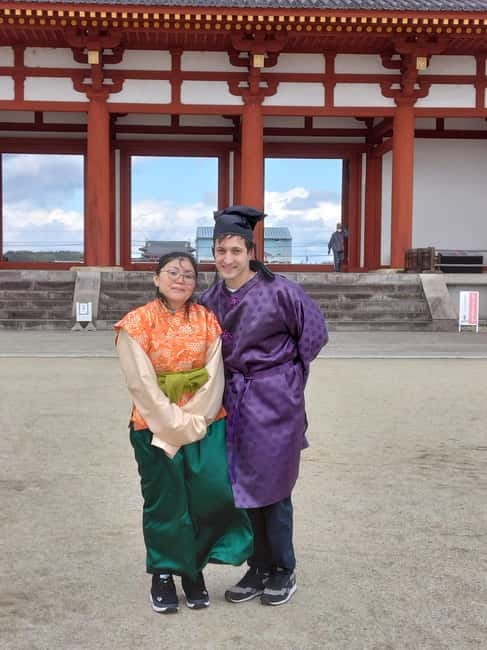
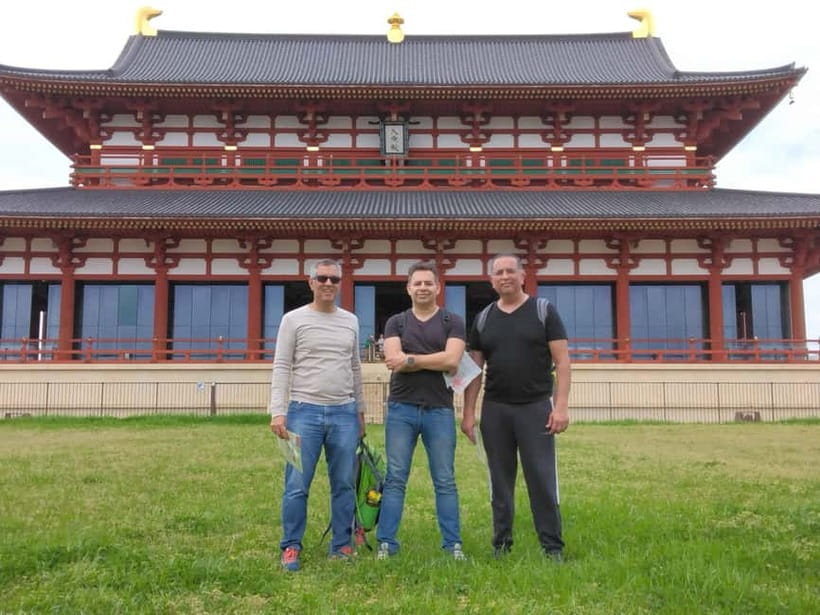
The First Daigokuden, or Imperial Audience Hall, is the tour’s biggest architectural stop. This reconstructed building was used for special ceremonies, and you can view paintings, exhibitions, and ornaments inside. You also get a broad view across the palace grounds.
The hall gives you the clearest picture of the courtly side of Nara. It is the place to pause and imagine formal events taking place within the ancient capital. The reconstruction is visually impressive, but it is still a reconstruction. If you want original buildings at every stop, this site may disappoint you.
That limitation is worth knowing before you book. One visitor found the grounds a little underwhelming because some areas consist of reconstructed structures and other areas show only holes where pillars once stood. I would not treat that as a flaw in the tour itself. It is simply the nature of an archaeological site, and the guide helps you read what remains.
The nearby Daigokumon South Gate, also called the Southern Gate, receives a shorter five-minute stop. It works as a final look at the formal entrances and gives you another chance for photographs before the ride moves toward the museum and costume experience.
The Tenpyo costume adds a lighter finish
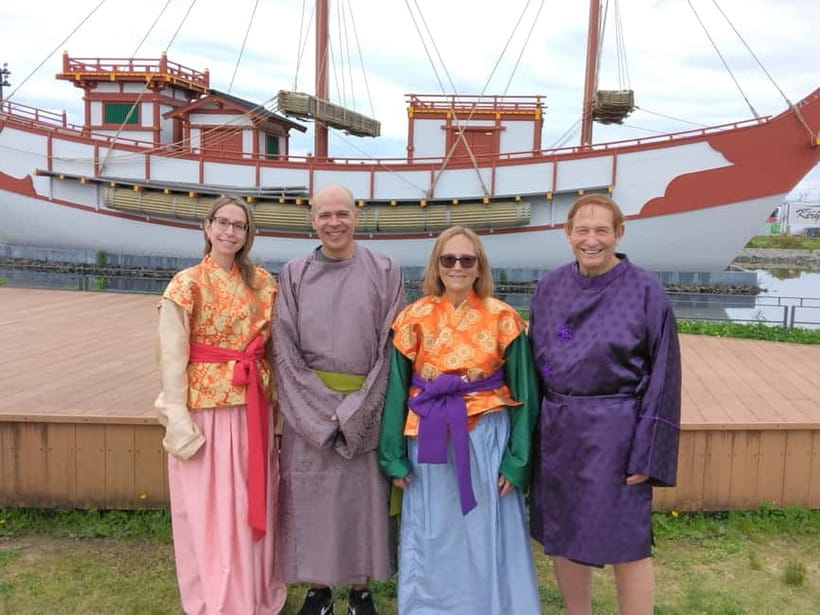
The traditional costume experience is included, and you can wear Tenpyo, or Nara period, clothing for photographs. This is a welcome change of tone after the museums and archaeological explanations.
You should think of it as a short photo experience, not a full costume program. The supplied information does not give a separate duration, so the exact timing may depend on the group and schedule. Still, it gives you a memorable image from the visit and helps make the ancient capital feel less abstract.
For families, this can be the part children remember most. For adults, it is a chance to enjoy the historical theme without taking the subject too seriously. I like that it is included rather than offered as an extra charge.
What the $22 price really includes
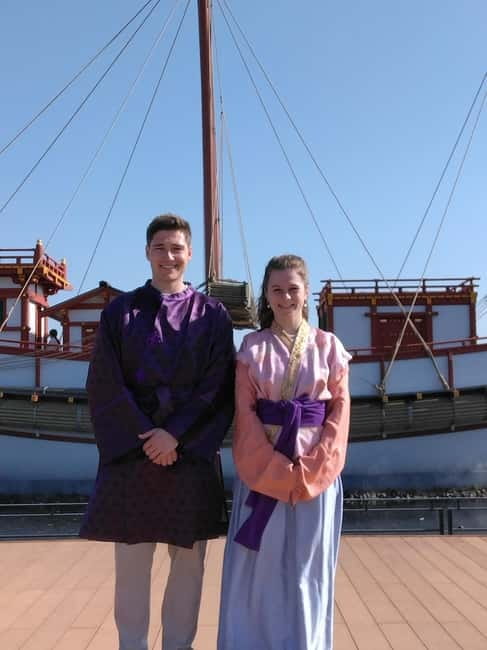
At $22 per person, the tour is unusually good value for a two-hour guided visit. The price includes the rental bicycle, helmet, live guide, admissions, and the Tenpyo costume experience. You are paying for transport across a large site as well as interpretation at each stop.
The guide is the key part of that value. Kay has been praised for clear English, strong knowledge of Nara, patience, and a friendly manner. She has also helped with practical matters, including calling a taxi for a family heading into town for lunch. Another group said she stayed beyond the scheduled two hours so they could continue at a comfortable pace, though you should not assume extra time is guaranteed.
Food, drinks, hotel pickup, and bike insurance are not included. The lack of hotel pickup is easy to manage if you plan the bus or station walk in advance. Bike insurance is the item to note carefully, especially if you are nervous about cycling or traveling with children.
The booking terms are flexible. You can reserve now and pay later, and cancellation is free up to 24 hours before the start for a full refund. The supplier may cancel for heavy rain, storms, or other bad weather, with a full refund in those cases.
Who should book this ride
I would choose this tour if you want Nara’s history without spending the whole day in the busiest central sights. It suits people interested in archaeology, ancient capitals, Japanese gardens, and the way historians reconstruct a vanished palace.
Families can also do well here. The pace is gentle, the group is small, and the costume stop adds fun. A six-year-old may enjoy stamps, ducks, turtles, and the freedom of a bike more than a long indoor museum visit.
You should be able to ride a bicycle comfortably. The tour is not suitable for people who cannot ride, wheelchair users, visually impaired people, or pregnant women. The information does not give a detailed fitness grade, but the positive comments about an easy pace suggest that this is a sightseeing ride rather than a demanding cycling trip.
Weather should guide your choice. Spring and autumn may offer the most comfortable conditions, though the tour runs in summer as well. If you dislike heat, avoid booking a bike ride in August. Bring water, even though food and drinks are not included.
Should you book the Heijo Palace bike tour?
Book it if you want a quiet, well-explained look at Nara’s ancient capital and like the idea of covering a large UNESCO World Heritage site by bicycle. At $22, the included bike, helmet, admissions, guide, and costume experience make the price easy to justify.
Skip it if you want original buildings, deer, or a compact set of dramatic monuments. The site includes reconstructions, excavation traces, and museums, so its rewards build slowly. For me, the best reason to go is the combination of open scenery, archaeology, and Kay’s personal guidance. You get a calmer and more thoughtful side of Nara, without giving up the fun of riding through it.
FAQ
How long does the Nara bike tour last?
The tour lasts two hours, with stops at the gates, garden, museums, ancient tomb, palace hall, and other parts of the site.
How much does the tour cost?
The listed price is $22 per person.
What is included in the tour price?
The price includes the guided bike tour, rental bike, helmet, admission fees, and the traditional Tenpyo costume experience.
Where is the meeting point?
Meet at the rental bike reception counter at Miharashi-Kan in Suzaku-Mon Square. The coordinates are 34.68628944048124, 135.7926401146025.
How early should I arrive?
You should arrive at the rental bike reception 10 minutes before the tour begins.
Which languages are available?
The live tour guide is available in English and Japanese.
How many people can join the group?
The group is limited to eight participants.
Is hotel pickup included?
No. Hotel pickup is not included, so you need to make your own way to Miharashi-Kan in Suzaku-Mon Square.
What happens if the weather is very bad?
The supplier may cancel the tour because of heavy rain, storms, or other poor weather. If that happens, you receive a full refund.
More Bike Tours in Japan
- Shuri+Naha: Cycling Tour Explore Water Heritage with E-Bike
★ 4.9 · 22 reviews - Historical Singapore Bike Tour on Full-Sized Bicycles
★ 5.0 · 1,421 reviews - Barcelona: 2.5-Hour Bike or E-Bike Historical Tour
★ 4.5 · 1,262 reviews - Asheville Historic Downtown Guided Electric Bike Tour with Scenic Views
★ 5.0 · 1,234 reviews
More Ancient History Tours in Japan
- Private sake pairing@ancient underground
★ 5.0 · 27 reviews - Colosseum: Underground and Ancient Rome Tour
★ 4.7 · 12,691 reviews - Colosseum & Ancient Rome with Arena Floor Option I Max 6 People
★ 5.0 · 3,306 reviews - Rome: Colosseum, Ancient Rome Tour or AudioGuided Tour
★ 4.4 · 2,879 reviews
Just added around Japan
- Private sake pairing@ancient underground★ 5.0 · 27 reviews
- [30 minutes] Rickshaw tour around Asakusa [History, sightseeing, Tokyo Skytree]★ 5.0 · 38 reviews
- Tokyo: Asakusa & Sensoji ー Oldest Temple Walking Tour (2hrs)★ 5.0 · 213 reviews
- Tokyo: Mount Fuji Private Full-Day Trip with Hotel Pickup★ 5.0 · 18 reviews
- Tokyo: Customized Private Historical Guided Photoshoot Tour★ 5.0 · 25 reviews
- Private Tour Through the Tokyo National Museum & Ukiyo-e★ 4.7 · 17 reviews
- Tokyo: Imperial Palace, the history of Japan (ENGLISH GUIDE)★ 5.0 · 77 reviews
- Tokyo: Edo Castle & East Garden of the Imperial Palace Tour★ 4.7 · 112 reviews
UNESCO World Heritage Tours, compared.
World Heritage Shirakawa-go and Experience Tours from Kanazawa
Read our review →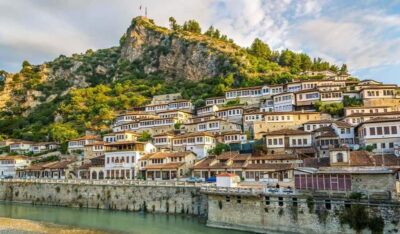
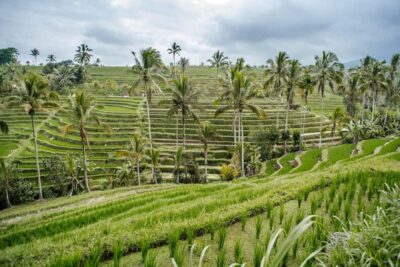
Bali: Tanah Lot UNESCO World Heritage Sites Full-Day Tour
Read our review →World Heritage Kyoto & Nara Uji Authentic Matcha Experience
Read our review →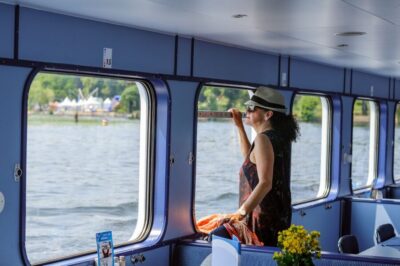
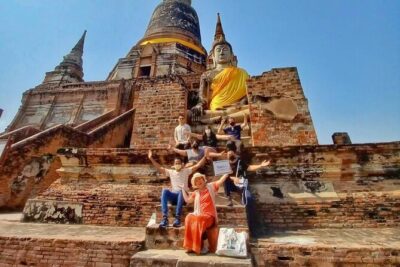
UNESCO’s Ayutthaya Historical Park: Full-Day Tour from Bangkok
Read our review →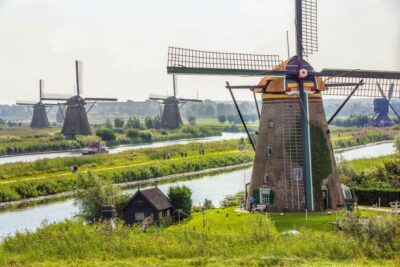
Rotterdam: Kinderdijk UNESCO World Heritage Entry Ticket
Read our review →