
Review · KYOTO
Historical Kyoto E-Bike Tour
Kyoto rewards those who keep moving. This half-day e-bike tour links major sights across the city with quieter streets, useful history, and enough riding to make the journey part of the day. I like the small groups of no more than eight and the chance to cover far more ground than you could on foot. I also like that guides such as Jody, Pohan, Diego, George, and Jorge have earned praise for clear explanations and careful attention to safety.
The main catch is that this is not a gentle pedal beside a river. You ride through city streets shared with cars, buses, mopeds, pedestrians, and other cyclists. The bikes reduce the effort, but you should be comfortable handling a bicycle in traffic. The meeting point can also be tricky to spot, and lunch is not included in the tour price.
At a glance: what makes this Kyoto ride worthwhile
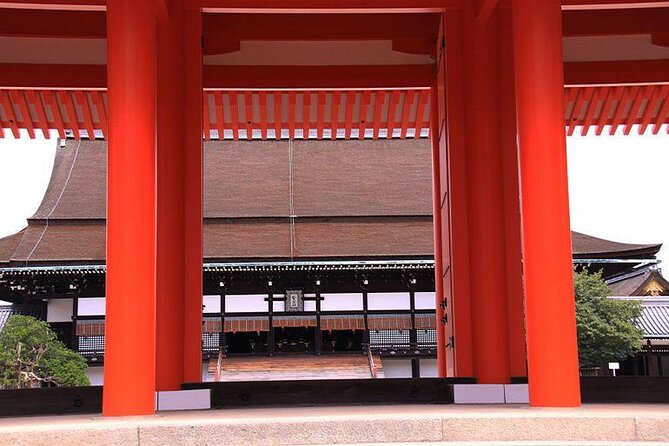
- Four major Kyoto sights in one morning: Visit Kitano Tenmangu Shrine, Kinkaku-ji, Arashiyama Bamboo Grove, and Tenryu-ji Temple.
- E-bikes make a spread-out city manageable: The motor assistance helps you cross Kyoto without turning the day into an endurance test.
- Small groups keep the guide close: With a maximum of eight people, questions and route adjustments are easier.
- The back streets are part of the attraction: You see ordinary Kyoto streets between the famous stops, not just temple gates and photo points.
- Lunch adds local flavor: The day includes time for a meal, often at a ramen restaurant or food court, but you pay separately.
- The route suits confident city cyclists: There are limited designated bike paths, so road awareness matters.
Why an e-bike works so well in Kyoto
Kyoto looks compact on a map, but its best-known sights are spread across different parts of the city. Kinkaku-ji sits in the northwest, while Arashiyama lies farther west. Add the starting point near Nishikyo Nakagyo-ku and the return ride, and walking between these places would eat up much of your day.
An e-bike changes the calculation. You still pedal, but the assistance takes the sting out of distance and small inclines. You can arrive at the next temple ready to listen and explore instead of needing a rest first. A bicycle also lets you pass through narrow residential streets and quieter routes that feel more connected to daily Kyoto life.
The ride is not simply transportation between stops. Several people found the back streets and river routes as memorable as the headline sights. In spring, the ride along cherry-lined stretches can be especially beautiful, though the temples and bamboo grove may be crowded at the same time.
The tour lasts about five to six hours, including riding, walking, sightseeing, and lunch time. Two morning start options provide some flexibility. You receive a bicycle, helmet, and bottle of water. The activity returns to the same meeting point, so you do not need to plan a complicated journey from Arashiyama at the end.
More History Bike, Segway and Tuk-Tuk Tours in Japan
- Sakurajima Century Lava Climb Journey with E-bike
★ 5.0 · 54 reviews - Tokyo: 3-Hour Bike/E-Bike Tour of the City’s Hidden Gems
★ 5.0 · 47 reviews - Nara: Bike Tour in Ancient Capital UNESCO World Heritage
★ 5.0 · 43 reviews
Starting near Nishikyo Nakagyo-ku
The tour begins at Memory Kyoto Bike Tour, at 8-6 Umaryo-cho, Nishikyo Nakagyo-ku, Kyoto 604-8492. The location is near public transportation, but give yourself time to find it. One useful warning is that the shop can be tucked down a back road without obvious signage.
That matters because a late arrival can create stress before a long cycling day. Check the address carefully on your phone and arrive early enough to deal with the meeting point. A mobile ticket makes entry simple, but it does not remove the need to get your bearings.
At the start, you receive your e-bike and helmet. The guides explain the riding arrangements and Kyoto road rules, then lead the group through the city. Good guides use a front-and-back formation when needed, helping the group stay together. That is particularly helpful when the group includes mixed riding abilities.
Kitano Tenmangu and the world of Sugawara no Michizane
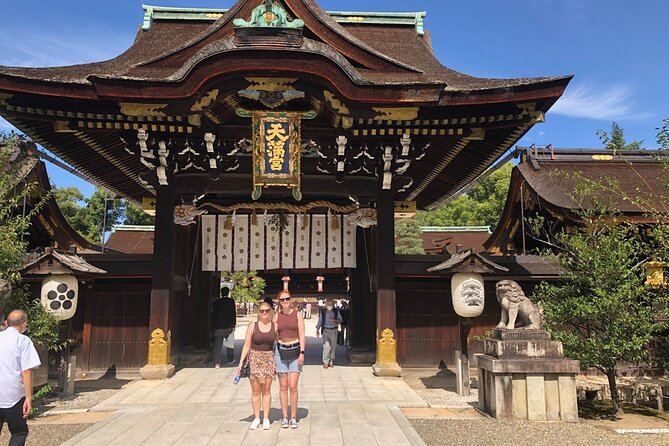
The first formal stop is Kitano Tenmangu Shrine, with about 30 minutes for the visit. The shrine is linked to Sugawara no Michizane, a celebrated scholar and court figure who became associated with learning. That connection gives the shrine a special meaning for students and families hoping for academic success.
The shrine is also famous for its plum trees. Around 1,000 trees bloom in early spring, creating one of the prettiest seasonal scenes on the route. If your visit falls outside plum blossom season, the trees remain part of the shrine’s character, but you should not expect the full floral display.
Thirty minutes is enough for an introduction, a few photographs, and a look at the worship customs. It is not enough for a slow, detailed exploration of every corner. The guide helps make the short visit count by explaining what you are seeing and how the shrine’s traditions connect to Japanese religious life.
This is one of the tour’s strengths. You do not simply collect photographs of gates and buildings. Guides such as Jody and Pohan have been praised for explaining customs, rituals, and the difference between shrine and temple traditions in accessible language.
Kinkaku-ji, Kyoto’s gold-leaf showstopper
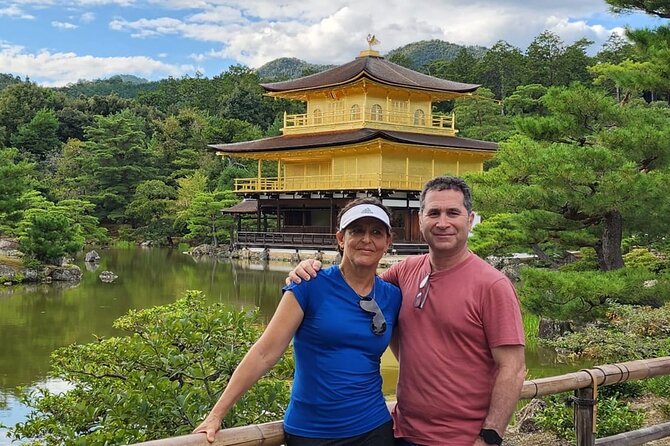
Next comes Kinkaku-ji, better known as the Golden Pavilion. You have about 45 minutes here, with admission included. The pavilion’s gold-leaf exterior reflects in the pond, producing the classic Kyoto view that appears on countless postcards.
The sight is undeniably beautiful, but it is also one of Kyoto’s busiest. The route through the grounds is controlled, and you should expect other people at the best viewing points. The tour’s value here comes from having a guide explain the building’s origins and significance while you take in the scene, rather than trying to work out the story from a brief sign.
Weather can change the mood dramatically. Bright sun makes the gold shimmer, while snow can turn the grounds into a striking winter scene. One particularly difficult snowy outing was adjusted by the guide so the group could remain comfortable, showing why a flexible leader matters.
Do not confuse the included admission with included personal expenses. Temple offerings, candles, wishes, or small purchases are not covered. If you want to take part in those customs, carry a few low-value yen coins.
Same place, a different slice of the past:
- Kyoto: Fushimi Inari, Kinkakuji, Bamboo Grove 1 Day Bus Tour
★ 4.8 · 4,316 reviews - World Heritage Shirakawa-go and Experience Tours from Kanazawa
★ 5.0 · 4,049 reviews - Tokyo: Imperial Palace and Shogun Historical Walking Tour
★ 5.0 · 2,251 reviews - World Heritage Kyoto & Nara Uji Authentic Matcha Experience
★ 5.0 · 1,573 reviews
Riding west toward Arashiyama Bamboo Grove
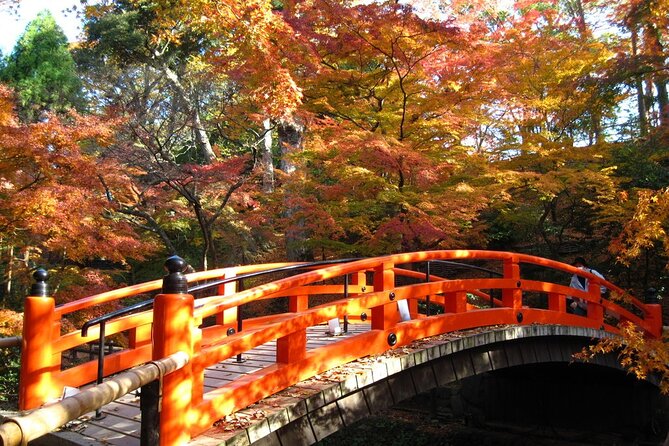
The route then heads toward Arashiyama, one of Kyoto’s most popular districts. This is where the e-bike earns its keep. You cover a substantial distance while seeing ordinary streets, local buildings, and changing views between the major attractions.
The Bamboo Forest Trail receives about 45 minutes. Walking beneath the tall bamboo stalks can feel almost separate from the surrounding city, even though the path is a major sightseeing stop. The height of the bamboo, the filtered light, and the narrow walking route create one of Kyoto’s most recognizable scenes.
The grove is not a silent wilderness. It can be crowded, especially during popular seasons and busy hours. Still, the experience is worthwhile if you treat it as a short walk through an unusual urban forest rather than expecting solitude.
This part is on foot, not on the bicycle. The tour includes quite a lot of walking at the stops, a point worth remembering if you have mobility concerns or imagined a day spent entirely in the saddle. Some guides may also give you a little choice about where to finish the Arashiyama walk, with the Kimono Garden mentioned as one possible extra sight.
Tenryu-ji and one of Kyoto’s finest gardens
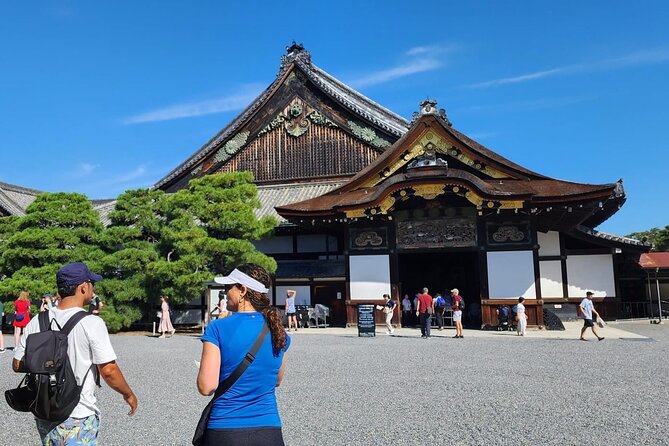
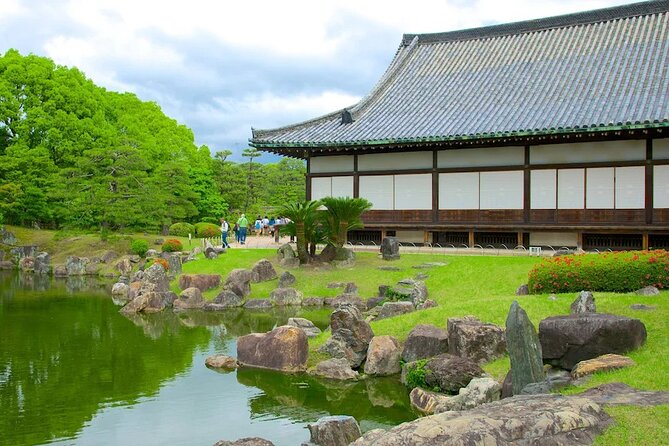
Tenryu-ji follows the bamboo grove, with around 45 minutes to explore. The temple is a UNESCO World Heritage Site, recognized in 1994, and its garden is the main reason to linger.
The garden offers a calmer counterpoint to the gold pavilion and crowded bamboo path. You see how Japanese garden design uses water, stone, trees, and borrowed views to create a sense of balance. Your guide can explain the religious and historical setting, giving more meaning to details you might otherwise pass without noticing.
The timing is sensible. Forty-five minutes allows you to walk through the key garden areas and temple grounds without turning the day into a long, formal temple tour. If you prefer slow photography or extended quiet time, the schedule may feel brisk.
By ending the sightseeing portion in Arashiyama, the tour gives you a natural highlight late in the day. The tradeoff is that you then cycle back across Kyoto to the original meeting point. The return ride is part of the experience, but it may feel long if your energy has faded.
Lunch is useful, but budget for it separately
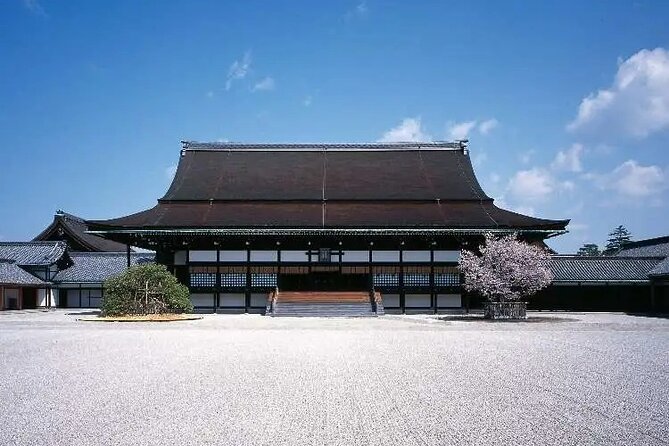
The remaining time includes riding and lunch. Meal arrangements can vary, but the experience has included a local ramen stop and a food court with a broad selection of Japanese dishes. One restaurant used robot carts to deliver food, an entertaining detail for families and first-time visitors.
Lunch is not included in the $99.49 price, so bring yen. Some venues may be cash only. You should also plan for dietary needs in advance, although guides have been praised for paying attention to food preferences and requests.
The meal break does more than fill an empty stomach. It gives you a chance to sit with the group, compare impressions, and ask the guide about places you might visit later. Still, if you do not want to eat at the chosen location, the fixed lunch period may feel like wasted time. One less-positive experience specifically objected to spending time in a restaurant without wanting a meal there.
If you value a local lunch and need a break from the bicycle, this is a plus. If you prefer to choose your own restaurant or eat quickly, ask how the lunch stop works before booking.
Guides are a major part of the value
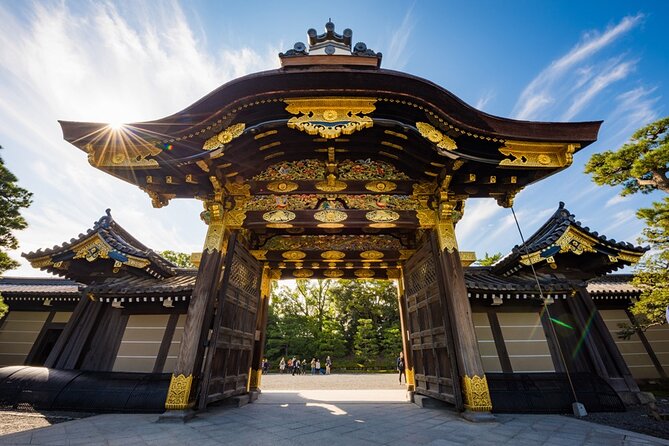
The strongest part of this experience is the guiding. The published rating is 4.9 from 181 reviews, with 98 percent recommending it, and the comments consistently praise the staff for history, humor, patience, cultural explanation, and safety.
Jody is described as an excellent teacher with more than 20 years of life in Japan and a background in education. That combination can be useful if you want more than a list of dates. He has been praised for explaining Japanese customs from both an expatriate and local perspective, while keeping the mood relaxed.
Pohan receives praise for adapting the route in rain and snow, answering questions, and making traditional customs easier to understand. Diego has been singled out for fun facts, scenic routes, and a friendly manner. George has been praised for explaining street crossings and bicycle laws clearly. Jorge and Benjamin also receive warm comments for making the day engaging and easygoing.
Guide assignments can change, so you should not book solely to meet one particular person. The pattern is clear, though: the company’s value depends heavily on guides who know how to combine practical riding help with cultural context.
The road conditions deserve honest attention
This is a city cycling tour, not a protected cycle path excursion. You share the road with cars, buses, mopeds, pedestrians, and other cyclists. Several people found the riding easy and the e-bikes comfortable, but less experienced cyclists described some crossings and traffic situations as unsettling.
I would recommend this tour for adults and older teenagers who already ride confidently in urban settings. One family completed it with 12 and 14-year-old children who were proficient cyclists, but the road conditions still required attention. The tour is less suitable for anyone who becomes anxious around traffic or rarely rides a bicycle.
The e-bike reduces physical exertion, not mental effort. You still need to watch signs, follow the guide, brake smoothly, and stay aware of vehicles and pedestrians. The guides explain local riding rules and work to keep the group together, but they cannot remove the realities of cycling in a Japanese city.
Rain and cold may also affect the day. The route can be adjusted when conditions become difficult, but bring clothing suited to the forecast. The included water is helpful, though you may want more hydration on a warm day.
Is $99.49 a fair price?
At $99.49 per person, this is not the cheapest way to see Kyoto’s temples. The price becomes easier to justify when you count the e-bike, helmet, admissions to the listed sites, a five to six hour guide, and transportation between areas that are far apart.
You are also paying for efficiency. A self-guided day using buses and trains could cost less, but it would require more planning and would give you less help understanding the sites. A walking tour would cover fewer attractions, while a private vehicle might cost far more.
The small group helps the value. A maximum of eight people is large enough to meet others but small enough for questions and route adjustments. The tour is especially useful if you have limited time in Kyoto and want to see the western sights in one organized day.
Remember the extras: lunch, optional temple offerings, and any other personal purchases. The meeting point is also slightly inconvenient to find. Even so, for an active visitor who wants broad coverage and cultural explanation, the cost is reasonable.
Who should book this ride?
I would choose this tour if you want to see several major Kyoto sights in one day without spending the entire day on public transportation. It is a good fit for couples, families with capable teenage cyclists, and solo visitors who enjoy meeting a small international group.
It also works well early in a Kyoto stay. The guides offer practical tips about Japanese customs, food, temple etiquette, and getting around. You can use that information during the rest of your trip.
I would hesitate if you want long, quiet visits at each temple, complete control over lunch, or a protected cycling route. The schedule is active, the famous sites can be crowded, and the day includes more walking than the phrase e-bike tour might suggest.
Free cancellation is available up to 24 hours before the start time. Changes or cancellations inside that window are not accepted for a refund, so check the local start time before making plans.
Should you book the Historical Kyoto E-Bike Tour?
Book it if you want an active, efficient introduction to western Kyoto and feel comfortable riding in city traffic. The best reasons are the small group, strong guiding, useful cultural background, and the ability to connect Kitano Tenmangu, Kinkaku-ji, Arashiyama, and Tenryu-ji in one day.
Bring yen for lunch, allow extra time to find the meeting point, and expect both cycling and walking. If those details suit you, the tour offers a lively way to understand Kyoto rather than simply photograph it.
FAQ
How long does the Historical Kyoto E-Bike Tour last?
The tour lasts approximately five to six hours, including cycling, sightseeing, walking, and lunch time.
What sights are included?
The route includes Kitano Tenmangu Shrine, Kinkaku-ji Temple, the Arashiyama Bamboo Forest Trail, and Tenryu-ji Temple.
Are the e-bike and helmet included?
Yes. A bicycle and helmet are provided, and the tour is designed so participants can use an e-bike with less physical exertion.
Is lunch included in the price?
No. Time is provided for lunch, but you pay for your own food. Bring yen because some lunch locations may be cash only.
How large is the group?
The tour has a maximum of eight participants.
Where does the tour begin and end?
It begins at Memory Kyoto Bike Tour at 8-6 Umaryo-cho, Nishikyo Nakagyo-ku, Kyoto 604-8492. The activity ends back at the same meeting point.
More E-Bikes in Japan
- Historic Athens: Small Group Electric Bike Tour
★ 4.9 · 966 reviews - San Sebastian E-bike trour: Basque History and Cultural.
★ 5.0 · 367 reviews - Nashville’s Historic Electric Bike Tour
★ 5.0 · 189 reviews - Athens: Small Group E-Bike Tour of Historic Highlights
★ 4.9 · 154 reviews
More Bike Tours in Japan
- Shuri+Naha: Cycling Tour Explore Water Heritage with E-Bike
★ 4.9 · 22 reviews - Historical Singapore Bike Tour on Full-Sized Bicycles
★ 5.0 · 1,421 reviews - Barcelona: 2.5-Hour Bike or E-Bike Historical Tour
★ 4.5 · 1,262 reviews - Asheville Historic Downtown Guided Electric Bike Tour with Scenic Views
★ 5.0 · 1,234 reviews
Just added around Japan
- Private sake pairing@ancient underground★ 5.0 · 27 reviews
- [30 minutes] Rickshaw tour around Asakusa [History, sightseeing, Tokyo Skytree]★ 5.0 · 38 reviews
- Tokyo: Asakusa & Sensoji ー Oldest Temple Walking Tour (2hrs)★ 5.0 · 213 reviews
- Tokyo: Mount Fuji Private Full-Day Trip with Hotel Pickup★ 5.0 · 18 reviews
- Private Tour Through the Tokyo National Museum & Ukiyo-e★ 4.7 · 17 reviews
- Tokyo: Imperial Palace, the history of Japan (ENGLISH GUIDE)★ 5.0 · 77 reviews
- Tokyo: Customized Private Historical Guided Photoshoot Tour★ 5.0 · 25 reviews
- Tokyo: Edo Castle & East Garden of the Imperial Palace Tour★ 4.7 · 112 reviews
History Bike, Segway & Tuk-Tuk Tours, compared.
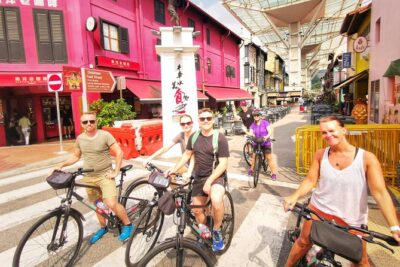
Historical Singapore Bike Tour on Full-Sized Bicycles
Read our review →
Charlotte’s Ultimate Southern Charm Historical City Cart Tour
Read our review →
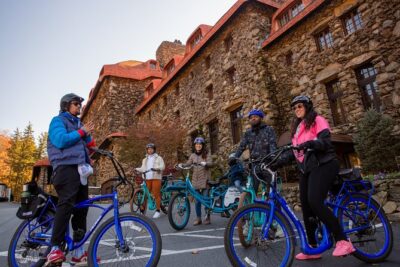
Asheville Historic Downtown Guided Electric Bike Tour with Scenic Views
Read our review →
Private Guided Historic Electric Cart Tour of St. Augustine
Read our review →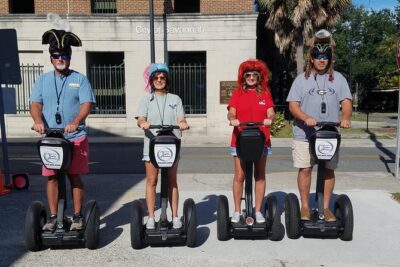
60-Minute Guided Segway History Tour of Savannah
Read our review →
Historic Athens: Small Group Electric Bike Tour
Read our review →
90 Minute Historic Uptown Neighborhood Segway Tour of Charlotte
Read our review →Browse the lists this tour appears in