
Review · NIIGATA PREFECTURE
Historical Walking Tour of Niigata Port Town
Old houses tell Niigata’s story. This 3.5-hour private walk brings the port town’s past into focus through the Old Saito Residence, the former Ozawa Family Estate, and Minato Inari Shrine. I like the personal pace, and I like the way guides such as Isabella and Jenya connect buildings to merchants, geisha culture, and Niigata’s place in Japan’s coastal trade.
The main drawback is getting to the start. If you arrive by cruise ship, the port may be almost an hour away by public transport, with limited choices and potentially high taxi costs. The tour also depends on good weather, so you need to leave some flexibility in your plans.
Key points to know before you book
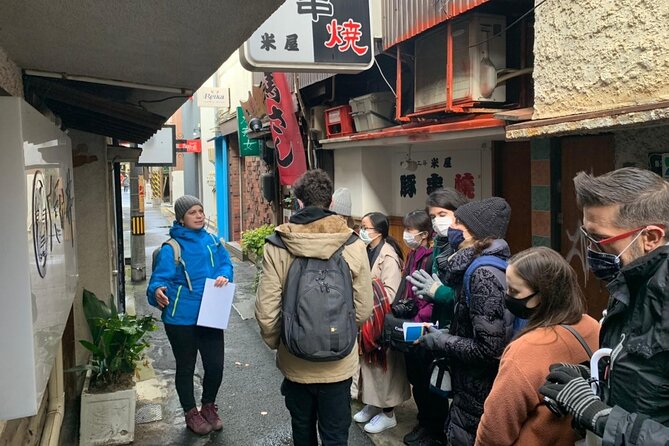
- A private look at old Niigata: The group is limited to 10 people, giving the guide room to adjust the pace and answer questions.
- Three contrasting historic stops: You see a grand merchant residence, a long-inhabited family home, and a shrine with unusual features.
- The Old Saito Residence is the star: Its garden and more than century-old architecture offer a quiet break only a short walk from the shopping district.
- Guiding makes the difference: Isabella has been praised for clear stories about Niigata, Japanese culture, geisha, and the city’s changing identity.
- The tour ends helpfully: You can stay for green tea and sweets, walk toward Furumachi, or ask for help finding your next destination.
- Cruise passengers need to plan carefully: The meeting point is in Yanagishimachō, not at the cruise port.
Why old Niigata deserves a closer look
Niigata is often treated as a stop between better-known Japanese destinations. That is a shame. Its location on the coast made it an important port, and in the 1800s ships brought sailors, traders, goods, and outside influences into the city.
This walking tour focuses on that period of change. You are not simply looking at old timber buildings. You are seeing how Japanese homes and gardens responded to money, trade, foreign contact, and shifting fashions.
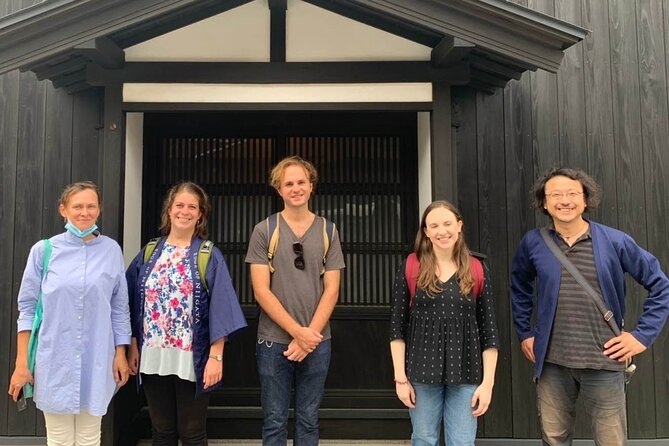
I find the private format especially useful here. Port-town history can feel scattered when you view one house, then another, without context. A good guide gives those pieces a clear order. Isabella, Jenya, and another guide referred to as Isobelle in the feedback have been praised for explaining the city in a way that links its past with present-day Niigata.
The tour lasts about three and a half hours, though the listed stops account for 80 minutes of formal sightseeing. The remaining time allows for walking, explanations, and conversation between sites. That is important because the stories are part of the experience, not a filler between buildings.
More History Walking Tours in Japan
- Tokyo: Imperial Palace and Shogun Historical Walking Tour
★ 5.0 · 2,251 reviews - Kyoto Gion: 2-Hour Geisha Culture & History Walking Tour
★ 5.0 · 1,186 reviews - Tokyo Castle & Imperial PalaceーShogun Walking Tour
★ 4.7 · 1,068 reviews
Beginning at the Old Saito Residence
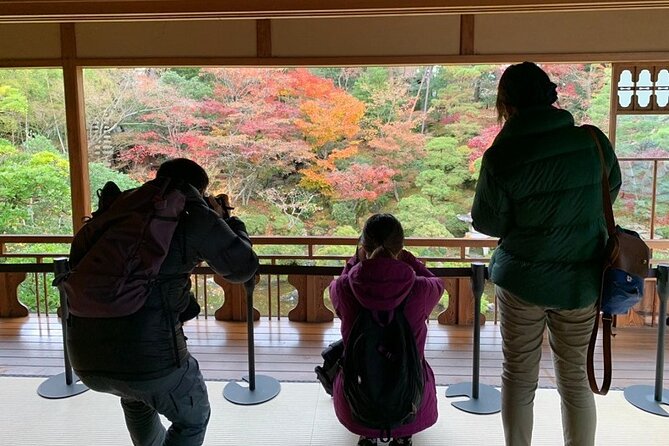
The first stop is the Old Saito Residence, a building more than 100 years old with a carefully designed garden. Admission is included, and you spend about 40 minutes here.
The setting does much of the work. The residence is only about a 10-minute walk from Niigata’s busy shopping district, yet the garden creates a strong change of mood. You leave the city’s commercial side and enter a quieter world of traditional rooms, timber details, and framed outdoor views.
I would pay close attention to the layout rather than rushing from room to room. Japanese gardens are not just patches of greenery beside a house. Their arrangement controls what you see, where you pause, and how the building opens toward the outdoors. The residence gives your guide plenty to explain about domestic design and the lifestyle of a wealthy Niigata family.
The house also helps correct a common misunderstanding about historic Japan. Old homes were not all grand castles or religious monuments. Merchant residences could be refined, practical, and comfortable, with their own social rules and visual style.
The garden has also served as a memorable setting for local events. One group happened to see a wedding party taking photographs there, including a bride and groom in traditional dress. That kind of moment cannot be promised, but it shows how the site remains part of living Niigata rather than a frozen museum piece.
You may want more time here. Forty minutes is enough for a guided introduction, but not necessarily enough for a slow, solitary look at every garden angle. Since this is a private tour, ask your guide if you want to linger, though the overall schedule may limit how long you can stay.
Reading merchant life at the former Ozawa Family Estate
Next comes the former Ozawa Family Estate, a historic home built in the 1860s. It remained occupied until 2005, which gives the building a different feel from a residence preserved only as an old monument.
The visit lasts about 30 minutes, with admission included. The most interesting feature is the mix of original details and later updates. You can see how a traditional Japanese home changed over time to meet modern needs, instead of imagining that the family lived in one untouched historical period.
This stop adds social context to the Saito residence. The first house emphasizes garden design and polished merchant culture. The Ozawa property shows continuity. Families kept using older homes, adapting them as technology, habits, and expectations changed.
I would use this stop to ask about the merchant class. The tour is particularly good for understanding people who worked in trade and business, rather than only focusing on samurai or imperial history. The guides have also explained the role of geisha and the old entertainment districts, which helps place the residences within the city’s social life.
The 2005 occupancy date matters. It means the estate is not an abstract reconstruction from a distant era. People used the building within living memory. You may notice that the home feels less like a display and more like a record of several generations making practical choices.
The drawback is that 30 minutes passes quickly. If you enjoy architecture, you may wish for a longer stop. Still, its value comes from comparison. Seen after the Saito residence, the Ozawa house makes the development of Niigata’s homes easier to understand.
Finding the unusual details at Minato Inari Shrine
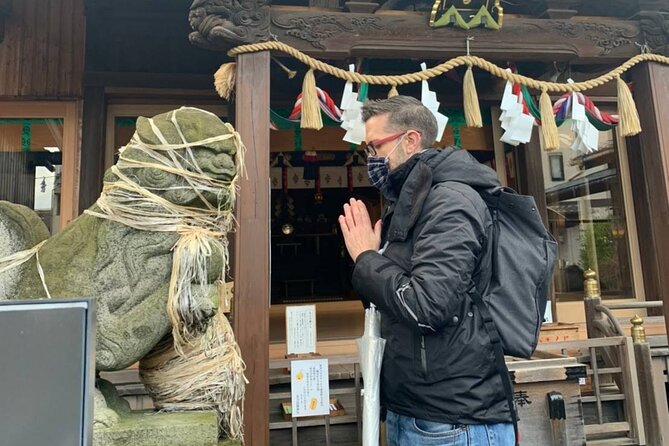
The final listed sight is Minato Inari Shrine, a traditional Shinto shrine with surprising features and an eventful past. Admission is free, and the visit takes about 10 minutes.
That short stop works best as a focused introduction rather than a long shrine visit. Your guide can point out details you might otherwise walk past and explain why the shrine matters to the port community.
The name itself connects the site to Niigata’s identity as a port. The tour description does not specify every unusual feature, so I would not promise a particular ritual or object. Instead, expect your guide to reveal the shrine’s distinctive points and explain its place in the city’s story.
Ten minutes may sound brief, but that is reasonable for a small religious site within a walking route. The shrine adds a spiritual layer to the tour after two homes shaped by commerce and family life. Together, the three stops show different parts of old Niigata: business, domestic life, and local faith.
Same place, a different slice of the past:
- Kyoto: Fushimi Inari, Kinkakuji, Bamboo Grove 1 Day Bus Tour
★ 4.8 · 4,316 reviews - World Heritage Shirakawa-go and Experience Tours from Kanazawa
★ 5.0 · 4,049 reviews - World Heritage Kyoto & Nara Uji Authentic Matcha Experience
★ 5.0 · 1,573 reviews - Kanazawa: World Heritage Shirakawa-go Morning Guided Tour
★ 4.9 · 988 reviews
The value of a private guide
The strongest part of this experience is the guide’s role. The buildings are worthwhile, but the tour becomes more useful when someone explains what you are seeing and adjusts the pace to your interests.
Isabella has received especially warm praise for her clear history of Niigata and her explanations of Japanese cultural details. She has also discussed geisha culture and modern life, which is useful if you want more than dates and architectural labels.
Jenya has been praised for sharing local history from the first greeting to the farewell. Another account describes a guide adjusting the pace to suit the group, a small detail that matters during a three-and-a-half-hour walk.
The private format also gives you room to ask direct questions. You can focus more on architecture, port trade, daily life, geisha culture, or Niigata today, depending on your interests. That flexibility is hard to get in a large sightseeing group.
The tour can be educational without becoming stiff. One guide continued explaining local stories while the group walked between stops, including on a very cold day. Weather will affect your comfort, but the walking sections are part of the experience because they connect separate historic areas.
Walking time, weather, and physical comfort
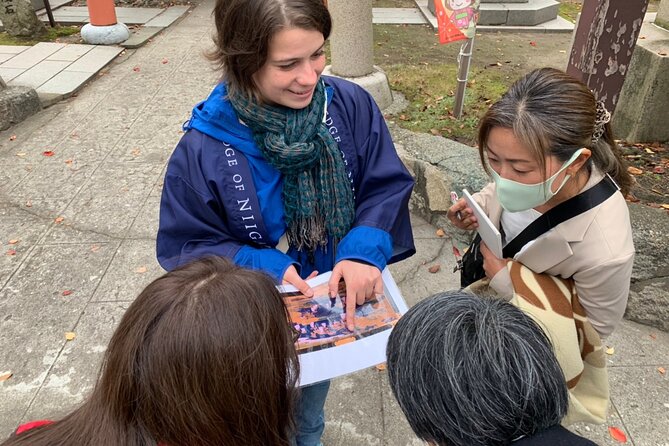
Most people can take part, and the tour is near public transportation. Still, you should treat it as an active walking outing. The exact distance is not provided, but the format includes movement between several sites and an overall duration of about three and a half hours.
Wear comfortable shoes. On a cold or wet day, the outdoor stretches may feel harder than the indoor visits. One participant found freezing weather to be the only real downside, so check the forecast and dress properly.
The experience requires good weather. If poor conditions force cancellation, you are offered another date or a full refund. That policy protects you, but it also means the tour may not fit neatly into a tightly packed port schedule.
The included admissions simplify the day. You do not need to budget separate entry fees for the Saito residence or Ozawa estate, and Minato Inari Shrine is free. Bottled water is not included, and masks are not included, so bring what you need.
Is $52.55 a fair price?
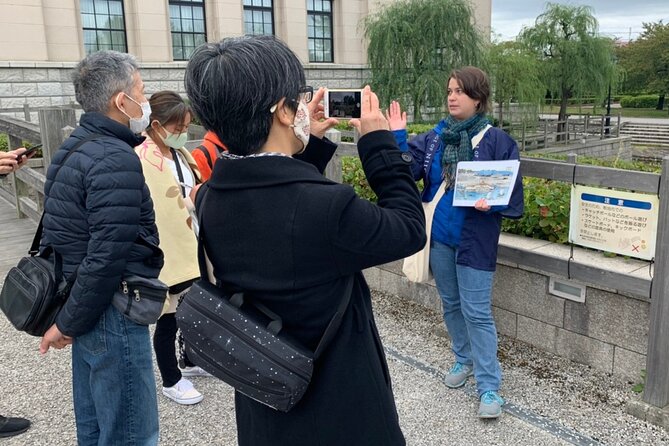
At $52.55 per person, the price is reasonable if you value interpretation and a private format. You are paying for about three and a half hours, admission to two historic residences, a guide, and a group capped at 10 people.
The value depends on your alternative. If you only want to photograph a traditional house, you could spend less by visiting sites independently. But independent sightseeing will not give you the same connection between the port, merchant families, architecture, geisha culture, and modern Niigata.
For a couple or small family, the private setup may be particularly worthwhile. You are not paying for a giant group or waiting while strangers ask unrelated questions. You can make the guide’s attention work for you.
The price is less attractive if you are mainly interested in modern city life or dislike historic houses. One participant preferred present-day Japan to local sights and history, even while enjoying the guide’s stories. If that sounds like you, ask questions about contemporary Niigata during the walk, but do not book this expecting a food tour, shopping tour, or broad city tour.
The cruise-port warning you should not ignore
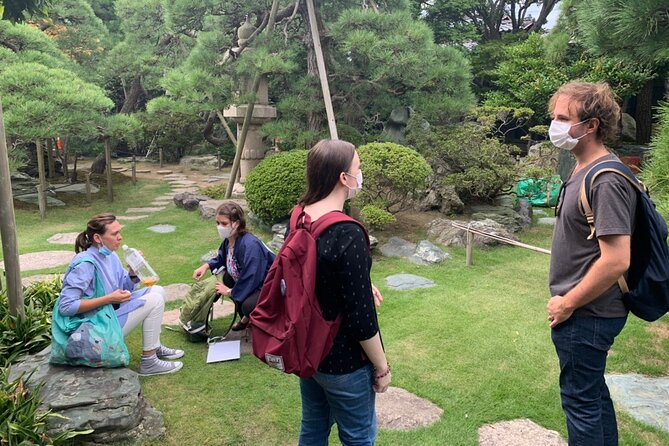
The meeting point is 2-chōme-10 Yanagishimachō, Chuo Ward, Niigata, 951-8013. The tour ends at 576 Nishiōhatachō, Chuo Ward, Niigata, 951-8104.
Neither point is described as the cruise ship terminal. Several cruise passengers have faced a long and costly transfer when their ship docked at a different port than expected. Public transport can take just under an hour, and options may be limited.
If you are arriving by ship, confirm your docking location before booking. Allow generous time for the journey to the start and for getting back to the ship afterward. Do not assume that a port-town tour begins beside your vessel simply because Niigata is a port city.
The finishing point is more convenient for continuing your day. You can remain in the historic building for green tea and sweets, take a short walk toward Furumachi, where buses run regularly, or ask the tour team for help with your next destination.
Who will enjoy this Niigata walk most
I would recommend this experience to you if you enjoy architecture, local history, gardens, Japanese homes, or small details that are easy to miss alone. It is also a good fit if you want a personal introduction to Niigata rather than a checklist of famous sights.
It suits first-time visitors who want context. By the end, you should have a clearer sense of how trade, merchants, religious life, and foreign contact shaped the port town.
It is less suitable if you want a fast-paced tour with many attractions. Only three main sites are included, and the pace leaves room for stories. It is also not ideal if your ship schedule gives you little margin for transport.
The tour can work well for families and mixed-age groups because the guide can adjust the pace, though the amount of walking and the weather should be considered.
Practical details before you reserve
Confirmation is sent within 48 hours of booking, subject to availability. The group can include a maximum of 10 people, and mobile tickets are supported.
Free cancellation is available up to 24 hours before the start time. Changes or cancellations made less than 24 hours before the start are not accepted for a refund. The cut-off uses local time, so check the clock in Japan when planning.
The experience provider is Edge of Niigata. Since guides have different strengths and backgrounds, you can use the private format to explain what interests you most at the beginning.
Should you book the Historical Walking Tour of Niigata Port Town?
Book it if you want to understand Niigata through real houses, a local shrine, and the stories that connect them. The Saito residence is the visual highlight, while the Ozawa estate adds a useful sense of time and family continuity. The guide, especially Isabella or Jenya when available, is the key reason this feels more substantial than a self-guided stroll.
Skip it if your schedule cannot absorb a long transfer from a cruise port, if bad weather is likely, or if you mainly want modern food and shopping. For everyone else, $52.55 buys a thoughtful introduction to a side of Niigata that is easy to overlook.
FAQ
How long does the Historical Walking Tour of Niigata Port Town last?
The tour lasts approximately 3 hours and 30 minutes.
How much does the tour cost?
The listed price is $52.55 per person.
Is this a private tour?
Yes. It is a private experience with a maximum of 10 people.
What sites are included?
The route includes the Old Saito Residence, the former Ozawa Family Estate, and Minato Inari Shrine.
Is admission included?
All fees and taxes are included. Admission is specifically included for the Old Saito Residence and the former Ozawa Family Estate. Entry to Minato Inari Shrine is free.
Where does the tour start?
It starts at 2-chōme-10 Yanagishimachō, Chuo Ward, Niigata, 951-8013, Japan.
Where does the tour finish?
It ends at 576 Nishiōhatachō, Chuo Ward, Niigata, 951-8104, Japan.
Can I continue sightseeing after the tour?
Yes. You may stay in the finishing building for green tea and sweets, walk toward the Furumachi area, or ask for help reaching your next destination.
Is the tour suitable for most people?
Most people can participate, and the route is near public transportation. You should still be prepared for walking between the historic sites.
What happens if the weather is poor?
The tour requires good weather. If it is canceled because of poor conditions, you are offered a different date or a full refund.
Just added around Japan
- Discover Ancient Nara: Private Car Tour from Kyoto or Osaka★ 5.0 · 52 reviews
- Karate History Tour in Okinawa★ 5.0 · 42 reviews
- Shirakawago & Takayama Bus Tour from Nagoya w/Optional Lunch★ 4.5 · 37 reviews
- Taste Local Life: Nagasaki’s Historical Street Walking Tour★ 5.0 · 27 reviews
- Hiking the Historic Nakasendo Trail [1 Day Tour from Nagoya]★ 5.0 · 104 reviews
- Nagasaki WW2 History and Culture Tour★ 5.0 · 19 reviews
- Private Guided Historical Sightseeing Tour in Kyoto★ 3.5 · 24 reviews
- Kyoto Gion Historical Walking Tour★ 5.0 · 188 reviews
History Walking Tours, compared.

History and Hauntings of Salem Guided Walking Tour
Read our review →
Freedom Trail History Small Group Walking Tour
Read our review →
Historic Charleston Guided Sightseeing Walking Tour
Read our review →
Tapas Walking Tour with Food, Wine, and History
Read our review →
Savannah History and Haunts Candlelit Ghost Walking Tour
Read our review →
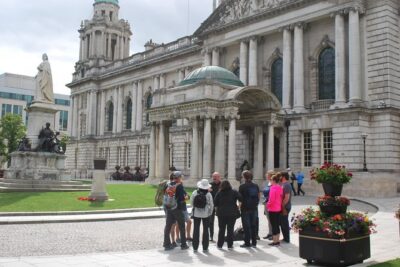
A History of Terror – Belfast City Centre Walking Tour
Read our review →Browse the lists this tour appears in