
Review · NAHA
Karate History Tour in Okinawa
Karate begins with people, not punches. This Naha tour makes Okinawa’s martial-arts past feel personal through karate monuments and museum treasures, then adds a meeting with a senior master. I like that lunch and entrance fees are included, and I like that this is a private outing with pickup offered. The main drawback is its narrow focus: if karate is not your reason for visiting Okinawa, part of the day may feel specialized.
The tour lasts about five to seven hours, with roughly two hours of scheduled sightseeing and the remaining time used for transport, lunch, and conversation. Guides such as Yoshi, Kenny, and Carlo have received particular praise for their friendliness and English, while Kenny brings his own background as a seventh dan Okinawan karate teacher.
Key things to know before booking
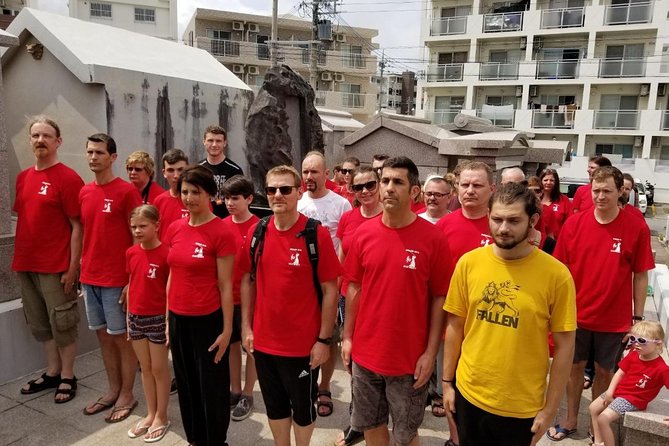
- Meet Tetsuhiro Hokama: The Okinawa Prefecture Karate Museum visit includes a chance to meet a Goju-ryu master ranked 10th dan.
- See important karate monuments: Matsuyama Park honors Kanryo Higaonna and Chojun Miyagi, while Okino-gu Shrine has a monument to Gichin Funakoshi.
- Lunch is arranged for you: Your guide organizes a Japanese meal, and one account specifically praises the sushi lunch.
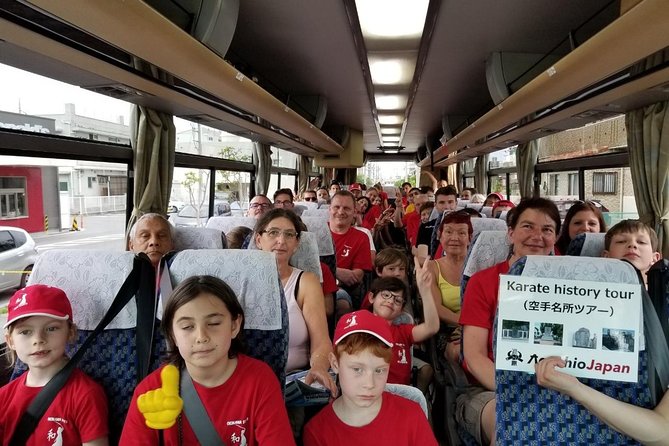
- Private touring matters: Only your own group takes part, so the pace and conversation can feel more personal than on a large bus tour.
- Shop for proper karate goods: Shureido gives you a chance to browse Okinawa-made karate equipment and souvenirs.
- Plan for a full half-day or more: The listed price is $125.50 per person, with transport time filling out a five to seven hour schedule.
Why Okinawa matters to karate
Okinawa is not simply a place where karate is performed. It is the birthplace of the art, and this outing helps you connect famous names, training traditions, monuments, and present-day practice.
That distinction matters. A standard Okinawa sightseeing day might take you to beaches, castles, or markets. This tour follows a different thread. You move through places linked to teachers and schools, then see historical material and shop where karate equipment is sold. The result is less about watching a demonstration and more about understanding how karate belongs to Okinawan culture.
I would choose this experience if you already practice karate, follow a particular school, or want to understand the art beyond films and sports competitions. Families can also enjoy it if one member has a strong interest, especially because the tour is private and the guide can explain terms as you go.
The five to seven hour length gives the subject room to breathe. It is not a quick photo stop at one monument. Still, the day does require interest and attention. Several stops are short, and the appeal comes from the connections between them rather than from elaborate attractions at every location.
A few more history tours around Japan worth a look
- World Heritage Shirakawa-go and Experience Tours from Kanazawa
★ 5.0 · 4,049 reviews - Tokyo: Imperial Palace and Shogun Historical Walking Tour
★ 5.0 · 2,251 reviews - World Heritage Kyoto & Nara Uji Authentic Matcha Experience
★ 5.0 · 1,573 reviews
Matsuyama Park and two major karate teachers
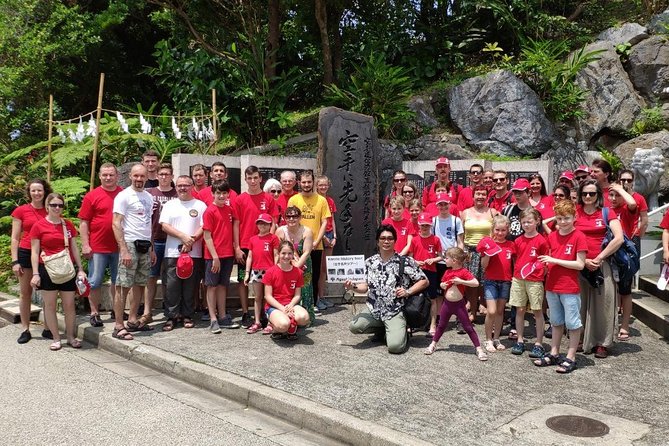
The first stop is Matsuyama Park, where you see monuments to Kanryo Higaonna and Chojun Miyagi. The scheduled visit is about 15 minutes, so set your expectations correctly. This is a brief, focused stop, not a long park walk.
The monuments matter because they place two important figures at the start of your day. Higaonna and Miyagi are closely associated with the Goju-ryu tradition, and seeing their names and memorials gives the later museum visit a useful frame.
Your guide is especially important here. A bare monument can mean little if you do not know why the person matters. An experienced guide can turn a short stop into a clear introduction to the teachers, schools, and personal links that shaped Okinawan karate.
The short timing can also be a plus. You get an important reference point without spending an hour at a single memorial. If you want detailed photographs or a quiet look around the park, ask your guide about the available time. The published schedule allows only 15 minutes, so this is a stop for orientation rather than lingering.
The Okinawa Prefecture Karate Museum
The museum is the heart of the experience. You have about 45 minutes to see karate-related historical goods and learn more about the art’s development in Okinawa.
The collection is described as containing a lot of historical karate goods. That makes this more than a room with a few photographs. You might find objects that help show how karate was taught, practiced, and preserved, though the supplied details do not provide a full catalog of the displays.
The most unusual part is the planned meeting with Tetsuhiro Hokama, a Goju-ryu master ranked 10th dan. That is a very high rank, and it gives the stop a direct human connection. You are not just reading names on a wall. You may have the chance to hear from someone with decades of experience in the Okinawan tradition.
One account also describes an informative and interactive museum visit, with three videos explaining the origins of karate. That detail is useful because it suggests the museum does not rely only on silent displays. The videos may help you follow the story even if you do not know the difference between karate schools or Japanese martial-arts terms.
Another account praises a visit to the training studio of a 10th degree black belt master. The exact presentation can vary by guide or booking, so I would confirm the meeting details when you reserve. In any case, this is the portion most likely to reward serious karate students.
Kenny has been praised as a seventh dan black belt and as a strong guide for the subject. Yoshi is described as friendly, helpful, and able to speak good English. Carlo has also been praised for explaining karate’s past in an interesting way. Since the guide can shape the museum stop, it is sensible to mention your school, rank, or main interests at the start of the day.
Okino-gu Shrine and Gichin Funakoshi
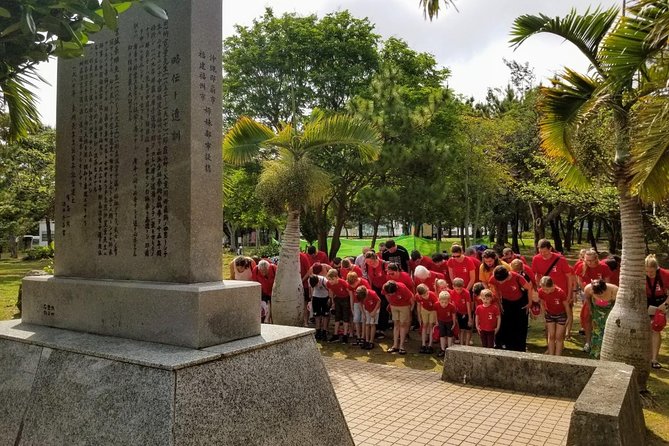
The next stop brings karate into a religious and memorial setting. At Okino-gu Shrine, you see a monument to Gichin Funakoshi and visit one of Okinawa’s well-known shrines.
The stop lasts about 30 minutes. That is enough time to take in the shrine, locate the monument, and listen to your guide’s explanation without turning the visit into a rushed photograph. Funakoshi is a key name for anyone interested in the spread of karate, so the monument gives the tour another useful link between Okinawan roots and the wider martial-arts world.
This stop also changes the rhythm of the day. After the museum’s objects and videos, you are looking at a monument in a working shrine setting. The contrast helps show that karate is tied to people and places, not just to uniforms, belts, and competition rules.
Keep your expectations practical. The tour data does not promise a ceremony, a lesson, or a long guided religious tour. You are visiting the shrine and seeing the Funakoshi monument. The value lies in the connection your guide provides.
If your group includes people with little interest in karate, this may be one of the easier stops to share. The shrine offers a different cultural setting, while the karate connection gives the visit a clear purpose.
Same place, a different slice of the past:
- Kyoto: Fushimi Inari, Kinkakuji, Bamboo Grove 1 Day Bus Tour
★ 4.8 · 4,316 reviews - Kyoto Gion: 2-Hour Geisha Culture & History Walking Tour
★ 5.0 · 1,186 reviews - Tokyo Castle & Imperial PalaceーShogun Walking Tour
★ 4.7 · 1,068 reviews - Kanazawa: World Heritage Shirakawa-go Morning Guided Tour
★ 4.9 · 988 reviews
Lunch arranged by your guide
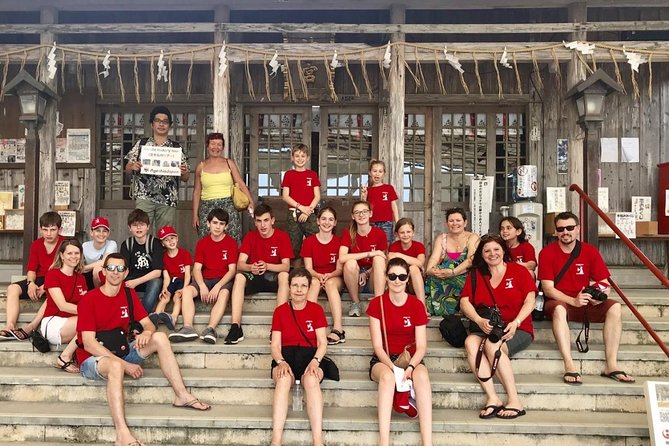
Lunch is included in the day’s plan, with the guide arranging a Japanese meal. One highly positive account specifically describes an excellent sushi lunch.
That is a useful benefit for a long private outing. You do not need to stop the day and search for a restaurant while trying to keep track of the schedule. Your guide handles the meal arrangement, leaving you free to focus on the tour.
The exact restaurant, menu, and timing are not specified. I would ask about dietary needs before the day begins, especially if you have allergies or avoid seafood. Do not assume the meal will be sushi every time, even though it was praised in one account.
Lunch also gives you a natural chance to ask questions. A private tour is most valuable when you use the quiet moments to talk with the guide. Ask about the difference between karate schools, how Okinawan practice differs from what you have seen elsewhere, or which names at the monuments matter most to your own interests.
Shureido and karate shopping in Naha
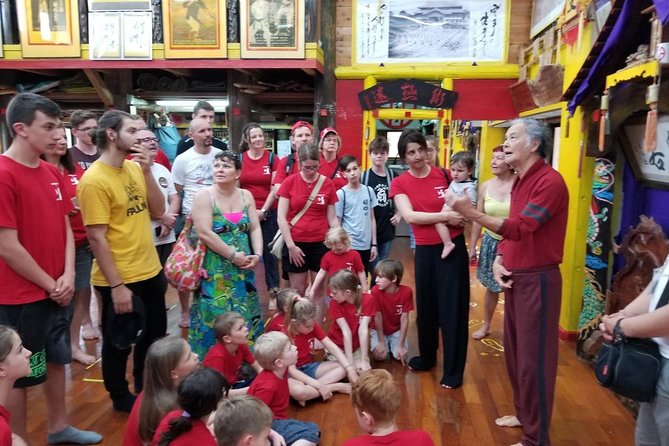
The final listed stop is Shureido, described as a famous Okinawan karate goods shop. You have about 30 minutes to browse and buy souvenirs or training equipment.
This is more useful than a generic gift-shop stop. If you practice karate, you may want a uniform, belt, book, or other item tied directly to Okinawa. Even if you are only shopping for a keepsake, the store gives you a physical reminder of the tour’s subject.
The half-hour schedule is enough for a focused look, but it may feel short if you need to compare equipment or make a serious purchase. If you are particular about sizes, brands, or school requirements, bring those details with you. The tour information does not promise fitting help, custom orders, or shipping.
For casual shoppers, the stop rounds out the day well. You have seen monuments and museum objects, met a senior master, and now have the option to take something home. For dedicated practitioners, this may be one of the most practical parts of the tour, but you should not treat it as a full equipment-shopping expedition.
What the private format changes
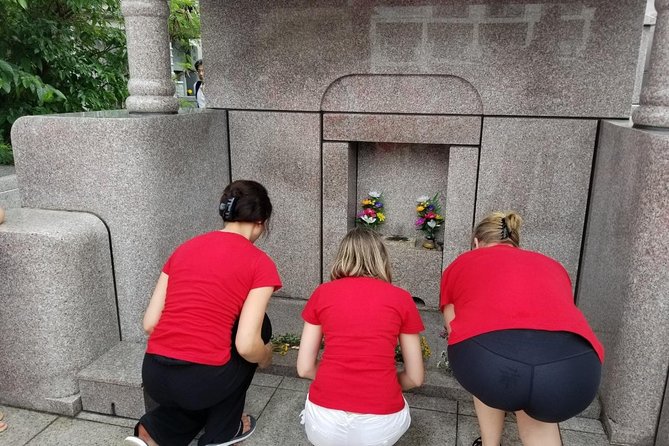
This is a private tour, so only your group participates. That is a major advantage for a subject that depends on questions and explanation.
You can tell the guide whether you are a beginner, a long-time practitioner, or simply curious about Okinawa. You can ask for help with names and terms without worrying about holding up a large group. The private setup should also make the day more comfortable for families or small groups with mixed interests.
Pickup is offered, but the supplied details do not state the exact pickup area or vehicle arrangements. Ask for those details before booking. The tour is near public transportation, and most people can participate. Service animals are allowed.
The guide makes a real difference. Yoshi has been praised for his friendly manner and sincere effort to help people enjoy Okinawa. Kenny brings notable karate credentials, and Carlo has been praised for both warmth and clear explanations. Guide assignments can vary, so you should not book on the assumption that one particular person is guaranteed unless the provider confirms it.
Is $125.50 a fair price?
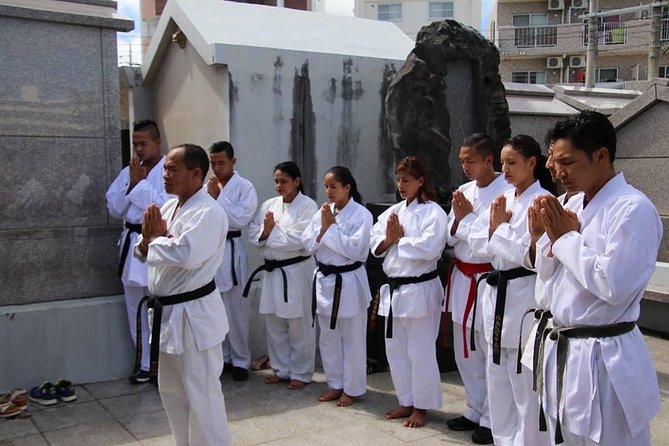
At $125.50 per person, this is not the cheapest way to spend a morning in Naha. Its value depends heavily on your interest in karate.
The price includes entrance fees to the listed stops, a Japanese lunch arranged by the guide, a private experience, and transportation support through the pickup option. It also covers access to a specialized museum and the chance to meet a 10th dan master. Those parts make the cost easier to justify for a serious student or dedicated fan.
You are not paying only for admission tickets. You are paying for the guide’s interpretation and for the links between four separate places. Without that explanation, Matsuyama Park and a shrine monument could be quick, isolated stops. With a good guide, they form a coherent story.
For a casual sightseer, the value is less certain. You could spend $125.50 on several other Okinawan activities with broader appeal. If your group has no real interest in karate, you may find the museum and shopping stop too specialized.
The 50-day average advance booking figure suggests you should not leave this until the last minute, especially if your visit dates are fixed. Confirmation is provided within 48 hours, subject to availability. Because the tour requires a minimum number of participants, the provider can cancel if that minimum is not reached.
Who should book this experience?
I would put this tour high on the list for:
- Karate students visiting Okinawa
- Families with a dedicated martial-arts fan
- People interested in Goju-ryu or major Okinawan teachers
- Visitors who prefer a private guide to a large group
- Anyone who wants a cultural activity centered on one subject
I would think twice if your priority is a broad introduction to Naha. This is not a general city tour, and it does not promise a karate class or a long training session. Its purpose is history, people, monuments, museum material, lunch, and shopping.
English-language comfort appears to be good with guides such as Yoshi, though individual guide assignments can change. If precise technical discussion matters to you, share your expectations when booking.
The day also requires flexibility. Weather can affect the outing, and poor conditions may lead to a different date or a full refund. Changes or cancellations made less than 24 hours before the start time are not refundable, while cancellations made at least 24 hours ahead receive a full refund.
Final verdict: a strong choice for karate fans
I recommend the Karate History Tour in Okinawa if karate is a real part of your trip, not just a passing curiosity. The strongest features are the private format, the museum visit, the monuments to major teachers, and the opportunity to meet Tetsuhiro Hokama, a 10th dan Goju-ryu master.
The guides are another major strength. Yoshi’s friendly English, Kenny’s own karate credentials, and Carlo’s warm explanations all point to a tour where the human connection matters as much as the stops.
The short monument visits and specialized shopping stop may not suit every group. But for the right person, this is a rare chance to see karate through Okinawan places, objects, and teachers rather than through a generic martial-arts display. Book it if you want the story behind the belt.
FAQ
How long does the Karate History Tour in Okinawa last?
The experience lasts approximately five to seven hours. The listed visits total about two hours, with the remaining time used for transport, lunch, and the flow of the private tour.
Is lunch included?
Yes. Your guide organizes a Japanese lunch. One account specifically describes an excellent sushi lunch, but the exact meal is not guaranteed.
Are entrance fees included?
Yes. Entrance fees to all listed stops are included in the tour price.
Can I meet a karate master?
The museum visit includes a chance to meet Tetsuhiro Hokama, a Goju-ryu master ranked 10th dan. The experience details also mention a museum or training-studio meeting with a senior black belt master.
Is this a private tour?
Yes. Only your own group participates in the activity.
What is the cancellation policy?
You can cancel at least 24 hours before the start time for a full refund. Cancellations or changes made less than 24 hours before the experience are not accepted for a refund. Poor weather or failure to meet the minimum number of participants may result in a different date or a full refund.
Just added around Japan
- Discover Ancient Nara: Private Car Tour from Kyoto or Osaka★ 5.0 · 52 reviews
- Shirakawago & Takayama Bus Tour from Nagoya w/Optional Lunch★ 4.5 · 37 reviews
- Taste Local Life: Nagasaki’s Historical Street Walking Tour★ 5.0 · 27 reviews
- Hiking the Historic Nakasendo Trail [1 Day Tour from Nagoya]★ 5.0 · 104 reviews
- Nagasaki WW2 History and Culture Tour★ 5.0 · 19 reviews
- Private Guided Historical Sightseeing Tour in Kyoto★ 3.5 · 24 reviews
- Kyoto Gion Historical Walking Tour★ 5.0 · 188 reviews
- Kyoto Early Bird English Tour: Fushimi-Inari and Arashiyama★ 5.0 · 198 reviews
Japan History Tours, compared.

World Heritage Shirakawa-go and Experience Tours from Kanazawa
Read our review →
Imperial Palace and Shogun Historical Walking Tour
Read our review →World Heritage Kyoto & Nara Uji Authentic Matcha Experience
Read our review →
Kyoto Gion: 2-Hour Geisha Culture & History Walking Tour
Read our review →
Tokyo Castle & Imperial PalaceーShogun Walking Tour
Read our review →
Kanazawa: World Heritage Shirakawa-go Morning Guided Tour
Read our review →
Hiroshima Historical Walking Tour – Why A-Bomb was Dropped
Read our review →Browse the lists this tour appears in