
Review · KYOTO
Private Guided Historical Sightseeing Tour in Kyoto
Kyoto rewards a well-planned half-day. This private tour links Fushimi Inari, Kiyomizu-dera, Gion, and Pontocho in about four hours, giving you a quick look at the city’s temples, shrines, food culture, and old streets. I like the private format and the chance to adjust the pace with your guide. The main concern is operator reliability, since several bookings were spoiled by late communication or a guide who never arrived.
I also like that strong guides have made this tour feel personal rather than mechanical. Julian, Ricardo, Robert, Oscar, Andrea, Johannes, Diego, and Ken have each been praised for explaining history and customs in clear English, adapting routes, and offering restaurant advice. But the mixed 3.5 out of 5 rating from 24 ratings tells you to confirm every meeting detail before the day.
Key points at a glance
- Seven major Kyoto stops in four hours: The route covers Fushimi Inari, Kiyomizu-dera, Kennin-ji, Yasaka Shrine, Nishiki Market, Pontocho, and Gion.
- Private guiding: Only your group participates, so you can ask questions and request a slower or faster pace.
- Pickup is offered: This can reduce the stress of finding a meeting point in an unfamiliar city, but you should confirm the exact time and location.
- Excellent guide potential: Past guides including Johannes, Ricardo, Robert, Julian, and Ken earned praise for their history, cultural explanations, and friendly manner.
- A very fast introduction: Most stops receive 30 minutes, so this is a sampler rather than a leisurely temple tour.
- Communication needs attention: Several bookings involved no-shows, unanswered messages, timing confusion, or last-minute cancellation.
A fast way to meet old Kyoto
At $85 per person, this tour makes sense mainly for the convenience of a private guide and a carefully connected route. You are paying to see a large slice of eastern and central Kyoto without working out every train, walking connection, and neighborhood on your own.
Four hours is both the tour’s strength and its limit. You get a useful first look at seven famous places, but you will not have time to explore each one at length. If this is your first Kyoto visit and you have limited time, the pace can be productive. If you have several days in the city, I would treat it as an orientation, then return to your favorite places later.
The tour is listed as having pickup, and one past booking praised a guide for coming all the way to the hotel. That matters in Kyoto, where a wrong station exit or an unfamiliar bus stop can cost half an hour. Still, pickup details have not always been handled clearly, so confirm the address and start time in writing.
More Private History Tours in Japan
- Kyoto: Private 2.5 Hour Historical Walking Tour
★ 4.9 · 121 reviews - Private car tour Let’s uncover secrets of majestic Kyoto history
★ 5.0 · 45 reviews - Kyoto UNESCO World Heritage Site Private Tour with a Premium Van
★ 5.0 · 20 reviews
Fushimi Inari: red gates and a short first look
The tour begins at Fushimi Inari-taisha, one of Kyoto’s most recognizable Shinto shrines. Its rows of red-orange torii gates climb the wooded slopes of Mount Inari, creating the famous tunnel-like paths seen in photographs around the world.
The planned visit is 30 minutes. That gives you time to see the main shrine area and walk into the first section of gates, but not to make a serious climb up the mountain. This is an important distinction. Fushimi Inari is much larger than the portion you can cover in a quick stop.
A guide can add useful context here by explaining how Shinto shrines work, what the gates represent, and how to behave at the entrance and worship areas. Johannes was especially praised for explaining Shinto and for making the visit engaging. If you want a longer walk beneath the gates, ask at the start whether the route can be adjusted.
Kiyomizu-dera: Kyoto’s famous wooden terrace
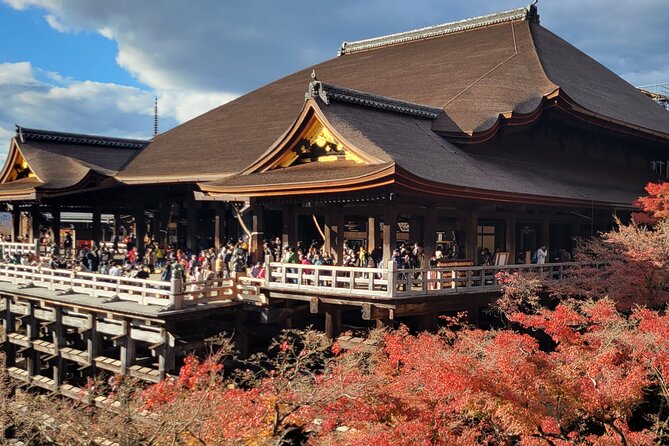
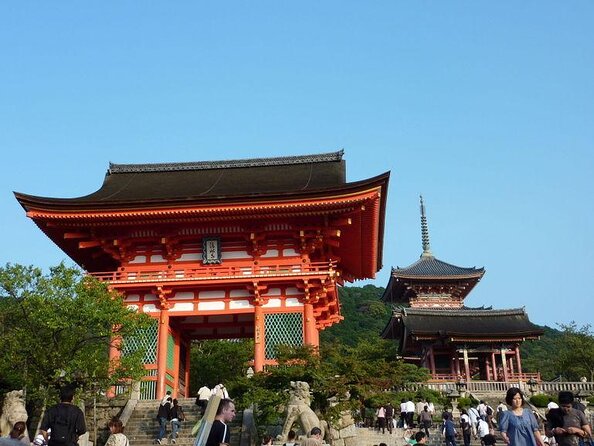
Next comes Kiyomizu-dera, a UNESCO World Heritage site and one of Kyoto’s signature viewpoints. The temple is known for its broad wooden terrace, traditional buildings, and elevated views over the city and surrounding hills.
Again, the scheduled time is 30 minutes. You can see the main approach and terrace, hear the basic story of the temple, and take photographs. You should not expect a quiet, slow visit through every corner of the grounds.
The approach to Kiyomizu-dera is part of the experience. It is lined with shops and can be crowded, especially during popular travel periods and seasonal color. A good guide helps you keep moving without losing the character of the area. Robert and Ricardo were praised for explaining the history and cultural meaning of temples rather than simply naming them.
Kennin-ji: a calmer Zen pause
Kennin-ji offers a useful change of mood after the larger, busier sights. It is a Zen temple in the Gion area, with a more restrained atmosphere and spaces designed for quiet observation.
The 30-minute stop is short, but it can provide a welcome pause. You might see temple interiors, gardens, or artistic details depending on the route and current access. Since the supplied information does not promise a particular room or exhibit, you should regard the stop as an introduction rather than a full visit.
This is one of the places where a guide’s explanation matters most. Zen buildings and gardens can seem simple at first glance. A guide who explains the ideas behind the design gives you more to notice than you would get from a quick photograph.
More Private History Tours in Kyoto:
- Private Historical Walking Tour of York
★ 5.0 · 1,324 reviews - Private Guided Historic Electric Cart Tour of St. Augustine
★ 5.0 · 1,194 reviews - Istanbul: Acemoglu Historical Turkish Bath w/Private Options
★ 4.6 · 1,190 reviews - From Cairo: Private Full-Day Tour of Historical Alexandria
★ 4.1 · 1,155 reviews
Yasaka Shrine: a living religious center
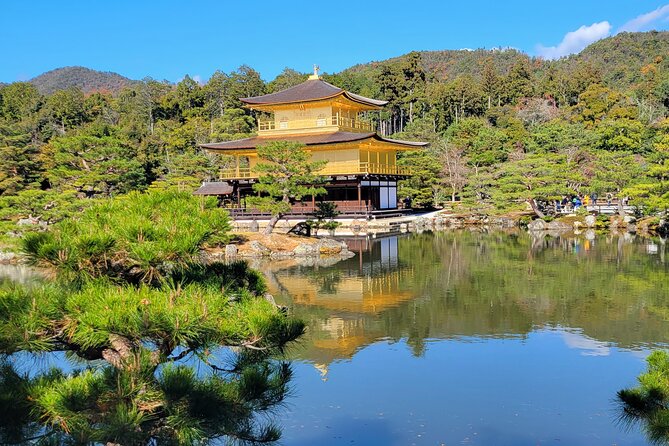
Yasaka Shrine brings you into the center of Kyoto’s public religious life. It is associated with traditional festivals and sits at an important transition point between the Gion district and the city’s shopping streets.
The half-hour visit should be enough to see the main gate and shrine grounds. It may also help you understand the difference between a Shinto shrine and the Buddhist temples visited elsewhere on the route.
The shrine can feel active and open rather than hushed. That is part of its appeal. You are seeing a place that remains part of daily Kyoto, not only a preserved monument for sightseeing.
Nishiki Market: food, crowds, and a narrow clock
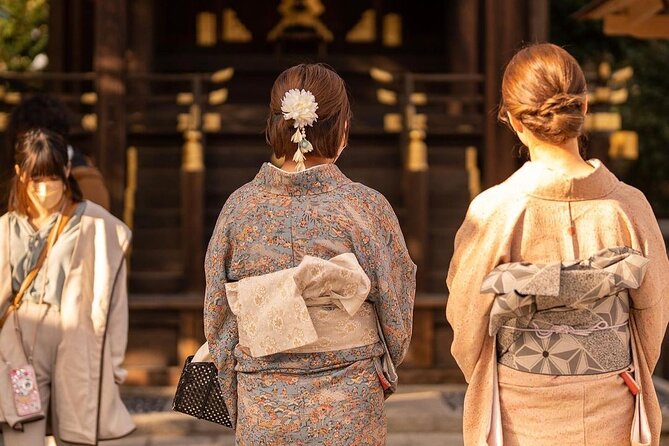
Nishiki Market is the food stop, though the tour does not promise a meal or a specific tasting. The covered market runs through a narrow passage lined with shops selling Kyoto foods, snacks, pickles, seafood, sweets, and cooking items.
You have about 30 minutes here. That is enough to sample the atmosphere and perhaps buy a small bite, but it is not enough for a relaxed food crawl. If you see something you want to try, do not wait until the end. The group must keep to a demanding schedule.
A guide can help you understand what is local and how market etiquette works. The best use of this stop is to ask for suggestions, then return later if your schedule allows. You will have more freedom to browse without watching the clock.
Pontocho: one hour in Kyoto’s atmospheric alley
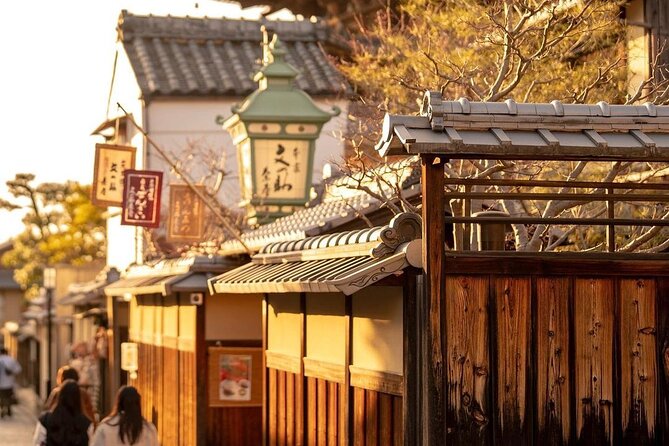
Pontocho receives the longest scheduled visit, one hour, and that is a sensible choice. This narrow district runs alongside the Kamogawa River and is known for traditional restaurants, evening atmosphere, and old-style streetscapes.
The alley is especially appealing as a walk between major sights. Its scale is intimate, and the contrast with wide modern streets elsewhere in Kyoto is immediate. You may see restaurant entrances, lanterns, and glimpses of the river area, though the tour does not include a meal reservation.
One hour gives your guide room to explain the district and point out places worth returning to later. Andrea was praised for answering questions and recommending restaurants, which is exactly the sort of help that can add value here.
Keep expectations realistic. Pontocho is not a museum with a fixed sequence of exhibits. Much of its charm comes from simply walking, looking, and noticing how the old alley fits into the modern city.
Gion: respectful attention to tradition
The final stop is Gion, Kyoto’s best-known traditional entertainment district. Its lanes, wooden facades, and connection with geisha culture make it one of the city’s most atmospheric areas.
The planned visit lasts 30 minutes, so you will see only a small part of the district. That is enough for an introduction, not a full neighborhood walk. A guide can explain the difference between geisha and maiko, discuss local customs, and help you appreciate the district without treating it like a stage set.
One past group spotted an authentic geisha during the walk. That is a matter of timing, not something the tour can promise. If you see a performer, keep a respectful distance and follow your guide’s advice about photography.
Gion is also a place where good manners matter. Do not block narrow lanes, enter private areas, or pursue people for photographs. The best visit is observant and quiet.
The guide can make or break the day
The most consistent praise goes to individual guides. Julian was described as passionate about Kyoto’s past. Ricardo adjusted the pace for four older participants. Robert explained Japanese history and culture in detail. Oscar made a short tour feel worthwhile, while Johannes was praised for his warmth, English, and ability to explain Shinto.
Ken was also praised for his friendly and empathetic manner. Diego’s hotel pickup was valued because it removed the risk of getting lost. These details point to the tour’s real benefit: a strong guide turns a string of famous sites into a connected story.
The private format helps. You can ask why a ritual is performed, stop for a question, or request advice about dinner. You are not tied to the interests of a large group.
But the company’s organization is a serious concern. Some bookings involved a guide who did not arrive, a phone number that did not work, unanswered messages, or a meeting time that differed between the app and the guide. One group was told details would come the day before, but the guide apparently received the information only on the morning of the tour.
That means you should not rely on silence as confirmation. Send a clear message with your hotel or meeting point, preferred contact method, and exact start time. Save the confirmation and allow time to contact the operator before waiting at the curb.
Transport, pace, and the real value of $85
This is described as a private walking tour, but past outings used trains, walking, and taxis. That flexibility is useful because the stops are spread across Kyoto. It also means the $85 price may not cover every transport cost unless your guide confirms otherwise.
The tour description marks admission tickets as included. However, one account specifically said admissions were not included, so I would confirm this before booking or immediately afterward. That small question can change the value calculation.
At $85 per person, the price is reasonable if you want a private introduction, hotel pickup, and expert explanation. It is less attractive if you mainly want transportation or photographs, since you can visit many of these places independently.
The route is best for people who value context and efficiency. It also suits families or older adults who want a flexible pace. Ricardo’s adjustment for an older group shows what the private setup can do when the guide is attentive.
It is not ideal for anyone who wants long temple visits, a full food tour, or a relaxed morning in each neighborhood. Seven stops in four hours means frequent transitions.
Weather, cancellation, and practical planning
The experience requires good weather. If poor conditions cancel it, you are offered another date or a full refund. The same applies if the minimum number of participants is not met.
You can cancel for a full refund up to 24 hours before the start time. Cancellations or changes inside that window are not accepted, and the local time in Kyoto controls the cutoff.
Flight delays deserve special care. One booking was missed after flight problems, and the operator attempted contact once but did not reschedule after a delayed reply. If you are arriving in Kyoto on the same day, this tour carries extra risk. I would schedule it after at least one night in the city.
The activity is near public transportation, and most people can participate. Since pickup is offered, ask whether your specific address is covered. Confirmation is issued at booking, but the later meeting details should still be checked.
Who should book this Kyoto tour?
I would consider it if you have only half a day, want a private guide, and prefer a broad introduction to Kyoto’s most famous eastern and central sights. It is also a good fit if you want help with cultural questions, restaurant suggestions, and local transport.
I would be cautious if your schedule is tight, your arrival is uncertain, or missing the tour would ruin your day. The repeated no-show and communication problems are too important to ignore.
If you book, contact the operator well before the start time and ask for four things: the guide’s name, the exact meeting time, the exact pickup point, and confirmation of admission and transport costs. That simple check will not fix every company problem, but it gives you a better chance of starting smoothly.
Should you book it?
Book this tour for the guide and the efficient private route, not for leisurely time at every sight. The strongest guide assignments have produced thoughtful, flexible outings, and $85 can be fair value when the service works as intended.
My advice is to book only if you can confirm the details and keep a backup plan. If the operator replies clearly and you have limited time in Kyoto, the tour can be a useful first chapter. If messages go unanswered before your trip, choose another arrangement.
FAQ
How long does the tour last?
The tour lasts approximately four hours.
How much does the tour cost?
The listed price is $85 per person.
Is the tour private?
Yes. Only your group participates.
Is pickup available?
Yes. Pickup is offered, though you should confirm the exact pickup location and time.
Which Kyoto sights are included?
The route includes Fushimi Inari-taisha Shrine, Kiyomizu-dera Temple, Kennin-ji Temple, Yasaka Shrine, Nishiki Market, Pontocho District, and Gion.
How long is the visit to Fushimi Inari-taisha?
The planned stop at Fushimi Inari-taisha lasts 30 minutes.
How long is the visit to Pontocho?
Pontocho receives approximately one hour, the longest scheduled stop.
Are admission tickets included?
The tour information marks admission tickets as included, but one account reported that admissions were not included. Confirm this directly before the tour.
Can most people participate?
Yes. The activity information says most people can participate, and it is near public transportation.
What happens if bad weather cancels the tour?
You will be offered a different date or a full refund if poor weather causes cancellation.
Just added around Kyoto
- Kyoto Gion Historical Walking Tour★ 5.0 · 188 reviews
- Kyoto: Nijo Castle World Heritage Guided Tour with Admission★ 5.0 · 128 reviews
- Kyoto Early Bird English Tour: Fushimi-Inari and Arashiyama★ 5.0 · 198 reviews
- Private car tour Let’s uncover secrets of majestic Kyoto history★ 5.0 · 45 reviews
- Authentic Kyoto Gion Geisha/Maiko Cultural Experience★ 5.0 · 48 reviews
- Kyoto UNESCO World Heritage Site Private Tour with a Premium Van★ 5.0 · 20 reviews
- Kyoto: Historic Higashiyama Walking Tour★ 5.0 · 31 reviews
- Kyoto: Private 2.5 Hour Historical Walking Tour★ 4.9 · 121 reviews
Private History Tours, compared.

Private Guided Historic Electric Cart Tour of St. Augustine
Read our review →
Acemoglu Historical Turkish Bath w/Private Options
Read our review →
Private Full-Day Tour of Historical Alexandria
Read our review →
Private Tour of the Historic City in a Ford T Car
Read our review →
Madrid Historical Tour with Local Guide in Eco Tuk Tuk Private
Read our review →
Private Biblical Tour Ancient Corinth & Isthmus Canal from Athens
Read our review →
Private Kathmandu Sightseeing Tour | UNESCO World Heritage sites
Read our review →Browse the lists this tour appears in