
Review · NEW YORK (STATE)
NYC: History of Slavery & Underground Railroad Walking Tour
New York’s buried past is hiding in plain sight. This 150-minute walking tour brings African American history into view through the African Burial Ground National Memorial, Wall Street, Fraunces Tavern, Trinity Church, and former Underground Railroad sites. I like its clear focus on people and events often left out of standard sightseeing, and I like that the guides connect colonial New Amsterdam to the fight against slavery and abolition.
The live English-speaking guide is the heart of the experience. Guides such as Maia, Shawn, Ludie, and Damaras have been praised for answering difficult questions with care, humor, and patience. The main drawback is that this is a serious subject delivered on foot, so you should bring good shoes, dress for the weather, and expect some emotionally heavy material rather than a light sightseeing stroll.
Key points to know before you book
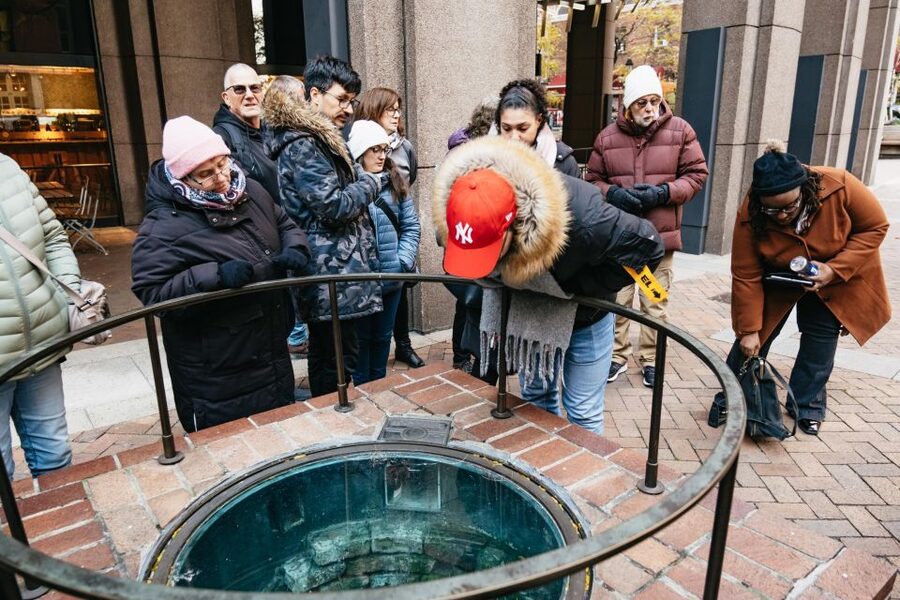
- African Burial Ground National Memorial: The tour begins with a memorial and archaeological site honoring enslaved Africans buried in colonial New York.
- Lower Manhattan through a different lens: Wall Street, Trinity Church, Fraunces Tavern, and nearby streets gain a new meaning as places connected to slavery, resistance, and freedom.
- Underground Railroad stories: You learn how secret routes and safe houses worked, along with the risks faced by people escaping slavery.
- Strong guide-led discussion: Maia, Shawn, Ludie, and Damaras are among the guides praised for clear explanations and thoughtful answers.
- A manageable 150 minutes: The walk covers important ground without taking up an entire day, though comfortable footwear still matters.
- Good value at $49: The price makes sense if you want serious historical context rather than a quick pass by famous buildings.
Why this history belongs in your New York plans
Many people come to Lower Manhattan for Wall Street, Trinity Church, the 9/11 Memorial, or the harbor. Those sights matter, but the streets hold another story too. Enslaved Africans and their descendants helped shape New York from the colonial period onward, and this tour places that story beside the city’s familiar landmarks.
I like this approach because it does not treat slavery as a distant Southern subject. New York had its own role in the slave trade and its own population of enslaved people. The walk helps you see how commerce, religion, government, property, and personal freedom were tied together in the city.
The tour also gives attention to resistance. You hear about uprisings, kidnappings, escapes, and the people who risked homes, money, and safety to help others flee slavery. That makes the experience more than a series of dates. It asks you to think about choices made by real people in a city you may already know.
Expect a serious tone, but not a dry lecture. The guide-led format allows questions, and several guides have been praised for making difficult material understandable without avoiding uncomfortable points. That balance is one of the tour’s biggest strengths.
More History Walking Tours in New York City
- Hamilton and Washington Revolutionary Walking Tour
★ 5.0 · 182 reviews - #1 Rated NYC Chinatown Food and History Walking Tour with FNYT
★ 5.0 · 171 reviews - Tribeca Architecture And History Walking Tour
★ 5.0 · 141 reviews
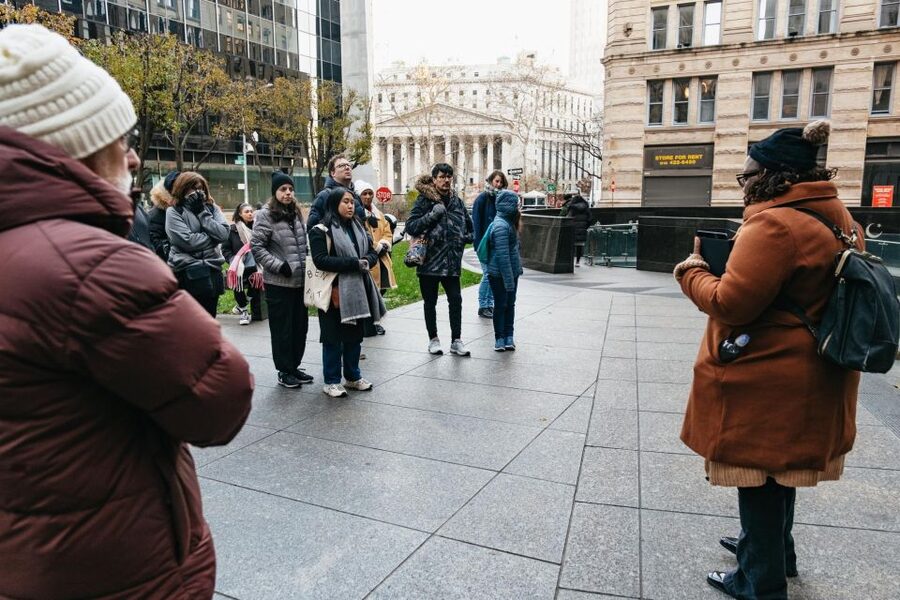
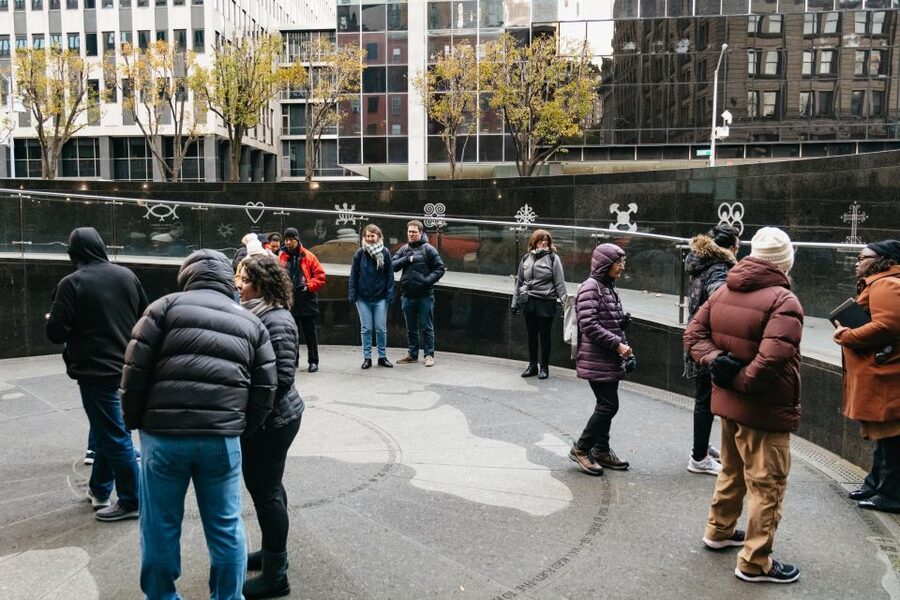
Starting at the African Burial Ground National Memorial
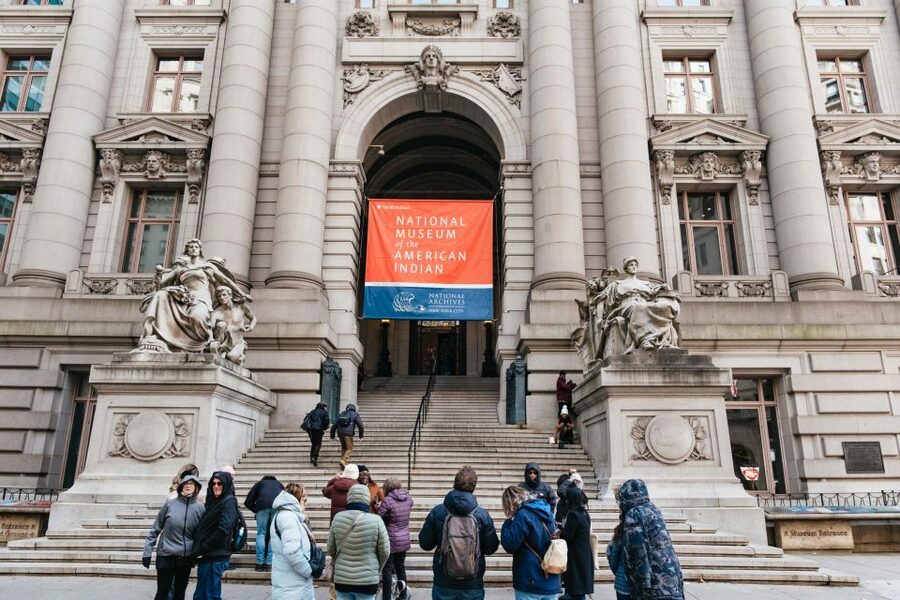
The meeting point is in front of the American Indian Museum. From there, the experience begins at an archaeological site and memorial dedicated to enslaved Africans in colonial America: the African Burial Ground National Memorial.
This is the emotional center of the walk. The burial ground was a place where people of African descent were laid to rest, and the memorial honors those who lived and died under slavery. Starting here gives the tour a human focus before the group moves into the financial and civic core of Lower Manhattan.
I would allow yourself a quiet moment at the memorial. It is easy to rush through downtown, especially when heading toward Wall Street, but this stop asks you to slow down. The guide explains why the site matters and how it connects to the wider story of African American life in New York.
The memorial also helps correct a common misunderstanding. New York’s African American past is not only found in distant neighborhoods or separate museum rooms. It is under the sidewalks and alongside the major buildings many people photograph every day.
Because the tour begins at a memorial, this is not the best choice if you want a casual introduction to New York with only a few historical notes. It requires attention and respect from the start. For anyone wanting a fuller understanding of the city, that seriousness is exactly the point.
Seeing Wall Street beyond money and markets
Wall Street usually brings finance to mind. On this walk, the area becomes part of a wider story about trade, wealth, labor, and slavery.
The guide explains how African Americans shaped the foundations of New York and how slavery was tied to the city’s growth. This context is valuable because the street’s grand buildings can otherwise make the past seem abstract. You begin to consider who built wealth, who was denied freedom, and how those systems affected everyday life.
The tour does not simply point at a building and recite a date. Its purpose is to connect places to events, institutions, and people. That makes the route especially useful for anyone who has already seen Lower Manhattan but felt that the standard sightseeing story was incomplete.
I also like the contrast between the busy modern district and the history being discussed. The setting is not a preserved colonial village. Cars, offices, visitors, and business people continue around you. That collision between present-day New York and the city’s past can make the subject feel more immediate.
Your guide may also discuss revolts, kidnappings, and escapes while you move between stops. These stories show that slavery was maintained through force, but also challenged by courage and resistance. The result is a fuller account than a simple story of victimhood.
Fraunces Tavern and the city’s layered past
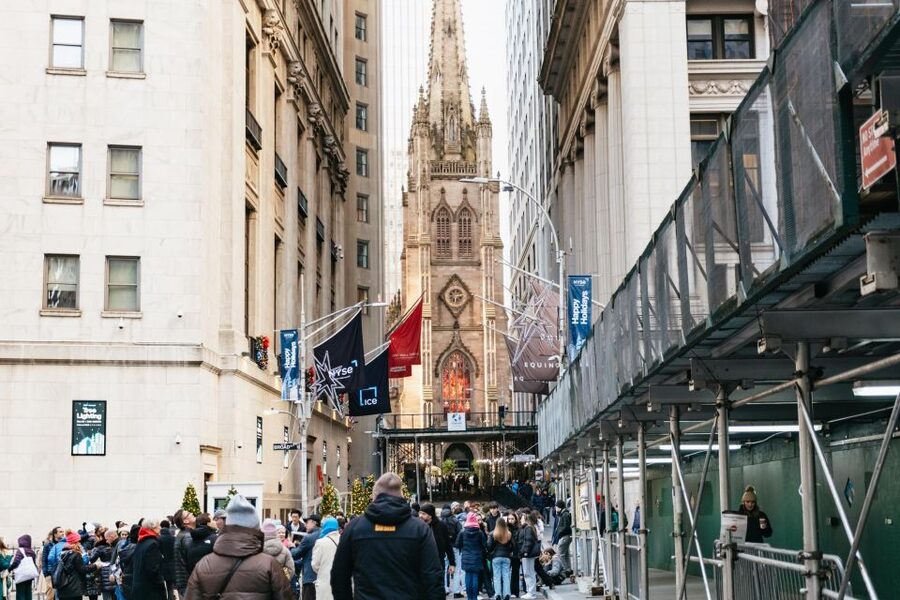
Fraunces Tavern is one of the named stops on the route. It is a well-known Lower Manhattan landmark, but the tour uses it as part of the African American history of New York rather than treating it as an isolated colonial curiosity.
This is one of the useful features of the walk. You do not need to visit only sites with obvious slavery-related names to understand the subject. Historic taverns, churches, streets, and commercial areas all formed part of the city in which enslaved and free Black New Yorkers lived and worked.
The guide provides the connection between the building and the period under discussion. That matters because historic architecture can easily become a backdrop for photographs instead of a prompt for questions. Here, the building helps you picture the city as a working place where different groups lived under unequal conditions.
The route’s wider setting also gives you a chance to notice details you might normally miss. A lifelong New Yorker could pass these places for years without hearing the stories attached to them. That is a strong reason for locals to take the tour, not just first-time visitors.
More History Walking Tours in the USA
- Lower Manhattan Secrets And History Walking Tour
★ 5.0 · 96 reviews - New York: Rock and Roll History and Culture Walking Tour
★ 5.0 · 22 reviews - NYC: Lower East Side Devour Food & History Walking Tour
★ 4.8 · 19 reviews - History and Hauntings of Salem Guided Walking Tour
★ 5.0 · 14,564 reviews
Trinity Church and the overlooked stories around it
Trinity Church adds another important layer to the walk. Its location and history place religion, land, status, and community life in the same conversation as slavery and freedom.
The tour encourages you to look beyond the most familiar version of a landmark. A church may be presented as an architectural or religious sight, but its surroundings were also part of a city shaped by labor and unequal power. The guide helps tie the location to African American history and the broader fight for abolition.
This is where a good guide makes a real difference. The information can be difficult to absorb if it is delivered as a long list of names and years. Guides praised on this route, including Maia and Shawn, are valued for telling stories clearly and handling questions well.
Past participants have also praised guides for asking thought-provoking questions rather than doing all the talking. That style suits the subject. You are not only collecting facts; you are considering how ordinary New Yorkers participated in, benefited from, resisted, or challenged slavery.
The tour may leave you wanting to read more. That is a strength, not a gap. A 150-minute walk cannot cover every person or event, but it can point you toward questions that standard city sightseeing often skips.
Understanding how the Underground Railroad worked
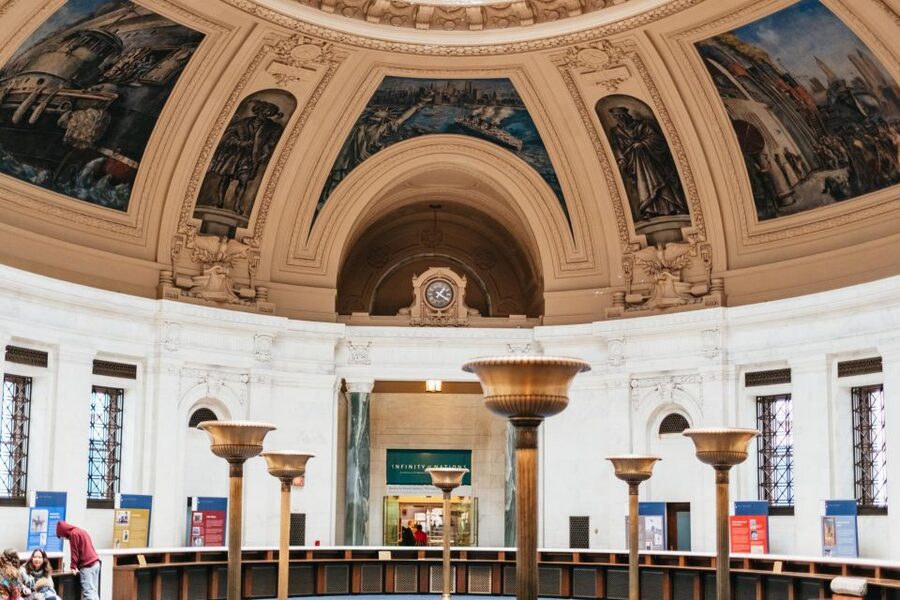
The Underground Railroad is often imagined as one secret railway. The tour explains it as a network of concealed routes, safe houses, and helpers that assisted enslaved African Americans seeking freedom in free states and Canada.
That explanation is important. The system had no single track or central office. It depended on secrecy, trust, quick decisions, and people willing to accept serious danger. The walk brings this history into the streets of New York by stopping at former locations connected to the network.
You hear about the practical risks involved. People escaping slavery could be kidnapped or captured. Those who helped them could lose property, face legal trouble, or put their own lives in danger. This makes the Underground Railroad feel less like a neat chain of heroic episodes and more like a fragile human network.
The tour also covers dramatic escapes and the role of New Yorkers who assisted people seeking freedom. I appreciate that the story includes both the people who fled and the people who helped them. Freedom did not come easily, and it was not secured by one group acting alone.
At the same time, you should not expect every former station to look like a preserved Underground Railroad site. Lower Manhattan has changed greatly, and the power of the stop comes from the guide’s explanation and the location’s connection to the past. The experience is strongest when you are willing to use your imagination while standing in a modern city.
A guide can make or break this serious subject
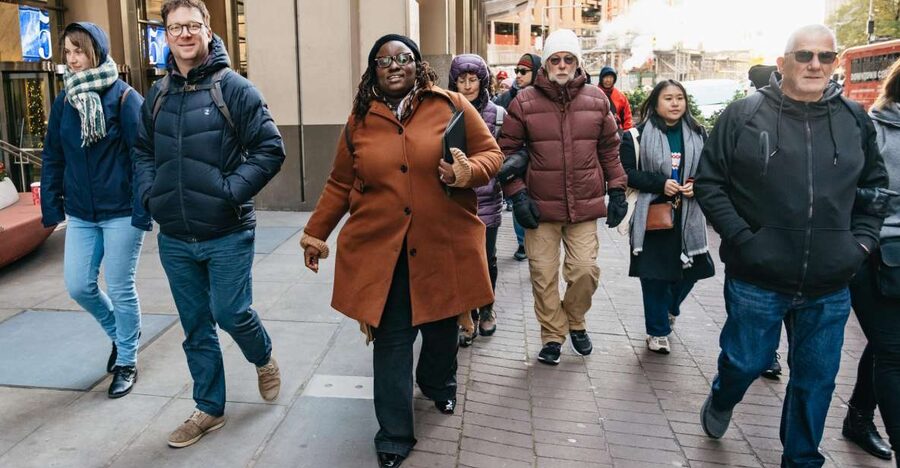
The most praised part of this tour is the guiding. That is not surprising. The route itself is important, but the subject includes violence, exploitation, resistance, race, and the continuing impact of slavery. It needs a guide who can explain clearly and respond to questions without turning the walk into either a dry lecture or a performance.
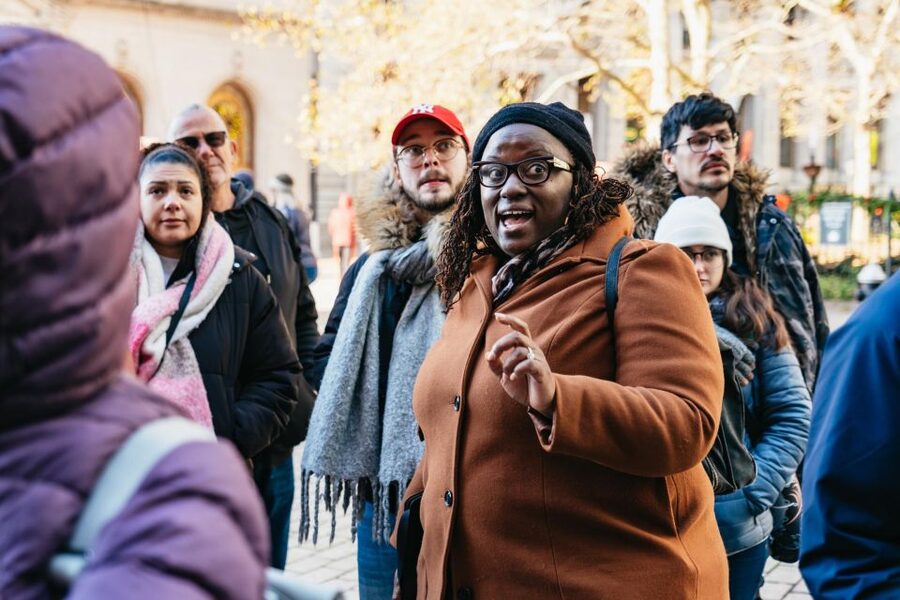
Maia has been praised for teaching African American history from the formation of New Amsterdam through the African Burial Ground National Memorial. Shawn has been described as well spoken and able to answer all kinds of questions. Ludie has been singled out for enthusiasm and command of the subject, while Damaras has been praised for kindness, humor, and patience with awkward questions.
Names and staffing can change, so you should not book with the expectation of one particular guide. Still, the pattern is encouraging: the tour’s strength rests in human storytelling and discussion.
Some groups may be small. One walk had only three people, creating an intimate setting. Group size can vary, but a smaller group is useful here because you can ask questions and hear the guide more easily. Larger groups may feel less personal, though the licensed guide remains the main source of information.
The tone is direct. One participant valued the fact that the guide did not soften or hide difficult truths. That honesty may be uncomfortable at times, but it is appropriate for a tour about slavery and the people who resisted it.
Walking time, weather, and what to bring
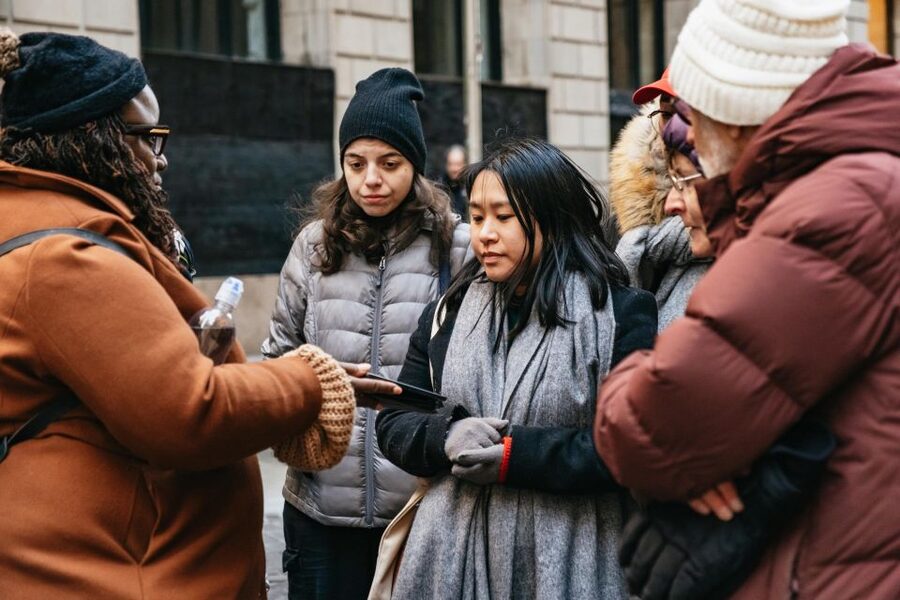
The tour lasts 150 minutes, or two and a half hours. That is long enough to create a connected story, but short enough to fit alongside other Lower Manhattan plans.
The route is described as a walk, though one person noted that it did not feel like an excessive amount of walking. Even so, you should wear comfortable shoes. You will be outdoors and moving between several sites, so weather-appropriate clothing is essential.
Rain does not automatically ruin the experience. A past group completed the tour on a rainy afternoon, with much of the discussion delivered under shelter. Still, that should not be treated as a guarantee. Check the forecast and bring suitable protection.
There is no hotel pickup or drop-off. You need to reach the meeting point in front of the American Indian Museum on your own. Plan extra time to find the starting place, especially if you are unfamiliar with Lower Manhattan.
The tour is in English, with a live guide. If you prefer learning through conversation and spoken explanation, that format works well. If you want a self-guided visit with plenty of time for photographs, you may find the fixed route and group pace less flexible.
Is $49 a fair price?
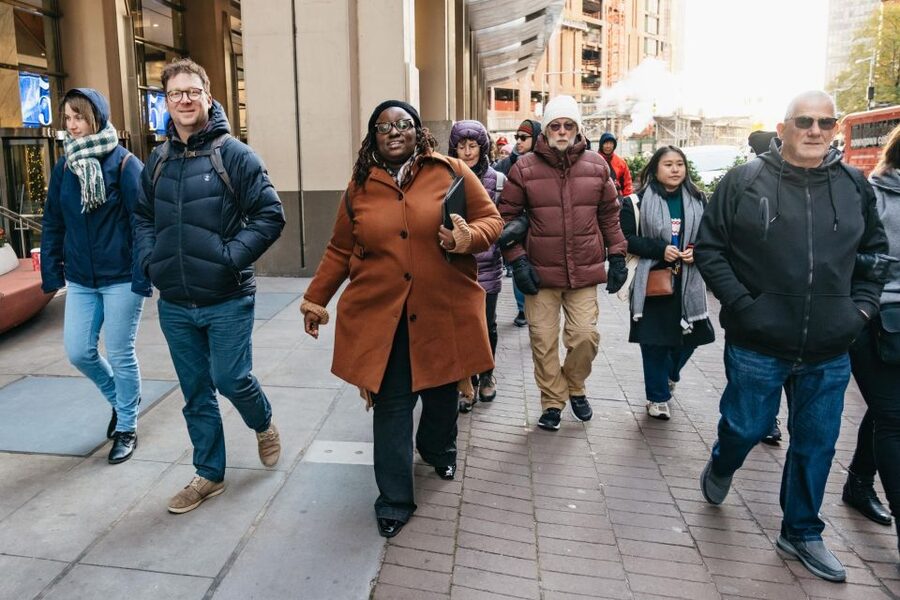
At $49 per person, the value depends on what you want from a New York walking tour. You are paying for two and a half hours with a licensed guide, not transportation, museum admission, food, or hotel service.
For a quick stroll past famous buildings, the price may feel high. For a focused history tour with a trained guide, several significant stops, and a subject that is easy to miss on your own, it is reasonable.
I see the strongest value in the connections between sites. You could visit the African Burial Ground National Memorial, Wall Street, Trinity Church, and Fraunces Tavern independently, but you would not automatically understand how they fit into African American history. The guide supplies that framework.
The flexible booking terms also reduce the risk. You can cancel up to 24 hours in advance for a full refund, and you can reserve now and pay later. Those policies are useful when your New York schedule is still shifting, though the main value remains the quality of the historical experience.
Who should take this tour?
I would recommend it to first-time visitors who want more than the standard Manhattan highlights. It is also a strong choice for New Yorkers, including people who grew up in the city and assume they already know Lower Manhattan.
History students, teachers, families with older children, and anyone interested in abolition or African American history should find plenty to think about. The tour also suits people who prefer real places and personal stories over a museum-only experience.
You may want to skip it if you are looking for cheerful entertainment, a short photo stop, or a tour focused mainly on architecture. The subject is painful and the presentation is direct. Give yourself time afterward if you expect to need a quieter moment.
FAQ
Where does the tour meet?
The meeting point is in front of the American Indian Museum.
How long does the walking tour last?
The tour lasts 150 minutes, or two and a half hours.
What language is the tour in?
The tour is conducted in English with a live tour guide.
What sights are included?
The route includes the African Burial Ground National Memorial, Fraunces Tavern, Trinity Church, Wall Street, and former locations connected to the Underground Railroad.
What should I bring?
Bring comfortable shoes and clothing suited to the weather.
Is hotel pickup included?
No. Hotel pickup and drop-off are not included, so you must make your own way to the meeting point.
Should you book the NYC slavery and Underground Railroad tour?
Book it if you want to understand New York through the lives of enslaved people, free Black New Yorkers, abolitionists, and those who risked helping people escape slavery. The route covers famous downtown sights, but the real reward is learning what those places meant beyond the usual tourist story.
At $49, it is a fair buy for a focused, guide-led history experience. Go prepared for serious discussion, steady walking, and questions that may stay with you after the tour ends. For a more honest view of New York’s past, this is time well spent.
Just added around New York City
- Soul of Harlem: Strivers Row, Apollo Theatre, Gospel History★ 4.6 · 87 reviews
- NYC: Lower East Side Devour Food & History Walking Tour★ 4.8 · 19 reviews
- New York: Mafia and Gangster History Tour in Little Italy★ 4.6 · 79 reviews
- New York: Rock and Roll History and Culture Walking Tour★ 5.0 · 22 reviews
- NYC: Night Out Prohibition History Bar and Speakeasy Tour★ 4.6 · 128 reviews
- New York City: Flatiron Food, History, and Architecture Tour★ 4.8 · 43 reviews
- NYC: New York City History of Stand-Up Comedy Tour★ 4.8 · 21 reviews
- NYC: Central Park Pedicab Tour and Natural History Access★ 4.7 · 52 reviews
History Walking Tours, compared.

History and Hauntings of Salem Guided Walking Tour
Read our review →
Freedom Trail History Small Group Walking Tour
Read our review →
Historic Charleston Guided Sightseeing Walking Tour
Read our review →
Tapas Walking Tour with Food, Wine, and History
Read our review →
Savannah History and Haunts Candlelit Ghost Walking Tour
Read our review →
A History of Terror – Belfast City Centre Walking Tour
Read our review →Browse the lists this tour appears in