
Review · NEW YORK CITY
Soul of Harlem: Striver’s Row, Apollo Theatre & Gospel Heritage
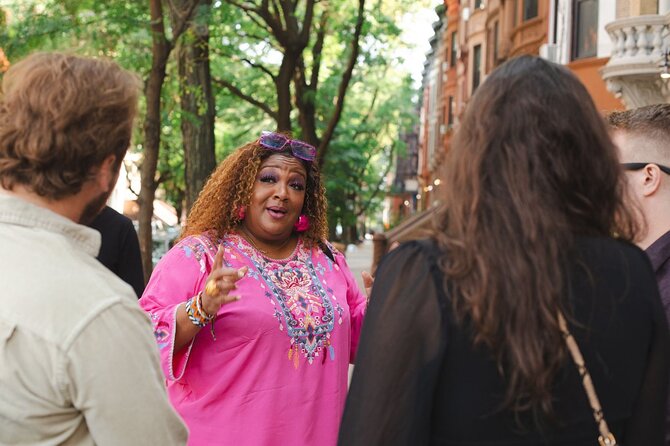
Harlem tells its story one block at a time. This two-hour walk links the Schomburg Center, Abyssinian Baptist Church, Strivers’ Row, Bill’s Place, and the Apollo Theater, giving you a clear introduction to the neighborhood’s cultural and political life. I especially like the mix of architecture, music, civil rights, literature, and local personalities.
I also like that the tour is led by Harlem residents and keeps groups small, with a maximum of 18 people. Sunday departures add a gospel experience at a local church. The main caution is pacing: one past tour moved slowly, and another ran into trouble because of an incorrect meeting-point message, so check your start details carefully and allow enough time.
Five things to know before you book
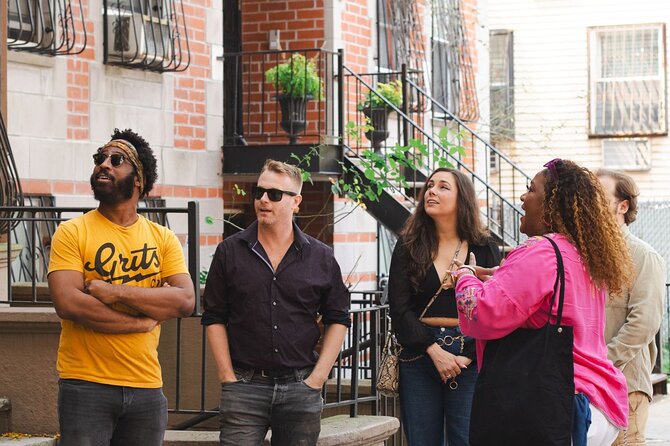
- Strivers’ Row is more than a pretty street: Its late-19th-century row houses, shared courtyards, and alleyways connect directly to major Black artists, athletes, and politicians.
- The Schomburg Center sets the tone: You begin with a major institution devoted to preserving and presenting the African-American experience.
- Sunday adds live gospel: The church visit can turn a history walk into a musical and spiritual experience, though the exact church program should be confirmed when booking.
- Guide personality matters here: Ron, Lady Altovise, and Meredith have received very different praise, with Lady Altovise earning especially warm comments for her energy and personal connection.
- The Apollo is a strong finale: You finish at one of Harlem’s best-known cultural addresses, a place tied to stars, concerts, and Black performance history.
- At $39, the value is solid: You are paying for a small-group, two-hour guided walk, not a private tour or a full-day Harlem program.
Starting at the Schomburg Center
The tour begins at the Schomburg Center for Research in Black Culture, part of the New York Public Library system. This is a smart starting point because it frames Harlem through preservation, scholarship, and public memory rather than treating the neighborhood as a collection of famous names.
You have about 20 minutes here. Admission is included, and the center presents exhibitions connected to subjects such as the Harlem Renaissance, the Civil Rights Era, and the Black Lives Matter movement. The exact exhibition can change, but the purpose remains clear: this is a place where African-American experiences are collected, studied, and shared.
I like this opening because it gives the walk a serious base. You are not simply moving from one photo stop to another. The guide can connect the buildings and people you see later to wider questions about art, equality, migration, and social change.
The stop is short, so do not expect a full museum visit. If you want to study an exhibition at length, you would need extra time outside the tour. For most people, 20 minutes is enough to get the main idea and begin the walk.
A few more history tours around New York City worth a look
- NYC: Speakeasy Drinks and Prohibition History Tour
★ 4.7 · 474 reviews - The Original Greenwich Village Food & Cultural Tour Since 1999
★ 5.0 · 254 reviews - The Speakeasy Adventure: A Tipsy Trip Through History
★ 5.0 · 220 reviews
Abyssinian Baptist Church and Harlem’s long church tradition
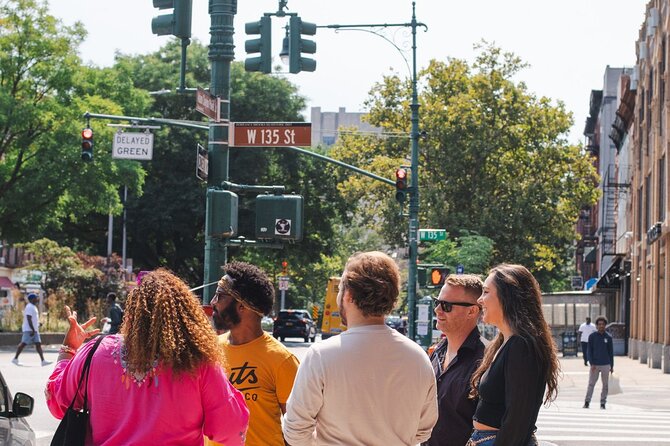
The next major stop is Abyssinian Baptist Church, an institution with more than 220 years of history in New York City and a Harlem home dating to 1902. It is one of the oldest Baptist churches in the United States, which gives this stop weight beyond its striking name and location.
The scheduled visit lasts about 30 minutes. Your guide explains the church’s place in Harlem and its connection to the neighborhood’s Black religious, civic, and political life. The church is not treated as a random sightseeing stop. It helps explain how religious institutions have served as gathering places and centers of public action.
Sunday is the special day here. The tour includes skip-the-line access to a gospel experience at a local church. The supplied details do not promise that every Sunday program takes place inside Abyssinian Baptist Church, so you should confirm the precise arrangement before you go. Still, the added singing is a major reason to choose Sunday if your schedule allows.
One practical point: a gospel service is not simply a concert. Dress and behavior should show respect, and the service may have its own rhythm and customs. The most useful approach is to listen, take your cues from the congregation, and treat the visit as part of the community rather than a staged show.
Walking through Strivers’ Row
Strivers’ Row is the architectural highlight of the route. The district is known for handsome row houses built in the 1890s, along with alleyways, rear shared spaces, and courtyards. It offers a more intimate look at Harlem than a large avenue or landmark facade.
The name points to the ambitious Black professionals and artists who made their homes there. The tour connects the area with tap dancer and actor Bill Bojangles Robinson, heavyweight boxer Harry Black Panther Willis, Congressman Adam Clayton Powell Jr., and William Marion Cook, described as the first Black Broadway musical composer.
This is where a good guide can make the buildings feel inhabited rather than frozen in time. I would pay close attention to the way the guide links the homes to achievement, ambition, and the barriers Black New Yorkers faced. The point is not only that famous people lived here. It is that housing, status, race, and opportunity all shaped Harlem’s development.
You have about 20 minutes at Strivers’ Row. That is enough for an introduction and photographs, but not a full architectural survey. If design is your main interest, you may wish to return later and explore at your own pace.
The stop also illustrates one limitation of a compact walking tour. Harlem has centuries of change to cover, from its early development to modern redevelopment. You will receive a guided outline, not every chapter. One past participant wanted more information about the neighborhood’s evolution from the past into the present, so ask questions if a particular period interests you.
Jazz at Bill’s Place and the old Swing Street
Bill’s Place adds a music-focused stop to the route. It is located on Harlem’s original Swing Street, and the information provided describes owner Bill Saxton as a Harlem jazz icon who performs with leading musicians. The stop is scheduled for about 20 minutes.
This section helps balance the tour’s church and political history with Harlem’s role in jazz and swing. The route also connects the venue with Billie Holiday, placing the stop within the wider story of American jazz performance.
Do not expect a long concert from a 20-minute stop. The value is in learning why this particular part of Harlem mattered to musicians and audiences. You may find that the guide uses the location to explain how music shaped the neighborhood’s public identity.
The stop is also a useful reminder to keep the schedule in mind. With five main locations packed into two hours, the guide has to keep moving. A conversation, photo pause, or weather delay can affect the time available later, so arrive ready to walk and listen rather than linger at every stop.
Same place, a different slice of the past:
- Speakeasy Drinks and Prohibition History Tour NYC
★ 4.5 · 204 reviews - Hamilton and Washington Revolutionary Walking Tour
★ 5.0 · 182 reviews - #1 Rated NYC Chinatown Food and History Walking Tour with FNYT
★ 5.0 · 171 reviews - Tribeca Architecture And History Walking Tour
★ 5.0 · 141 reviews
Finishing at the Apollo Theater
The Apollo Theater provides the tour’s most recognizable ending. Its slogan describes it as a place where stars are born and legends are made, and its program has included performers such as Usher, Smokey Robinson, Mary J. Blige, and Babyface. The theater is celebrating 90 years according to the tour information.
Even if you do not enter for a performance, the Apollo gives the walk a strong final image. It ties together the musicians, singers, dancers, and entertainers discussed earlier. The theater also helps you see Harlem as a place that shaped national popular culture, not simply as a neighborhood with a few notable addresses.
The planned stop lasts 30 minutes. That should give you time for explanation and a look at the exterior, but the information provided does not promise an interior theater tour or a ticketed performance. If you want to attend a show, treat that as a separate plan.
The Apollo can also be a useful place to continue exploring after the walk. Since it is the final stop, you can decide whether to stay in the area, eat nearby, or return another day for an event. The tour itself does not include food, so plan your meal separately.
What the guides add to the walk
The experience depends heavily on who leads it. This is a personal, story-driven tour, and the strongest comments praise the guides’ warmth, enthusiasm, and ability to connect Harlem’s past with broader struggles for equality.
Lady Altovise receives especially strong praise for her energy and engaging style. She is described as welcoming, expressive, and generous with information. One Sunday walk combined her presentation with gospel singing, which made the day feel especially complete.
Ron is also praised for making people feel welcome and for sharing Harlem’s hospitality in an entertaining way. Another account describes him as deeply passionate about his community. That passion can be a strength, though one cold-weather walk spent too much time looking at photographs in a folder, which slowed the group.
Meredith has been praised for bringing music, literature, art, social movements, jazz, and the Harlem Renaissance together. At the same time, one small group felt that the walk covered too little ground and offered less information than expected. That contrast tells you something useful: the depth of the tour may depend on the guide’s pace and emphasis.
I would book this tour for the human element, not for a fixed script. If you prefer a tightly timed route with a large number of dates and facts, you may find the pace uneven. If you enjoy asking questions and hearing personal explanations, the format should suit you well.
Timing, group size, and the $39 price

The tour lasts about two hours and costs $39 per person. For New York, that is a fair price for a small-group guided walk, especially because the group is capped at 18 people and the scheduled stops do not charge separate admission.
The value comes from the guide’s interpretation. You are not paying for a major museum ticket or a long private excursion. You are paying to have someone connect places that could otherwise feel scattered: a research center, a church, historic homes, a jazz address, and the Apollo.
The schedule gives each main stop roughly 20 to 30 minutes. That is enough for a focused introduction, but you should not expect to enter every site or spend an hour at each one. This is best seen as a well-shaped first look at Harlem, followed by your own further exploration.
The tour is offered in English and uses a mobile ticket. It is near public transportation, and most people can participate. Service animals are allowed. Since this is an outdoor walking route, wear comfortable shoes and check the weather before setting out. Rain did not prevent one group from enjoying the walk, but cold weather made a slow presentation less comfortable for another.
One logistical issue deserves attention. A participant was sent an incorrect message saying the Apollo Theater was the meeting point, while the actual starting location was the Schomburg Center. The guide, Lady Altovise, contacted the person and helped sort it out. Still, you should verify the start point in your confirmation and contact the operator if anything looks unclear.
Free cancellation is available up to 24 hours before the start time. Changes or cancellations inside that window are not accepted for a refund.
Who should book this Harlem walk?
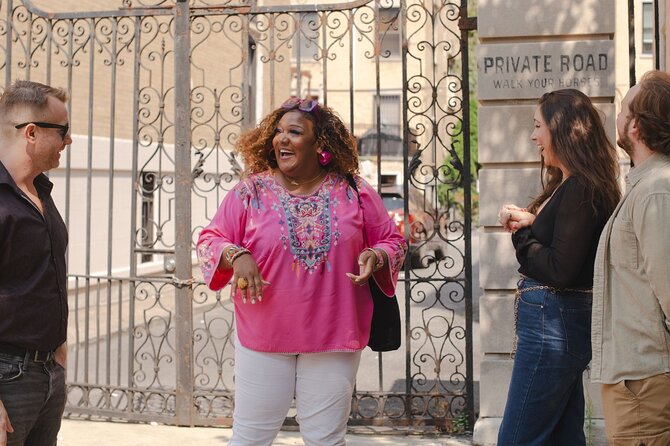
I would recommend it to first-time Harlem visitors, anyone interested in Black American history, and people who want music, architecture, religion, and civil rights in one compact route. It also suits visitors who prefer a local guide to a self-guided walk with a phone in hand.
Sunday is the best choice if gospel is a priority. The church singing adds sound and feeling to a tour that otherwise relies mainly on walking, explanation, and landmarks.
You may want another option if you need a very detailed chronological history of Harlem, a museum-heavy day, or a tour with guaranteed interior access at every stop. The route covers many subjects, but two hours forces the guide to make choices.
Should you book Soul of Harlem?
Book it if you want a compact, affordable introduction led by someone who can connect Harlem’s buildings to its people and struggles. The best parts are the guide’s personal approach, Strivers’ Row, the Schomburg Center, and the Apollo finale.
Choose a Sunday departure for the gospel addition, confirm the starting location before leaving, and arrive ready for a real walking tour. At $39, it offers good value, provided you understand that it is an overview rather than a full-day study of Harlem.
FAQ
How long does the Soul of Harlem tour last?
The guided walk lasts approximately two hours.
How much does the tour cost?
The price is $39 per person.
What language is the tour offered in?
The tour is offered in English.
What places are included?
The route includes the Schomburg Center for Research in Black Culture, Abyssinian Baptist Church, Strivers’ Row, Bill’s Place, and the Apollo Theater.
Is gospel included on every departure?
No. The gospel experience is offered on Sundays only, with skip-the-line access at a local church.
How large is the group?
The tour has a maximum of 18 participants.
Is the tour close to public transportation?
Yes. The tour is located near public transportation.
Can I cancel for a full refund?
Yes. You can cancel up to 24 hours before the start time for a full refund. Cancellations or changes made less than 24 hours before the start time are not accepted.
Just added around New York City
- Wall Street Inside with a Trader Walking History Tour★ 5.0 · 23 reviews
- Tenement History and Immigrant Life in the Lower East Side★ 5.0 · 50 reviews
- The Psychiatric History of New York: Upper East Side Tour★ 5.0 · 31 reviews
- The Original Greenwich Village Food & Cultural Tour Since 1999★ 5.0 · 254 reviews
- Speakeasy Drinks and Prohibition History Tour NYC★ 4.5 · 204 reviews
- New York City: Mafia History in Little Italy Walking Tour w/NYPD★ 5.0 · 59 reviews
- The Speakeasy Adventure: A Tipsy Trip Through History★ 5.0 · 220 reviews
- Private Tour New York City in the Gilded Age: A History of High Society★ 5.0 · 125 reviews
New York City History Tours, compared.

NYC: Speakeasy Drinks and Prohibition History Tour
Read our review →
The Original Greenwich Village Food & Cultural Tour Since 1999
Read our review →
The Speakeasy Adventure: A Tipsy Trip Through History
Read our review →
Speakeasy Drinks and Prohibition History Tour NYC
Read our review →
Hamilton and Washington Revolutionary Walking Tour
Read our review →
#1 Rated NYC Chinatown Food and History Walking Tour with FNYT
Read our review →
NYC: Night Out Prohibition History Bar and Speakeasy Tour
Read our review →Browse the lists this tour appears in