
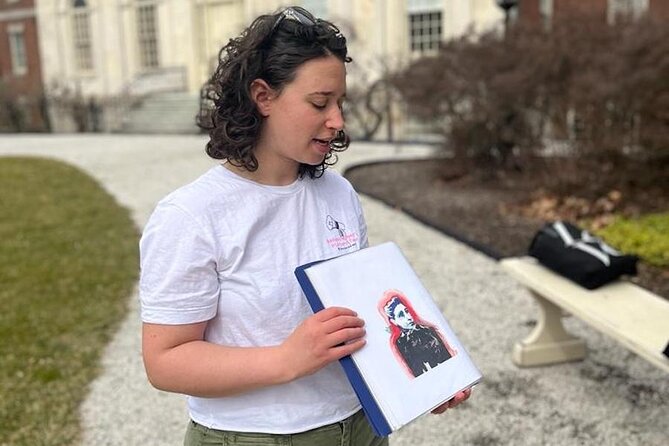
Review · PHILADELPHIA
Badass Women’s History Walking Tour of Philadelphia
Philadelphia has more than one founding story. The Badass Women’s History Walking Tour brings overlooked women into the city’s best-known places, from Independence Hall to the Gayborhood. I like the sharp focus on people often left out of standard city tours, and I like the guides’ conversational style, especially with guides such as Joey, Rebecca, Zoe, and Shawn. The main drawback is that the tour is almost two hours on foot, with old cobblestones along the way and little time for lingering at each stop.
At $59 per person, this is not the cheapest way to see central Philadelphia. Still, I think it offers good value if you want context beyond the usual founding fathers and Liberty Bell story. You get a small slice of major sights, plus stories you are unlikely to uncover by wandering alone. The 11 a.m. start, English commentary, mobile ticket, and maximum group size of 30 make it fairly easy to fit into a day of sightseeing.
Key Points Before You Book
- Hannah Callowhill Penn gets her place in Philadelphia’s founding story, with a stop near Independence Hall.
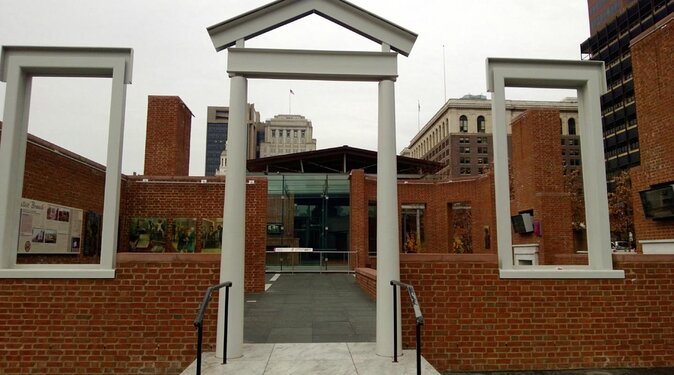
- Ona Judge’s escape from George Washington adds a difficult, human story to the President’s House site.
- The route connects women’s history with LGBTQ history, including leaders associated with Philadelphia’s Gayborhood.
- Pennsylvania Hospital brings early women doctors into the picture, though admission to the hospital is not included.
- The walk ends near 13th and Locust, a useful spot for lunch or a drink after the tour.
- The strongest feature is the guide-led storytelling, with Joey, Rebecca, Zoe, and Shawn all praised for warmth, humor, and clear explanations.
Why This Philadelphia Tour Feels Different
Most first visits to Philadelphia center on the Revolution, the Constitution, and a short list of famous men. Those subjects matter, but they can leave you with a narrow picture of the city. This tour changes the angle without abandoning the major sights.
You still see Independence Hall, the Liberty Bell area, the President’s House site, Pennsylvania Hospital, Camac Street, and the Gayborhood. The difference is the question being asked at each place: Who else shaped Philadelphia, and why did their stories disappear from the usual telling?
I like that approach because the tour is not simply a march through a list of famous women. It uses familiar places to show how power, freedom, work, art, medicine, and identity have been argued over in Philadelphia for centuries.
The title is playful, but the subject is serious. The women discussed include a founder, an enslaved woman seeking freedom, early women doctors, LGBTQ leaders, and women artists. That range gives the walk a broad reach without requiring you to spend half a day in a museum.
More History Walking Tours in the USA
- Philadelphia Old City Historic Walking Tour with 10+ Top Sites
★ 5.0 · 2,020 reviews - Philadelphia: History, Highlights & Revolution Walking Tour
★ 4.9 · 317 reviews - Philadelphia: Revolutionary Walk Through Historic Old City
★ 4.8 · 208 reviews
Independence Hall and Hannah Callowhill Penn
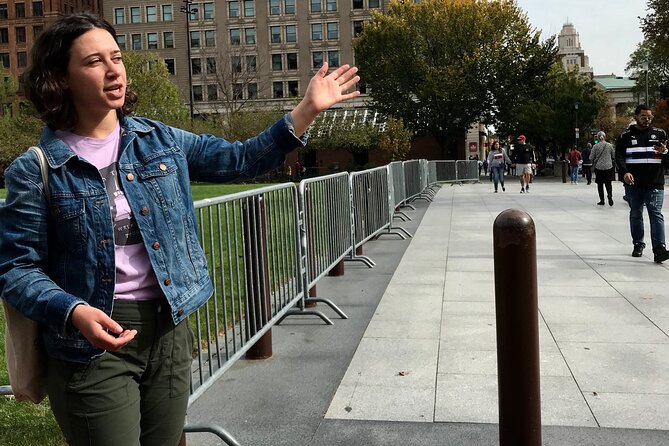
The tour begins at 599 Market Street at 11 a.m. From there, the group heads toward Independence Hall, where the first featured figure is Hannah Callowhill Penn.
You may know William Penn as the founder connected with Pennsylvania. Hannah Callowhill Penn, his wife, is less familiar, yet she played a major role in managing the colony after his health declined. The tour uses her story to question the simple version of Philadelphia’s founding story.
The stop itself is short, listed at about five minutes, and admission to the outdoor stop is free. That means you should not expect a long tour of Independence Hall interiors. Instead, the value comes from hearing how a woman helped guide colonial affairs while history later gave most of the credit to her husband.
The setting is useful. You are not hearing a detached lecture in a classroom. You are standing beside one of Philadelphia’s most important civic sites while the guide adds a missing layer to what you see.
There is also an opportunity to take a picture with the Liberty Bell. It is a brief photo moment rather than a separate long visit, so keep your expectations in check. If seeing the bell inside its exhibit is a top priority, you may want to allow extra time before or after the tour.
The President’s House and Ona Judge’s Escape
The next major stop is the President’s House site, where the tour tells the story of Ona Judge and her escape from George Washington.
This is one of the most powerful parts of the walk because it complicates the familiar image of Washington and the early presidency. Ona Judge was enslaved by the Washington family and escaped while Washington was president. Her story raises direct questions about liberty, political ideals, and the people denied the freedom being celebrated around them.
The stop lasts about 15 minutes and is free. That is enough time for a focused explanation, questions, and some discussion of the site’s meaning. The guide’s job here is especially important. A dry list of dates would miss the point. The value lies in connecting Judge’s choices to the larger promises and failures of the new nation.
I also like that the tour does not treat women’s history as a separate subject from American history. Ona Judge’s story belongs in the story of the presidency, Philadelphia, slavery, and freedom. You leave this stop with a more honest understanding of what the word liberty meant in the city during the founding era.
Pennsylvania Hospital and the First Women Doctors
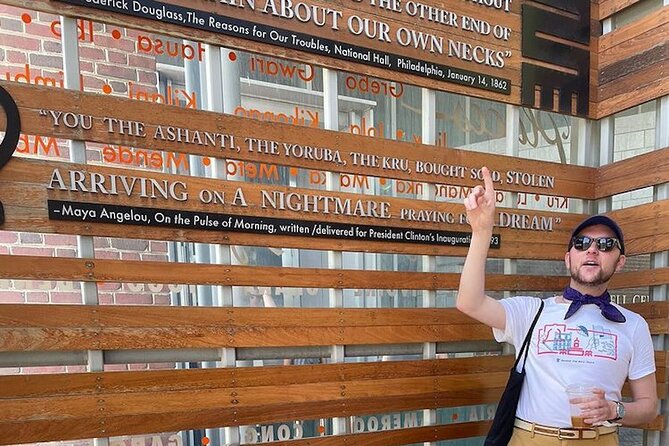
Pennsylvania Hospital adds a different kind of story. Founded in 1751, it is recognized as America’s first hospital. The stop lasts about 20 minutes and focuses on the first women doctors connected with medical practice and training.
This part gives the tour a needed change of pace. The early stops focus on political power and freedom. Here, you hear about women working in a profession that long excluded them or treated their role as secondary.
Admission to Pennsylvania Hospital is not included, so the tour should be understood as an exterior visit and guided discussion rather than a guaranteed indoor hospital tour. If you want to explore the hospital beyond what the walk provides, plan for that separately.
For me, this stop is valuable because it shows that women’s progress was not limited to formal politics. Medicine required training, persistence, and public credibility. The discussion also helps you notice how institutions can carry several stories at once: the history of medical care, the history of Philadelphia, and the fight for women’s professional rights.
More History Walking Tours in Philadelphia:
- Philadelphia Historical Independence Walking Tour
★ 4.5 · 164 reviews - Walking Tour of Historic Philadelphia
★ 5.0 · 99 reviews - The Black Journey: An African-American History Walking Tour of Philadelphia
★ 5.0 · 76 reviews - Beyond the [Liberty] Bell History Walking Tour
★ 5.0 · 73 reviews
The Gayborhood and Philadelphia’s LGBTQ Leaders
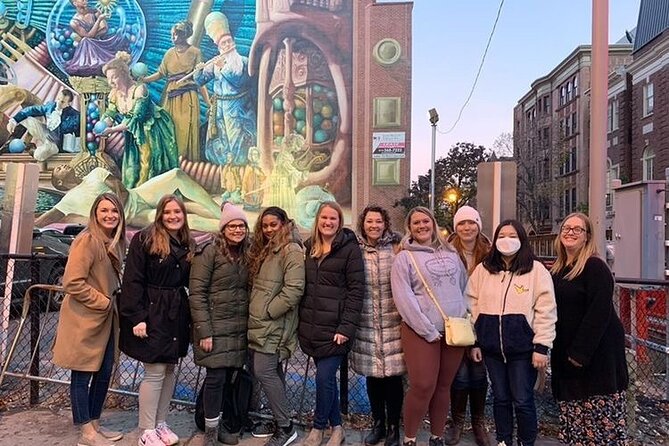
The route then moves into Philadelphia’s Gayborhood for about 20 minutes. This is the longest stop listed, which makes sense because the subject covers a wider range of people and movements.
Here, the guide discusses LGBTQ leaders connected with Philadelphia. The stop adds a modern and inclusive layer to the tour, showing that women’s history is not only about the colonial period or the early republic. It also includes the long fight for visibility, rights, safety, and public space.
The Gayborhood itself gives this section a strong setting. You are walking through a living part of the city rather than looking at history behind glass. That helps connect the people discussed with Philadelphia as it exists today.
This is also where a good guide can make the difference between a list of names and a story with meaning. Joey has been praised for making the walk feel like a conversation, while Rebecca has been described as warm, engaging, and willing to follow useful questions. Those qualities matter most in a subject that benefits from discussion rather than a rushed speech.
Camac Street and the Philadelphia Sketch Club
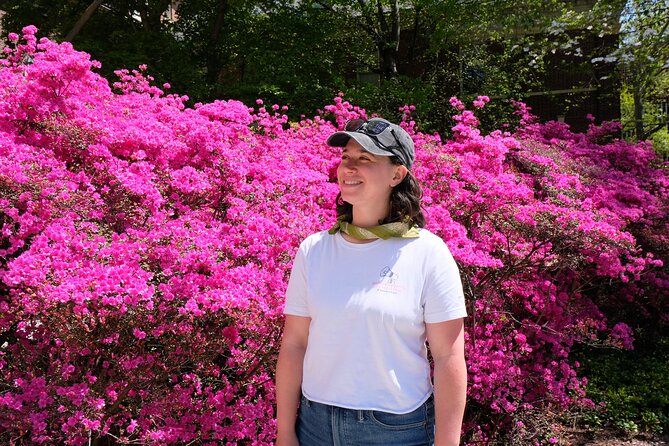
Near Camac Street, the tour turns toward women artists and the Philadelphia Sketch Club. This is a short stop of about five minutes, but it adds a welcome look at creative work and community.
You hear about the women’s artist club where women built skills, worked together, and took part in workshops. That detail matters because art careers rarely grow from talent alone. Training, contacts, shared work space, and a supportive community can be just as important.
Camac Street also gives you a change in atmosphere after the civic and political sites earlier in the walk. The tour shows how women made room for themselves in fields where formal institutions did not always welcome them.
Because the stop is brief, you should think of it as an introduction rather than a full art tour. If women’s art is your main interest, this section may leave you wanting to learn more. That is not necessarily a flaw. A good walking tour can open a door without trying to be an entire museum program.
The Walk, Pace, and Group Size
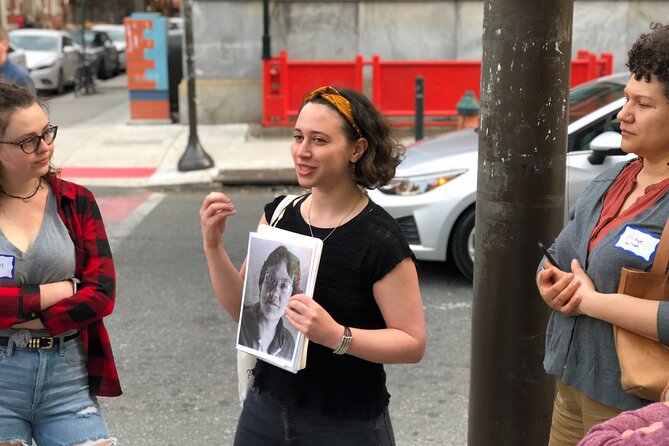
The full experience lasts about one hour and 45 minutes. The route covers mostly flat terrain, which makes it manageable for many people. Old cobblestones can be rough, though, so wear shoes with good support and take care on uneven sections.
The route moves through central Philadelphia streets, with several stops for commentary. One guide has made a point of offering breaks for coffee, sitting in the sun, or simply pausing to talk. That flexible attitude is useful, especially for families or anyone who prefers a relaxed pace.
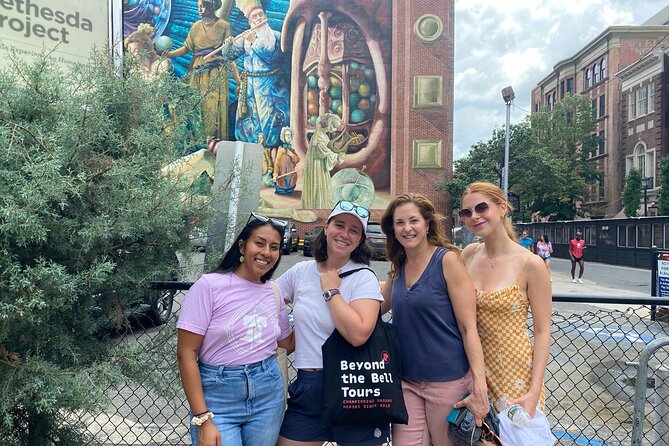
The maximum group size is 30. That is not an intimate private tour, but it is small enough to allow questions when the guide manages the group well. Several guides, including Joey, Rebecca, Zoe, and Shawn, have been praised for making the experience feel personal, witty, and conversational.
Families can consider this tour, too. A toddler has taken part successfully, with the guide showing patience when the child needed attention. Still, remember that the tour is nearly two hours and includes walking over old streets. Older children who enjoy stories will likely get more from it than very young children.
The tour is offered in English. Service animals are allowed, and the route is near public transportation. Most people can take part, but the cobblestones and standing time are worth considering before you book.
Is $59 a Fair Price?
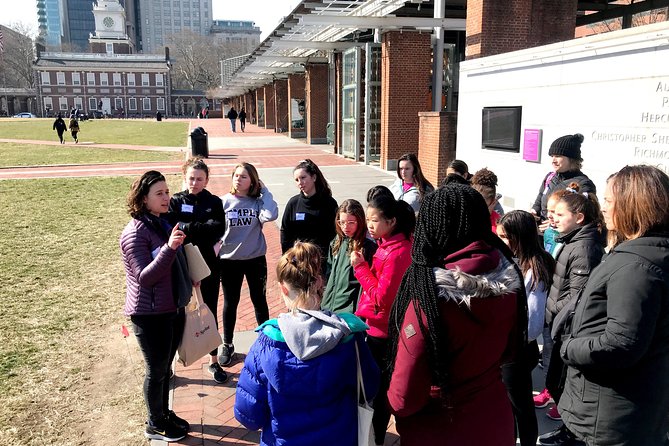
At $59 per person, you are paying for interpretation more than admission tickets. Most stops are free, and Pennsylvania Hospital admission is not included. You are also not buying a long list of interior visits.
The value comes from the research, structure, and storytelling. You could walk past Independence Hall, the President’s House site, Pennsylvania Hospital, and the Gayborhood on your own. What would be harder is knowing which women to look for, understanding why their stories matter, and linking those stories across several periods of Philadelphia history.
That makes the price easier to justify for a first-time visitor who wants more than photographs. It also works for Philadelphia residents. One longtime local joined the tour and found that many of the women discussed were new to her, which is a good sign that the route offers more than the standard Old City circuit.
I would be less likely to book it if your main goal is entering historic buildings or seeing as many attractions as possible in a short time. This is a story-focused walk. You are paying for a different point of view, not a ticket bundle.
Who Will Enjoy This Walk Most?
I would recommend the tour to:
- Visitors who have already seen the Liberty Bell and want a fresh angle on Philadelphia.
- Residents who think they know the city’s basic founding stories.
- Solo visitors who enjoy asking questions and talking with a guide.
- Families with older children interested in people, justice, and civic life.
- Anyone looking for LGBTQ history, women’s history, or overlooked local figures.
- People who prefer a thoughtful walking tour to a large bus excursion.
It may be less suitable for anyone who wants a highly detailed architectural tour, a museum-heavy experience, or a very fast route. The walk is not built around entering every building. It is built around listening, noticing, and reconsidering familiar places.
Practical Tips for a Better Experience
Meet at 599 Market Street and plan to arrive a little early for the 11 a.m. start. The tour ends at 1300 Locust Street, near 13th and Locust by Bud and Marilyn’s, so you finish in a useful area for food or further sightseeing.
Wear comfortable shoes. The terrain is generally flat, but the old cobblestones can be uncomfortable if you are not prepared. Since the tour requires good weather, check the forecast before setting out.
Keep your schedule flexible after the walk. You may want time to return to the Liberty Bell, visit another nearby site, or continue exploring the Gayborhood and central Philadelphia.
Free cancellation is available up to 24 hours before the start time. If poor weather cancels the tour, you can receive a different date or a full refund. The same applies if the minimum number of participants is not met.
Should You Book the Badass Women’s History Walking Tour?
Book it if you want Philadelphia’s famous places to tell a wider story. The tour brings Hannah Callowhill Penn, Ona Judge, early women doctors, LGBTQ leaders, and women artists into a connected account of the city.
The strongest reason to go is the guide-led conversation. Joey, Rebecca, Zoe, and Shawn have each been praised for clear explanations, humor, warmth, and the ability to respond to questions. The 5.0 rating from 97 reviews and a 100 percent recommendation rate support that impression, though the real value will still depend on your guide and your interest in the subject.
Skip it if you want mostly indoor admissions or a quick checklist of Philadelphia sights. Choose it if you want to slow down, hear overlooked stories, and leave with a more complete picture of who shaped the city.
FAQ
How long is the Badass Women’s History Walking Tour?
The tour lasts approximately 1 hour and 45 minutes.
Where does the tour begin?
It begins at 599 Market Street, Philadelphia, Pennsylvania 19106.
Where does the tour end?
It ends at 1300 Locust Street, near 13th and Locust by Bud and Marilyn’s.
What time does the tour start?
The scheduled start time is 11 a.m.
What language is the tour offered in?
The tour is offered in English.
Is admission to Pennsylvania Hospital included?
No. Admission to Pennsylvania Hospital is not included.
What happens if the weather is poor?
If the tour is canceled because of poor weather, you will be offered a different date or a full refund.
Just added around Philadelphia
- Historic Sites of Philadelphia Self-Guided Walking Audio Tour★ 4.5 · 24 reviews
- The Black Journey: An African-American History Walking Tour of Philadelphia★ 5.0 · 76 reviews
- Walking Tour of Historic Philadelphia★ 5.0 · 99 reviews
- Philadelphia Old City History Pub Crawl Small-Group Tour★ 5.0 · 294 reviews
- One Hour Tour Of Philadelphia Historical Sites In A Vintage Car★ 4.5 · 52 reviews
- Philly Gayborhood and LGBTQ History Walking Tour★ 5.0 · 36 reviews
- Independence Mall (Entrance to 2 Historic Sites) 2.5 Hour Walking★ 5.0 · 21 reviews
- Beyond the [Liberty] Bell History Walking Tour★ 5.0 · 73 reviews
History Walking Tours, compared.
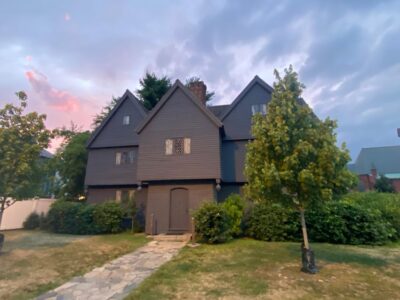
History and Hauntings of Salem Guided Walking Tour
Read our review →
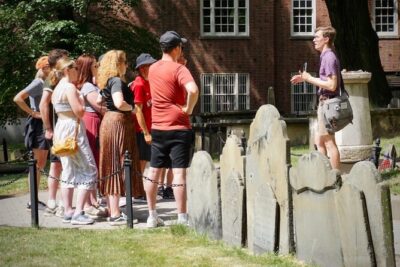
Freedom Trail History Small Group Walking Tour
Read our review →
Historic Charleston Guided Sightseeing Walking Tour
Read our review →
Tapas Walking Tour with Food, Wine, and History
Read our review →
Savannah History and Haunts Candlelit Ghost Walking Tour
Read our review →
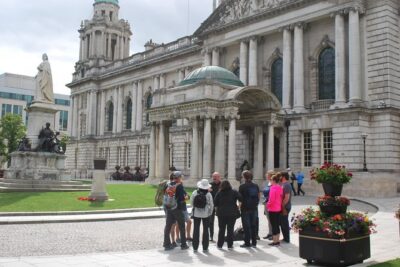
A History of Terror – Belfast City Centre Walking Tour
Read our review →Browse the lists this tour appears in