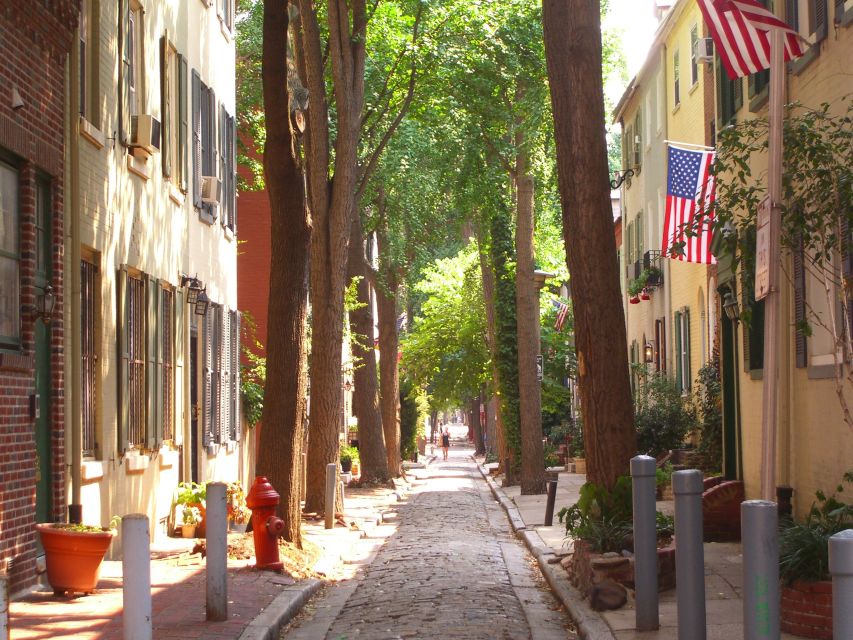
Review · PENNSYLVANIA
Philadelphia: Revolutionary Walk Through Historic Old City
History comes alive on Philadelphia’s brick sidewalks. This 90-minute walk gives you two big wins: a fast introduction to Old City’s major landmarks and a guide who makes political debates, famous citizens, and colonial life easy to follow. I especially like the mix of familiar sights and smaller details, from Benjamin Franklin’s post office to Elfreth’s Alley.
I also like the teaching style. Guides such as Seamus, Jay, and Greg have been praised for combining solid historical facts with jokes and stories, a useful approach when you’re touring with children or teenagers. The main drawback is simple: the tour is mostly outdoors, and admission to Independence Hall or other paid sites is not included.
Key points to know before you book
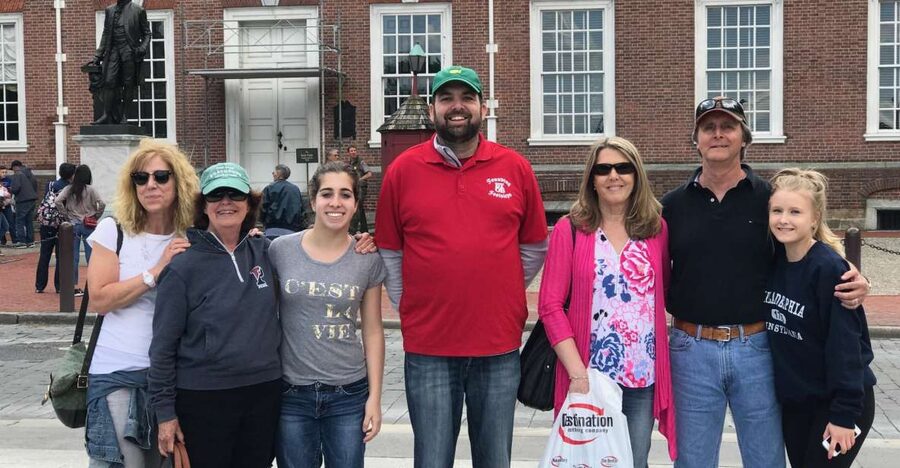
- Betsy Ross House begins the route: The walk starts beside one of Philadelphia’s best-known flag-making stories.
- Independence Hall and the Liberty Bell are central stops: You see the places tied to the Declaration of Independence and the Constitution.
- Elfreth’s Alley adds atmosphere: This narrow historic street gives the walk a more intimate feel than the grand civic buildings.
- The guides are the main attraction: Former teacher and stand-up comedian style makes the history clear, light, and memorable.
- You cover a lot in 90 minutes: That is useful for a first visit, though the pace can feel quick.
- Bring comfortable shoes: You will be walking outdoors through Philadelphia’s Old City district.
Why this short Old City walk works so well
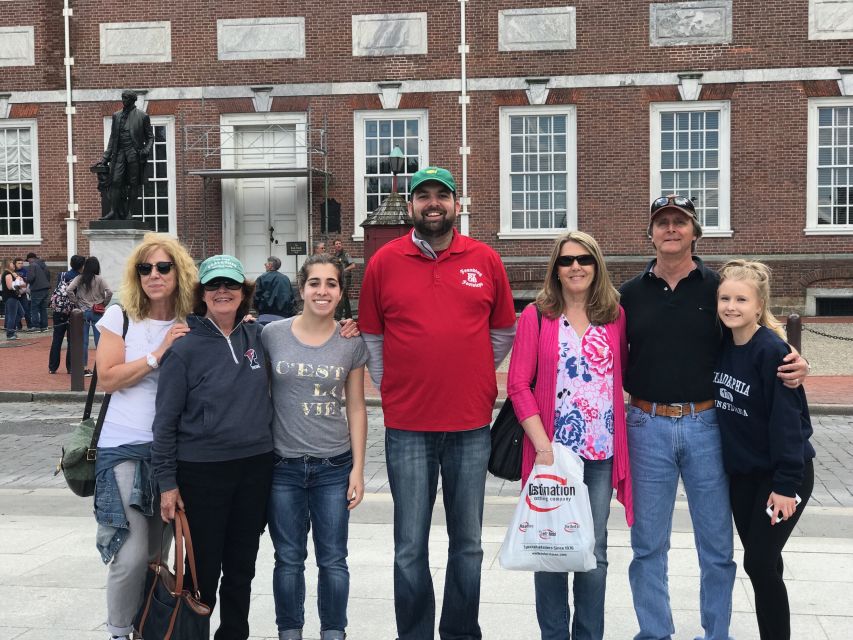
Philadelphia’s historic center is compact, but its story is not. In a few blocks, you move from private homes and narrow lanes to the grand buildings where the new United States took shape.
That makes this tour a useful first activity. You get your bearings, learn who Benjamin Franklin was beyond the familiar portrait, and see where several key events happened. Afterward, you can return to the places that deserve more time.
The guide-led format also saves you from reading a plaque at every corner. A good guide can explain why a building matters, connect one stop to the next, and point out details you might miss on your own. The strongest guides on this route, including Seamus and Jay, are praised for doing exactly that.
This is not a solemn lecture. The tone is friendly, funny, and conversational. Jay has been described as combining the skills of a history teacher and a stand-up comedian. Seamus is often praised for his personal manner, clear explanations, and ability to keep both adults and young people involved.
That style matters in Philadelphia. The basic facts are familiar, but the city becomes more interesting when you understand the arguments, personalities, and daily lives behind them.
More History Walking Tours in the USA
- History and Hauntings of Salem Guided Walking Tour
★ 5.0 · 14,564 reviews - Boston: Freedom Trail History Small Group Walking Tour
★ 5.0 · 6,450 reviews - Historic Charleston Guided Sightseeing Walking Tour
★ 5.0 · 6,216 reviews
Starting at the Betsy Ross House
The meeting point is at the Betsy Ross House, a fitting place to begin a story about the American Revolution and the symbols that followed it.
The familiar account says Betsy Ross created the first United States flag here. The site is closely tied to that story, though the larger historical picture is more complicated than the simple version often taught in school. A good guide can help you understand both the legend and the way Philadelphia’s patriotic stories developed.
You should expect to learn about the people behind the revolution, not only the famous names. Benjamin Franklin receives particular attention, and that is one of the tour’s strongest subjects. Franklin was a printer, writer, inventor, civic leader, diplomat, and political thinker. His connection to Philadelphia gives the walk a natural thread.
The house itself is a paid attraction, so admission is not included. The tour may use the exterior and surrounding area as a starting point rather than taking you through every interior room. If you want to see inside, check the house’s opening times and plan a separate visit.
Independence Hall and the making of a country
Independence Hall is the emotional center of this walk. Inside its rooms, delegates debated and adopted the Declaration of Independence and the United States Constitution.
The building can look almost modest from the outside. That is part of its power. You are not looking at a palace. You are looking at a practical civic building where arguments over government, liberty, representation, and power shaped the country.
Your guide explains the meaning of the site without requiring you to know every political figure in advance. You hear about the founding generation and the pressure surrounding the decisions made here. The stop also gives context to the surrounding area, where so many national symbols are packed into a small part of the city.
Independence Hall tickets are not included. This point matters because the tour and an interior visit are two different experiences. The walk helps you understand the setting and the major events. A separate timed visit lets you see the interior rooms, subject to ticket availability and the site’s own rules.
Several people who enjoyed the tour still wished they had more time at individual places. That is the tradeoff. You get a broad view in 90 minutes, but you should not expect a full museum visit at every stop.
The Liberty Bell and the weight of a symbol
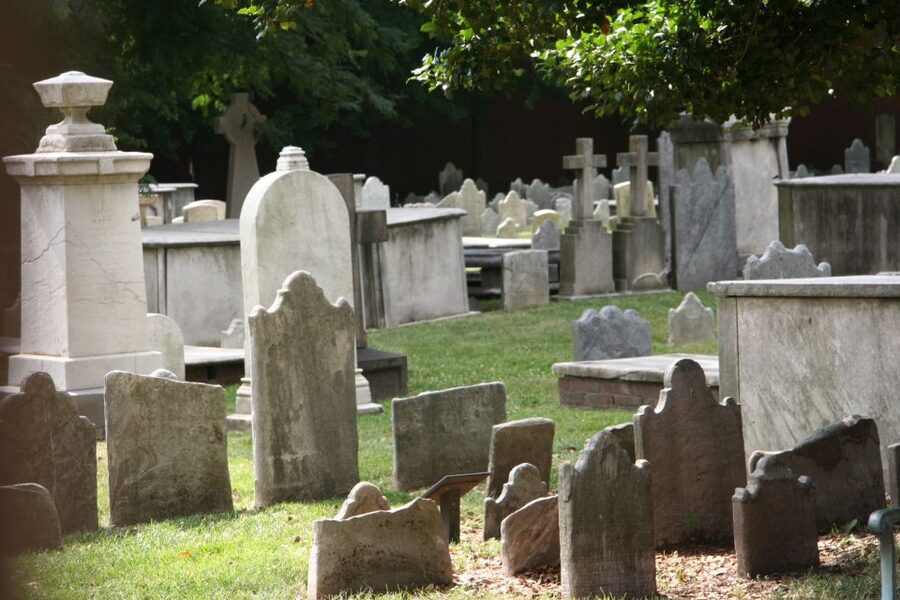
The Liberty Bell is one of the easiest Philadelphia sights to recognize, but its story deserves more than a quick photograph.
Your guide places the bell within the larger story of American independence. It became a powerful symbol long after it was cast, and its meaning has changed over time. The famous crack, the inscription, and its association with liberty all add to the stop.
The bell is usually experienced from its public viewing area rather than as part of a paid interior tour. This makes it a convenient stop on a walking route, but you should allow extra time if you want a closer look or a separate visit.
The Liberty Bell also works well for families. Children recognize it, and the guide can use that recognition to open a broader conversation about symbols, independence, and the way national stories are remembered.
More Old Town and Historic Centre Walks in the USA
- Philadelphia Old City Historic Walking Tour with 10+ Top Sites
★ 5.0 · 2,020 reviews - Asheville Historic Downtown Guided Electric Bike Tour with Scenic Views
★ 5.0 · 1,234 reviews - Walking History Tour of St. Augustine’s Historic District
★ 5.0 · 1,152 reviews - Creepy Crawl Night-Time Haunted Pub Walking Tour of Savannah’s Historic District
★ 4.5 · 802 reviews
Elfreth’s Alley brings the past down to street level
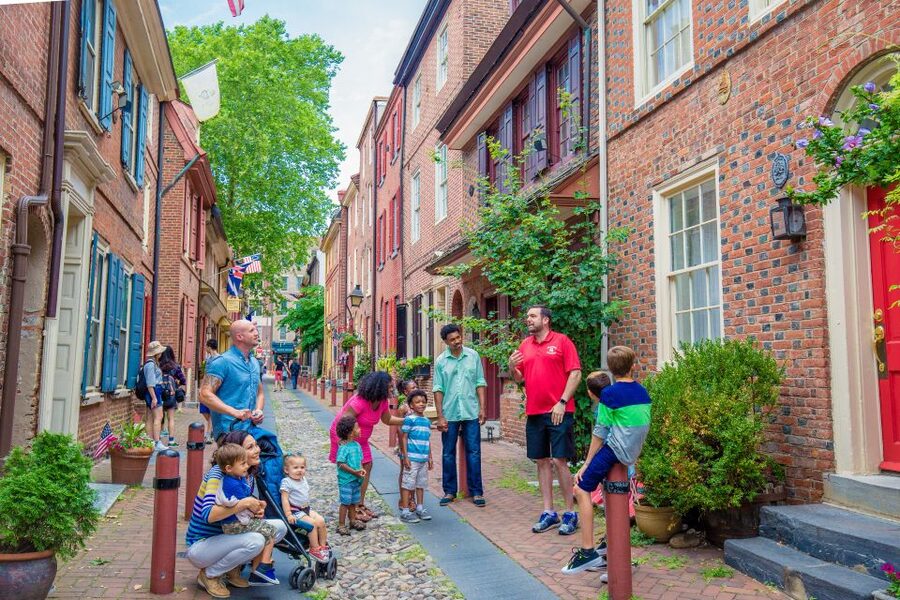
Elfreth’s Alley is one of the most appealing parts of the route. Compared with the formal setting around Independence Hall, this narrow residential street feels personal and immediate.
The row of historic homes helps you picture ordinary city life. You are looking at doorways, windows, and a street built for people who lived and worked in early Philadelphia. It is easier to imagine daily routines here than in a grand government room.
This is also where the tour gains visual variety. The route is not only about speeches and documents. It includes architecture and the shape of the old city itself.
Elfreth’s Alley is a favorite stop for good reason, but the visit is brief. If you want to explore the museum or go inside one of the historic houses, that requires separate admission and additional time. The walk gives you the setting and the story, not a full house tour.
Franklin’s post office and the city’s working history
The B. Free Franklin Post Office is a small but memorable stop. Its name points to Franklin’s role in Philadelphia’s communications, printing, and civic life.
This location helps balance the better-known revolutionary landmarks. Independence Hall tells the story of national government. Franklin’s post office points to the practical systems that allowed a growing city to share news, conduct business, and build public life.
It is also a good example of why a guide helps. You might pass the building without realizing its connection to Franklin or understanding why it belongs in a revolution-focused walk.
The route does not treat Franklin only as a portrait on a hundred-dollar bill. It presents him as a working Philadelphian with many interests and a strong effect on the city. That human scale is one of the tour’s better features.
Christ Church and Carpenter’s Hall
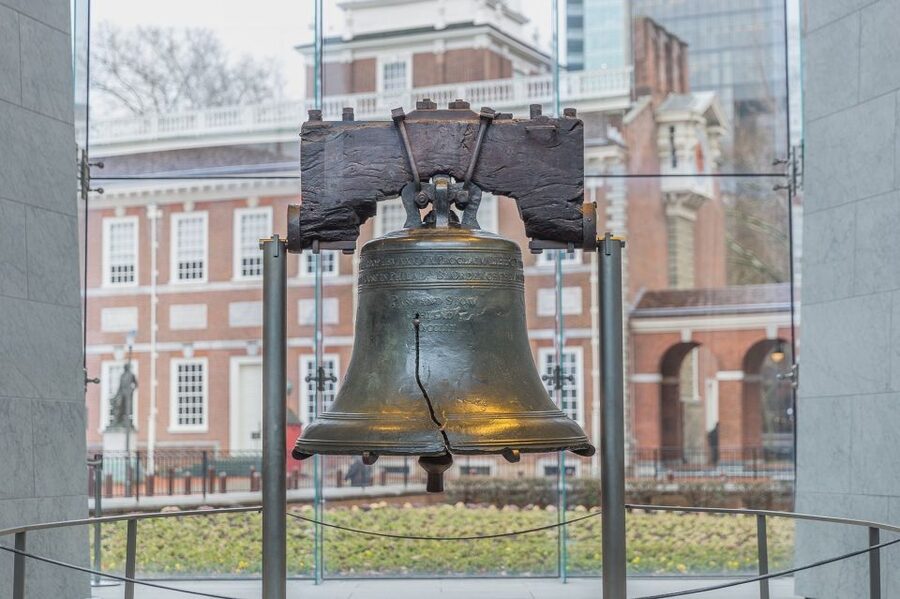
Christ Church adds a religious and social layer to the story. The building is connected to many important figures from Philadelphia’s early political life, and it helps show that the city’s revolutionary story did not take place in government buildings alone.
Carpenter’s Hall carries a different kind of importance. It hosted the First Continental Congress in 1774, before the Declaration of Independence and the Constitution. This stop helps you understand the sequence of events rather than treating the revolution as one sudden moment.
You see how protest, debate, organization, and political cooperation developed over time. Those links are useful because the major sights can otherwise feel like separate photo stops.
Again, the main experience is outside. If you want interior access, you will need to check admission details and opening times separately. The tour price covers the live guide, not entry to attractions.
The guides make the difference
The activity is sold as a history walk, but the guide determines how much you get from it.
Seamus has led many of the strongest experiences described here. He is praised for being welcoming, funny, clear, and able to answer questions. One family found the walk especially effective for a 16-year-old, while another said a nine-year-old stayed engaged during heavy rain.
Jay has a strong reputation as an entertaining teacher. His presentations include historical facts, architecture, political ideas, and the spiritual side of early Philadelphia. Greg is praised for fitting key facts and funny stories into the short format.
The guides are not always the same, so you should not book expecting a particular person unless the booking information confirms it. Still, the consistent pattern is encouraging: the experience depends on lively explanation rather than a dry script.
One practical point came up more than once: crowded streets can make it hard to hear. A portable microphone might help, but none is listed as included. Stay close to the guide, especially near traffic and busy public areas.
Is $35 a fair price?
At $35 per person, the tour offers reasonable value if you want a guided introduction rather than a self-guided walk.
You are paying for 90 minutes with a live English-speaking guide, not for admission to historic interiors. The value comes from the route, the historical connections, and the guide’s ability to make the material stick.
I would compare the price with what you want from the day. If you plan to visit Independence Hall, the Liberty Bell, the Betsy Ross House, Elfreth’s Alley, Christ Church, the post office, and Carpenter’s Hall anyway, the walk can organize those sights into a useful story.
If you want long visits inside buildings, it is less of a bargain because you will pay separately and need extra time. The best plan is to use the walk as an overview, then choose one or two sites for a slower visit afterward.
The 90-minute length is another value point. You see a lot without giving up an entire morning or afternoon. Several people found it surprising how much ground the guide covered in that time. The downside is a brisk pace, especially if you stop often for photographs or have young children who need breaks.
Who should book this Philadelphia tour?
I would recommend it to first-time visitors, families, short-stay visitors, and anyone who wants the main Old City story explained in plain language.
It suits teenagers particularly well because the guides use humor and stories instead of relying only on dates. It can also work for older visitors, though you should wear comfortable shoes and be ready to walk outdoors. One guide made a point of offering sitting opportunities, but seating cannot be assumed at every stop.
This is also a smart first activity after arriving in Philadelphia. It gives you a useful map of the historic center and helps you decide where to spend more time later.
You may want something else if you prefer quiet museum time, detailed architectural study, or long interior visits. The walk is broad rather than slow. It introduces many places, then leaves you to explore the ones that catch your interest.
The tour operates in English. Bring comfortable shoes, and consider weather protection because the experience takes place outside. The booking terms allow free cancellation up to 24 hours before the start, and you can reserve now and pay later, which helps if your schedule is still moving.
My verdict on the Revolutionary Walk
I like this tour because it treats Philadelphia as a real city, not just a collection of famous buildings. You get national landmarks, narrow residential streets, Franklin’s working world, religious history, and the political story tying it all together.
The best feature is the guide-led storytelling. Seamus, Jay, and Greg are praised for making the history funny, clear, and easy to remember. The biggest limitation is that most stops are viewed from outside, while admission to Independence Hall and other sites costs extra.
Book it if you want a lively orientation to Old City and value a strong guide over extended time inside one attraction. Skip it if you already know Philadelphia well or want a slow, admission-heavy tour. For a first visit, $35 is a fair price for a focused introduction that leaves you better prepared to explore the city on your own.
FAQ
How long does the Philadelphia Revolutionary Walk last?
The walking tour lasts 90 minutes.
How much does the tour cost?
The listed price is $35 per person.
Where does the tour begin?
The walk begins at the Betsy Ross House in Philadelphia’s Old City district.
What language is the tour offered in?
The live tour is offered in English.
Is a live guide included?
Yes. A live English-speaking guide is included.
Are Independence Hall tickets included?
No. Independence Hall tickets are not included in the tour price.
Are admissions to the other historic sites included?
No. Paid admission to additional sites and attractions is not included.
Does the walk visit Independence Hall and the Liberty Bell?
Yes. The route includes Independence Hall and the Liberty Bell, along with the Betsy Ross House, Elfreth’s Alley, Christ Church, the B. Free Franklin Post Office, and Carpenter’s Hall.
What should I bring?
Bring comfortable shoes for walking through Old City.
Can I cancel for a refund?
Yes. You can cancel up to 24 hours in advance for a full refund.
Can I reserve now and pay later?
Yes. The booking option allows you to reserve your place and pay later.
Just added around the USA
- Raleigh Downtown: Historic Walking Tours★ 4.9 · 17 reviews
- Portland, Maine: 2-Hour Guided History Tour★ 4.9 · 127 reviews
- Portland: Walking Food Tour – Warm Donuts & History★ 4.7 · 27 reviews
- Pittsburgh: Evening Ghost & History Downtown Walking Tour★ 4.5 · 71 reviews
- Pittsburgh: Best of the Burgh History and Architecture Tour★ 4.8 · 115 reviews
- Plymouth: Plimoth Patuxet Museums – 3 tickets available★ 4.5 · 165 reviews
- Philadelphia: History, Highlights & Revolution Walking Tour★ 4.9 · 317 reviews
- Philadelphia: Guided Walking Tour of Historic District!★ 5.0 · 42 reviews
Old Town & Historic Centre Walks, compared.

Live Fado Show with Port Wine in Historic Center
Read our review →
Valencia Old Town Tour with Wine & Tapas in 11th Century Historic Monument
Read our review →
Prague Old Town, Medieval Underground and Dungeon Historical Tour
Read our review →
Historic Center and Getsemaní Shared Walking Tour
Read our review →
Old Town Walking Tour History and Tales in Edinburgh
Read our review →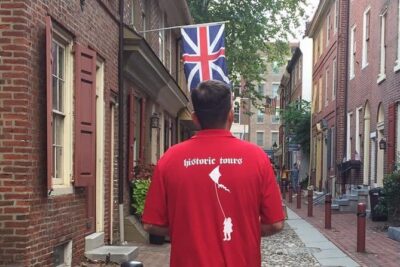
Philadelphia Old City Historic Walking Tour with 10+ Top Sites
Read our review →