

Review · ST AUGUSTINE
Walking History Tour of St. Augustine’s Historic District
St. Augustine rewards slow walking. This $25 walking tour links the city’s Spanish, American, and Gilded Age stories in about 1.7 to nearly two miles, from the Castillo de San Marcos to Flagler College and Tolomato Cemetery. I like the broad time span, and I like the small group limit of 15, which leaves room for questions. The main caution is timing: although scheduled for 90 minutes, guide Kevin Rose often runs two hours or more.
This is a good first look at the historic district, especially if you want more than a quick colonial summary. You’ll walk on city streets, stop outside major buildings, and hear stories about the people and decisions that shaped St. Augustine. Bring water, wear comfortable shoes, and keep your afternoon open.
Key points to know before you book
- A 90-minute tour that often runs longer: Plan on two hours or more if Kevin is leading your group.
- Seven carefully chosen stops: The route connects Tolomato Cemetery, Flagler College, the plaza, city gate, and Castillo de San Marcos.
- History beyond the Spanish period: You’ll cover the founding era, later American rule, and Henry Flagler’s Gilded Age makeover.
- A strong guide-led experience: Kevin Rose is praised for humor, clear storytelling, local knowledge, and welcoming questions.
- An easy but substantial walk: Expect roughly 1.7 miles to nearly two miles, with a moderate fitness level needed.
- Good value at $25: Admission to the sights is not included, but the tour gives you useful context before you explore them on your own.
Why this walking tour works for St. Augustine
St. Augustine can be tricky to read at street level. A stone fort, an ornate church, a grand hotel, and a quiet cemetery may sit only a few blocks apart, yet each belongs to a different chapter. This tour helps you connect those chapters instead of treating the historic district as one long photo stop.
I especially like the time range. Many city tours focus almost entirely on the Spanish occupation periods. This one begins with the city’s founding and continues through the early 1900s, including the period when Henry Flagler reshaped St. Augustine for the Gilded Age.
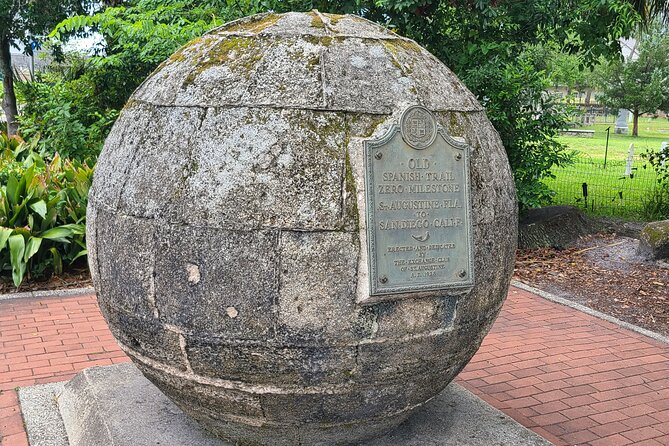
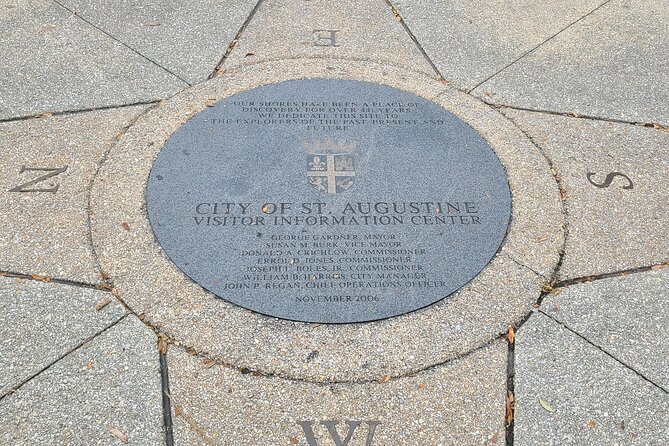
The route is also compact enough to feel manageable. You start at the St. Augustine and St. Johns County Visitor Information Center at 10 S Castillo Drive, then return there at the end. You are not spending the day on a bus or being rushed from one distant sight to another.
The tradeoff is that the tour depends heavily on the guide. The official schedule says about 90 minutes, but Kevin Rose is known to keep talking when questions and stories are flowing. That is a benefit if you enjoy history, but a problem if you have a restaurant booking, museum entry, or evening event soon afterward.
More History Walking Tours in the USA
- History and Hauntings of Salem Guided Walking Tour
★ 5.0 · 14,564 reviews - Boston: Freedom Trail History Small Group Walking Tour
★ 5.0 · 6,450 reviews - Historic Charleston Guided Sightseeing Walking Tour
★ 5.0 · 6,216 reviews
Tolomato Cemetery begins the story
The first stop is Tolomato Cemetery, described as the oldest cemetery in the city and older than the arrival of the Spanish in 1562. You spend about five minutes here, so this is an introduction rather than a full cemetery visit.
That brief stop sets the tone. St. Augustine’s past is not only about forts and governors. Cemeteries bring the story down to individual lives, deaths, beliefs, and local customs. You’ll also hear about the Love Tree, an unusual local feature offered with a playful warning to approach it at your own risk.
The cemetery is not included as an admission attraction, and the short stop means you should not expect time for a long independent look. Still, it is a smart opening because it immediately widens the story beyond the familiar Spanish colonial label.
Churches reveal the Flagler era
The route then turns to two churches tied to the period when Henry Flagler helped remake St. Augustine in the late 1800s.
At Grace United Methodist Church, you spend about five minutes hearing how one of the city’s Flagler-era churches fit into that larger renewal. The stop helps explain that Flagler’s influence was not limited to hotels and railroads. His arrival changed the city’s public face and affected the buildings around it.
Memorial Presbyterian Church receives about ten minutes, making it one of the longer stops. It is presented as one of the city’s most beautiful buildings, but the important part is the painful story connected with its creation. That human detail keeps the stop from becoming a simple architecture lesson.
These church stops are viewed from the outside, and admission is not included. If ornate buildings are a major reason you came to St. Augustine, make a note of which interiors you may want to visit later. The tour gives you context, but it does not replace a dedicated church visit.
Flagler College shows off Gilded Age St. Augustine
Flagler College occupies the former Ponce de Leon hotel, built to represent luxury during the Gilded Age. The tour spends about five minutes here, enough to explain why the building mattered and how it changed the city’s image.
This is one of the most useful parts of the tour for anyone who thinks St. Augustine is only a Spanish colonial town. The city’s later identity was shaped by grand hotels, wealthy winter visitors, ambitious development, and Flagler’s plans for Florida tourism.
You should keep your expectations clear. The stop is part of an outdoor walking route, and admission is not included. If you want to see the former hotel in greater detail, you may need to arrange a separate visit. The tour’s job is to place Flagler College in the story, not to provide a full interior tour.
That short explanation can make the rest of your visit easier. Once you understand the Flagler period, the city’s grand churches, hotels, and public buildings make more sense.
More Old Town and Historic Centre Walks in the USA
- Philadelphia Old City Historic Walking Tour with 10+ Top Sites
★ 5.0 · 2,020 reviews - Asheville Historic Downtown Guided Electric Bike Tour with Scenic Views
★ 5.0 · 1,234 reviews - Creepy Crawl Night-Time Haunted Pub Walking Tour of Savannah’s Historic District
★ 4.5 · 802 reviews - Savannah: Historic District Foodie Walking Tour
★ 4.8 · 613 reviews
Plaza de la Constitucion connects power and public life
The plaza gets about ten minutes, and it is one of the route’s strongest stops. Founded in 1599 by royal decree, it served as the seat of government in Florida for almost 250 years.
You’ll hear about Government House, the governors who lived and worked there, and the building’s later recreation in 1933 as part of Works Progress Administration projects. That last detail matters because it shows how St. Augustine’s past was preserved and reshaped in the 20th century.
The plaza is free to visit, so you can return later at your own pace. I would do that after the tour, especially if you want time to look around without trying to stay with the group.
This stop also gives you a useful sense of civic St. Augustine. The city was not only a military outpost or a resort project. It was a place of government, public ceremony, and long-running political change.
The Castillo gets the longest history lesson
The Castillo de San Marcos National Monument is the centerpiece of the route. The fort stop lasts about 15 minutes, and a licensed fort guide covers the history of St. Augustine’s forts, the construction of the Castillo, and its importance to the city and the nation.
The tour visits the exterior rather than taking you through the fort. Admission is not included, so plan a separate visit if you want to enter the monument, see the interior rooms, or spend more time with the fort itself.
That limitation is also useful. A full fort visit can take much longer than a quick stop, and the walking tour gives you a framework before you go inside. You’ll know why the structure mattered and why it became central to St. Augustine’s survival and identity.
The fort is also where the route’s scale becomes clear. You have walked through several periods of the city’s past, and the Castillo brings the military story into focus. It is a good place to ask questions, particularly if you want to understand how the fort relates to the earlier and later chapters of the city.
The Old City Gate closes the loop
The final listed stop is the Old City Gate, now associated with City Gate Spirits. The gate marked the traditional entrance to St. Augustine from 1762 onward.
You’ll hear how the gate was built and about the determined effort that helped save it from demolition. That is a fitting ending because it turns preservation into part of the story. The old structure is not simply an object from the past. It survived because people decided it was worth keeping.
The stop lasts about five minutes, and admission is free. From here, the route returns to the visitor information center. You finish with a better sense of how the old city was entered, defended, rebuilt, and preserved.
What makes Kevin Rose such a strong guide
The guide is the main reason this tour earns such high marks. Kevin Rose is repeatedly praised for his humor, enthusiasm, local knowledge, and ability to answer questions without making the walk feel stiff.
That last point matters. St. Augustine’s story includes dates, names, wars, buildings, political changes, and competing versions of the past. A guide who can connect those facts to memorable stories makes the information easier to retain.
Kevin also appears comfortable with an unscripted group. Questions are encouraged, and the tour can adapt to what interests you. You may hear suggestions for restaurants and other places to visit, too, which can be useful early in your stay.
The downside is his tendency to run long. Several tours have extended beyond two hours, even though the advertised duration is 90 minutes. I would treat the scheduled time as a minimum rather than a firm finish, especially if Kevin is leading and the group is asking questions.
If you prefer a tightly timed presentation with no extra discussion, this may feel loose. If you enjoy a guide who follows a good question and adds another story, the extra time is likely to feel worthwhile.
Price, walking conditions, and group size
At $25 per person, the tour offers solid value for a first orientation to St. Augustine. You get a guide, a carefully planned route, and historical context across several centuries. The price does not include admission to the cemetery, churches, Flagler College, or Castillo de San Marcos, so budget separately for any interiors you want to visit.
The group maximum is 15 people. That is small enough for a more personal feel and makes it easier to hear the guide than on a large trolley or bus tour. It also gives you a better chance to ask questions.
The walk covers roughly 1.7 miles to nearly two miles. The route is described as easy walking, but the required fitness level is moderate. Comfortable shoes are essential, and bottled water is a smart addition, especially in warm or humid weather.
The tour is offered in English and uses a mobile ticket. Service animals are allowed, and the meeting point is near public transportation. The activity returns to the starting point, which simplifies planning if you have parked or left belongings nearby.
Book ahead if your dates are fixed. This experience is often reserved around 16 days in advance, and the group limit can make popular departure times fill early.
The weather and cancellation details matter
This is an outdoor walking tour, so weather can affect the schedule. If poor weather cancels the experience, you can receive a different date or a full refund.
For your own planning, make sure the phone number and email attached to the booking are correct. Cancellation notices may be sent by email, with phone and text contact also attempted when possible. Checking your messages before leaving for St. Augustine is sensible on a rainy forecast.
You can cancel for a full refund up to 24 hours before the start time. Changes or cancellations inside that 24-hour window are not accepted for a refund, except when the operator cancels because of weather or too few bookings.
Who should book this tour
I would choose this tour for a first day in St. Augustine, especially if you want a clear outline before visiting the fort, churches, museums, and college buildings on your own.
It suits history fans, couples, families with older children, and anyone who prefers walking and conversation over a vehicle-based sightseeing loop. The broad time span is a real strength. You get the colonial period, government history, preservation, and the Flagler-era transformation in one route.
It may be less suitable if you have limited walking ability, need a firm end time, or mainly want to enter each attraction. The tour stays outside at several stops, and the guide’s habit of running long requires flexibility.
Should you book it?
Book it if you want an affordable, small-group introduction to St. Augustine that goes beyond the standard Spanish colonial story. Kevin Rose’s warm delivery, humor, and willingness to answer questions can turn a simple walk into a lively history lesson.
Leave at least two hours free, wear good shoes, and plan separate admission time for the Castillo or any building you want to enter. If that sounds like your kind of sightseeing, $25 is a fair price for a well-paced route with plenty of useful context. If your schedule is tight, choose a shorter option or treat the advertised 90 minutes as an uncertain estimate.
FAQ
How long does the walking tour last?
The scheduled duration is about 1 hour and 30 minutes. In practice, it may last two hours or longer, particularly when the guide spends extra time answering questions.
How far does the tour walk?
The route covers roughly 1.7 miles to nearly two miles through St. Augustine’s historic district. Comfortable shoes and bottled water are recommended.
Where does the tour begin and end?
It begins at the St. Augustine and St. Johns County Visitor Information Center at 10 S Castillo Drive. The activity ends back at the same meeting point.
Is admission to the attractions included?
Admission is not included for Tolomato Cemetery, Grace United Methodist Church, Memorial Presbyterian Church, Flagler College, or Castillo de San Marcos. The Plaza de la Constitucion and Old City Gate stops are listed as free.
Is the tour suitable for small groups?
Yes. The maximum group size is 15 people, which allows for questions and a more direct experience with the guide.
What happens if bad weather cancels the tour?
If the experience is canceled because of poor weather, you can choose another date or receive a full refund. For personal cancellations, you must cancel at least 24 hours before the start time for a full refund.
Just added around the USA
- Historical Bicycle Tour of Dunedin★ 5.0 · 44 reviews
- Safety Harbor Ghost Tour★ 5.0 · 60 reviews
- Tarpon Springs Ghost Tour★ 4.5 · 19 reviews
- Cincy Brunch History and Streetcar Tour with Riverside Food Tours★ 5.0 · 108 reviews
- 2.5 Hour Kayaking with Manatee and History Tour in Tarpon Springs★ 5.0 · 24 reviews
- Chicago River Architecture Tour Aboard a Historic Yacht★ 5.0 · 45 reviews
- Walkin’ with Colin: Chicago History-Mystery-Comedy-Tragedy Tour★ 5.0 · 218 reviews
- Historic Homes and Cottages of Wicker Park Walking Tour★ 5.0 · 44 reviews
Old Town & Historic Centre Walks, compared.

Live Fado Show with Port Wine in Historic Center
Read our review →
Valencia Old Town Tour with Wine & Tapas in 11th Century Historic Monument
Read our review →
Prague Old Town, Medieval Underground and Dungeon Historical Tour
Read our review →
Historic Center and Getsemaní Shared Walking Tour
Read our review →
Old Town Walking Tour History and Tales in Edinburgh
Read our review →
Philadelphia Old City Historic Walking Tour with 10+ Top Sites
Read our review →
Saadian Tombs & Bahia Palace, Medina Guided Tour
Read our review →Browse the lists this tour appears in