

Review · CHICAGO
Walkin’ with Colin: Chicago History-Mystery-Comedy-Tragedy Tour
Chicago’s best stories hide in plain sight. Walkin’ with Colin turns a short downtown walk into a lively mix of architecture, art, theater, department-store history, comedy, and a few darker tales. I like the variety: one minute you’re studying Chagall’s brilliant mosaic, and the next you’re standing beneath a Tiffany dome or facing Picasso’s giant outdoor sculpture. I also like the small group limit of 10, which gives Colin room to answer questions and adjust the pace.
The main consideration is that this is an active two-hour route, covering about two miles with stairs, elevators, escalators, indoor passages, and outdoor sidewalks. Weather can affect the experience, and one account noted that a slower member of the group was briefly left behind at crossings. Keep the group together, wear sensible shoes, and tell Colin if you need a slower pace.
Key points at a glance
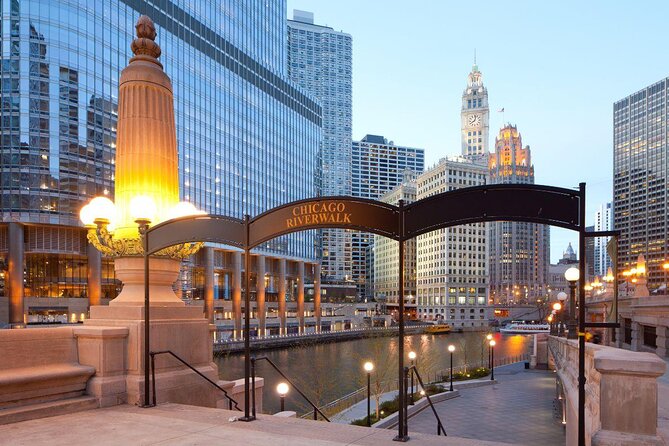
- Eight downtown stops in two hours: Chagall, Picasso, Calder, historic skyscrapers, the Chicago Theatre, Macy’s, and the Cultural Center.
- Colin’s storytelling is the main attraction: Expect humor, art context, local history, photographs, and supporting video or images.
- The route includes interiors many people walk past: The Marquette Building, Rookery Building, Macy’s, and Cultural Center are especially worthwhile.
- You get both famous sights and lesser-seen details: This is not only an architecture checklist. It connects art, commerce, entertainment, and city politics.
- The walk ends indoors at the Chicago Cultural Center: A useful finish in cold, windy, or wet weather.
- Plan for changing conditions: Morning and afternoon departures are available, but the tour requires good weather and may shift indoors when possible.
What kind of Chicago tour is this?
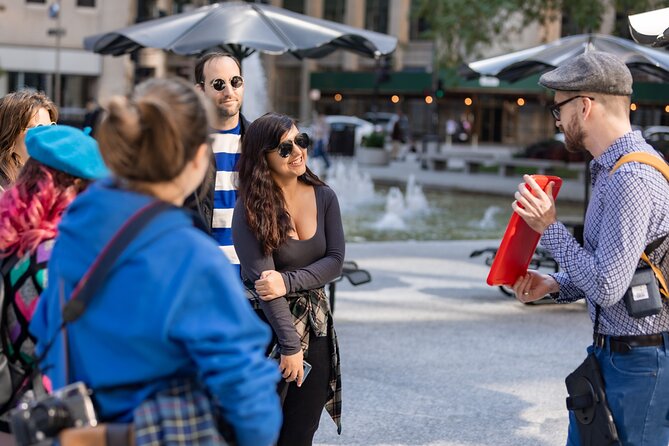
Walkin’ with Colin is a downtown orientation tour with a strong personality. It is not a standard architecture lecture, and it is not simply a sightseeing stroll from one photo stop to another. Colin uses the buildings and artworks as doors into Chicago’s larger story.
That story includes the city’s skyscraper boom, modern art, grand department stores, famous performers, public architecture, and the practical ways Chicago adapted to weather and crowds. The title promises history, mystery, comedy, and tragedy, and the route gives Colin plenty of material for all four.
I especially like the mixture of indoor and outdoor stops. Chicago can be hot, cold, windy, or wet within the same afternoon. The route includes buildings where you can pause and look around instead of spending two straight hours on pavement. If rain arrives, Colin has been able to shift portions of the walk toward underground routes, though you should still bring an umbrella when the forecast is poor.
The group size is another real advantage. With a maximum of 10 people, this feels more personal than a large downtown procession. The walking pace is generally manageable, and Colin allows short pauses. Still, this is not a gentle ride or a seated city tour. You will walk approximately two miles, use stairs or escalators, and cross busy downtown streets.
A few more history tours around Chicago worth a look
- Chicago in a Day: Food, History & Architecture Walking Tour
★ 5.0 · 1,153 reviews - Chicago: Field Museum of Natural History Ticket or VIP Tour
★ 4.7 · 717 reviews - Field Museum of Natural History Admission Tickets
★ 4.5 · 489 reviews
Chagall’s Four Seasons starts the artistic conversation
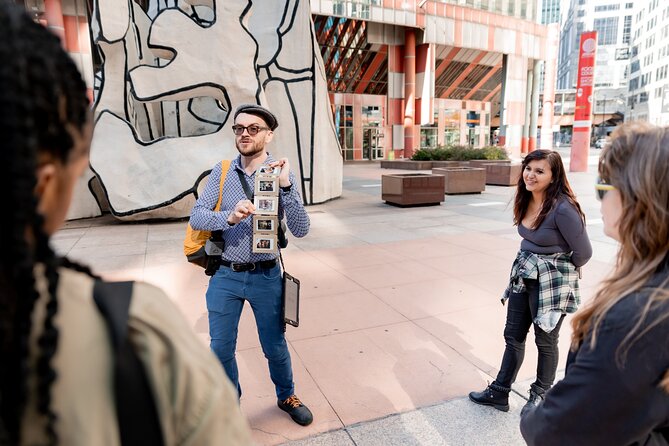
The first stop is Chagall’s Four Seasons, a large mosaic mural by Marc Chagall. It gives the tour a strong opening because you are looking at public art before settling into a long discussion of architectural styles.
Allow about 15 minutes here. The mural rewards close attention, and Colin uses it to introduce Chicago’s habit of putting ambitious art into public spaces. You can expect the discussion to focus on what you are seeing rather than simply taking a quick photograph and moving along.
This is also a useful early stop for setting the tone. The tour treats art as part of the city’s daily life, not as something confined to a museum. Since admission is included, you do not need a separate ticket for this portion.
The Marquette Building reveals Chicago’s grand interior style
The Marquette Building is one of the most satisfying stops because the route includes both its exterior and interior. You get about 10 minutes to appreciate one of Chicago’s early skyscrapers and the details that can disappear when you hurry through the Loop.
The building helps explain why Chicago architecture is more than steel frames and tall facades. Look for the decorative work and the sense of ceremony inside. Colin’s approach gives you reasons to stop and inspect details that might otherwise blur into the background of a downtown walk.
This is one of the places where the tour’s small size matters. A guide can point toward specific features and respond when someone wants to know more. The stop is free, but time is limited, so listen closely and take photographs efficiently.
Calder’s Flamingo links sculpture to modern architecture
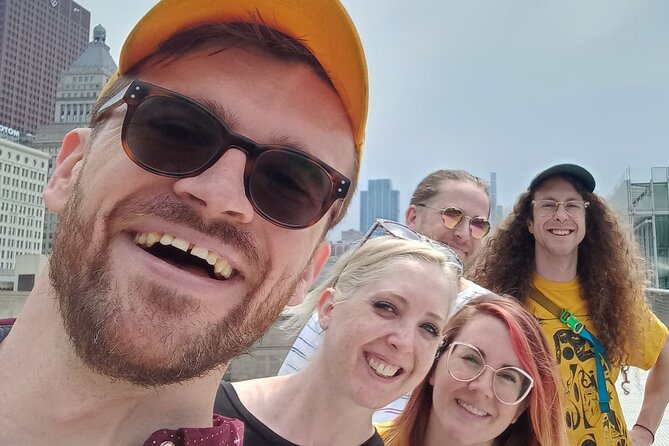
At Calder’s Flamingo, the tour shifts from historic skyscrapers to modern art and modern architecture. Alexander Calder’s bright public sculpture sits among buildings associated with Mies van der Rohe, creating a useful contrast between playful form and disciplined design.
You will spend about 10 minutes here. The stop is less about entering a building and more about seeing how artwork changes the way you read a plaza and its surrounding towers.
I like this part because it prevents the tour from becoming a parade of old buildings. Chicago’s architectural story did not end with the early skyscraper. Calder and Mies show how the city continued to test new ideas in public spaces.
Same place, a different slice of the past:
- Chicago Walking Tour: Historic Treasures of Chicago
★ 5.0 · 362 reviews - Chicago Architecture and True Crime Tour
★ 5.0 · 326 reviews - Historical and Architectural Chicago Fireboat River & Lake Cruise
★ 5.0 · 246 reviews - Field Museum of Natural History All-Access Pass
★ 4.5 · 135 reviews
The Rookery brings the old Loop indoors
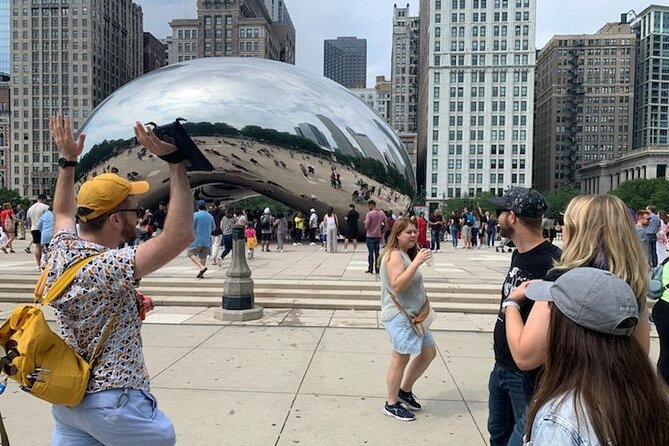
The Rookery Building receives about 15 minutes and is one of the route’s major highlights. It is described as Chicago’s oldest skyscraper and is particularly striking inside, where the design gives you a closer look at the ambition of early commercial architecture.
This is the sort of building you could easily pass without understanding its importance. Colin’s explanation adds context to the structure, while the interior gives you a welcome pause from traffic and weather.
Bring your camera, but do not spend the whole stop looking through it. The Rookery is best appreciated by standing still for a moment and looking upward, across the open spaces, and at the decorative details around you. The building is free to visit as part of the tour, though access can depend on normal building conditions.
Picasso’s 50-foot sculpture creates a city-sized mystery
Picasso’s Untitled is a monumental sculpture, roughly 50 feet tall, and it is one of the easiest stops to remember. You do not need to know exactly what the sculpture represents to enjoy the encounter. Its scale and unusual form invite questions, which makes it a natural place for Colin’s mystery-and-comedy style.
The visit lasts about 10 minutes. You will have time to look closely, hear the story of Picasso’s gift to Chicago, and consider why the city accepted such a bold public artwork.
This stop also fits the tour’s larger theme: Chicago is a city that has repeatedly made room for big, risky ideas. The sculpture is free to view outdoors, and it works well as a change of pace after the interior detail of the Rookery.
The Chicago Theatre adds music, movies, and city drama

The Chicago Theatre gets about 15 minutes, making it one of the longer stops. Here the focus shifts to the city’s entertainers and the cultural life that grew around the Loop.
You will primarily look at the iconic exterior and hear about the people and performances connected with Chicago. This is not a ticketed theater visit, so do not expect a backstage tour or a full performance-house exploration. The value comes from Colin’s storytelling and from seeing the building in its downtown setting.
The stop is a good reminder that Chicago’s identity is not only architectural. The city’s theaters helped shape its public image, and the Chicago Theatre remains one of the most recognizable landmarks on the route.
Macy’s on State Street explains the department-store revolution
At Macy’s on State Street, formerly Marshall Field’s, Colin explains Chicago’s part in the rise of the modern department store. The building was once described as the biggest in the world, and the stop connects shopping with urban planning, advertising, design, and everyday city life.
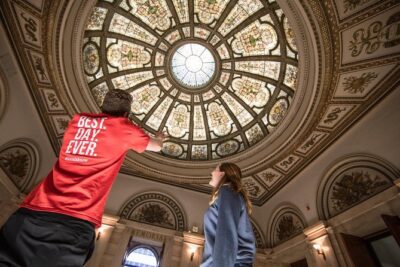
You will spend about 10 minutes here. The exterior is only part of the story. The interior is where details such as the famous Tiffany dome can reward a closer look. That dome is an easy thing to miss if you enter only to shop or rush toward the next attraction.
This is one of the route’s most useful surprises. You do not need to be interested in retail to appreciate how department stores changed the way people used downtown. The stop shows how commerce could become architecture, theater, and civic spectacle all at once.
The Cultural Center provides a grand indoor finish
The final stop is the Chicago Cultural Center, where the tour ends after about 15 minutes. Colin refers to it as the People’s Palace, and the nickname fits its grand public character.
The building began with a library legacy, and its interiors offer another chance to look at decorative craftsmanship. After two hours of streets, plazas, and public sculptures, the Cultural Center gives the route a calm indoor ending.
Ending here is practical as well as scenic. You are close to public transportation and central downtown sights, so you can continue on foot afterward. You might also use the building as a starting point for more independent exploring, especially if the tour has persuaded you to look upward and inward at Chicago’s public buildings.
Colin’s style is funny, prepared, and picture-heavy
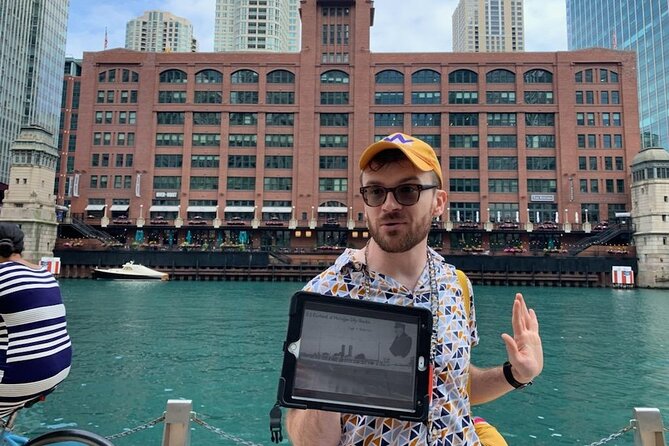
The strongest reason to book this experience is Colin himself. His style combines historical explanation with jokes, questions, and lively storytelling. He is also described as using electronic images and footage to support what you are seeing, which is helpful when a building’s original appearance or an event from the past is hard to picture.
I like this method because a photograph can make a complicated story easier to follow. It also keeps the tour moving. You are not standing in one place listening to an uninterrupted lecture for half an hour.
The tone should suit you if you enjoy a guide who takes the subject seriously without sounding stiff. Families, couples, solo visitors, and longtime Chicago residents can all find something useful here. One especially strong sign is that the tour has earned a five-star rating from 218 reviews, with 100 percent recommending it. That does not mean every moment will suit every person, but it reflects unusually consistent approval.
There is one practical point to remember. A guide who is moving a group through downtown needs to manage street crossings carefully. Stay close, especially while taking photographs, and do not assume the group will wait automatically if you fall behind.
Price, timing, and the value of two hours
At $44 per person, this is not the cheapest way to see downtown Chicago. It is also not a major admission-ticket day, since the listed stops are free except for the fact that the Chicago Theatre portion does not include a separate admission.
The value comes from access, interpretation, and organization. You could walk past all eight locations on your own, but you would need to research the buildings, identify the public art, understand the department-store connection, and work out which interiors are worth entering. Colin handles that preparation and gives you a route that links the pieces together.
The two-hour length is well judged for a first look at the Loop. It is long enough to cover major ground but short enough to fit before lunch, after breakfast, or alongside another downtown plan. Morning and afternoon departure choices give you some control over your day.
You should book ahead rather than count on a last-minute place. The experience is booked about 18 days in advance on average, and the small group limit can make popular dates less flexible.
Who will enjoy this walk most?
I would recommend it most strongly to:
- First-time Chicago visitors who want context before exploring alone.
- Architecture fans who also enjoy art, theater, and city stories.
- Families with older children or teenagers who may respond better to humor than to a formal lecture.
- Chicago residents who have walked past these buildings but never entered them.
- Solo visitors who want a structured introduction without joining a huge group.
- Anyone who wants a manageable downtown route with indoor breaks.
It may be less suitable if you want a relaxed stroll with very little walking, a specialist-only architecture seminar, or a tour focused on entering the Chicago Theatre. It also requires moderate physical fitness and includes stairs, elevators, escalators, and outdoor walking.
Service animals are allowed, and the start and finish are near public transportation. The route begins at 1 N Dearborn Street and ends at 78 E Washington Street, at the Cultural Center.
Practical tips for getting more from the experience
Wear shoes you can walk in for two miles. You will stop often, but downtown pavement, stairs, and crossings still add up.
Bring an umbrella if rain is possible. Colin can adapt parts of the route, including using underground walkways, but this remains an indoor and outdoor experience.
Keep your phone or camera ready, but listen before photographing. The best details are easy to miss when you are focused only on the next picture.
If you have mobility concerns, ask about the route before booking. The tour involves downstairs and upstairs movement, along with elevators and escalators, and a moderate fitness level is requested.
Leave room in your schedule after the tour. The Cultural Center is a useful final stop, and the central location makes it easy to continue sightseeing, shopping, or eating nearby.
Should you book Walkin’ with Colin?
Book it if you want Chicago explained through its buildings, public art, entertainers, and everyday commercial life. The route has enough famous sights to feel rewarding on a first visit, while the interior stops and smaller details give repeat visitors a reason to join.
The $44 price makes the most sense when you value a lively guide and a well-planned route rather than simply checking off landmarks. Colin’s humor, preparation, and enthusiasm are the heart of the experience. Just plan for two miles of walking, keep an eye on the weather, and stay with the group at street crossings.
If that sounds like your kind of city tour, this is a strong way to spend two downtown hours.
FAQ
How long is Walkin’ with Colin?
The tour lasts approximately two hours and covers about two miles.
Where does the tour start and end?
It begins at 1 N Dearborn Street in Chicago and ends at the Chicago Cultural Center, 78 E Washington Street.
What language is the tour offered in?
The tour is offered in English.
Is admission to the attractions included?
The listed stops do not require an admission ticket, except that admission to the Chicago Theatre is not included. The tour focuses on viewing the theater and learning about its history.
Is the tour suitable for people with limited mobility?
The experience requires moderate physical fitness and includes indoor and outdoor walking, stairs, elevators, and escalators. Check the route details before booking if these movements may be difficult.
What happens if the weather is poor or the tour is canceled?
The experience requires good weather. If poor weather causes cancellation, you will be offered a different date or a full refund. If the minimum number of participants is not met, you will also be offered another date or experience, or a full refund. You can cancel for a full refund up to 24 hours before the start time.
Just added around Chicago
- Chicago River Architecture Tour Aboard a Historic Yacht★ 5.0 · 45 reviews
- Historic Homes and Cottages of Wicker Park Walking Tour★ 5.0 · 44 reviews
- Historical and Architectural Chicago Fireboat River & Lake Cruise★ 5.0 · 246 reviews
- Field Museum of Natural History All-Access Pass★ 4.5 · 135 reviews
- Chicago Architecture and True Crime Tour★ 5.0 · 326 reviews
- Field Museum of Natural History Early Access Ticket★ 4.5 · 52 reviews
- African American Heritage Tour of Chicago★ 4.5 · 127 reviews
- Chicago Walking Tour: Historic Skyscrapers★ 5.0 · 67 reviews
Chicago History Tours, compared.
Chicago in a Day: Food, History & Architecture Walking Tour
Read our review →
Field Museum of Natural History Ticket or VIP Tour
Read our review →
Field Museum of Natural History Admission Tickets
Read our review →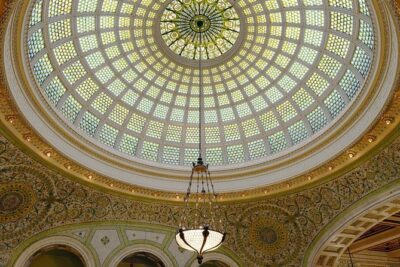
Chicago Walking Tour: Historic Treasures of Chicago
Read our review →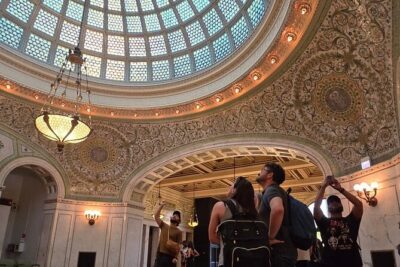

Historical and Architectural Chicago Fireboat River & Lake Cruise
Read our review →
Field Museum of Natural History All-Access Pass
Read our review →
Browse the lists this tour appears in