
Review · CHICAGO
Historic Homes and Cottages of Wicker Park Walking Tour
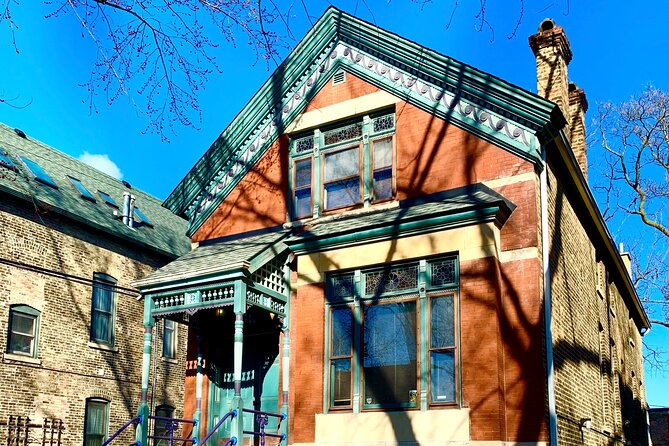
Chicago’s old homes tell surprising stories. This small-group walk through Wicker Park focuses on more than 40 workers’ cottages, along with mansions, landmarks, and historic buildings that reveal how the neighborhood changed over the past 150 years.
I like the tour’s local architectural focus and the way guide Ronnie connects individual houses to wider Chicago history. I also like the small maximum of eight people, which gives the walk a more personal feel than a large group following a flag through downtown.
The main drawback is the physical demand. The information describes the walk as roughly three miles and more than two hours, while the headline duration says about 90 minutes and the stop description lists one hour. You should allow at least two hours and confirm the timing when you book.
Key points to know before you go

- More than 40 workers’ cottages: See a distinct Chicago housing style from the late 1800s, with many additional historic properties along the route.
- A maximum of eight people: The small group makes it easier to hear the guide and ask about particular buildings.
- Guide Ronnie brings the history to life: His passion for architecture and Chicago’s past is a major part of the experience.
- Atlas adds visual context: The app includes tour stops, photographs, and information about the properties you see.
- A three-mile urban walk: You need a moderate fitness level, comfortable walking shoes, and enough time for a long neighborhood stroll.
- Evening timing: The walk begins at 6:00 pm at 1237 N Hoyne Avenue and ends near West Division Avenue and North Damen Avenue.
Why Wicker Park is the setting
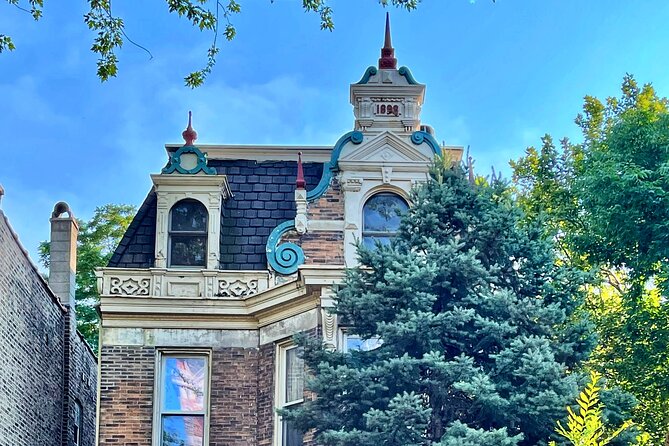
Wicker Park gives you a different view of Chicago from the one found around the Loop. Instead of concentrating on major public buildings, this tour uses residential streets as its main subject. That means the details are smaller: rooflines, porches, brickwork, narrow lots, and the changing shapes of ordinary homes.
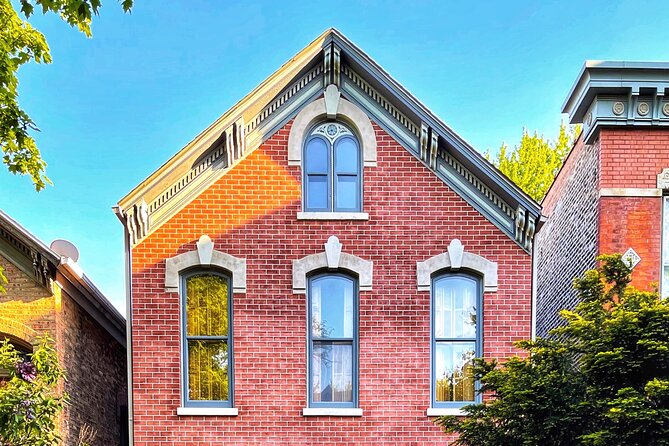
The workers’ cottage is central to the experience. These houses reflect a Chicago architectural style associated with the late 1800s. They were built as practical homes, but the surviving examples can be surprisingly decorative and varied.
You are not simply looking at one repeated house design. The walk points out different styles and construction choices among the cottages, then places them beside larger homes, mansions, and other older buildings. That comparison helps you see how wealth, taste, and city growth shaped the same neighborhood.
I find this kind of tour valuable because it trains your eye. After a while, a row of old houses stops looking like background scenery. You begin noticing the features that separate one building from another, and you get a better sense of how a city preserves its past in everyday streets.
More History Walking Tours in the USA
- Chicago in a Day: Food, History & Architecture Walking Tour
★ 5.0 · 1,153 reviews - Chicago Walking Tour: Historic Treasures of Chicago
★ 5.0 · 362 reviews - Chicago Walking Tour: Historic Skyscrapers
★ 5.0 · 67 reviews
Starting at 1237 N Hoyne Avenue
The tour begins at 6:00 pm at 1237 N Hoyne Avenue, Chicago, Illinois 60622. The meeting point is in Wicker Park, and the area is near public transportation, which makes arrival easier than reaching an isolated suburban site.
You should arrive ready to walk rather than expecting a quick introductory stop. Since the route covers several miles, wear shoes that can handle pavement for an extended period. There is no indication that the tour returns to the starting point, so plan around the stated endpoint instead of assuming you will finish where you began.
The walk is offered in English, and the group is limited to eight people. That size matters here. Architectural tours often depend on being able to stop in front of a building while the guide explains its details. With fewer people, you have a better chance of hearing clearly and asking about a home that catches your eye.
The evening start also shapes the experience. At 6:00 pm, you are seeing the neighborhood later in the day rather than during a morning sightseeing rush. Still, the exact amount of daylight may affect how clearly you can study exterior details, depending on the season.
Forty or more workers’ cottages
The main portion of the walk introduces you to more than 40 workers’ cottages in Wicker Park, plus many other older properties. The point is not to rush past a single famous house. It is to see a collection of buildings and understand the pattern they create.
These cottages represent a Chicago architectural vernacular from the late 1800s. That phrase matters because the houses are tied to local building traditions rather than presented as isolated imported monuments. You get to see how a practical home type took shape in Chicago and how different versions of it appeared along neighborhood streets.
The tour also includes more than 25 historic homes, mansions, and buildings beyond the cottages. This broadens the walk considerably. You can compare modest worker housing with larger residences and other structures, then listen as Ronnie explains the stories and context connected with them.
That context is the real reason to book. Without a guide, you might admire the facades and move on. With one, the route becomes a lesson in how Chicago developed over roughly 150 years and beyond. The houses provide the evidence, while the commentary explains why the evidence matters.
Do not expect an indoor house tour. The supplied details describe an outdoor walking experience focused on viewing properties from the streets. The appeal is the neighborhood itself, not access to private interiors.
Ronnie’s storytelling and the Atlas app
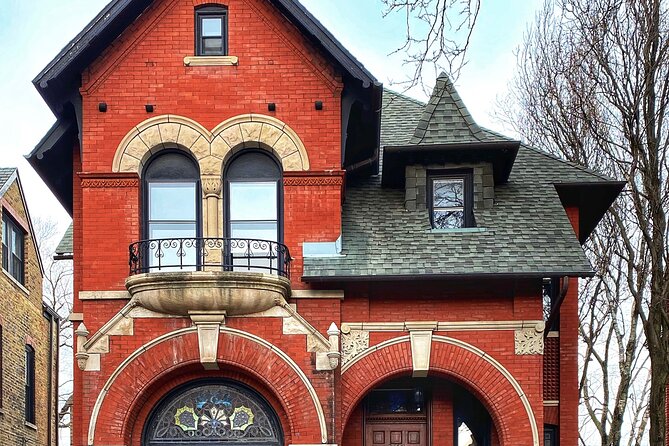
Ronnie is the named guide associated with the tour, and his enthusiasm for architecture is repeatedly praised. His strength appears to be linking buildings with history instead of treating the walk as a parade of addresses.
That approach suits Wicker Park. A house can be attractive on its own, but the story becomes more useful when you learn how it fits into the neighborhood. Ronnie’s commentary is intended to change how you read the streets, helping you notice details you might otherwise pass without a second thought.
The tour also uses an application called Atlas. It includes the stops, photographs, and additional information about the properties along the route. This is a practical feature, especially if you like having a visual reference while standing in front of a building.
The app can also help the experience feel less fleeting. A guide may point out several homes in a short stretch, and it is easy to forget which details belong to which address. Photos and stop information give you a way to keep the buildings organized in your mind.
You should still treat the app as a supplement, not a substitute for paying attention to the guide. The strongest part of the walk is the combination of Ronnie’s explanations and the physical streets around you. The digital material is useful because it supports that experience.
More History Walking Tours in Chicago:
- History and Hauntings of Salem Guided Walking Tour
★ 5.0 · 14,564 reviews - Lisbon: History, Stories and Lifestyle Walking Tour
★ 4.8 · 10,902 reviews - Boston: Freedom Trail History Small Group Walking Tour
★ 5.0 · 6,450 reviews - Historic Charleston Guided Sightseeing Walking Tour
★ 5.0 · 6,216 reviews
A long walk, despite the listed 90 minutes
The physical details require careful attention. The headline information describes a tour lasting approximately one hour and 30 minutes. The route description calls it a two-hour-plus, three-mile walk, while the individual stop is marked as one hour.
That is a meaningful discrepancy. I would plan for the longer version and keep at least two hours free. If your schedule is tight, ask the provider to confirm the expected duration before you commit.
The tour requires a moderate level of fitness and is not considered suitable for most children under 13 or adults with health issues. This is not because the route involves difficult climbing. The concern is the distance and length of time spent walking and standing on city streets.
You should think about your own comfort honestly. If three miles feels easy, the route should be manageable from a fitness standpoint. If you have trouble with extended walking, standing, or maintaining a steady pace, this may not be the right Chicago activity.
Service animals are allowed. The supplied information does not provide details about seating, restrooms, accessible surfaces, or wheelchair suitability, so you should ask the provider directly about those needs before booking.
What the $45 price really buys
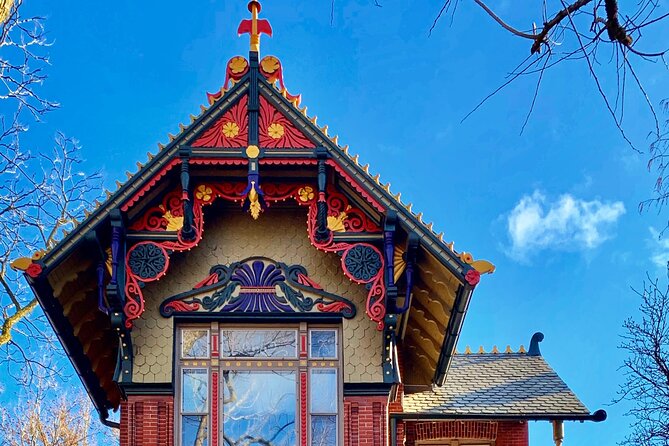
At $45 per person, this is not the cheapest way to spend an evening in Chicago. You can walk through Wicker Park on your own for free. The value comes from the interpretation, the route planning, the small group, and the access to a focused architectural subject you might otherwise miss.
For me, the price makes the most sense if you care about buildings, neighborhood history, or seeing a side of Chicago beyond major tourist stops. The tour covers dozens of properties, so you are paying for a concentrated amount of local material rather than one landmark.
The group limit of eight improves that value. A small group gives the guide room to answer questions and adjust the pace of explanation. It also reduces the chance that you will spend the walk trying to keep up with a large crowd.
The Atlas app adds another useful layer through photographs and property information. That matters if you want to remember what you saw after the walk or continue looking at Chicago architecture on your own.
The value is weaker if you prefer short sightseeing stops, indoor attractions, or a broad overview of the entire city. This is a specialized neighborhood walk. You are paying for detail rather than a greatest-hits tour.
Who will enjoy this walk most
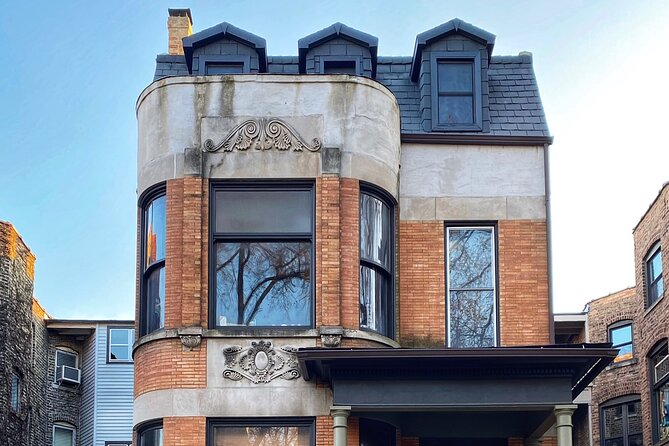
I would recommend this experience to adults and older teens who like architecture, urban history, and residential neighborhoods. It also suits repeat visitors who have already seen Chicago’s best-known downtown sights and want a more local subject.
It is a good choice for you if:
- You enjoy looking closely at houses and building details.
- You want history explained through real streets and properties.
- You prefer a group of eight or fewer.
- You are comfortable walking about three miles.
- You like having an app with photographs and stop information.
- You want an English-language tour led by a guide with a clear interest in Chicago architecture.
I would be more cautious if you are traveling with young children. The activity is specifically described as unsuitable for most children under 13, and the extended walking may test their patience even if they like old houses.
It may also be a poor fit if you have health concerns that make long walks difficult. Ask about your needs before booking, since the activity calls for moderate fitness and does not provide detailed accessibility information.
Practical details that affect your decision

The tour is booked through Tours by Doorways Of Chicago. Confirmation is provided at booking, and the experience is offered in English with a mobile ticket.
The starting point is 1237 N Hoyne Avenue. It ends at 2001 W Division Street, at a four-story red brick historic building on the corner of West Division Avenue and North Damen Avenue. Knowing that the end point differs from the start helps you plan your next stop and avoids an unnecessary return walk.
The experience is often reserved about 18 days ahead. That does not guarantee every date will sell out, but it suggests you should not leave your booking until the last minute if your Chicago schedule is fixed.
The activity is non-refundable and cannot be changed for any reason once booked. If poor weather causes the provider to cancel, you are offered another date or a full refund. The same applies if the minimum number of people is not reached. This makes weather and scheduling worth considering before you pay.
Is the Wicker Park walk worth booking?
I would book it if you want a close look at Chicago’s residential architecture and prefer a guide who explains why ordinary-looking streets matter. The combination of more than 40 workers’ cottages, additional homes and buildings, Ronnie’s storytelling, and the Atlas app gives the walk a clear purpose.
I would skip it if you want a quick, flexible introduction to Wicker Park, need an indoor activity, or cannot comfortably walk three miles. Also confirm the duration, since the published time varies from about 90 minutes to more than two hours.
For the right person, this is a thoughtful use of an evening in Chicago. It replaces a standard checklist of attractions with a slower look at the homes and streets that helped shape the city.
FAQ
How long is the Historic Homes and Cottages of Wicker Park Walking Tour?
The headline duration is approximately one hour and 30 minutes. The route description calls it a two-hour-plus, three-mile walk, so you should allow at least two hours and confirm the expected duration when booking.
Where does the tour start?
It starts at 1237 N Hoyne Avenue, Chicago, Illinois 60622, at 6:00 pm.
Where does the tour end?
It ends at 2001 W Division Street, at a four-story red brick historic building on the corner of West Division Avenue and North Damen Avenue.
How many people can join the tour?
The maximum group size is eight people.
Is the tour suitable for children?
It is not considered suitable for most children under 13. The walk also requires a moderate level of physical fitness.
What happens if bad weather cancels the tour?
You will be offered a different date or a full refund if poor weather causes the experience to be canceled.
Just added around Chicago
- Chicago River Architecture Tour Aboard a Historic Yacht★ 5.0 · 45 reviews
- Walkin’ with Colin: Chicago History-Mystery-Comedy-Tragedy Tour★ 5.0 · 218 reviews
- Historical and Architectural Chicago Fireboat River & Lake Cruise★ 5.0 · 246 reviews
- Field Museum of Natural History Early Access Ticket★ 4.5 · 52 reviews
- Field Museum of Natural History All-Access Pass★ 4.5 · 135 reviews
- Chicago Architecture and True Crime Tour★ 5.0 · 326 reviews
- African American Heritage Tour of Chicago★ 4.5 · 127 reviews
- Chicago Walking Tour: Historic Skyscrapers★ 5.0 · 67 reviews
History Walking Tours, compared.
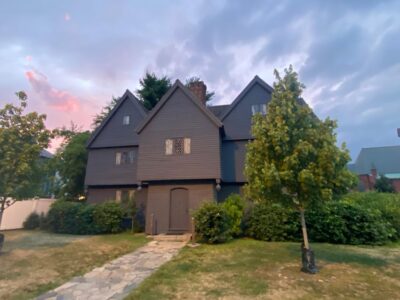
History and Hauntings of Salem Guided Walking Tour
Read our review →
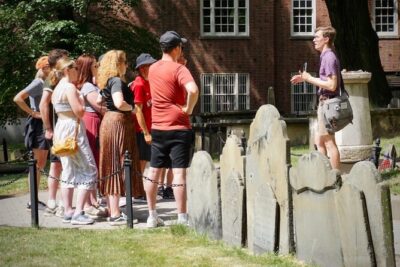
Freedom Trail History Small Group Walking Tour
Read our review →
Historic Charleston Guided Sightseeing Walking Tour
Read our review →
Tapas Walking Tour with Food, Wine, and History
Read our review →
Savannah History and Haunts Candlelit Ghost Walking Tour
Read our review →
A History of Terror – Belfast City Centre Walking Tour
Read our review →Browse the lists this tour appears in