
Review · CHICAGO
Field Museum of Natural History Admission Tickets
SUE makes ancient history feel startlingly close. Chicago’s Field Museum brings together dinosaurs, mummies, ancient cultures, animal skeletons, jade, and hands-on displays in a grand Museum Campus setting. I especially like the chance to see SUE, the most complete T. Rex ever found, and the freedom to plan your own route instead of following a fixed group.
I also like the museum’s range. You can move from Egyptian tombs to Inca temples, then switch gears with Underground Adventure or the newly renovated Evolving Planet dinosaur hall. The main drawback is size: four hours gives you a good visit, but not enough time for everything. Expect plenty of walking, and wear proper shoes.
The $29 admission ticket is a sensible choice if you want a full indoor day in Chicago, especially with children or in poor weather. It guarantees entry in advance, though one recent buyer found the on-site price was $5 lower, so check the current price before booking if saving every dollar matters more than advance certainty.
Key things to know before visiting

- SUE is the headline attraction: The famous T. Rex skeleton anchors one of the museum’s most memorable dinosaur experiences.
- Four hours is only a starting point: You can cover major halls in that time, but the building is large enough to fill most of a day.
- The museum covers 13,000 years: Ancient Egypt, the Americas, dinosaurs, mammals, gems, jade, and natural science all share the building.
- Free docent tours add useful context: Daily tours can help you make sense of a huge collection without paying extra.
- Special exhibits may cost more: Your ticket includes ticketed exhibits listed with the admission, but some changing displays and the 3D movies may carry an extra charge.
- Museum Campus adds to the visit: Before or after your indoor time, you get views of Lake Michigan and downtown Chicago’s skyline.
Reaching the Field Museum on Museum Campus
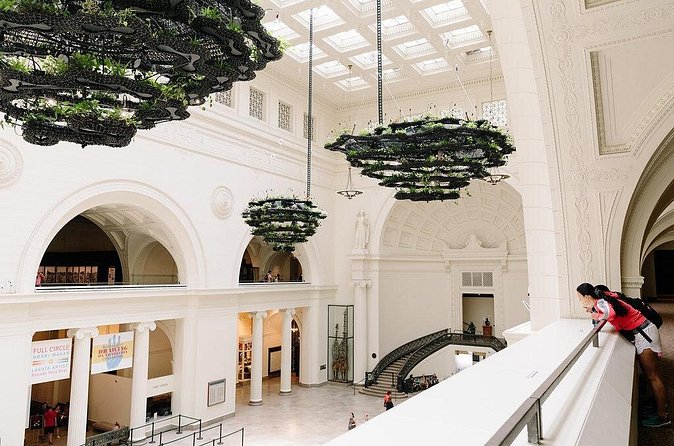
The Field Museum sits on Chicago’s Museum Campus, a location that gives the visit more atmosphere than a simple indoor attraction. Before entering, pause outside for views across Lake Michigan and back toward downtown. The setting helps you place the museum within Chicago rather than treating it as an isolated stop.
The museum is near public transportation, so you do not need a car to include it in your day. Service animals are allowed, and most people can take part without special arrangements. If you are visiting with young children, older relatives, or anyone who tires easily, plan breaks from the beginning. The building is large, and the distance between major halls adds up.
Museum hours are 9 a.m. to 5 p.m. General admission ends at 4 p.m., while the last admission to special exhibitions is at 3:30 p.m. An early start gives you the best chance of seeing the major halls and reserving a place for a 3D film if you want one. The museum recommends arriving between 9 a.m. and noon to arrange a 3D movie time, since those screenings depend on availability.
More Museum and Gallery History Tours in the USA
- Chicago: Field Museum of Natural History Ticket or VIP Tour
★ 4.7 · 717 reviews - Field Museum of Natural History All-Access Pass
★ 4.5 · 135 reviews - Field Museum of Natural History Early Access Ticket
★ 4.5 · 52 reviews
What the $29 admission includes
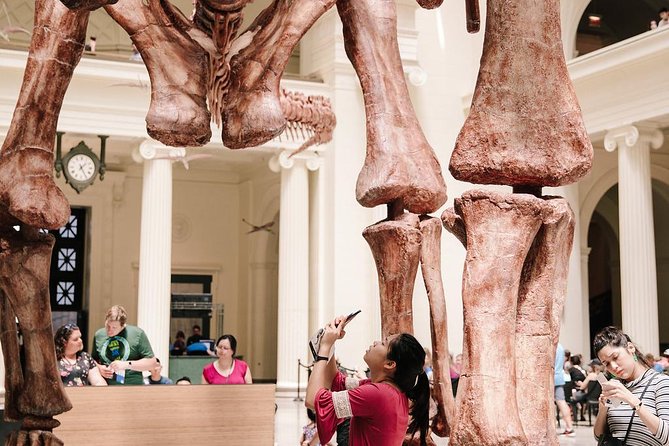
At $29 per person, this is not a quick attraction you rush through in an hour. It is a substantial museum visit with enough material for several hours, and possibly a return visit if you prefer to read every display carefully.
Admission includes the Field Museum itself, free daily docent-led tours, and ticketed exhibits included with the visit. Food and drinks are separate. The two 3D theaters also charge extra, and screening times may not be available when you arrive.
Advance booking gives you a confirmed ticket and removes one uncertainty from a busy Chicago day. It does not always guarantee the lowest possible price. One recent purchaser found the museum entrance price was $5 less per person than the online booking price, so compare the current options if your schedule is flexible. If you value certainty, especially for a family visit or a tightly planned day, the advance ticket still has a practical benefit.
Free cancellation is available if you cancel at least 24 hours before the scheduled start time. Inside that window, the ticket is nonrefundable and changes are not accepted.
Start with SUE and the dinosaur halls
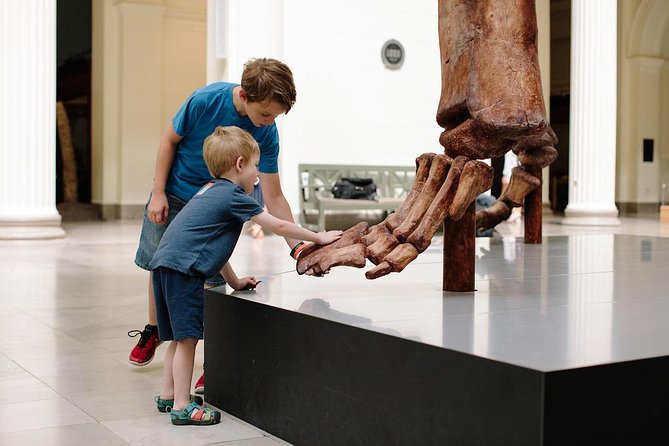
If you have limited time, begin with SUE. The skeleton is the museum’s signature sight for good reason. SUE is presented as the largest and most complete T. Rex skeleton ever discovered, and seeing the size of the animal in person gives the usual dinosaur facts a physical punch.
The dinosaur collection goes well beyond one famous fossil. In the renovated Evolving Planet hall, you can see dinosaurs alongside woolly mammoths and giant sloths. The displays trace changing life on Earth, so this is not simply a room of large bones. You get a sense of how animals developed and how different creatures shared the planet at different times.
Families often make this their first stop, but adults without children should not skip it. The scale of the fossils is impressive, and the exhibits provide enough information for a quick look or a slower study. Interactive elements and touch screens let you choose how much detail you want. You can read the short explanation and move on, or spend several minutes following a particular animal or time period.
The practical issue is crowding. SUE draws attention all day, and the main dinosaur areas can become a natural gathering point. Going early, or returning later in the afternoon, may give you a calmer look. If you are visiting with children, set a meeting point before everyone spreads out.
Inside Ancient Egypt, with 23 mummies
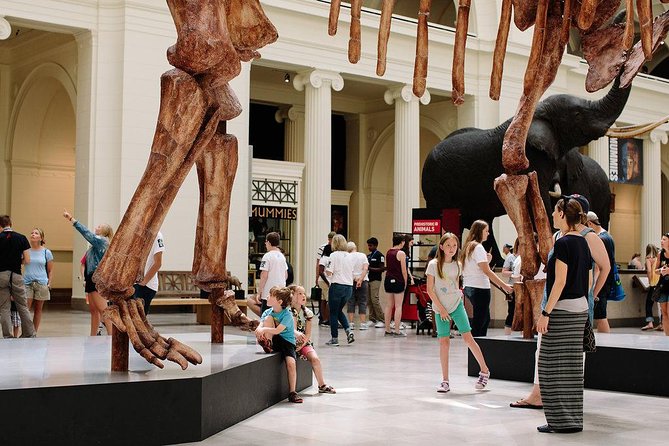
The Ancient Egypt section changes the mood completely. Here you come face-to-face with 23 Egyptian mummies, along with hieroglyphics dating back 5,000 years. The display gives you more than a collection of objects. It connects daily life, religion, burial customs, and the way written records preserve a culture across thousands of years.
I like this section because it rewards both a short visit and a careful one. You can make a quick circuit for the major objects, or slow down to examine the writing and burial details. The displays can be especially useful for school-age children who are beginning to connect dates and names with real objects.
The subject matter may be intense for very young children. The museum includes human remains, and families should decide in advance how much context their children are ready for. Still, the section is one of the clearest ways to see why natural history museums are also museums of human culture.
More Museum and Gallery History Tours in Chicago:
- Paris: Louvre Museum Entry with History of Mona Lisa
★ 3.9 · 2,823 reviews - Venice’s Best: Basilica, Doge’s Palace, Gondola & History Gallery
★ 4.5 · 2,478 reviews - Guided African American History Tour with Reserved Museum Entry
★ 4.5 · 1,180 reviews - Warsaw: POLIN Museum of the History of Polish Jews Ticket
★ 4.7 · 1,142 reviews
Ancient Americas and 13,000 years of human life

The Ancient Americas galleries cover a long span, from Ice Age mammoth hunters to the temple builders of the Incas and Aztecs. This is one of the museum’s strongest areas if you want to move beyond dinosaurs and study how people lived, built, traded, worshiped, and adapted over time.
The timeline matters. You are not looking at disconnected artifacts from separate places. The galleries encourage you to follow the growth of societies across 13,000 years, with the scale of time providing the main lesson. A child may focus on the mammoths, while an adult may spend more time with the architecture and cultural objects.
Give this section more time than a quick hallway pass. The material is broad, and the museum offers many small details. If you try to see the whole building in one sweep, this is the kind of gallery you may remember less clearly. Choose one or two periods that interest you and let yourself stay there.
Jade, gems, skeletons, and the museum’s quieter pleasures
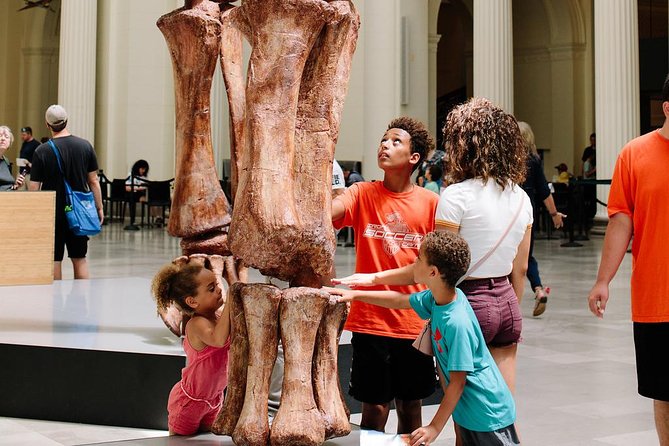
The Hall of Jades includes one of the largest collections of Chinese jade in North America. It is a quieter contrast to SUE and the mammoths, with an emphasis on craftsmanship, material, and cultural meaning. If you like close-up objects more than enormous fossils, this may become one of your favorite stops.
The Grainger Hall of Gems offers another change of pace. You can look closely at stones and jewelry rather than large historical scenes. The collection works well for a short visit between larger galleries, but it can also hold your attention if you enjoy geology, color, and fine workmanship.
The museum’s animal skeletons are another strength. Seeing the bones arranged as a complete structure makes familiar animals look unfamiliar again. Displays such as the Tsavo lions have made a lasting impression on many visitors, and the collection gives you a chance to study animal form without the motion and distance of a zoo.
Taxidermy and preserved animals are not for everyone. If you prefer live-animal exhibits or interactive science centers, some halls may feel static. The Field Museum is strongest when you enjoy looking closely, comparing species, and asking how an animal or object fits into a larger story.
Underground Adventure and the live-animal displays
Underground Adventure takes a playful approach to science. You are presented as if you have shrunk to one hundredth of your normal size, then sent into a subterranean world. The concept gives children an easy way to think about soil, insects, and the life below their feet.
The live reptile exhibit adds another kind of interest. It breaks up the fossil displays with living animals and can help younger children stay engaged during a long museum day. The mix of live creatures, models, fossils, and preserved specimens keeps the experience from feeling like one long row of glass cases.
This is also a useful place to build in variety. If your group has spent an hour with ancient artifacts, switch to a more visual or interactive area. You do not need to follow the museum in a strict order, and the freedom to change subjects is one of the ticket’s best features.
How to plan four hours without wearing yourself out
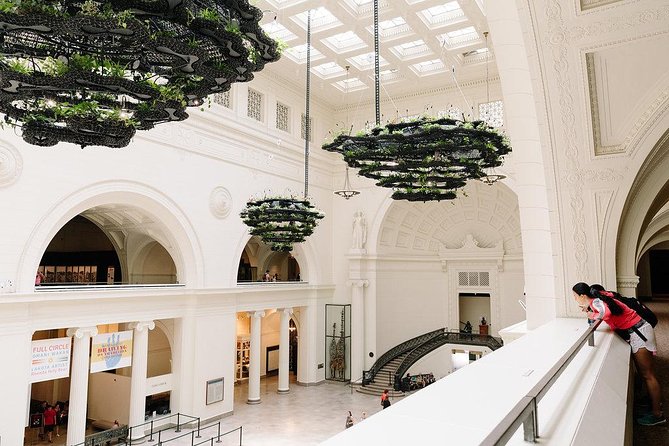
A four-hour visit is realistic for the major highlights, but it is not enough for every display. The museum has three floors and more than 35 major exhibitions, and many people find that they cover only two floors in about three hours at a steady pace.
I would divide the visit into three parts:
- Start with SUE and Evolving Planet while your energy is high.
- Move to Ancient Egypt and the Ancient Americas.
- Finish with the Hall of Jades, the Grainger Hall of Gems, Underground Adventure, or a special exhibit.
Add a break before the final section. Comfortable walking shoes are essential, and the museum has well-located restrooms. Food is available, but it is best viewed as a convenient pause rather than a major reason to visit. One practical note from the on-site experience is that the food may be only average, so you may prefer to treat the museum as one part of a larger Museum Campus day.
The building can feel warm when attendance is high, so light layers are sensible. On quieter midweek visits, the halls may feel easier to navigate. If you arrive during a busy school break, allow extra time and lower your expectations about seeing every room.
Free docent tours and printed maps
Free daily docent-led tours are included, and I would make an effort to join one. A docent can give you a useful framework for the collection, point out details you might pass without noticing, and help turn a very large museum into a manageable visit.
The museum provides maps in English, Spanish, French, German, Italian, Mandarin Chinese, Japanese, Korean, Polish, and Portuguese. That makes it easier to choose a route before you begin. Pick two or three priority areas, then add nearby exhibits rather than trying to walk randomly from one end of the building to the other.
The free tours are especially helpful if you are visiting for the first time. They also provide a break from reading labels on your own. You can hear a story, ask a question, and then continue independently.
Who will enjoy this most
The Field Museum works best for families, students, dinosaur fans, history enthusiasts, and anyone who likes natural science. It is also a reliable wet-weather or cold-weather choice because you can spend most of the day indoors.
You will probably enjoy it less if you want a fast, highly interactive science attraction or a live-animal setting. Some displays are quiet and object-focused, with preserved specimens and artifacts behind glass. That style rewards patience, but it may feel slow if your main interest is hands-on activity.
For families, the range is the main advantage. A child can focus on dinosaurs or Underground Adventure while an adult spends time with Egypt, jade, or the Ancient Americas. Couples and solo visitors can set their own pace without joining a group.
The museum also works for repeat visits. A first trip can focus on SUE, Egypt, and the major dinosaur displays. A second can give more time to gems, jade, animal skeletons, and changing exhibits.
Is the Field Museum worth your day?
I would book this admission if you want a substantial Chicago museum visit with a famous centerpiece and enough variety for different ages. SUE alone is memorable, but the ticket earns its value through the combination of dinosaurs, mummies, ancient cultures, animals, jade, gems, and daily docent tours.
Book ahead if a confirmed visit matters, especially during a busy period. Check the current on-site price first if you have a flexible schedule and want the lowest cost. Either way, allow at least four hours, wear walking shoes, and choose your priority halls before you enter.
The Field Museum is not a quick photo stop. It is a large, sometimes tiring, often rewarding day of looking closely at the planet and the people who have lived on it. If that sounds like your kind of Chicago afternoon, the admission is a strong choice.
FAQ
How much does admission to the Field Museum cost?
The admission ticket is listed at $29 per person.
How long should I plan for the Field Museum?
The expected visit lasts about four hours, but you can stay as long as you like during museum hours. Seeing every exhibit may require more than four hours.
What are the museum’s hours?
The Field Museum is open from 9 a.m. to 5 p.m. The last general admission is at 4 p.m., and the last admission to special exhibitions is at 3:30 p.m.
Is SUE included with admission?
Yes. SUE, described as the largest and most complete T. Rex skeleton ever discovered, is part of the Field Museum visit.
Are special exhibitions included?
Ticketed exhibits are included with admission as specified for the visit. Some changing exhibits may have separate admission requirements, so check the details when booking.
Does the museum offer guided tours?
Yes. Free docent-led tours are offered daily.
Are 3D movies included?
No. The 3D movies cost extra and are subject to availability. To reserve a time, it is recommended that you arrive between 9 a.m. and noon.
Are food and drinks included?
No. Food and drinks are not included in the admission ticket. Dining facilities are available at the museum.
Can I cancel for a refund?
Yes. You can receive a full refund if you cancel at least 24 hours before the experience start time. Cancellations or changes made less than 24 hours before the start time are not accepted and are not refunded.
Just added around Chicago
- Chicago River Architecture Tour Aboard a Historic Yacht★ 5.0 · 45 reviews
- Walkin’ with Colin: Chicago History-Mystery-Comedy-Tragedy Tour★ 5.0 · 218 reviews
- Historic Homes and Cottages of Wicker Park Walking Tour★ 5.0 · 44 reviews
- Historical and Architectural Chicago Fireboat River & Lake Cruise★ 5.0 · 246 reviews
- Chicago Architecture and True Crime Tour★ 5.0 · 326 reviews
- Field Museum of Natural History Early Access Ticket★ 4.5 · 52 reviews
- Field Museum of Natural History All-Access Pass★ 4.5 · 135 reviews
- African American Heritage Tour of Chicago★ 4.5 · 127 reviews
Museum & Gallery History Tours, compared.
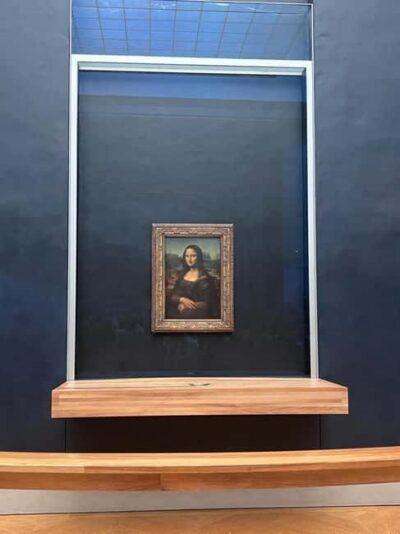
Louvre Museum Entry with History of Mona Lisa
Read our review →
Venice’s Best: Basilica, Doge’s Palace, Gondola & History Gallery
Read our review →
Guided African American History Tour with Reserved Museum Entry
Read our review →
POLIN Museum of the History of Polish Jews Ticket
Read our review →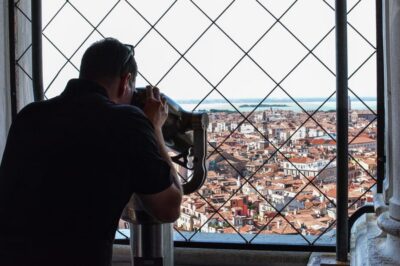
Bell Tower & St Mark’s Square History Gallery Ticket
Read our review →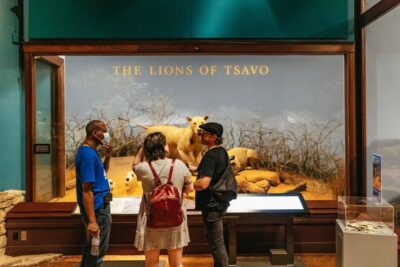
Field Museum of Natural History Ticket or VIP Tour
Read our review →
Madrid in a Day Tour:Royal Palace, Historic Center & Prado Museum
Read our review →
Basilica, Doge’s Palace, History Gallery & Bell Tower Option
Read our review →Browse the lists this tour appears in