
Review · OSAKA
Ancient Capital Tour: Kyoto and Nara Highlights from Kyoto/Osaka
Kyoto and Nara pack centuries of Japan into one busy day. This tour works well if you want to see Arashiyama, Kinkaku-ji, and Nara Park without puzzling over train connections, bus routes, and temple entrances. I like the comfortable coach with free Wi-Fi, and I like the mix of gardens, bamboo, deer, and the Great Buddha. The catch is simple: the schedule can feel rushed, especially if you want quiet time or lots of photographs.
The tour costs $90.75 per person and lasts about nine hours. That is fair value for a guided trip from Osaka or Kyoto, since transportation and most admission fees are covered on standard package options. I would skip the lunch upgrade unless you prefer the convenience of an arranged meal, as you may want to use that break for local food and extra time near the sights.
At a glance: what this day delivers
- Three major stops in one day: See Arashiyama, Kinkaku-ji, and Nara Park with a guide and group transportation.
- A useful Osaka option: Start in central Osaka and reach Kyoto and Nara without arranging several separate train journeys.
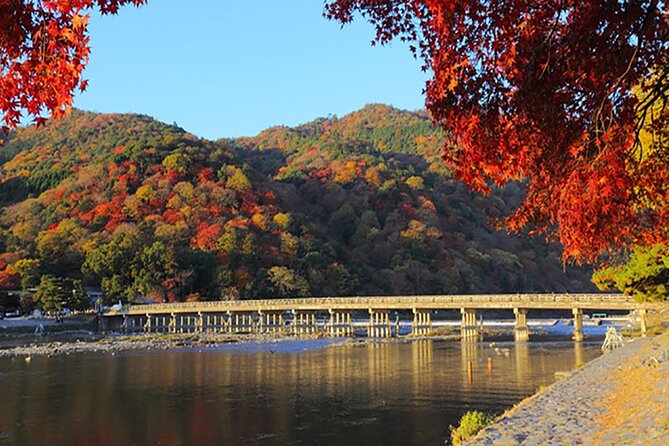
- Seasonal Arashiyama: Cherry blossoms are likely in April, fall colors in November, and cormorant fishing can be seen during summer.
- The Golden Pavilion: Walk around Kinkaku-ji’s pond and gardens, with entry included on most options.
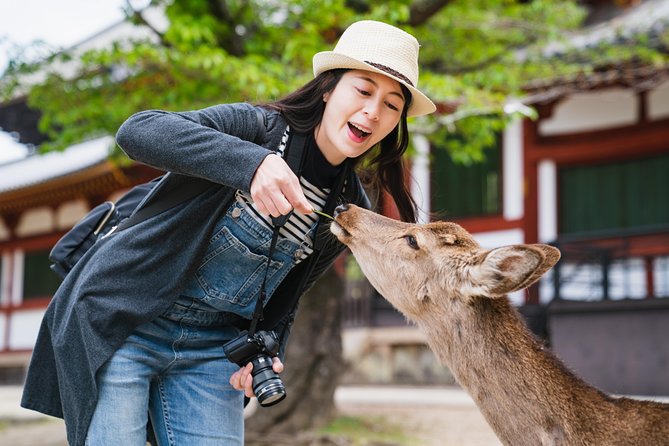
- Close encounters with deer: Buy shika-senbei rice crackers in Nara Park and feed the free-roaming deer.
- A clear tradeoff: You cover famous sights efficiently, but you do not get the leisurely pace of a full day in either Kyoto or Nara.
Why this Kyoto and Nara combination works
Kyoto and Nara are close enough to combine, but each deserves much more than a few hours. Kyoto rewards slow walks through temples and old streets. Nara rewards time around its park, gardens, shrines, and museums. This tour makes a different promise: it gives you a useful first look at both.
I see the value most clearly if you are staying in Osaka, have limited time, or want an introduction before returning to Japan for longer visits. The air-conditioned vehicle removes much of the friction. You are not checking rail platforms, changing trains, or trying to work out how far a temple is from a station.
The group can reach a maximum of 42 people, so this is not a private or small-group outing by default. Some departures may be smaller, which makes the day easier to manage, but you should book with the larger group size in mind. Guides such as Yuki, Maria, Haru, Michiko, Hama, Riku, and Josh have been praised for keeping the day organized, offering practical suggestions, and adding historical detail.
That last point matters. A good guide can turn a sequence of famous places into a connected story. Yuki has been especially appreciated for restaurant tips and advice for the rest of a Japan trip. Maria has used maps and advance pictures to help people know what to expect. Haru has been praised for her kindness and clear help throughout the day.
Still, the tour depends on timing. Traffic between Osaka, Kyoto, and Nara can affect the day, and the operator may change the schedule for safety because of weather or road conditions. You will need to be ready to move when the guide calls the group together.
More Ancient History Tours in Japan:
- Discover Ancient Nara: Private Car Tour from Kyoto or Osaka
★ 5.0 · 52 reviews - Nara: Bike Tour in Ancient Capital UNESCO World Heritage
★ 5.0 · 43 reviews - Private sake pairing@ancient underground
★ 5.0 · 27 reviews
Arashiyama: bamboo, river views, and a quick Kyoto introduction
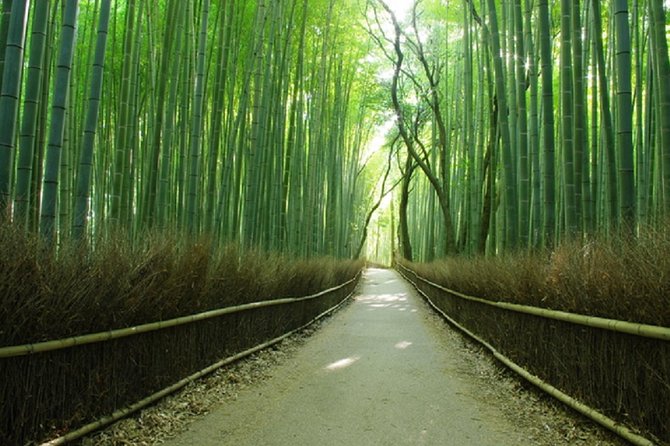
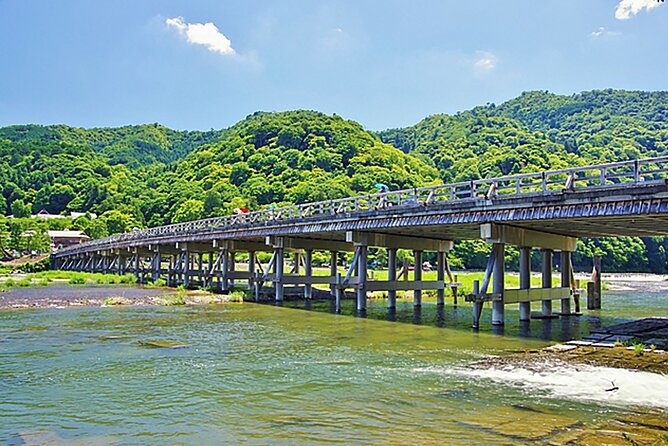
Arashiyama is the tour’s first major stop, with about two hours available. That sounds generous until you consider how much the area offers. The itinerary centers on the Sagano Bamboo Forest and the area around the Katsura River, with the option to see Togetsukyo, the Moon Crossing Bridge.
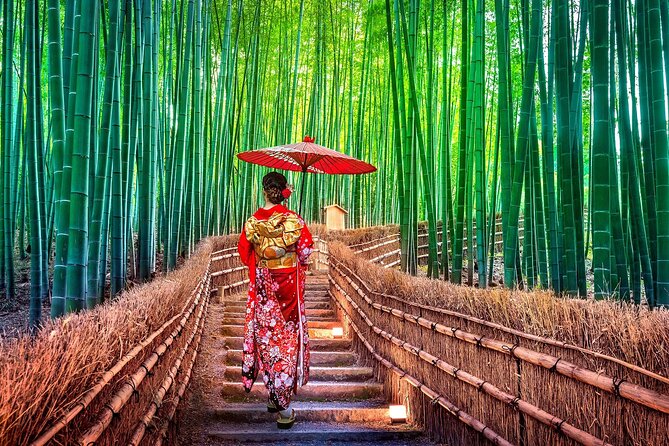
The bamboo path is famous for good reason. Tall green stalks close in around the walkway, and the sound of the leaves gives the place a calm, almost hushed mood. The route is a popular nature-viewing destination with roots reaching back to the Heian Period, when Kyoto was Japan’s imperial capital.
You should keep your expectations in check. This is not a private walk through empty bamboo. Arashiyama is a major sightseeing area, and the time available may allow only a short section of the forest and nearby sights. If you stop often for pictures, you may need to choose between the bamboo path, the river, and nearby temple grounds.
The guide may point out the edge of Tenryuji Temple, which sits beside the bamboo area. The information provided does not promise a full temple visit, so do not plan on exploring every part of Tenryuji. Your time is better treated as a compact introduction to Arashiyama.
The timing is attractive in spring and fall. April may bring cherry blossoms, while November can bring strong autumn color. Summer offers a different sight, with cormorant fishing taking place in the area. These seasonal details give Arashiyama a different feel depending on when you go.
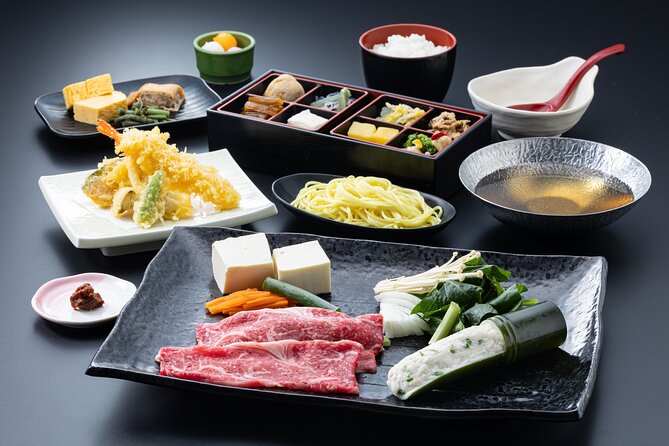
Lunch is scheduled around this part of the day. If you select the meal option, you receive a traditional meal based on seasonal Kyoto specialties. The tour does not provide vegan or halal meals, and vegetarian requests must be made at least three days ahead. If you need vegan or halal food, choose the option without lunch.
I would also consider skipping the included meal even if you can eat it. One person found the buffet underwhelming, and another preferred the many food choices around the main streets. The arranged lunch saves time and removes guesswork, but independent diners may prefer more control over price, style, and portion.
Kinkaku-ji: the Golden Pavilion in a compact visit
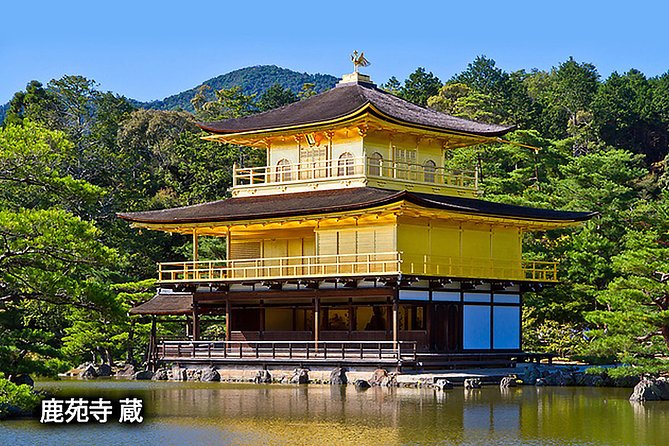
After Arashiyama, the coach continues through Kyoto proper to Kinkaku-ji, better known as the Golden Pavilion. The planned visit lasts about 45 minutes, which is enough to see the famous building and walk through part of the garden, but not enough for a slow visit.
The pavilion is covered in gold leaf and sits beside a reflective pond. On a clear day, the gold and water create the picture most people came to see. The surrounding grounds are carefully maintained, and the garden follows a design connected with the temple’s long history.
This stop is visually powerful but short. You will have time to take photographs, admire the pavilion from the main viewing area, and continue through the grounds. You will not have much room for lingering, detailed study, or a long pause beside the pond.
The standard package includes the Kinkaku-ji admission ticket. Be careful when selecting a last-minute option, because that version does not include entry fees or meals. The lower or simpler booking choice may look attractive at first, but you need to add those costs when comparing value.
Kinkaku-ji is one of the places where a guide’s comments can help. The building is more than a photogenic gold structure. The guide can explain its construction and place it within Kyoto’s religious and cultural setting. Still, the amount of explanation can vary by guide and by traffic delays earlier in the day.
Nara Park and Todaiji: deer first, Buddha next
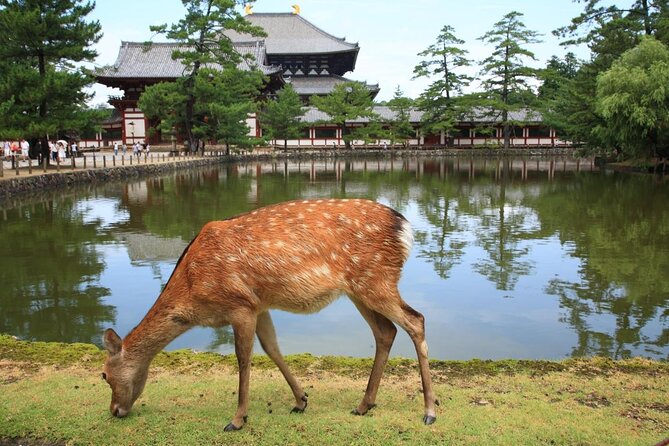
The Nara portion gives you about an hour and a half. The central attraction is Nara Park, where roughly 1,200 deer roam freely in a semi-wild setting. This is the most playful part of the day, but it also deserves respectful behavior.
You can buy shika-senbei, special rice crackers made for the deer. The animals are famous for bowing, and feeding them can be fun. Keep your food moving and pay attention once the crackers are gone. The deer are friendly enough to approach, but they are still animals, not tame pets.
The park also leads to Todaiji Temple, home of the Great Buddha. The statue is one of Japan’s largest, and the scale of the temple gives this stop a different weight from the bright, polished appearance of Kinkaku-ji. Here, you get a sense of Nara as an early center of Japanese Buddhism and government.
The standard package includes entry to Todaiji. Again, last-minute options exclude admission tickets and meals, so check the exact package before paying. The tour’s schedule gives you time to walk through the park, see the deer, and visit the temple, but not to cover every corner of Nara.
Several people have especially enjoyed this part of the day because it combines culture and nature. The deer make Nara feel unlike Kyoto, and the Great Buddha gives the visit a serious historical center. If Nara is your main reason for booking, you may wish the stop were longer. Some people feel that Arashiyama and Nara each need another hour.
A few more history tours around Japan worth a look
- World Heritage Shirakawa-go and Experience Tours from Kanazawa
★ 5.0 · 4,049 reviews - Tokyo: Imperial Palace and Shogun Historical Walking Tour
★ 5.0 · 2,251 reviews - World Heritage Kyoto & Nara Uji Authentic Matcha Experience
★ 5.0 · 1,573 reviews - Kyoto Gion: 2-Hour Geisha Culture & History Walking Tour
★ 5.0 · 1,186 reviews
The pace: efficient, but not leisurely
The strongest argument for this trip is also its main limitation. You can see three major places in one day, but you must accept fixed departure times and short visits.
Some people find the schedule surprisingly comfortable, especially when the guide keeps everyone moving and explains what comes next. Others feel stressed when they want more time for photographs. I would treat the tour as a sampler, not as a complete Kyoto and Nara experience.
The walking is manageable for most people, but it is not trivial. Arashiyama involves walking through the bamboo area and around nearby sights. Nara includes walking through the park and toward Todaiji. Comfortable shoes are essential, and you should carry water in warm weather.
The coach helps between stops, but it does not remove walking within each place. If you have mobility concerns, ask the operator for current details before booking. The tour information says most people can participate, but it does not promise a fully step-free route.
Meeting points, buses, and the details that matter
The Osaka departure is at Namba, OCAT 1F, near Daiso, with an 8:50 AM meeting time. The Kyoto departure is at Kyoto Station’s Hachijo Exit, in the tourist bus parking area, with an 9:05 AM meeting time. Check in 10 minutes before your booked start.
Read the meeting instructions carefully. The Kyoto Station area can be confusing, and the Avanti building side and exact pickup position have caused uncertainty. Guides may be wearing yellow, which can help you spot the group, but do not rely on that alone.
The bus leaves on schedule. Late arrivals are non-refundable, so this is one tour where arriving early is worth the effort. Hotel pickup and drop-off are not included, which means you must reach the departure point independently.
The vehicle is air-conditioned and includes free Wi-Fi. That is useful after a long walk, especially if you want to check dinner plans or send a quick message. The tour operates from Kyoto and Osaka on different dates and buses, so choose your departure city with care.
Is the $90.75 price fair?
At $90.75, I consider this a reasonable price for a full day that combines two destinations. You are paying for the coach, an English-speaking guide, and standard admission to Kinkaku-ji and Todaiji on eligible package options. From Osaka, the convenience is especially useful because arranging the same route independently takes planning and separate fares.
The value drops if you want freedom. You could spend the whole day in Arashiyama, or devote a full day to Nara, and see more at a slower pace. You may also find better food by skipping the lunch option and choosing your own meal.
The tour is often booked about 39 days ahead, which suggests that planning early may help if your dates are fixed. The mobile ticket makes the booking easy to carry, but the important decision is the package type. Check whether your choice includes lunch and both temple admissions, especially if you are booking close to departure.
Free cancellation is available up to 24 hours before the start time. Changes or cancellations inside that window are not accepted for a refund.
Who should book this day trip?
I would choose this tour if you are staying in Osaka, visiting Japan for a short time, or want a guided first look at Kyoto and Nara. It is also a good fit if public transportation feels tiring or confusing.
Families and first-time visitors may appreciate the simple structure, clear meeting points, and guide support. People who enjoy taking photographs should expect to make choices. You can take good pictures, but you may not have time to wait for perfect light at every stop.
I would not choose it if your main goal is quiet temple visits, long meals, detailed museum time, or independent wandering. Nara deserves more than the deer and Great Buddha, and Arashiyama offers more than bamboo. This tour shows you the famous first layer.
FAQ
Where does the tour depart from in Osaka?
The Osaka meeting point is Namba, OCAT 1F, near Daiso. The meeting time is 8:50 AM.
Where does the tour depart from in Kyoto?
The Kyoto meeting point is at Kyoto Station’s Hachijo Exit, in the tourist bus parking area. The meeting time is 9:05 AM.
How long does the tour last?
The tour lasts approximately nine hours.
Is hotel pickup included?
No. Hotel pickup and drop-off are not included. You must reach the designated meeting point.
Is lunch included?
Lunch is included only if you select a package with lunch. Last-minute options do not include meals.
Can the tour provide vegan or halal meals?
No. Vegan and halal meals are not available. You should book an option without lunch.
Can I request a vegetarian meal?
Yes, but you must contact the tour operator at least three days before the tour.
Are Kinkaku-ji and Todaiji admission fees included?
Admission to both temples is included on most package options. Last-minute options do not include the entry tickets.
Is the tour suitable for most people?
The tour information says most people can participate. It includes walking at Arashiyama, Kinkaku-ji, Nara Park, and Todaiji, so comfortable shoes are recommended.
What happens if I arrive late?
The bus departs as scheduled. Late arrivals are not refundable, so you should arrive at least 10 minutes before the booked start time.
Can I cancel for a refund?
Yes. You can cancel up to 24 hours before the experience starts for a full refund. Cancellations or changes made less than 24 hours before the start time are not refunded.
Should you book the Kyoto and Nara tour?
Book it if you want an organized, affordable way to see the famous sights of Kyoto and Nara in one day. The coach, guide, Wi-Fi, and included temple admissions make the $90.75 price sensible, especially from Osaka.
Skip it if you want to linger. The best way to think about this experience is as a well-planned introduction: Arashiyama’s bamboo, Kinkaku-ji’s gold, Nara’s deer, and Todaiji’s Great Buddha, all in one long day. You will leave with a strong first impression, but also a good list of places to explore more slowly next time.
Just added around Japan
- Osaka Castle & Samurai History Walking Tour★ 5.0 · 22 reviews
- Historical Walking Tour of Niigata Port Town★ 5.0 · 18 reviews
- Discover Ancient Nara: Private Car Tour from Kyoto or Osaka★ 5.0 · 52 reviews
- Shirakawago & Takayama Bus Tour from Nagoya w/Optional Lunch★ 4.5 · 37 reviews
- Karate History Tour in Okinawa★ 5.0 · 42 reviews
- Taste Local Life: Nagasaki’s Historical Street Walking Tour★ 5.0 · 27 reviews
- Hiking the Historic Nakasendo Trail [1 Day Tour from Nagoya]★ 5.0 · 104 reviews
- Nagasaki WW2 History and Culture Tour★ 5.0 · 19 reviews
Ancient History Tours, compared.
Colosseum: Underground and Ancient Rome Tour
Read our review →
Colosseum & Ancient Rome with Arena Floor Option I Max 6 People
Read our review →
Colosseum, Ancient Rome Tour or AudioGuided Tour
Read our review →
Colosseum Underground & Ancient Rome Guided Tour
Read our review →
Taormina: Ancient Theater Skip-the-Line Ticket & Audio Guide
Read our review →
Discover the Ancient Ruins of Pompeii: Day Trip from Rome
Read our review →
Discover Matera, the ancient city – English tour
Read our review →Browse the lists this tour appears in