
Review · CENTRAL GREECE
Athens: Ancient Greek Theater Performance
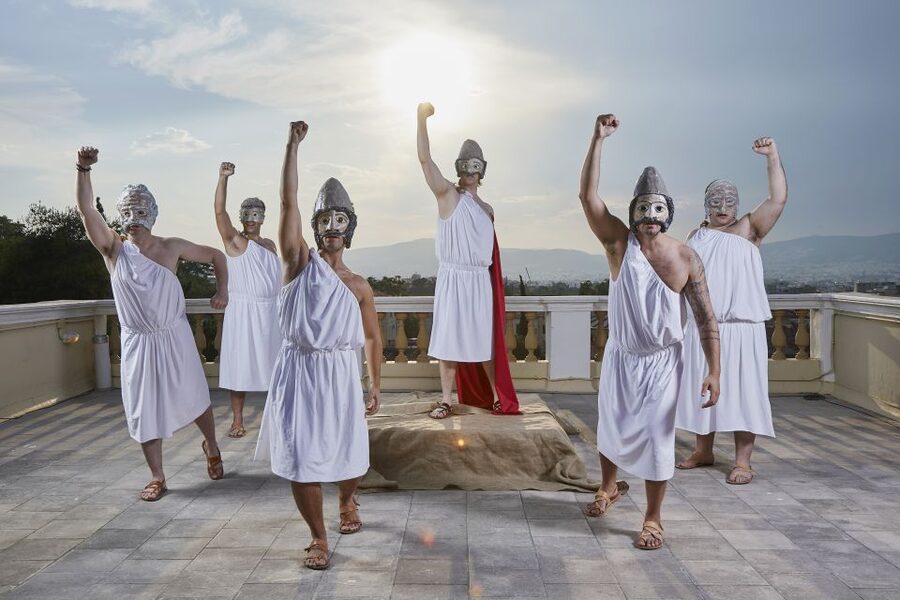
Greek drama feels different beneath the Acropolis. This 75-minute English-language show turns myths into lively theater, with excellent comic timing and a rooftop view of the ancient hill. I especially like the mix of comedy and tragedy, plus the way Medea, Oedipus, Odysseus, and other figures become easier to understand. The main consideration is the terrace setting: evening air can turn cool, and the older building has limited facilities for people with reduced mobility.
You meet at Koilon Theater, just below the famous Plaka stairs, then settle into an intimate outdoor performance space. I also like the timing, since the Acropolis becomes a dramatic backdrop as darkness arrives. Still, this is a staged introduction to Greek mythology, not a serious scholarly lecture, so you should come ready to laugh as much as learn.
Key points to know before booking
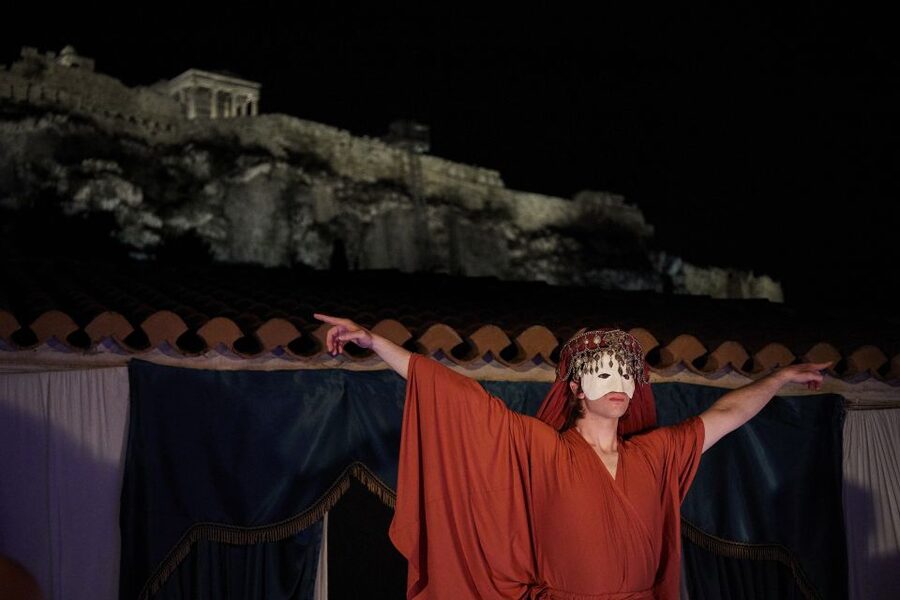
- The story begins in modern Athens: A tourist visiting the Acropolis is knocked unconscious and wakes in fifth-century B.C. Athens.
- The show uses several famous myths: Medea, the daughters of Oedipus, Prometheus, Odysseus, the Cyclops, and the god of Wealth all appear in the comic and tragic mix.
- The rooftop terrace faces the Acropolis: The ancient monument remains visible behind the action, especially striking after sunset.
- The performance is in English: The cast performs without microphones, though the open-air setting and strong delivery generally make the dialogue clear.
- The atmosphere is relaxed: Water and, on many performances, complimentary wine and blankets add comfort to the evening.
- The price is $35: For 75 minutes of live theater in this location, I consider it a fair add-on, especially for first-time visitors to Athens.
Arriving beneath the Acropolis in Plaka
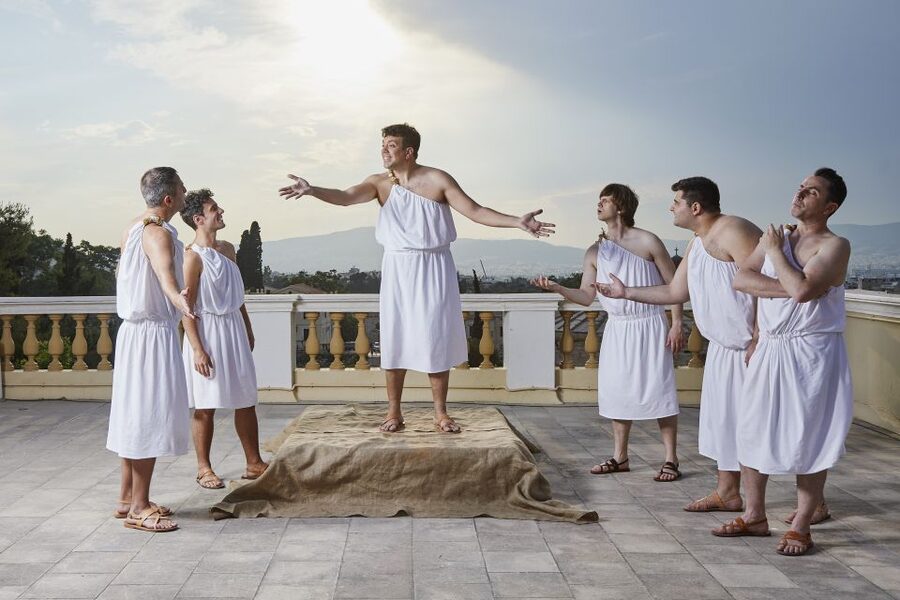
Koilon Theater sits in the heart of Plaka, at the base of the well-known Plaka stairs. That location matters. You are not being sent to an outlying venue after a long ride. You can pair the show with dinner, an evening walk, or a visit to the Acropolis area.
Allow yourself enough time to find the theater. The meeting point is specific, but Plaka’s lanes and stairs can be confusing, particularly after dark. I would arrive early rather than race through the neighborhood at showtime. The approach itself is part of the evening, with the Acropolis rising above the old district.
The theater is in an older building, and the performance takes place on a terrace. That gives you the view, but it also means the venue is not designed like a modern, fully accessible theater. One person specifically noted that there were no accommodations for limited-mobility patrons, although staff offered help. If stairs or uneven access are a concern, contact the provider before booking.
The setting is intimate rather than grand. You are close enough to see the actors’ expressions and follow their physical comedy. That closeness suits the material, since Greek theater depends on bold gestures, clear voices, and direct contact with the audience.
More Ancient History Tours in Athens
- Historical Delphi One Day Tour with Arachova Stop & Expert Guide
★ 4.5 · 1,247 reviews - From Athens: Ancient Corinth Day Trip with Canal & VR Guide
★ 4.6 · 1,073 reviews - Acropolis, Parthenon & Athens Old City Heritage Walking Tour
★ 4.5 · 876 reviews
A modern tourist wakes in fifth-century Athens
The performance opens with a simple comic device. A present-day tourist visits the Acropolis, slips, and wakes up in the Athens of the fifth century B.C. This lets you enter the ancient world without needing a lecture first.
The plot gives the actors a reason to move between myths and styles of Greek drama. The tourist encounters Medea, sees the daughters of Oedipus grieving, chases the god of Wealth near the Parthenon, and learns how Odysseus handles a Cyclopean problem.
That structure is useful if your knowledge of Greek mythology is patchy. You do not need to arrive with a firm grasp of every family tree, god, and tragic curse. The show supplies enough context to make the characters recognizable, then uses humor to keep the pace moving.
I would not expect a single, continuous drama with one carefully developed plot. Think of it as a lively theatrical journey through several major stories. The appeal lies in the changes of mood, from broad comedy to sudden sorrow and grand mythic drama.
Medea, Oedipus, and the serious side of the show
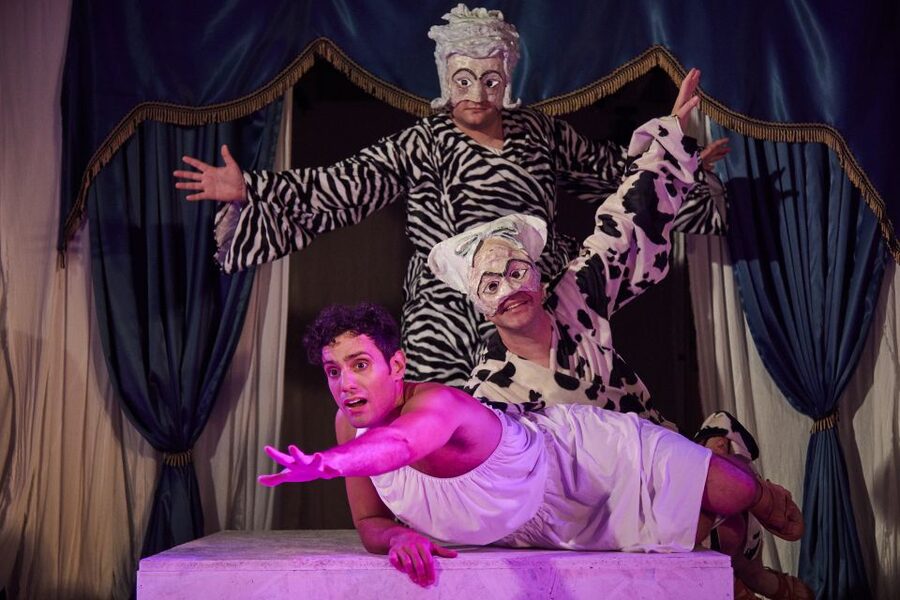
The comedy is the easiest entry point, but the performance does not treat Greek theater as one long joke. Medea and Prometheus can feel heartbreaking and forceful, and the grief of Oedipus’s daughters brings a darker tone.
This contrast is one of the show’s best features. Ancient Greek theater included comedy, tragedy, philosophy, moral questions, and political ideas. Seeing several forms in one evening helps explain why the tradition still feels familiar. You laugh at one scene, then find yourself watching a more painful moment only minutes later.
The actors use expression and movement to signal these changes. One audience member particularly praised the cast’s ability to present both comedy and tragedy, while another enjoyed the creative set design and stage effects. The production is not built around elaborate scenery. Instead, it relies on performance, a few visual touches, and the atmosphere of the terrace.
For me, this is more useful than a dry explanation of theatrical categories. You see the difference between a comic scene and a tragic one instead of simply hearing definitions. The show keeps the lesson moving.
Odysseus, the Cyclops, and the comic myths
Odysseus provides a lighter route into the world of epic storytelling. The Cyclops episode is familiar to many people, but the stage version gives it a playful twist. The god of Wealth also becomes part of the chase, adding another burst of physical comedy.
You will probably enjoy these sections most if you like actors who commit fully to movement and character. The humor is broad, clear, and designed to cross language barriers. Since the show is in English, the cast has to keep the words understandable while still preserving the energy of Greek performance.
The English is generally easy to follow, though accents vary among the actors. One person noted that some accents required a little extra attention, but also found everyone understandable. The cast performs without microphones, a choice that fits the theme and the intimate size of the theater. If you sit farther back, listen closely during quieter passages.
The lack of microphones can also be part of the charm. You hear real voices rather than amplified sound, and the actors use projection in a way that recalls the practical demands of ancient theater.
More Ancient History Tours in Greece
- Private Biblical Tour Ancient Corinth & Isthmus Canal from Athens
★ 5.0 · 762 reviews - Athens: Ancient Corinth & Nafplio Full Day Trip with Swim
★ 4.8 · 531 reviews - Athens Skip the Line: Open Air Ancient Greek Theatre Performance
★ 4.5 · 520 reviews - Athens: Ancient Agora E-Ticket and Audio Tour
★ 3.9 · 413 reviews
The Acropolis backdrop after sunset
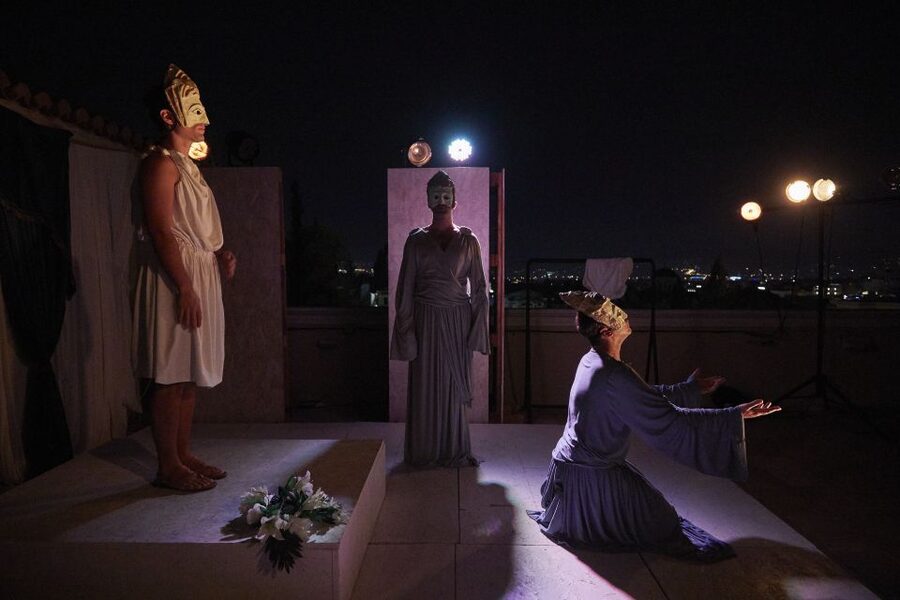
The performance location is the great visual asset. The Acropolis and Parthenon remain behind the stage, and the view changes as the evening darkens. Before the show fully gets going, you can see Athens from the terrace. Later, the illuminated ancient monument becomes part of the scene.
The setting does not replace the acting, but it gives the evening a strong sense of place. A theater production about Greek mythology could happen in any city. This one happens below the Acropolis, where the subject matter feels close at hand.
Several people described the rooftop atmosphere as the highlight of the night. The words rooftop theater can sound like a small detail, but here they shape the entire experience. You are not merely learning that theater began in Athens. You are watching live drama with the city’s most important ancient site behind the performers.
The terrace also brings practical limits. Weather affects comfort, and the open-air space can feel cool on autumn evenings. Blankets and water are provided, and multiple performances also included a complimentary glass of wine. I would still bring a light layer, especially for late-season dates.
What is included for $35
The listed price is $35 per person and includes entrance fees plus the one-hour English performance. The activity itself lasts about 75 minutes, giving you a little time beyond the stated hour for settling in and the full presentation.
At that price, I see this as a good-value evening activity rather than a substitute for a major archaeological visit. You are paying for live acting, a special setting, and an accessible introduction to mythology. You are not paying for a meal, transport, or a long guided tour.
Food and drinks are not formally included. Still, audience accounts regularly describe water and complimentary wine, including white wine and rosé on some evenings. Treat the wine as a pleasant extra rather than something to build your plans around, since the official inclusions do not promise it.
The value is strongest for visitors who have already spent the day among ruins and want a different way to connect the sites. After seeing temples and statues, you get to watch the stories associated with ancient Greece acted out in front of you.
The activity also offers free cancellation up to 24 hours before the start time and a reserve-now, pay-later option. Those terms help if your Athens schedule depends on weather or on the timing of an Acropolis visit.
Who will enjoy this performance most
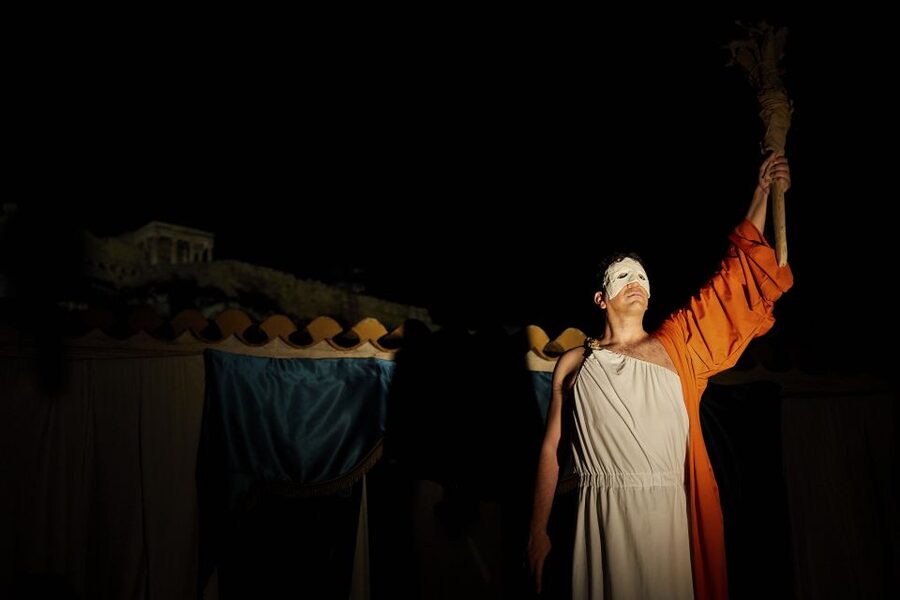
I would recommend it to first-time visitors who want an entertaining introduction to mythology without committing to a formal lecture. Families can also do well here. A family of five described the show as a hit for everyone, and another family with a teenager enjoyed both the setting and the humor.
The performance suits adults who like theater, too. The cast brings enough energy and feeling to make the production more than a tourist display. If you enjoy local productions, intimate venues, or classical stories presented with a modern touch, you will likely find plenty to appreciate.
It is especially useful for:
- People who want an English-language cultural activity
- Families with older children or teenagers
- Anyone interested in Greek mythology
- Theater lovers who prefer small venues
- Visitors looking for an evening activity near the Acropolis
- Those who want something lighter than another museum or archaeological site
I would be more cautious if you need full accessibility, dislike outdoor seating, or want a historically strict performance. The humor and staging are modern, and the show compresses many stories into one evening.
Practical tips for a better evening
Arrive with time to spare. The theater is under the Acropolis in Plaka, but the stairs and lanes can slow you down. Starting from the meeting point rather than searching for the venue at the last minute will make the evening calmer.
Wear comfortable shoes for Plaka and bring a light jacket. Blankets are available, but the terrace remains open to the evening air. The show can begin while there is still some daylight, then continue as the Acropolis view changes.
Do not use flash photography. You may be able to take photographs at suitable moments, and one performance allowed pictures with the cast, but flash is not permitted.
If clear dialogue matters to you, choose a seat where you can hear the actors directly. The production uses no microphones, and although the voices are generally strong, the outdoor setting can make quieter lines less immediate.
Plan the show around your evening meal. Food and drinks are not part of the ticket, so eat beforehand or arrange dinner afterward in Plaka. The performance is short enough to fit neatly into an evening, but you should not expect a full night of entertainment.
Is this Athens theater experience worth booking?
Yes, I would book it if you want a fun, well-priced cultural evening with a memorable setting. The best parts are the talented cast, the mix of comedy and tragedy, and the Acropolis behind the stage. The show brings myths to life without asking you to study them first.
I would skip it only if outdoor seating, stairs, or changing accents would make the experience difficult. For everyone else, $35 buys an hour and fifteen minutes of live English-language theater in one of Athens’ most meaningful locations. That is a strong deal, and it gives your visit something the usual archaeological itinerary cannot: ancient stories told by living actors under the monuments that inspired them.
FAQ
Where does the Athens Greek theater performance take place?
The performance takes place at Koilon Theater, at the base of the famous Plaka stairs in the Plaka district, just below the Acropolis.
How long does the performance last?
The activity lasts 75 minutes. The included performance itself is described as one hour.
Is the performance in English?
Yes. The actors perform in English, and the host or greeter also uses English.
What stories are included?
The performance includes stories and characters connected with Medea, the daughters of Oedipus, Prometheus, Odysseus, the Cyclops, and the god of Wealth.
Is the performance indoors or outdoors?
It takes place outdoors on the theater’s terrace.
Can I see the Acropolis during the show?
Yes. The theater terrace has views of the Acropolis, with the monument serving as the backdrop.
Is food included with the ticket?
No. Food and drinks are not formally included. Water and complimentary wine were provided at several performances, but they should be treated as an extra rather than a guaranteed inclusion.
Is photography allowed?
Photography is allowed only without flash. Flash photography is specifically not permitted.
Is the theater accessible for people with limited mobility?
The building is older and may not provide accommodations for people with limited mobility. Staff may be able to help, but you should check before booking if accessibility is important.
Can I cancel the booking?
Yes. You can cancel up to 24 hours in advance for a full refund. A reserve-now, pay-later option is also available.
Just added around Athens
- The original Christian tour on Paul’s footsteps in Athens and ancient Corinth★ 4.5 · 25 reviews
- Small-Group Women History in Ancient Greece Walking Tour★ 5.0 · 38 reviews
- Athens: Combo Ticket for Acropolis & 6 ancient sites★ 3.0 · 21 reviews
- Ancient Sparta & Mystras Private Day Tour from Athens★ 5.0 · 52 reviews
- Ancient Olympia & Isthmus Canal Private Tour from Athens★ 5.0 · 20 reviews
- Ancient Agora & Temple of Hephaestus Entrance Ticket★ 3.5 · 22 reviews
- Half Day Historical Athens City Private Taxi Service Tour★ 5.0 · 79 reviews
- Ancient Corinth, Sanctuary of Hera, Blue Lake & Canal from Athens★ 5.0 · 26 reviews
Ancient History Tours, compared.
Colosseum: Underground and Ancient Rome Tour
Read our review →
Colosseum & Ancient Rome with Arena Floor Option I Max 6 People
Read our review →
Colosseum, Ancient Rome Tour or AudioGuided Tour
Read our review →
Colosseum Underground & Ancient Rome Guided Tour
Read our review →
Taormina: Ancient Theater Skip-the-Line Ticket & Audio Guide
Read our review →
Discover the Ancient Ruins of Pompeii: Day Trip from Rome
Read our review →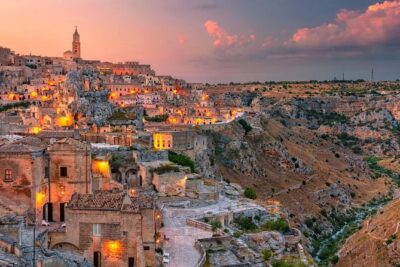
Discover Matera, the ancient city – English tour
Read our review →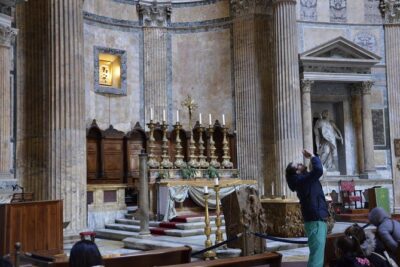
Pantheon Elite Guided Tour – Rome’s Iconic Ancient Temple
Read our review →Browse the lists this tour appears in