
Review · OKINAWA
Shuri+Naha: Cycling Tour Explore Water Heritage with E-Bike
Water tells Okinawa’s story better than any museum. This three-hour e-bike ride links Shuri’s springs, rivers, castle streets, and old neighborhoods in a way that feels close to daily life. I especially like the small group of five and the chance to taste sweets made from Ryukyu-era recipes. The main caution is that you need to ride a bike confidently and handle stone steps, slippery areas, and a hill.
I also like the quiet change of pace. One minute you are near Naha’s monorail and city traffic, and the next you are beside a spring with birds, trees, and falling water. Guides including Aki, Sally, Maki, and Jo-Jo have earned praise for friendly, careful guiding, though guide assignment depends on the day.
Key points at a glance
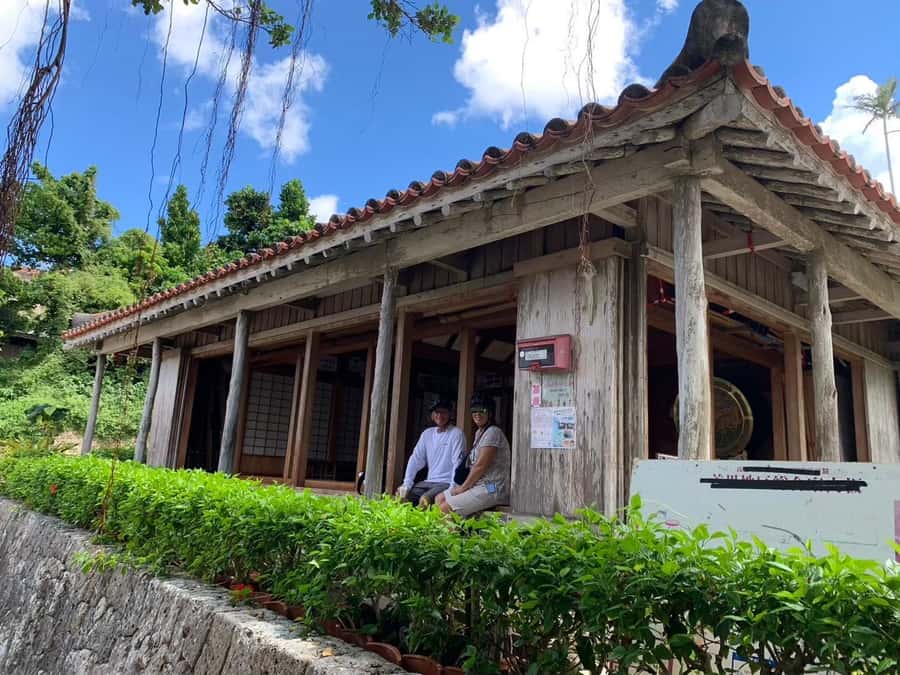
- Springs beside the city: Follow rivers and reach quiet water spots that feel far removed from central Naha.
- A small, personal ride: Groups are limited to five, with a guide using a helmet intercom system.
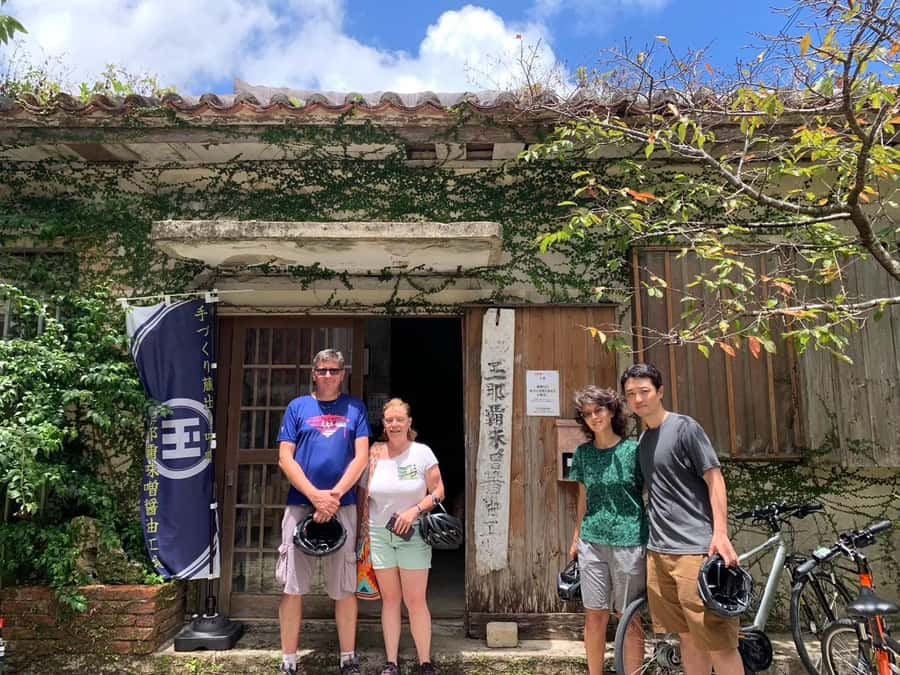
- Ryukyu sweets stop: Visit a confectionery shop preserving recipes connected to the Ryukyu Kingdom era.
- Shuri Castle and royal history: Ride through castle-town streets, sacred places, stone paths, and traditional details.
- Electric assistance: The e-bike helps with the gradual climb toward Shuri, then gives you an easy downhill ride back.
- A practical starting point: Meet beside Makishi Post Office, just one minute from Makishi Monorail Station.
Why this e-bike tour gives you a different Naha
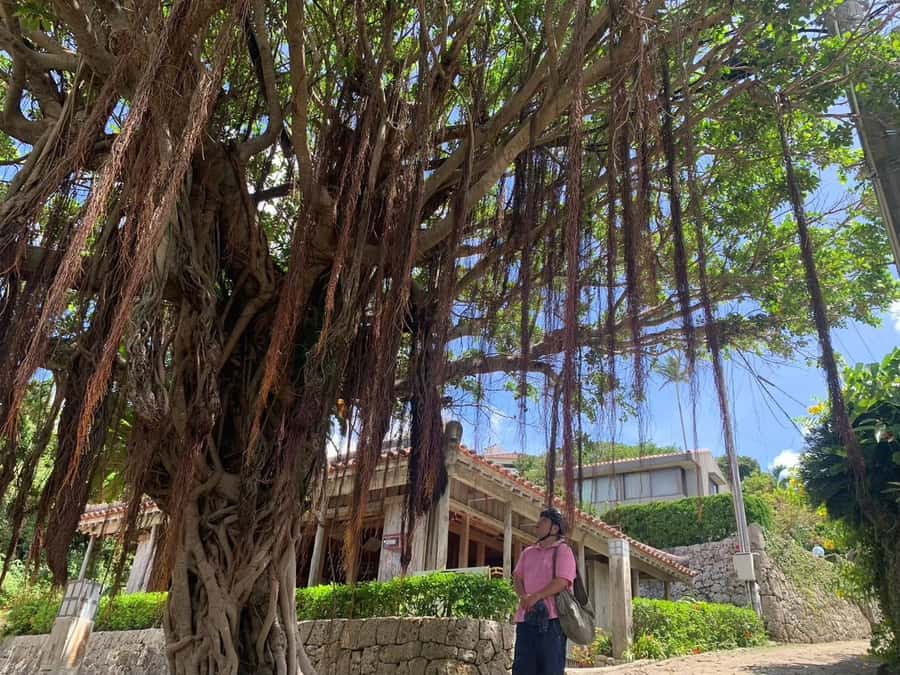
Naha is easy to experience as a shopping and restaurant stop, especially around Kokusai Street. This tour shows you another side of the city. It follows water, old paths, springs, and residential streets where traditional and modern homes sit close together.
That route matters. You are not simply pedaling from one famous sight to another. You are seeing why water has shaped local life, where people once gathered, and how the old Ryukyu capital still appears in small details.
The electric bicycle is a smart choice here. You still pedal, so you get the pleasure of moving under your own power, but the motor takes the sting out of the climb toward Shuri. The return is downhill, giving you a pleasant final stretch with the wind in your face.
At $87 per person, the tour is not the cheapest way to see Shuri. You are paying for the bicycle, helmet, intercom system, guide, and a tightly planned route that would be hard to assemble on your own. For a short stay in Naha, I think the value is strongest if you want local scenery and cultural context rather than just a quick castle visit.
More History Bike, Segway and Tuk-Tuk Tours in Japan
- Historical Kyoto E-Bike Tour
★ 5.0 · 181 reviews - Sakurajima Century Lava Climb Journey with E-bike
★ 5.0 · 54 reviews - Tokyo: 3-Hour Bike/E-Bike Tour of the City’s Hidden Gems
★ 5.0 · 47 reviews
Starting near Makishi Monorail Station
You meet at the e-charity Naha Kokusai Street main shop, next to Makishi Post Office. The shop is a one-minute walk from Makishi Monorail Station, which makes the start simple if you are staying in central Naha.
The staff provides your electric-assisted bicycle and helmet, followed by a short safety briefing. The helmet includes an intercom system, so you can hear the guide while riding. That is a useful feature in a small group, since you do not need to stop every few minutes to catch instructions.
The bicycles have received specific praise for being in good condition. You should still use the briefing to check your seat, brakes, and riding position before setting off. Comfortable athletic shoes are important. High heels and sandals are not suitable because parts of the route can be slippery and close to rocky or wet areas.
The tour is limited to five people. That size should make it easier to ask questions and keep the group together, and it gives the guide room to adjust the pace within reason. You are still joining a group ride, so this is not a private, stop-anywhere cycling day.
Along the riverside, local life comes first
The early part of the ride moves beside the river, where older houses and newer homes share the same streets. This is one of the strongest parts of the route because it gives you a look at ordinary Okinawan surroundings instead of only prepared sightseeing areas.
You may see people going about their day, and a simple greeting can bring a smile in return. That small exchange is part of the appeal. The tour is designed around the feeling of local life, not only monuments and photo stops.
The guide explains how water connects these neighborhoods. That context turns a pleasant bike ride into something more meaningful. Springs were not just pretty places. They supported daily routines and helped shape settlement in the Shuri area.
You should expect a little street riding and regular attention to your surroundings. The tour description specifically warns that some places are near water and rocky ground. Wear shoes with a secure sole, and do not treat the route like a smooth park cycle.
Sashikasa Hija and the surprise of the springs
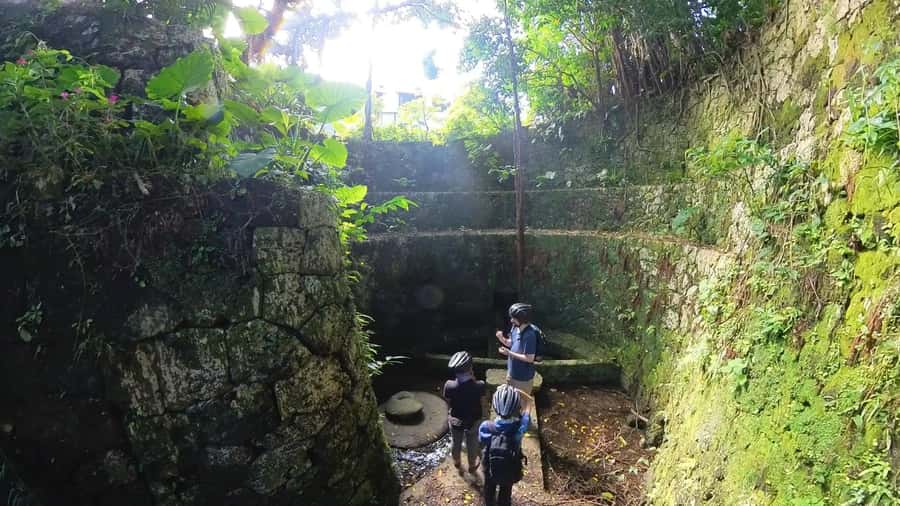
One of the named stops is Sashikasa Hija, a spring area reached after leaving the main city flow. You pass old trees and stone steps, then descend toward perennial water and a small waterfall.
The contrast is the point. A monorail and active streets are not far away, yet the spring creates a calmer setting. You hear water moving and, at times, the sound of birds rather than city noise.
This is a good place to slow down. The tour is not only about covering ground, and the spring stop gives you time to notice the natural features that are easy to miss from a taxi or bus. The stone steps and wet surroundings also explain why suitable footwear matters.
There is a practical limitation here. A spring beside steps and rocky ground may not suit anyone who has trouble walking or balancing. The activity is not suitable for wheelchair users, and it is also not suitable for people who cannot ride a bike.
Same place, a different slice of the past:
- Kyoto: Fushimi Inari, Kinkakuji, Bamboo Grove 1 Day Bus Tour
★ 4.8 · 4,316 reviews - World Heritage Shirakawa-go and Experience Tours from Kanazawa
★ 5.0 · 4,049 reviews - Tokyo: Imperial Palace and Shogun Historical Walking Tour
★ 5.0 · 2,251 reviews - World Heritage Kyoto & Nara Uji Authentic Matcha Experience
★ 5.0 · 1,573 reviews
A second spring where birds gather
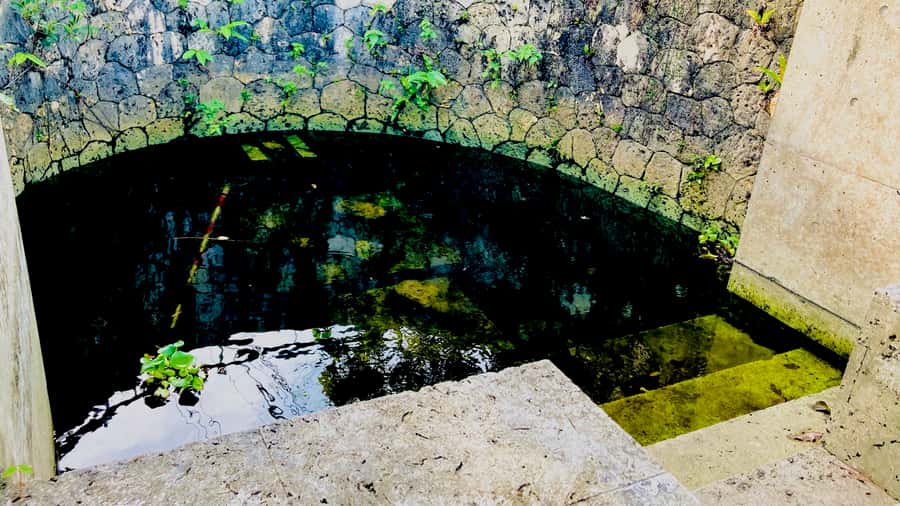
After riding through residential streets, you reach another spring deeper among trees. Waterfowl gather here, and the setting is described as unusually quiet, with water and birdsong taking over from city sounds.
This stop helps explain the tour’s title. Water heritage is not treated as a single historical fact. You see how springs remain part of the character of the area, even inside a modern city.
I would give this section your full attention. The best moments may not be the grandest ones. A quiet spring, a shaded path, or a glimpse of waterfowl can tell you more about the area’s feel than another large building.
The route also gives you a useful sense of scale. Shuri is not a sealed historical zone separated from daily life. Homes, roads, old trees, water sources, and cultural sites sit within the same city fabric.
Ryukyu sweets made by hand
The confectionery stop brings food into the story. You visit a shop that preserves recipes passed down since the Ryukyu Kingdom era. The sweets are made by hand, and you may see part of the production and packaging process before tasting them.
This is a welcome pause after cycling. It also adds a human element to the royal history. Instead of hearing only about kings, castles, and formal ceremonies, you get a taste of a recipe tradition kept alive through practical craft.
The stop has been singled out as a particularly good idea. The shop has made these small traditional sweets by hand for more than 100 years, according to the tour information. That does not make the visit a full cooking class, but it does give you a direct connection to a living food tradition.
Keep your expectations in check. This is a tasting and production stop, not a long meal. If you have strict dietary needs, the supplied information does not specify ingredients or allergy procedures, so you should ask the operator before booking.
The vermilion gate and the climb to Shuri
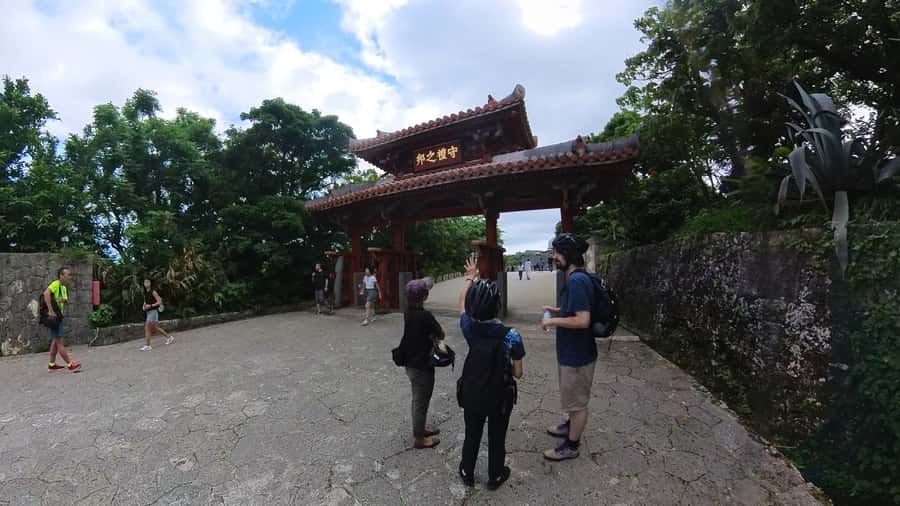
The tour then reaches one of Okinawa’s most recognizable gates. Its strong vermilion color and balanced design made it a symbol of the island, and it was known by local people as Ue no Ayamon Ii no Ayashō, meaning Beautiful Gate Above.
This is your clear photo stop. You can take commemorative pictures, then continue toward the castle area. The gate works as a visual marker, but it also helps you understand the old approach to Shuri’s royal center.
From here, the route gradually climbs. The electric assistance matters most now. You will still be pedaling, but the motor makes the hill more manageable than it would be on a standard rental bicycle.
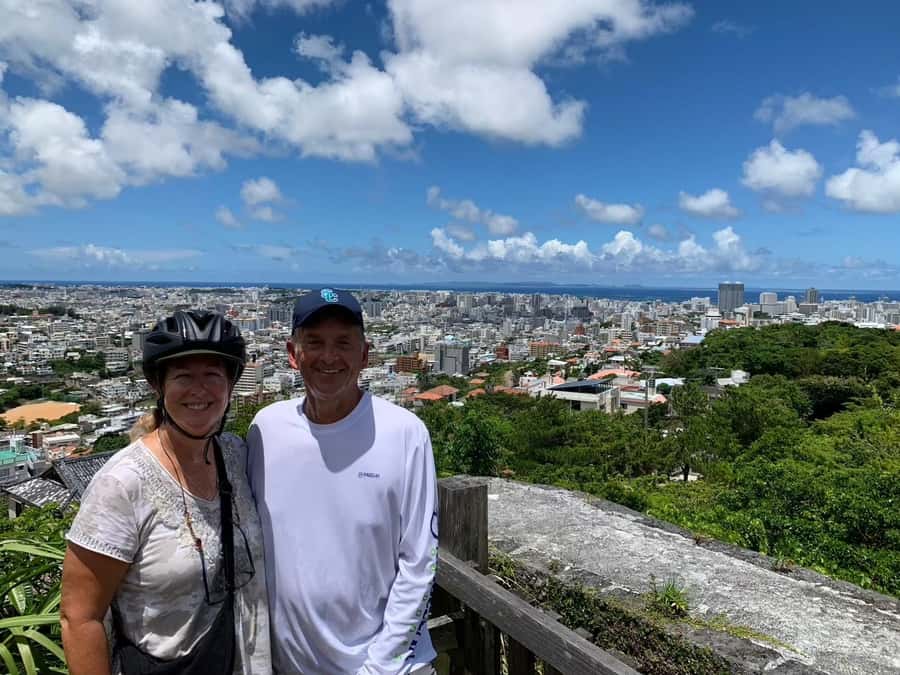
As you gain height, you can look across Naha City. Red roofs, stone pillars, and guardian figures appear around the old castle-town streets. These details are easy to miss when you are traveling quickly by car or moving through the city on foot.
The climb is not something to ignore. If you dislike hills or rarely ride, ask about the pace before setting off. The e-bike reduces effort, but it does not remove the need to balance, steer, and pedal.
Shuri Castle, sacred places, and old stone streets
Shuri Castle served as the capital of the Ryukyu Kingdom, and this part gives the ride its strongest historical focus. You move through streets with cobblestones, temples, and sacred sites while learning about Ryukyu culture and Okinawan religious beliefs.
The value here is the setting around the castle as much as the castle itself. You are seeing how the former capital was connected to its streets, shrines, homes, gates, and viewpoints. The guide helps link those physical details to the island’s past.
Do not expect a long, museum-style castle visit. The experience is a guided cycling route, so the emphasis is on seeing Shuri as a living area and moving between several points. If your main goal is to study every castle exhibit at length, you may need separate time at Shuri Castle.
For many people, that balance is a strength. You get a wider sense of the old capital instead of spending the entire outing inside one attraction. The guide can also explain details as you ride, which makes the history feel connected to the streets around you.
The easy ride back to Naha
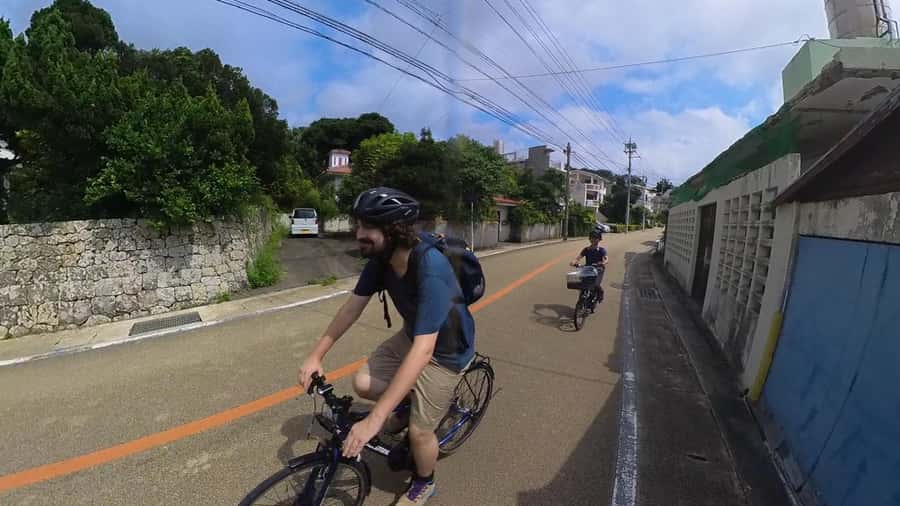
After the climb and cultural stops, the route heads downhill toward the bike shop. This is the reward for accepting the uphill section earlier. You can coast more often, enjoy the air, and watch the finish line come closer.
You return the bicycles at the original shop, near Makishi Station. The tour ends there, leaving you in a useful position to continue around Naha on your own.
The three-hour length works well for a morning or afternoon plan. It is long enough to include nature, food, views, and Shuri, but short enough to leave time for shopping, lunch, or another Naha sight. Starting times vary, so check availability when booking.
Guides, group size, and the feel of the ride
The guide is central to this experience. Aki has been praised for polite, experienced English guiding, while Sally was noted for making Okinawan nature and history clear and interesting. Maki was described as attentive, and Jo-Jo also received praise after a particularly enjoyable tour.
The available languages are English and Japanese. English ability can vary by guide, but the feedback points to a strong record of clear communication. The helmet intercom should help, especially when the group is moving.
A small group makes the cultural stops more comfortable. You can ask about a spring, a roof, a shrine, or a sweet without holding up a large crowd. It also helps the guide keep an eye on riders during the city sections.
Weather deserves attention. If the precipitation chance rises above 70 percent or severe weather is expected, the operator may change the plan. You should be ready for Okinawa’s conditions rather than assuming every ride will be dry. One outing continued through a storm and was still described as fun, but that does not mean you should arrive without suitable clothing.
Who should book this Shuri e-bike tour?
I would choose this tour if you want to combine light exercise, local neighborhoods, water sites, food, and Ryukyu history in one compact outing. It is especially useful during a short Naha stay when you want more than a standard city walk.
It suits confident cyclists who can manage a gradual hill, a downhill return, stone steps, and areas near water. Families can ask about a child seat for children aged one to five, but the operator should confirm the arrangement before you book.
I would think twice if you cannot ride a bike, need step-free access, dislike changing weather, or want a long, detailed visit inside Shuri Castle. The tour is active and varied, not a slow vehicle-based sightseeing trip.
The price is reasonable for the equipment and guiding, particularly because the electric bicycle lets you cover more ground without committing to a full-day rental. Free cancellation up to 24 hours before the start and a reserve-now, pay-later option also reduce the risk when your plans are still moving.
Should you book it?
Book this Shuri and Naha e-bike tour if you want to see the city through its springs, streets, food traditions, and old royal center. The strongest reasons are the small group, excellent guide record, well-kept e-bikes, and unusual water stops close to the city.
Skip it if cycling is not comfortable for you or if your priority is a long, formal castle visit. For the right rider, $87 buys a well-planned three hours that connects everyday Okinawa with the island’s royal past.
FAQ
Where does the tour start?
Meet at the e-charity Naha Kokusai Street main shop, next to Makishi Post Office. It is a one-minute walk from Makishi Monorail Station.
How long does the tour last?
The tour lasts three hours.
How much does the experience cost?
The listed price is $87 per person.
What is included?
The price includes the guided tour, a helmet with an intercom system, and an electric-assisted bicycle rental.
Are camera mounts or phone holders included?
No. Camera mounts and mobile phone holders are not included.
Which languages are available?
The tour is offered in English and Japanese.
How many people are in the group?
The tour is limited to five participants.
What should I wear?
Wear comfortable athletic shoes or similar footwear. High heels and sandals are discouraged because parts of the route may be slippery and close to rocky areas.
Can children join the tour?
Children aged one to five may have a child seat attached to a parent’s bicycle. Contact the staff for details before booking. The activity is not suitable for people who cannot ride a bike or for wheelchair users.
More E-Bikes in Japan
- Historic Athens: Small Group Electric Bike Tour
★ 4.9 · 966 reviews - San Sebastian E-bike trour: Basque History and Cultural.
★ 5.0 · 367 reviews - Nashville’s Historic Electric Bike Tour
★ 5.0 · 189 reviews - Athens: Small Group E-Bike Tour of Historic Highlights
★ 4.9 · 154 reviews
More Bike Tours in Japan
- Nara: Bike Tour in Ancient Capital UNESCO World Heritage
★ 5.0 · 43 reviews - Historical Singapore Bike Tour on Full-Sized Bicycles
★ 5.0 · 1,421 reviews - Barcelona: 2.5-Hour Bike or E-Bike Historical Tour
★ 4.5 · 1,262 reviews - Asheville Historic Downtown Guided Electric Bike Tour with Scenic Views
★ 5.0 · 1,234 reviews
Just added around Japan
- Tokyo: Nagano Snow Monkeys and Zenkoji Tour with Temples★ 4.9 · 19 reviews
- Osaka: Kyoto & Nara & Uji Historical and Scenic One-Day Tour★ 4.7 · 21 reviews
- Osaka: Castle History Walking Tour / Castle Tower Admission★ 4.9 · 230 reviews
- Osaka: Osaka Castle & Historical Museum Guided Tour★ 4.8 · 28 reviews
- Osaka: Dark Side of Osaka Night Walking Tour★ 4.9 · 89 reviews
- Nikko Heritage & Nature Day Trip from Tokyo★ 4.8 · 94 reviews
- Hiroshima: Miyajima Half-day Historical Walking Tour★ 4.7 · 100 reviews
- Kyoto: Historic Higashiyama Walking Tour★ 5.0 · 31 reviews
History Bike, Segway & Tuk-Tuk Tours, compared.
Historical Singapore Bike Tour on Full-Sized Bicycles
Read our review →
Charlotte’s Ultimate Southern Charm Historical City Cart Tour
Read our review →

Asheville Historic Downtown Guided Electric Bike Tour with Scenic Views
Read our review →
Private Guided Historic Electric Cart Tour of St. Augustine
Read our review →
60-Minute Guided Segway History Tour of Savannah
Read our review →
Historic Athens: Small Group Electric Bike Tour
Read our review →
90 Minute Historic Uptown Neighborhood Segway Tour of Charlotte
Read our review →Browse the lists this tour appears in