
Review · HONSHU
Osaka: Kyoto & Nara & Uji Historical and Scenic One-Day Tour
Three famous sights, one long day. This guided outing links Nara, Uji, and southern Kyoto from Osaka, giving you a useful taste of deer parks, Buddhist temples, matcha culture, and red torii gates without arranging several separate train journeys. I like the door-to-door air-conditioned transport and the chance to visit both Byodoin Temple and Fushimi Inari Taisha in the same day. I also like the English-speaking guide, especially when the commentary is as lively and helpful as Mia’s local tips.
The tradeoff is simple: you spend a fair amount of time on the road. One Canadian guest felt there was too little time at the sights, though the guide worked hard to keep the day moving and used WhatsApp to stay in touch. This is a sampler for curious first-time visitors, not a slow temple-and-teahouse day.
Key points to know before booking
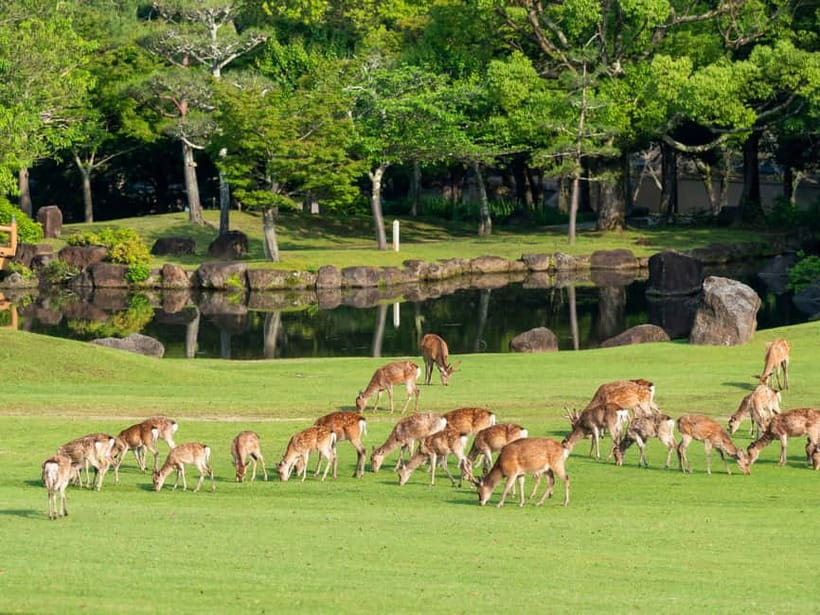
- Nara’s deer are wild animals: You can feed them, but you need to follow the guide’s instructions and handle the encounter with care.
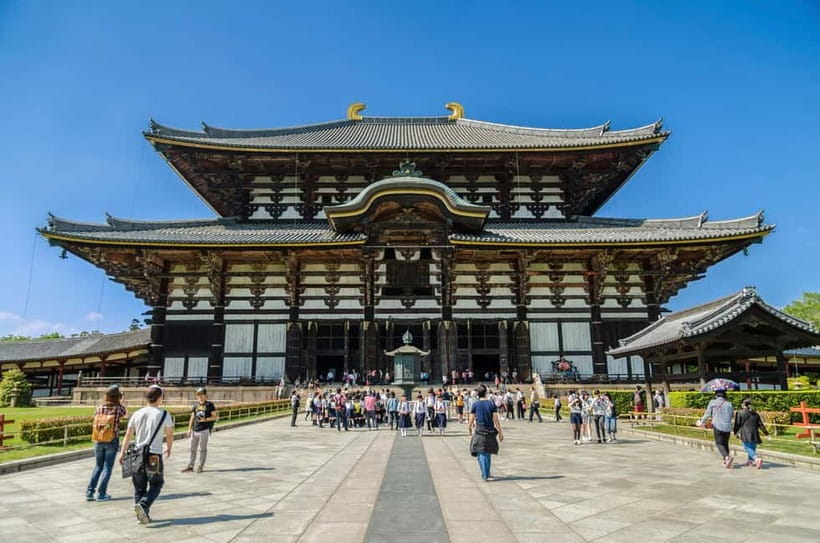
- Todaiji admission is extra: The enormous temple and its bronze Buddha are central to the Nara stop, but the entrance ticket is not included.
- Uji gets about two hours: You have time for the river, Byodoin Temple, the statue of Murasaki Shikibu, and matcha treats, though you will need to choose your stops carefully.
- Fushimi Inari receives about 70 minutes: That is enough for photos and a walk among the torii gates, but not a full hike up the mountain.
- The $56 price covers the main transport costs: Fuel, tolls, parking, and round-trip vehicle transport are included. Meals, drinks, and temple tickets are not.
- Pickup varies by booking: Possible drop-off points include several Osaka wards and Kyoto Station’s Hachijo Entrance area.
Why this route works from Osaka
Osaka is an excellent base for exploring the Kansai region, but Nara, Uji, and Kyoto are spread out. Visiting them independently means checking train routes, allowing for transfers, and keeping an eye on the clock. This tour removes much of that work with a single air-conditioned vehicle and a guide who handles the movement between stops.
The route covers three major destinations beyond Osaka in one day: Nara, Uji, and Kyoto’s Fushimi Inari area. That is a lot of ground. You will see a wide range of Japanese culture, from deer associated with Nara’s old religious traditions to Shinto shrine gates and Uji’s tea shops.
At $56 per person, the value is strongest if you care about convenience. The price includes fuel, tolls, parking, the vehicle, and an English or Chinese-speaking guide. You still pay for food, drinks, and entry to Todaiji and Byodoin, so keep extra money available. Even with those additions, the tour can make sense for anyone who does not want to build a complicated day around public transport.
The vehicle also matters at the end of a busy day. After walking around Nara Park, Uji, and Fushimi Inari, you can return by road rather than finding your way through stations. The drawback is traffic. Road delays can reduce the time available at each sight and may affect the return time.
A few more history tours around Japan worth a look
- World Heritage Shirakawa-go and Experience Tours from Kanazawa
★ 5.0 · 4,049 reviews - Tokyo: Imperial Palace and Shogun Historical Walking Tour
★ 5.0 · 2,251 reviews - World Heritage Kyoto & Nara Uji Authentic Matcha Experience
★ 5.0 · 1,573 reviews
Nara Park and the careful art of feeding deer
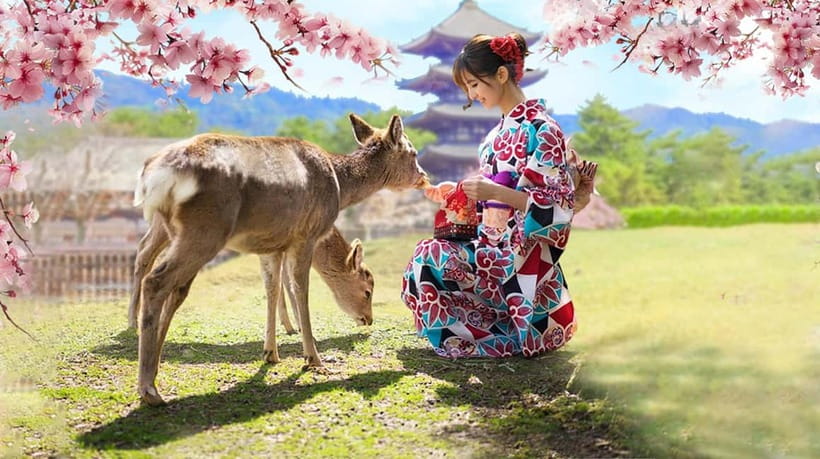
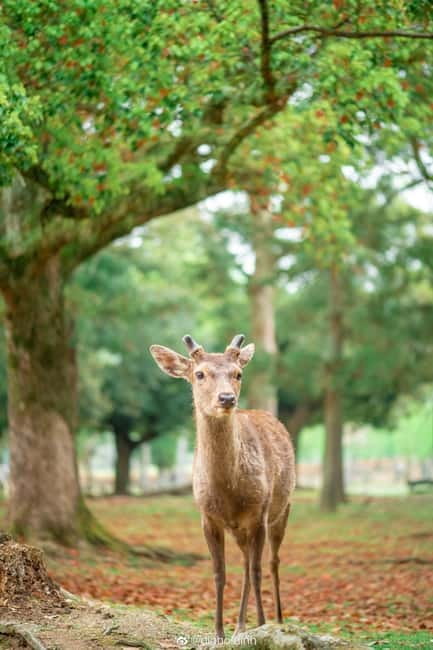
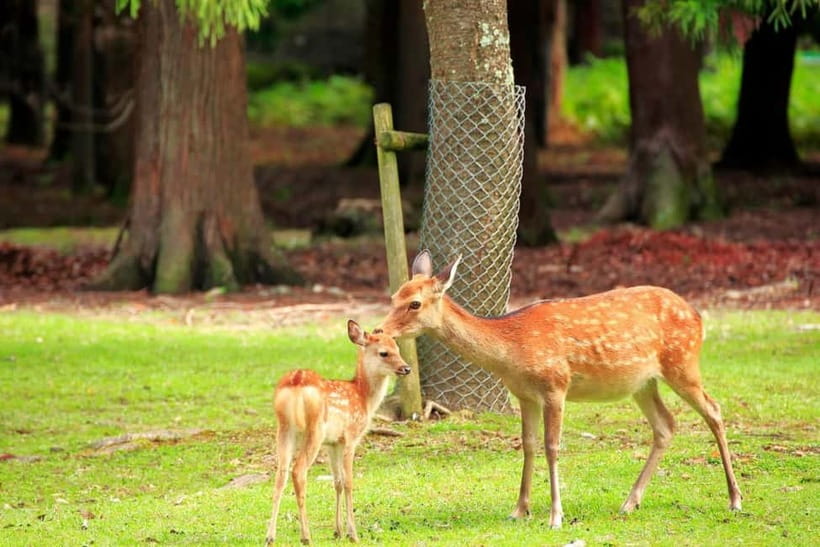
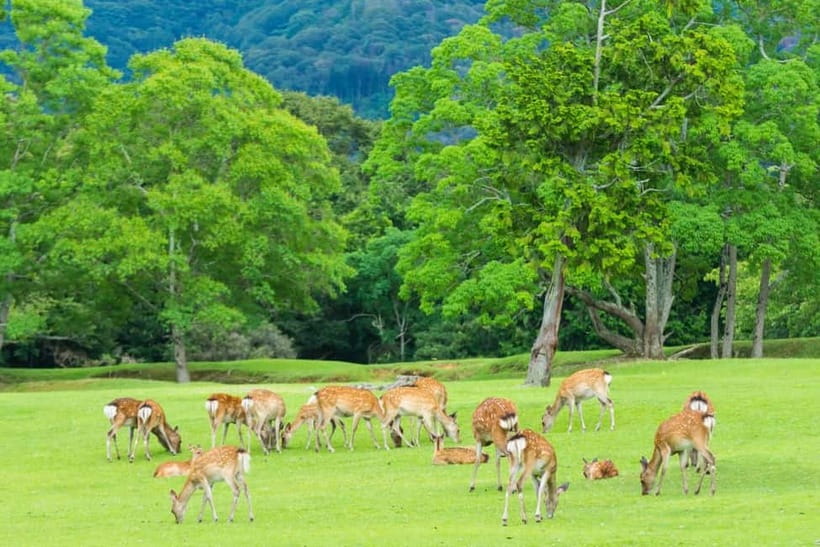
The first major stop is Nara Park, with about 45 minutes for free time and sightseeing. Nara’s deer are the immediate attraction. You can get close, offer them a snack, and take photographs while moving through one of Japan’s best-known public parks.
The deer are not domestic pets. They are wild animals, and the instructions from the guide matter. Keep your hands clear once the food is gone, pay attention to the animals around you, and avoid treating the encounter like a guaranteed photo opportunity. The deer can be gentle, but they are still animals competing for food.
Forty-five minutes is enough for a quick look, feeding, and photographs. It is not enough for a long, unhurried visit across the whole park. If you want the best use of your time, focus on the area near the meeting point and listen carefully for instructions about where and when to regroup.
This stop suits families, photographers, and anyone who wants a lighthearted start to a cultural day. It also gives you a chance to see how Nara’s famous deer shape the city’s identity. Just remember that the deer are part of the experience, not a petting zoo.
Todaiji and the great bronze Buddha
Todaiji follows Nara Park, with roughly 30 minutes set aside for sightseeing. The temple is a UNESCO World Heritage site and one of the most powerful stops on the route. Its great bronze Vairocana Buddha gives the visit a sense of scale that is difficult to appreciate from photographs alone.
Thirty minutes is a tight window. You will need to stay aware of the guide, the meeting time, and the route back to the vehicle. The admission fee is not included, so confirm the ticket arrangement with the guide before entering. If you spend too long in the park or at the ticket area, you may have less time inside the temple.
I would treat Todaiji as a focused visit rather than a full study of the complex. Look carefully at the structure, the Buddha, and the atmosphere inside. The temple’s solemn character is a useful contrast to the playful deer outside.
The combination of Nara Park and Todaiji is one of the strongest parts of the day. You get a memorable animal encounter followed by a major Buddhist site, all within a compact visit. The price of that efficiency is limited time.
Uji River, Murasaki Shikibu, and Japan’s tea country
Uji receives the longest stop, about two hours. This is where the day slows down a little, though you still need to plan your choices. The area includes the Uji River, the statue of Murasaki Shikibu, Byodoin Temple, Kyoto Prefectural Uji Park, and streets filled with matcha food.
The Uji River gives you a pleasant change of pace after Nara. A walk beside the water helps you see why Uji feels different from the larger cities. The stop is not only about buying tea or sweets. It is also about connecting the local setting with Japan’s long tea tradition.
The statue of Murasaki Shikibu adds a literary note. She is associated with The Tale of Genji, and the statue helps place Uji within Japanese cultural history. You may only have a short time here, but it gives the visit another layer beyond temples and food.
Uji is also where you should make a clear choice. You can give more time to Byodoin, walk by the river, visit shops on Byodo-in Omotesando, or sample matcha desserts. Trying to do everything may leave you rushing from one stop to the next.
Same place, a different slice of the past:
- Kyoto: Fushimi Inari, Kinkakuji, Bamboo Grove 1 Day Bus Tour
★ 4.8 · 4,316 reviews - Kyoto Gion: 2-Hour Geisha Culture & History Walking Tour
★ 5.0 · 1,186 reviews - Tokyo Castle & Imperial PalaceーShogun Walking Tour
★ 4.7 · 1,068 reviews - Kanazawa: World Heritage Shirakawa-go Morning Guided Tour
★ 4.9 · 988 reviews
Byodoin Temple and the Phoenix Hall
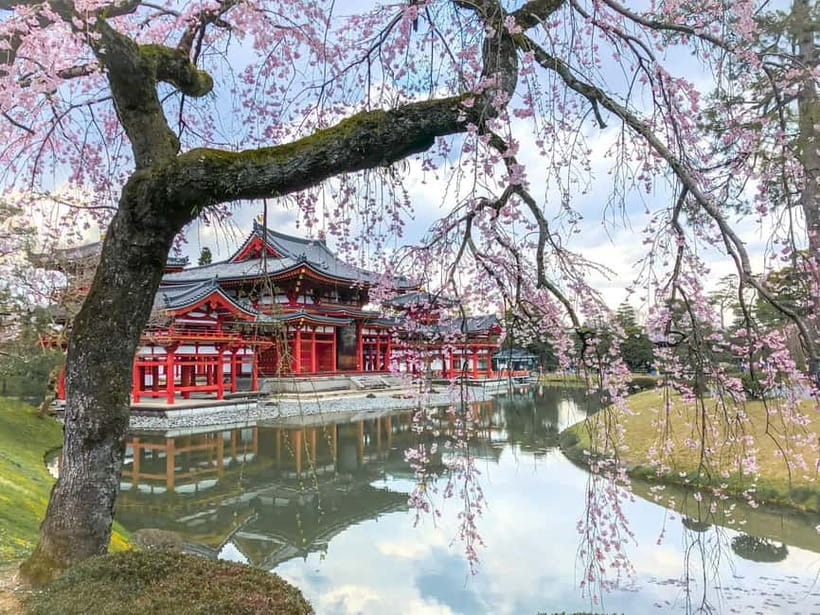
Byodoin Temple is the key cultural stop in Uji. Its calm setting and historic buildings offer a quieter experience than the crowds around Fushimi Inari. Admission is extra, so budget for the entrance fee if you want to go inside the temple grounds.
The temple is closely associated with the Phoenix Hall, a famous image in Japanese art and currency. Even if your visit is brief, the building and its setting make the stop worthwhile. The atmosphere is more measured than the deer park, and you will want a few quiet minutes to take in the view rather than rushing straight to photographs.
Time is the main concern. Two hours in Uji sounds generous until you combine temple admission, the river, the statue, food, and shopping. Ask the guide how much time is available before you split up. If Byodoin is your priority, go there early in the Uji stop.
Byodo-in Omotesando provides the most natural place to browse and eat. The street is known for local treats, and Uji matcha appears in desserts and drinks. Meals and beverages are not included, so this is a chance to buy something at your own cost. Matcha fans will find this part especially appealing, but you should not expect a formal tea ceremony from the information provided.
Fushimi Inari and the first rows of torii gates
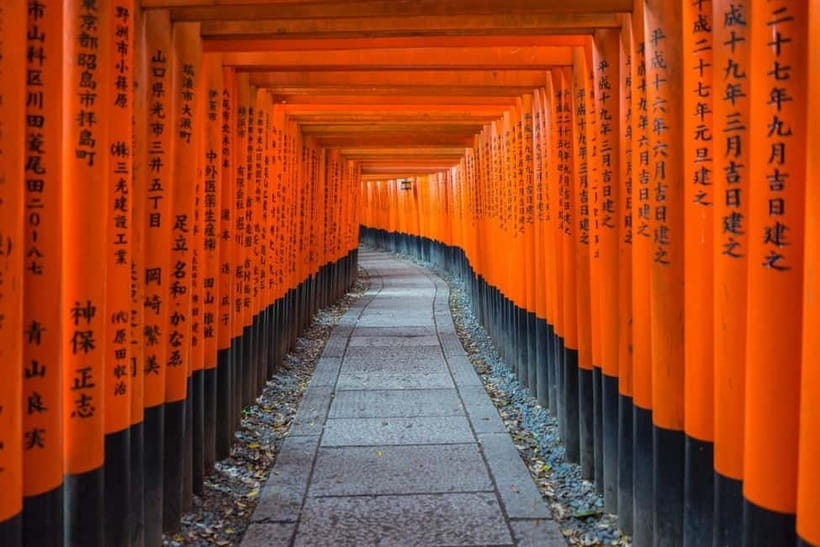
The final main attraction is Fushimi Inari Taisha, with about 70 minutes for a break, photographs, free time, and walking. The shrine is famous for its long corridors of red torii gates, which climb through the wooded hills behind the main shrine area.
Seventy minutes works well for the lower section and a memorable walk beneath the gates. It is not enough to explore every path or complete a long climb. If you try to walk too far uphill, you risk missing the meeting time. I would enjoy the first sections, pause for photographs, and keep a close eye on the clock.
Fushimi Inari has a different mood from Byodoin. Byodoin feels composed and reflective. Fushimi Inari feels more dramatic, with repeated gates creating changing views as you walk. The shrine is dedicated to Inari, a deity connected with rice and commerce, and the torii gates were donated over time by worshippers and businesses.
Crowds and traffic can affect this final stop. The guide’s meeting instructions are important because a late departure here can delay the return to Osaka. The red gates are the visual finale of the tour, and they make a strong ending, but you should accept that this is an introduction rather than a complete visit.
What the guide and vehicle add
A live guide is included in English or Chinese. The best value comes from the explanations between sights, not only from getting you there. A good guide helps you understand why the deer matter, what makes Todaiji important, and how Uji fits into Japanese tea culture.
The strongest guide feedback points to clear explanations, humor, local shopping advice, and good communication. Mia received particular praise for her local tips. Another guide kept the group connected through WhatsApp, which can be useful during a busy day with several meeting points.
Pickup is optional and depends on the booking choice. If pickup is included, the guide details and collection time are sent by 8:00 pm the evening before. You should wait in your hotel lobby 10 minutes early. If you are meeting at a designated point, arrive 15 minutes before departure.
Possible drop-off areas include Chuo, Kita, Fukushima, Nishi, Nishinari, and Naniwa wards in Osaka, along with Kyoto Station’s Hachijo Entrance Square Sunken Garden. Check your exact option before booking, since the meeting and return points vary.
The vehicle is air-conditioned, and tolls, parking, and fuel are included. That is a meaningful part of the $56 value. Still, vehicle travel takes time, and traffic or weather can alter the schedule and return hour.
Who should book this day trip?
I would recommend it to first-time visitors based in Osaka who want a broad introduction to the Kansai region. It works particularly well if you want to see Nara’s deer, Uji’s matcha shops, and Fushimi Inari without spending a day learning several train routes.
It also suits solo visitors and small groups who prefer a guide, families who value a direct vehicle, and people who want practical explanations along the way. The reserve-now, pay-later option and free cancellation up to 24 hours before departure add useful flexibility.
I would hesitate if your main goal is slow temple visits or long walks at Fushimi Inari. The schedule is compact, and the route covers a lot of territory. Wheelchair users cannot join, and the tour is not suitable for people with animal allergies because the deer encounter is a central part of the day.
Comfortable walking shoes and water are essential. Pregnant people and those aged 70 or above are asked to sign a travel waiver on arrival. If you are bringing an infant, stroller, or large luggage, state that when booking because Japanese traffic rules count babies as passengers and the vehicle must be arranged correctly.
Should you book it?
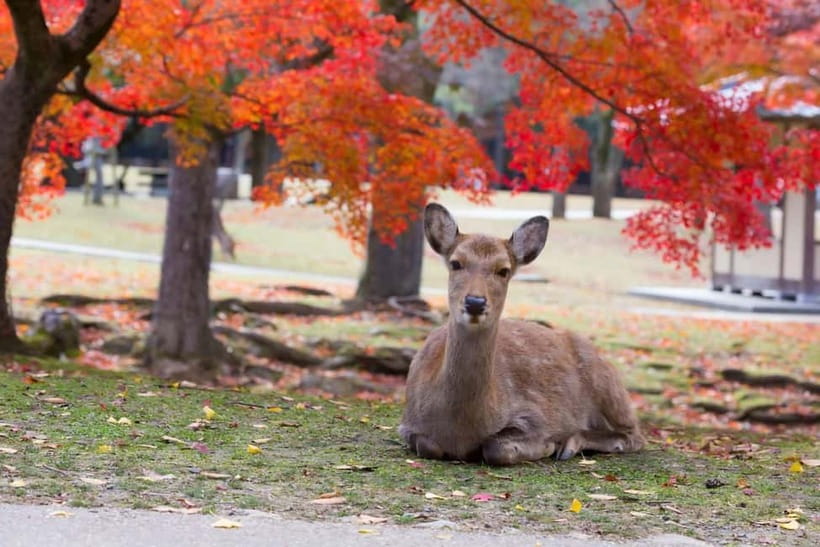
Book this tour if variety and convenience matter more than depth. For $56, you get transport across three major destinations, a live guide, and the practical costs of fuel, parking, and tolls covered. The day gives you several memorable images: deer in Nara, the great Buddha at Todaiji, matcha in Uji, Byodoin by the river, and red torii gates at Fushimi Inari.
Skip it if you want to linger. The main weakness is built into the route itself: too many important places for one relaxed day. Go in with realistic expectations, budget for two temple admissions and your own food, and listen closely to the meeting times. Done that way, this is a useful and reasonably priced introduction to the historic cities around Osaka.
FAQ
How long does the tour last?
The tour lasts approximately 8 to 10 hours. Starting times depend on availability and the option you book.
What languages are available?
The tour offers live guides in English and Chinese.
Is hotel pickup available?
Pickup is optional and depends on the booking option. If pickup applies, guide details and the pickup time are emailed by 8:00 pm the evening before.
What is included in the price?
Round-trip transport in an air-conditioned vehicle, an English or Chinese-speaking guide, toll fees, parking fees, and fuel fees are included.
Are Todaiji and Byodoin admission tickets included?
No. Admission to Todaiji Temple and Byodoin Temple is not included.
Are meals and drinks included?
No. Meals, beverages, and other personal expenses are not included.
How much time is spent at each main stop?
The schedule allows about 45 minutes at Nara Park, 30 minutes at Todaiji, two hours in Uji, and 70 minutes at Fushimi Inari Taisha. Traffic and weather may change the timing.
Can wheelchair users join?
No. The experience is not suitable for wheelchair users.
Can I cancel the booking?
You can cancel up to 24 hours in advance for a full refund. The reserve-now, pay-later option allows you to book without paying immediately.
Just added around Japan
- Shuri+Naha: Cycling Tour Explore Water Heritage with E-Bike★ 4.9 · 22 reviews
- Tokyo: Nagano Snow Monkeys and Zenkoji Tour with Temples★ 4.9 · 19 reviews
- Osaka: Castle History Walking Tour / Castle Tower Admission★ 4.9 · 230 reviews
- Osaka: Osaka Castle & Historical Museum Guided Tour★ 4.8 · 28 reviews
- Osaka: Dark Side of Osaka Night Walking Tour★ 4.9 · 89 reviews
- Nikko Heritage & Nature Day Trip from Tokyo★ 4.8 · 94 reviews
- Hiroshima: Miyajima Half-day Historical Walking Tour★ 4.7 · 100 reviews
- Kyoto: Historic Higashiyama Walking Tour★ 5.0 · 31 reviews
Japan History Tours, compared.
World Heritage Shirakawa-go and Experience Tours from Kanazawa
Read our review →
Imperial Palace and Shogun Historical Walking Tour
Read our review →World Heritage Kyoto & Nara Uji Authentic Matcha Experience
Read our review →
Kyoto Gion: 2-Hour Geisha Culture & History Walking Tour
Read our review →
Tokyo Castle & Imperial PalaceーShogun Walking Tour
Read our review →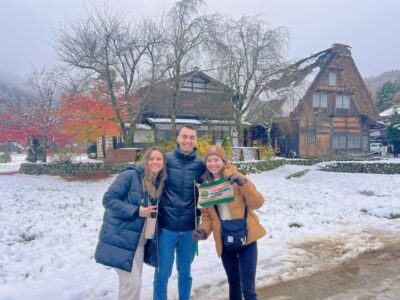
Kanazawa: World Heritage Shirakawa-go Morning Guided Tour
Read our review →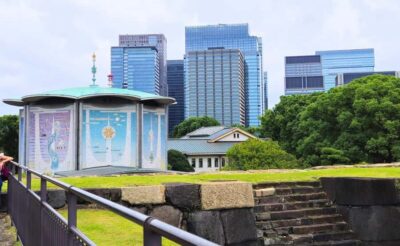
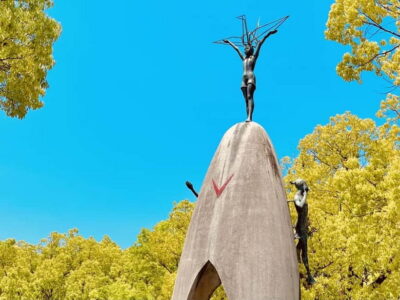
Hiroshima Historical Walking Tour – Why A-Bomb was Dropped
Read our review →Browse the lists this tour appears in