
Review · CHUGOKU REGION
Hiroshima: History and Hidden Gems Tour
Hiroshima asks you to slow down. This three-hour walk links the Peace Memorial Museum and Park with lesser-seen corners, then broadens the picture with Hiroshima Castle and Shukkeien Garden. I like the thoughtful route, which moves from wartime memory to everyday culture, and I like the guide’s flexibility, especially when weather, mobility, or personal interests call for a change. The main consideration is simple: this is a serious amount of walking, and the subject matter can be heavy.
Guide Awais receives especially strong praise for his clear English, careful explanations, patience, and willingness to adjust the plan. I also like that the tour can end at either Shukkeien Garden or the Peace Memorial Museum, giving you a useful choice for the rest of your day. Just allow extra time if your group enjoys questions or wants to linger, since several outings have run beyond the advertised three hours.
Key points at a glance
- A carefully connected route: The tour links the museum, Peace Memorial Park, Atomic Bomb Dome, Aioi Bridge, and several memorials rather than treating them as isolated sights.
- A human approach to difficult history: Awais explains the bombing and its aftermath with patience and compassion, while leaving room for questions.
- More than the main memorials: Hiroshima Castle and Shukkeien Garden add architecture, gardens, and prewar history to the day.
- Useful flexibility: The route can be adapted for weather, walking pace, existing plans, and interests.
- Good English guidance: Clear spoken English is one of the experience’s most praised features.
- A strong price for a guided overview: At $57 per person, the value is best if you want context and help finding smaller memorial sites, not just a quick photo stop.
Starting at Hiroshima Peace Memorial Museum
The tour begins at the Hiroshima Peace Memorial Museum, a fitting place to set the tone. The museum presents personal accounts, survivor stories, objects, and information about the atomic bombing. It is not light sightseeing, and you should expect a quiet, reflective visit rather than a fast museum sweep.
The museum portion is listed as a guided visit and self-guided time. That combination matters. You can receive an explanation of the wider story, then spend time looking at the displays at your own pace. Awais has also adjusted the museum time for people who wanted to focus more on the outdoor memorials.
The phrase skip the ticket line appears among the tour details. The supplied information does not clearly explain every admission arrangement, so I would confirm exactly what is covered when booking, especially for museum or garden entry. One booking account states that museum and garden admission were included, but the formal included section lists the historical tour and English-speaking guide only.
Give yourself emotional breathing room here. The museum is not a place to rush through simply because the walking route has several more stops. If you already know you want a longer museum visit, tell the guide early so the rest of the route can be adjusted.
A few more history tours around Japan worth a look
- World Heritage Shirakawa-go and Experience Tours from Kanazawa
★ 5.0 · 4,049 reviews - Tokyo: Imperial Palace and Shogun Historical Walking Tour
★ 5.0 · 2,251 reviews - World Heritage Kyoto & Nara Uji Authentic Matcha Experience
★ 5.0 · 1,573 reviews
Walking through Peace Memorial Park
From the museum, the tour moves through Peace Memorial Park, the city’s central place of remembrance. The park is not just a green pause between attractions. Its monuments, open spaces, water, and sight lines create a setting for thinking about what happened and how Hiroshima presents its message of peace today.
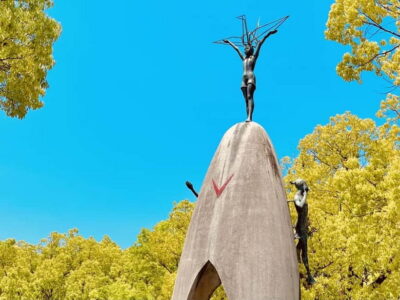
The route includes the Hiroshima National Peace Memorial, the Children’s Peace Monument, the Atomic Bomb Memorial Burial Mound, and the Korean Atomic Bomb Victims Cenotaph. Each site adds a different layer. The Children’s Peace Monument points toward the experience of young people and the continuing memory of the bombing. The Korean cenotaph reminds you that people from outside Japan were also among the victims.
The Atomic Bomb Memorial Burial Mound is included more than once in the supplied route details, which suggests that it may be approached from different points or that the itinerary contains a duplicated entry. Either way, the important point is that the tour spends time on smaller memorial locations that are easy to miss when you explore alone.
A guide is most useful here when the information stays specific and measured. Awais is praised for explaining difficult material in a compassionate, non-biased way. That is a real advantage in Hiroshima, where the facts are painful and the political context can be sensitive.
Aioi Bridge and the Atomic Bomb Dome
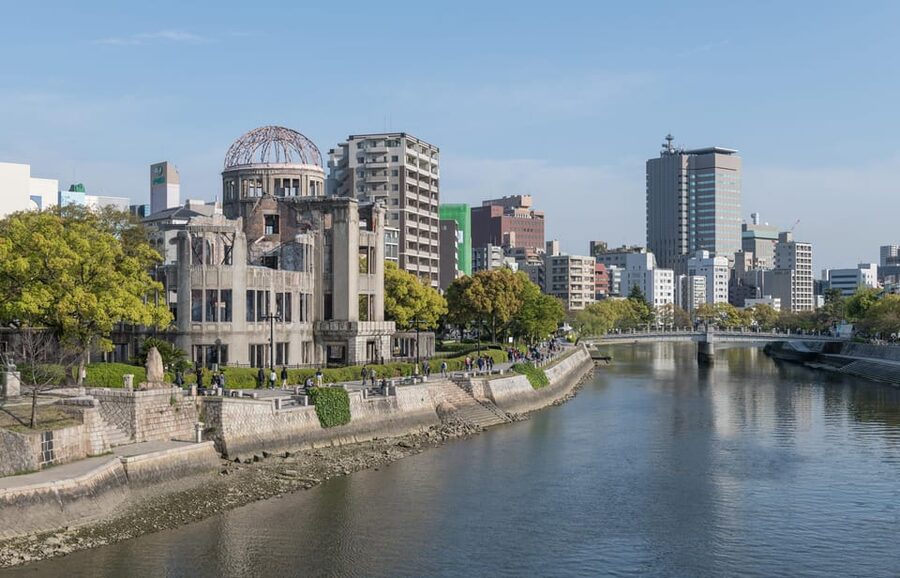
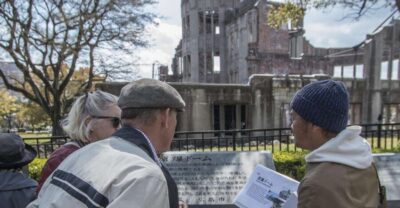
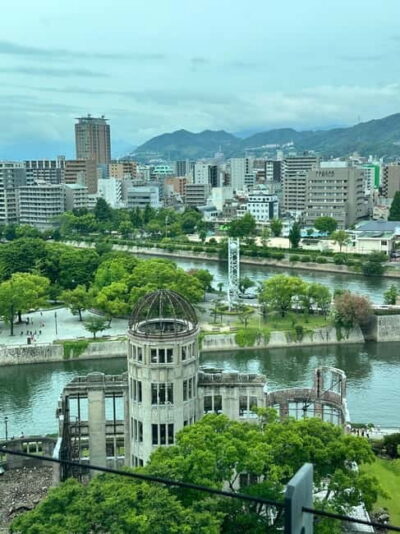
The walk continues to Aioi Bridge and the Atomic Bomb Dome. These are among Hiroshima’s best-known landmarks, but seeing them with a guide changes the experience from a quick photograph into a connected lesson.
Aioi Bridge is closely associated with the bombing because of its distinctive shape and location. The Atomic Bomb Dome, once part of a civic building, survived near the center of the blast and remains one of the city’s most recognizable reminders of destruction. The contrast between the preserved structure and the rebuilt city around it is powerful.
You will have time for photographs, but this is not a photo-first tour. The guide’s explanations connect the physical remains to the people, buildings, and neighborhoods that disappeared. That context is the main reason to pay for a walking tour instead of simply following a map.
The route includes several additional guided stops that are not fully named in the schedule. This may be useful if you enjoy small details and street-level history, but it also means the exact sequence can vary. Awais has changed the order to avoid queues and has adapted routes when people had already visited the Hall of Remembrance or needed to shorten the museum portion.
Hiroshima Castle and the city before 1945
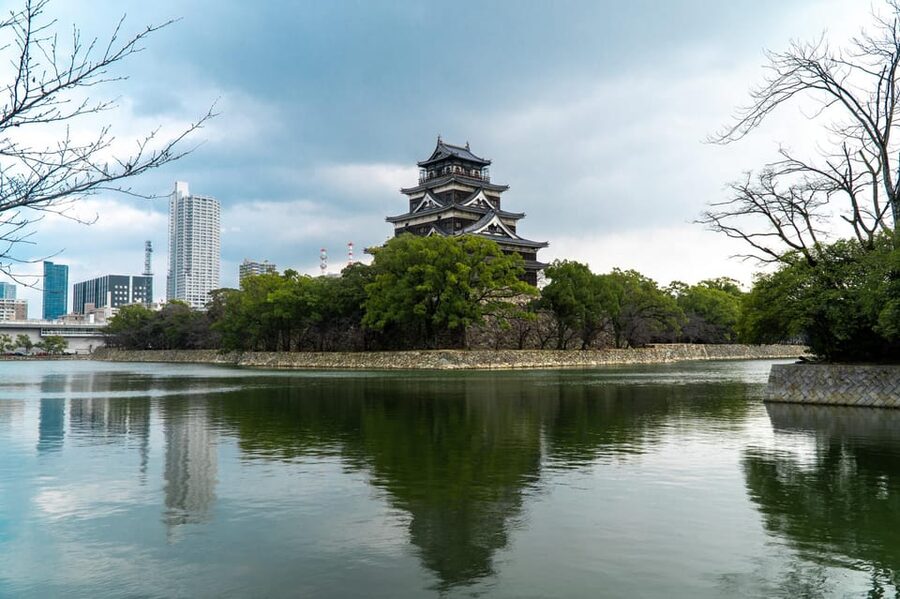
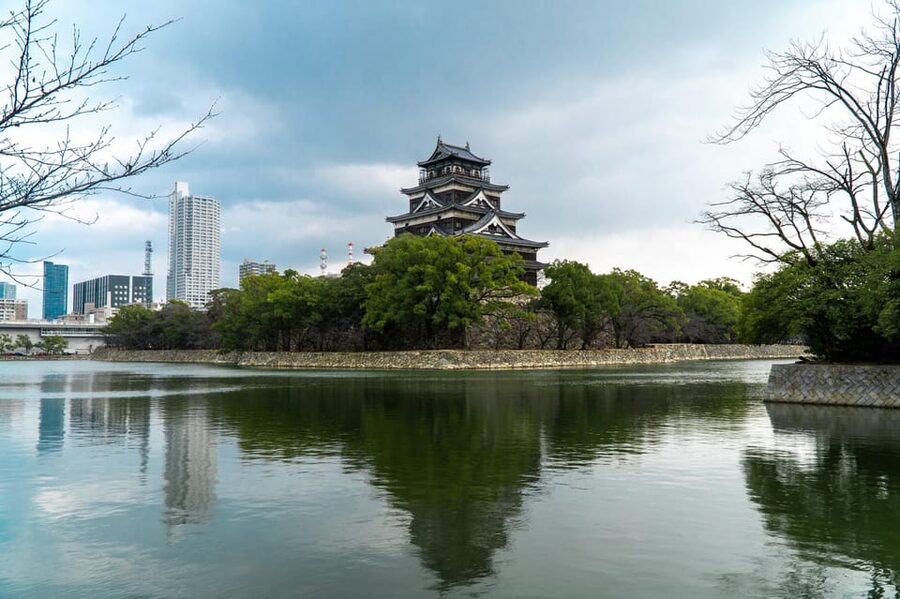
The tour then broadens beyond the Peace Park with Hiroshima Castle. This shift is important. If you only visit the memorial sites, you can leave with a picture of Hiroshima defined entirely by 1945. The castle helps show that the city had centuries of political, military, and cultural life before the bombing.
The supplied description presents the castle as one of Hiroshima’s major historical landmarks and suggests going inside to see its displays rather than waiting outside. It is worth clarifying the exact interior access and ticket arrangement before you book, since the formal inclusions do not spell out every admission fee.
The castle stop also gives the walking tour a welcome change of mood. After the memorials and museum, traditional architecture and historical displays offer a broader look at the city. You are still learning, but the subject shifts from loss and remembrance to the older foundations of Hiroshima.
Awais can also tailor this section. One outing extended beyond the planned time to include the castle and Shukkeien Garden. That generosity is useful, but it creates a scheduling issue. Do not place a tight restaurant reservation, train departure, or ferry connection immediately after the tour.
Same place, a different slice of the past:
- Kyoto: Fushimi Inari, Kinkakuji, Bamboo Grove 1 Day Bus Tour
★ 4.8 · 4,316 reviews - Kyoto Gion: 2-Hour Geisha Culture & History Walking Tour
★ 5.0 · 1,186 reviews - Tokyo Castle & Imperial PalaceーShogun Walking Tour
★ 4.7 · 1,068 reviews - Kanazawa: World Heritage Shirakawa-go Morning Guided Tour
★ 4.9 · 988 reviews
Shukkeien Garden and a quieter final hour
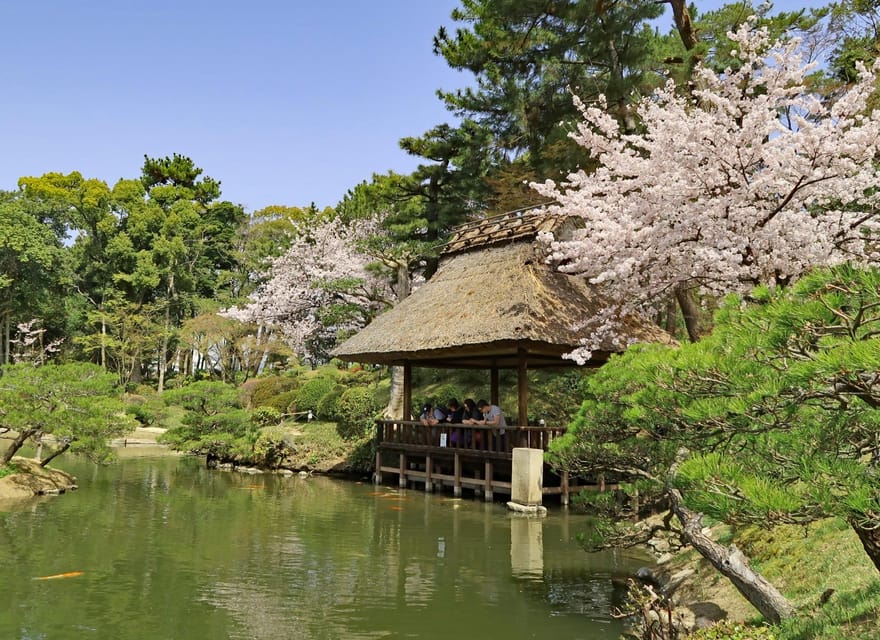
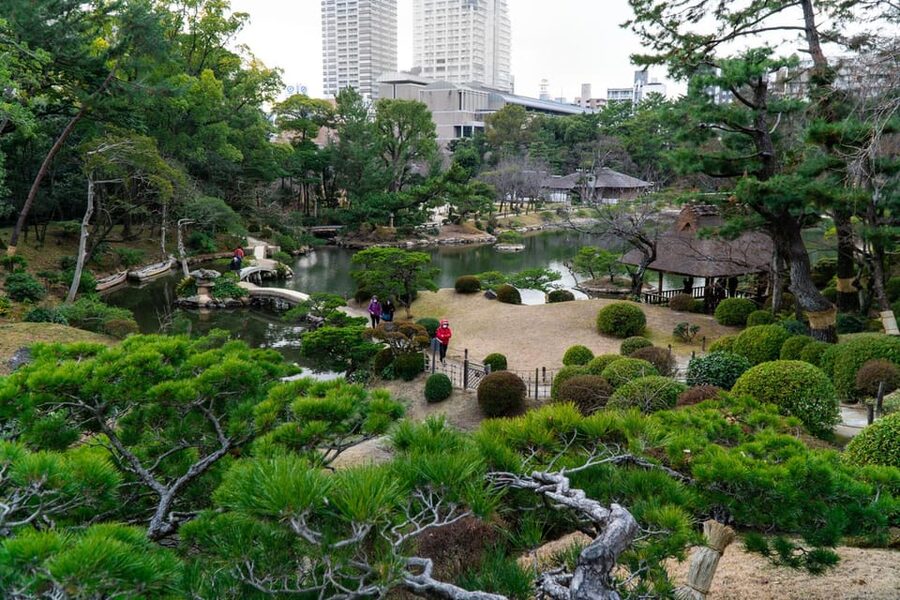
Shukkeien Garden is described as a 16th-century garden and the oldest garden on the route. Its ponds, paths, planting, and carefully arranged views provide a calm counterpoint to the open spaces of Peace Memorial Park.
The garden is valuable because it shows another side of Hiroshima. You can listen to the guide explain its design and past, then take in the scenery without the same emotional pressure found at the museum. Several accounts single out the garden as a personal highlight, which makes sense if you want beauty and older Japanese culture alongside the wartime sites.
The tour can finish at Shukkeien Garden or return to the Hiroshima Peace Memorial Museum. That choice is practical. Ending at the garden works well if you want to continue exploring the castle and central Hiroshima. Returning to the museum is useful if you want more time there, need to collect something nearby, or prefer to remain close to the Peace Park.
The garden is also where the tour’s title earns its keep, without requiring a hunt for dramatic attractions. The value lies in the less obvious transition from memorial city to historic garden, not in a long list of flashy stops.
What the guide adds to the experience
Awais is the central strength of this tour. His English is repeatedly described as fluent, clear, and easy to follow. He has also been praised for explaining both wartime history and present-day issues, while answering questions without rushing people.
His flexibility comes up often. He has changed the route for rain, shortened museum time, offered taxi options for people who did not want to walk as much, and slowed the pace when needed. During one rainy outing, he arranged the sequence to keep people sheltered for much of the time and avoid queues.
That does not mean you should expect a fully private tour every time. The group size is not specified. Some bookings became effectively private when only two people joined, but that is not guaranteed. The level of personal attention may depend on the group booked for your date.
You should also expect a guide who talks. That is the point here, but it may not suit someone who wants to wander silently and take photographs at every stop. The best fit is someone curious, willing to ask questions, and interested in understanding what they are seeing.
Timing, walking, and weather
The advertised duration is three hours. In practice, the tour can take longer when people ask questions, spend extra time in the museum, or add the castle and garden. Build in a buffer of at least an hour if your day has fixed plans.
Comfortable shoes are essential. The route covers the Peace Memorial Museum, park memorials, bridge, dome, castle area, and garden, with walking between sites. The tour is wheelchair accessible, but you should still discuss your needs in advance if you require a particular pace or route.
Hiroshima weather can change the feel of the experience. Bring a hat, sunscreen, weather-appropriate clothing, and comfortable shoes. Rain has not stopped the tour from going ahead, but it has made flexibility more important. An umbrella or light rain layer would be sensible, even though it is not specifically listed among the required items.
There is no meal or souvenir stop included. That is a plus if you want the full three hours focused on places and explanations. It also means you should plan your own food and shopping afterward.
Is $57 good value?
At $57 per person, this is a fair price for an English-language walking tour that connects Hiroshima’s major memorials with the castle and Shukkeien Garden. The value is not in transportation or luxury extras. It is in the route planning, explanations, time saved finding smaller memorials, and ability to ask questions as you go.
I would call it especially good value for a first visit. You can see the essential Peace Park sites and gain a framework for returning to the museum or castle on your own. It is also useful if you have only part of a day in Hiroshima and do not want to spend your limited time working out the route.
The value is less clear if you are already an expert on Hiroshima, prefer long independent museum visits, or want a very slow garden tour. Three hours is enough for an overview, not enough for a detailed study of every display and monument.
The formal information says the tour includes the historical tour and an English-speaking guide. It does not clearly list all entrance fees, though one booking account says museum and garden admission were included. Confirm this point before paying so the final price is clear.
Who should book this Hiroshima walk?
I would choose this tour if you:
- Want a guided introduction to Hiroshima’s central memorial sites
- Prefer clear English explanations and room for questions
- Like walking between sights instead of riding from stop to stop
- Want to combine the Peace Park with the castle and Shukkeien Garden
- Appreciate a guide who can adjust the pace or route
- Have limited time and want a logical first-day plan
I would think twice if you want to spend most of the day inside the museum, avoid walking, or need a guaranteed finish at an exact time. The difficult subject matter also deserves consideration. This is a respectful history tour, but it is not emotionally light.
Should you book the History and Hidden Gems Tour?
For most first-time visitors to Hiroshima, yes. The strongest reason is the balance: the tour covers the museum and major memorials, then adds the castle, garden, and smaller sites that are easy to pass without context.
Guide Awais appears to be particularly good at turning a fixed route into a personal one. His clear English, patience, rain-day flexibility, and willingness to recommend places for the rest of your stay add real value. Book it early in your Hiroshima visit if possible, then use his suggestions to shape the rest of your time.
Keep your afternoon open, wear proper shoes, and confirm what admission fees are included. If you do that, $57 buys more than a sequence of famous sights. It gives you a clear way to understand Hiroshima, both as a place marked by tragedy and as a living city with older stories still visible.
FAQ
Where does the tour begin?
The tour is scheduled to begin at the Hiroshima Peace Memorial Museum. Guests may also choose a different meeting point.
How long does the tour last?
The advertised duration is three hours. It may run longer if the group asks many questions or spends additional time at the museum, castle, or garden.
What language is the tour offered in?
The tour is offered in English with a live English-speaking guide.
What places are included?
The route includes the Hiroshima Peace Memorial Museum, Peace Memorial Park, Hiroshima National Peace Memorial, Children’s Peace Monument, Atomic Bomb Memorial Burial Mound, Aioi Bridge, Korean Atomic Bomb Victims Cenotaph, Atomic Bomb Dome, Hiroshima Castle, and Shukkeien Garden.
Where can the tour finish?
The listed drop-off choices are Shukkeien Garden and the Hiroshima Peace Memorial Museum.
Is the tour wheelchair accessible?
Yes. The activity is listed as wheelchair accessible.
What should I bring?
Bring comfortable shoes, a hat, sunscreen, and clothing suited to the weather.
Is admission included?
The formal included details list the Hiroshima historical tour and English-speaking guide. The information does not clearly list every entrance fee, although one booking account says museum and garden admission were included. Confirm the current admission arrangement before booking.
Can the route be adjusted?
Yes. The guide has adjusted the route and timing for weather, walking needs, previous visits, museum preferences, and group interests.
What is the cancellation policy?
You can cancel up to 24 hours in advance for a full refund. A reserve-now-and-pay-later option is also available.
Just added around Japan
- Hiroshima: Peace Walking Tour of World Heritage Sites★ 4.9 · 190 reviews
- Hiroshima & Miyajima Island Private Tour: History & Culture★ 5.0 · 26 reviews
- Himeji: Himeji Castle Guided Tour – UNESCO Heritage★ 4.7 · 115 reviews
- Fukuoka Essentials: History, Culture, & Charms★ 4.8 · 39 reviews
- From Tokyo: Private Nikko World Heritage Sights One Day Trip★ 4.7 · 52 reviews
- From Tokyo: Guided Day Trip to Nikko World Heritage Sites★ 4.8 · 51 reviews
- Shirakawa-go UNESCO Half-Day Tour from Takayama★ 4.6 · 47 reviews
- Authentic Sapporo: Nijo Market Seafood Lunch & History Tour★ 4.8 · 20 reviews
Hiroshima History Tours, compared.
Hiroshima Historical Walking Tour – Why A-Bomb was Dropped
Read our review →
Hiroshima Peace (Heiwa) Walking Tour at World Heritage Sites
Read our review →
Miyajima Half-day Trip Historical Walking Tour
Read our review →
Hiroshima & Miyajima Island Private Tour: History & Culture
Read our review →Browse the lists this tour appears in