
Review · CHUQUISACA DEPARTMENT
Sucre: Free Walking tour (History, culture and traditions)
Sucre reveals itself one old street at a time. This guided walk links colonial squares, an ancient castle, indigenous art, and mountain views, giving you a useful first look at Bolivia’s constitutional capital without a costly tour fee. I especially like the mix of landmarks and everyday culture, plus the short local bus ride that adds a practical taste of city life.
I also like that guides such as Manuel and Silvana bring more than dates and building names. Manuel is praised for clear English, helpful tips, and strong knowledge of Bolivian history. The main consideration is the pace and footing: the route covers several historic areas, includes walking and local transport, and is not suitable for wheelchair users or people with mobility impairments.
Key details before you book
- Ancient castle stop: Visit the former mayor’s office and the gardens of an old castle complex.
- Street of Cats: See the old quarter described as the birthplace of Sucre and connect the city’s past with indigenous art.
- Local bus ride: Bring 2 bolivianos for transport, an inexpensive but memorable part of the route.
- English-speaking guides: Manuel and Silvana are praised for clear explanations and useful advice for the rest of your stay.
- Short but full route: The tour lasts about 2.5 hours and covers squares, university courtyards, art, viewpoints, and colonial streets.
- Changing Sunday schedule: Opening hours can alter the order or content of the visit on Sundays and public holidays.
Why this Sucre walking tour is worth your morning
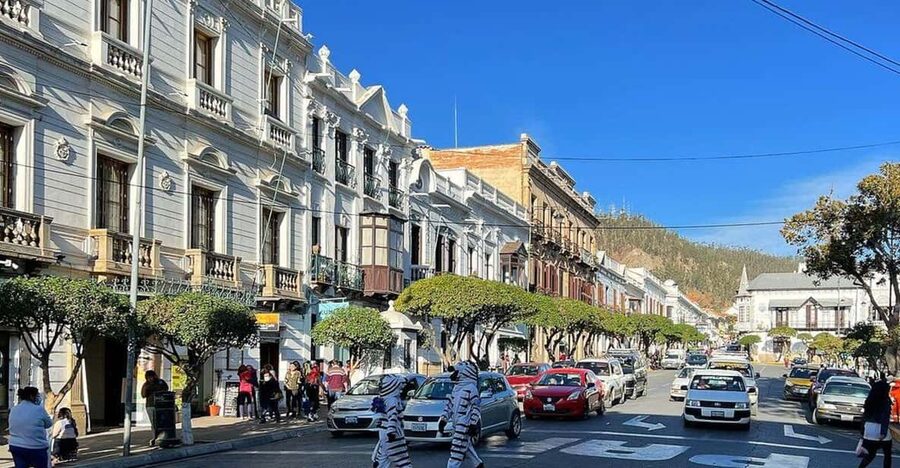
Sucre is a city best understood on foot. Its central streets bring together Spanish colonial architecture, university life, Indigenous traditions, political history, and daily Bolivian routines. This tour works well because it does not limit itself to the postcard center.
At the listed price of $0.50 per person, the value is exceptional. You should still bring cash, since the local bus costs an additional 2 bolivianos per person and the tour itself is described as a free walking tour. In practice, you are paying almost nothing for a 2.5-hour introduction led in English.
The strongest part is the range. You move from the main square to an old university, then toward Indigenous art, a viewpoint, and an older colonial square. That gives you context instead of a quick string of photo stops.
I would book this early in your stay. Manuel is praised for offering practical suggestions that help you plan the rest of your time in Sucre. A guided orientation like this can show you which areas deserve a slower return visit.
More Local Culture and Traditions Tours in the world:
- Amsterdam Food and Cultural Tour with Tastings
★ 5.0 · 4,315 reviews - Sevilla Food Tour: Tapas, Wine, History & Traditions
★ 5.0 · 3,468 reviews - Tromsø: Reindeer Camp and Sami Cultural Tour with Lunch
★ 4.7 · 3,326 reviews
Starting at Plaza Cochabamba
The meeting point is in the middle of Plaza Cochabamba. This central start gives the group a clear place to gather before setting off through Sucre’s old streets.
You should arrive ready to walk for most of the 2.5 hours. The supplied information does not give a precise group size or detailed accessibility notes beyond the warning that the route is not suitable for wheelchair users or people with mobility impairments. That means you should expect historic streets, uneven walking conditions, and a route that may not be easy for everyone.
Bring cash. You will need 2 bolivianos for the local transport portion, and it is sensible to have a little extra for personal purchases. The tour is conducted in English, which makes the historical explanations easier to follow if you want more than a quick look at the buildings.
Plaza de Armas 25 de Mayo: Sucre’s main civic stage
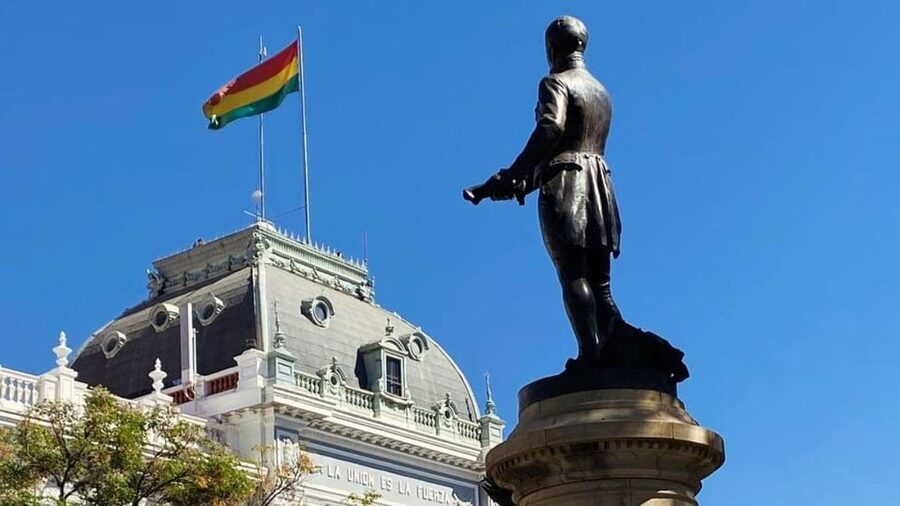
The first listed visit is Plaza de Armas 25 de Mayo, with about 20 minutes here. This is the place where the guide can help you connect Sucre’s architecture and public spaces with the country’s political and cultural past.
A main square is more useful when someone explains how it functions. You can look at buildings on your own, but a guide can point out why the square matters, how public life gathers here, and how Sucre’s past continues to shape the city today.
The tour description places special emphasis on learning about Sucre’s history, culture, and cultural life in the main square. That makes this more than a photograph stop. Listen for the connections between the city’s colonial beginnings, its role in Bolivia, and the traditions still visible in the center.
The 20-minute stop is long enough for an introduction but not a full museum-style lesson. If you want detailed architectural study or extended photography, you may need to return later on your own.
The old university and its quiet courtyards
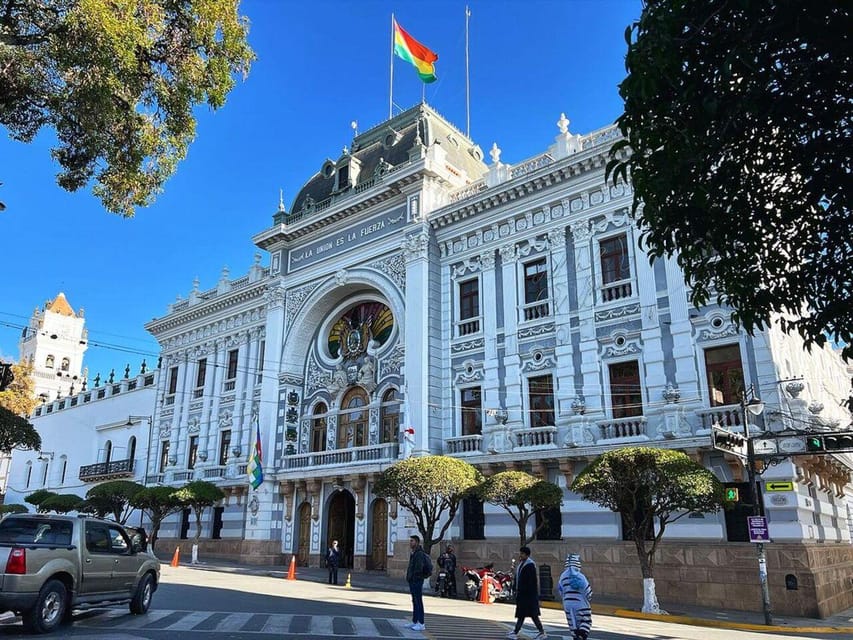
Next comes the Universidad Mayor, Real y Pontificia de San Francisco Xavier de Chuquisaca, commonly called USFX. The visit is listed at 15 minutes.
The university’s long name reflects its importance. The tour takes you into the courtyards of the old public university, where the setting helps explain Sucre as a center of education and public life. Courtyards can look simple at first, but they often show how historic institutions were organized and how people moved through them.
This stop gives the route a welcome change from churches and plazas. You are not only seeing old walls. You are seeing a place tied to learning, civic life, and the city’s continuing identity.
The main limitation is time. Fifteen minutes will provide an introduction rather than a full exploration. If the university becomes one of your favorite stops, ask your guide what can be visited independently later.
More History Walking Tours in the world:
- History and Hauntings of Salem Guided Walking Tour
★ 5.0 · 14,564 reviews - Lisbon: History, Stories and Lifestyle Walking Tour
★ 4.8 · 10,902 reviews - Boston: Freedom Trail History Small Group Walking Tour
★ 5.0 · 6,450 reviews - Historic Charleston Guided Sightseeing Walking Tour
★ 5.0 · 6,216 reviews
Plaza de la Libertad and the Obelisco
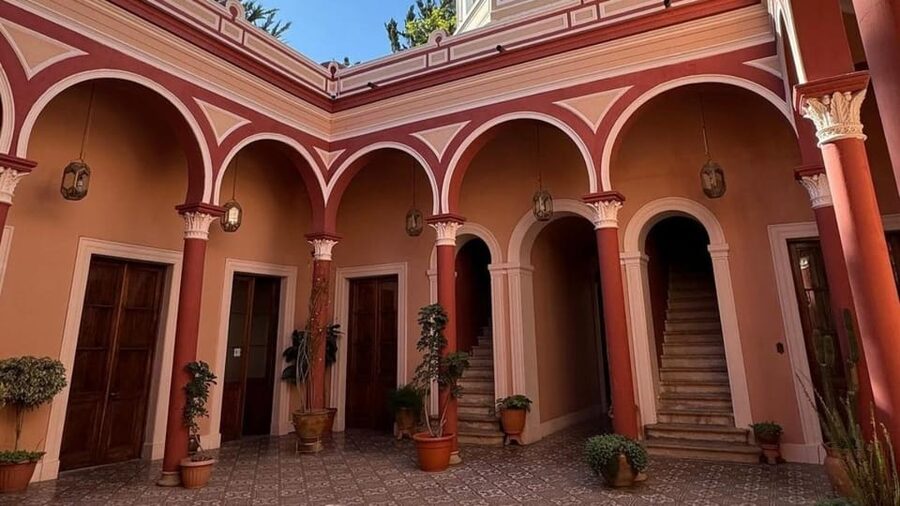
The tour then reaches Plaza de la Libertad and its obelisk for another 15-minute visit. Public monuments often make more sense when you know what they commemorate, and this is where the guide can add the political background that a casual walk might miss.
The stop also breaks up the route nicely. After the larger main square and the university courtyards, the obelisk offers another way to read Sucre’s public spaces. Pay attention to how the monument sits within the square and how the guide places it within the city’s story.
This is likely a compact stop rather than a long sightseeing session. You will have enough time to hear the explanation and take in the setting, but the tour keeps moving. That is useful if you want a broad introduction in one morning, less so if you prefer to linger at every monument.
The Street of Cats and the city’s early roots
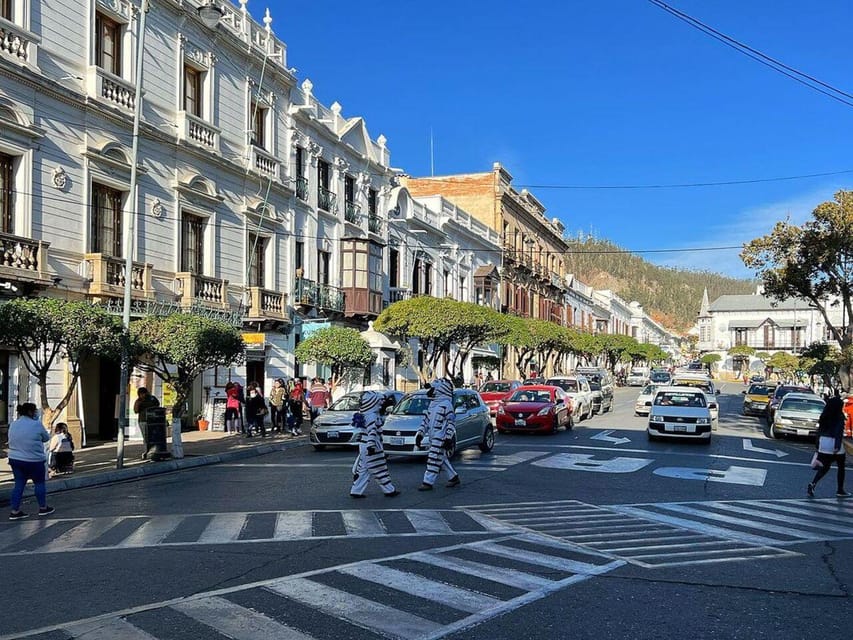
One of the more unusual parts of the walk is the Street of Cats, described as the birthplace of Sucre. A name like this gives the route some personality and takes you away from a standard monument checklist.
Here, the value comes from the connection between place and origin. The guide can explain why this area is linked with the city’s beginnings, while you walk through streets that carry a sense of Sucre’s older layers.
This is also where the experience becomes more than a central plaza tour. You are following the city’s development through smaller streets, not only its formal civic spaces. I would pay attention to the street pattern, building fronts, and the way old areas fit into modern Sucre.
The exact details of the stop can change slightly on Sundays and holidays because some places have different opening hours. The route may therefore be adjusted, so do not expect every visit to follow the same order on those days.
Indigenous art and nearby communities
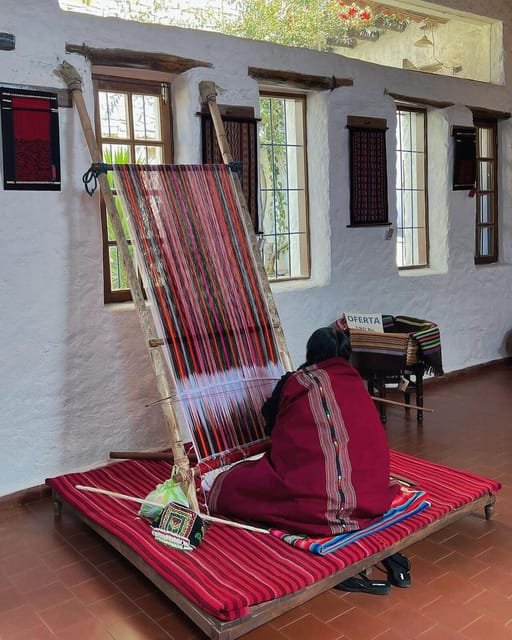
The visit to the Museo de Arte Indígena lasts about 15 minutes. The tour also includes a chance to see Indigenous art connected with communities near Sucre.
This is an important part of the experience because it widens the focus beyond colonial architecture. Sucre’s identity is not only found in whitewashed streets, old squares, and formal buildings. Indigenous art offers another way to understand local traditions and the communities around the city.
A 15-minute museum visit is brief. You should think of it as an introduction that helps you recognize artistic styles and cultural themes, not as a complete museum visit. If you care deeply about textile work, Indigenous design, or local art, you may want to spend more time there separately.
The museum stop also works well beside the old streets. You first see the city’s physical past, then encounter creative traditions that remain connected to the region. That contrast is one of the tour’s better choices.
The mountain viewpoint and the 2 boliviano bus ride
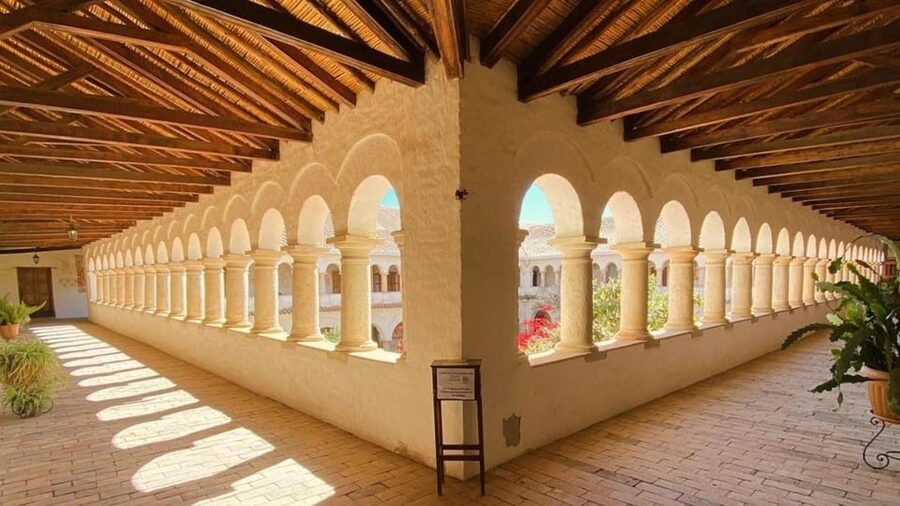
The route includes a viewpoint near the city with mountain views. The exact viewpoint is not named, so you should not book this expecting a particular lookout or a guaranteed panoramic photo in a specific direction.
Still, the stop matters. After walking through tight historic streets and courtyards, a wider view helps you understand where Sucre sits. You can see the city in relation to the surrounding mountains rather than experiencing it as a series of isolated buildings.
The local bus or colectivo ride is another useful feature. It costs 2 bolivianos per person and is not included in the tour price. Manuel’s guidance can be especially helpful here if you want to try local transport but are unsure how it works.
I like this small detail because it gives you a practical skill, not just a sightseeing memory. You get a short look at how people move around Sucre, and you can feel more confident using a colectivo later. Bring exact or small cash if possible, though the supplied information only confirms the 2 boliviano fare.
The old mayor’s office inside an ancient castle
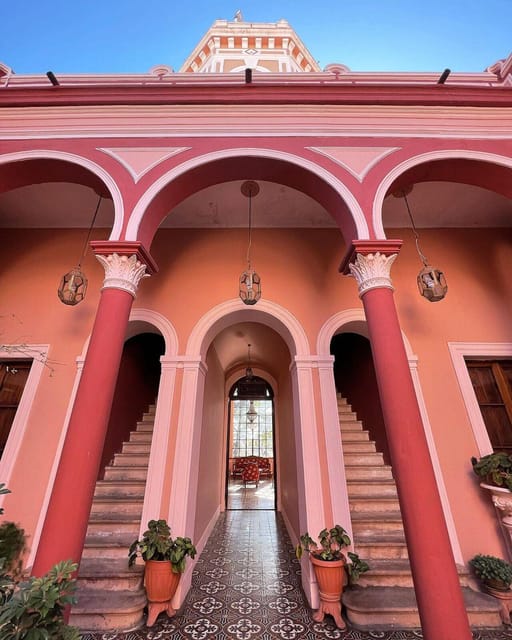
A major highlight is the visit to an ancient castle, including the old office of the Mayor of Sucre and its gardens. This brings a more personal scale to the city’s government history.
The former office helps turn political history into something tangible. Instead of hearing only about officials and institutions, you see the kind of room connected with municipal power. The gardens provide a change of mood and may offer a calmer setting after the street walking.
The description does not give the castle’s name or guarantee how much interior access is available. Opening hours can also affect the program on Sundays and holidays. For that reason, see this as an important planned stop, but keep your expectations flexible about exactly which rooms are open.
Colonial squares and the finish at Suipacha 202
The final part of the route takes you to an old colonial square, where you get another view of Sucre. This closing stop is a good choice because it lets the tour end with the city spread out in front of you rather than with one more indoor explanation.
The listed finish is Suipacha 202, Sucre. The meeting information also says the activity ends back at the meeting point, so I would confirm the exact finishing point when you meet the guide. Either way, you remain in the city and can continue exploring afterward.
A final colonial square gives you a useful chance to decide what deserves a return visit. You might want to go back to the main square, spend longer with the Indigenous art, or revisit the old university area at a slower pace.
What the guides add to the experience
The guide is the key variable in any walking tour, and the feedback here is especially strong. Manuel is praised for clear English, strong preparation, and his ability to answer questions. Silvana is also described as a capable guide who explains the city well.
That matters in Sucre because the route covers several kinds of history. You need someone who can move from colonial buildings to Indigenous art, from public monuments to daily transport, without making the tour feel like a list of dates.
Manuel also gives practical tips for making the most of your stay. That can be worth more than another ten minutes at a monument. Ask questions as you go, especially if you want advice on places to revisit or how to use local buses.
One useful suggestion from the feedback is to ask about entering a church or cathedral if the group passes one and it is open. Interior access is not listed as a guaranteed part of the route, but a quick look may be possible depending on the day and opening hours.
Walking comfort, timing, and Sunday changes
The advertised duration is 2.5 hours. That is long enough to cover a lot of ground but short enough to fit into a busy Sucre itinerary.
Wear comfortable shoes and expect a steady walk through historic areas. The experience is specifically not suitable for wheelchair users or people with mobility impairments, so anyone with limited mobility should choose a different way to see the city.
Sunday and public holiday schedules can change because some locations have different opening hours. The tour still offers a useful city walk, but the order or number of interior visits may vary.
The English language option is a clear advantage for visitors who want explanations rather than a silent stroll. Since the tour covers history, culture, traditions, and art, you will get more from it if you ask questions instead of treating each stop as a quick photo opportunity.
Who should book this Sucre tour?
I would choose this walk if you are visiting Sucre for the first time, want a low-cost orientation, and enjoy learning how a city fits together. It is also a good match if you want to use local transport but need a little help getting started.
The tour suits curious walkers who care about both famous places and less formal details, such as the Street of Cats, Indigenous art, and old courtyards. It is less suitable if you want a relaxed, slow-paced route with long visits inside each attraction.
At $0.50 per person, the financial risk is tiny. You can reserve now and pay later, and cancellation is available up to 24 hours before the activity for a full refund. The real question is not the price. It is whether you are comfortable with a walking route that may change slightly around opening hours and includes an additional 2 boliviano bus fare.
FAQ
How long does the Sucre walking tour last?
The tour lasts approximately 2.5 hours. Starting times vary, so check availability when booking.
Where does the tour begin?
The meeting point is in the middle of Plaza Cochabamba in Sucre, Bolivia.
What language is the tour conducted in?
The tour is conducted in English with a live guide.
Does the tour include transportation?
Transportation is not included. The local bus or colectivo costs 2 bolivianos per person.
Is the tour suitable for wheelchair users?
No. The activity is not suitable for wheelchair users or people with mobility impairments.
Does the program change on Sundays and public holidays?
Yes. The program may change slightly because some places have different opening hours on Sundays and holidays.
Should you book it?
Yes, if you want a cheap and useful first look at Sucre. The route covers far more than the main plaza, and the combination of old streets, Indigenous art, university courtyards, a castle, local transport, and mountain views gives you a well-rounded introduction.
Book it early in your stay, bring cash, wear good walking shoes, and allow for some flexibility on Sundays. If you want a slow museum visit or easy step-free access, choose another activity. For most fit walkers seeking history, culture, and practical local advice, this is an unusually good-value way to get oriented.
Just added around the world
- Syracuse: Traditional Cooking Class & Ancient Market Visit★ 4.9 · 72 reviews
- Sydney Historical Walking Tour including The Rocks★ 4.6 · 20 reviews
- Sydney Convicts, History & The Rocks 2.5-Hour Walking Tour★ 4.9 · 181 reviews
- Strasbourg: Historic Center Walking Tour★ 4.7 · 88 reviews
- Stories of Jew Town: Guided Heritage Walk in Kochi★ 4.7 · 30 reviews
- Street Food, Cultural & Historical Tour of 3 Ethnic Quarters★ 5.0 · 23 reviews
- Stonetown Historical Walking Tour & Traditional Lunch★ 4.8 · 22 reviews
- Stockholm Viking History Full Day Tour to Sigtuna + Uppsala★ 4.7 · 283 reviews
Local Culture & Traditions Tours, compared.

Amsterdam Food and Cultural Tour with Tastings
Read our review →
Sevilla Food Tour: Tapas, Wine, History & Traditions
Read our review →
Tromsø: Reindeer Camp and Sami Cultural Tour with Lunch
Read our review →
Half Day Dominican Republic Cultural Tour : Small Group
Read our review →
Ultimate Melbourne Walking Tour: History, Laneways & Culture
Read our review →
Tromsø: Sámi Reindeer Sledding and Sami Cultural Tour
Read our review →
Kyoto Gion: 2-Hour Geisha Culture & History Walking Tour
Read our review →
Marrakech Historical and Cultural Tour – Half Day City Tour
Read our review →Browse the lists this tour appears in