
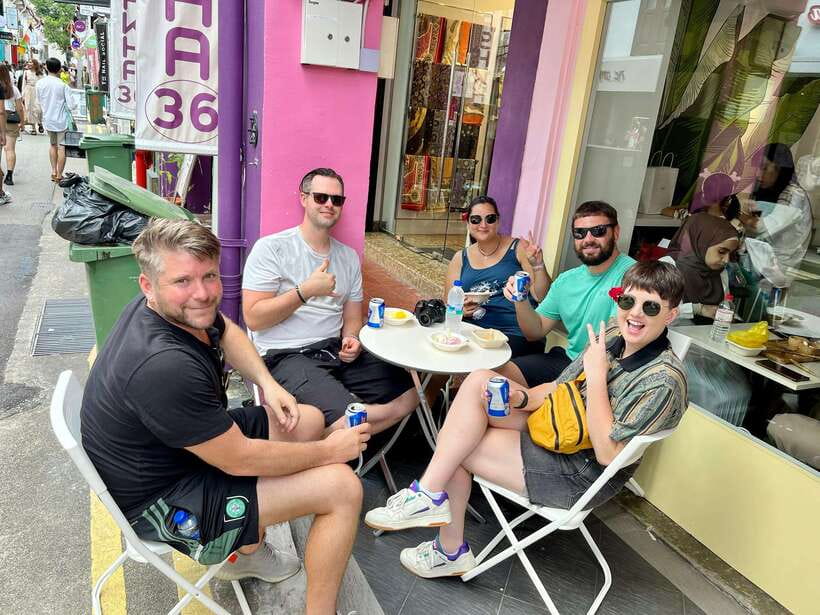
Review · SINGAPORE
Street Food, Cultural & Historical Tour of 3 Ethnic Quarters
Singapore tastes better on foot. This six-hour tour links Chinatown, Little India, and Kampong Glam through hawker food, markets, temples, shops, and public transport. I especially like the small group size, limited to eight people, and the chance to eat at UNESCO-inscribed hawker centres rather than simply photographing them.
I also like the guide, Gerry, whose Chinese Peranakan family story reaches back to great grandparents who arrived from Fujian in 1910. His old photographs and personal stories give the neighborhoods a human scale. The main drawback is the pace: about 6,000 steps, several food stops, and two public transport rides may feel like a lot if you have low fitness, back trouble, or limited mobility.
The essential details at a glance
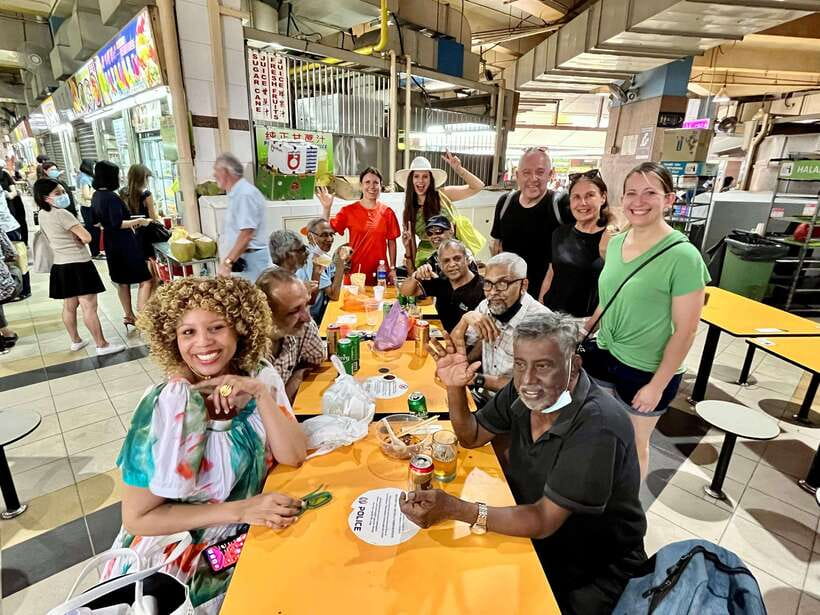
- Three historic quarters in six hours: Chinatown, Little India, and Kampong Glam each offer a different side of Singapore’s past and present.
- A food budget that works hard: The $148 price includes food, drinks, beer, and public transport, so you are not paying for a tour and then adding a large meal bill.
- Gerry’s local family connection: His great grandparents arrived from Fujian in 1910, and his stories connect immigration, work, food, and family life.
- Markets before meals: You see seafood, meat, produce, spices, textiles, and clothing before tasting dishes shaped by those ingredients and traditions.
- A genuinely small group: With no more than eight people, it is easier to ask questions and share a table without feeling lost in a crowd.
- A walking tour with real physical demands: Wear comfortable shoes, skip the large bag, and arrive ready for warm streets, standing, walking, and public transport.
Why this tour is different from a standard food walk
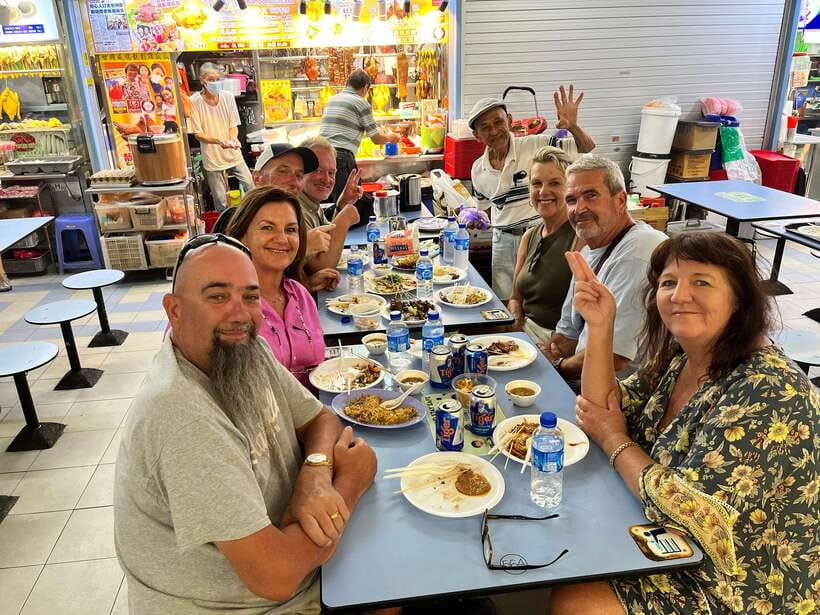
Many city food tours are mainly a sequence of tastings. This one uses food as a way to explain how Singapore was built. The three ethnic quarters were established under British colonial planning in 1822, and the route looks at how Chinese, Indian, Malay, and Arab communities shaped daily life on a small island.
Gerry’s approach matters here. He was born in Singapore six years after independence in 1965, and he brings old images to the streets you are standing on. A present-day shopfront becomes easier to understand when you can compare it with photographs showing immigrant housing, hard labor, and earlier commercial life.
The history is not presented as a dry lecture. Chinatown includes stories of the Street of the Dead, red lanterns and private chambers, and opium dens. These subjects can be uncomfortable, but they help explain the poverty, danger, and limited choices faced by many early migrants.
I would choose this tour if you want context with your lunch. If you only want to eat as much as possible in the shortest time, a focused hawker tour may suit you better. Here, the walking and storytelling are half the point.
More Food and History Tours in the world:
- Sevilla Food Tour: Tapas, Wine, History & Traditions
★ 5.0 · 3,468 reviews - Victoria Guided Food and History Tour
★ 5.0 · 2,015 reviews - Gastown Historic Walking Food Tour
★ 5.0 · 1,863 reviews
Chinatown: hawker food beside difficult stories
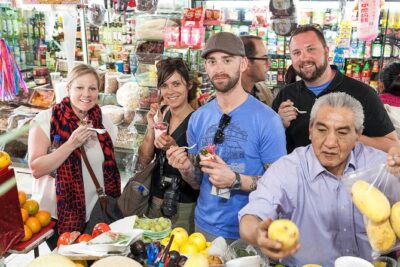
The first neighborhood is Chinatown, where the tour begins with local Chinese food and drink at a hawker centre. Singapore’s hawker centres are not just cheap food courts. They are social places where family-run stalls, long working hours, and practical cooking traditions remain part of everyday life.
You can expect food tastings rather than one formal sit-down meal. That is useful because it lets you sample a spread of flavors without committing to a single dish. Some food and drink stops are connected to Michelin-listed stalls, giving you a chance to try well-regarded local cooking without paying restaurant prices.
The Chinatown section also includes a Buddhist temple and street market stalls. These stops add visual variety, but the real value is the explanation of how the quarter developed. Gerry’s old images help connect today’s restored streets with the crowded conditions and tough work of earlier residents.
The Chinatown material is not all picturesque. Stories about red lanterns, private chambers, and opium dens show the less polished side of the district. I appreciate that balance. Singapore can look so tidy and modern that it is easy to forget how difficult life was for many of the people who built its economy.
This first hour sets the pattern for the day: walk, eat, look closely, then ask questions. It is a good start, but do not arrive overly full. Food and drink continue through the next two quarters.
Public transport becomes part of the experience
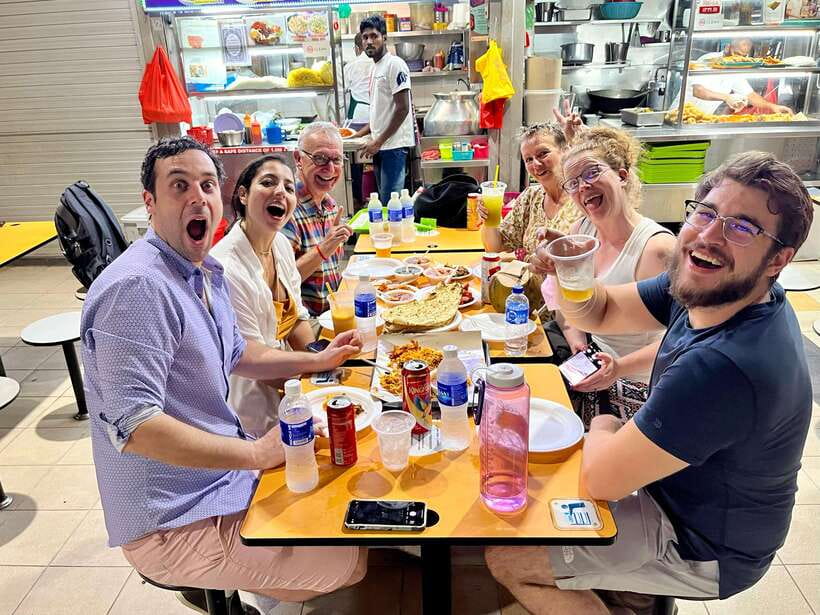
The journey between neighborhoods takes about 10 minutes by public transport. Tickets are included, and using Singapore’s clean, well-connected network is more than a practical transfer. It shows you how residents move between very different parts of the city.
You do not need to arrange each ride yourself, which keeps the group together. Still, public transport means some standing, station walking, and quick changes of pace. If you find stairs or crowded platforms difficult, contact the provider before booking and ask about the exact meeting plan.
Hotel pickup and drop-off may be available in central city areas, but this depends on your location. You can also meet at the first stop or at a nearby MRT station. Confirm the time and place before the day begins, since the pickup arrangement is location dependent.
Little India: markets, spices, and a family eatery
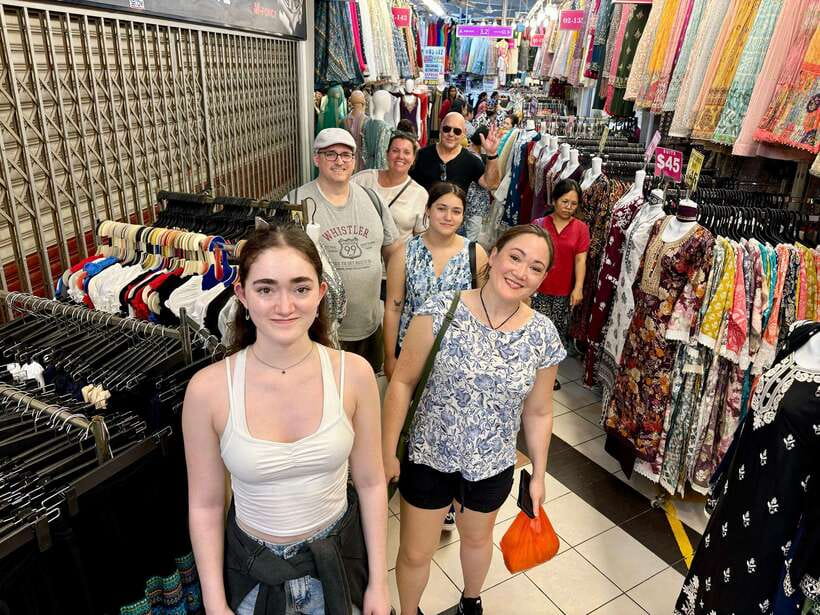
Little India is the longest food-focused part of the day. The route includes a wet and dry produce market, with seafood stalls, meat stalls, fruit and vegetable vendors, and spice stalls. This is where you see the ingredients before eating the finished dishes.
That order makes the food easier to understand. A spice stall is not just a colorful photo stop, and a seafood counter is not merely market scenery. Gerry can explain how ingredients connect with home cooking, family businesses, and the regional food traditions found in Singapore.
You also visit an Indian clothing market and other street stalls. These commercial details matter because an ethnic quarter is not only a preserved historic zone. It is a working area where people still shop, trade, eat, and run small businesses.
The food here includes local Indian and Malay dishes, drinks, and snacks at a family-run eatery. Beer is included, as are coffee and tea options. A morning beer may sound unusual, but it is part of the relaxed tone of the day. If you prefer nonalcoholic drinks, coffee and tea are available.
The amount of food is one of the tour’s strongest points. Gerry does not simply point out a dish and move on. You are given a broad selection, and several people have found the portions generous enough that breakfast is unnecessary. I would eat lightly before meeting the group.
Little India can also be the most demanding stop for your senses. Markets bring smells, close quarters, and plenty to look at. That is part of the appeal, but anyone who prefers quiet, slow sightseeing should know that this is an active, food-centered section.
More Local Culture and Traditions Tours in the world:
- Amsterdam Food and Cultural Tour with Tastings
★ 5.0 · 4,315 reviews - Tromsø: Reindeer Camp and Sami Cultural Tour with Lunch
★ 4.7 · 3,326 reviews - Half Day Dominican Republic Cultural Tour : Small Group
★ 4.5 · 1,862 reviews - Ultimate Melbourne Walking Tour: History, Laneways & Culture
★ 5.0 · 1,451 reviews
Kampong Glam: textiles, street art, and a sweet finish
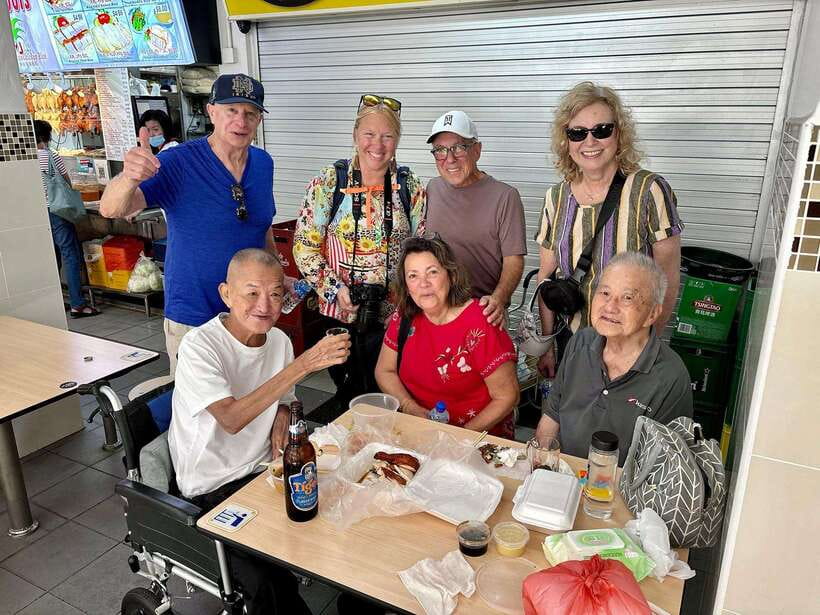
The final neighborhood is Kampong Glam, the historic Malay quarter. Here the tone shifts toward textiles, colorful walls, old shophouses, and the area around Singapore’s first Sultan Mosque.
Haji Lane brings a more modern side of the district, with independent shops and painted walls. Arab Street adds textile stores and a stronger connection to the quarter’s Muslim trading past. The route does not treat the neighborhood as a museum. You see how older buildings and current small businesses share the same streets.
The tour introduces the Sultan Mosque, then ends with dessert in an old shophouse accommodation once used by Muslim pilgrims during the 19th century. That setting gives the final tasting some historical weight. It is not just a sweet course at the end of a long walk.
One point to note: the last neighborhood is lighter on savory food than the earlier stops. The dessert is tasty, but if you want a substantial dish in every quarter, this may feel uneven. I see the logic, since the tour has already provided a large amount of food, but it is worth knowing before you book.
The stories make the food matter
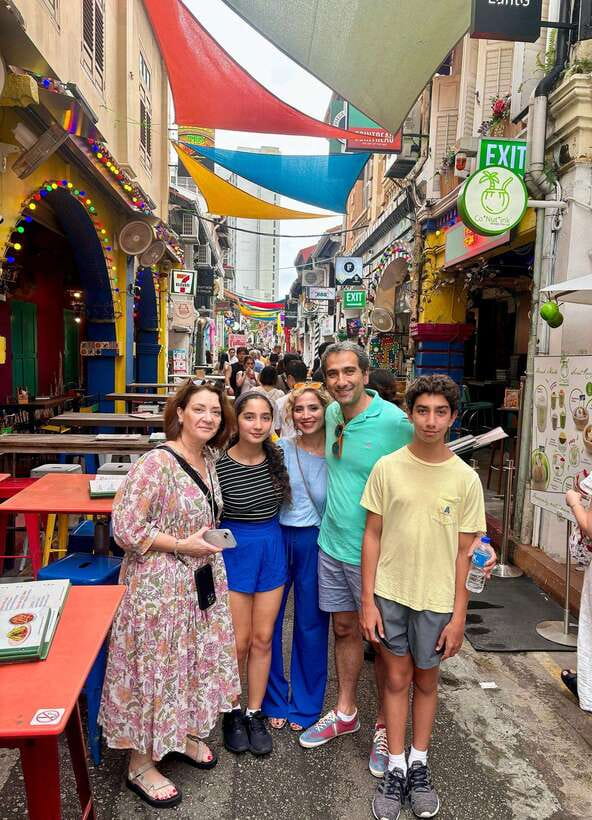
Gerry is the main reason this experience feels personal rather than formulaic. He uses humor, old pictures, and local family history to explain Singapore without turning the day into a classroom.
His interest in small businesses also shapes the route. You are brought to hawkers, market traders, clothing sellers, and family eateries. That supports the local economy in a direct way, while giving you a better sense of the people behind the food.
Several details make the guide’s role especially useful:
- He can answer questions about both historical Singapore and daily life now.
- He shares pictures that show how particular areas have changed.
- He explains how postcolonial government policies affected housing, commerce, and the growth of the modern city.
- He keeps the mood friendly and relaxed, with humor that helps during a long walking day.
- He pays attention to food waste, an issue one family appreciated during the tour.
This is also a good choice for families with older children. A 15-year-old joined one outing and had a strong cultural and food experience. The day has enough movement and visual detail to keep a teenager involved, although babies and very young children are not suitable for this activity.
Is $148 good value?
At $148 per person, this is not Singapore’s cheapest food outing. The value comes from what is bundled into the six hours: a small group, a local guide, multiple food and drink tastings, beer, public transport tickets, historical interpretation, and visits to three separate districts.
If you tried to recreate the day alone, you could spend less on food and transport. You would not get the same access to Gerry’s stories, old photographs, organized tastings, or explanations of how the neighborhoods fit together. You would also need to choose every stop yourself and manage the transfers.
I consider the price fair for someone who wants a full introduction to Singapore in one day. It is less compelling if you already know the city well, dislike group tours, or plan to spend only an hour sampling hawker food.
The food quantity also improves the calculation. Drinks and several tastings are included, so your out-of-pocket spending during the tour should be limited to souvenirs or personal purchases. The exact selection can vary, but the experience is designed to provide a wide range rather than a single snack.
Who should book, and who should skip it
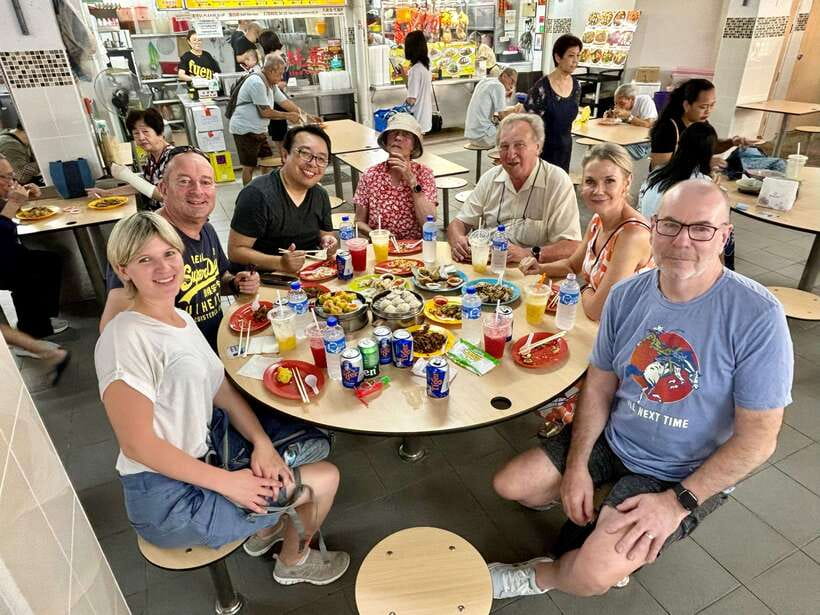
I would recommend this tour to first-time visitors who want a strong orientation to Singapore’s food and communities. It also suits repeat visitors who have seen the major sights but want more context for hawker centres, markets, shophouses, and local businesses.
Food lovers will get the most from it, especially if you enjoy trying unfamiliar dishes and sharing several small portions. History fans will appreciate the migration stories and old images. Couples, friends, and families with older children should find the small group easy to manage.
You should think twice if you are vegan or gluten intolerant, since the activity is specifically food centered and does not list suitable arrangements for those diets. It is also not suitable for pregnant women, people with back problems, respiratory issues, vertigo, mobility impairments, or low fitness.
Large bags, oversize luggage, baby strollers, mobility scooters, non-folding wheelchairs, walking frames, and baby carriages are not allowed. Wear comfortable clothes and shoes. Six hours, 6,000 steps, food stops, and public transport require more energy than the relaxed tone might suggest.
Cancellation is free up to 24 hours in advance, and you can reserve now and pay later. That flexibility helps if your Singapore schedule is still changing.
Should you book it?
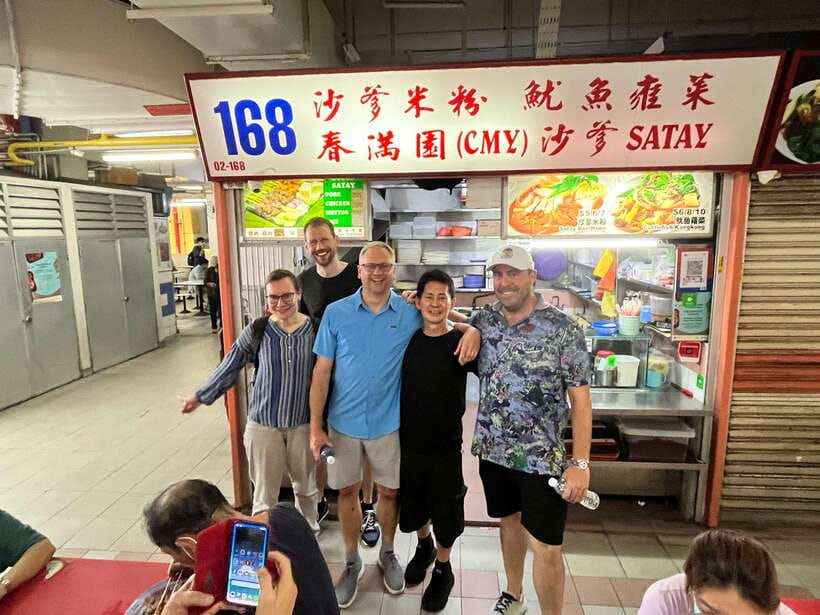
Book it if you want Singapore explained through food, family stories, and working neighborhoods rather than only through major attractions. Gerry’s humor, old photographs, and local background are the strongest reasons to choose this particular route.
Skip it if you want a short tasting session, a fully seated meal, or a quiet sightseeing day. For everyone else, the combination of Chinatown’s difficult past, Little India’s markets, and Kampong Glam’s textile and Muslim heritage makes the $148 price worthwhile, especially since food, beer, and transport are already covered.
FAQ
How long does the tour last?
The experience lasts six hours. It includes walking, food tastings, sightseeing, and public transport between the three quarters.
Which neighborhoods does the tour visit?
It visits Chinatown, Little India, and Kampong Glam, representing Chinese, Indian, and Malay cultural areas of Singapore.
Is food and drink included?
Yes. Food and drink are included, including beer. Tastings include Chinese, Indian, Malay, and local snack options, with some food connected to Michelin-listed stalls.
How many people are in the group?
The group is limited to eight participants.
Where does the tour start and finish?
Pickup may be available from hotels in central city areas, depending on location. You can also meet at the first stop or a nearby MRT station. The listed city meeting points are City Hall MRT and Raffles City, with drop-off at Raffles City or City Hall MRT.
What should I bring?
Bring comfortable shoes and comfortable clothes. Large bags, oversize luggage, non-folding strollers, mobility scooters, non-folding wheelchairs, walking frames, and baby carriages are not allowed.
More Food Tours in the world
- Barcelona: Tapas Walking Tour with Food, Wine, and History
★ 4.8 · 4,261 reviews - Madrid Tapas & Taverns Small Group Food & History Tour
★ 5.0 · 2,664 reviews - Historic Ybor City Food Walking Tour
★ 5.0 · 2,210 reviews - Barcelona Tapas Walking Tour: Food, Wine & History
★ 4.5 · 1,928 reviews
Just added around the world
- Syracuse: Traditional Cooking Class & Ancient Market Visit★ 4.9 · 72 reviews
- Sydney Historical Walking Tour including The Rocks★ 4.6 · 20 reviews
- Sucre: Free Walking tour (History, culture and traditions)★ 4.8 · 47 reviews
- Sydney Convicts, History & The Rocks 2.5-Hour Walking Tour★ 4.9 · 181 reviews
- Strasbourg: Historic Center Walking Tour★ 4.7 · 88 reviews
- Stories of Jew Town: Guided Heritage Walk in Kochi★ 4.7 · 30 reviews
- Stockholm Viking History Full Day Tour to Sigtuna + Uppsala★ 4.7 · 283 reviews
- Stonetown Historical Walking Tour & Traditional Lunch★ 4.8 · 22 reviews
Food & History Tours, compared.
Sevilla Food Tour: Tapas, Wine, History & Traditions
Read our review →
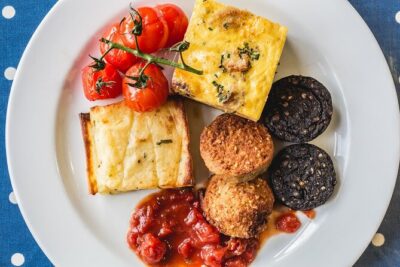
Dublin Historical Centre Food Tour with 8 Food Tastings & Drinks
Read our review →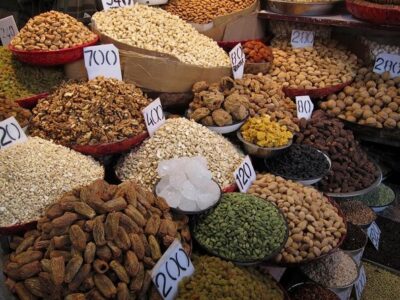
The Great Indian Food Tour: Old Delhi Food and Heritage Walk
Read our review →
Browse the lists this tour appears in