Review · WESTERN CAPE
Stellenbosch: Guided Historical Walking Tour
Start with Stellenbosch’s oldest streets. This 90-minute walk brings the town’s past into view through shaded oak avenues, water furrows, Cape Dutch buildings, and stories about the people who shaped four centuries of local life. I especially like the way the tour connects Simon van der Stel’s first camp with the town’s name, and how guides such as Johan, Marlene, Juliana, and Maureen add humor and personal detail. The main drawback is simple: you are outdoors for the full tour, so hot weather, rain, or uncomfortable shoes can take the shine off an otherwise easy walk.
I also like the tour’s useful mix of big history and small surprises. You hear about fires that destroyed much of early Stellenbosch, famous university graduates, the old morgue, and even possible spirits near the Moederkerk graveyard. At $18 per person, it offers strong value, though anyone hoping for wine tasting or transport between attractions should choose a different activity.
Key points at a glance
- Simon van der Stel’s first camp: Learn where the colonial founder stayed beside the Eerste River and how the river received its name.
- The Braak and Dorp Street: See the village green and South Africa’s oldest residential street during a compact town walk.
- Cape Dutch architecture: Look closely at historic buildings instead of simply passing them on the way to a wine farm.
- Stories with a local voice: Guides including Johan, Marlene, Juliana, and Maureen are praised for clear explanations, humor, and friendly conversation.
- Easy 90-minute format: The route suits a first morning in town and helps you decide what deserves a longer visit.
- Practical value: English guiding, wheelchair accessibility, free cancellation up to 24 hours before departure, and a $18 price make this a low-risk introduction.
Why a walking tour makes sense in Stellenbosch
Stellenbosch is easy to admire from a café or car window. Its oak trees shade handsome streets, and its old buildings give the center a calm, settled look. But without some context, you can miss why the town developed where it did, why its water channels matter, and how repeated fires changed its appearance.
This walk gives those details a place in the scenery. Instead of hearing a long lecture in one room, you move through the town as the story unfolds. A building, street, stream, or churchyard becomes the prompt for another piece of the past.
I think the timing is especially useful. Ninety minutes is long enough to get beyond surface facts, but short enough to fit before lunch, a wine-country outing, or an afternoon of independent exploring. The walk is also described as easy, so you do not need to treat it like a strenuous sightseeing hike.
The clearest strength is the guides. Johan is repeatedly praised for his humor, broad historical knowledge, and ability to answer questions without making the tour feel stiff. Marlene is described as warm, well paced, and good at explaining how the town developed. Juliana is noted for enthusiasm and for responding fully to questions. These details matter because a historic town can quickly become a list of dates unless the guide makes the people and places feel connected.
More History Walking Tours in the world:
- History and Hauntings of Salem Guided Walking Tour
★ 5.0 · 14,564 reviews - Lisbon: History, Stories and Lifestyle Walking Tour
★ 4.8 · 10,902 reviews - Boston: Freedom Trail History Small Group Walking Tour
★ 5.0 · 6,450 reviews
Meeting at Church Street
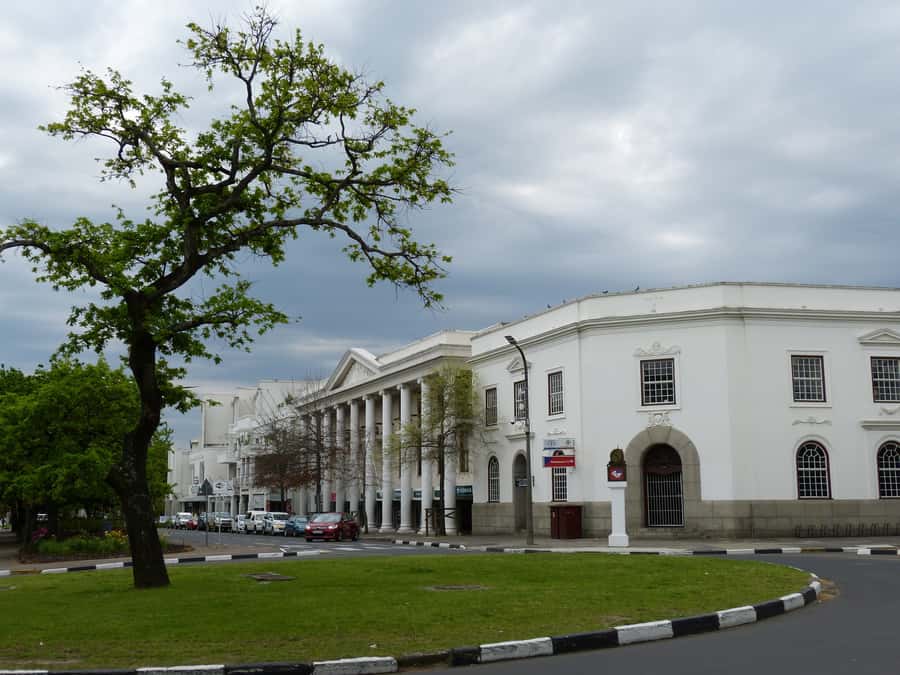
The tour begins at 47 Church Street in central Stellenbosch. You are asked to arrive 15 minutes early, which is sensible for a walking activity. Use that time to find the meeting point, adjust your shoes, and make sure you have water if the day is warm.
There is no transportation included. That is not a serious weakness if you are already staying or sightseeing in central Stellenbosch, but it matters if you are coming from outside town. You need to arrange your own way to the starting point, and the tour does not collect you from a hotel or wine estate.
The language is English. The guide is live rather than recorded, which gives you the chance to ask about a building, a name, or a point in the town’s past as it comes up. Small groups are possible, and some departures have been particularly intimate, with only a few people or even one person and the guide. Group size can affect how much conversation you get, but the available information does not promise a fixed maximum.
Following the oak avenues and Mill Stream
The early part of the route introduces Stellenbosch as the village of the oaks. The shaded avenues are more than a pretty setting. They help explain the town’s character and give the walk a pleasant rhythm, especially when the sun is strong.
Along the streets, you see the water furrows of the Mill Stream. These channels are an easy detail to overlook when you are focused on façades, but they are part of the town’s older working structure. A good guide uses them to show that Stellenbosch was not built only as a collection of attractive houses. Water, farming, settlement, and movement all shaped the place.
This is where the tour’s pace works well. You are not rushed from one photo stop to the next. Instead, the walk allows time for the guide to explain how the town grew and how the built environment still hints at that earlier life.
Do not expect every stop to be a grand monument. Much of the pleasure comes from seeing how ordinary streets carry old stories. You may appreciate this most if you enjoy architecture, local customs, and small historical clues rather than only famous landmarks.
Simon van der Stel and the Eerste River
One of the most useful historical stops concerns Simon van der Stel, the colonial founder associated with Stellenbosch. The walk points out where he set up camp beside the Eerste River and explains how the river got its name.
This gives you a clear starting point for the town’s story. Rather than treating Stellenbosch as an old settlement that simply appeared fully formed, the guide places its beginnings beside the river. The setting helps you picture the first stage of the town’s development before the later streets and buildings took shape.
The subject also opens the door to a wider discussion of South African history. Several tour experiences have been praised for giving not only local facts but also political and national context. That broader view is useful, especially if Stellenbosch is one stop on a first visit to South Africa.
You should expect the treatment to remain accessible rather than academic. The appeal is the guide’s ability to explain the past in plain language, add anecdotes, and answer questions. Johan, in particular, is praised for making historical information entertaining, while other guides are noted for tailoring the discussion to the group.
More Guided Tours in the world:
- Edinburgh: Edinburgh Castle Guided History Tour with Tickets
★ 4.8 · 9,933 reviews - Historic Charleston Guided Sightseeing Walking Tour
★ 5.0 · 6,216 reviews - Rome: Colosseum with Arena, Roman Forum and Palatine Guided Tour
★ 4.0 · 5,598 reviews - Venice: St. Mark’s Basilica Guided Tour & VR History Intro
★ 3.9 · 4,880 reviews
The Braak, the town’s village green
The route then reaches The Braak, a central green surrounded by historic buildings on three sides. This is one of the best places to pause and understand the shape of old Stellenbosch.
The open space gives you a break from the narrower streets and a chance to look at several buildings together. Your guide can point out how the structures relate to one another and why the green has such a strong place in the town’s identity.
I like this part because it turns architecture into a group portrait. One old building can be attractive, but a cluster around a shared public space tells you more about how a community functioned. Listen for changes in use, local characters, and the way fires affected the town.
The Braak is also a good photo stop, but do not let the camera distract you from the explanation. The value here lies in seeing the buildings as part of a settlement rather than as isolated backdrops.
Dorp Street and Cape Dutch design
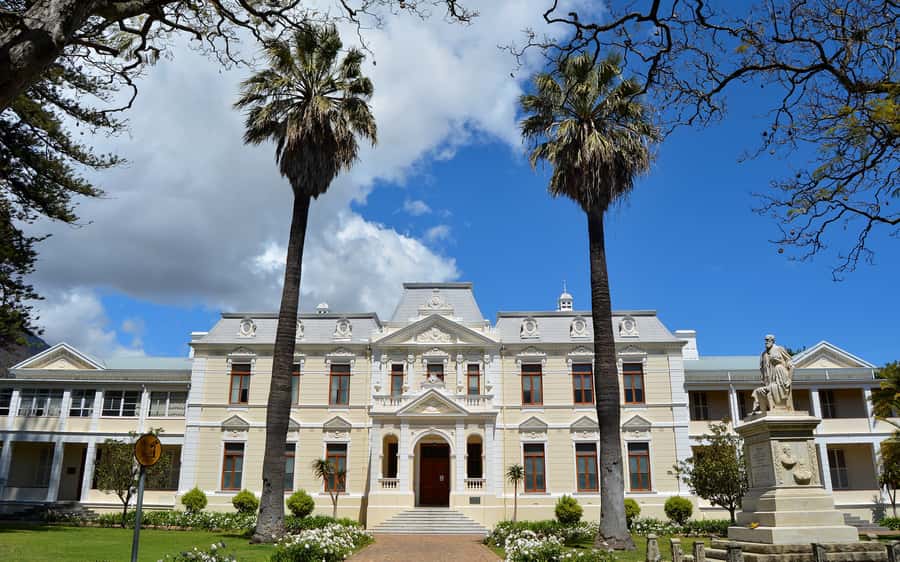
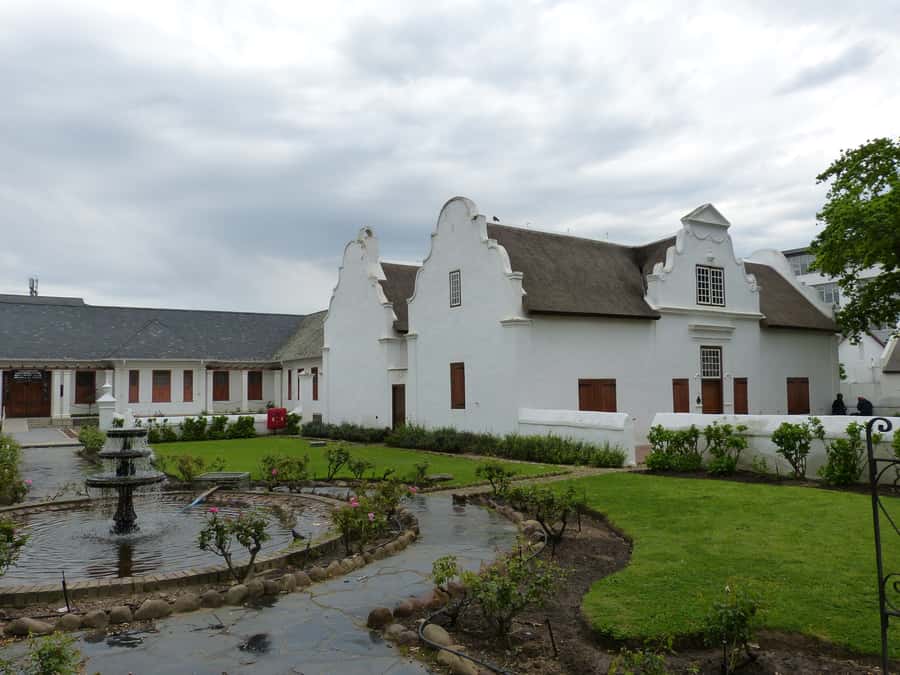
Dorp Street is presented as the oldest residential street in South Africa. The route uses it to show the charm and balance of Stellenbosch’s Cape Dutch architecture.
You will hear about the façades and the people connected with the older homes. The exact focus may change with the guide and the group, which is a positive feature if you prefer conversation over a fixed script. Juliana, Marlene, and Johan are all praised for adding stories and details that a self-guided stroll might miss.
The architecture is attractive, but the tour does not reduce the town to pretty buildings. The history includes settlement, fires, changing uses, and the lives of residents across four centuries. That is important context. It encourages you to look past white walls and curved gables and ask what happened inside and around these places.
Dorp Street is also where comfortable shoes become important. The distance is not considered excessive, but you are walking and standing for 90 minutes. Sandals that rub, hard soles, or shoes without support are poor choices for this outing.
Fires, people, and the less polished stories
The fires that nearly wiped out the town in the 18th century are a major part of the tour. They explain why some early buildings disappeared and why Stellenbosch’s surviving older structures deserve attention.
This is one of the most valuable pieces of context because it changes the way you see the town. You are not simply looking at a preserved old center. You are seeing a place that had to rebuild after repeated destruction.
The stories also reach beyond architecture. The guide may discuss colorful inhabitants, local systems, famous graduates of Stellenbosch University, and people connected with the town in modern times. Prime ministers and sportsmen are among the university’s notable graduates, giving the university a place in the town’s wider identity.
There is a slightly playful side, too. The description hints at meeting an angel at the Angel Factory or a ghost near the Moederkerk graveyard. Another tour account appreciated humorous information about the local morgue. These touches keep the walk from becoming dry, although anyone wanting a purely formal history lecture may find the lighter stories a little theatrical.
For me, that mix is useful. A memorable anecdote helps you retain the serious material. The best guides use humor to make the town easier to remember, not to replace its complicated past.
The Moederkerk churchyard and local atmosphere
The Moederkerk area brings together faith, architecture, burial history, and local folklore. The mention of a ghost in the graveyard gives the stop a storybook edge, but the setting also helps show how religious buildings and burial grounds fit into the older town.
You should not expect a ghost tour. This is a historical walk with a few atmospheric stories, not a supernatural attraction. The balance is likely to suit you if you enjoy a little mystery alongside dates, buildings, and civic history.
The churchyard can also prompt questions about who was remembered, how the town’s population changed, and what older places reveal about social life. The guide’s role is important here. A flat explanation would make the stop brief, while a good storyteller can connect the site to the wider town.
What the guides do best
The strongest praise is directed at the human side of the experience. Johan is described as funny, clear, and easy to chat with. Marlene is praised for a warm manner, strong local understanding, and a well-managed pace. Juliana is noted for energy, patience, and detailed answers.
Those qualities affect your day more than a long list of stops. A guide who listens can spend more time on architecture if that interests you, or explain the political background if that is what you want. One person specifically appreciated receiving a tailored tour, while another enjoyed learning about both the past and present town.
The experience provider is Stellenbosch on Foot. The repeated high ratings, including an overall 4.7 from 283 reviews, support the view that the guiding is the main reason to book. Still, individual guide styles can vary, and the exact route or emphasis may not be identical on every departure.
Price, timing, and who gets good value
At $18 per person, this is a sensible purchase for a historic town introduction. You pay for a professional guide and the walking tour, with no added transportation or personal expenses included.
The value is strongest if you are new to Stellenbosch or want a better frame for independent sightseeing. A self-guided walk costs less, but you would need to research the town, identify the important buildings, and supply the stories yourself. The tour saves that effort in a compact format.
It is also a good choice early in your stay. After the walk, you should have a clearer idea of which streets and buildings deserve a second look. You may also understand the town’s layout better before heading farther into the surrounding wine region.
The tour is wheelchair accessible, which broadens its usefulness, though the activity remains a street-level walking experience. Bring comfortable shoes, and remember that pets, alcohol, and drugs are not allowed.
Free cancellation is available up to 24 hours before the activity for a full refund. You can also reserve now and pay later, which helps if your plans around Stellenbosch are still shifting.
Who should book this walk?
I would choose this tour if you:
- Want local history without committing to a full-day outing
- Care about architecture, public spaces, and town planning
- Prefer a guide who can answer questions
- Are visiting Stellenbosch for the first time
- Want an easy activity before wine tasting or another excursion
- Enjoy folklore and personal stories along with formal history
It may be less suitable if you want wine tasting, countryside scenery, private transportation, or a long architectural study. The route stays in the historic town, and the focus is on streets, buildings, people, and local stories.
Should you book the Stellenbosch walking tour?
Yes, if you want a short, affordable way to understand Stellenbosch before exploring it on your own. The tour’s best features are its manageable length, central route, and strong local guiding. Johan, Marlene, Juliana, and the other guides are praised for making information clear, friendly, and memorable.
Book it early in your visit if possible. Then return to Dorp Street, The Braak, or the oak-lined avenues with a better sense of what you are seeing. At $18, the walk gives you more than a quick orientation: it gives the town a human shape.
FAQ
How long is the Stellenbosch historical walking tour?
The tour lasts 90 minutes.
How much does the tour cost?
The price is $18 per person.
Where does the tour meet?
The meeting point is 47 Church Street, Stellenbosch Central, Stellenbosch, 7599.
How early should I arrive?
You should arrive 15 minutes before the activity begins.
What language is the tour conducted in?
The live tour guide speaks English.
Is the walking tour wheelchair accessible?
Yes, the activity is listed as wheelchair accessible.
Is transportation included?
No. Transportation to and from the starting location is not included.
What should I bring?
Bring comfortable shoes for the 90-minute walking route.
Can I cancel the tour for a full refund?
Yes. You can cancel up to 24 hours in advance for a full refund. You can also reserve now and pay later.
Just added around the world
- Syracuse: Traditional Cooking Class & Ancient Market Visit★ 4.9 · 72 reviews
- Sydney Historical Walking Tour including The Rocks★ 4.6 · 20 reviews
- Sucre: Free Walking tour (History, culture and traditions)★ 4.8 · 47 reviews
- Sydney Convicts, History & The Rocks 2.5-Hour Walking Tour★ 4.9 · 181 reviews
- Strasbourg: Historic Center Walking Tour★ 4.7 · 88 reviews
- Stories of Jew Town: Guided Heritage Walk in Kochi★ 4.7 · 30 reviews
- Street Food, Cultural & Historical Tour of 3 Ethnic Quarters★ 5.0 · 23 reviews
- Stockholm Viking History Full Day Tour to Sigtuna + Uppsala★ 4.7 · 283 reviews
History Walking Tours, compared.
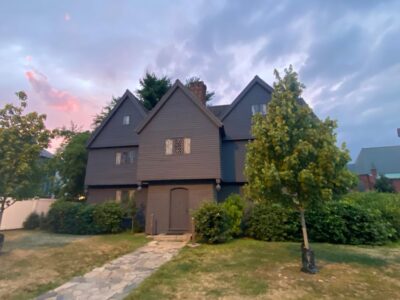
History and Hauntings of Salem Guided Walking Tour
Read our review →
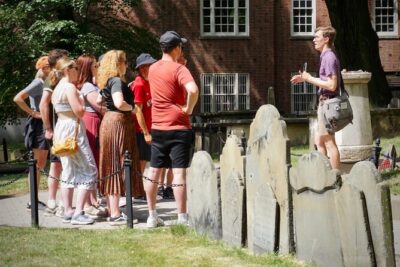
Freedom Trail History Small Group Walking Tour
Read our review →
Historic Charleston Guided Sightseeing Walking Tour
Read our review →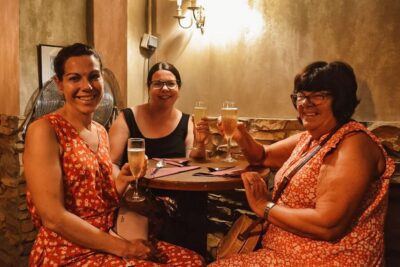
Tapas Walking Tour with Food, Wine, and History
Read our review →
Savannah History and Haunts Candlelit Ghost Walking Tour
Read our review →