
Review · CENTRAL BOHEMIAN REGION
Prague: World War II and Communist History Tour
History here still has sharp edges. This 2.5-hour walk links Prague’s Nazi occupation, resistance, Communist rule, and Velvet Revolution through real city streets and key sites. I especially like the clear story line from World War II to 1989 and the way guides such as Adam, Tony, Zach, and Amanda bring difficult events to life. The main drawback is that the tour relies heavily on spoken storytelling, since not every stop has a visible memorial or major attraction.
I also like the small-group feel reported by several participants, which makes it easier to ask questions and follow the guide. You’ll cover a fair amount of ground, and the subject matter can be grim, so this suits you best if you want modern Czech history rather than a light sightseeing stroll.
Key points to know before booking
- The story runs from Nazi rule to the Velvet Revolution: You follow the Czech uprising, Communist coup, Prague Spring, Warsaw Pact invasion, Normalization, dissent, and the fall of Communism.
- Operation Anthropoid is a major highlight: The tour explains the assassination of a senior Nazi security official and the desperate resistance that followed.
- You visit several central Prague landmarks: The route includes the Municipal House, Jewish Quarter, Dancing House, Wenceslas Square, and other locations tied to twentieth-century events.
- The guide makes or breaks the experience: Adam, Tony, Zach, Amanda, Sean, Kevin, and others have been praised for strong storytelling, humor, and clear explanations.
- Expect a serious walking tour, not a museum-heavy outing: One stop may include a museum, but much of the experience comes through the guide’s narrative on the street.
- At $34, it offers strong value: Two and a half hours of focused history costs less than many specialized city tours, with free cancellation up to 24 hours before departure.
Why this Prague history walk is worth your time
Prague can seem like a city of medieval towers, Baroque churches, and pretty squares. That picture is accurate, but incomplete. The past century changed the city in ways you can understand only after hearing what happened behind those handsome façades.
This tour gives you that missing layer. It explains how Nazi occupation crushed a democratic and industrial country, how the postwar Communist takeover disappointed many Czechs, and how hope rose during the Prague Spring before Soviet-led forces invaded in 1968.
The story then moves through the long years of Normalization, when the state tried to suppress independent thought, music, and public dissent. It finishes with Václav Havel and the Velvet Revolution of 1989.
I like this structure because the events do not arrive as disconnected facts. Each period leads into the next. The assassination of a Nazi official helps explain the brutal reprisals that followed. The failure of reform in 1968 helps explain the mood of resignation under Normalization. The persecution of the Plastic People of the Universe helps show why Charta 77 mattered.
More WWII and D-Day Tours in Prague:
- Vienna: World War II Historical Walking Tour
★ 4.8 · 1,772 reviews - Zagreb: City & History Walking Tour & WW2 Tunnels
★ 4.9 · 1,202 reviews - Pearl Harbor History Remembered Tour from Ko Olina
★ 5.0 · 1,009 reviews
Starting in the Old Town near Týnská Street
The meeting point is at Týnská 639/4 in Prague’s Staré Město, or Old Town. This puts you near one of the city’s most famous historic areas, but the tour quickly shifts your attention away from the usual medieval postcard view.
That change is useful. If you have already taken a general Old Town or Castle tour, this walk adds a different layer rather than repeating the same sightseeing script. One participant described it as a good supplement to tours of Old Prague and the Castle district, as well as a self-guided visit to the old Jewish area.
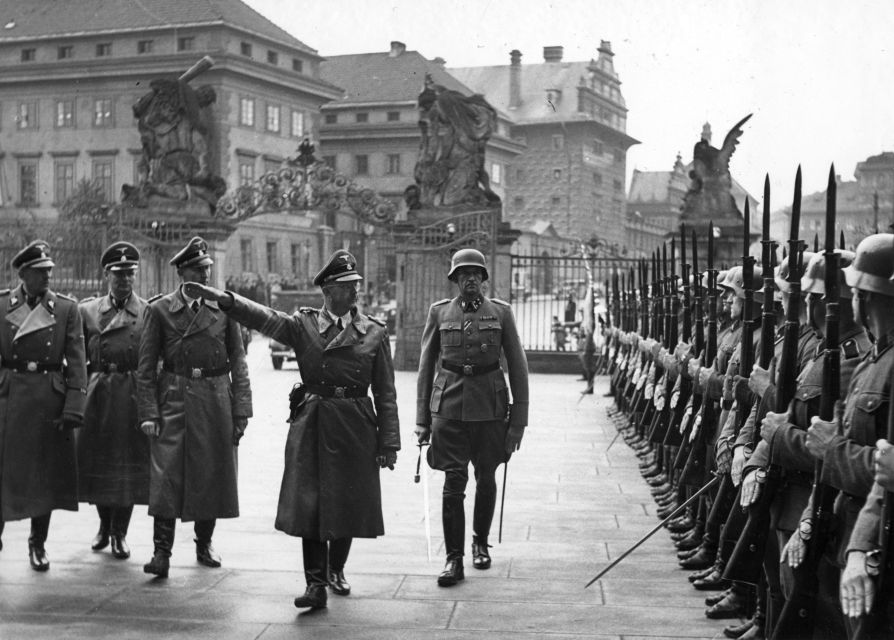
The opening section sets up the political and social conditions before and during World War II. You’ll hear about the Nazi occupation and the Czech resistance, with the guide connecting events to streets and buildings around you.
Do not expect every location to announce its importance with a grand memorial. At several points, the guide’s words do the work. This is why a strong presenter matters so much, and why the repeated praise for guides including Zach, Tony, Adam, and Amanda is important.
The Jewish Quarter and the Nazi occupation
The route skirts the Jewish Quarter, an area with its own painful wartime story. The tour places this part of Prague within the wider Nazi occupation rather than treating it as an isolated sightseeing stop.
You’ll hear how occupation changed daily life and how Nazi rule turned a modern, progressive state into a place of fear. The subject is serious, and the tour does not appear to soften the moral failures and political compromises of the period.
That directness is one of the better features of the experience. The story is not presented as a simple tale of innocent heroes and obvious villains. One guide was praised for refusing to sanitize the era or hide the complicity of politicians.
For you, the value here is context. If you visit Prague’s Jewish Museum separately, this tour can help place those sites within the wider political events of the twentieth century. It does not replace the museum, but it can make the city’s wartime story easier to follow.
Operation Anthropoid and the assassination of a Nazi official
The most gripping section concerns the Czech resistance plot to assassinate Reinhard Heydrich, a leading Nazi security official. The tour explains the planning, the attack, and the devastating Nazi retaliation that followed.
The supplied information describes the target as the head of the Nazi security services, while the tour material refers to the assassination of a high-ranking SS officer. Either way, this is the central resistance story of the walk.
A related stop is the Church of Saints Cyril and Methodius, where resistance soldiers hid. One participant called the church and crypt a poignant part of the experience. Another specifically encouraged anyone interested in Operation Anthropoid to take the tour.
This stop carries emotional weight because the setting connects the story to actual people cornered by events. You are not simply hearing about a military operation in a distant place. You are standing in the Prague setting where resistance fighters made their final stand.
The route may also include an Operation Anthropoid museum or museum visit, although the exact museum access can vary. A participant noted that the group entered a museum and received a tram ticket to save walking time. Treat that as a welcome possibility rather than a guaranteed feature of every departure.
More Cold War and Communism Tours in Prague:
- Prague: Communism History and Nuclear Bunker Guided Tour
★ 4.7 · 2,417 reviews - Prague Communism History and Nuclear Bunker Tour
★ 5.0 · 1,742 reviews - Bucharest: Communism and History Guided City Walking Tour
★ 4.9 · 918 reviews - Berlin: Cold War & Berlin Wall History Guided Bike Tour
★ 4.8 · 422 reviews
From liberation to Communist control
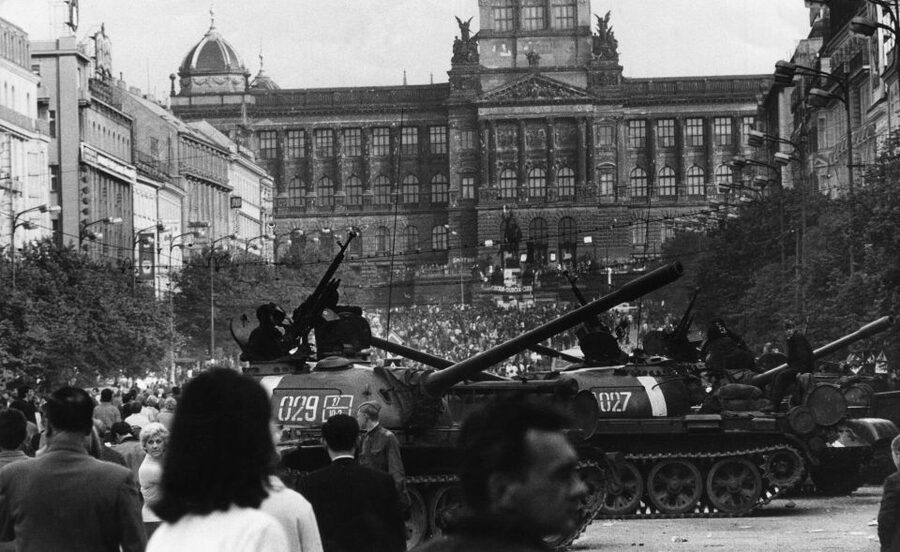
The second half of the tour follows the uneasy transition after World War II. Prague did not simply move from Nazi occupation to freedom and stability. The Communist coup reshaped political life, and the promises of a better future gradually became a source of frustration.
The guide explains the coup and the letdown that followed. That word matters because the story is about more than a change of government. It is about what ordinary people expected, what they lost, and how the state controlled public life.
This part may feel less visually dramatic than the wartime sites. You could be walking past normal city buildings while hearing about political pressure, restricted choices, and the daily reality of Communist rule.
That is also the tour’s main limitation. If you want a stop packed with plaques and preserved interiors, this may feel light. One participant felt there were fewer physical landmarks than expected. The walk works best when you enjoy connecting a guide’s explanation to the city around you.
Prague Spring, invasion, and the years of Normalization
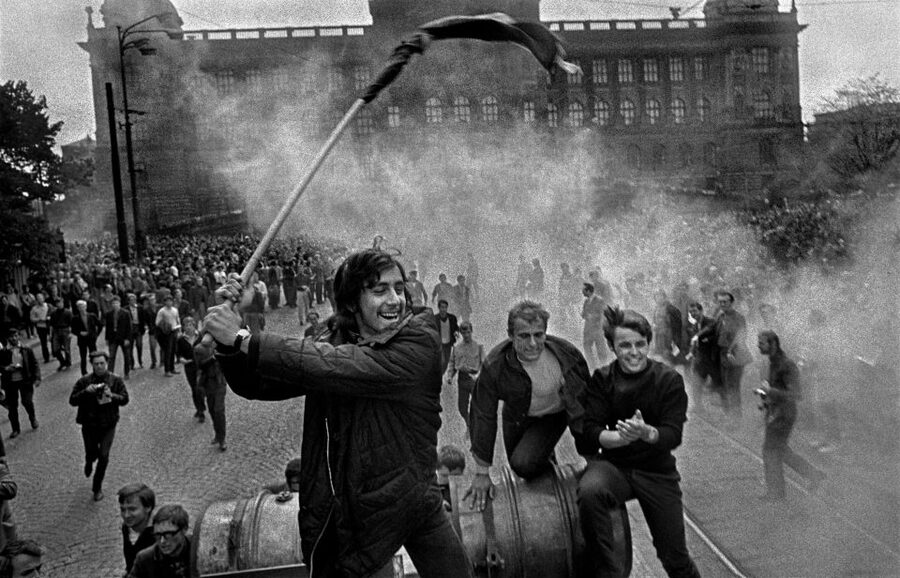
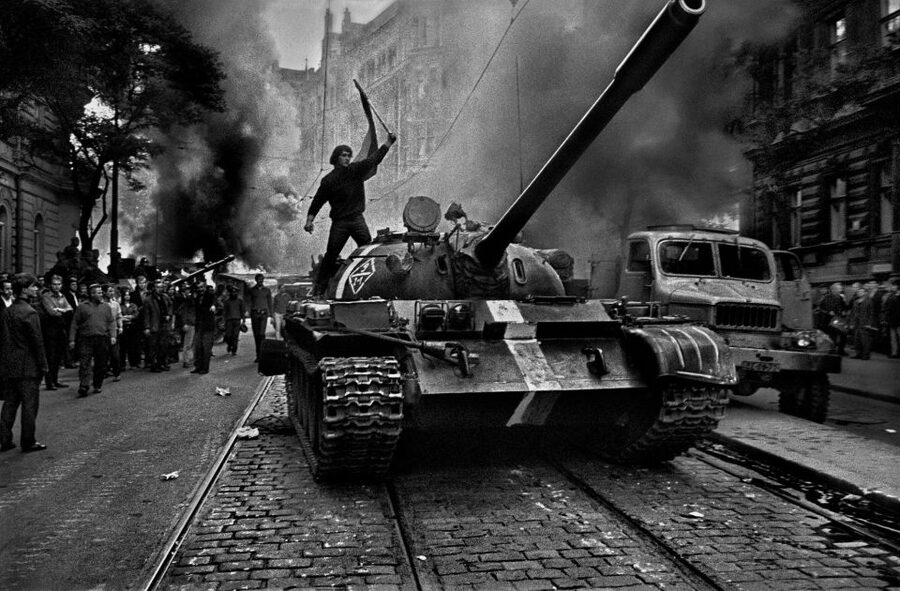
The Prague Spring of 1968 is the emotional turning point. The tour describes the period of reform and the wave of hope that followed, then explains the trauma of the Warsaw Pact invasion.
The contrast is powerful. Reform raised expectations, while the invasion showed the limits imposed by the Soviet bloc. The story then moves into Normalization, the period when authorities tightened control and tried to make political conformity feel ordinary.
I appreciate that the tour includes both major political events and cultural resistance. The persecution of the Plastic People of the Universe gives you a way to understand how music and personal expression could become political acts.
Charta 77 adds another layer. The tour explains how dissidents challenged the regime and how Václav Havel became part of that wider movement. These details keep the story from becoming only a list of leaders and dates.
Wenceslas Square and the Velvet Revolution
Wenceslas Square is one of the most important settings on the route. It is a major Prague landmark, but its meaning changes once you hear how public gatherings and political demonstrations shaped modern Czech history.
Here, the tour brings the story toward 1989 and the Velvet Revolution. Václav Havel and a varied group of dissidents were swept into power as Communist rule collapsed.
The word velvet can make the transition sound gentle. The tour gives you a better sense of the pressure, courage, and public energy behind the change. The final part links the dissident movement to the broader mood in Prague and helps explain why the revolution became such a defining moment.
Several guides have been praised for making these events feel immediate. One participant said the guide gradually built the story until the history seemed to unfold in front of the group. That is exactly what you want at Wenceslas Square: not just a photograph, but a reason to stop and think about what happened there.
Municipal House, Dancing House, and the changing city
The Municipal House and Dancing House add architectural reference points to the route. They also help move you between different parts of central Prague instead of keeping you in one compact Old Town circuit.
The Municipal House connects the walk to the city’s public and political life. The Dancing House represents a very different Prague, one associated with the post-Communist city and its changing identity.
The tour also passes through the Jewish Quarter and Wenceslas Square, giving you a broad look at central Prague. One participant described the walk as taking the group out of the most crowded Old Town and into the newer, though still historic, part of the city.
This is not a tour built around entering every landmark. Think of the buildings as chapter headings. The guide tells you why each place matters, then places it inside the larger story.
The guides are the real strength
The strongest praise is aimed at the guides. Adam was described as entertaining and deeply informed, with a talent for making the hours pass quickly. Tony was praised for answering questions, keeping the group organized, and adding useful bar and restaurant suggestions.
Zach received repeated praise for clear storytelling, humor, and his ability to build the history step by step. Amanda was remembered for energy, personal stories, and a strong sense of timing. Other guides, including Sean, Kevin, Alissia, and Daren, were also singled out for enthusiasm and strong presentation.
Names and staffing can change, so you should not book expecting one particular guide. Still, the pattern is encouraging: this experience depends on people who care about the subject and know how to tell a story in English.
The tour has also worked well in difficult weather. One participant praised the guide for staying engaging in pouring rain, while another enjoyed the walk despite freezing December conditions. You should still dress for the forecast, since this is an outdoor walking experience.
Time, walking, and value at $34
The tour lasts 150 minutes and costs $34 per person. That works out to roughly $13.60 per hour for a focused walk through Prague’s twentieth-century history, which is strong value if the subject interests you.
You will walk through several parts of central Prague, and one participant described the route as a lot of walking, though pleasant. Another found the tour longer than expected, so do not schedule a tight appointment immediately afterward.
The route may include public transport to save time, as one group received a tram ticket. Since that detail may depend on the guide or departure, do not assume every tour follows the same transport arrangement.
The booking terms are practical. You can cancel up to 24 hours ahead for a full refund, and you can reserve now and pay later. The tour is offered in English with a live guide.
Who should book this tour?
I would choose this tour if you want to understand how Prague became the city you see today. It is especially useful for anyone interested in World War II, resistance movements, Soviet-era politics, dissident culture, or the Velvet Revolution.
It also works well early in a Prague visit. The tour can give later visits to Wenceslas Square, the Jewish Quarter, or the Church of Saints Cyril and Methodius more meaning.
I would be cautious if you want a relaxed walk with only a few historical facts. The pace covers many decades and some painful subjects. It is also not ideal if you need a tour built almost entirely around interiors and visible exhibits.
FAQ
How long does the World War II and Communist History Tour last?
The tour lasts 150 minutes, or two and a half hours.
What language is the tour offered in?
The tour is offered in English with a live guide.
Where does the tour meet?
The meeting point is Týnská 639/4, Staré Město, 110 00 Prague 1, Czechia.
How much does the tour cost?
The listed price is $34 per person.
Which historical periods does the tour cover?
It covers the Nazi occupation, Czech resistance, the postwar Communist coup, the Prague Spring, the Warsaw Pact invasion, Normalization, the Plastic People of the Universe, Charta 77, and the Velvet Revolution of 1989.
Does the tour discuss Operation Anthropoid?
Yes. It explains the assassination of a high-ranking Nazi security official, the resistance plot behind it, and the consequences that followed.
Which Prague locations are included?
The tour includes the Municipal House, the Jewish Quarter, the Dancing House, and Wenceslas Square, along with other locations connected to the period.
Is museum entry included?
The activity includes a 2.5-hour walking tour. One past departure included a museum visit, but the available information does not confirm museum entry for every tour.
Can I cancel or pay later?
You can cancel up to 24 hours in advance for a full refund. You can also reserve now and pay later.
Should you book it?
Book this tour if you want Prague’s recent past explained by a strong storyteller rather than reduced to dates on a plaque. At $34, the focused subject, long route, and two and a half hours make it a good buy for history-minded visitors.
Skip it if you want a short, photo-heavy sightseeing walk or a route filled with indoor attractions. For everyone else, especially anyone curious about Operation Anthropoid, Communist life, and the Velvet Revolution, this is one of the more useful ways to connect Prague’s streets with the events that shaped modern Czech society.
Just added around Prague
- Prague: Immersive History Walking Tour and VR★ 4.8 · 73 reviews
- Prague: Plague Doctor Old Town History Walking Tour★ 4.9 · 204 reviews
- Absinthe Tasting Prague: Historic Cellar Experience★ 5.0 · 19 reviews
- Prague: Historic Pubs Tour with Drinks★ 4.9 · 411 reviews
- Prague: Top Sights and Historic Center Introduction Tour★ 4.9 · 1,181 reviews
- Prague: Hop-on Hop-Off Historical Tram Ticket for Line 42★ 4.1 · 1,702 reviews
- Prague Communism History and Nuclear Bunker Tour★ 5.0 · 1,742 reviews
- Prague Historic Pub Tour with Drinks Included★ 5.0 · 2,084 reviews
Cold War & Communism Tours, compared.
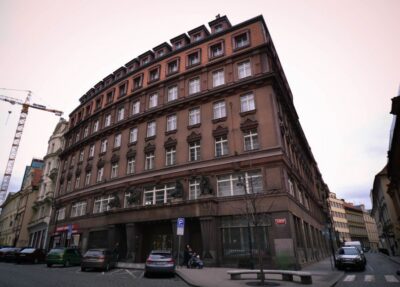
Communism History and Nuclear Bunker Guided Tour
Read our review →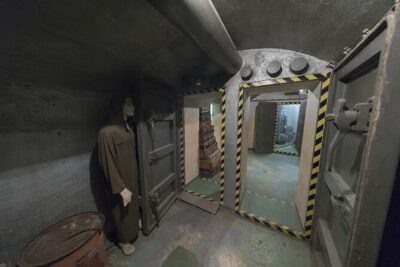
Prague Communism History and Nuclear Bunker Tour
Read our review →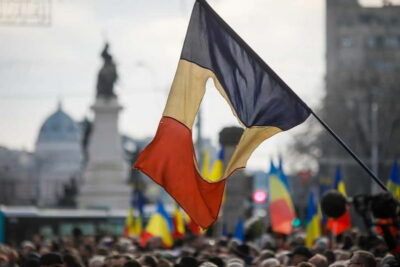
Cold War & Berlin Wall History Guided Bike Tour
Read our review →
Chisinau: Discover Soviet Heritage of Transnistria
Read our review →
Communist History Tour with House of Terror Option
Read our review →
Guided Bike tour of the Berlin Wall and Third Reich
Read our review →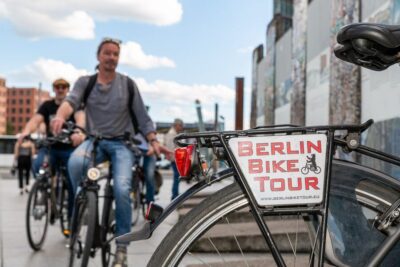
Browse the lists this tour appears in