
Review · VIENNA (STATE)
Vienna: World War II Historical Walking Tour
History gets personal in Vienna. This 2.5-hour walk connects Hitler’s early years, Nazi rule, the destruction of Vienna’s Jewish community, and the city’s difficult postwar years. I like the way it places major events on ordinary streets, rather than leaving them as distant dates in a textbook.
I especially like the Austrian perspective and the use of real locations, including Vienna’s only synagogue to survive the Nazi regime and the city’s Holocaust memorial. The guides also seem to make the subject feel human. Dieter, Stefan, Wolfgang, Michael, Charles, and Siggi are all praised for clear explanations and thoughtful storytelling.
The main consideration is simple: this is a serious history tour, not a light city stroll. You walk for 150 minutes, cover about 4 kilometers according to one guest, and spend much of the time discussing persecution, war, and political responsibility. Rain, cold, and busy streets can also affect the experience, though guides build in pauses and occasional shelter.
Key Points at a Glance
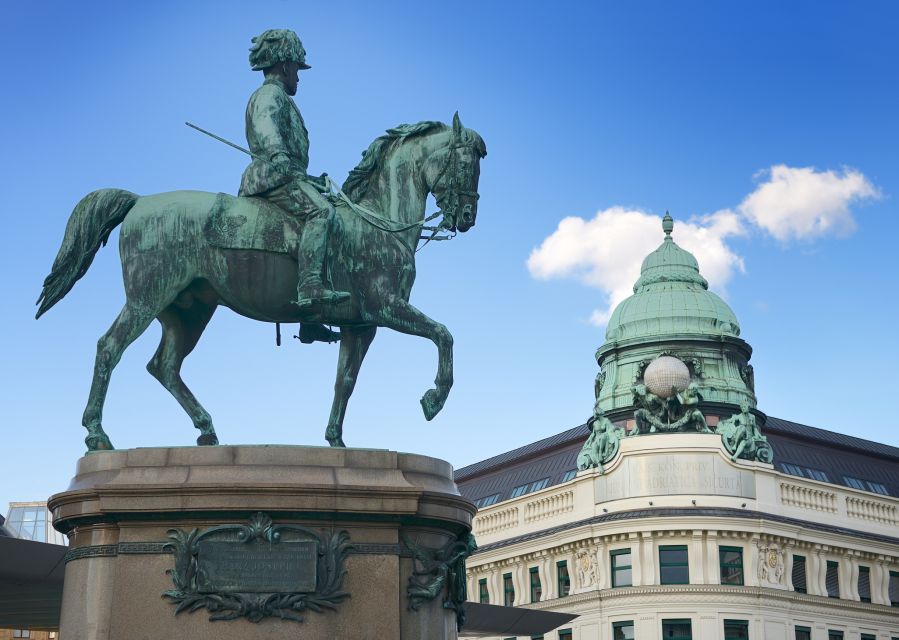
- Starts beside the Vienna Opera House: Meet under the green umbrella by Albrechtsbrunnen, below the Albertina Museum.
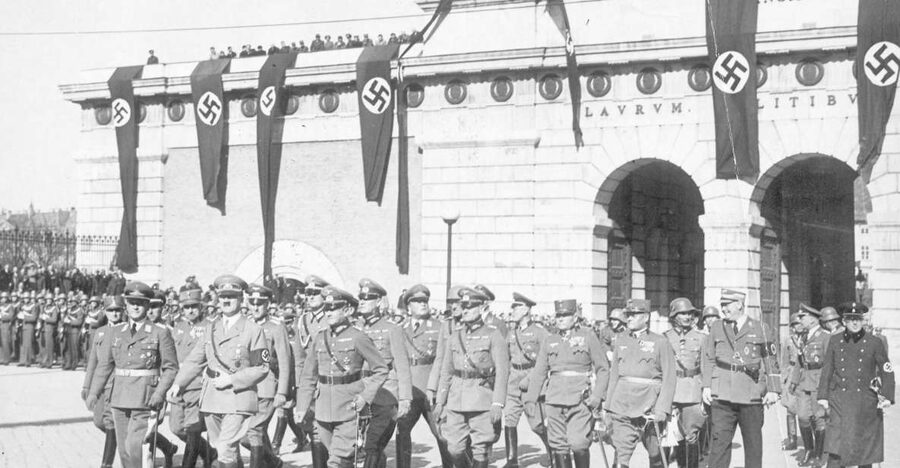
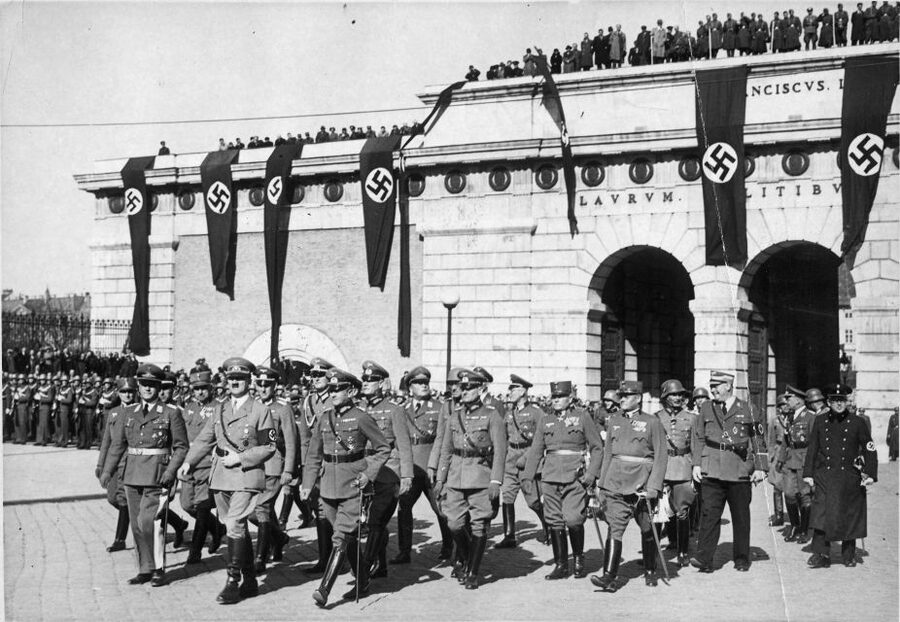
- Connects Hitler’s Vienna to later events: The tour explains his youth, political ideas, annexation of Austria, and the city’s wartime experience.
- Visits Vienna’s only surviving synagogue: This is one of the most meaningful stops, especially when placed against the destruction of the city’s Jewish community.
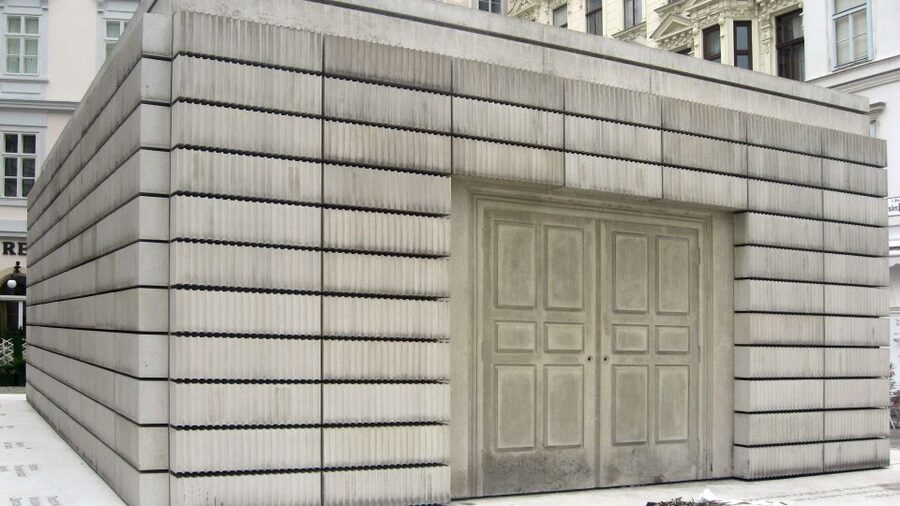
- Includes the Holocaust memorial: Expect a quiet, serious pause rather than a quick photo stop.
- Shows a damaged and divided Vienna: You learn about bombing, liberation, occupation, and Vienna’s unusual four-power administration after the war.
- Uses headsets for larger groups: You can hear the guide without crowding around them on busy streets.
Starting Beside the Opera House
The meeting point is easy to place if you know central Vienna. Look for the green umbrella in front of Albrechtsbrunnen, the fountain downstairs at the Albertina Museum, next to the Vienna State Opera. Karlsplatz and Oper subway station is the nearest public transport stop.
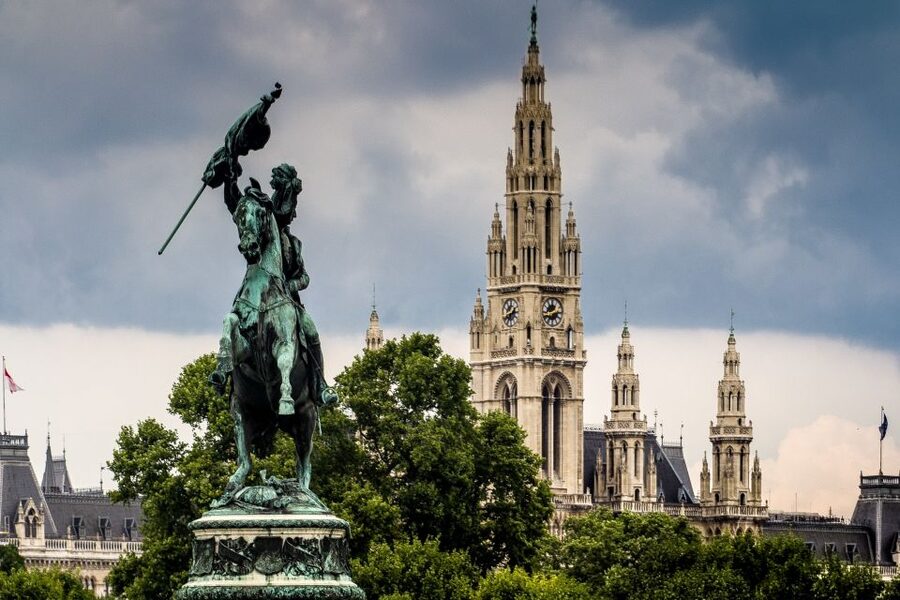
This is a useful starting point. The Albertina and Opera House put you in the grand center of Vienna, surrounded by imperial buildings and polished public spaces. The tour then begins peeling back that elegant surface, showing how the same city experienced political radicalization, antisemitism, war, and occupation.
Arrive with comfortable shoes and clothing suited to the weather. The walk is not described as strenuous, and one account puts the total distance at about 4 kilometers, but 150 minutes on city streets still requires sensible footwear.
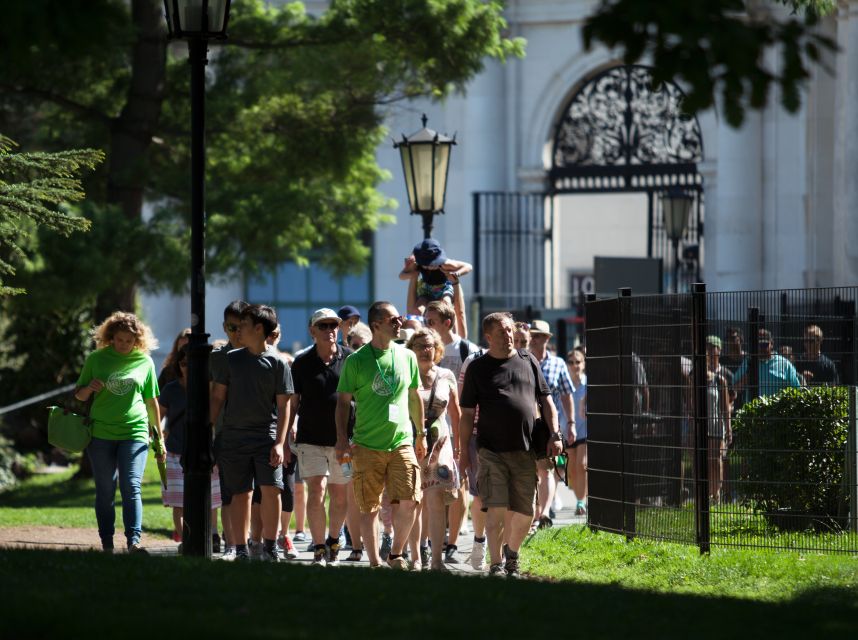
The group may use audio headsets, especially when it is large. This is a real advantage. You do not need to stay within a few feet of the guide, strain to hear over traffic, or miss a point while crossing a street. The equipment is not glamorous, but it makes a city walking tour work better.
More WWII and D-Day Tours in the world:
- Zagreb: City & History Walking Tour & WW2 Tunnels
★ 4.9 · 1,202 reviews - Pearl Harbor History Remembered Tour from Ko Olina
★ 5.0 · 1,009 reviews - Hiroshima Peace (Heiwa) Walking Tour at World Heritage Sites
★ 5.0 · 872 reviews
Hitler’s Vienna and the Road to Dictatorship
The opening section focuses on Hitler’s early years in Vienna and the social and political climate that shaped his ideas. The point is not to turn Vienna into a single-cause explanation for his later crimes. A good guide instead helps you understand the setting, the pressures, and the choices involved.
Dieter is repeatedly praised for explaining how the young art student developed the ideas that later made him a feared dictator. Stefan is also noted for connecting events with strong storytelling and thought-provoking questions. The best part of this section is the context: you are not just given dates, but shown how political fear, ethnic rivalry, and antisemitism affected public life.
Expect a balanced treatment of Austria’s role. The tour covers the annexation of Austria, often called the Anschluss, and the response in Vienna. That matters because postwar Austria often preferred to present itself mainly as Hitler’s first victim. A walk through the city can show why that story is incomplete.
The guides also bring visual material. Siggi has used printed photographs to clarify historical events, while other guides have brought personal family accounts into their explanations. These additions help you compare the streets in front of you with the same places during the 1930s and 1940s.
Vienna’s Jewish Community and the Surviving Synagogue
The synagogue stop is one of the tour’s most important moments. You see the only synagogue in Vienna that survived the Nazi regime, a fact that immediately raises difficult questions about how the city’s Jewish places of worship and its Jewish population were treated.
The stop is valuable because it moves the subject from general statements to a specific building. You are looking at a place that endured while so much else was destroyed or taken away. The guide explains what happened when fear, ethnic rivalry, and Nazi persecution seized Vienna.
Do not expect a long interior visit to be included. Entrance fees are not part of the tour, and the supplied details describe seeing the synagogue rather than entering it. The value comes from the explanation and the location, not from a museum-style visit inside.
This section may be especially useful if you already know the broad outline of the Holocaust but want to understand how it affected Vienna. The story is local, physical, and tied to streets you can see. That makes the subject harder to keep at a safe distance.
A Quiet Stop at Vienna’s Holocaust Memorial
The Holocaust memorial provides a solemn center to the walk. This is not a stop to rush through with a camera. Give yourself time to listen, look, and consider the scale of what happened to Vienna’s Jewish community.
The tour places the memorial within the city’s wider wartime story. You hear about persecution, deportation, and the social conditions that allowed discrimination to become state violence. Guides such as Charles and Wolfgang have been praised for treating difficult material with care and for explaining the links between individual events and larger political decisions.
This is also where the tour’s moral purpose becomes clear. It is not only asking what happened. It asks how ordinary institutions, public attitudes, and political fear can help destructive movements gain ground.
That approach suits people who want more than battlefield facts. You will hear about military events, but the focus remains on people, public life, and responsibility. The tone is serious without becoming theatrical.
More History Walking Tours in the world:
- History and Hauntings of Salem Guided Walking Tour
★ 5.0 · 14,564 reviews - Lisbon: History, Stories and Lifestyle Walking Tour
★ 4.8 · 10,902 reviews - Boston: Freedom Trail History Small Group Walking Tour
★ 5.0 · 6,450 reviews - Historic Charleston Guided Sightseeing Walking Tour
★ 5.0 · 6,216 reviews
More Than Bomb Damage: Vienna During the War
Vienna was hit by more than 100,000 bombs during World War II, and the walk explains how that destruction changed the city. You will see scars of the war and hear what the bombing meant for buildings, streets, and residents.
The physical evidence is important, but the guide’s interpretation matters just as much. Bomb damage can become a quick list of numbers. Here, it is tied to the wider story of Nazi rule, the collapse of the war, and the liberation of Vienna.
The route also helps you notice how much of the city has been repaired or rebuilt. In a grand European capital, it is easy to see ornate façades and assume the city passed through the 20th century untouched. This tour corrects that impression.
The pace appears to be carefully managed. Dieter has been praised for keeping the group moving while allowing time for questions. Stops may include places to sit, use a bathroom, or take shelter. Florian adjusted the route and pause when heavy rain arrived, and other guides have looked for warm places in cold weather.
That flexibility is useful, but weather still matters. Vienna can be uncomfortable in winter rain or cold, and you should dress for standing outdoors. The tour is not cancelled by the need for a little practical preparation.
Liberation, Occupation, and the Divided City
The final sections explain what happened after the war, including liberation and Vienna’s division among the Allied powers. Vienna was unusual because it was the only city where the Allied powers administered zones together.
This gives the walk a useful second half. You are not stopping at 1945 and treating the war as finished. Instead, you see how occupation shaped daily life and how a damaged city functioned after Nazi rule ended.
The postwar material also complicates the simple image of a clean break. The city had to deal with destruction, political change, responsibility for the past, and the practical demands of rebuilding. The tour’s emphasis on divided Vienna shows that the aftermath was part of the city’s history, not an epilogue added later.
The route does not return to the original meeting point. One guest notes that a subway station is close to the finish, which is useful if you have another appointment. Still, pay attention near the end so you know where you are and can plan your next stop.
The Guides Make or Break the Walk
This subject needs a guide who can explain rather than simply recite. The strongest accounts highlight Dieter’s ability to answer questions and link separate events, Stefan’s storytelling, Wolfgang’s analysis, Michael’s broad command of Vienna’s wartime past, and Siggi’s use of photographs and group discussion.
Charles is praised for handling complex material with sensitivity, while Florian is noted for being friendly and flexible in bad weather. These details suggest a team with different personalities but a shared focus on clear communication.
The tour is conducted in English. Several guides are described as easy to understand, and the headsets help when the group is large. For a historical walk, being able to hear every sentence matters more than people expect. Missed words can mean missed names, dates, or connections.
The best guides also leave room for questions. That is important here because the subject raises moral and political issues that cannot always be covered in a fixed script. You may arrive with questions about Austria, Hitler’s youth, the annexation, or the city’s Jewish community and have a chance to ask them directly.
Is $31 a Fair Price?
At $31 per person, the tour offers a reasonable amount of guided time for a specialist subject. You receive 150 minutes with a live English-speaking guide, a carefully chosen central route, historical interpretation, and stops at important sites. You do not pay separate entrance fees as part of this price because attraction entries are not included.
I see the value in the guide rather than in admission tickets. You can walk through central Vienna for free, but you will not easily recreate the connections between Hitler’s youth, Nazi Vienna, the Holocaust, wartime bombing, and Allied occupation without preparation.
The price makes the most sense if you want context and discussion. If you prefer to move quickly through landmarks or dislike serious historical subjects, a general city tour may suit you better.
Free cancellation up to 24 hours before the start and the option to reserve now and pay later reduce the risk of fitting this into a changing Vienna schedule. Check the available starting time when booking, since the tour lasts 150 minutes and the finish is not at the original meeting point.
Who Will Get the Most From This Tour?
I would choose this walk for anyone with a serious interest in World War II, the Holocaust, Nazi Germany, or Austria’s role in the period. It also suits history teachers, students, and visitors who want to understand Vienna beyond its palaces, music, and cafés.
You do not need expert background. The guides begin with context and explain the links between events, so a basic interest is enough. People who already know the main facts may still find value in the local sites, Austrian viewpoint, photographs, and family stories.
The tour is also a good early activity in a Vienna visit. Tyla specifically recommends doing it near the start of a trip because it helps you understand the city and notice more during later sightseeing.
It may be less suitable for very young children, not because the walking is difficult, but because the subject includes persecution, mass violence, and the Holocaust. The tour also demands attention for two and a half hours. If you want constant movement and entertainment, this is not the right choice.
Practical Tips Before You Go
- Wear comfortable shoes. The distance is manageable, but you will be outside for much of the 150 minutes.
- Bring a coat or rain protection. Guides may find shelter, but weather can still shape the day.
- Arrive at the green umbrella by Albrechtsbrunnen, not simply at the Albertina entrance.
- Use Karlsplatz or Oper subway station to reach the meeting point.
- Listen for the guide’s instructions about local rules, especially near memorials and religious sites.
- Expect a serious tone. The tour discusses antisemitism, Nazi persecution, bombing, liberation, and occupation.
- Keep your schedule flexible after the tour because the walk ends away from the starting point.
- If you have mobility concerns, note that one account describes roughly 4 kilometers with frequent pauses and some opportunities to sit. The route remains a city walk, so ask the provider for current details before booking.
Should You Book It?
Book this tour if you want Vienna’s World War II past explained through real places, clear context, and human stories. The synagogue, Holocaust memorial, bomb damage, and divided city give the walk a strong sense of place, while guides such as Dieter, Stefan, Siggi, and Charles add the discussion and interpretation that make those stops meaningful.
Skip it if you want a casual sightseeing walk or if two and a half hours of difficult history feels too heavy for your trip. For the right audience, though, $31 is fair value, especially if you take it early in your stay and use what you learn to see Vienna with sharper eyes.
FAQ
How long is the Vienna World War II Historical Walking Tour?
The tour lasts 150 minutes, or two and a half hours.
What language is the tour conducted in?
The live guided tour is conducted in English.
Where does the tour begin?
It begins in front of Albrechtsbrunnen, the fountain downstairs at the Albertina Museum, next to the Vienna Opera House.
How do I find the meeting point?
Look for the green umbrella near Albrechtsbrunnen. The nearest subway stop is Karlsplatz/Oper.
What historical subjects does the tour cover?
It covers Hitler’s early years in Vienna, his ideology, Austria’s annexation, Nazi rule, the persecution of Vienna’s Jewish community, World War II bombing, liberation, and the city’s postwar division.
Does the tour visit a synagogue?
Yes. It includes a stop at the only synagogue in Vienna described as surviving the Nazi regime.
Does the tour include entry fees?
No. Entrances to attractions are not included in the tour price.
Does the tour visit a Holocaust memorial?
Yes. The route includes Vienna’s Holocaust memorial.
Does the tour return to the starting point?
No. The walk does not return to the original meeting point. A subway stop is close to the finishing area.
Can I cancel the tour for a refund?
Yes. You can cancel up to 24 hours in advance for a full refund.
Can I reserve now and pay later?
Yes. The booking option allows you to reserve your place and pay later.
Are headsets provided?
Headsets are used for larger groups, helping you hear the guide while walking through city streets.
Just added around the world
- Charlotte Historic : Queen Bee City Tour★ 4.5 · 31 reviews
- Charlotte’s Premier Historical City Bus Tour★ 5.0 · 178 reviews
- Charlotte’s Ultimate Southern Charm Historical City Bus Tour★ 5.0 · 61 reviews
- Charleston’s Historic Pubs, Taverns, and Taprooms Tour★ 4.5 · 33 reviews
- Charleston’s Strong Women of the South History Tour★ 4.5 · 27 reviews
- Small-Group Tour: Charleston Old Walled City Historical Walking Tour★ 4.5 · 283 reviews
- Private Walking Tour of Historic Charleston★ 5.0 · 38 reviews
- Sip History in The Sun Cabana Covered Cocktail Class★ 5.0 · 332 reviews
WWII & D-Day Tours, compared.
Pearl Harbor History Remembered Tour from Ko Olina
Read our review →
Hiroshima Peace (Heiwa) Walking Tour at World Heritage Sites
Read our review →
![Pearl Harbor & USS Arizona Small-Group Tour [Early Access]](https://4.historywanderer.com/wp-content/uploads/pearl-harbor-uss-arizona-small-group-tour-early-access-400x266.jpg)
Pearl Harbor & USS Arizona Small-Group Tour [Early Access]
Read our review →
Anne Frank and the Jewish History of Amsterdam Private Tour
Read our review →
Anne Frank and Amsterdam Jewish History Walking Tour
Read our review →
Historic Bayeux Daily Group City Tour In English 2 hrs (Apr-Sept)
Read our review →Browse the lists this tour appears in