
Review · PRAGUE
Prague Communism History and Nuclear Bunker Tour
Prague’s recent past is still underfoot. This tour links Cold War history with the former secret police building, the Velvet Revolution Memorial, Wenceslas Square, and a nuclear bunker four floors below ground. I like the unusual route and the chance to hear personal stories from guides who lived through communism. I also like that transport to and from the bunker is included.
The main drawback is uneven guide quality. Many guides, including Stan, Pavel, Ladislav, Lada, and Tom, are praised for warmth and personal insight, but one poor guide can turn the walk into a repetitive lecture. The bunker also involves many stairs, and about 45 minutes may be spent getting there and back by tram.
Key points before you book
- A four-floor nuclear bunker gives the tour its most unusual stop, with Cold War displays, mannequins, documents, and 1980s objects.
- Personal stories matter here: guides who grew up under communism can explain how political events affected ordinary Czech families.
- The route covers Prague’s 1968 invasion and 1989 Velvet Revolution, not just military history.
- Transport is included, but the ride to the bunker takes time and may account for a large part of the two-hour-20-minute outing.
- Expect stairs, ramps, and underground rooms, so this is not suitable for visitors with mobility problems or serious claustrophobia.
- The $45.16 price is fair for the right audience, especially if you value a live guide and a museum entrance rather than only sightseeing from the street.
Why Prague’s communist past deserves a closer look
Prague is famous for medieval lanes, grand churches, and Habsburg architecture. That can make the 20th century feel like a footnote. It was not. The years after World War II, the Soviet invasion of 1968, and the end of communist rule in 1989 shaped modern Czech society in ways you can still see and hear.
I like this tour because it does not stay inside a museum. It begins in central Prague, where political change actually unfolded, then moves into a former secret police site and a memorial connected with the Velvet Revolution. The final stop is a bunker built for the frightening possibility of nuclear war.
The experience is listed at about two hours and 20 minutes, although the exact length can shift by 10 or 15 minutes depending on the group. That is long enough to provide context, but not so long that the subject has to fill an entire day. The tone is serious, though good guides add humor and personal detail.
This is best understood as a guided history walk with a museum visit at the end. It is not a polished, theatrical attraction. The bunker is described as no-frills, and the displays may feel like a mixed collection of Cold War objects rather than a carefully designed national museum. That roughness is part of the appeal for some people, but it can disappoint anyone expecting a large, highly organized exhibition.
More Cold War and Communism Tours in Prague:
- Prague: Communism History and Nuclear Bunker Guided Tour
★ 4.7 · 2,417 reviews - Prague: World War II and Communist History Tour
★ 4.7 · 130 reviews - Bucharest: Communism and History Guided City Walking Tour
★ 4.9 · 918 reviews
Starting at Malé Náměstí
The meeting point is inside a passage at Malé Náměstí 459/11, about 20 meters to the right of Hotel U Prince. The ticket office is inside the passage, not simply on the open square, so give yourself time to find the entrance.
The tour returns to the same address. That is useful if you have another plan afterward, since you do not need to work out your way back from the bunker. The start is in Prague 1, near public transportation and easy to combine with a day in the Old Town.
Arrive before departure. Once the group has left, joining it is not guaranteed. Online tickets can be purchased up to 30 minutes before the start, but last-minute booking is only helpful if you can still reach the meeting point promptly.
The group can include up to 26 people. That is large enough for the guide’s voice and pace to matter. A smaller group may feel more personal, while a full group can make it harder to ask questions or gather around a particular display.
StB Holding Cells and the cost of dissent
One of the first important stops is the former StB building. The StB was Czechoslovakia’s secret police, and the holding cells connect national politics with the personal cost of resisting the regime.
The stop also brings in Václav Havel, the playwright, dissident, and later president. His story helps explain why political opposition in Czechoslovakia was not an abstract matter. It involved surveillance, questioning, restrictions, and pressure on people who challenged the government.
You will spend roughly 10 minutes here, so do not expect a long interior examination or a full museum visit. The value comes from the guide’s explanation and the location itself. You are standing at a place linked to the machinery of the state, not simply hearing about it in a classroom.
This is also where guide quality becomes especially important. A strong guide can explain how the StB fit into daily life and why figures such as Havel mattered. A weaker guide may rush through the stop or repeat broad statements about communism without giving enough context.
The Velvet Revolution Memorial at Národní třída
The Velvet Revolution Memorial marks the events of November 1989, when a student demonstration on Národní třída was violently suppressed. The incident helped trigger the mass protests that brought communist rule to an end.
This stop is short, around 10 minutes, but it gives the rest of the tour a clear direction. You move from the pressure of the old system toward the public action that helped end it. The memorial is especially useful if you know little about the revolution beyond the date.
The guide’s storytelling makes a real difference here. Several guides have been praised for explaining the period with energy and personal feeling, and some grew up under the system themselves. That can make the events feel less remote. You are not just memorizing a political transition. You are hearing how people experienced fear, hope, and sudden change.
The stop is in a busy central part of Prague, so expect an urban setting rather than a quiet memorial garden. Keep listening closely, since the group may be standing near normal city traffic and pedestrians.
More Battlefield and Military History Tours in Prague:
- 2-Hour Gettysburg Battlefield Guided History Bus Tour with a National Park Guide
★ 4.5 · 2,201 reviews - Guided Savannah Civil War History Walking Tour
★ 5.0 · 492 reviews - Ghost Tour: History and Haunts – Family Friendly – Best in Gettysburg
★ 4.5 · 378 reviews - Gettysburg: 1863 Historic Downtown Walking Tour
★ 4.9 · 306 reviews
Wenceslas Square and the shock of August 1968
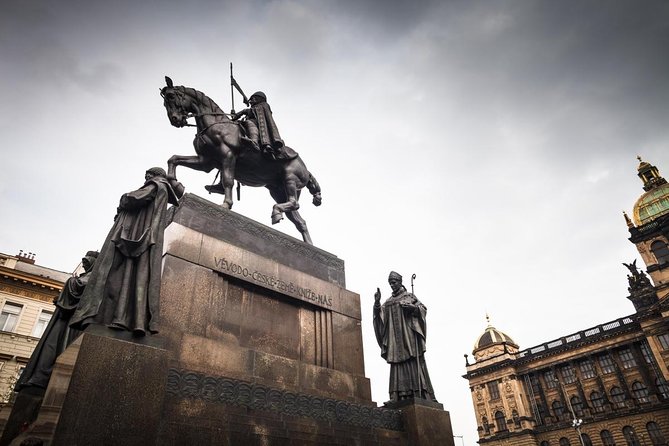
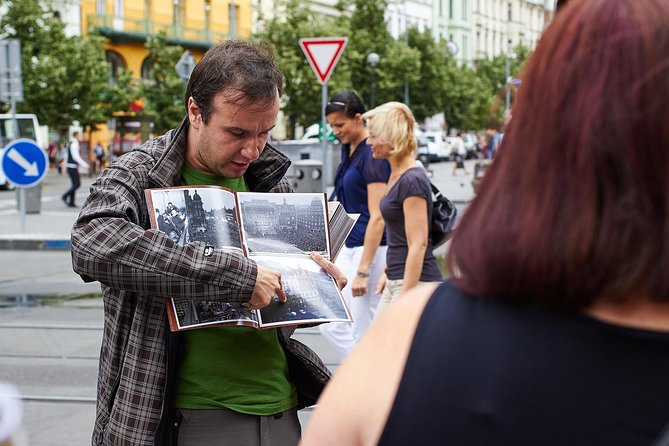
Wenceslas Square is tied to the Soviet-led invasion of August 1968 and the reform movement associated with Alexander Dubček. The square is one of the best places to discuss the Prague Spring, the attempt to create a less rigid form of socialism, and the military response that followed.
A guide can make this complicated period understandable by explaining the sequence clearly: reform, rising public support, invasion, and the tightening of control that followed. This is one of the stops where a short walking commentary can either be very effective or feel too thin.
Do not expect a long lecture at every location. Most stops are listed at about 10 minutes. The tour works best when the guide gives you a sharp explanation, points out why the site matters, and keeps the group moving.
For anyone who lived through the Cold War, Wenceslas Square can carry personal associations. For younger visitors, it provides the political background needed to understand why the bunker was built and why the end of communism did not happen overnight.
Olšanské náměstí and the everyday city
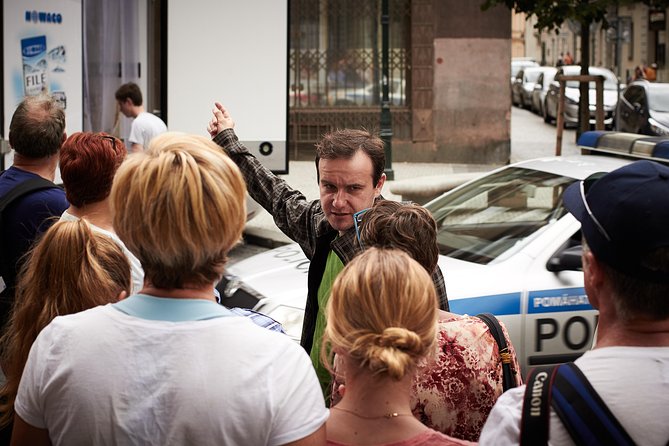
Olšanské náměstí adds a different side of the story. It lies in a former workers’ district, with socialist architecture and original buildings from the concrete-building period of the 1970s.
This stop is valuable because it shifts attention away from famous leaders and dramatic protests. Architecture can show how a government wanted a city to function. Housing, public spaces, and utilitarian concrete buildings reveal the practical side of the period, even if you are not an architecture specialist.
The area may not provide the instant visual drama of Prague’s Old Town. That is precisely why it earns a place on the route. You see an ordinary part of the city rather than only monuments chosen for postcards.
The itinerary gives this stop about 10 minutes. That is enough to identify the main features, but not enough for a detailed architectural study. If socialist urban design is your main interest, you may want a separate visit at another time.
The tram ride to the nuclear bunker
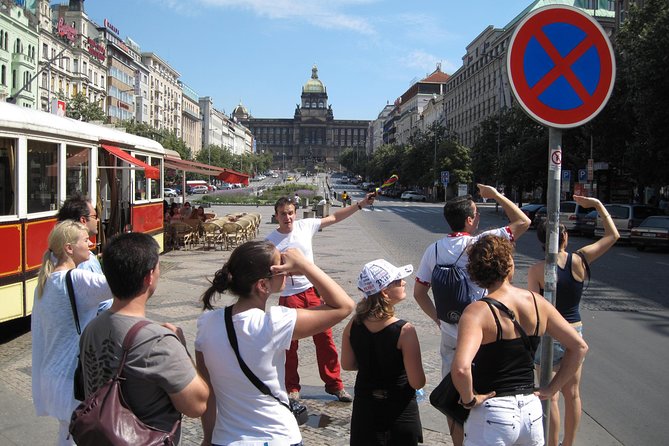
Transport to and from the bunker is included. That is convenient, but it also affects your sense of value and time. One account describes nearly 45 minutes being spent on the tram journey, so the walking and museum portions may feel shorter than the advertised two hours and 20 minutes.
I would not treat the tram ride as wasted time. It connects central Prague with a former workers’ area and gives the guide another chance to explain the city. Some guides have even turned the ride into one of the more enjoyable parts of the experience, with stories and commentary along the way.
Still, set your expectations correctly. This is not two hours and 20 minutes inside historical sites. It includes movement through the city, short explanations at several stops, and roughly one hour in the bunker museum.
The transport is paid for as part of the tour. You do not need to arrange a separate ticket, which keeps the group together and removes one small piece of Prague logistics.
Four floors underground in the bunker museum
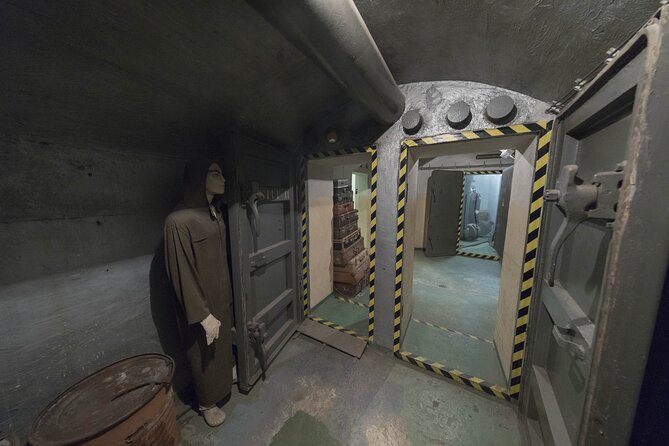
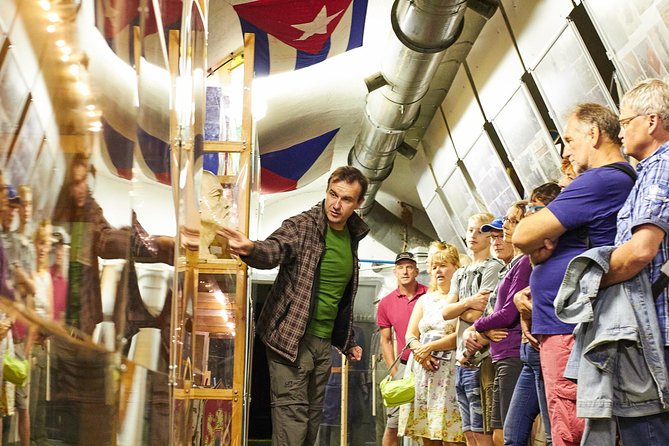
The nuclear bunker is the tour’s main event. You go four floors below ground to the Prague Nuclear Bunker Communism and Cold War Museum, where the displays focus on the threat of nuclear conflict and life during the communist period.
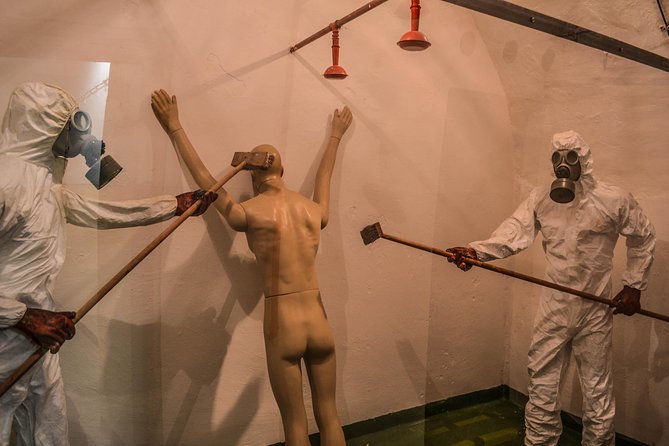
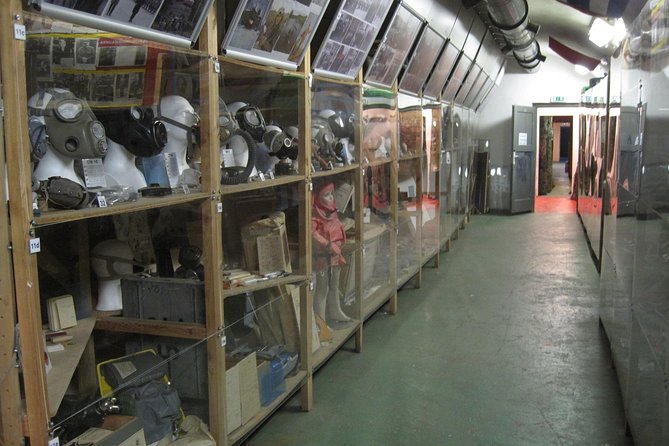
Plan on about an hour inside. You may see mannequins, survival equipment, period objects, and 1980s memorabilia. A photo booklet and bunker survival guide are included, and photography is allowed. Video recording requires special permission.
The bunker works because it gives physical weight to Cold War anxiety. Reading about nuclear preparedness is one thing. Walking down into an underground facility, among concrete walls and emergency displays, gives the subject a more direct force.
But this is not a polished blockbuster museum. Some objects may feel loosely connected to the Czech experience, and not every display receives a full explanation. One guide may point out only a portion of what is on view. If you want a carefully labeled, highly academic exhibition, you may find the bunker underwhelming.
The stairs are a serious part of the visit. You should expect steps and ramps, and one account specifically warns that there are many stairs. The bunker is not suitable for people with walking disabilities or major mobility issues. It is also not recommended for people with claustrophobia, serious heart problems, or similar concerns.
Small children below school age are not allowed. The tour also asks participants to speak the selected tour language, and translation into another language during the visit is not permitted. That rule helps the guide keep the group together and the commentary on schedule.
Guide quality can make or break the experience
The strongest part of this tour is often the person leading it. Guides named Stan, Pavel, Ladislav, Lada, Tom, Karl, Maki, and L are praised for humor, passion, clear explanations, and personal stories.
Stan is described as combining broad historical knowledge with memories of life under communism. Lada is praised for making the walk feel authentic and emotionally direct. Pavel is credited with making Czech history friendly and fun, while Ladislav is noted for bringing his own story into the presentation.
That personal angle is important. A guide who grew up under communist rule can explain what official politics meant at home, at school, and in daily routines. It gives you a human connection that a display case cannot provide.
The experience is not guaranteed to be the same every day. One poor account describes a guide who repeated himself, wandered into less relevant topics, and seemed confrontational when answering questions. Another describes a tour that offered too little historical context and reduced the subject to a simple message that communism was bad.
I would treat this as a real but unavoidable risk with a guide-led tour. The overall score is 4.8 from 1,742 ratings, with 95 percent recommending it, so the balance is strongly positive. Still, the range of reactions shows that the guide’s approach matters as much as the route.
Is $45.16 good value?
At $45.16 per person, the price is reasonable if you want three things together: a live English guide, transport, and entrance to the bunker museum. You also receive a photo booklet and bunker survival guide.
The value is strongest for visitors who would not easily find these locations alone or who want help connecting 1968, 1989, Havel, Dubček, the StB, and the Cold War threat. The short city stops gain meaning from the guide’s sequence.
The value is weaker if you mainly want a large bunker with extensive original equipment. The museum is modest, the tram takes time, and several stops last only about 10 minutes. You are paying for interpretation and access, not just the underground rooms.
Free cancellation is available up to 24 hours before the start time. Inside that window, the payment is not refunded, and changes are not accepted. That policy is worth noting if your Prague schedule is still unsettled.
Who should book this tour?
I would recommend it to history-minded visitors, adults interested in 20th-century Europe, and anyone who wants to understand Prague beyond its medieval center. It also suits families with school-age children who can manage a serious topic, a walking route, and the stairs.
It is a good choice if you value personal storytelling. The most powerful accounts come from guides who connect large events with their own lives, including growing up under communism or leaving the country during the Cold War.
I would skip it if you dislike underground spaces, have difficulty walking, or want an entirely self-paced visit. I would also think twice if your main goal is a detailed academic study of Czech communism. The tour provides a broad, accessible account, but the depth can depend on the guide.
Keep the selected language in mind. You must speak that language, and you cannot join the tour under the influence of alcohol or drugs. Disruptive behavior, smoking, pets, costumed groups, and bachelor parties are not allowed. Comfortable walking shoes are essential.
Final verdict: a worthwhile look at modern Prague
This is a useful way to meet the Prague that came after the castle views and old town streets. The StB building, Národní třída, Wenceslas Square, Olšanské náměstí, and the bunker create a clear path through fear, control, protest, and change.
I would book it if you want a guided introduction to Czech Cold War history and are comfortable with stairs and a modest museum. The best guides make the experience personal, funny, and sobering at once. Just allow for tram time, expect a rougher bunker display, and remember that the quality of the commentary can vary.
FAQ
How long does the Prague Communism History and Nuclear Bunker Tour last?
The tour lasts approximately two hours and 20 minutes. The duration can vary by about 10 or 15 minutes depending on group size.
What does the tour include?
The tour includes entrance to the Nuclear Bunker Museum, a live guide in English, a photo booklet, a bunker survival guide, and transport to and from the bunker.
Where does the tour start?
It starts inside the passage at Malé Náměstí 459/11, about 20 meters to the right of Hotel U Prince in Prague 1.
Where does the tour finish?
The tour finishes at the same Malé Náměstí address where it begins.
Is transportation to the bunker included?
Yes. Transport to and from the bunker is included in the tour price.
Is the tour suitable for someone with limited mobility?
No. The experience is not suitable for people with walking disabilities or mobility issues. The bunker includes many stairs and ramps.
Is the tour suitable for people with claustrophobia?
No. The experience is not recommended for people with claustrophobia, serious heart issues, or similar concerns.
Can I cancel for a full refund?
Yes, if you cancel at least 24 hours before the experience starts. Cancellations or changes made less than 24 hours before the start are not refunded.
Just added around Prague
- Prague: World War II and Communist History Tour★ 4.7 · 130 reviews
- Prague: Immersive History Walking Tour and VR★ 4.8 · 73 reviews
- Prague: Plague Doctor Old Town History Walking Tour★ 4.9 · 204 reviews
- Absinthe Tasting Prague: Historic Cellar Experience★ 5.0 · 19 reviews
- Prague: Historic Pubs Tour with Drinks★ 4.9 · 411 reviews
- Prague: Top Sights and Historic Center Introduction Tour★ 4.9 · 1,181 reviews
- Prague: Hop-on Hop-Off Historical Tram Ticket for Line 42★ 4.1 · 1,702 reviews
- Prague Historic Pub Tour with Drinks Included★ 5.0 · 2,084 reviews
Cold War & Communism Tours, compared.
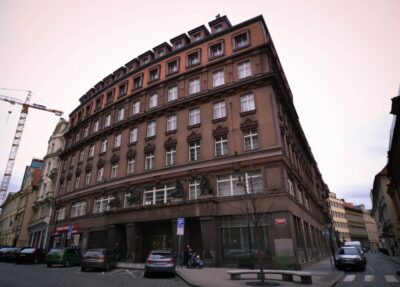
Communism History and Nuclear Bunker Guided Tour
Read our review →
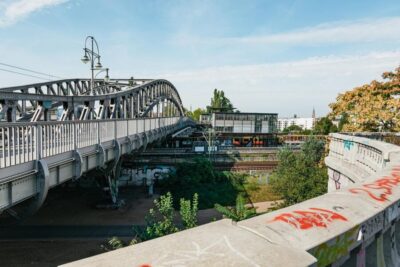
Cold War & Berlin Wall History Guided Bike Tour
Read our review →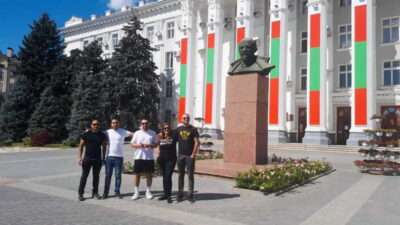
Chisinau: Discover Soviet Heritage of Transnistria
Read our review →
Communist History Tour with House of Terror Option
Read our review →
Guided Bike tour of the Berlin Wall and Third Reich
Read our review →
Browse the lists this tour appears in