
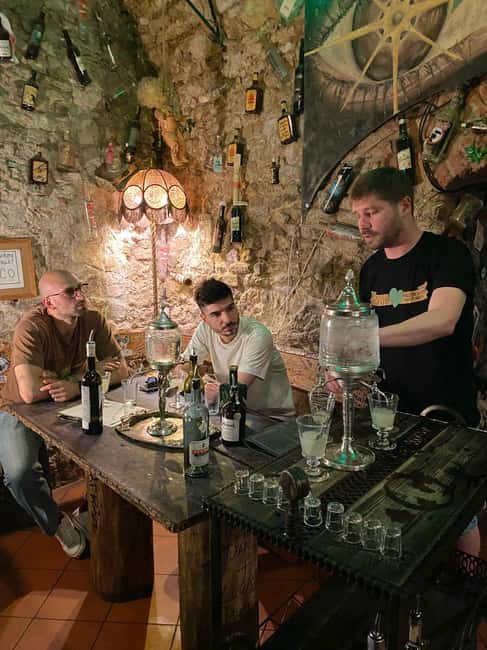
Review · CENTRAL BOHEMIAN REGION
Absinthe Tasting Prague: Historic Cellar Experience
Prague keeps its strangest stories underground. This 90-minute tasting brings you into a 15th-century cellar to compare 10 absinthes from Bohemia, Czechia, France, and Switzerland, with two traditional preparation methods and clear explanations of the drink’s history. I like the small group limit of 12, which gives the session a personal feel, and I like that the tasting goes beyond quick samples by showing how water changes each pour through the famous louche effect. The main drawback is simple: this is still a spirits tasting, so the experience will not suit anyone under 18, anyone avoiding alcohol, or visitors who need wheelchair access.
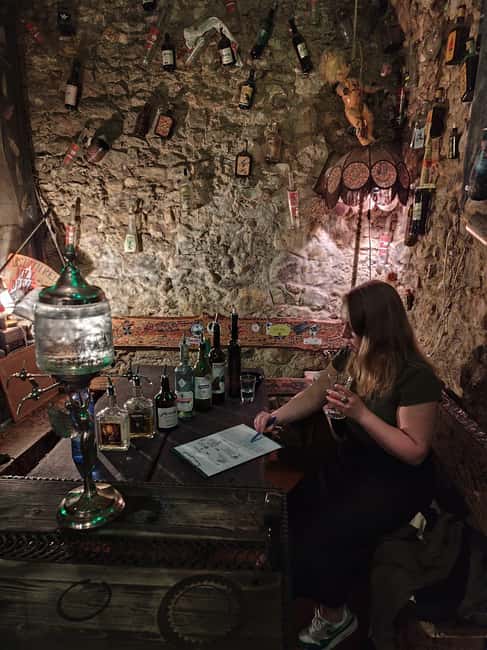
The setting does much of the work. Green Devils Absinthe Bar sits in the historic Ungelt courtyard, right in central Prague, and the cellar gives the session a cool, old-world mood without turning it into a theatrical show. You should arrive five minutes early because the tasting begins at 3 PM sharp, and late arrivals may miss the opening explanation.
Key points at a glance
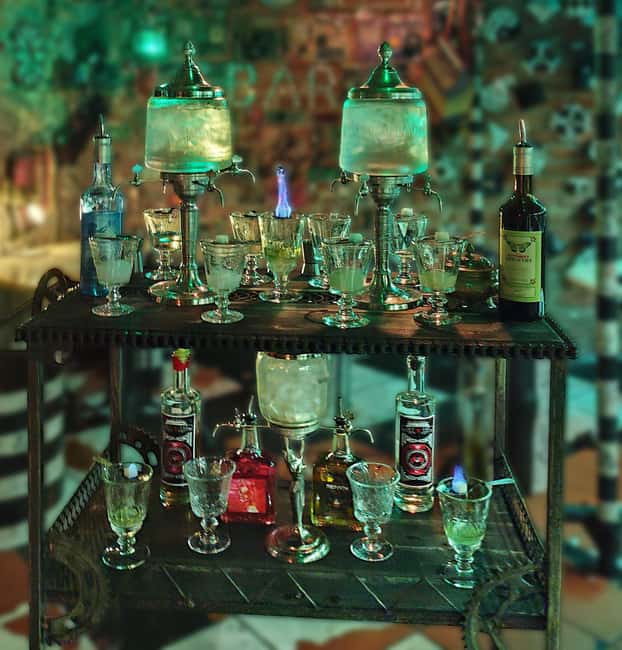
- Ten samples, four national traditions: Compare Bohemian, Czech, French, and Swiss absinthes rather than judging the drink from one bottle.
- A real look at the louche effect: Water is added to each sample so you can watch the spirit turn cloudy and change character.
- Two preparation methods: You see two traditional serving styles, not just a row of glasses.
- A historic cellar setting: The tasting happens below Green Devils Absinthe Bar in the 15th-century Ungelt courtyard.
- A small English-language group: With no more than 12 people, it is easier to follow the guide and ask questions.
- About 2.5 full shots in total: Each of the 10 pours is 1 cl, so the tasting offers variety without serving ten full drinks.
Entering the Ungelt cellar in central Prague
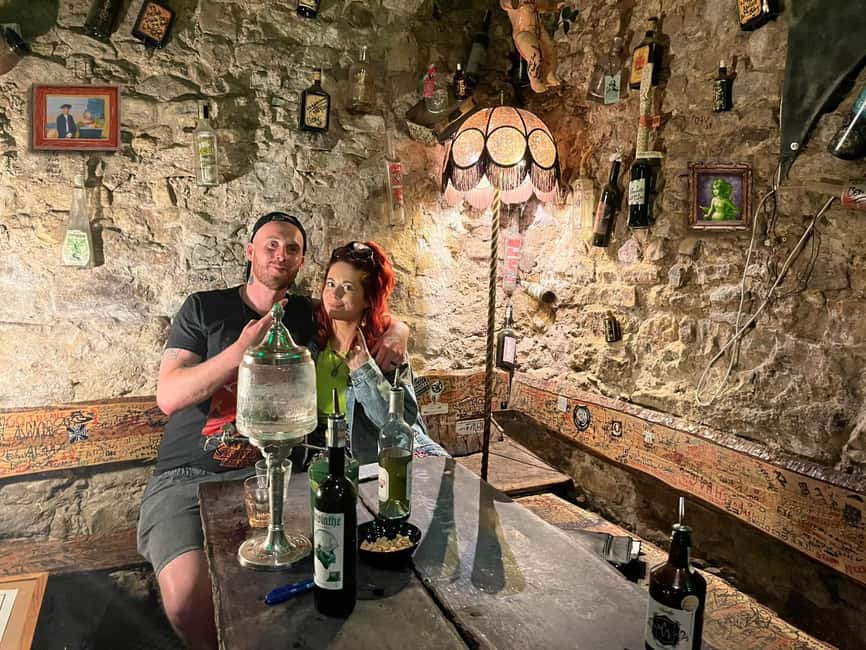
The meeting point is Týn 637/7, inside the Green Devils Absinthe Bar in the Ungelt courtyard. This puts you in one of the most convenient parts of central Prague, close to the Old Town sights, but the tasting itself shifts the mood quickly once you head into the cellar.
The 15th-century room is a major part of the appeal. You are not tasting absinthe in a bright modern classroom or an anonymous bar corner. The old stone setting connects the drink to Prague’s long relationship with spirits, legends, and unusual drinking rituals. It also gives the session a sense of place that a standard bar tasting would lack.
I would allow a little extra time to find the entrance, especially if you are moving through the busy Old Town with a group. The instructions are clear about arriving five minutes early, and that advice matters here. The tasting begins at 3 PM Prague time, and anyone arriving late may miss the introduction to the drink.
The cellar is not suitable for wheelchair users. Children under 18 cannot take part. Those limits are worth checking before you pay, since the setting itself may involve access issues that are not obvious from the central meeting point.
A few more history tours around Prague worth a look
- Prague: Oldtown, Medieval Underground & Dungeon History Tour
★ 4.3 · 10,277 reviews - Prague Old Town, Medieval Underground and Dungeon Historical Tour
★ 4.5 · 3,227 reviews - Prague: Communism History and Nuclear Bunker Guided Tour
★ 4.7 · 2,417 reviews
Why ten 1 cl tastings work better than one large glass
The tasting includes 10 samples, each measuring 1 cl. Together, that adds up to about 2.5 full shots, which is enough to compare styles without turning the afternoon into a heavy drinking session.
The selection includes blanche, verte, rouge, and macerated absinthes. These names give you a useful framework for noticing differences in color, production, and presentation. You are not simply being told that one drink is French and another is Czech. You can compare them in the glass, then connect what you see and taste to the way each absinthe was made.
Eight samples are distilled, while two are made in the Bohemian style. That distinction gives the tasting a strong educational purpose. You can see how production choices affect the final drink and why absinthe is not one uniform category.
The four-country spread is also important. Bohemian and Czech examples sit alongside French and Swiss bottles, giving you a broader view of European absinthe traditions. If you have only tried one modern absinthe before, this range should quickly show you why the spirit has so many different styles.
The tasting is served with water. That matters both for the ritual and for the flavor. Water opens the drink and brings on the louche, the cloudy transformation associated with absinthe. You get to watch the change happen rather than hearing about it as a bit of bar trivia.
Watching the louche effect and two serving methods
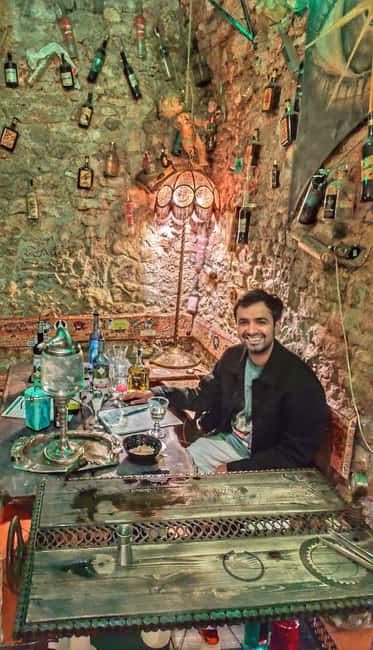
The most memorable part of the session is likely to be the preparation. Each sample is prepared with water, and the guide demonstrates two traditional methods for serving absinthe.
The louche effect is easy to understand once you see it. A clear or colored pour changes as water is added, becoming cloudy and softer in appearance. The process gives you a visual clue that the drink is changing, but the useful part is the explanation that follows. You learn how preparation affects the aroma, taste, and drinking pace.
Two serving methods add variety to what could otherwise become a repetitive tasting. You see how ritual can shape the experience, from the amount of water used to the way the drink is presented. The focus remains on tradition rather than showy tricks, which is a good fit for anyone interested in how drinks are actually enjoyed.
This is also where a guide’s personality matters. The experience has been led by Tomáš and Lucas, both praised for making the subject accessible and engaging. Tomáš’s passion for absinthe has helped bring the history and production details to life, while Lucas has guided visitors through all 10 tastings with clear explanations.
You should not expect every sample to suit your taste. That is part of the point. Absinthe can surprise newcomers, and one recent visitor described it as not the drink you expect. Go in ready to compare rather than searching for one perfect glass.
From the Green Fairy myth to modern production
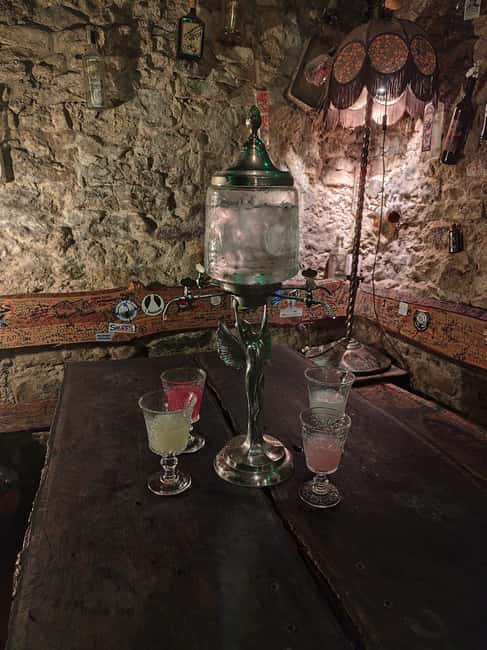
The history section covers absinthe’s legends, rituals, and the mythology of the Green Fairy. This gives the tasting a wider frame without requiring you to arrive with specialist knowledge.
Absinthe has a reputation that can overshadow the drink itself. The session helps separate fact from image by discussing how absinthe is made, how styles differ, and why the preparation ritual became so important. You get enough context to understand what is in your glass instead of treating the drink as a costume prop.
The production discussion is especially useful because the tasting includes distilled and Bohemian-style examples. You can connect the explanation to what you are sampling right away. That makes the information easier to remember than a general history talk given without comparison.
The English-language guide also helps keep the experience focused. The group is limited to 12, so the session should feel more like a guided conversation than a large demonstration. If you have a question about a bottle, preparation style, or historical claim, the small size gives you a better chance to ask it.
The tradeoff is that the exact pace may vary. The stated duration is 90 minutes, while the experience can run from about 75 to 105 minutes. A group that asks many questions may take longer, so do not schedule a tightly timed activity immediately afterward.
Same place, a different slice of the past:
- Prague: Historic City Center Bus Tour with Top Sights
★ 4.4 · 2,360 reviews - Prague Historic Pub Tour with Drinks Included
★ 5.0 · 2,084 reviews - Prague Communism History and Nuclear Bunker Tour
★ 5.0 · 1,742 reviews - Prague: Hop-on Hop-Off Historical Tram Ticket for Line 42
★ 4.1 · 1,702 reviews
What the 90-minute itinerary feels like
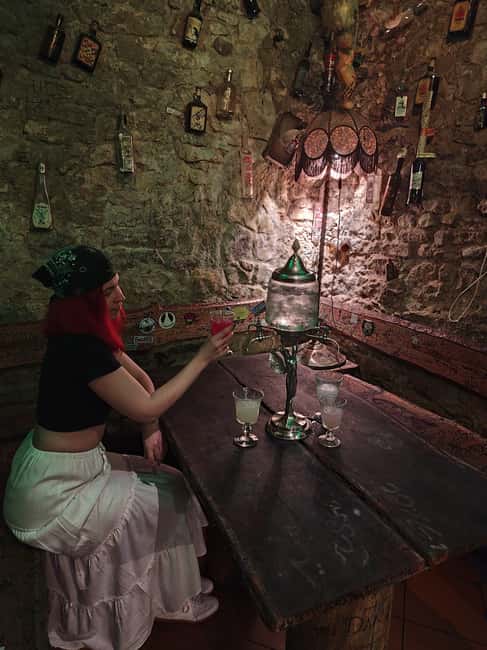
The session begins at the Green Devils bar with an introduction to absinthe and the cellar setting. This opening is important because it gives you a base for the samples ahead. You learn about the drink’s history, production, rituals, and Green Fairy mythology before working through the different styles.
Next comes the tasting itself. Ten 1 cl portions are presented across the session, with water used to prepare each one. The selection includes Bohemian, Czech, French, and Swiss examples, along with blanche, verte, rouge, and macerated types.
The samples are not meant to be swallowed quickly. The value comes from moving back and forth between the glass, the explanation, and the preparation. You can watch how the drink changes, then consider whether the aroma or flavor changes with it.
The final part includes the second preparation demonstration and a chance to connect the different styles. The exact order of the samples is not specified, so I would focus on the overall comparison rather than expecting a fixed tasting sequence.
After the session, you can remain for an additional drink or buy a bottle to take home. That option is useful if one style catches your attention, but it is not included in the $62 price. Treat it as an optional extension, not part of the main value calculation.
Is $62 a fair price for this Prague tasting?
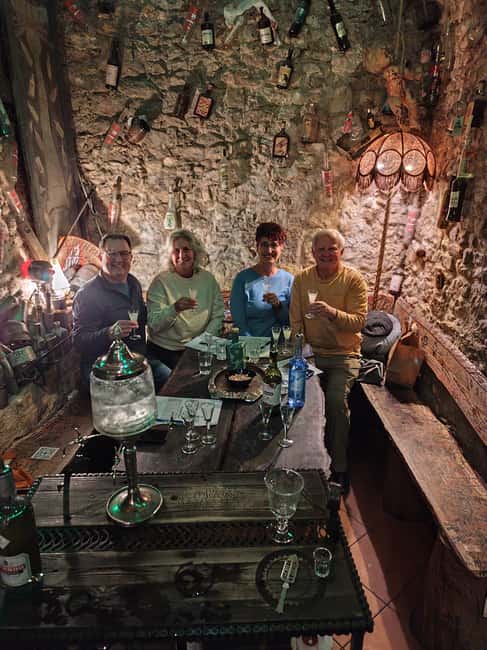
At $62 per person, this is not a cheap bar stop. You are paying for 10 samples, an English-language guide, two preparation demonstrations, expert commentary, and access to a historic cellar in central Prague.
The amount of alcohol is moderate at roughly 2.5 full shots spread across 10 samples. That makes the price easier to assess. You are not paying for volume. You are paying for comparison, instruction, the setting, and the chance to try bottles from four national traditions in one sitting.
I think the price works best for visitors who would otherwise spend money on several absinthe drinks without learning much about them. Ten small pours let you sample widely, and the preparation demonstrations add something you would not necessarily receive at a normal bar.
The value is weaker if you already know exactly which absinthe you like and only want a single drink. It may also feel expensive if you are not interested in production methods, history, or drinking rituals. This is a tasting class with a bar attached, not simply a nightcap.
The chance to buy a bottle afterward improves the practical value for serious absinthe fans. You can use the tasting to decide what style appeals to you before committing to a full bottle.
Who will enjoy this experience most?
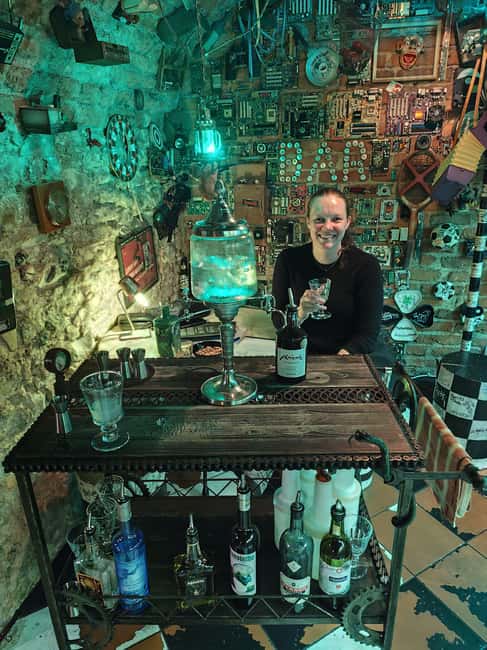
I would recommend this to adults who like spirits, European drinking customs, Prague history, or unusual cultural experiences. It also suits curious newcomers because you do not need prior absinthe experience to follow the session.
The format works particularly well for:
- Adults who want a small-group activity in central Prague
- Visitors who enjoy comparing several styles of the same spirit
- People interested in how drinks are produced and served
- Absinthe fans who want examples from France, Switzerland, Bohemia, and Czechia
- Couples or small groups looking for something different from standard Old Town sightseeing
It is less suitable for anyone who dislikes strong spirits or prefers a purely visual attraction. The experience asks you to taste, listen, compare, and pay attention to preparation. It is also not appropriate for children under 18 or wheelchair users.
If you are sensitive to alcohol, remember that the session includes 10 separate pours even though each is small. The guide explains the tasting, but the experience remains centered on drinking.
Practical advice before you book
Book this when you can give the full afternoon a little breathing room. The official duration is 90 minutes, but the session may last from 75 to 105 minutes. The 3 PM start is fixed, and late arrivals may miss part of the introduction.
Arrive five minutes early at Týn 637/7. The bar is inside the Ungelt courtyard, and the historic location is worth approaching without a last-minute rush.
Wear something comfortable for the cellar setting, though no special clothing is required by the provided information. Keep your schedule flexible after the tasting if you want to stay for another drink or look at bottles for purchase.
The experience is offered in English. If you want a session where you can ask questions, the maximum group size of 12 is a useful feature. It also means the pace may depend on the group, so expect a guided discussion rather than a perfectly timed performance.
Free cancellation is available up to 24 hours before the start for a full refund. You can also reserve and pay later, which helps if your Prague plans are still shifting.
Should you book the Prague absinthe tasting?
Book it if you want more than a novelty shot. The combination of 10 different absinthes, four national traditions, two preparation methods, and the Green Devils cellar gives you a proper introduction to the spirit.
I especially like this experience for visitors who have heard the Green Fairy stories but never learned how absinthe is produced or served. The small group, English guidance, and praised instruction from Tomáš and Lucas make it approachable without making it childish.
Skip it if you are avoiding alcohol, need wheelchair access, or only want one drink in a bar. At $62, the price makes sense when you value the lesson, comparison, and historic setting. For the right audience, this is an atmospheric and useful way to spend 90 minutes in central Prague.
FAQ
How many absinthes will I taste?
You will taste 10 absinthes, with each sample measuring 1 cl. The selection includes examples from Bohemia, Czechia, France, and Switzerland.
How much alcohol is included?
The 10 samples together equal about 2.5 full shots. The tasting is spread across the session rather than served as 10 full drinks.
What is the louche effect?
The louche effect is the cloudy change that happens when water is added to absinthe. The guide prepares the samples with water so you can watch the process.
Where does the tasting take place?
It takes place at Green Devils Absinthe Bar, inside the historic Ungelt courtyard at Týn 637/7 in central Prague. The tasting room is a 15th-century cellar.
What time does the tasting begin?
The tasting starts at 3 PM Prague time. You should arrive five minutes early because late arrivals may miss part of the introduction.
Is the experience available in English?
Yes. The tasting includes a live English-language guide and commentary about absinthe history, production, styles, rituals, and legends.
Just added around Prague
- Prague: World War II and Communist History Tour★ 4.7 · 130 reviews
- Prague: Immersive History Walking Tour and VR★ 4.8 · 73 reviews
- Prague: Plague Doctor Old Town History Walking Tour★ 4.9 · 204 reviews
- Prague: Historic Pubs Tour with Drinks★ 4.9 · 411 reviews
- Prague: Top Sights and Historic Center Introduction Tour★ 4.9 · 1,181 reviews
- Prague: Hop-on Hop-Off Historical Tram Ticket for Line 42★ 4.1 · 1,702 reviews
- Prague Communism History and Nuclear Bunker Tour★ 5.0 · 1,742 reviews
- Prague Historic Pub Tour with Drinks Included★ 5.0 · 2,084 reviews
Prague History Tours, compared.
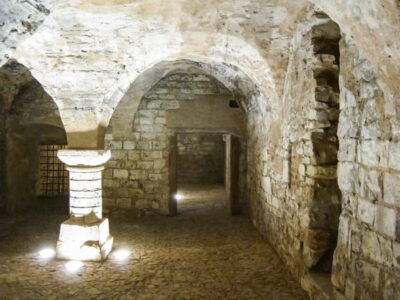
Oldtown, Medieval Underground & Dungeon History Tour
Read our review →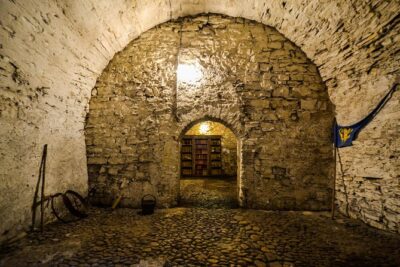
Prague Old Town, Medieval Underground and Dungeon Historical Tour
Read our review →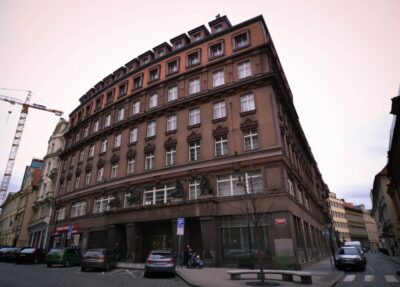
Communism History and Nuclear Bunker Guided Tour
Read our review →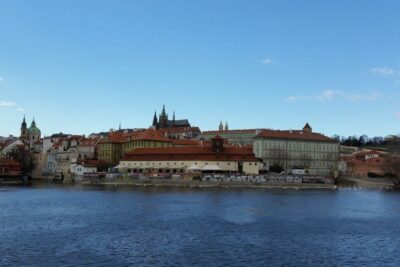
Historic City Center Bus Tour with Top Sights
Read our review →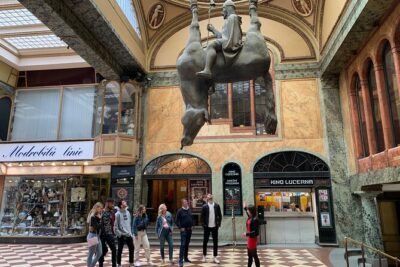
Prague Historic Pub Tour with Drinks Included
Read our review →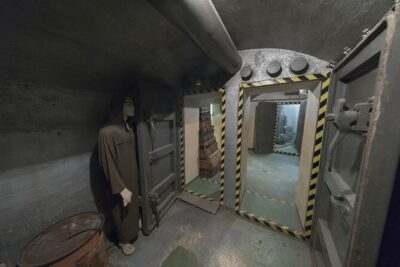
Prague Communism History and Nuclear Bunker Tour
Read our review →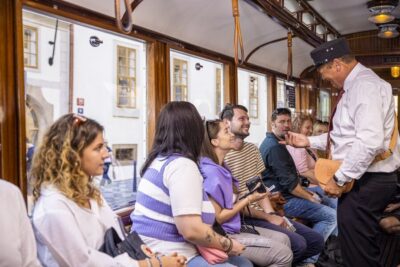
Hop-on Hop-Off Historical Tram Ticket for Line 42
Read our review →
Top Sights and Historic Center Introduction Tour
Read our review →Browse the lists this tour appears in