
Review · STOCKHOLM COUNTY
From Stockholm: Viking Culture and Heritage Small Group Tour
Viking history sits just outside Stockholm. This three-hour trip takes you from the city to Uppland’s burial grounds, runestones, causeways, and the remains of a Viking Age parliament. I like the way it focuses on real places rather than movie myths, and I like the small group size, capped at 16 people.
The tour also gets high marks for its guides, especially Erik, whose Norse history knowledge and practical food tips add value on the drive. The main drawback is its short length: you get a strong introduction, but not a slow, detailed archaeological visit. Winter can also be tough, with one January tour taking place in snow and temperatures around minus 10 degrees Celsius.
Key points at a glance
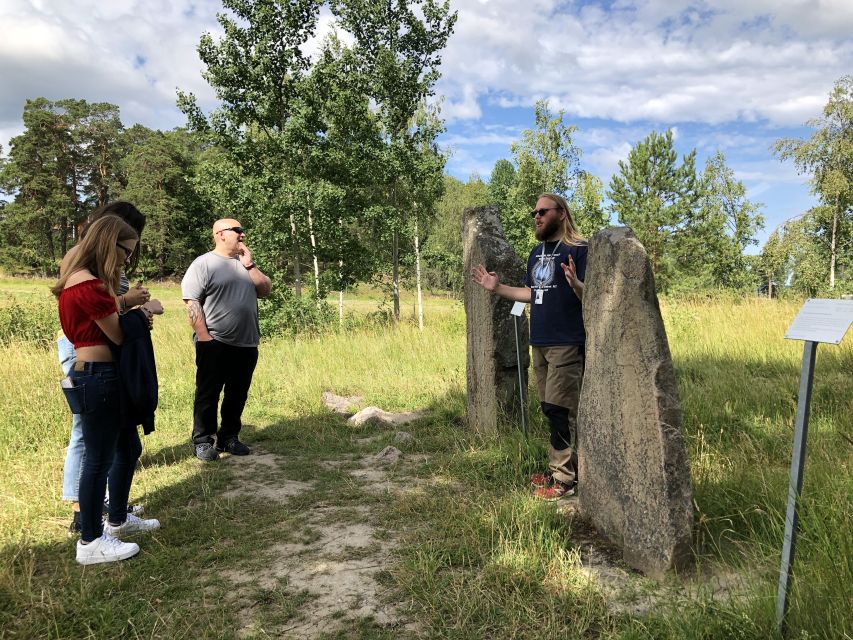
- Broby bro burial ground: Learn about Viking burial customs, pagan beliefs, Christian traditions, and the powerful woman named Estrid.
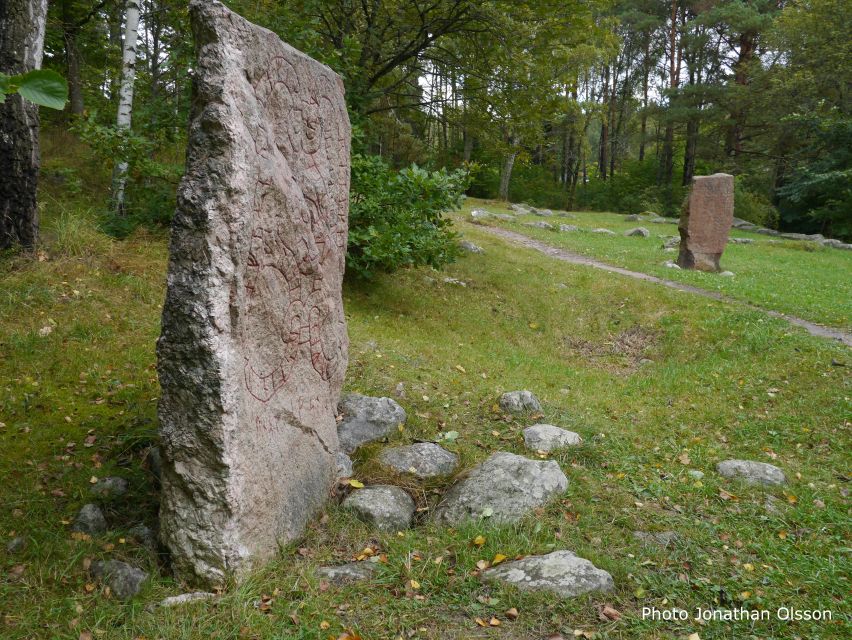
- Jarlabanke Bridge: See a reconstructed Viking bridge, raised runestones, and the route once linked to a local Viking chief and his clan.
- Arkils tingstad: Visit the remains of a Viking parliament and consider how local society made decisions.
- Real Uppland sites: This is an outdoor history trip, not a museum visit or a staged Viking show.
- Hotel pickup included: Pickup and return are available within 5 kilometers of Stockholm Central Station.
- Compact and flexible: The three-hour format works well as a half-day addition to a Stockholm stay, with free cancellation up to 24 hours before departure.
Leaving Stockholm for Viking Uppland
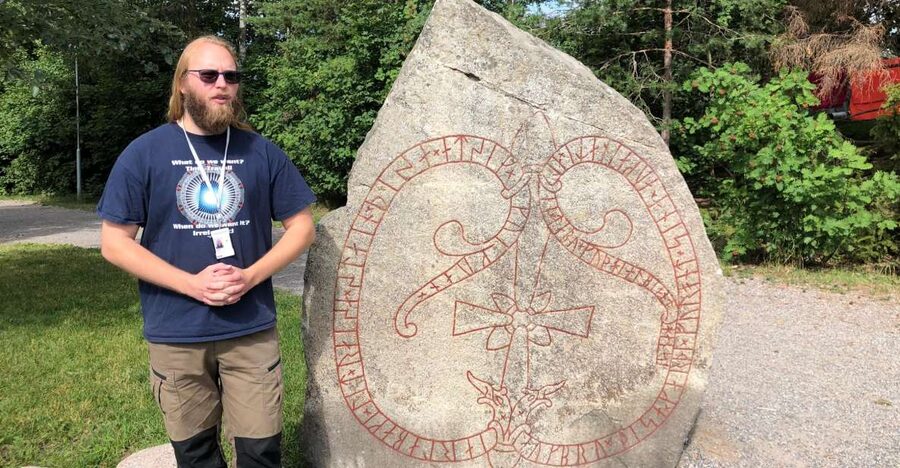
The trip begins with pickup at your central Stockholm hotel or accommodation, provided it lies within 5 kilometers of Stockholm Central Station. That is a useful feature in a city where figuring out meeting points can eat into a short morning. You meet the English-speaking guide, settle into the vehicle, and leave the city for the countryside of Uppland.
The contrast is part of the appeal. Stockholm is polished, urban, and water-bound. The tour takes you toward quieter roads, forest, open countryside, and old sites connected by Viking routes. You are not simply looking at objects in a display case. You are seeing the places where people were buried, where roads were built, and where local leaders gathered.
The drive also gives the guide time to set the scene. Erik, praised for his command of Norse history, has been especially good at connecting the sites to wider questions about Viking life. One useful feature of a strong guide here is separating historical evidence from popular entertainment. You should expect stories grounded in runestones, burial customs, and known sites, not a parade of horned helmets and television-style drama.
The small group limit of 16 matters. It is large enough to keep the price reasonable, but small enough for the guide to speak with the group at outdoor stops. At a site with carved stones or low archaeological remains, that personal explanation can make the difference between seeing an old rock and understanding why it matters.
More Medieval History Tours in the world:
- Prague: Oldtown, Medieval Underground & Dungeon History Tour
★ 4.3 · 10,277 reviews - Prague Old Town, Medieval Underground and Dungeon Historical Tour
★ 4.5 · 3,227 reviews - London: Medieval History Walking Tour from The Tower
★ 4.9 · 318 reviews
Broby bro and the story of Estrid
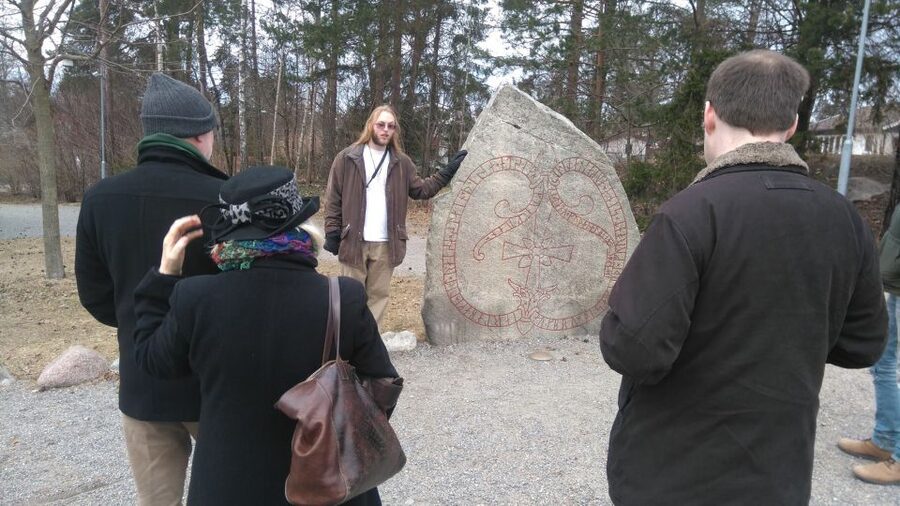
The first major stop is Broby bro, a famous burial ground associated with the Jarlabanke runestones. This is where the tour begins to show the human side of the Viking Age. You learn about burial rites and the way pagan and Christian customs overlapped as beliefs changed.
The site is especially linked with Estrid, a powerful Viking woman whose story gives the tour a welcome shift in focus. Viking history is often presented through male chiefs and raiders. Estrid helps widen the picture. Her presence in the local runestone record points to family power, social status, memory, and the role women could hold in elite communities.
This stop also helps you understand what runestones were for. They were not random pieces of decoration. They could commemorate the dead, announce family connections, mark achievements, and make a claim about status. When your guide reads the stones as part of a social world, the carved names and symbols become more than ancient writing.
You will hear about both pagan and Christian traditions, which is important because the Viking Age was not one fixed period with one shared belief system. The shift toward Christianity did not happen overnight. At places such as Broby bro, the mixture of burial customs and memorial practices helps show a society in transition.
There is a practical point to keep in mind. This is an outdoor site, and the experience depends on being able to walk, stand, and listen outside. Winter conditions can be severe. A January visit was described as snowy, with a frozen lake and temperatures near minus 10 degrees Celsius. If you book during the cold season, bring serious winter clothing and warm footwear. Fashionable city shoes will not help much on a frozen or muddy historical site.
Jarlabanke Bridge and the Viking road system
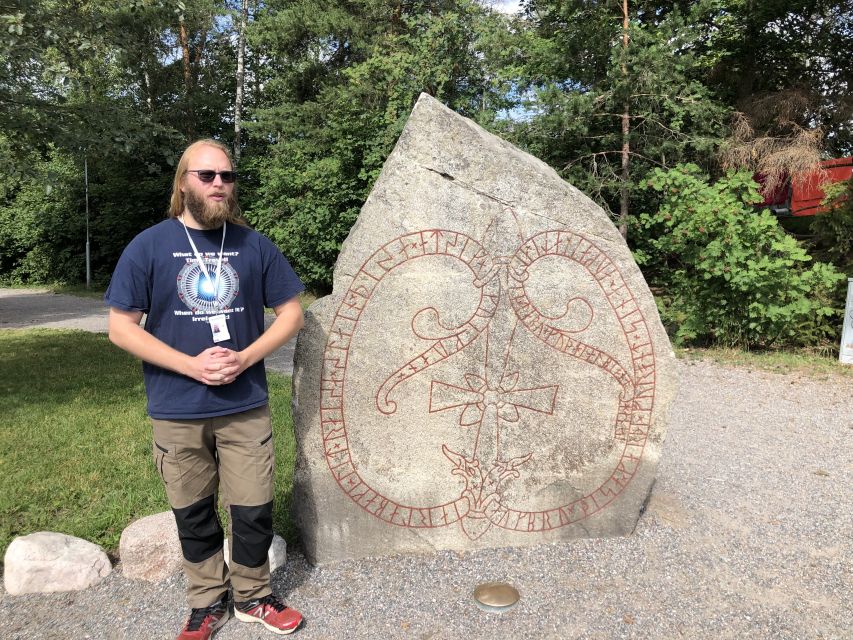
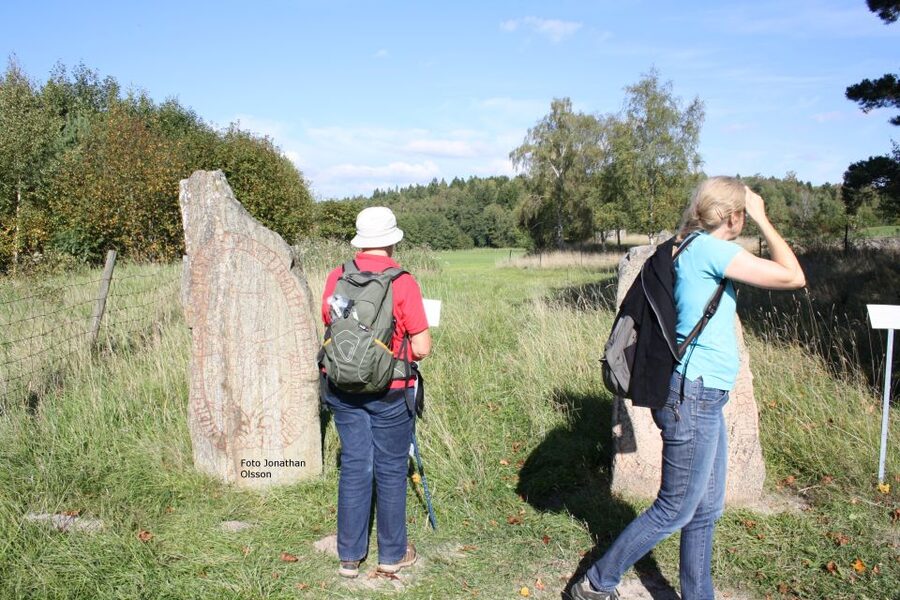
Next, the tour continues to Jarlabanke Bridge, at the entrance to a causeway. The bridge is reconstructed, but it represents a very practical part of Viking life: movement. The Vikings were not only seafarers. They also needed roads, crossings, and raised routes through wet ground to connect farms, settlements, and important local places.
Here you see more raised runestones, a feature that makes the site memorable. Their position near a route was no accident. A stone placed beside a bridge or road could be seen by people passing through. It announced the person or family behind it, and it tied memory to infrastructure.
The story of Jarlabanke and his clan gives the bridge a personal angle. He was a local Viking chief, and the stones connected with him help explain how power worked close to home. This was not an anonymous population of raiders. It was a society built around families, land, reputation, and local authority.
I like this stop because it links several ideas at once. You see the physical route, the memorial stones beside it, and the social ambitions behind them. The bridge also makes the engineering side of Viking life easier to picture. A road or crossing might not look dramatic today, but in a wet countryside it could be the difference between an isolated settlement and a connected one.
Do not expect a large bridge that dominates the view. The value is in the setting and the explanation. Without a guide, you might pass through quickly and miss the connection between the causeway, the stones, and Jarlabanke’s family. With the story in place, the stop becomes a lesson in how transport and reputation worked together.
Arkils tingstad, where local society met
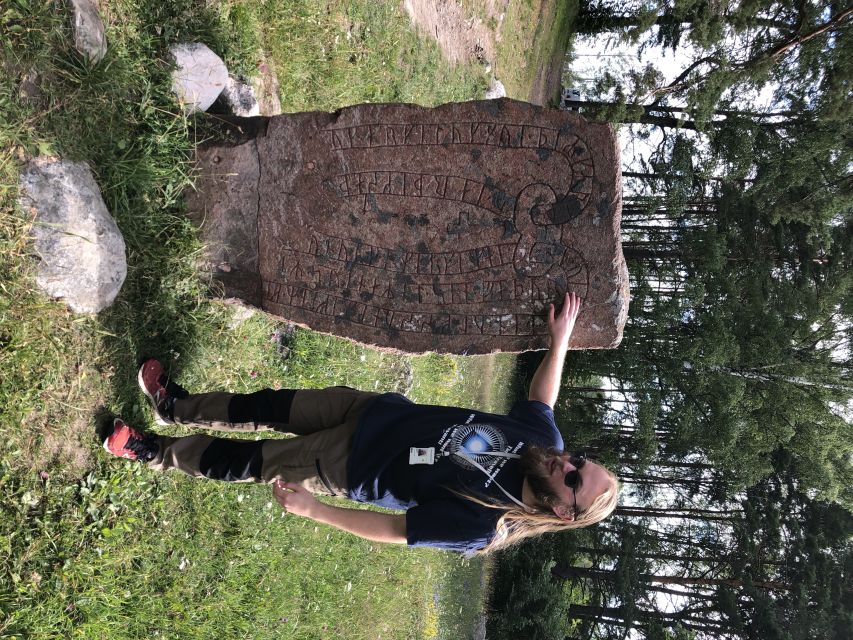
The final principal site is Arkils tingstad, the remains of a Viking parliament. The word parliament can sound grand, so it helps to picture this as a local assembly place rather than a modern legislative building. This is where you learn how Viking society was organized and how people could gather to settle matters.
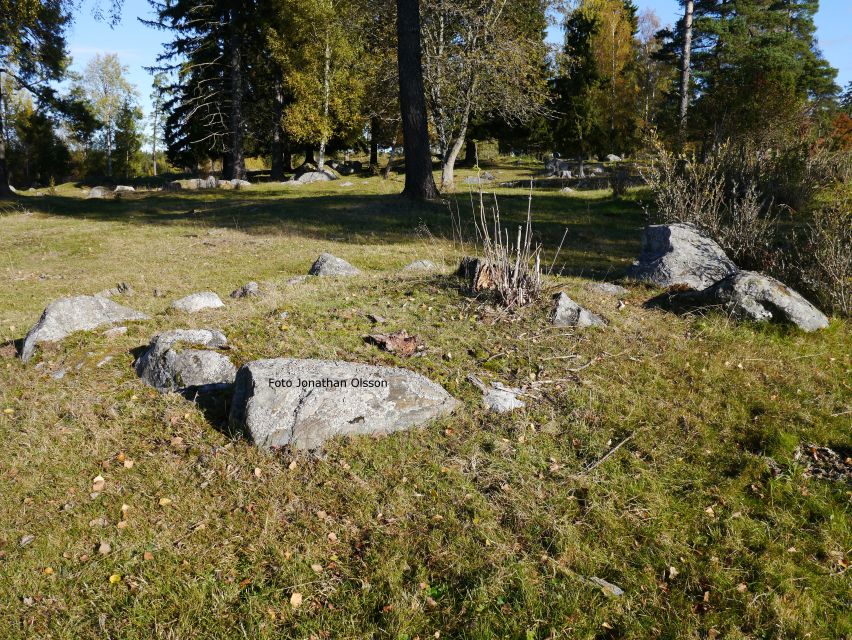
The remains are modest. That is part of the point. Viking political life was not always housed in monumental structures. A meeting place could be marked by stones and shaped by custom, status, and the people who had the authority to speak. The guide helps you imagine the social order behind the visible remains.
This stop gives the tour a useful balance. Broby bro focuses on death, family, and belief. Jarlabanke Bridge focuses on roads, power, and public memory. Arkils tingstad turns to law, decision-making, and community life. Together, the three locations present a broader picture than the usual Viking image of ships and battles.
You also get a better sense of how local power operated. Viking society depended on networks of families and leaders, with assemblies serving as places to discuss disputes and important decisions. The site encourages you to think about the Vikings as farmers, landowners, traders, builders, and community members, not only as raiders.
The remains may be less visually striking than a reconstructed bridge or a row of carved stones. If you need grand ruins at every stop, this could feel understated. If you enjoy using a guide’s explanation to bring a sparse site to life, it is a valuable part of the route.
More Local Culture and Traditions Tours in the world:
- Amsterdam Food and Cultural Tour with Tastings
★ 5.0 · 4,315 reviews - Sevilla Food Tour: Tapas, Wine, History & Traditions
★ 5.0 · 3,468 reviews - Tromsø: Reindeer Camp and Sami Cultural Tour with Lunch
★ 4.7 · 3,326 reviews - Half Day Dominican Republic Cultural Tour : Small Group
★ 4.5 · 1,862 reviews
What the three-hour format really gives you
Three hours is a sensible length for this outing. You get far enough from Stockholm to see several connected Viking sites, but you do not give up a full day of sightseeing in the city. That makes the tour a good fit for a first visit when you want one focused excursion without a major time commitment.
The pace is also likely to suit you if you prefer a clear introduction rather than an academic field trip. You visit the key sites, hear the main stories, and return to Stockholm with a framework for understanding Sweden’s Viking past. The tradeoff is that each stop receives limited time. You will not study every runestone inscription or explore a long series of archaeological locations.
Because the tour includes transport, a driver, a guide, and site-related costs, the $138 price needs to be compared with the work involved in reaching the countryside independently. You would otherwise need to plan transport, identify the correct sites, understand their connections, and arrange your own explanation. For someone who values context and convenience, the price is reasonable.
It is less compelling if you only want to see one runestone and take a quick photograph. In that case, the cost may feel high for three hours. The value comes from the combination of transportation, interpretation, several locations, and a small group.
Food is not included, so eat before pickup or plan for the tour to fit between meals. One guide, Erik, has also offered Swedish food recommendations, which is a pleasant extra but not part of the formal package. Gratuities are not included either, so budget for a tip if the guide adds real value to your day.
Seasonal advice for a comfortable visit
The countryside changes the feel of the tour in different seasons. In winter, snow and ice can make the sites look striking, and the journey may include frozen water and white forest paths. But the cold is not a minor detail. The January experience at minus 10 degrees Celsius required proper winter clothing and warm boots, with advice to bring après-ski style footwear.
Spring, summer, and autumn should make outdoor stops easier, but the tour still takes place outside. Wear shoes suited to uneven ground and clothing that can handle changing conditions. The supplied details do not promise indoor shelter at the sites, so plan as if you will spend time outdoors.
The countryside views are part of the experience, not just scenery between stops. You see the setting that shaped road building, settlement, farming, burial, and local power. That wider view helps explain why these sites were placed where they were.
Who will enjoy this tour most?
I would recommend this tour to you if you want Viking history with solid local context and minimal planning. It suits first-time visitors who have already seen Stockholm’s main sights and want a half-day outside the city. It also works well for anyone who prefers actual historical places to themed attractions.
History fans will appreciate the range of subjects: burial rites, religious change, women’s roles, family power, road building, runic memorials, and local assemblies. The experience is also a good match for people who enjoy asking questions, since a small group makes direct conversation with the guide easier.
Families with older children may find the bridge and runestones more engaging than a standard museum display, especially when the guide explains how people built routes through difficult ground. Still, the tour is not presented as a children’s activity, and the outdoor setting may be demanding for very young children.
You may want to skip it if you strongly dislike cold-weather walking, have no interest in outdoor archaeological sites, or expect a large museum with extensive displays. The remains can be subtle, and the experience relies on storytelling. That is its strength, but also its limit.
Should you book it?
Book this tour if you want to see the Viking world through real burial grounds, runestones, roads, bridges, and meeting places. The strongest parts are the focused route, the guide-led interpretation, the small group size, and the chance to connect several sites in one morning or afternoon.
The main cautions are the $138 cost, the short visit at each location, the lack of included food, and the need for proper clothing in winter. For a well-prepared visitor, this is a practical way to reach Viking Uppland without sacrificing a full day in Stockholm. I would choose it for authentic historical context, especially if Erik is guiding, and I would pack warm boots before worrying about the perfect camera.
FAQ
How long does the Viking Culture and Heritage tour last?
The tour lasts three hours, including the journey from central Stockholm to the countryside sites and the return trip.
Is hotel pickup included?
Yes. Pickup and drop-off are available for hotels and accommodation located within 5 kilometers of Stockholm Central Station.
What language is the tour conducted in?
The live tour guide speaks English.
How many people can join the group?
The group is limited to no more than 16 people.
Is food included in the price?
No. Food is not included, so you should eat before the tour or make your own meal plans around the schedule.
What sites will I visit?
The route includes the Broby bro burial ground and Jarlabanke runestones, Jarlabanke Bridge and its causeway, and the remains of the Viking parliament at Arkils tingstad.
Can I cancel the booking?
Yes. You can cancel up to 24 hours before the tour for a full refund. You can also reserve the tour and pay later.
More Small-Group History Tours in the world
- London Small Group Tour of Historical Pubs
★ 5.0 · 10,422 reviews - Boston: Freedom Trail History Small Group Walking Tour
★ 5.0 · 6,450 reviews - Madrid Tapas & Taverns Small Group Food & History Tour
★ 5.0 · 2,664 reviews - Hidden Alleyways and Historic Sites Small-Group Walking Tour
★ 5.0 · 2,335 reviews
Just added around the world
- Sydney Historical Walking Tour including The Rocks★ 4.6 · 20 reviews
- Syracuse: Traditional Cooking Class & Ancient Market Visit★ 4.9 · 72 reviews
- Sucre: Free Walking tour (History, culture and traditions)★ 4.8 · 47 reviews
- Sydney Convicts, History & The Rocks 2.5-Hour Walking Tour★ 4.9 · 181 reviews
- Strasbourg: Historic Center Walking Tour★ 4.7 · 88 reviews
- Stories of Jew Town: Guided Heritage Walk in Kochi★ 4.7 · 30 reviews
- Street Food, Cultural & Historical Tour of 3 Ethnic Quarters★ 5.0 · 23 reviews
- Stockholm Viking History Full Day Tour to Sigtuna + Uppsala★ 4.7 · 283 reviews
Medieval History Tours, compared.
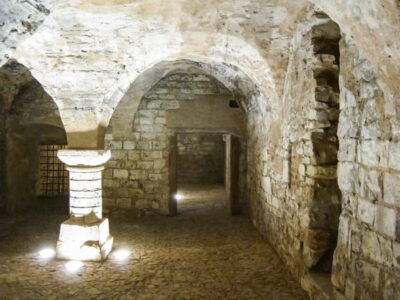
Oldtown, Medieval Underground & Dungeon History Tour
Read our review →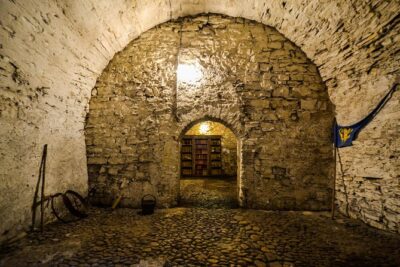
Prague Old Town, Medieval Underground and Dungeon Historical Tour
Read our review →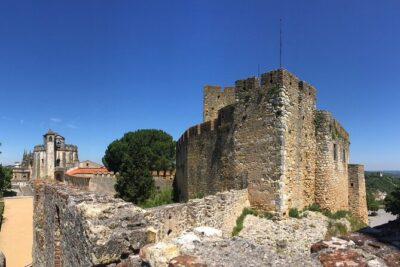
Templar Tour Convent of Christ & Almourol Castle from Lisbon
Read our review →

Barcelona 1.5h Private Old Town, Gothic & Ramblas Walking Tour
Read our review →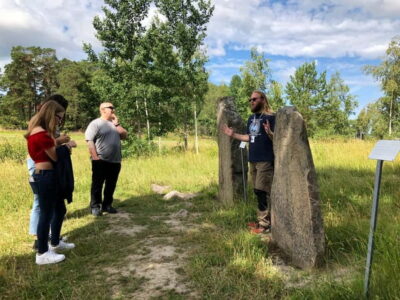
Stockholm Viking History Full Day Tour to Sigtuna + Uppsala
Read our review →
Tipsy Tapas & History Tour in the Gothic Quarter
Read our review →
Barcelona Historical Walking Tour: Gothic Quarter and El Born
Read our review →Browse the lists this tour appears in