

Review · BERLIN (STATE)
Berlin: Charité Hospital Walking Tour of Medical History
Medicine gets strange at Charité. This two-hour walk turns Berlin’s medical past into a human story, from a plague house founded in 1710 to the discoveries of Robert Koch and Rudolf Virchow. I especially like the visit to the Veterinary Anatomy Theatre, an atmospheric 18th-century building, and the tour’s honest treatment of the hospital under Nazi rule and East German socialism. The main drawback is practical: most of the experience happens outdoors, so cold, wet weather can make the two hours feel long.
I also like the way the guide connects famous names with less familiar figures, including Rachel Hirsch, the first woman to hold a medical professorship in Prussia. The tour costs $29 per person, a fair price for a focused history walk with admission to the theatre included. It is best suited to adults and older teens who enjoy serious historical subjects, not families looking for a light afternoon stroll.
Key points to know before you book
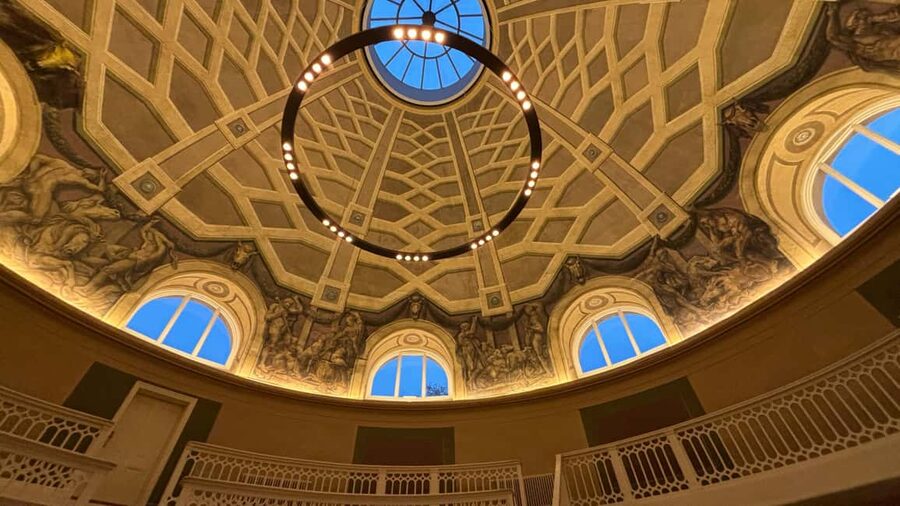
- The tour begins with a plague house: Charité started in 1710 as a simple hospital built to protect Berlin from an approaching epidemic.
- The Veterinary Anatomy Theatre is the indoor highlight: You get free admission to Berlin’s oldest surviving academic building.
- The subject matter is serious: Expect discussion of racial hygiene, psychiatric patient murders, institutional silence, and political pressure.
- Robert Koch and Rudolf Virchow are central figures: Their work helps explain why Charité became one of Europe’s best-known medical institutions.
- The route ends near Berlin Central Station: Alexanderufer is a useful finish if you want to continue sightseeing or catch a train.
- Dress for the weather: Comfortable shoes, water, and a warm outer layer matter because much of the walk takes place outside.
Starting at Robert Koch-Platz

The meeting point is Robert-Koch-Platz, by the statue of Robert Koch. Look for the guide with an orange umbrella. That simple marker is useful in a city where several streets and public spaces can look alike, and it gives the tour an immediate connection to one of Charité’s most important scientists.
The opening story reaches back to 1710. Berlin built the first Charité facility as a plague house, meant to protect the city as an epidemic approached. It was not yet the grand medical institution you see today. It was a practical response to fear, disease, and limited medical understanding.
That early setting helps put later progress in perspective. Bloodletting, mercury treatments, and amputations were once standard tools. Some methods could help in limited cases, while others harmed patients or reflected the weak medical knowledge of the time. The guide uses these examples to show that medical progress is not a straight march toward improvement. Doctors often worked with incomplete evidence, and accepted treatment could later look alarming.
I like this beginning because it avoids treating medicine as a parade of heroic discoveries. You get the uncomfortable parts too. The story is about changing ideas, institutional power, and the cost of mistakes.
More History Walking Tours in Berlin
- Berlin: History of the Third Reich Guided Walking Tour
★ 4.7 · 791 reviews - Berlin Historical Highlights Walking Tour
★ 4.9 · 657 reviews - Berlin Private Complete History All Day Walking Tour
★ 5.0 · 474 reviews
The Veterinary Anatomy Theatre and its 18th-century purpose
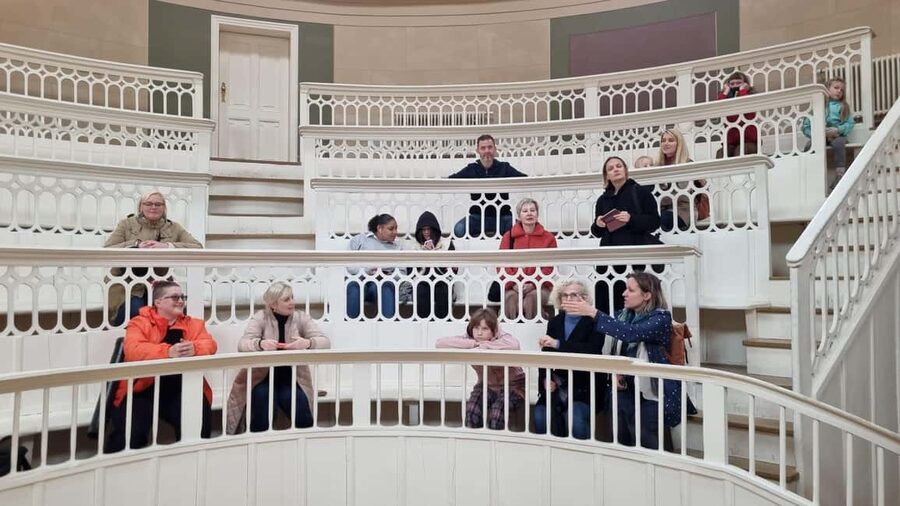
The visit to the Veterinary Anatomy Theatre lasts about 15 minutes, but it is one of the tour’s most distinctive stops. The building is described as the oldest academic building still in existence in Berlin, giving you a rare chance to see an early teaching space connected to practical medical study.
Its original work focused on animals, especially the livestock and cavalry horses that mattered to the city and its military. Studying animal illness was not a minor concern. Sick horses could affect transport, farming, and the army, while disease among livestock could threaten food supplies.
The theatre also gives the tour a physical setting that books and statues cannot provide. You are not simply hearing that 18th-century medicine was developing. You are entering a place where anatomy was taught and observed. The building helps you picture the methods used to understand disease before modern imaging, laboratory testing, and antibiotics.
Admission is included in the $29 price, which improves the value of the tour. However, the theatre can sometimes be closed for internal events or public holidays. If this building is your main reason for booking, keep that possibility in mind. The walking route still has plenty to offer, but the indoor visit is not guaranteed on every date.
Following Charité’s neo-gothic campus
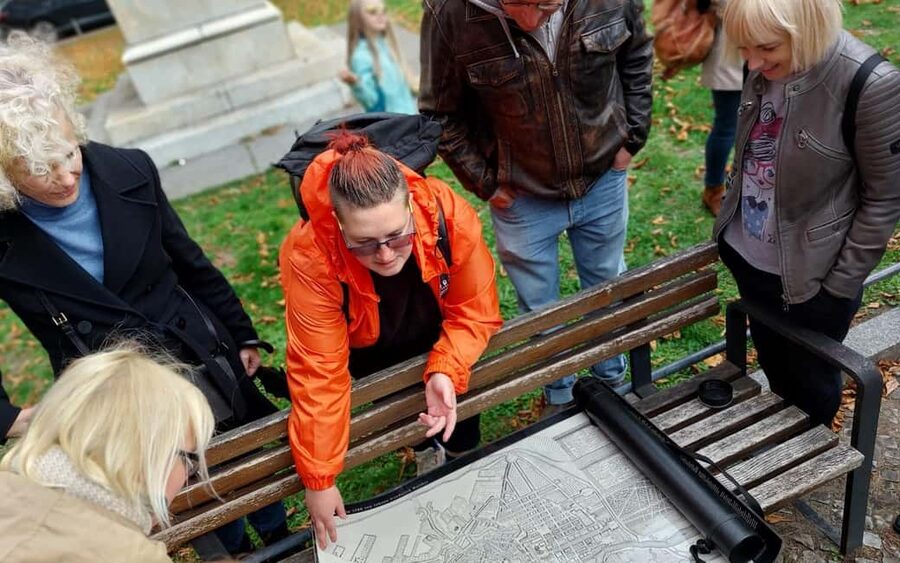
After the theatre, the route circles the historic Charité campus. The neo-gothic architecture gives the walk a strong visual thread, with pointed forms and institutional buildings that feel very different from Berlin’s grand royal avenues or modern government quarter.
The route includes several guided sections, each lasting roughly 15 minutes. That structure breaks the story into manageable pieces and keeps the walk moving. You should still expect to walk and stand for about two hours, with no promise of extended indoor shelter.
The campus itself is not simply a backdrop. It shows how medicine became tied to education, research, public health, and state authority. The hospital grew from emergency plague care into a major institution where new theories were tested and taught.
Some parts of the Charité grounds are restricted because hospital and university activities continue there. You will not enter every building, and admission to working hospital or university facilities is not included. Some areas can be explored independently after the tour, but access depends on the rules in place.
That limit is worth understanding before you arrive. This is a historical walk around an active medical campus, not a full hospital tour. The restriction can be frustrating if you expect to see famous interiors, but it also reflects the fact that Charité remains a working institution rather than a museum frozen in time.
Robert Koch, Rudolf Virchow, and the people behind the science
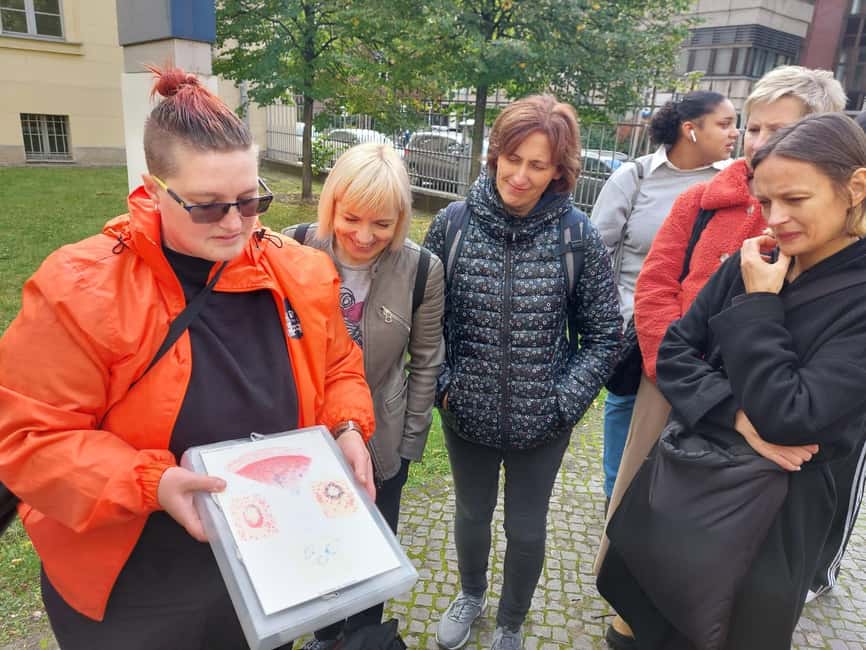
Two of the major names connected with Charité are Robert Koch and Rudolf Virchow. Their stories help explain the hospital’s importance in medical history, and the tour begins beside Koch’s statue for good reason.
You hear about the careers and discoveries associated with these figures, but the best part is the personal and institutional context. The guide explains how medical careers developed, how ideas were received, and how the political situation shaped professional life. Recent participants have praised this detail, especially the link between individual careers and the period in which those careers unfolded.
The tour also looks beyond the most famous men. Rachel Hirsch became the first woman to hold a medical professorship in Prussia in 1913. Her appointment marked a major step for women in medicine, but it did not mean the institution had suddenly become welcoming. She faced resistance within Charité, and her story gives the tour a needed social dimension.
I appreciate this balance. You are not asked to admire a hospital simply because famous doctors worked there. You are encouraged to ask who had access to professional advancement, who was excluded, and how much progress came from institutional change rather than individual brilliance.
More History Walking Tours in Germany
- Berlin Private Half-Day Walking Tour: Discover the German Capital’s History
★ 5.0 · 244 reviews - Berlin History Walking Tour with a French-Speaking Guide
★ 5.0 · 240 reviews - The History of Berlin: WWII PRIVATE Walking Tour With Locals
★ 5.0 · 209 reviews - Berlin: Historic Center Walking Tour with a Real Berliner
★ 5.0 · 134 reviews
The Charité television connection
If you know the Charité television series, the walk adds real places and people to its fictionalized historical setting. The tour explains the real-life stories behind the series and shows how the hospital’s past has been presented to a wider audience.
You do not need to have watched the program to follow the tour. The television connection works as an extra layer rather than a requirement. If you have seen it, the walk may sharpen your sense of which characters and events draw on real Charité history. If you have not, you still get a clear account of the medical and political setting.
This is a useful approach because popular television can simplify history. A good guide can separate drama from documented institutional change, and the tour’s broader focus keeps it from becoming a fan-only experience.
Charité under Nazi rule
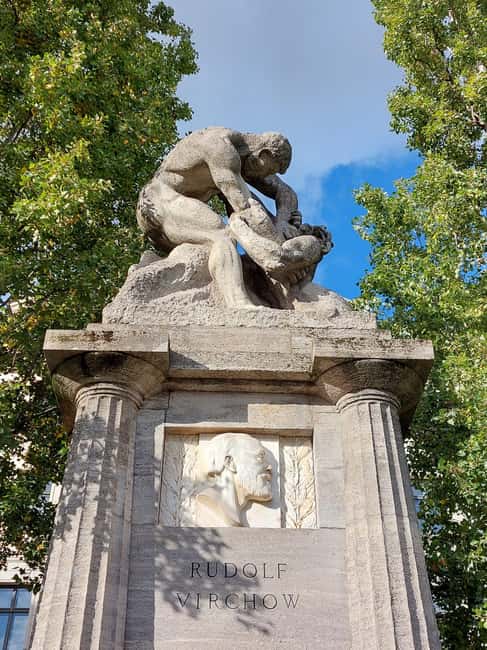
The darkest section concerns the Nazi period. The tour explains how medical ethics were pushed aside and how racial hygiene was imposed through state power and professional cooperation.
Some doctors remained silent. Others actively helped organize the murder of psychiatric patients. This part of the walk is not treated as a side note, and it should not be. A medical institution can produce lifesaving work while also participating in terrible abuse. Charité’s story makes that contradiction impossible to ignore.
You should expect a serious tone here. The subject may be difficult, particularly for younger participants, which is why the recommended age is 14 and above. The tour does not present medical history as a series of clever breakthroughs. It asks how doctors, researchers, and institutions behave when political pressure rewards obedience and punishes resistance.
That focus gives the tour value beyond Berlin sightseeing. You leave with a clearer understanding of why medical ethics matter, and why professional skill alone does not guarantee moral conduct.
East Germany and the politics of the hospital

The story continues after 1945, when Charité became part of East Germany’s public image. The government took pride in the hospital’s achievements while operating within a divided city and a divided political system.
One memorable detail concerns the windows facing the capitalist West. Some were bricked up. It is a small physical change, but it captures the strange daily reality of Cold War Berlin. A hospital could be a place of healing and research while also reflecting border politics, state control, and ideological division.
This section keeps the tour from ending with the Nazi era. Charité continued changing under a new political system, and its reputation was used in different ways by the state. The guide places medical achievements beside the restrictions of socialism, giving you a more layered picture than a simple story of decline or success.
What the guide adds to the experience

The quality of this walk depends heavily on the guide because most of the value comes through explanation rather than access to interiors. The strongest reports describe the presentation as clear, authentic, and lively despite cool, damp weather.
Martina has received particular praise for making the campus story vivid without letting a two-hour route become tiring. Another recent participant valued the guide’s medical expertise, which added useful detail without turning the tour into a technical lecture. The guide is available in German or English, and the content is presented in a way that suits people with a serious interest in history but not necessarily a medical background.
The best guides on this subject need to do several jobs at once. They must explain unfamiliar medical terms, identify important buildings, handle Nazi-era crimes with care, and keep the pace comfortable outdoors. The positive feedback about competent, differentiated explanations suggests that this tour generally gets that balance right.
Still, your experience will depend on the guide assigned that day and on the size and pace of your group. The advertised length is two hours, and the route includes extended standing. If you need frequent seating or indoor breaks, this may not be the right choice.
Price, timing, and practical comfort
At $29 per person, the tour offers solid value if you want a focused history experience rather than a general introduction to Berlin. The price includes a local guide and entry to the Veterinary Anatomy Theatre, while working hospital and university buildings are excluded.
Two hours is long enough to give the subject room to breathe without taking up an entire sightseeing day. The finish near Alexanderufer, close to Berlin Central Station, is also convenient. You can continue around the central city afterward, or use the location as a practical point for onward transport.
Dress for the forecast, not for the season on the calendar. Most of the tour is outdoors, and a cold, wet day can change your enjoyment of the route. Wear comfortable shoes and bring water. A warm coat, especially in winter, is more important here than fashionable Berlin streetwear.
The tour is wheelchair accessible, but the combination of outdoor walking, standing, and restricted campus areas means you should consider your own comfort with the route. No strict age limit applies, though the content is recommended for ages 14 and older. All minors must be accompanied by an adult.
Flexible booking helps if your schedule is uncertain. You can reserve now and pay later, and cancellation is free up to 24 hours in advance. Those policies are useful, but the weather remains the more important practical concern.
Who should take this Charité walk?
I would recommend it to you if you enjoy medical history, social history, architecture, or the difficult relationship between science and government. It is also a good choice if you have already seen Berlin’s major memorials and want a less familiar subject with strong connections to the city’s political past.
The tour works especially well for older teenagers, university students, medical professionals, and anyone who likes learning through real places. The mix of famous scientists, women’s professional history, Nazi crimes, and East German politics gives you plenty to think about after the walk ends.
I would be more cautious about booking it for young children. The subject matter is mature, and the two-hour outdoor format requires patience. If the Veterinary Anatomy Theatre is closed on your date, the tour loses its most distinctive indoor stop, though the campus and historical discussion remain worthwhile.
Its overall rating of 4.9 from 276 ratings fits the experience described by recent participants: informative, well paced, and made stronger by guides who can explain medicine without burying you in jargon. The repeated praise for Martina, clear presentations, and the ability to keep the walk interesting in damp weather are all encouraging signs.
Should you book the Charité Hospital Walking Tour?
Book this tour if you want Berlin history with a medical focus and you are comfortable spending two hours outside. The $29 price is reasonable because it includes a specialist guide and the Veterinary Anatomy Theatre, and the route finishes in a convenient central location.
Skip it if you want broad city highlights, lots of indoor sightseeing, or a cheerful family activity. Charité offers serious material, including medical abuse under Nazism and the political pressures of East Germany. For the right audience, that seriousness is the point. You leave not just knowing a few famous doctors, but understanding how medicine, ethics, architecture, and power shaped one of Berlin’s most important institutions.
FAQ
Where does the Charité Hospital walking tour begin?
The tour begins at Robert-Koch-Platz, by the Robert Koch statue. Look for the guide holding an orange umbrella.
How long does the tour last?
The walking tour lasts two hours. You should be comfortable walking and standing for approximately that length of time.
Is admission to the Veterinary Anatomy Theatre included?
Yes. Admission to the Veterinary Anatomy Theatre is included in the tour price.
Can the Veterinary Anatomy Theatre be closed?
Yes. The theatre can occasionally close because of internal events or public holidays.
What languages are available?
The tour is offered in German and English.
Is the tour suitable for children?
There is no strict age restriction, but the experience is recommended for ages 14 and above because of its serious historical content. Minors must be accompanied by an adult.
Just added around Berlin
- Historic center of Berlin – Tour in Italian★ 5.0 · 143 reviews
- Berlin Food & Cultural Tour: Must-Try German & Berliner Classics★ 5.0 · 51 reviews
- Private Berlin WWII and Cold War History Tour with Local Expert Guide★ 5.0 · 28 reviews
- Private Tour: Jewish Heritage Walking Tour of Berlin★ 5.0 · 29 reviews
- Small-Group Historical Bike Tour in Berlin★ 4.5 · 103 reviews
- East Berlin Food & History Tour with Eating Europe★ 5.0 · 204 reviews
- Explore Berlin History and Highlights Sightseeing Walking Tour★ 5.0 · 81 reviews
- Berlin: Private Bike Tour of the Berlin Wall and Third Reich★ 5.0 · 23 reviews
History Walking Tours, compared.
History and Hauntings of Salem Guided Walking Tour
Read our review →
Freedom Trail History Small Group Walking Tour
Read our review →
Historic Charleston Guided Sightseeing Walking Tour
Read our review →
Tapas Walking Tour with Food, Wine, and History
Read our review →
Savannah History and Haunts Candlelit Ghost Walking Tour
Read our review →

A History of Terror – Belfast City Centre Walking Tour
Read our review →Browse the lists this tour appears in