
Review · GRAND EST
Strasbourg: Guided Historical Neighborhoods Walking Tour
Strasbourg’s past is written into every square. This 150-minute walk links the city’s grandest public spaces with Petite France, the Neustadt district, and the remarkable Notre Dame Cathedral. I like the route because it gives you both the big picture and plenty of small details, from Place Kléber’s Christmas tree to the curious story behind Petite France’s name. I also like the small groups, limited to 10 people, which make it easier to hear the guide and ask questions.
The main consideration is the weather. This is a full walking tour with several stops outdoors, and one visitor found a very cold morning tough because of the amount of standing. Comfortable shoes and clothing suited to the forecast matter. The cathedral entrance is not included, so you see the exterior and finish outside at Place de la Cathédrale.
Key points at a glance
- A 150-minute route through central Strasbourg: You cover Neustadt, Place Broglie, Place Kléber, Grand’Rue, Petite France, and the cathedral area.
- A lively guide makes the difference: Davide, also referred to as David in some booking details, is praised for humor, clear storytelling, and useful food and coffee advice.
- The group is capped at 10 people: That is small enough for easier movement through the old center and more room for questions.
- Petite France is more than a pretty photo stop: You learn how the neighborhood got its name and how its role changed over time.
- The tour connects Strasbourg’s German and French chapters: The walk helps explain Alsace’s shifting political identity and the effects of modern wars.
- The cathedral is an exterior stop: You end at Place de la Cathédrale, but admission inside costs extra and is not part of the experience.
Why this Strasbourg walk works well for a first visit
Strasbourg can feel confusing at first. Its medieval center, 19th-century German district, grand squares, canals, and cathedral all sit within a walkable area, but the city’s story is not easy to grasp from buildings alone.
This route gives you a useful framework. You begin at Place de la République, cross through the Neustadt area, continue toward Place Broglie and Place Kléber, then move along Grand’Rue to Petite France. The final stretch brings you to Notre Dame Cathedral. That sequence lets you see how Strasbourg expanded and changed instead of treating the old town as one pretty block.
I particularly value the attention to the region’s political past. Strasbourg has belonged to France and Germany at different points, and the tour presents that background alongside the city’s older beginnings and its experience of more recent wars. Several people praised the guide’s ability to explain difficult material without making the walk feel like a lecture.
The presentation style is a major part of the appeal. Davide is repeatedly described as animated, funny, and easy to listen to. He uses anecdotes to keep the pace moving, which matters when you are standing outdoors and taking in a great deal of information.
More History Walking Tours in France
- Paris: Dark History and Ghostly Guided Walking Tour
★ 4.7 · 1,000 reviews - Vieux Lyon Cultural & Historical Walking Guided Tour (English)
★ 5.0 · 942 reviews - Strasbourg on Foot: Historic Center and Petite France with a Local Guide
★ 4.7 · 223 reviews
Starting at Place de la République and the Neustadt
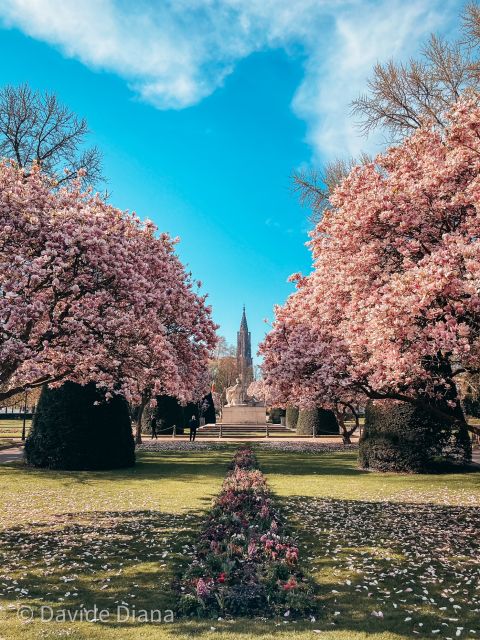
Meet your guide in the center of Place de la République, in front of the war memorial. This is a clear meeting point, but give yourself enough time to find the correct spot, especially if you are coming from another part of the city.
The opening section focuses on the square and the surrounding Neustadt district. This area gives you a different view of Strasbourg from the medieval streets near the cathedral. Instead of narrow lanes and half-timbered houses, you encounter the broader planning and formal architecture associated with the city’s later development.
The guide uses this early part of the walk to set out Strasbourg’s long story, beginning with the city’s founding and moving through changes under French and German rule. That context makes later stops easier to understand. You are not simply collecting photographs of buildings. You are learning why the city looks the way it does.
About 30 minutes are assigned to the Neustadt section. That is enough time for a proper introduction without using up the whole walk before reaching the old center.
Place Broglie brings the route toward the historic core
The next stop is Place Broglie, with about 10 minutes for a visit. It is a short section, but it helps connect Neustadt with the older center and keeps the route varied.
The stop is also practical for your sense of direction. You are moving from the formal district toward the squares, shopping streets, and old neighborhoods that most people associate with Strasbourg. The guide may point out places worth returning to later, so keep your phone or a small notebook ready for recommendations.
This is one of the tour’s useful habits: it does not treat the route as a closed program. The guide gives suggestions for what to see, eat, and drink after the walk. Several people specifically praised restaurant, bar, coffee, and general sightseeing advice. That can add real value if you have only a short stay.
Place Kléber and Strasbourg’s Christmas traditions
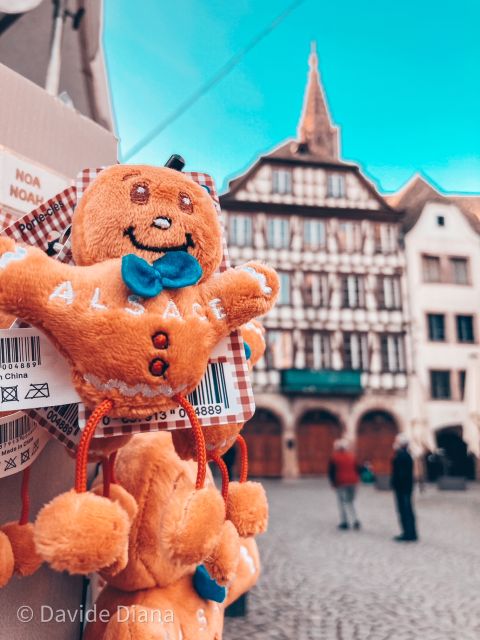
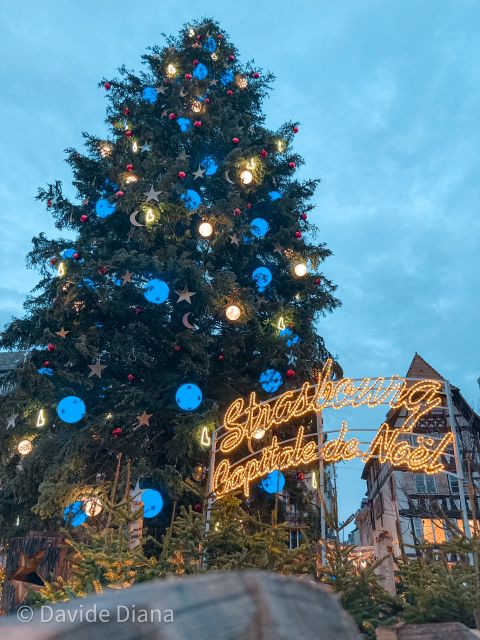
Place Kléber is the city’s most important square and receives about 20 minutes of guided attention. It is a natural place to discuss Strasbourg’s public life and its famous Christmas season.
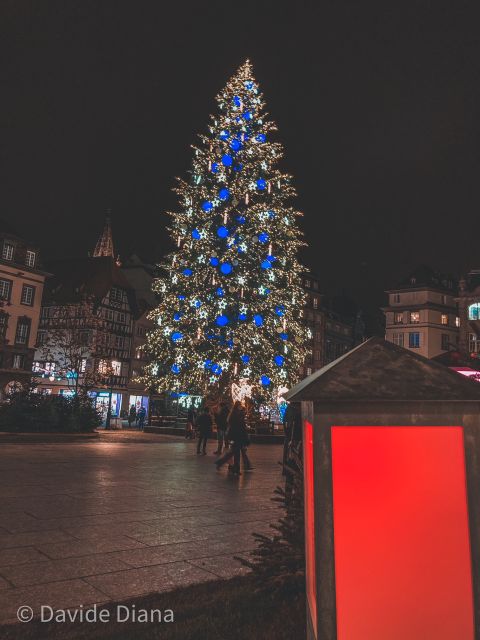
The large Christmas tree placed here is part of the city’s seasonal identity. The guide explains the tradition behind it and talks about the winter market, often regarded as one of France’s most beautiful. If you visit outside the Christmas period, the square will look different, but the explanation still gives meaning to the seasonal photographs and decorations you may see elsewhere.
I like this stop because it connects a familiar modern attraction with local tradition. It is easy to walk through Place Kléber, take a quick picture, and move on. A guide adds the background that turns the square into part of Strasbourg’s civic story.
The square can also be busy, so staying near the guide matters. The 10-person limit helps, and several people appreciated being able to move around central streets without losing the group.
Same place, a different slice of the past:
- Paris: Louvre Museum Entry with History of Mona Lisa
★ 3.9 · 2,823 reviews - Bordeaux: Historic Center & Chartrons District Bike Tour
★ 4.8 · 709 reviews - From Strasbourg: Best Of Alsace Historical Day Trip
★ 4.7 · 633 reviews - Toulouse Food & History Tour with a Chef (in English)
★ 5.0 · 503 reviews
Grand’Rue and the shift into old Strasbourg
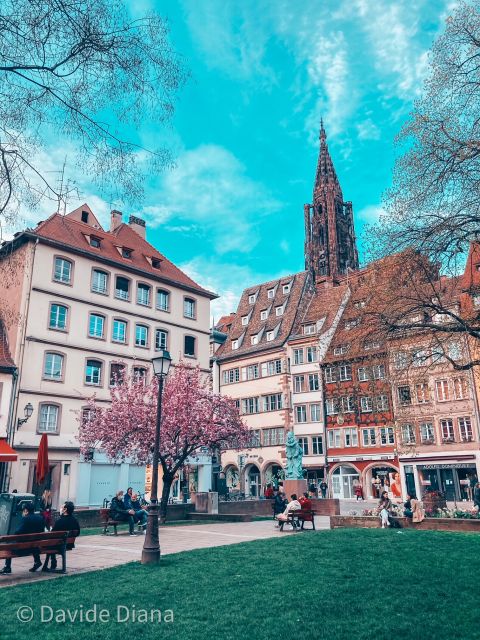
From Place Kléber, the route continues along Grand’Rue for roughly 10 minutes. This is a short guided stretch, but it serves as a transition into the older quarters.
Grand’Rue gives you a feel for Strasbourg as a lived-in city rather than only a monument zone. The walk continues through streets where shops, cafés, and daily life sit beside older buildings. This is a good point to listen for recommendations, since the guide often suggests places to eat away from the most tourist-focused areas.
The route is not designed as a shopping tour, and you will not have long periods to browse. If a shop or café catches your eye, make a note of it and return later. The value here is the orientation, not free time.
Petite France and its half-timbered houses
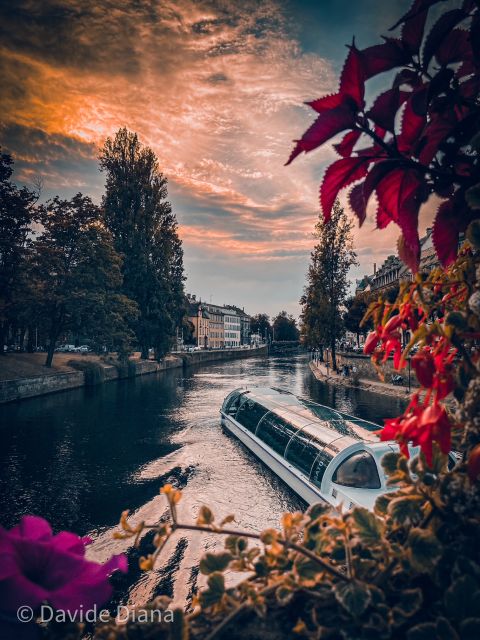
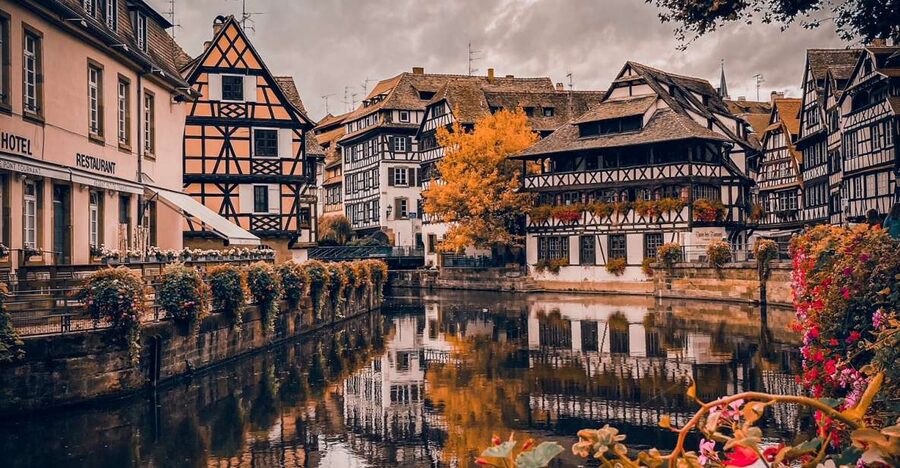
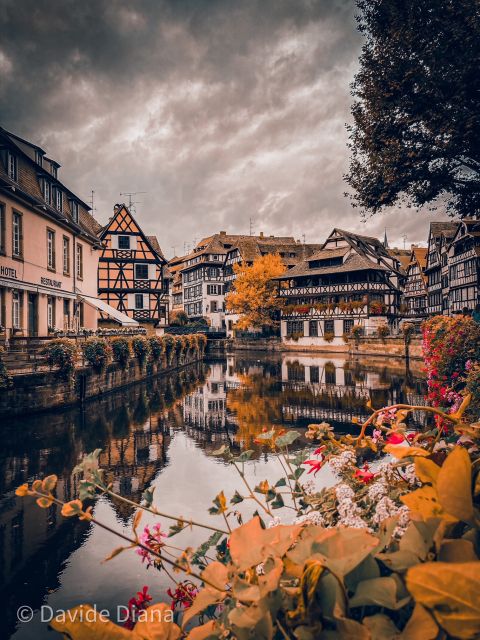
Petite France is the visual centerpiece of the walk. Plan on about 30 minutes here, including a photo stop and guided commentary.
This is where you see Strasbourg’s original half-timbered homes and some of the city’s most recognizable old streets. The buildings are attractive, but the guide adds a more useful layer by explaining where the name Petite France came from and how the neighborhood changed over the centuries.
I appreciate that the tour does not reduce Petite France to a postcard scene. The quarter has a past beyond its good looks, and the explanation helps you see the area as a working part of Strasbourg’s story. You may also hear about smaller details that are easy to miss when exploring alone.
The pace here is important. You have time to look and take photographs, but this is still a walking tour rather than a long pause in one place. Wear shoes with good support. The route covers several districts in two and a half hours, and the old-center streets may not always feel effortless underfoot.
Petite France can also be one of the most crowded parts of central Strasbourg. A small group is helpful, but you should still stay close to the guide and avoid assuming that the whole party will move at the same speed.
Notre Dame Cathedral ends the walk on a grand note
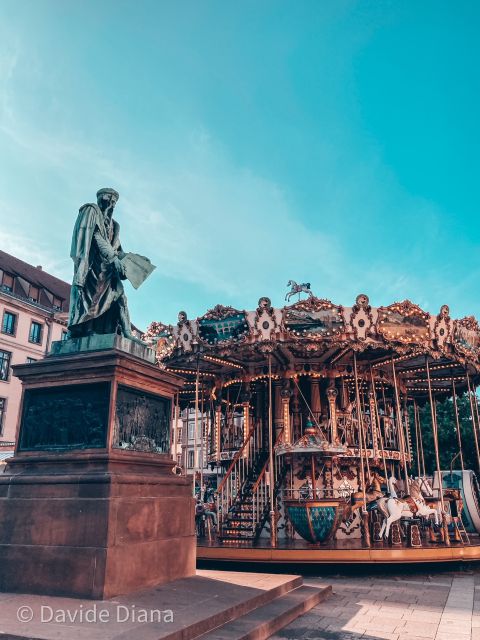
The final major stop is Notre Dame Cathedral, with about 20 minutes of guided commentary and a photo opportunity. The tour ends at Place de la Cathédrale.
The building is an example of Rayonnant Gothic architecture and serves as the natural climax of the route. After seeing the city’s squares, streets, and timber-framed homes, you arrive at a structure that dominates the historic center.
The important practical point is that cathedral admission is not included. This experience focuses on the exterior, the square, and the stories connected with the landmark. If you want to go inside, you will need to arrange and pay for that separately.
Ending here is convenient. You are already in one of Strasbourg’s main sightseeing areas, with the chance to continue exploring after the guide leaves. It also means you can decide later whether you want more time at the cathedral instead of being hurried through an interior visit.
The guide’s style and the value of a small group
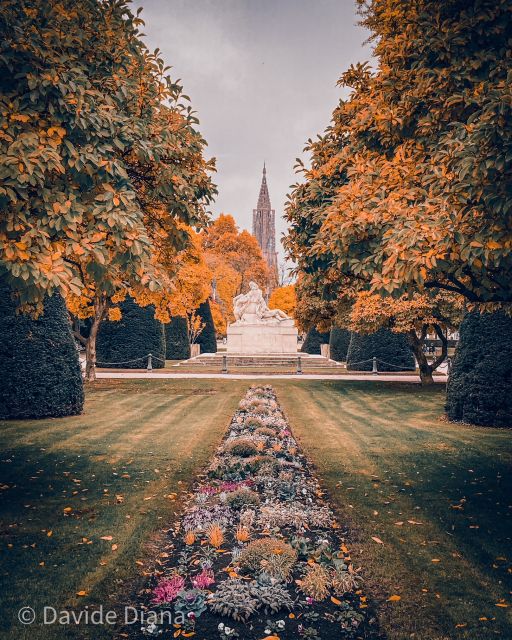
The strongest part of this experience is the guide’s delivery. Davide is praised for making centuries of events clear, funny, and easy to follow. The comments also describe him as enthusiastic, friendly, and generous with local suggestions.
That combination matters in Strasbourg. The city’s past includes shifting borders, conflict, cultural change, and complicated relations between France and Germany. A dry presentation could make the subject feel heavy. The guide’s humor helps, while the repeated praise for his impartial approach suggests that he keeps the tone balanced.
The group size is limited to 10. That is a useful middle ground. You get the energy of a group walk without the difficulty of trying to hear a guide surrounded by dozens of people. It also gives you a better chance to ask about food, cafés, nearby sights, or the parts of Strasbourg you might want to visit later.
Several people found the pace comfortable, including during hot weather. One account also noted a short coffee or bathroom break at a small restaurant. Breaks may vary, so I would not book this expecting a formal café stop, but it is worth asking the guide if you need a pause.
Price, timing, and practical comfort
At $35 per person, the price is fair for a 150-minute guided walk in a major European city, especially with a group capped at 10. The value is strongest if you are new to Strasbourg and want a clear introduction before exploring on your own.
You are paying for interpretation, local recommendations, and a route that joins several important areas. You are not paying for cathedral admission, food, drinks, or transport. If you prefer to wander without a schedule, you can see many of the same places independently. The tour earns its price through context and efficient coverage.
English and Italian are available. Check the starting time when booking, since departure options can vary.
The tour is listed as wheelchair accessible, though the route includes a long outdoor walk through central streets. Ask the provider about your specific mobility needs before booking. Pregnant women are listed as unsuitable for the activity, so this experience is not the right choice during pregnancy.
Free cancellation is available up to 24 hours before the start time, and you can reserve now while paying later. Those policies are useful if your Strasbourg plans depend on changing transport or weather.
Who should choose this walking tour?
I would choose this walk for a first day in Strasbourg, especially if you want to understand the city before deciding where to spend more time. It suits people who enjoy history, architecture, local stories, and practical food advice in equal measure.
It is also a good fit for solo visitors and couples who want a social experience without joining a large crowd. Families may enjoy the humor and short stops, though younger children could find 150 minutes of walking and standing tiring.
You should think twice if you want extensive interior visits or long periods to explore each neighborhood independently. The cathedral is viewed from outside, and the route keeps moving. You also need to dress for the weather, since cold, heat, or rain can change how enjoyable the experience feels.
Should you book the Strasbourg historical neighborhoods tour?
Book it if you want a lively introduction to Strasbourg’s major squares, old neighborhoods, and complicated past. The strongest reasons are the small group, the well-paced route, and Davide’s mix of clear facts, humor, and useful restaurant and coffee tips.
Skip it if you prefer a self-guided walk or already know the historic center well. For most first-time visitors, though, $35 buys a useful foundation. You finish at the cathedral with a better sense of how Strasbourg fits together and a list of places to explore next.
FAQ
Where does the Strasbourg walking tour begin?
The tour begins at Place de la République. Your guide waits in the center of the square, in front of the war memorial.
Where does the tour end?
The walk ends at Place de la Cathédrale, beside Notre Dame Cathedral.
How long does the tour last?
The tour lasts 150 minutes, or two and a half hours.
Is entry to Strasbourg Cathedral included?
No. The tour includes a guided visit and photo stop outside the cathedral, but entrance fees are not included.
What languages are available?
The tour is available in English and Italian.
Is the tour suitable for wheelchair users?
The activity is listed as wheelchair accessible. It is also listed as unsuitable for pregnant women.
Just added around France
- Bordeaux Historic and Gourmet Food Walking Tour★ 4.5 · 82 reviews
- Private Bordeaux History Tour with a glass of Bordeaux wine.★ 5.0 · 28 reviews
- Historical Center, Bordeaux Food Tour★ 5.0 · 33 reviews
- 2-Hour Walking Tour of the City’s Iconic Sights and History★ 4.0 · 207 reviews
- Bordeaux’ Best Boulangeries & History Tour★ 5.0 · 126 reviews
- Historic Bayeux Daily Group City Tour In English 2 hrs (Apr-Sept)★ 5.0 · 220 reviews
- Private Walking Guided Tour of Historic Bayeux English or French★ 5.0 · 36 reviews
- Roman Sites and Historical Places Day Trip from Avignon★ 4.0 · 101 reviews
History Walking Tours, compared.
History and Hauntings of Salem Guided Walking Tour
Read our review →
Freedom Trail History Small Group Walking Tour
Read our review →
Historic Charleston Guided Sightseeing Walking Tour
Read our review →
Tapas Walking Tour with Food, Wine, and History
Read our review →
Savannah History and Haunts Candlelit Ghost Walking Tour
Read our review →
A History of Terror – Belfast City Centre Walking Tour
Read our review →Browse the lists this tour appears in