
Review · LYON
Vieux Lyon Cultural & Historical Walking Guided Tour (English)
Old Lyon reveals itself through narrow doors. This two-hour walk links Lyon’s silk trade, food culture, wartime Resistance, and secret traboules in a compact route from Saint-Jean to Hôtel Dieu. I especially like the mix of major sights and small details, plus the practical restaurant, coffee, and museum advice often shared by guide Paul. The $6.05 price is hard to beat, though you should plan to tip the guide and note that some promised interiors may be closed.
The route is easygoing and covers a lot without turning into a forced march. My main caution is group size: one account describes a group of more than 25, despite the stated maximum of 18, and there are no audio devices. If you stand at the back, you may miss parts of the commentary.
Key points at a glance
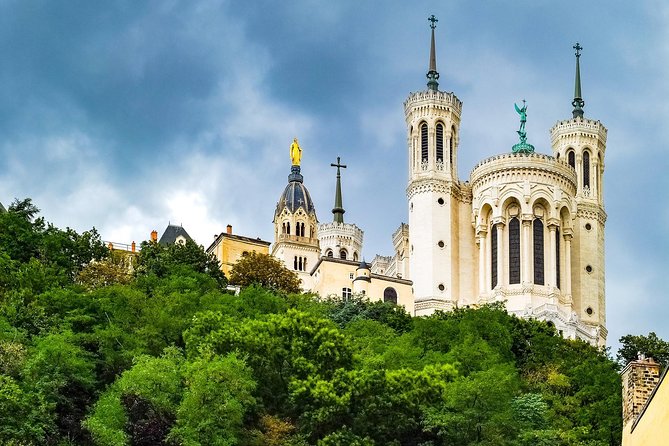
- The traboules are the star: You enter several discreet passageways that connect streets, courtyards, and old buildings in Vieux Lyon.
- Paul gets strong praise: His clear voice, humor, local tips, and personal affection for Lyon make the history easy to follow.
- The tour crosses several eras: You move from medieval Lyon and silk weaving to the Second World War, the Klaus Barbie trial, and modern Hôtel Dieu.
- The finish is useful: The walk ends inside Grand Hôtel Dieu, a good place to continue with food, shopping, or further exploration.
- The price is unusually low: At $6.05, it offers excellent value, but the format relies on a tip to the guide.
- Check access on the day: Saint-Jean Cathedral can be closed on Mondays, and the cinema museum stop is limited to its free courtyard.
Why this two-hour route works in Lyon
Lyon can feel like several cities packed together. The old quarter sits below Fourvière, the Presqu’île stretches between two rivers, and modern shops and restaurants occupy former religious and medical buildings. This walk gives you a useful first map of that mix.
You start at Place Saint-Jean at 10:00 am. From there, the route moves through Vieux Lyon before crossing toward the more modern center and finishing at Place de l’Hôpital. That progression matters. You do not see only picturesque medieval streets. You also get a sense of how Lyon changed from a religious and commercial center into a modern food and shopping city.
I like the balance here. You get buildings you would probably find on your own, such as Saint-Jean Cathedral and the Tour Rose, but you also get context that is harder to pick up while wandering alone. The guide connects architecture to silk production, local food, Resistance history, and daily life.
At the end, you should have enough suggestions to shape the rest of your day. Paul is especially praised for pointing people toward coffee, restaurants, museums, markets, and walks. Take notes if you plan to stay in Lyon for several days.
More History Walking Tours in France
- Paris: Dark History and Ghostly Guided Walking Tour
★ 4.7 · 1,000 reviews - Strasbourg: Guided Historical Neighborhoods Walking Tour
★ 4.9 · 275 reviews - Strasbourg on Foot: Historic Center and Petite France with a Local Guide
★ 4.7 · 223 reviews
Starting at Saint-Jean Cathedral
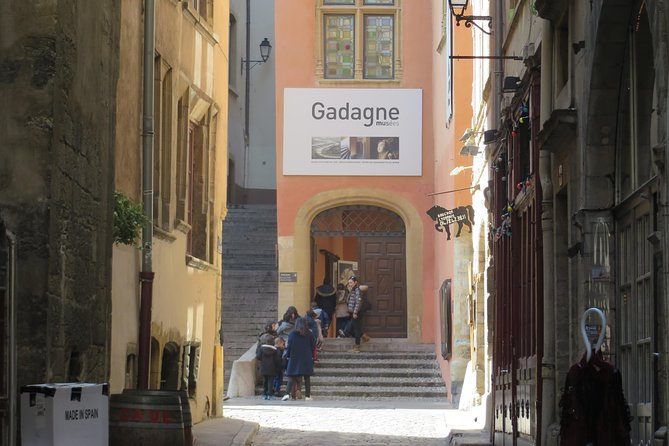
The first stop is Cathédrale Saint-Jean-Baptiste de Lyon, a natural meeting point in the old quarter. The visit lasts about 15 minutes and includes the astronomical clock.
The cathedral helps set the tone for Lyon’s long timeline. You are looking at a major religious building, then turning your attention to the clock, a mechanical feature that gives the visit a more human scale. It is a quick stop, not a full guided examination of every chapel or architectural detail.
There is an important catch. The advertised route includes entry, but access is not guaranteed at every departure. One disappointed participant found the cathedral closed on a Monday. If Saint-Jean is a priority, check opening conditions before booking or treat this portion as an exterior stop if needed.
The meeting point is easy to identify as Place Saint-Jean, but look for the Free Tour Lyon sign held by the guide. Do not expect a Viator sign. That distinction caused confusion for one person, so arrive with the provider name in mind.
Finding Lyon through the traboules
The word traboule refers to Lyon’s passageways through buildings and courtyards. They are the part of the walk that gives Vieux Lyon its special character. Instead of staying on the obvious street, you slip through entrances that may look private or ordinary from the outside.
The tour visits several traboules, including the passage connected with Maison du Crible and the Tour Rose. The route does not simply show you a pretty doorway. It explains how these spaces connect the old quarter and why they matter to Lyon’s past.
The Resistance story gives the passageways added weight. During the Second World War, routes through the old buildings could help people move out of sight. You will hear about their wartime role as the walk connects ancient urban design with the 20th century.
The traboules are also where group size becomes important. A guide can explain a courtyard well when everyone is close, but a large group can stretch across a narrow entrance. Paul is frequently praised for speaking clearly and loudly, yet one person still found that the group spread out and made a listening device useful.
Wear shoes suited to uneven streets and pause when the guide pauses. You will get more from the stop if you stay near the front rather than trying to photograph every doorway from the rear.
The cinema museum courtyard and Tour Rose
The Musée du Cinéma et de la Miniature is included as a short exterior stop. The group looks at miniatures in the museum’s free courtyard, with about 10 minutes allocated.
This is not a museum visit. Admission to the interior is not part of the experience, so you should not expect time with the full collection. That difference matters because the museum name can make the stop sound more substantial than it is.
Still, the courtyard gives the guide a chance to point out small-scale detail within the old quarter. It also breaks up the walking with something different from churches, courtyards, and historical commentary. If miniatures interest you, you can return later on your own, but the paid interior visit is outside this tour.
The nearby Maison du Crible passage and Tour Rose receive a brief five-minute stop. The pink tower is one of Vieux Lyon’s most recognizable architectural details, and the short visit works well as a photo and orientation point.
Do not expect a long architectural lecture here. This is a quick look at a signature feature, placed within a route that keeps moving.
More Local Culture and Traditions Tours in France:
- Explore the Marais: History, Art & Local Culture
★ 4.6 · 105 reviews - Gourmet & Cultural Tour Aix En Provence English / Espanol
★ 5.0 · 88 reviews - Culture History & Secrets: Lyon with a local artist -english
★ 4.9 · 29 reviews - Arles: Private Guide Tour – Explore History & Culture
★ 4.3 · 22 reviews
Lyon’s silk story at Brochier Soieries
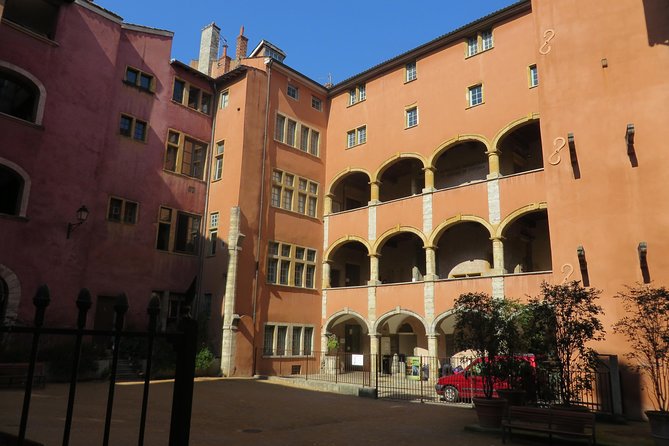
Lyon’s identity is closely tied to silk weaving, and the stop at Brochier Soieries brings that subject into a working retail setting. The group may see live silkworms during silk season and might view a model of a Jacquard loom.
That seasonal wording is important. Silkworms are not guaranteed at every time of year, and the loom demonstration is also described as a possibility. You should see the stop as an introduction to Lyon’s silk tradition, not a full workshop.
The setting is useful because silk can otherwise feel like a dry museum topic. In a shop, the subject connects production, design, trade, and the goods still associated with Lyon. It also gives you a chance to ask questions about local silk after the main explanation.
The stop lasts only five minutes, so do not expect time for detailed shopping. If you want to buy something, return later when you are not trying to keep up with the group.
From courthouse history to modern Lyon
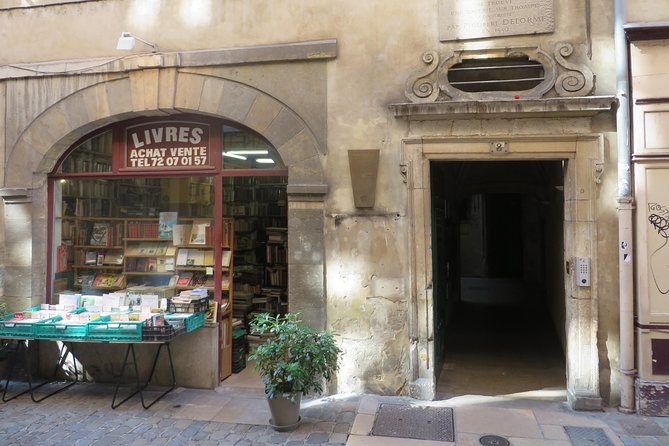
The route also takes in Lyon’s courthouses, including the place connected with the trial of Klaus Barbie. This section brings the city’s recent past into the walk.
The subject is serious, and it changes the mood from architecture and food. That is a strength of the route. Lyon is not presented as only a handsome old town with pleasant restaurants. You also get a reminder of the city’s role in difficult chapters of European history and postwar justice.
The itinerary does not give a precise duration for this stop, so the amount of time may depend on the guide and the pace of the group. Paul’s style is described as a mix of ancient and modern history, local life, and humor. That combination can make a broad city overview feel personal rather than like a list of dates.
Theatre des Celestins and the Presqu’île
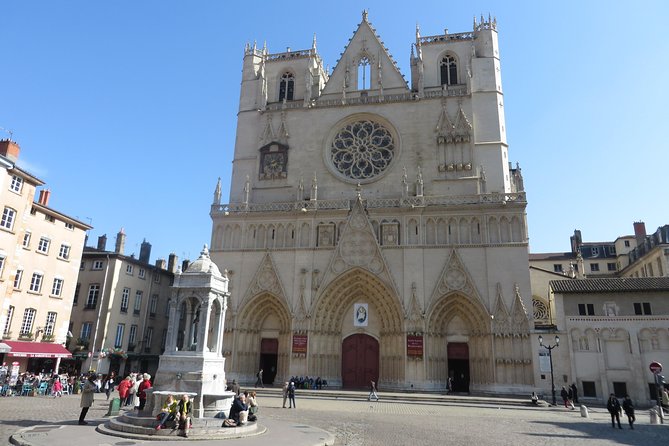
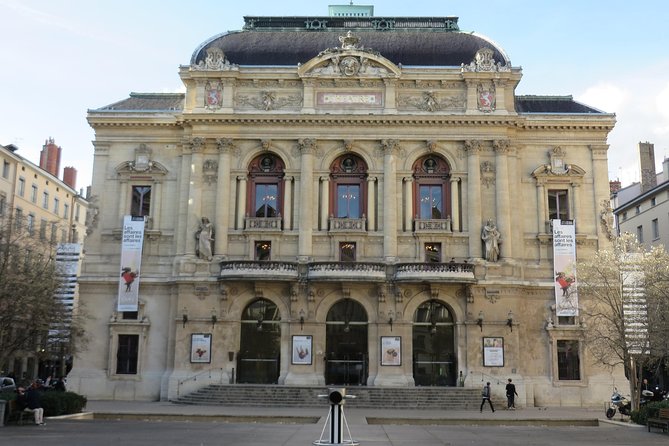
At Théâtre des Célestins, the group sees the theatre façade and may descend toward modern artwork beneath the square. The stop lasts about 10 minutes.
The wording may descend is worth noting. Underground access is not guaranteed, so you should be pleased if the artwork is available but not count on it as a fixed part of the route. The theatre itself still offers a change in setting, moving you away from the medieval lanes toward Lyon’s later civic and cultural development.
The route then reaches Lyon’s main shopping street. No exact street name or stop duration is provided, so this is best understood as a transition through the commercial center rather than a guided shopping visit.
That transition is useful. You begin in Vieux Lyon, where the streets feel intimate and historic, then see how the city opens into retail streets and larger public spaces. It helps you decide where to return for shopping, food, or a second walk.
Finishing inside Grand Hôtel Dieu
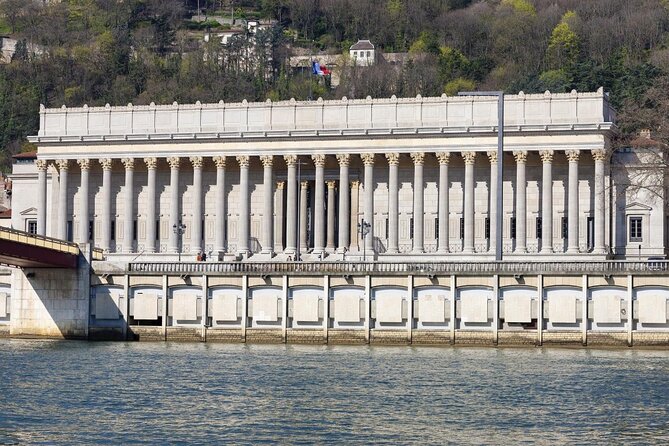
The last named stop is Grand Hôtel Dieu, reached after about 10 minutes. This former hospital has been transformed into a complex with shops, a luxury hotel, and a food court.
It is a smart place to finish because you are not left beside a random intersection. You end inside a major Lyon attraction with options for lunch, coffee, browsing, and further sightseeing. The old hospital setting also reinforces the route’s wider theme: Lyon keeps adapting historic buildings instead of leaving them frozen in the past.
The finish at Place de l’Hôpital is in Lyon’s 2nd arrondissement. If you are hungry, the food court is convenient. If you want a slower look at the building, return after the tour rather than trying to absorb it while the group is moving.
Guide style, group size, and what you hear
Paul receives the strongest praise. He is described as articulate, funny, friendly, easy to hear, and able to explain Lyon’s culture without making the talk feel like a school lesson. His tips for restaurants, coffee, museums, markets, and later walks are one of the tour’s practical benefits.
He is also easy to spot because he is very tall. That may sound minor, but it helps at Place Saint-Jean when several groups gather. Look for the Free Tour Lyon sign rather than a platform-branded sign.
The stated maximum is 18 people, though one account describes a group of more than 25. That difference is worth keeping in mind. A small group lets you hear more easily inside courtyards and narrow passageways. A bigger group may feel less personal, especially since no audio devices are supplied.
Most participants should manage the route. It is a walking activity through streets, courtyards, and passageways, and service animals are allowed. The tour is near public transportation, but pickup is not included, so you need to reach Place Saint-Jean yourself.
Is $6.05 a good deal?
Yes, with one qualification. At $6.05 per person, the cost is far below what a typical paid city walk might charge, especially for two hours with a local guide and access to several passageways.
The experience is also promoted directly by Free Tour Lyon as free, with the small online amount functioning as a processing charge. People booking through different channels may pay nothing upfront, while the guide earns through tips. Carry cash and budget for a tip if the tour gives you the kind of useful introduction described here.
The value is strongest if you use the walk as the first activity of your Lyon stay. You can apply the food and museum suggestions later, return to places that were rushed, and avoid wasting time deciding what to do next.
Practical limits before you book
The tour does not include breakfast, hotel pickup, or a full museum admission. Entry fees that apply to the listed stops are included, but the cinema museum interior is not part of the visit.
The cathedral may be closed on Mondays, and the underground artwork at Théâtre des Célestins may not be accessible. The silkworm display is seasonal. These are not major flaws, but they mean the exact experience can change with the day.
The booking policy allows free cancellation up to 24 hours before the 10:00 am start for a full refund. Changes made inside that period are not accepted, and the tour can be canceled if its minimum number is not reached. In that case, you are offered another date or experience, or a full refund.
Who should book this Lyon walk?
I would choose it for a first morning in Lyon, especially if you want a broad introduction before exploring alone. It suits people who enjoy history, food, architecture, and local stories more than people seeking a single museum in depth.
It is also a good match for anyone watching the budget. The low upfront cost leaves room for lunch at Hôtel Dieu or a later museum visit. Families and older participants may appreciate the relaxed pace, though you should stay near the guide if the group is large.
I would look elsewhere if you need guaranteed interior access, a small private group, or audio equipment. The best version of this tour depends on a clear guide, good listening position, and reasonable access on the day.
Should you book it?
Book it if you want a low-cost, story-led introduction to Lyon that covers more than postcard views. The traboules, silk shop, courthouse history, and Hôtel Dieu finish give the walk useful range, while Paul’s humor and local advice add real value.
Skip it only if you need a tightly controlled itinerary with guaranteed cathedral, museum, and underground access. For most first-time visitors, the price is excellent, the route is well chosen, and two hours is enough to give you a strong sense of where to go next.
FAQ
How long is the Vieux Lyon walking tour?
The tour lasts approximately two hours.
What time does the tour begin?
The stated start time is 10:00 am.
Where does the tour start?
It starts at Place Saint-Jean, Pl. Saint-Jean, 69005 Lyon, France.
Where does the tour finish?
It finishes at Place de l’Hôpital, inside Grand Hôtel Dieu in Lyon’s 2nd arrondissement.
Is hotel pickup included?
No. Pickup is not included, so you must make your own way to Place Saint-Jean.
Is the tour offered in English?
Yes. The tour is offered in English.
Are entry fees included?
All fees and taxes are included for the experience. The cinema museum stop is limited to its free courtyard, not the full museum interior.
Does the tour visit the traboules?
Yes. It visits several hidden passageways in Vieux Lyon, including the passage connected with Maison du Crible and Tour Rose.
Is the tour suitable for most people?
Yes. Most people can participate, and service animals are allowed. The tour takes place on foot through Lyon’s streets and passageways.
Can I cancel for a full refund?
Yes. You can cancel at least 24 hours before the local start time for a full refund. Cancellations or changes made less than 24 hours before the start are not accepted for a refund.
Just added around France
- Bordeaux Historic and Gourmet Food Walking Tour★ 4.5 · 82 reviews
- Private Bordeaux History Tour with a glass of Bordeaux wine.★ 5.0 · 28 reviews
- 2-Hour Walking Tour of the City’s Iconic Sights and History★ 4.0 · 207 reviews
- Bordeaux’ Best Boulangeries & History Tour★ 5.0 · 126 reviews
- Historical Center, Bordeaux Food Tour★ 5.0 · 33 reviews
- Historic Bayeux Daily Group City Tour In English 2 hrs (Apr-Sept)★ 5.0 · 220 reviews
- Private Walking Guided Tour of Historic Bayeux English or French★ 5.0 · 36 reviews
- Roman Sites and Historical Places Day Trip from Avignon★ 4.0 · 101 reviews
Local Culture & Traditions Tours, compared.

Amsterdam Food and Cultural Tour with Tastings
Read our review →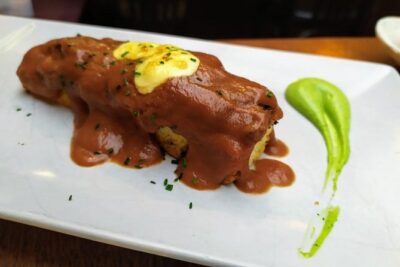
Sevilla Food Tour: Tapas, Wine, History & Traditions
Read our review →
Tromsø: Reindeer Camp and Sami Cultural Tour with Lunch
Read our review →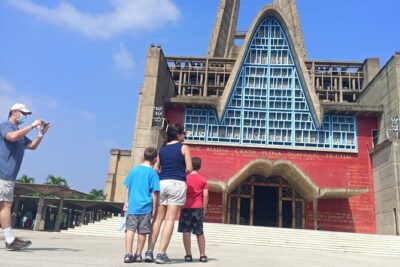
Half Day Dominican Republic Cultural Tour : Small Group
Read our review →
Ultimate Melbourne Walking Tour: History, Laneways & Culture
Read our review →
Tromsø: Sámi Reindeer Sledding and Sami Cultural Tour
Read our review →
Kyoto Gion: 2-Hour Geisha Culture & History Walking Tour
Read our review →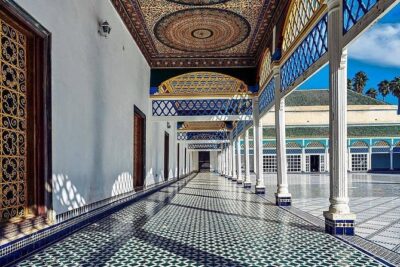
Marrakech Historical and Cultural Tour – Half Day City Tour
Read our review →Browse the lists this tour appears in