
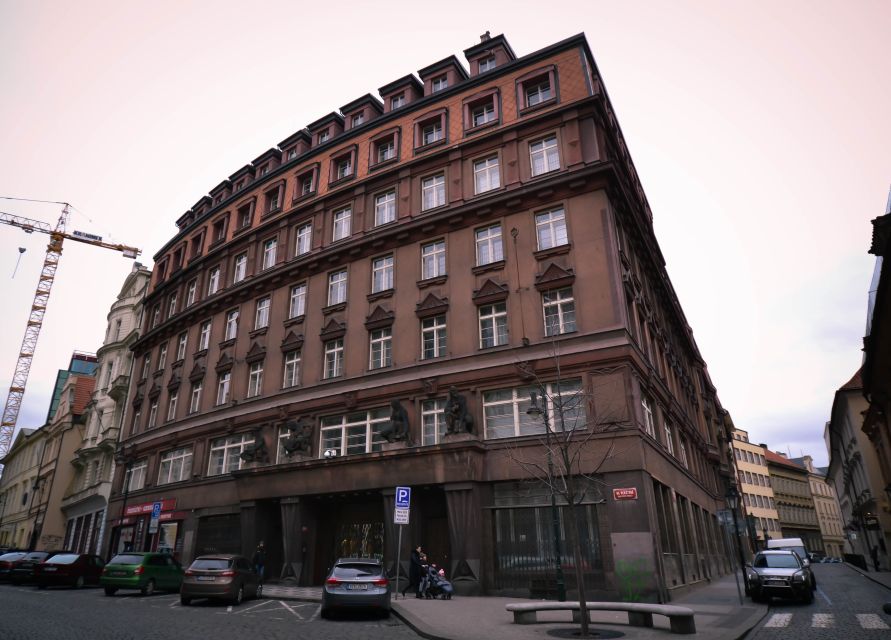
Review · CENTRAL BOHEMIAN REGION
Prague: Communism History and Nuclear Bunker Guided Tour
Prague’s Cold War past is still underfoot. This 150-minute walking tour links the Velvet Revolution Memorial, Wenceslas Square, former communist landmarks, and a real nuclear bunker built 50 feet below ground. I like the personal stories from guides who grew up under communism, and I like that the tour uses public transport to reach a part of Prague many visitors miss. The main drawback is the physical effort: expect stairs, walking, a tram ride, and tight underground spaces.
The bunker gives the history a hard edge. You are not just looking at dates and political slogans. You see a facility designed to hold up to 5,000 people, cold-war equipment, photographs, and an unusual gasmask workshop. The quality of the visit depends partly on your guide, but guides such as Stan, Ladislav, Pavel, Katerina, Maki, and L have earned especially warm praise for clear explanations, humor, and firsthand memories.
Key points to know before booking
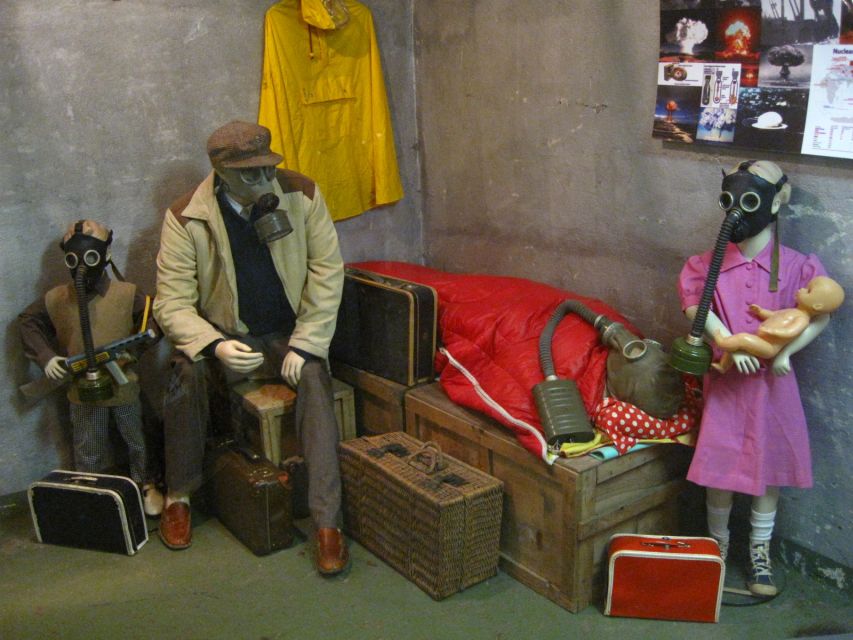
- A 1950s bunker 50 feet underground: Explore Prague’s largest nuclear bunker, built to protect as many as 5,000 people.
- Personal accounts of communist life: Guides explain what fear, surveillance, shortages, and political pressure meant for ordinary people.
- A short city walk before the tram: See the Velvet Revolution Memorial, Národní Street, Wenceslas Square, and other locations tied to Prague’s modern political past.
- Cold War exhibits and a gasmask workshop: The museum adds physical objects and photographs to the guide’s storytelling.
- A serious tour with some humor: Guides such as Pavel and Ladislav use personal stories and gentle humor without making light of painful events.
- Plan for stairs and close quarters: This tour is not suitable for wheelchair users, people with mobility issues, babies under one year, or anyone with claustrophobia.
Why this tour adds something to Prague’s usual sightseeing
Prague is famous for medieval lanes, grand churches, and ornate squares. Those sights matter, but they can leave you with a polished picture of the city. This tour shifts your attention to the decades when Czechoslovakia lived under communist rule and the wider fear of nuclear conflict shaped daily life.
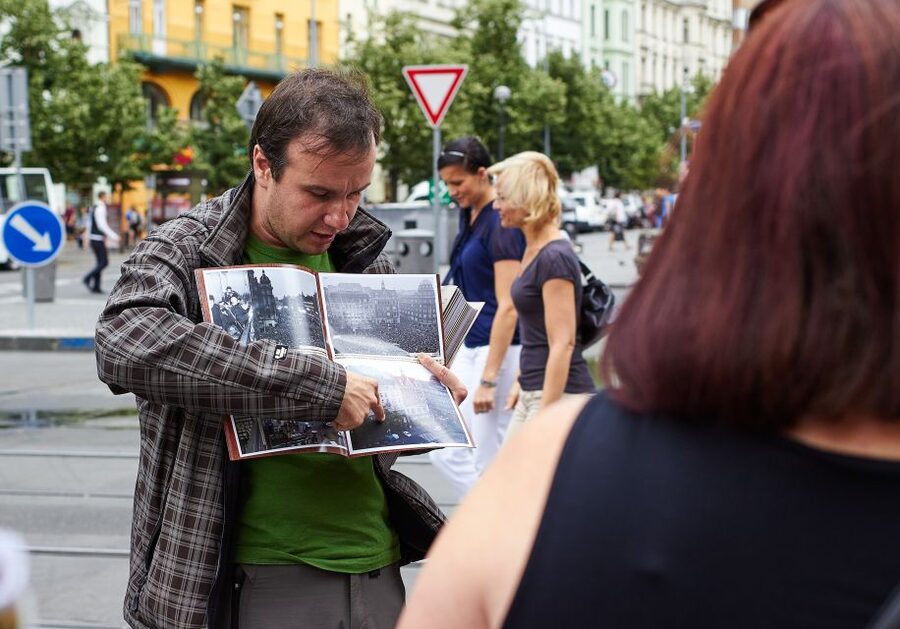
The subject is serious. You hear about spies, political prisoners, cold-war refugees, dissidents, surveillance, and violence. Yet the tour is not presented as a dry political lecture. The best guides explain how big events affected ordinary families, schoolchildren, workers, and young people trying to make sense of the system around them.
That human scale is the strongest reason to book. Guides who lived through the later communist period can explain the atmosphere in a way a display panel cannot. One guide, Ladislav, is described as having grown up during the communist era. Another, Stan, is praised for bringing the perspective of a local who experienced both communism and its fall.
You should still arrive ready for a history lesson, not a light sightseeing stroll. The stories include fear and oppression, and the bunker’s purpose makes the nuclear threat feel uncomfortably real.
More Cold War and Communism Tours in Prague:
- Prague Communism History and Nuclear Bunker Tour
★ 5.0 · 1,742 reviews - Prague: World War II and Communist History Tour
★ 4.7 · 130 reviews - Bucharest: Communism and History Guided City Walking Tour
★ 4.9 · 918 reviews
The opening walk: revolution, symbols, and Prague’s political memory
The tour begins with a guided walk through central Prague. The exact meeting point can vary depending on the option you book, so check your confirmation carefully and arrive early. Once the group is together, the guide introduces the political background before taking you to the first major stops.
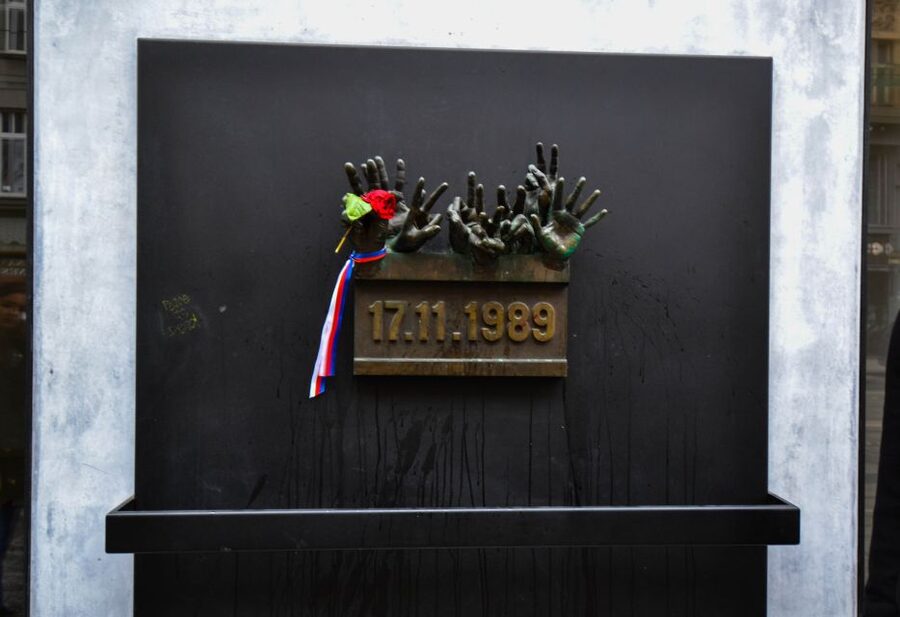
At the Velvet Revolution Memorial, you learn about the peaceful movement that helped bring communist rule to an end in Czechoslovakia. This is a useful starting point because it connects the older stories of surveillance and control with the public protests that changed the country.
The guide then points out locations around Národní Street and Wenceslas Square. These are not just convenient central Prague landmarks. They help place the political story in real streets where public events, demonstrations, and state responses unfolded.
The itinerary allows about 10 minutes at each of several city stops. That is enough for focused commentary and questions, but not enough for a long museum-style explanation at each location. I like this arrangement because the tour avoids spending the full 150 minutes indoors. You get a brief look at the city above ground before heading into the bunker below it.
The walking section may also include discussion of the biggest statue of Stalin ever built and the former headquarters of the communist secret police. These references widen the story beyond the bunker and show how public monuments, government offices, and political power shaped Prague.
The tram ride to the bunker is part of the lesson
After the central walking portion, the group uses public transportation to reach the nuclear bunker. The transfer is listed at about 10 minutes, though the full journey can vary with the group and transit conditions.
This is more than a practical connection. You leave the tourist center and see a different side of Prague before entering the bunker. One guide was praised for keeping the group together during the tram ride and helping everyone reach the museum, which matters when you are moving through a busy city with a group.
You should not treat the tram segment as free time. Listen for instructions, stay close to the guide, and keep your ticket or meeting details handy if required by the operator. The tour includes public transportation to and from the bunker, but it still involves walking between stops, stations, and the entrance.
A physical-disability warning is important here. One participant enjoyed the tour but found the walking and tram access difficult. Comfortable shoes are a must, and this is not a good choice if stairs, standing, or uneven walking are a problem.
Entering the 1950s nuclear bunker
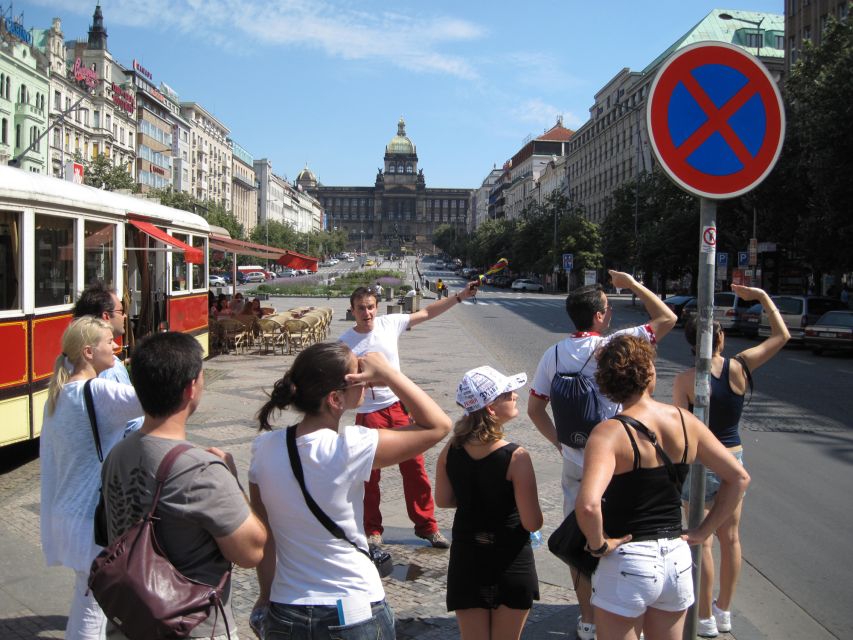
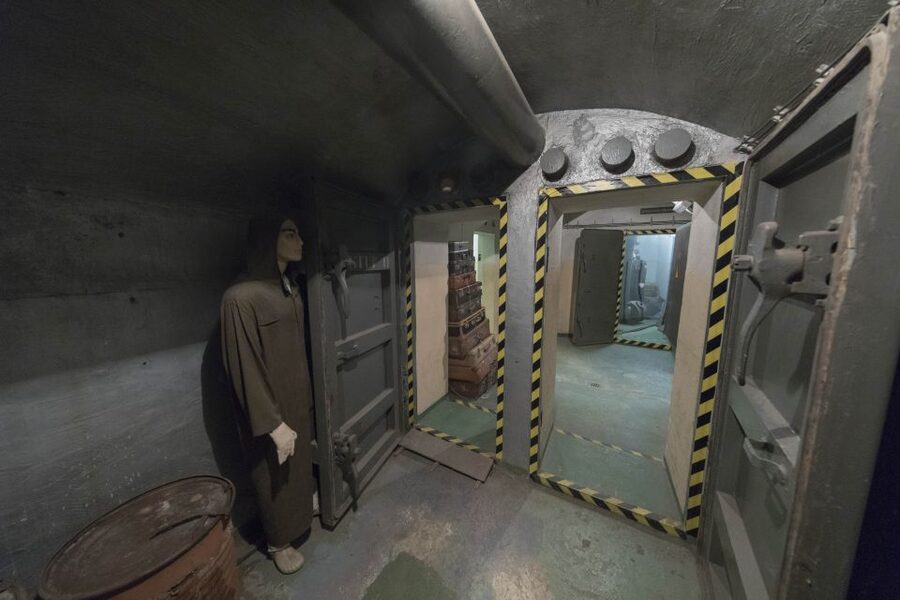
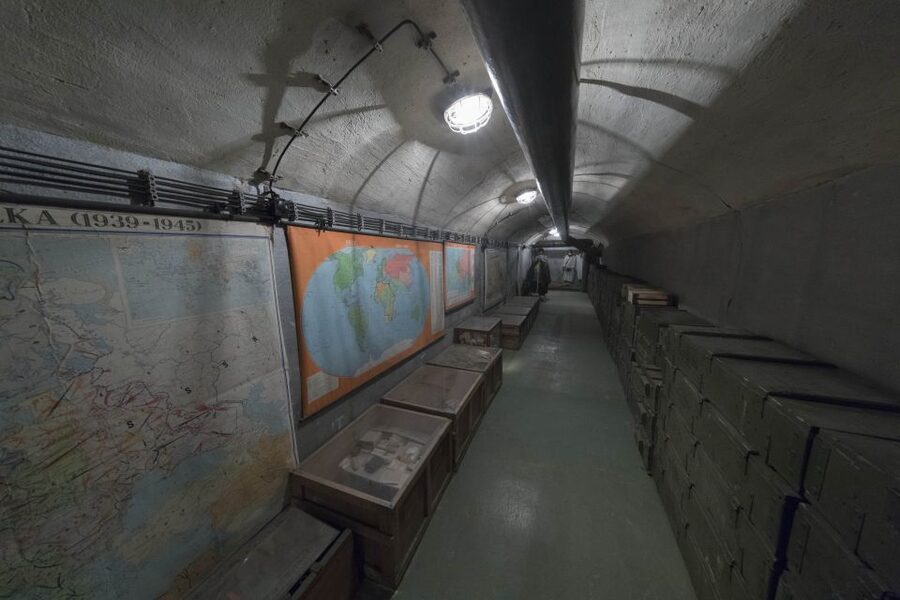
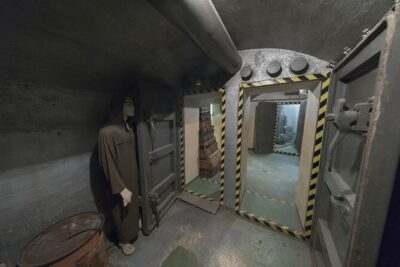
The bunker is the main event. Built in the 1950s, it was designed to hold up to 5,000 people in the event of a nuclear attack. You go roughly 50 feet underground, into a place made for mass protection rather than comfort.
The bunker visit lasts about 70 minutes, making it the longest part of the experience. That gives your guide time to explain the facility, show the exhibitions, and discuss the practical fears behind civil-defense planning during the Cold War.
The scale is one of the most memorable details. A bunker for thousands of people forces you to think beyond the image of a small private shelter. It was intended as a refuge for a civilian population, with the unsettling suggestion that an entire city might need to move underground.
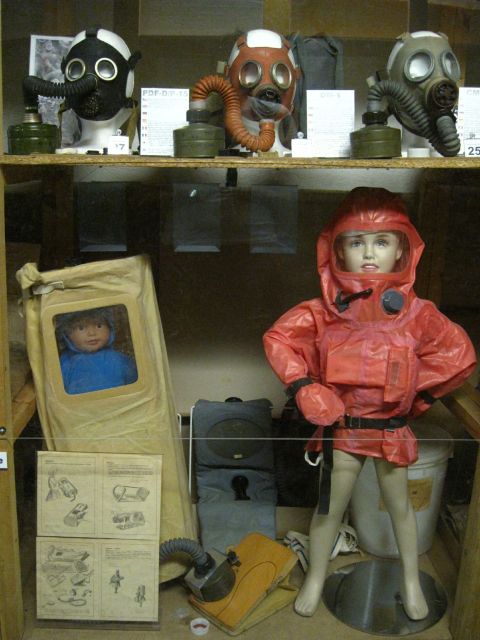
Inside, you can expect cold-war photographs, genuine equipment, and historical displays. The exhibitions help turn abstract ideas such as nuclear deterrence and civil defense into objects you can see. A gasmask workshop adds a hands-on element, and one participant particularly enjoyed the photo opportunity involving guns. Treat that as an optional novelty within a serious historical setting, not the main reason to book.
The museum is not presented as a polished modern attraction. One visitor found some exhibits in need of maintenance, and another recommended a face mask for anyone sensitive to dust. That is useful preparation. The bunker’s aged, underground character is part of its atmosphere, but it can also mean dust, tired displays, and a less comfortable environment than a typical city museum.
Photos are allowed, but video recording requires extra permission. The guide may also set rules about where and how you can take pictures, so follow instructions rather than treating the bunker like an unrestricted photo studio.
More Guided Tours in Prague:
- History and Hauntings of Salem Guided Walking Tour
★ 5.0 · 14,564 reviews - Edinburgh: Edinburgh Castle Guided History Tour with Tickets
★ 4.8 · 9,933 reviews - Historic Charleston Guided Sightseeing Walking Tour
★ 5.0 · 6,216 reviews - Rome: Colosseum with Arena, Roman Forum and Palatine Guided Tour
★ 4.0 · 5,598 reviews
What the guide contributes to the experience
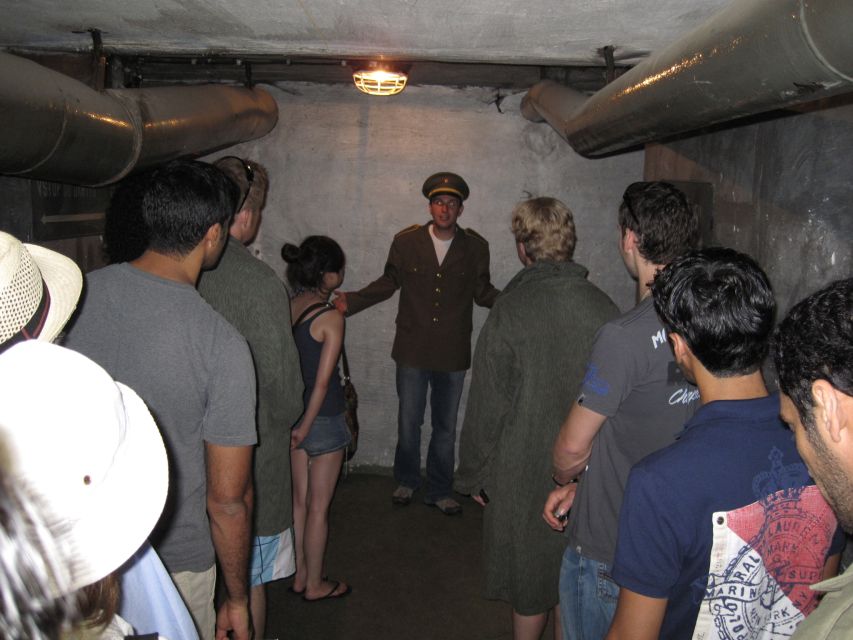
The guide can make or break a history tour, and this one relies heavily on live storytelling. The strongest accounts describe guides who are warm, funny, direct, and able to answer questions without losing the thread of the story.
Pavel is praised for his excellent English, personal anecdotes, and ability to manage a group during the walk and tram ride. Stan is singled out for his local memories of communism and the period when it ended. Ladislav is valued for explaining the atmosphere of the era from the perspective of someone who lived through it.
Other guides mentioned by name include Katerina, Maki, Paula, and L. The guide assigned to your departure may be different, but the common strength is a human approach. You hear not only what the government did, but how people adapted, stayed cautious, resisted, or simply tried to get through ordinary life.
The tour is available in English or German. You must be able to speak the selected tour language. Translation during the tour is not allowed, and the operator does not permit disruptive behavior. That may sound strict, but it helps the guide keep a clear pace and prevents one language group from being left behind.
Is $44 a fair price?
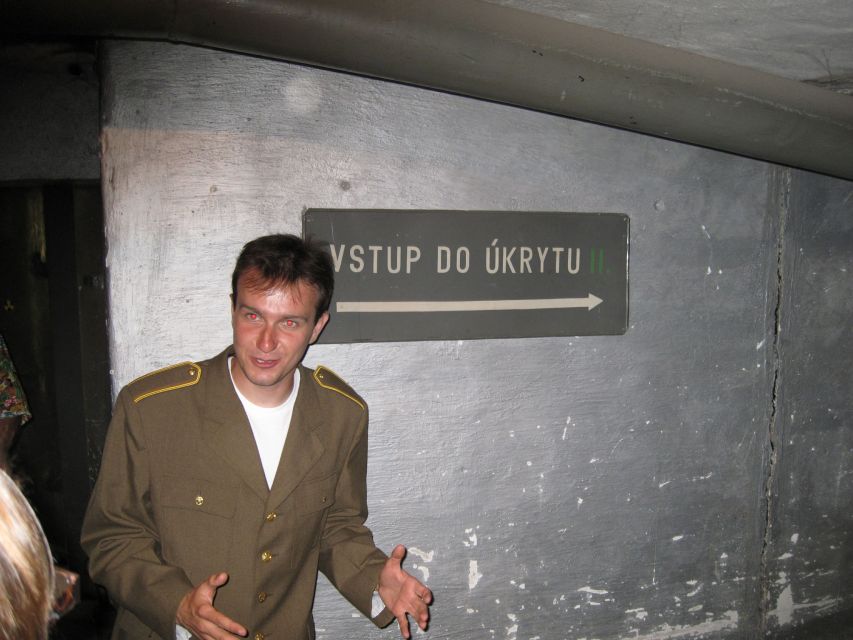
At $44 per person, this is not the cheapest walking tour in Prague. The value depends on what you want from a city visit.
You are paying for a 150-minute guided experience, entry to the bunker museum and exhibitions, a live guide, and public transportation to and from the site. A normal central walking tour would not usually include access to a large Cold War bunker, and a standard museum visit would not provide the same personal commentary or city context.
I consider the price reasonable if you have a real interest in modern Czech history, the Cold War, political change, or unusual Prague attractions. The bunker admission alone is only one part of the package. The guide connects it to the Velvet Revolution, state security, Stalin-era symbolism, and everyday life under communist rule.
The value is weaker if you mainly want grand architecture, scenic views, or a relaxed stroll. Much of the tour deals with grim subjects, and the bunker itself is functional rather than beautiful. You are paying for insight and access, not comfort or spectacle.
The duration may vary by about 10 to 15 minutes depending on group size. That is worth keeping in mind if you have another timed booking afterward.
Who should book, and who should skip it
I would recommend this tour to adults, older children who can handle serious history, and anyone curious about how political systems affect daily life. It is especially useful if you know little about communist Czechoslovakia and want a clear introduction without spending several hours in a conventional museum.
It also suits repeat visitors. The route adds a different layer to Prague, and the short tram ride takes you away from the postcard center. The bunker provides a physical setting that makes the Cold War easier to understand.
I would skip it if you have claustrophobia, heart problems, an attention disorder that makes a guided underground visit difficult, or any walking or mobility issue. Wheelchair users and people using baby strollers cannot take part because of stairs and the route conditions. Infants and the smallest children under school age are not accepted, and babies under one year are specifically excluded.
There are no toilets at the starting point, and food and drinks are not included. Do that planning before you meet the group. Pets, smoking, alcohol, drugs, costumes, and bachelor or bachelorette groups are not permitted.
Practical tips for a smoother visit
Arrive early, especially because the meeting point can vary and it is not guaranteed that you can join once the group has left. Online tickets are available up to 30 minutes before the start, but last-minute booking is not a substitute for arriving on time.
Wear normal walking shoes with good support. You will walk in the center, use public transportation, and negotiate stairs underground. Bring a light face covering if dust bothers you, particularly if you have respiratory allergies.
Check the language before booking. English and German are offered, and you need to understand the selected language without relying on someone else to translate. The live commentary is central to the experience, so missing the explanations would significantly reduce the value.
The tour offers free cancellation up to 24 hours before departure and a reserve-now, pay-later option. Those policies are useful if your Prague schedule is still changing, but the practical details of the meeting point and start time remain your responsibility.
Should you book the Prague bunker tour?
Book it if you want Prague’s recent past explained through real places, personal memories, and physical evidence. The combination of the Velvet Revolution sites, central political landmarks, tram ride, and 1950s bunker gives you a fuller picture than any one stop could provide.
I especially recommend it for visitors who value candid storytelling. Guides such as Pavel, Stan, and Ladislav have been praised for making difficult history understandable, adding humor without softening the facts, and answering questions with care.
Skip it if underground spaces make you uncomfortable or if you need a fully accessible route. For everyone else, $44 buys a focused, unusual, and thoughtful afternoon. Just bring comfortable shoes, an open mind, and enough time to let Prague’s darker decades come into view.
FAQ
How long does the Prague Communism History and Nuclear Bunker Tour last?
The tour lasts about 150 minutes. The timing can vary by roughly 10 to 15 minutes depending on group size.
What languages are available?
The tour is offered in English and German. You must speak and understand the language selected when booking.
How far underground is the bunker?
The nuclear bunker is about 50 feet underground.
How many people was the bunker designed to accommodate?
The bunker was designed to accommodate up to 5,000 people.
Does the tour include public transportation?
Yes. Public transportation to and from the bunker is included.
Is the bunker suitable for wheelchair users or people with mobility issues?
No. The route includes walking and stairs, so it is not suitable for wheelchair users or people with mobility impairments.
Can children or babies join the tour?
The tour is not suitable for infants or the smallest children under school age. Babies under one year are not accepted.
Are photographs allowed inside the bunker?
Yes, photography is allowed. Video recording requires extra permission.
Is there a cancellation option?
Yes. You can cancel up to 24 hours in advance for a full refund. You can also reserve the tour and pay later.
Just added around Prague
- Prague: World War II and Communist History Tour★ 4.7 · 130 reviews
- Prague: Immersive History Walking Tour and VR★ 4.8 · 73 reviews
- Prague: Plague Doctor Old Town History Walking Tour★ 4.9 · 204 reviews
- Absinthe Tasting Prague: Historic Cellar Experience★ 5.0 · 19 reviews
- Prague: Historic Pubs Tour with Drinks★ 4.9 · 411 reviews
- Prague: Top Sights and Historic Center Introduction Tour★ 4.9 · 1,181 reviews
- Prague: Hop-on Hop-Off Historical Tram Ticket for Line 42★ 4.1 · 1,702 reviews
- Prague Communism History and Nuclear Bunker Tour★ 5.0 · 1,742 reviews
Cold War & Communism Tours, compared.
Prague Communism History and Nuclear Bunker Tour
Read our review →
Cold War & Berlin Wall History Guided Bike Tour
Read our review →
Chisinau: Discover Soviet Heritage of Transnistria
Read our review →
Communist History Tour with House of Terror Option
Read our review →
Guided Bike tour of the Berlin Wall and Third Reich
Read our review →
Browse the lists this tour appears in