
Review · NAGASAKI
Taste Local Life: Nagasaki’s Historical Street Walking Tour
Nagasaki rewards slow wandering. This half-day tour links Chinese-influenced temples, old shopping streets, local snack stops, and Spectacles Bridge in one easy route. I like the small group limited to eight and the chance to see parts of central Nagasaki that are easy to miss on a first visit. I also like that the tour uses Nagasaki’s tram system, giving you a useful introduction to getting around.
The main trade-off is price: at $105.42 per person, this is not a cheap orientation walk, especially since food, drinks, and private transport cost extra. Still, a good guide can make the history and local customs far clearer. Past guides including Yuko, Tomomi, Masaaki, and Yuki have earned especially warm praise for their kindness, English, and ability to explain the temples.
Key points at a glance
- Chinese temple architecture: Visit Sofukuji and Kofukuji, two important temples with strong links to Nagasaki’s Chinese community.
- A practical tram introduction: Ride from Nagasaki Station toward Sofukuji, a simple way to learn the city’s public transport.
- Old streets and local shopping: Walk through Teramachi-dori and Marunouchi Naka-dori, then continue into Hamamachi Arcade.
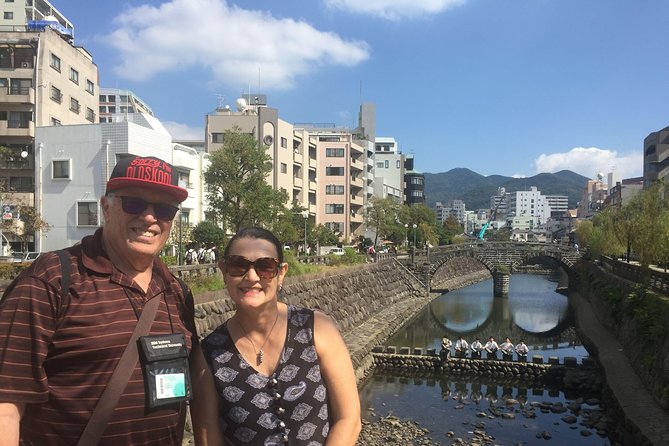
- Spectacles Bridge close-up: See Meganebashi, a stone bridge dating from 1634, along with its famous heart-shaped stone detail.
- Personal guiding: The experience is a private activity for your group, with a maximum group size of eight.
- A useful morning plan: The tour begins at 9:00 a.m. and lasts about three and a half hours, leaving your afternoon free.
Why this Nagasaki walk is worth considering
Nagasaki is not a city you understand from one viewpoint. Its story is spread through temple lanes, port connections, shopping streets, hillside neighborhoods, and religious sites shaped by contact with China and other parts of Asia. This tour gives you a compact way to connect several of those pieces.
I like the route because it avoids a checklist of only the biggest sights. You still see a famous landmark, Spectacles Bridge, but much of the time is spent moving through streets where daily shopping and local life continue. The result should feel less like a ride between attractions and more like a guided introduction to central Nagasaki.
The tour is advertised at about three and a half hours. That is long enough for a useful first look without taking over the day. If you are arriving in Nagasaki with limited time, the 9:00 a.m. start lets you continue to other sights after lunch. If you already know the city well, the value depends more on your interest in local history and temple architecture than on simply collecting famous stops.
More History Walking Tours in Japan
- Tokyo: Imperial Palace and Shogun Historical Walking Tour
★ 5.0 · 2,251 reviews - Kyoto Gion: 2-Hour Geisha Culture & History Walking Tour
★ 5.0 · 1,186 reviews - Tokyo Castle & Imperial PalaceーShogun Walking Tour
★ 4.7 · 1,068 reviews
Starting at Nagasaki Station and taking the tram
The meeting point is Hotel New Nagasaki at 14-5 Daikokumachi, close to Nagasaki Station. The tour begins at 9:00 a.m., so you will want to arrive ready to walk and avoid a rushed start.
The first transport segment uses the Nagasaki Electric Tramway. The ride toward Sofukuji takes about 10 minutes, and the tram fare is included in the experience. This is a smart choice for a walking tour. Instead of spending the whole morning on foot from the station, you quickly reach the temple area and get a basic feel for one of the city’s most useful ways to move around.
The tram also gives your guide a natural chance to explain the city’s layout and local transport. The route is not private transport, so you should expect a public tram rather than a car or reserved vehicle. That is part of the appeal, but it also means the pace is shaped by normal city travel.
Sofukuji Temple and Nagasaki’s Chinese connections
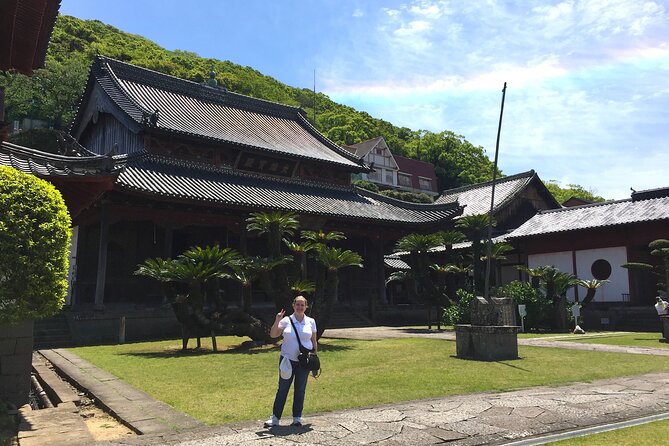
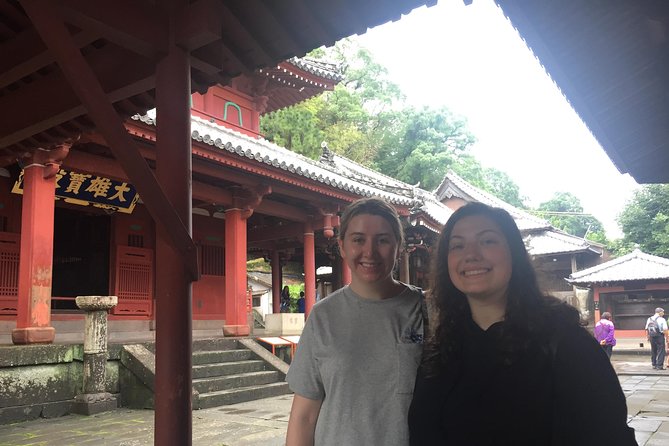
Sofukuji receives about 35 minutes, enough for a focused visit rather than an exhaustive study. It is a Rinzai temple founded in 1629 and built in the Nanchuan architectural style of China. That design makes it different from many Japanese temples, and it helps explain Nagasaki’s long connection with Chinese merchants and residents.
The Daimon Gate and Daeleon Hall, the main hall, are designated Important Cultural Properties and National Treasures. Your guide can add meaning to what you are seeing, especially if temple architecture is not familiar to you. Details that might look like decoration alone become clues to the temple’s origin and role.
I would not expect a silent, private temple retreat here. The tour has a fixed schedule, and 35 minutes passes quickly once you have entered, listened, and taken photographs. Still, the stop is well chosen. It gives the morning a strong historical anchor before the route turns toward shopping streets and the city’s everyday side.
Wear shoes that are comfortable for walking. The tour information calls for a moderate level of physical fitness, so this is not designed as a sit-down sightseeing experience. The route includes walking between stops, temple grounds, shopping streets, and the bridge area.
Kofukuji Temple and a remarkable list of local firsts
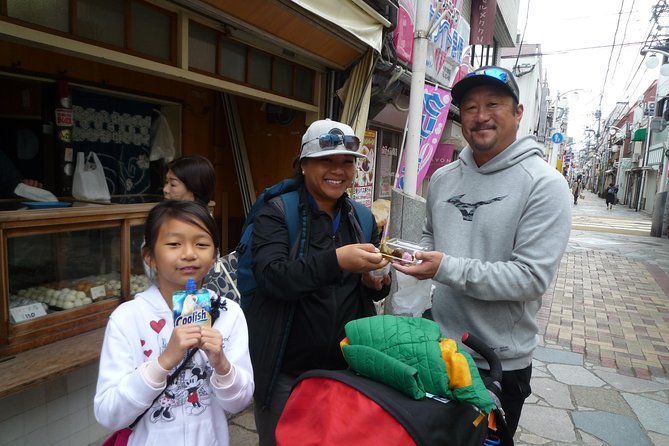
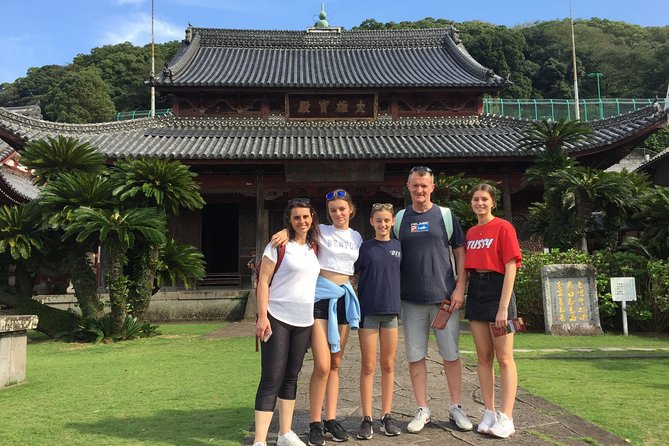
Kofukuji receives about 50 minutes, making it the longest temple stop. It is another Chinese-connected temple, but the focus here extends beyond architecture. The site is associated with the introduction of Japanese kidney beans, Mincho kanji characters, and Kofukuji dining tables.
Those details show why a local guide can add real value. A temple is not only a religious building. It can also be a place where food, writing, furniture, and cultural practices entered or changed in Japan. Without explanation, you might admire the gates and halls, then move on. With a guide, the visit can connect the temple to larger stories about Nagasaki’s international past.
The guides praised most warmly have different names, but the pattern is clear. Yuko was described as kind and deeply engaging. Tomomi was praised for her explanations of temples and shrines. Masaaki was noted for strong English, energy, and a careful sense of time, while Yuki was appreciated for friendly explanations of the Chinese temple style.
That matters because the experience depends heavily on the person leading it. The tour is not built around a large number of formal exhibits or scheduled performances. Your guide’s ability to explain, answer questions, and keep the walk moving shapes the morning.
More Local Culture and Traditions Tours in Japan
- Nara: Half-Day UNESCO Heritage & Local Culture Walking Tour
★ 4.8 · 250 reviews - Tokyo: The Best of Izakaya in Shinjuku Food & Cultural Tour
★ 4.9 · 221 reviews - 2.5 Hour Private History and Culture Tour in Himeji Castle
★ 5.0 · 185 reviews - Kyoto: Nara & Traditional Matcha Experience Bus Tour
★ 4.9 · 185 reviews
Teramachi-dori and the older shopping streets
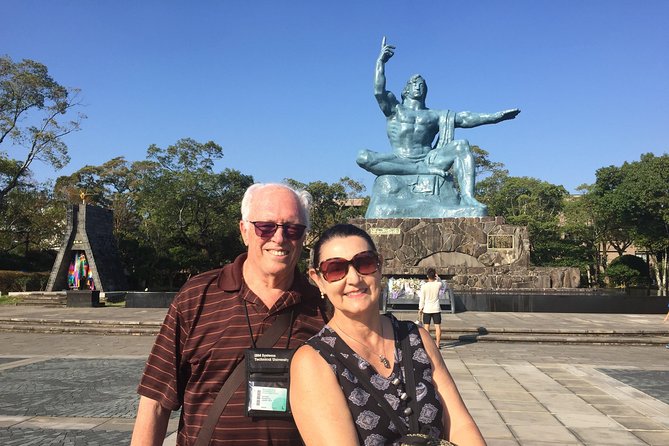
After Kofukuji, the tour moves into one of its most useful sections: the older shopping streets around Teramachi-dori and Marunouchi Naka-dori. The description points to a shopping street with the oldest history in Nagasaki, along with shops and snack stands.
This is where the title’s local-life promise becomes most relevant. You are not only looking at preserved buildings. You are walking through commercial streets that still serve people who live in the city. You might find small shops, food displays, and everyday activity that do not appear in a standard list of top attractions.
The exact food stops are not fixed in the information provided, and food and drinks are not included in the price. Plan to pay for anything you choose to eat. That is both a limitation and an advantage. You are not being charged for a set tasting menu, so you can decide what interests you and how much you want to spend.
The 50-minute portion connected with Kofukuji and the old shopping street gives the guide room to explain local products and customs. It also means you should not expect a long, leisurely shopping session. If you see something you want to buy, ask how much time is available before wandering too far from the group.
Motenashiya and the practical side of Nagasaki
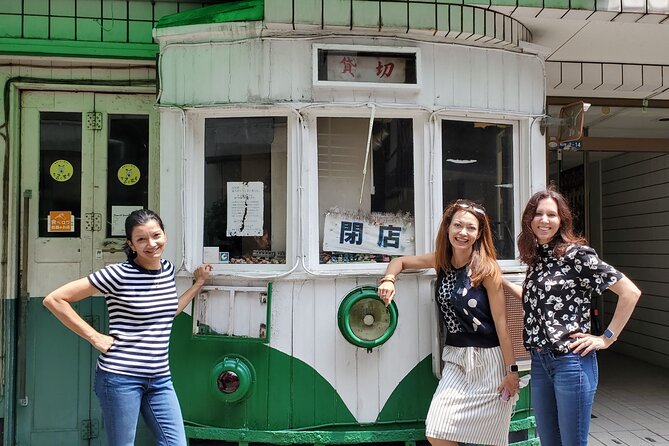
Motenashiya is a tourist information center and souvenir shop near Megane Bridge. The stop lasts about 15 minutes and is free. It offers maps and information for exploring Nagasaki, along with selected souvenirs.
This may sound like a small stop, but it can be useful late in a morning tour. By this point, you have seen several districts and may have a better idea of what you want to explore next. A map or local suggestion can help you plan the afternoon instead of simply returning to the station.
The shop is operated by its landlady, which gives the stop a more personal feel than a standard visitor office. Do not expect it to be a major attraction on its own. Its value is practical: a short chance to gather information, browse local items, and orient yourself near one of Nagasaki’s best-known bridges.
Spectacles Bridge and the 1634 stone arch
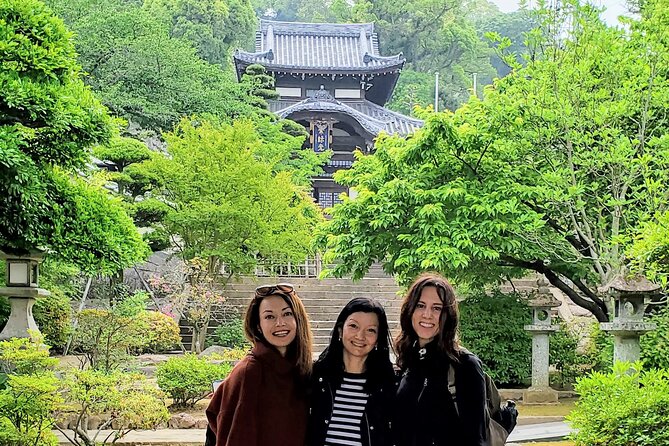
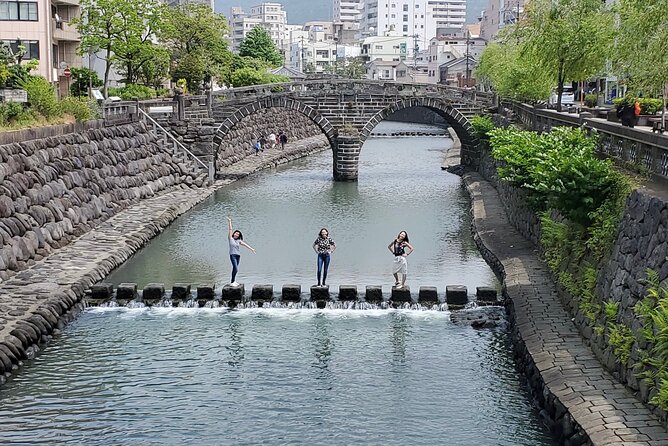
Meganebashi, or Spectacles Bridge, is the visual highlight of the walk. The stone bridge dates from 1634 and is described as the oldest existing arcuate stone bridge in Japan. Its name comes from the reflection of the two arches in the water, which can resemble a pair of spectacles under suitable conditions.
The bridge also has a heart-shaped stone detail nearby. This gives you a natural photograph stop, but the place is more than a quick picture. The bridge was connected with the entrance to Kofukuji for the native Chinese community, so it ties the earlier temple visits to the city’s wider social history.
The tour allows about 30 minutes here. That should be enough to view the bridge, hear the explanation, and take photographs without turning the visit into a rushed stop. Conditions can affect the famous reflection, so keep expectations sensible. The bridge is still worth seeing even if the water does not produce a perfect pair of spectacles.
This part of the walk also gives the route a clear sense of progress. You begin with the tram and temples, pass through older commercial streets, then arrive at one of Nagasaki’s most recognizable civic landmarks.
Hamamachi Arcade and the modern city
The final listed stop is Hamamachi Arcade, reached after the bridge area. The covered shopping arcade stretches for hundreds of meters in different directions and is decorated with local emblems and colorful banners.
This is a useful contrast with the temples. Nagasaki is not only a historic port remembered through monuments. It is also a working city with shopping districts, covered walkways, and ordinary retail life. The arcade gives you space to see that modern side before the experience ends back at the meeting point.
The stop is scheduled for about 25 minutes. That is enough for an introduction, but not enough to explore every branch of the arcade or shop at length. If you find something you want to return to, note the location and come back later. Since the tour ends at the original meeting point, you can use the afternoon for a longer visit.
Price, group size, and what the fee covers
At $105.42 per person, the tour sits in the higher-priced range for a three-and-a-half-hour city walk. The fee includes a professional guide, local taxes, the listed admission tickets, and the tram segment to Sofukuji. Food, drinks, hotel transfers, and private transport are not included.
The strongest reason to pay this price is the guide. You are paying for interpretation, route planning, and a small setting rather than for expensive transport or a meal. If you would happily visit temples and shopping streets independently using a map, the cost may feel high. If you want context and help noticing links between Chinese culture, religion, food, writing, and commerce, the fee is easier to justify.
The experience is described as private, with only your group participating, while the advertised maximum is eight people. That combination is attractive for families, couples, or friends who want a more personal pace. It also avoids the strain of a large group trying to hear a guide in a narrow street.
One practical point comes from the feedback about guide audio. A past participant suggested using whisper systems so everyone could hear more easily. That is worth keeping in mind if your hearing is limited or if the group is near street noise. Ask questions promptly and stay close enough to the guide during explanations.
Who should book this walking tour?
I would recommend it most to first-time visitors who want a structured introduction to Nagasaki without spending a full day on a bus. It also suits people who enjoy architecture, local food culture, and the small details behind familiar sights.
The tour works well for:
- Couples and families who prefer a private activity
- Visitors staying near Nagasaki Station
- People interested in Chinese influence on Japanese history
- Anyone who wants a guided morning followed by free afternoon time
- Walkers comfortable with a moderate level of activity
I would be more cautious if you dislike shopping streets, already know central Nagasaki well, or want a food tour with included tastings. The tour introduces food culture, but you must buy your own snacks and drinks. It also does not include hotel pickup and drop-off.
Free cancellation is available if you cancel at least 24 hours before the 9:00 a.m. start. Changes or cancellations made inside that window are not accepted for a refund, so keep the local cut-off time in mind.
Should you book it?
Book this tour if you want Nagasaki explained through temples, streets, food traditions, and daily shopping rather than through major sights alone. The route is well balanced, the group is small, and the guides have earned praise for warmth, English, historical explanations, and timekeeping.
Skip it if you prefer to explore independently or want a cheaper walk with no paid guide. At $105.42, the value comes from the person leading you. For many first-time visitors, that personal context is what turns Sofukuji, Kofukuji, and Spectacles Bridge from separate stops into one clear story about Nagasaki.
FAQ
Where does the tour start?
It starts at Hotel New Nagasaki, located at 14-5 Daikokumachi, Nagasaki, near Nagasaki Station.
What time does the tour begin?
The start time is 9:00 a.m.
How long does the experience last?
The walking tour lasts approximately three hours and 30 minutes.
Is transportation included?
The tram ride from Nagasaki Station toward Sofukuji is included. Hotel transfers and private transportation by taxi, car, or bus are not included.
Are food and drinks included?
No. Food and drinks are not included, so you should budget separately for any snacks or refreshments you choose to buy.
What happens if I need to cancel?
You can receive a full refund if you cancel at least 24 hours before the experience begins. Cancellations or changes made less than 24 hours before the start time are not accepted for a refund.
Just added around Japan
- Discover Ancient Nara: Private Car Tour from Kyoto or Osaka★ 5.0 · 52 reviews
- Karate History Tour in Okinawa★ 5.0 · 42 reviews
- Shirakawago & Takayama Bus Tour from Nagoya w/Optional Lunch★ 4.5 · 37 reviews
- Hiking the Historic Nakasendo Trail [1 Day Tour from Nagoya]★ 5.0 · 104 reviews
- Nagasaki WW2 History and Culture Tour★ 5.0 · 19 reviews
- Private Guided Historical Sightseeing Tour in Kyoto★ 3.5 · 24 reviews
- Kyoto Gion Historical Walking Tour★ 5.0 · 188 reviews
- Kyoto: Nijo Castle World Heritage Guided Tour with Admission★ 5.0 · 128 reviews
Local Culture & Traditions Tours, compared.

Amsterdam Food and Cultural Tour with Tastings
Read our review →
Sevilla Food Tour: Tapas, Wine, History & Traditions
Read our review →
Tromsø: Reindeer Camp and Sami Cultural Tour with Lunch
Read our review →
Half Day Dominican Republic Cultural Tour : Small Group
Read our review →
Ultimate Melbourne Walking Tour: History, Laneways & Culture
Read our review →
Tromsø: Sámi Reindeer Sledding and Sami Cultural Tour
Read our review →
Kyoto Gion: 2-Hour Geisha Culture & History Walking Tour
Read our review →
Marrakech Historical and Cultural Tour – Half Day City Tour
Read our review →Browse the lists this tour appears in