
Review · NAGASAKI
Nagasaki WW2 History and Culture Tour
Nagasaki tells a difficult story well. This full-day private tour links the city’s WWII sites with quiet shrines, ceramics, sake, and sweeping views, giving you more than a museum visit. I like the wide mix of stops and the personal guidance from Shannon Lefebvre, whose route reaches places many visitors would miss. I also like that lunch, drinks, transport, and key admissions are covered.
The main drawback is the pace. Ten stops in roughly seven to nine hours means some visits last only 20 or 30 minutes, and the wartime material can be upsetting. You also need good weather, while the strict cancellation terms make advance planning important.
Key points at a glance
- A private tour for up to three people: The $656.88 group price makes the most sense for a small party sharing one vehicle and guide.
- WWII history beyond the main museum: Hario Radio Tower, Mukyudo, and Katashima Torpedo Base add context rarely found in a standard city outing.
- Nagasaki’s Atomic Bomb Museum included: You get admission to both the museum and Inasayama Observation Deck.
- A full day outside central Nagasaki: Saikai Bridge, Hasami ceramics, Umegae Sake Brewery, and Sohonzan Shrine broaden the experience.
- Food and drinks are built in: Lunch may be served on the go or as a picnic, with still and sparkling water plus alcoholic and nonalcoholic drinks provided at certain times.
- A guide-led route with flexibility: Shannon Lefebvre’s local knowledge and willingness to adjust the day are major parts of the value.
One day, several sides of Nagasaki
Nagasaki is not a city you can understand through one landmark. Its WWII past is central, but so are its religious traditions, craft industries, food, trade connections, and surrounding towns.
This tour tries to show that full picture in a single outing. You move from a giant shrine gate to fast tidal waters, wartime communication towers, a sake brewery, school shelters, a torpedo base, a ceramic center, Peace Park, the Atomic Bomb Museum, and Mount Inasa.
That range is the tour’s strongest feature. You are not spending seven hours inside museums, and you are not getting only a quick photo stop at Peace Park. You see how Nagasaki’s difficult past fits into a larger regional story.
It is also a private experience for your group only, with a maximum of three people. That matters here. The subject is serious, and a private setting gives you more room to ask questions, pause, or adjust the rhythm of the day than a large coach tour would.
The schedule is full, though. Most stops last 30 minutes, with shorter visits at Mukyudo and Mount Inasa. You should expect a brisk route rather than long, unhurried time at each site.
More Local Culture and Traditions Tours in Japan
- Kyoto Gion: 2-Hour Geisha Culture & History Walking Tour
★ 5.0 · 1,186 reviews - Nara: Half-Day UNESCO Heritage & Local Culture Walking Tour
★ 4.8 · 250 reviews - Tokyo: The Best of Izakaya in Shinjuku Food & Cultural Tour
★ 4.9 · 221 reviews
Starting at Sohonzan Shrine
The first stop, Sohonzan Shrine, begins the day with scale and quiet. Its huge torii gate immediately signals that this is not a small neighborhood shrine.
You get about 30 minutes here, enough to take in the entrance and the cultural setting without turning the visit into a long formal lesson. The shrine gives the day a useful opening because it places Nagasaki’s wartime story within Japan’s older religious traditions.
I like this choice. Starting with a peaceful cultural site can help you get your bearings before the heavier material later. It also gives the tour a more local feel than beginning with the most famous memorials.
The limitation is simple: if shrines are not a major interest, this will be a short introductory stop rather than a major attraction. Shannon’s explanation is likely to be especially useful here, since the value comes from understanding what you are seeing, not just photographing the gate.
Saikai Bridge and the Hario Straits
At Saikai Bridge, the subject shifts from religion to nature and engineering. The bridge crosses the Hario Straits, known for powerful currents and whirlpools as seawater moves through the narrow passage during changing tides.
You have about 30 minutes to look out over the strait and take in the setting. This is a good reminder that the tour is not confined to central Nagasaki. It carries you into the wider prefecture, where the geography helps explain local life and transport.
The water can be the star of this stop, but the timing of the tides affects what you see. Do not expect a dramatic whirlpool display every time. The stop is best viewed as a scenic break with a strong local fact behind it, not as a guaranteed natural spectacle.
Still, the contrast works well. After Sohonzan Shrine, you are suddenly beside fast-moving water and a major bridge. The day keeps changing its subject.
Hario Radio Tower and the road to war
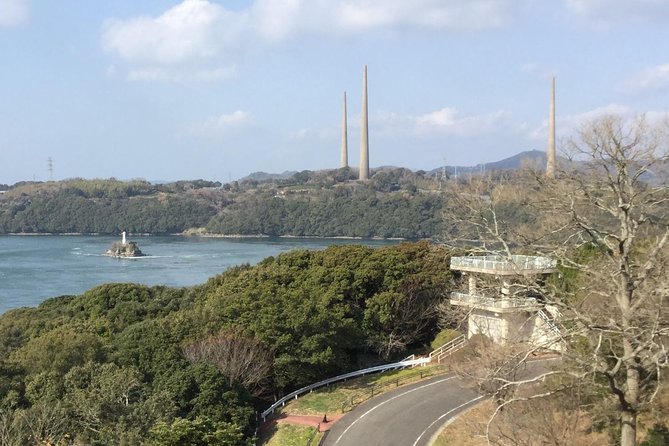
The Hario Transmission Towers are among the most historically unusual stops. They were connected with the message sent by officials to proceed with the attack on Pearl Harbor, making the site part of the communications story behind the Pacific War.
You get roughly 30 minutes here. The importance is not in a polished museum display, but in standing at a real location tied to a major event.
This is exactly the kind of stop that can be missed when you visit Nagasaki on your own with limited time. It gives the WWII portion of the tour more depth by showing that war depended on messages, orders, and communication systems, not only battlefields and memorials.
Because the visit is short, your guide matters. Shannon Lefebvre is the person who connects the physical site with the historical meaning. I would listen closely and ask questions here, since the tower’s significance may not be obvious from the structure alone.
More WWII and D-Day Tours in Japan:
- Hiroshima Peace (Heiwa) Walking Tour at World Heritage Sites
★ 5.0 · 872 reviews - Vienna: World War II Historical Walking Tour
★ 4.8 · 1,772 reviews - Zagreb: City & History Walking Tour & WW2 Tunnels
★ 4.9 · 1,202 reviews - Pearl Harbor History Remembered Tour from Ko Olina
★ 5.0 · 1,009 reviews
Umegae Sake Brewery and a change of mood
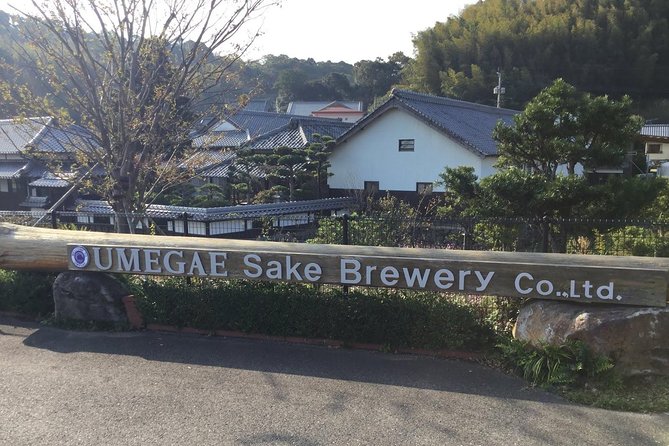
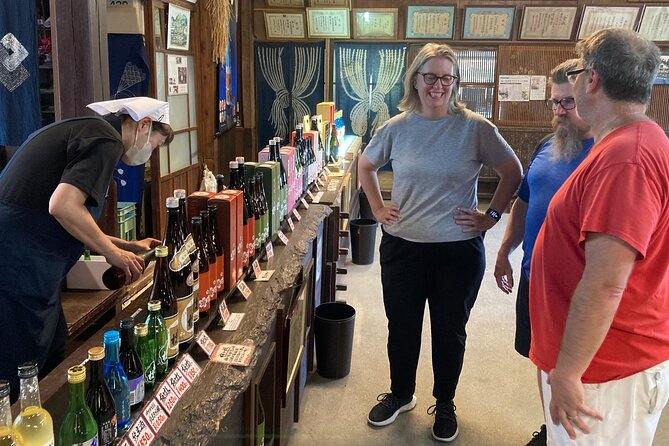
Umegae Sake Brewery provides a welcome change of pace. After the serious subject of wartime communications, you move into one of Japan’s best-known food and drink traditions.
The scheduled visit lasts about 30 minutes. The experience includes alcoholic and nonalcoholic beverages at certain times during the day, but you should not treat this as an unlimited tasting session. The tour also provides still and sparkling water throughout the day, which is helpful during a long route with several outdoor stops.
A brewery visit adds a human, everyday side to Nagasaki Prefecture. It shows production and hospitality rather than destruction, and it helps keep the day from becoming emotionally exhausting.
The timing is brief, so this is more of an introduction than a long brewery tour. If sake is a major interest, you may want to ask Shannon what can be covered during the available half hour. The included drinks and the chance to see a regional producer still add good value.
Mukyudo and Katashima Torpedo Base
Mukyudo is a former air-raid shelter connected with Miyamura Elementary and Junior High School. Its unusual feature is that it served both male and female students, giving the site a direct link to civilian life during WWII.
You have about 20 minutes here. That short visit can still be powerful because an air-raid shelter makes the war feel close to ordinary families and children, rather than distant military leaders and maps.
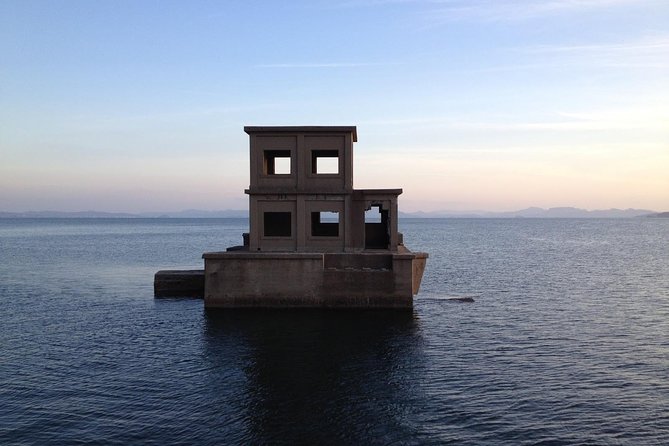
The Katashima Torpedo Base Ruin gives the wartime story another angle. The site includes a large empty building that served as training facilities. Its plain, abandoned appearance is part of the impact. You are not visiting a neatly packaged attraction. You are seeing a former military place whose meaning depends heavily on the guide’s explanation.
Together, these two stops show different sides of wartime Nagasaki. Mukyudo points to civilian protection and school life. Katashima points to military preparation. The contrast is useful, though the short schedule means you should not expect extensive time to explore either location.
Hasami ceramics and Nagasaki’s creative side
Hasami Ceramics Museum brings craft into the day. Hasami porcelain is a major part of the area’s identity, and the museum displays Japanese ceramics with a focus on Hasami work.
The stop is listed at about 30 minutes, but the broader Hasami area can reward people who enjoy pottery, porcelain, and small handmade objects. One of the tour’s accounts describes taking time to search for small ceramic pieces, suggesting that the craft portion can become especially enjoyable for shoppers and collectors when time allows.
This is also a good counterpoint to the WWII sites. You see a regional tradition built around design, making, and daily use. That shift helps explain why this is called a history and culture tour rather than only a war tour.
The catch is that half an hour passes quickly in a ceramics center. If you want to browse carefully or buy pieces, tell Shannon early. Weather and the day’s timing can affect how much flexibility you have.
Peace Park and the Atomic Bomb Museum
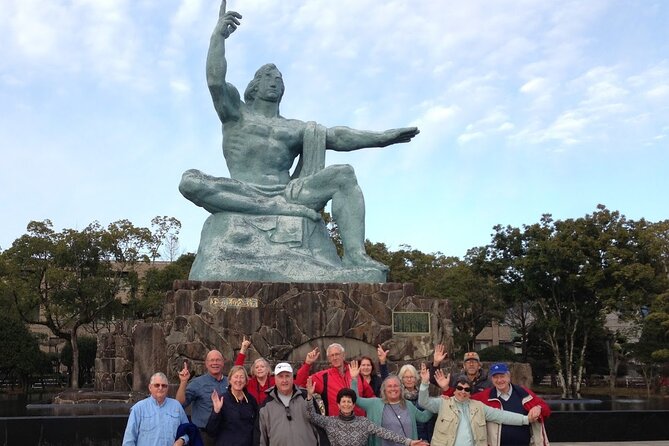
Nagasaki Peace Park is the emotional center of the tour. The grounds offer space to walk, reflect, and consider the human cost of the atomic bombing.
The visit is scheduled for about 30 minutes, followed by around 35 minutes at the Atomic Bomb Museum. Admission to the museum is included, which removes one extra expense and keeps the group moving.
The museum is sobering. Its photographs, objects, and personal accounts can be graphic and upsetting. You should be ready for a serious visit, especially if you are traveling with children or anyone who may find wartime images difficult.
Thirty-five minutes is enough for an introduction, but not enough to read every display at length. If the museum is your main reason for visiting Nagasaki, you may want a separate, longer visit on another day. On this tour, the museum works as one part of a much wider route.
I like the pairing of Peace Park and the museum. The park gives you room to think, while the museum supplies personal detail and evidence. Together they prevent the history from becoming an abstract date in a textbook.
Mount Inasa and the final view
The final stop is the Inasayama Observation Deck, with admission included. At about 20 minutes, this is a quick finish, but the view can put the whole day into perspective.
The deck offers a broad view over Nagasaki. Daylight gives you a clear sense of the city’s hills, water, and built-up areas, while an evening visit can offer a more dramatic city view. The timing of this tour may not guarantee a full night scene, so keep your expectations practical.
Ending at a high viewpoint is a smart choice. After spending the day with difficult history and small local sites, you get a chance to see how the city fits together physically. The view is not a substitute for the history, but it gives the day a calm closing note.
Lunch, drinks, transport, and the real value
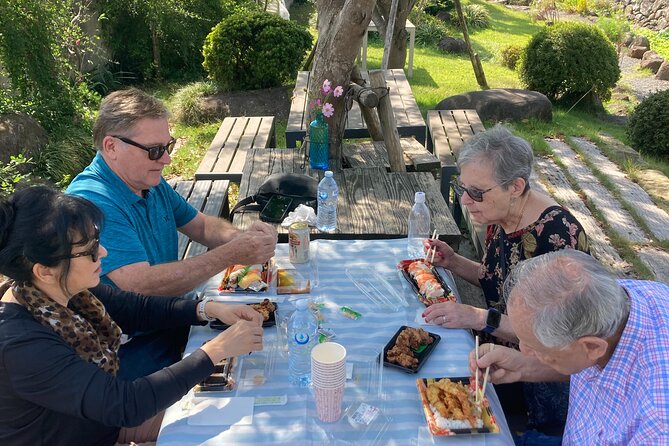
Lunch is provided either on the go or as a sit-down picnic, depending on weather and time. That flexibility matters because the route covers many stops and does not follow the rhythm of a standard restaurant-based city tour.
A picnic can be pleasant in good weather, while a meal on the go protects the schedule when the day is tight. The supplied information also points to ramen and Nagasaki’s famous chanpon as meals enjoyed during the tour, but the exact lunch format can vary.
You receive private transport in an air-conditioned vehicle, onboard WiFi, bottled water, and alcoholic and nonalcoholic drinks at certain times. Pickup is offered, which is useful when you are trying to cover sites outside the city center.
The price is $656.88 per group of up to three. For three people, that works out to about $219 per person before considering the included admissions, food, drinks, private vehicle, and guide. For one person, it is a costly day. For a couple or a trio, the price is easier to justify, especially if you value a private route and would otherwise need to arrange transport across several parts of the prefecture.
The tour is commonly booked about 65 days ahead, so popular dates may require planning. The experience is non-refundable and cannot be changed after booking, except when poor weather forces cancellation. Since the tour requires good weather, check the forecast carefully before committing.
Who should book this Nagasaki day?
I would recommend it most strongly to a small group that wants history with local culture, not a simple list of famous city sights. It suits people interested in WWII, Japanese customs, ceramics, sake, scenic stops, and the wider Nagasaki area.
It is also a good fit if you have only one full day and want transport arranged for you. Shannon’s role is important, especially at the radio towers, shelters, and military ruins where context makes the difference between a meaningful stop and an empty building.
You may want another option if you prefer a slow museum day, dislike moving frequently, or want to spend hours at the Atomic Bomb Museum. The itinerary is ambitious, and the short stops require you to keep moving.
The tour has a 4.9 rating from 19 reviews, with 100 percent recommending it. The strongest praise centers on Shannon, the unusual WWII locations, the warm atmosphere, and the way the day works for different interests. Two people from Nagasaki even found several stops unfamiliar, which says something about how far the route reaches beyond the usual city circuit.
Should you book it?
Book this tour if you want Nagasaki’s wartime story placed beside its shrines, food, crafts, waterways, and views. The private format, included museum admission, lunch, drinks, and transport make the group price reasonable for two or three people.
Skip it if you want a slow, single-theme visit or if the strict cancellation terms worry you. For the right small group, this is a thoughtful and unusually broad day with Shannon Lefebvre, and it reaches parts of Nagasaki that are easy to miss on your own.
FAQ
How long does the Nagasaki WWII History and Culture Tour last?
The tour lasts approximately seven to nine hours.
How many people can join the private tour?
The tour is private and accommodates up to three people in your group.
Is admission to the Atomic Bomb Museum included?
Yes. Admission to the Nagasaki Atomic Bomb Museum is included.
Is admission to the Inasayama Observation Deck included?
Yes. Admission to the Inasayama Observation Deck is included.
Is lunch provided?
Yes. Lunch is provided either on the go or as a sit-down picnic, depending on the weather and time available.
What happens if bad weather cancels the tour?
If poor weather causes the experience to be canceled, you are offered another date or a full refund.
Just added around Japan
- Discover Ancient Nara: Private Car Tour from Kyoto or Osaka★ 5.0 · 52 reviews
- Karate History Tour in Okinawa★ 5.0 · 42 reviews
- Shirakawago & Takayama Bus Tour from Nagoya w/Optional Lunch★ 4.5 · 37 reviews
- Taste Local Life: Nagasaki’s Historical Street Walking Tour★ 5.0 · 27 reviews
- Hiking the Historic Nakasendo Trail [1 Day Tour from Nagoya]★ 5.0 · 104 reviews
- Private Guided Historical Sightseeing Tour in Kyoto★ 3.5 · 24 reviews
- Kyoto Gion Historical Walking Tour★ 5.0 · 188 reviews
- Kyoto: Nijo Castle World Heritage Guided Tour with Admission★ 5.0 · 128 reviews
WWII & D-Day Tours, compared.
Pearl Harbor History Remembered Tour from Ko Olina
Read our review →
Hiroshima Peace (Heiwa) Walking Tour at World Heritage Sites
Read our review →
Pearl Harbor & USS Arizona Small-Group Tour [Early Access]
Read our review →
Anne Frank and the Jewish History of Amsterdam Private Tour
Read our review →
Browse the lists this tour appears in