
Review · BUDAPEST
Communist History Evening Walking Tour of Budapest
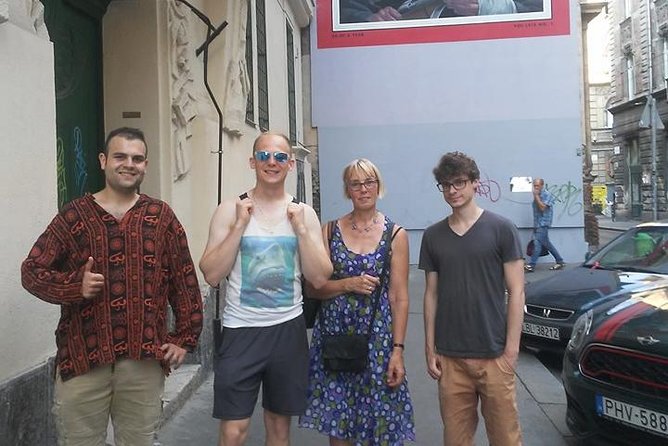
History walks best after dark. This two-hour Budapest tour follows the city’s communist-era scars from Blaha Lujza tér to Parliament, linking public squares, churches, monuments, and the 1956 uprising. I like the small group of no more than 15 and the way the route connects political history with daily life. I also like that the walk ends at Parliament, beside the red-line metro and tram 2.
The main drawback is simple: you must cover about 3 kilometers on foot, and some explanations take place in noisy or crowded public areas. The tour also requires good weather, so it is less dependable than an indoor museum visit.
Key points about the Budapest communist history walk
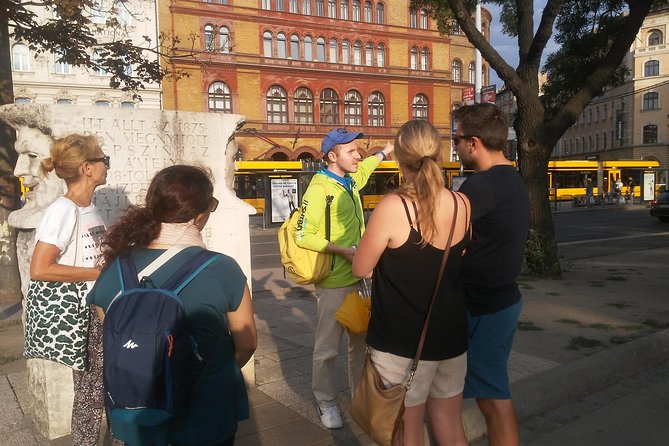
- Start at 6:00 pm: The evening timing gives you a cooler, more atmospheric way to see central Budapest.
- Walk from Blaha Lujza tér to Parliament: The route ends at Kossuth Lajos tér, with easy public transport nearby.
- Cover around 22 historical locations and monuments: The route passes through districts VIII, VII, VI, and V.
- Hear how communism affected religion: St. Stephen’s Basilica provides a strong setting for this part of the story.
- Stand where the 1956 uprising turned deadly: Parliament and Liberty Square connect political events to places you can see today.
- Pay $36.01 for a small English-language group: Bottled water is included, and the guide can give more attention than a large group allows.
Why this walk adds something a museum cannot
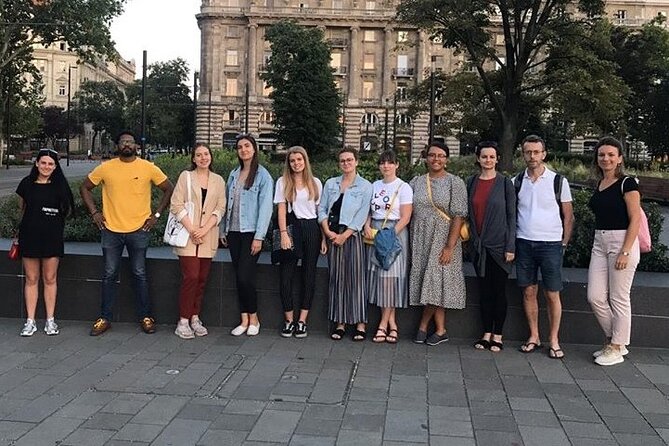
Budapest has museums that cover communism, but this tour puts the subject on the streets where events unfolded. You are not only looking at photographs or display cases. You are standing in the squares, avenues, and public spaces shaped by the system.
I like that the route appears to treat communism as part of present-day Hungary, not as a sealed chapter. Guide Victoria, who has been described as a university history professor, brings the period into modern life with personal stories, social context, and a clear explanation of how the past still affects Hungarian society.
That is the strongest reason to book this walk. You can read about the 1956 uprising in a book, but standing near Parliament while hearing about the bloodshed gives the event a sharper sense of place. The same is true at Liberty Square, where economic change, political control, and public protest meet in one location.
The route is also broader than the three named highlights. It covers about 22 locations and monuments across districts VIII, VII, VI, and V. Some places are beautiful. Others may look ordinary or even slightly worn. That is part of the point. Communist history is not confined to grand buildings. It is also found in streets and corners that continue to serve normal city life.
More Cold War and Communism Tours in Budapest:
- Budapest: Communist History Tour with House of Terror Option
★ 4.8 · 182 reviews - Prague: Communism History and Nuclear Bunker Guided Tour
★ 4.7 · 2,417 reviews - Prague Communism History and Nuclear Bunker Tour
★ 5.0 · 1,742 reviews
Blaha Lujza tér begins the evening route
The meeting point is Blaha Lujza tér, in Budapest’s eighth district. The walk begins at 6:00 pm and then moves toward central Budapest.
This starting point gives the tour room to explain how the city changed under communism before reaching its most famous monuments. The route continues along Andrássy Avenue, where the guide discusses changes to the area and former monuments.
Andrássy Avenue is an effective opening because it helps you notice that cities are edited over time. Monuments may be removed, renamed, altered, or given new meaning. You will hear about those changes while walking through the city rather than receiving them as an abstract list of dates.
The walk is conducted in English, and the small group size should make it easier to hear the guide and ask questions. That matters on a city street. You may need to gather around a particular spot, then move aside for pedestrians, traffic, or public activity.
Bring comfortable shoes. The distance is about 3 kilometers, and the tour lasts roughly two hours. That is manageable for most people who can walk or use a wheelchair independently, but it is not a stationary talk.
St. Stephen’s Basilica and the pressure on religion
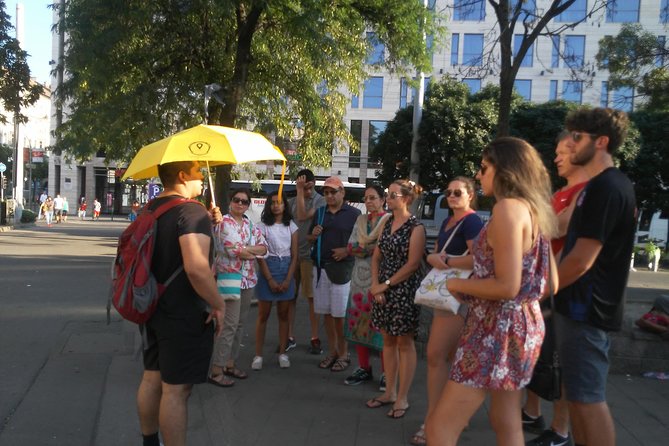
The first named stop is St. Stephen’s Basilica, or Szent István Bazilika. You spend about 10 minutes here, and there is no admission charge for the tour.
The basilica is used to explain how communism affected the Hungarian church and religious life. This is a useful change of focus. Political history is often told through governments, protests, prisons, and economic policy. Religion shows how the system also shaped institutions, belief, and public identity.
The stop includes the story of a famous Hungarian football player who fled the communist system and was later buried at the basilica. That personal thread gives the wider political story a human scale. Instead of hearing only about official policy, you hear how the system could affect an individual’s choices, movement, and public memory.
You should not expect a long interior visit or an extended architectural tour here. The emphasis is on the basilica as a place connected to Hungarian religion and national memory. That makes the stop short but meaningful.
The square can also be active. A past tour participant suggested that explanations would sometimes be easier to follow away from noisy fountains, unpleasant corners, or heavy foot traffic. I would keep that in mind without treating it as a major flaw. Outdoor guiding requires flexibility, and the guide may need to adjust position for sound and safety.
Liberty Square connects finance, protest, and power
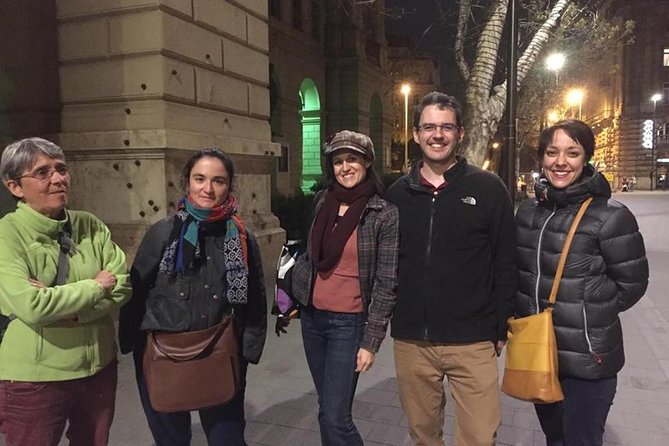
Liberty Square is one of the most important stops on the route. You spend about 15 minutes here, and no admission ticket is needed.
The square once housed the stock exchange, which was closed at the beginning of the communist period. That detail makes the location more than a pretty open space. It shows how communism changed economic life as well as political leadership.
The square was also the site of bloody protests. Here, you can connect the closure of an important financial institution with the public unrest that followed the new system. The guide’s job is not simply to point out a building. It is to explain what changed, who held power, and how people resisted.
I like this stop because it brings several subjects together in one place: money, government, protest, and memory. You may find it more thought-provoking than visually dramatic. The value is in the story attached to the square.
The tour also includes a visit to a war memorial site and discussion of how Hungarians resisted communism. The focus is on sacrifice and the path to freedom. This gives the walk an emotional center without turning it into a simple triumph story.
Allow the guide room to explain competing memories. Public spaces can carry more than one political meaning, and the most useful part of the experience is hearing how those meanings changed over time.
More History Walking Tours in Budapest:
- Budapest Historical Sightseeing – Free Walking Tour
★ 5.0 · 1,302 reviews - BloodThirsty Hungary: Walking tour & Dark Historical Stories
★ 4.9 · 633 reviews - Budapest Jewish Heritage Memorial Walking Tour & Synagogue Entry
★ 5.0 · 568 reviews - Budapest: Jewish History Guided Walking Tour with Historian
★ 4.8 · 205 reviews
Parliament Square and the 1956 uprising
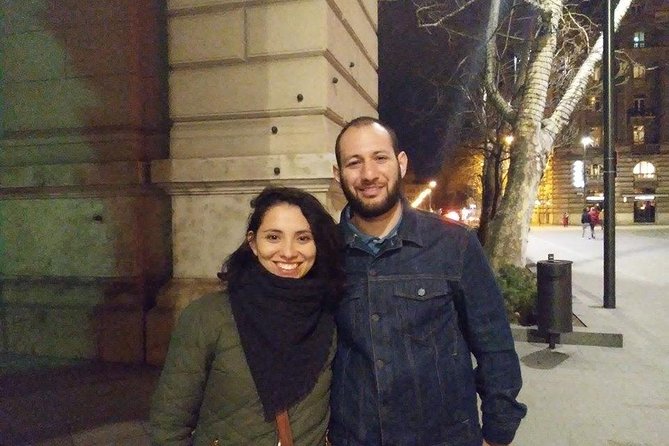
The walk ends at the Hungarian Parliament Building, at Kossuth Lajos tér. This is the final named stop and another 15-minute section of the tour.
The square is closely tied to the 1956 uprising against the ruling Communist Party. Considerable blood was shed here, making Parliament more than an impressive riverside building. The tour gives you the setting in which Hungarians challenged the system and paid a heavy price.
This final stop works well because the walk moves from broad changes in the city to a major national confrontation. By the time you reach Parliament, you have already discussed religion, economic control, public protest, monuments, and resistance.
The end point is practical, too. You finish near Kossuth red-line metro station and tram 2. That makes it easy to continue your evening without retracing the route. You can also use the location as a starting point for your own look around Parliament Square, though the walking tour itself does not include a Parliament interior visit.
If you want a tour built around grand interiors or long museum visits, this will not be the right format. If you want to understand why this square matters, the location-based explanation is the main reward.
Victoria’s guiding style and the small-group advantage
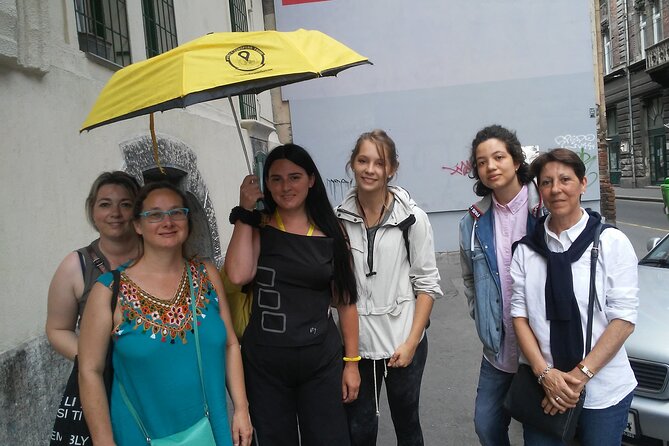
Victoria receives especially warm praise for her clear English, humor, enthusiasm, and ability to answer questions. Her background as a university history professor adds weight to the discussion, but the important point is how she uses that background. The best comments describe a guide who explains both historical events and what it is like to live in Budapest today.
That combination is valuable. Dates and political labels can tell you what happened. A local perspective helps you understand why the subject still matters.
A group capped at 15 people is a good fit for this type of walk. You are more likely to hear the explanation, ask a follow-up question, and stay connected to the guide while crossing busy streets. It is not a private tour, so the level of personal attention will depend on the final group size, but the limit keeps the experience from becoming a moving crowd.
The guide’s enthusiasm seems to be one of the main strengths. That matters with a serious subject. Communist history includes repression, protest, bloodshed, and forced change. A lively guide can keep the walk focused without making the subject feel like a dry classroom lecture.
What the $36.01 price gives you
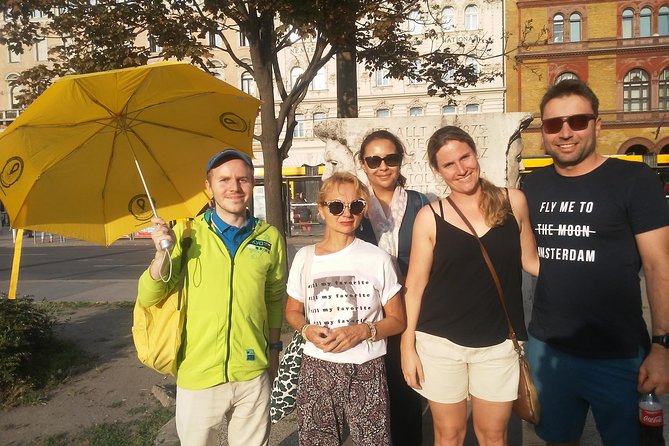
At $36.01 per person, this is not the cheapest way to see Budapest. You can walk through the same public spaces on your own for free. The price pays for interpretation, structure, historical context, and the chance to ask questions during the route.
I think the value is strongest if you already know you want to study Hungarian communism. A self-guided walk may show you Parliament, Liberty Square, and the basilica, but it will not automatically explain why each place matters or connect the locations into one story.
The price also includes bottled water, which is a small but useful touch on a 3-kilometer walk. Alcoholic drinks, parking, and unrelated equipment or facility fees are not included, though those exclusions should not affect most people using this central walking route.
The tour is usually booked about 26 days ahead. That suggests you should reserve early if your Budapest dates are fixed, especially if you want the small-group format and the 6:00 pm start.
Who should book this evening walk
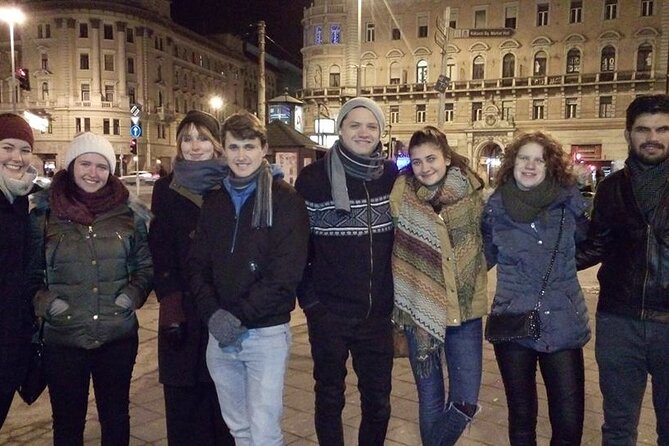
I would recommend it to you if you enjoy political history, city walking, and stories that connect past events to modern life. It is especially useful early in a Budapest visit, because the route can give you a framework for understanding several central areas.
It also suits people who prefer real streets to museum rooms. You will see the places connected with major events rather than simply hearing about them indoors.
The walk may be less suitable if you want a relaxed sightseeing stroll with little serious discussion. The subject includes protests, sacrifice, and bloodshed. You should also consider the 3-kilometer distance, the possibility of noisy outdoor settings, and the dependence on good weather.
If you have time after the tour, the Museum of Terror was specifically suggested as a useful follow-up for anyone who wants more on the communist period. That museum is not included, so treat it as a separate addition to your Budapest plans.
Practical details before you reserve
The tour starts at Blaha Lujza tér and ends at Kossuth Lajos tér, beside Parliament. Since the start and finish are in different parts of central Budapest, plan your route to the first meeting point and avoid arriving late.
You receive booking confirmation at the time of reservation. The experience is offered in English, service animals are allowed, and it is close to public transportation.
You need to be able to walk or wheel yourself for about 3 kilometers. Most people can participate, but the walk includes public streets and changing outdoor conditions.
Cancellation is free up to 24 hours before the 6:00 pm start time. If the tour is canceled because of poor weather or because the minimum group size is not met, you can receive another date, another experience, or a full refund.
Should you book the Communist History Evening Walking Tour?
Book this tour if you want Budapest’s communist past explained through actual places, not just dates and displays. The strongest features are Victoria’s engaging style, the small group, the route through 22 locations and monuments, and the powerful finish at Parliament.
Skip it if you want a purely scenic walk, an indoor experience, or a tour with no difficult political subject matter. For an English-speaking visitor who wants context, questions, and a closer look at how communism shaped Hungarian society, $36.01 is a fair price for two focused hours.
FAQ
How long is the Communist History Evening Walking Tour of Budapest?
The tour lasts approximately two hours.
What time does the tour start?
The tour starts at 6:00 pm.
Where does the tour begin?
The meeting point is Blaha Lujza tér, Budapest, 1085 Hungary.
Where does the tour end?
The tour ends at Kossuth Lajos tér 1-3, beside the Hungarian Parliament Building. It is close to Kossuth red-line metro station and tram 2.
What language is the tour offered in?
The tour is offered in English.
How far do I need to walk?
You must be able to walk or wheel yourself for about 3 kilometers.
How many people can join the tour?
The maximum group size is 15 people.
Is bottled water included?
Yes. Bottled water is included.
Can I cancel for a full refund?
Yes, if you cancel at least 24 hours before the experience start time. Poor weather or failure to meet the minimum number of participants may also result in an alternative date or a full refund.
Just added around Budapest
- Private Jewish Heritage Tour including Hotel Pickup★ 4.5 · 35 reviews
- Time Machine Budapest Historical Exhibition Ticket★ 5.0 · 32 reviews
- Jewish Heritage in Hungary with a Historian★ 5.0 · 37 reviews
- Jewish Heritage / Full tour★ 5.0 · 59 reviews
- Budapest Jewish Heritage: Synagogues, Shoes, Secrets & Flódni★ 5.0 · 47 reviews
- Michael Jackson History Exhibition Ticket★ 5.0 · 42 reviews
- Budapest Historic Downtown Bicycle Tour in small groups★ 5.0 · 288 reviews
- HOLLÓKŐ UNESCO World Heritage site + Eger Castle Private guided tour★ 4.5 · 18 reviews
Cold War & Communism Tours, compared.
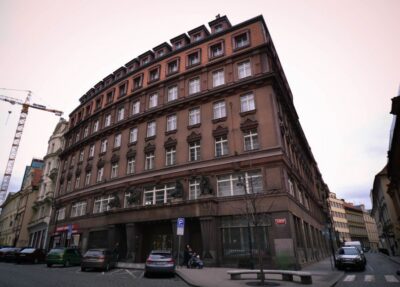
Communism History and Nuclear Bunker Guided Tour
Read our review →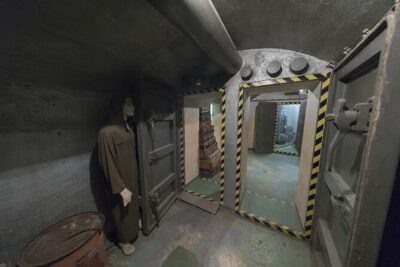
Prague Communism History and Nuclear Bunker Tour
Read our review →
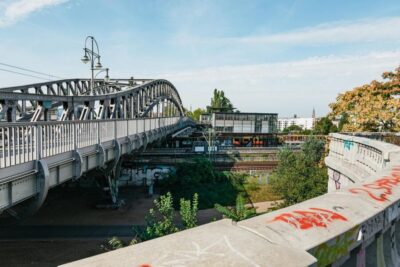
Cold War & Berlin Wall History Guided Bike Tour
Read our review →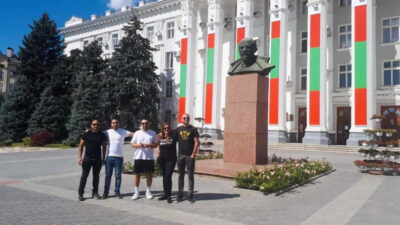
Chisinau: Discover Soviet Heritage of Transnistria
Read our review →
Communist History Tour with House of Terror Option
Read our review →
Guided Bike tour of the Berlin Wall and Third Reich
Read our review →
Browse the lists this tour appears in