
Review · BUDAPEST
Jewish Heritage / Full tour
The past is still speaking in Budapest. This three-hour walking tour connects the Dohány Street Synagogue, Jewish memorials, the Danube, and the modern Jewish quarter, while leaving room for honest discussion about Jewish life in Hungary today. I especially like the small-group format and the chance to hear personal stories from guide Edith, whose warm, clear explanations are a major part of the experience. The main drawback is that the €26 synagogue entrance fee and any transport are extra, so the final cost is higher than the advertised $80.86 price.
This is a short but serious tour, not a full-day program packed with every Jewish site in Budapest. I like that it gives the most important places enough time without consuming your whole day. The subject matter can be painful, and the tour includes memorials connected to murder and wartime persecution, so you should come prepared for an emotional experience rather than a light sightseeing walk.
Key points to know before booking
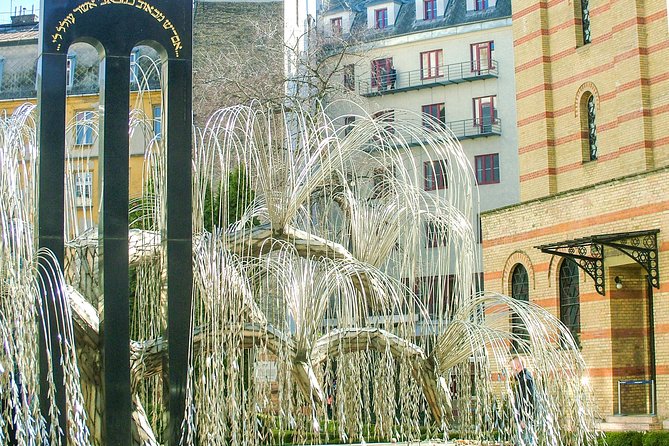
- Dohány Street Synagogue is the centerpiece: The visit includes the synagogue building, cemetery, Raoul Wallenberg Memorial Garden, Emmanuel Tree, and surrounding Jewish quarter.
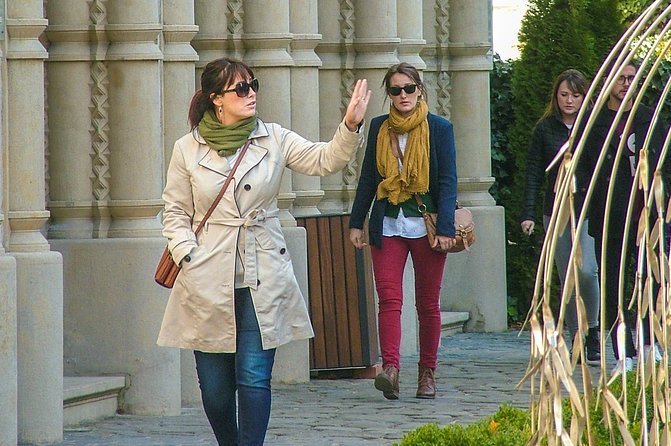
- Edith receives exceptional praise: Her clear English, personal connection, flexibility, and ability to explain difficult subjects are repeatedly singled out.
- The tour links past and present: You discuss wartime history, Soviet-era Budapest, current Jewish life, street art, nightlife, and the changing district.
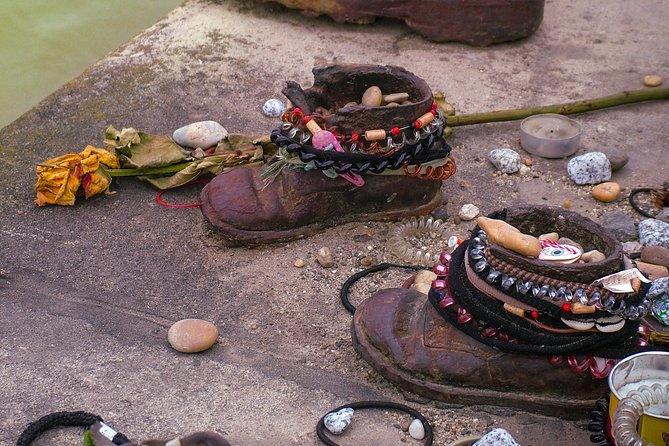
- The Danube memorial is deeply moving: Shoes on the Danube Bank recalls Jews murdered at the river during World War II.
- Expect a small walking group: The tour is advertised for up to ten people, while the additional information allows a maximum of thirteen, so confirm the exact group size when booking.
- Budget for the entrance fee: The synagogue admission is €26 per person and is not included in the tour price.
Why this tour matters in Budapest
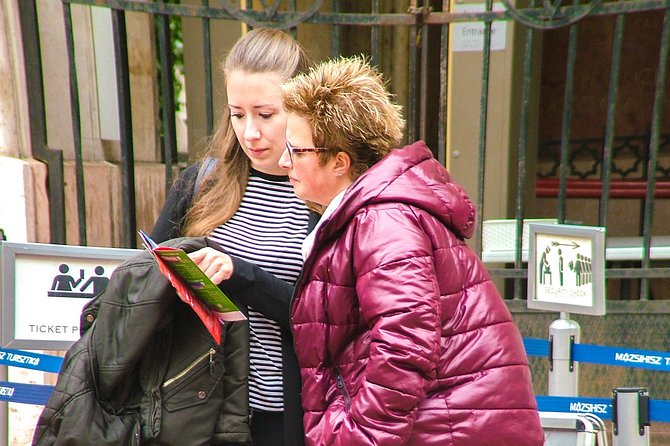
Budapest’s Jewish heritage is not confined to a museum display. It is written into the streets, courtyards, memorials, synagogues, restaurants, ruin bars, and apartment buildings of the city center.
That mixture gives this tour its value. You are not only looking at old buildings. You are also considering what happened to the people who lived here, how memory is handled in public spaces, and what Jewish life looks like in Hungary now.
The tone is serious without being purely backward-looking. The Jewish quarter is a place of World Heritage sights and painful remembrance, but it is also one of Budapest’s liveliest areas. Street art and nightlife now share space with synagogues, memorials, and former community buildings.
I appreciate that the tour allows discussion rather than simply presenting dates. Edith is especially well suited to this approach. She explains the larger events, answers questions patiently, and has shared personal reflections about Hungary and Budapest over the past several decades. That personal element helps turn a formal history lesson into something more human.
More Jewish Heritage Tours in Budapest:
- Budapest Jewish Heritage Memorial Walking Tour & Synagogue Entry
★ 5.0 · 568 reviews - Budapest: Jewish Heritage Guided Tour with Synagogue Ticket
★ 4.8 · 533 reviews - Budapest: Jewish History Guided Walking Tour with Historian
★ 4.8 · 205 reviews
Starting near Deák Ferenc tér
The tour begins at Deák Ferenc tér, a central Budapest meeting point. Some tour descriptions and directions refer to meeting near the Lutheran Church, so read the final meeting instructions carefully and arrive with enough time to find the guide.
The end point is the Dohány Street Synagogue at Dohány u. 2. That arrangement is practical. You finish at the main attraction, where you can spend more time afterward if you want to continue through the Jewish quarter, visit nearby cafés, or explore the area’s famous nightlife.
The tour lasts about three hours. That is enough time for the principal sights, but not enough for every synagogue, museum, and memorial in the city. I see this as a strength for most visitors. You get a focused introduction, then still have time for the rest of your Budapest plans.
Transportation is not included. The experience is primarily a walking tour, though some past outings have included rapid transit along the way. If the route uses public transport, expect to pay those fares yourself.
The Dohány Street Synagogue: the main event
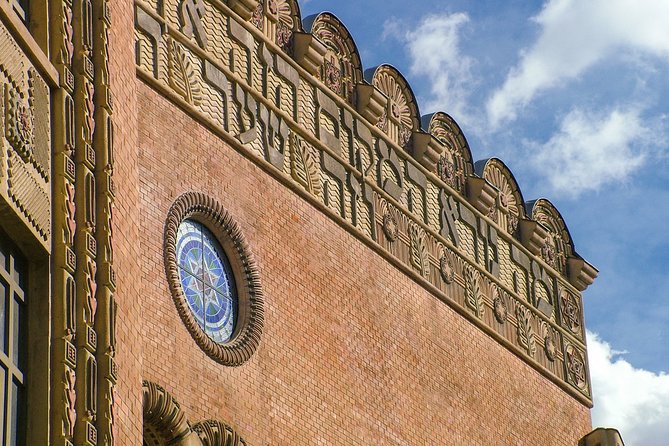
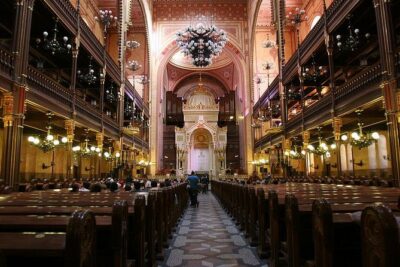
The Dohány Street Synagogue receives about two hours of the tour, making it the clear centerpiece. It is described as the second-largest synagogue in the world and the largest in Europe, a scale that is difficult to grasp until you see the building and its grounds.
The visit includes the synagogue interior, the Jewish Cemetery, the Raoul Wallenberg Memorial Garden, and the Emmanuel Tree. Each part adds a different layer to the story.
The synagogue itself gives you the architectural and religious setting. The cemetery and memorial garden shift attention toward wartime loss. The Emmanuel Tree, created as a memorial with support from Tony Curtis, offers a striking visual focus for remembrance.
I would not rush this portion. The cemetery is particularly important because it is part of the site’s wartime story, not just an ornamental garden. The guide’s role matters here. Without context, it can be easy to move from one feature to the next and miss how the spaces relate to Budapest’s Jewish community.
The synagogue admission costs €26 per person and is not included in the tour price. That is a significant extra expense, especially for couples or families, but it covers the principal interior and memorial areas that make this tour worthwhile. Before booking, add the admission to the advertised $80.86 price so you know your real budget.
Dress and entry rules are not specified in the tour information, so check current synagogue requirements before arriving. The site is a functioning religious and historic place, not simply a sightseeing stop.
Walking through the Jewish quarter
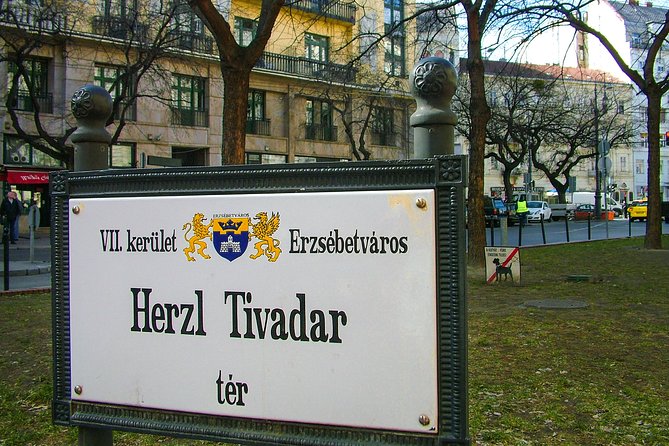
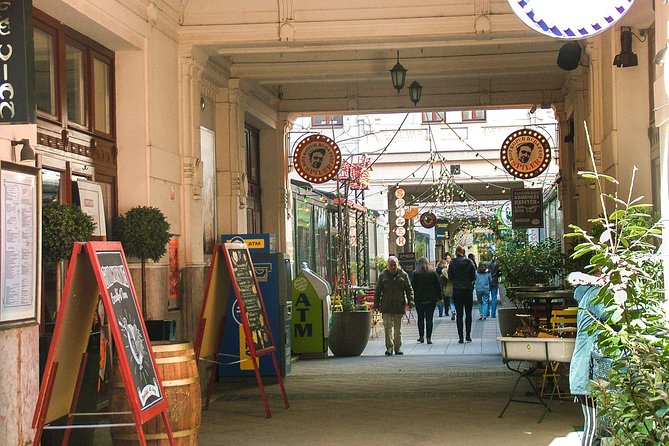
The route also covers historic streets and former communities around the synagogue. This is where the tour moves beyond a single landmark.
The district has changed sharply over time. You might find a memorial on one corner, street art on the next, and a crowded nightlife venue farther down the same block. The tour presents that contrast as part of the neighborhood’s current identity rather than treating the quarter as a frozen relic.
A guide can also point out details that are easy to miss during a self-guided walk. Edith has been praised for sharing information about Jewish culture, the surrounding streets, restaurants, ruin bars, and current life in the area. That practical local knowledge is useful if you want to return later without a set itinerary.
The quarter can be lively, and the atmosphere is not always solemn. That is worth understanding before you go. The tour asks you to hold two ideas at once: this is a place of profound loss, and it is also an active urban neighborhood where people eat, meet, work, and go out.
A few more history tours around Budapest worth a look
- Budapest: Historic Cruise with Welcome Drink
★ 4.7 · 6,512 reviews - Budapest Historical Sightseeing – Free Walking Tour
★ 5.0 · 1,302 reviews - Buda Castle District Dark History, Legends and Vampire Night Tour
★ 4.5 · 1,240 reviews - BloodThirsty Hungary: Walking tour & Dark Historical Stories
★ 4.9 · 633 reviews
Shoes on the Danube Bank
The stop at Shoes on the Danube Bank lasts about 15 minutes and is free to visit. The memorial consists of shoes along the river, recalling the thousands of Jews who were shot into the Danube.
It is a small site with a large emotional effect. The shoes are ordinary objects, which makes the memorial direct and hard to distance yourself from. You are not looking at an elaborate monument. You are facing a simple reminder of people ordered to remove their shoes before being killed.
The tour gives this stop enough context to keep it from becoming a quick photo opportunity. Still, 15 minutes is not a long time, and the group may need to keep moving. If this memorial affects you strongly, you may want to return on your own later for a quieter visit.
The river setting also connects the memorial to Budapest itself. The Danube is one of the city’s great visual attractions, yet this stop asks you to see it through a far darker part of its past.
The German Invasion Memorial and a living argument
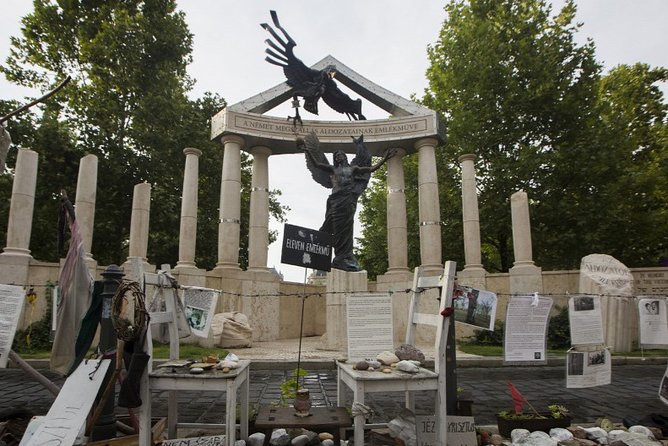
The Memorial to the Victims of the German Invasion is another short stop, lasting about 15 minutes and requiring no admission fee.
It is one of Budapest’s most disputed public monuments. The memorial was erected at night and has been guarded by police, while people have protested it since its installation. The controversy centers on how responsibility for wartime persecution is represented, especially because many of the victims were Jewish.
This stop adds an important dimension to the tour. You are not only learning what happened in the past. You are also looking at how governments and communities choose to remember that past, and why those choices can provoke anger.
The tour’s emphasis on discussion is especially useful here. You can ask questions about the monument, public protest, and the difference between an official memorial and the way affected communities understand history. This is a difficult subject, but it is one of the reasons a live guide adds real value.
Edith’s guiding style
Edith is the strongest reason to choose this particular tour rather than simply visiting the synagogue independently.
Her strengths are consistent: clear English, strong command of Hungarian Jewish history, patience with questions, and a personal connection to the subject. She has also been praised for explaining Soviet influence in Budapest and for relating the city’s history to her own experiences.
That does not mean every departure will feel identical. Group size, timing, weather, and the interests of the people attending can shape the conversation. But the format encourages a more personal exchange than a large coach tour.
Edith also appears to adapt the route and emphasis to the people with her. If you are particularly interested in wartime history, present-day Jewish life, family stories, memorial design, or the neighborhood itself, tell her early. The tour is short, so clear priorities help.
The small-group promise is another benefit. The main description says a maximum of ten people, while the additional information lists up to thirteen. That is still far smaller than a standard city tour, but the difference matters if you value a very intimate discussion. I would confirm the expected group size before paying.
Price, value, and what is not included
The listed price is $80.86 per person. For about three hours with a licensed local guide, that is not the cheapest walking tour in Budapest. The extra €26 synagogue fee pushes the cost higher.
Still, the value depends on what you want. If you only want to photograph the synagogue and see the Danube memorial, you can visit the public sites more cheaply on your own. The tour earns its price through interpretation, personal stories, historical connections, and the chance to ask questions.
You are also paying for efficiency. The route connects several important locations in one morning or afternoon, then ends at the synagogue. You do not need to work out how the sites fit together or spend time sorting through conflicting information at the memorials.
Transportation is not included, and any public transport used during the outing is your responsibility. The tour requires good weather, with a different date or full refund offered if poor weather causes cancellation. You can cancel for a full refund up to 24 hours before the start time, but late cancellations and late changes are not refunded or accepted.
Who will appreciate this experience most
I would recommend this tour to you if you want more than a quick look at Budapest’s Jewish quarter. It suits people who value context, conversation, and a guide who can connect public history with personal experience.
It is especially appropriate for:
- First-time visitors who want a focused introduction to Jewish Budapest
- People with family or cultural interest in Jewish history
- Anyone who wants to understand the meaning behind the city’s memorials
- Visitors who prefer small groups to large organized tours
- People willing to discuss difficult subjects with care
- Repeat visitors who want a more thoughtful side of Budapest
You should think twice if you want a relaxed sightseeing walk with little discussion of war, murder, persecution, or political controversy. The tour is also not ideal if you need a completely private schedule, since the group size can vary and the route has a set structure.
The walking pace has been described as comfortable, but the tour still requires moving between locations. Most people can participate, and service animals are allowed. Specific accessibility details are not provided, so contact the operator if you have mobility concerns.
Should you book the Jewish Heritage Full Tour?
Yes, if Jewish history and present-day Budapest are important to you. The Dohány Street Synagogue, Shoes on the Danube Bank, and the two memorial sites create a powerful three-hour introduction, while the Jewish quarter adds everyday context.
The biggest reason to book is Edith. Her clear delivery, personal stories, flexibility, and care with difficult material turn a list of sites into a connected experience. Just budget for the separate €26 synagogue admission, possible transport costs, and an emotionally serious afternoon.
If you want only a casual neighborhood stroll, choose another tour. If you want to understand why these places matter, and how Budapest remembers its Jewish past while living in the present, this is a strong choice.
FAQ
How long does the Jewish Heritage tour last?
The tour lasts approximately three hours.
Where does the tour begin?
It begins at Deák Ferenc tér in Budapest. Final meeting instructions should be checked carefully because some directions refer to the Lutheran Church area.
Where does the tour end?
The tour ends at the Dohány Street Synagogue at Dohány u. 2, Budapest.
Is admission to the Dohány Street Synagogue included?
No. Entrance costs €26 per person and is paid separately.
What does the synagogue visit include?
The visit includes the synagogue building, the Raoul Wallenberg Memorial Garden, the Jewish Cemetery, and the Emmanuel Tree memorial.
Are the Shoes on the Danube Bank and German Invasion Memorial free?
Yes. Both are listed as free admission stops.
Is transportation included?
No. Transportation is not included. Some outings may use rapid transit, but any transport costs are your responsibility.
How many people can join the tour?
The tour is described as having a maximum of ten people, while the additional information lists a maximum of thirteen. Confirm the expected group size when booking.
Can I cancel for a full refund?
Yes, if you cancel at least 24 hours before the experience begins. Cancellations or changes made less than 24 hours before the start time are not refunded or accepted.
Just added around Budapest
- Private Jewish Heritage Tour including Hotel Pickup★ 4.5 · 35 reviews
- Time Machine Budapest Historical Exhibition Ticket★ 5.0 · 32 reviews
- Jewish Heritage in Hungary with a Historian★ 5.0 · 37 reviews
- Budapest Jewish Heritage: Synagogues, Shoes, Secrets & Flódni★ 5.0 · 47 reviews
- Michael Jackson History Exhibition Ticket★ 5.0 · 42 reviews
- Budapest Historic Downtown Bicycle Tour in small groups★ 5.0 · 288 reviews
- Communist History Evening Walking Tour of Budapest★ 4.5 · 23 reviews
- HOLLÓKŐ UNESCO World Heritage site + Eger Castle Private guided tour★ 4.5 · 18 reviews
Jewish Heritage Tours, compared.
Budapest Jewish Heritage Memorial Walking Tour & Synagogue Entry
Read our review →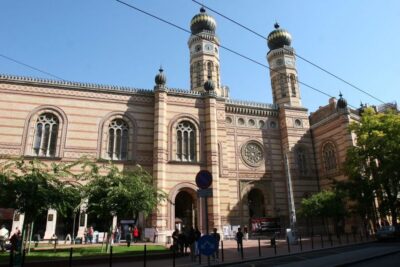
Jewish Heritage Guided Tour with Synagogue Ticket
Read our review →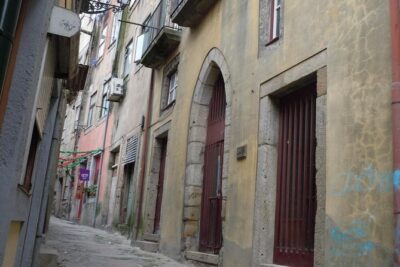
3-Hour Porto Jewish Heritage Walking Tour with Local Guide
Read our review →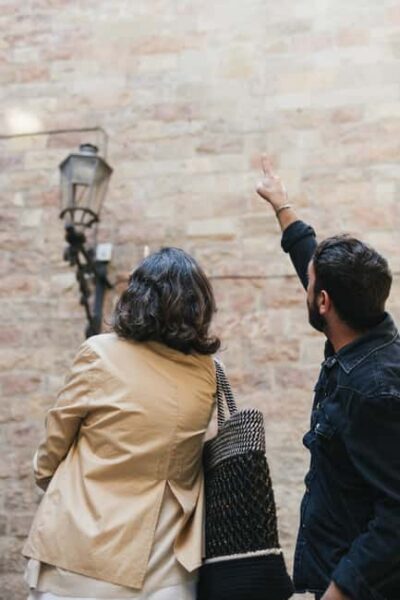
Private Jewish Heritage Journey by Barcelona Dreaming
Read our review →
Anne Frank and the Jewish History of Amsterdam Private Tour
Read our review →
Lisbon Jewish Heritage and History – Private Tour Van
Read our review →
Browse the lists this tour appears in