
Review · BOSTON
Freedom Trail Guided Walking Tour (SMALL GROUP)
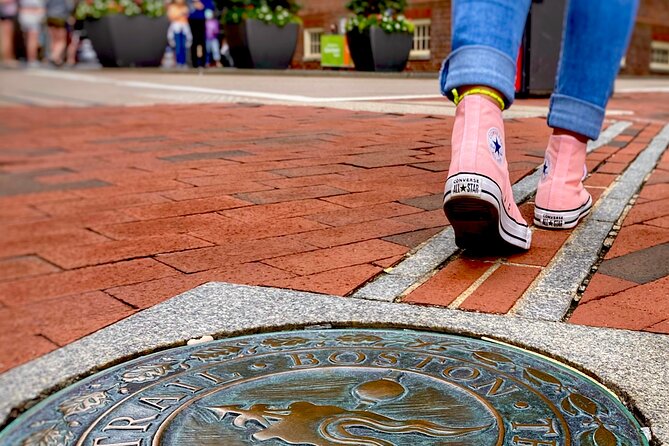
Boston’s past is under your feet. This 90-minute Freedom Trail walk packs a lot into a short route, mixing Revolutionary-era stories with simple smartphone photography tips. I like the focus on truth behind the legends, especially Paul Revere’s ride, the Boston Massacre, and the Boston Tea Party. I also like the small-group format, which can make it easier to hear, ask questions, and adjust the pace.
The main trade-off is coverage. You see many of the trail’s central landmarks, but not all 16 official sites, and Paul Revere’s House and Old North Church are left for a separate North End tour. At $45, this is good value if you want a guided introduction with personality and pictures, but it is not the right choice if you expect a complete, several-hour walk of the entire trail.
Key points before you book
- 90 minutes from Park Street Church to Faneuil Hall: You move through the oldest core of Boston without spending half a day on your feet.
- History with myth-busting detail: The guide explains what happened during Paul Revere’s ride, the Boston Massacre, the Boston Tea Party, and the Declaration of Independence.
- Photography help for ordinary phones: You receive practical tips on framing, angles, color contrast, grouping, and camera settings.
- A maximum of 15 people is advertised: Smaller groups can make a major difference on busy downtown sidewalks.
- Several major landmarks are seen from outside: Admission is not included at King’s Chapel, Old South Meeting House, or the Old State House.
- Paul Revere’s House and Old North Church are not part of this walk: Plan a separate North End visit if those sites matter to you.
What this Freedom Trail walk is really like
The Freedom Trail is only 2.5 miles long, but it crosses a compact section of Boston packed with churches, burial grounds, meeting halls, government buildings, and memorials. A 90-minute tour cannot cover every site in detail. This one concentrates on the downtown stretch from Boston Common toward Faneuil Hall.
The walk begins at 1:15 p.m. outside Park Street Church, at 1 Park Street. You should arrive about 10 minutes early and reconfirm by email or text at least 48 hours before the tour. The guide, usually Saba Alhadi, leads the group with a mix of historical explanation and photo coaching. Matthew appears in one posted comment, but that comment was identified as belonging to another business, so Saba is the guide most closely associated with this experience.
The official maximum is 15 people. That is smaller than the large costumed-guide groups you may see elsewhere on the Freedom Trail, though one past departure reportedly reached 21 people on a holiday weekend. If group size matters greatly to you, reconfirm it before arrival.
The tone is educational but not stiff. You are encouraged to ask questions, and the tour aims to give you the important facts without turning every stop into a lecture. The photography element is useful, but this remains a history walk first, not a formal photography class.
More History Walking Tours in Boston
- Boston: Freedom Trail History Small Group Walking Tour
★ 5.0 · 6,450 reviews - Boston: Freedom Trail History Small Group Walking Tour
★ 4.9 · 1,590 reviews - Boston Pizza Lovers Food and History Walking Food Tour
★ 4.5 · 1,082 reviews
Starting in Boston Common and at the State House
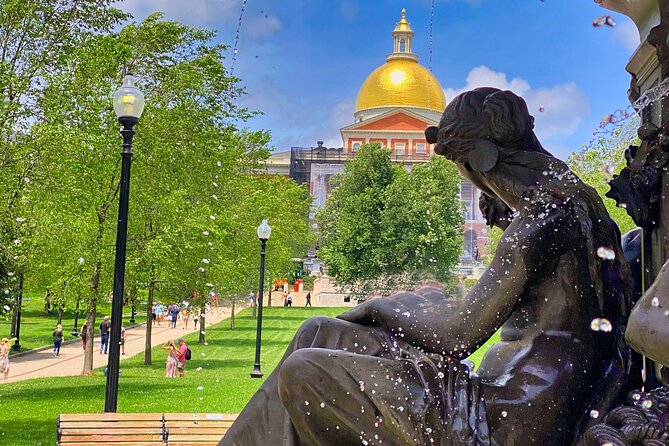
The route opens near Boston Common, the oldest public park in the United States and the official starting point of the Freedom Trail. This is a useful place to get your bearings. You are in the center of modern Boston, but the park also gives the guide a natural setting for explaining how the city developed around old roads, public spaces, and political gathering points.
The stop here is brief, listed at about five minutes. That means you should not expect a detailed tour of every corner of the Common. Instead, it works as an opening chapter and a photo setting, with paths, trees, and the surrounding historic buildings providing an easy first subject for your phone.
From there, the walk passes the Massachusetts State House, with its famous golden dome. It remains the seat of Massachusetts government, making it a useful contrast to the colonial buildings that follow. The exterior gives you one of the clearest visual reminders that Boston’s political story did not end with independence.
Park Street Church is the formal meeting point and a quick stop on the route. Its steeple overlooks Boston Common, and its abolitionist history gives the guide a chance to show that Boston’s important political movements continued long after the Revolution. You will likely spend only a couple of minutes here, so think of it as a focused introduction rather than an interior visit.
Granary Burying Ground and Boston’s famous names
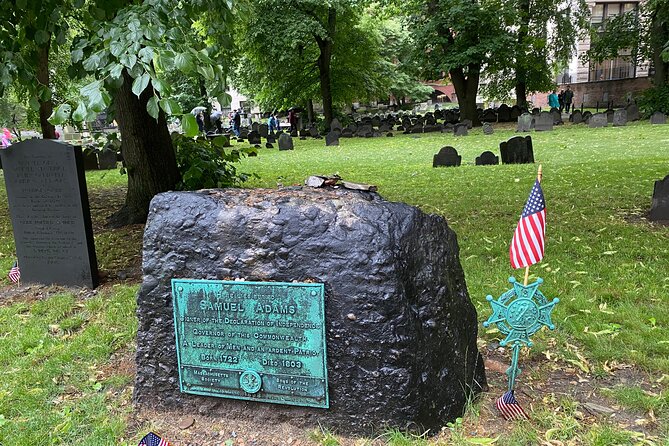
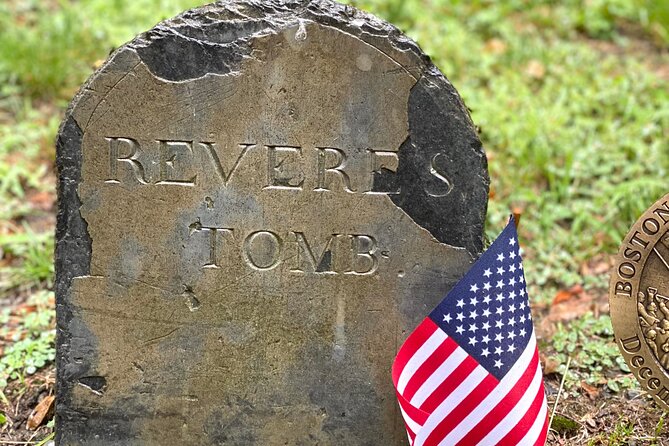
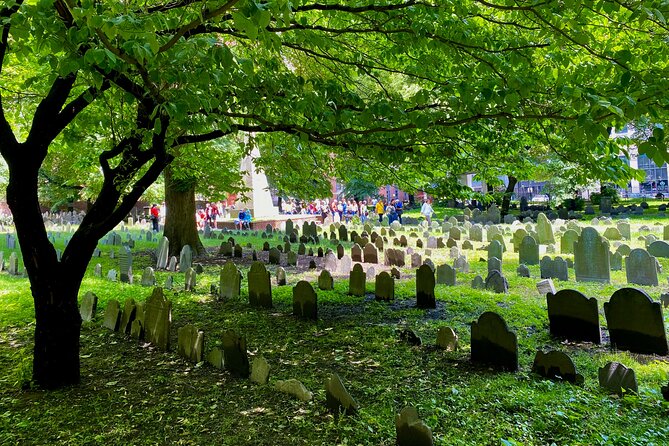
The Granary Burying Ground is one of the most important stops on the walk. This cemetery contains the graves of Samuel Adams, Paul Revere, and John Hancock, three names closely tied to the American Revolution.
The value here is not just seeing old stones. The guide uses the cemetery to connect famous names with specific events and personal stories. You may hear lesser-known facts about Hancock, Adams, and Franklin, along with explanations of how their public reputations were shaped.
The stop lasts about 10 minutes, making it one of the longer pauses. That gives you time to look around and take pictures, although the group may be standing in a narrow, active downtown setting. You should be respectful with your camera and avoid blocking other visitors.
The route then passes King’s Chapel, the first Anglican church in colonial Boston. The stone building, completed in 1754, is one of the more striking architectural stops. Admission is not included, and the tour does not promise an interior visit. If you want to see inside, treat that as a separate activity after the walk, subject to the site’s own opening arrangements.
Nearby is King’s Chapel Burying Ground, the oldest cemetery in Boston, dating to 1630. It is another quick exterior stop. Together, the two burial grounds give the walk a strong sense of age, but they also mean the experience includes several moments of standing beside historic sites rather than entering them.
Franklin, the Old Corner Bookstore, and the city’s early public life
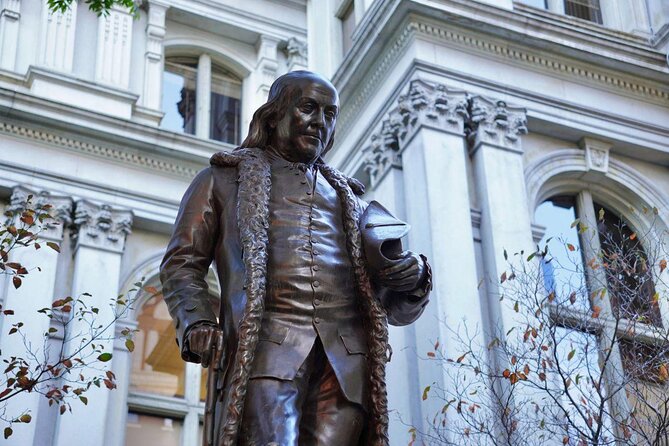
At the Benjamin Franklin statue, the guide points out the original site of Boston Latin School, identified here as the first public school in America. Franklin did not attend the school in the way many visitors might assume, but the location helps place him within Boston’s intellectual and civic world.
This is also a good photography stop. A statue gives you a clear subject, and the guide’s tips can help you think about angle, surrounding buildings, and composition rather than simply taking a quick snapshot.
The Old Corner Bookstore is a very short stop, but its history is appealing. Built in 1718 as a residence and apothecary, it became a bookstore in 1828. Its story shows how old buildings changed use as Boston grew. You will have roughly a minute here, so the guide’s explanation is likely brief and focused.
This part of the walk is less dramatic than the Boston Massacre site or Old State House, but I think it matters. It helps you see Boston as a working city, not just a stage set for the Revolution. The best walking tours make room for those ordinary details.
More History Walking Tours in the USA
- Boston History Tour: Scenic Walk Through Time & Landmarks
★ 5.0 · 627 reviews - Boston’s North End Food and History Walking Tour
★ 5.0 · 459 reviews - Walk the Historic Freedom Trail with Costumed Guide
★ 4.5 · 329 reviews - Boston Seafood Lovers Food and History Walking Tour
★ 5.0 · 208 reviews
Old South Meeting House and the road to the Tea Party
The Old South Meeting House is one of the most important political sites on the route. Colonists gathered here to protest British taxation and rule, and the building is closely linked with the events leading to the Boston Tea Party in 1773.
The tour spends about five minutes at the site. Admission is not included, so you should not expect a full interior tour. From outside, however, the guide can explain why a religious meetinghouse became such a powerful place for public debate. That context makes the later story of the Tea Party easier to understand.
The guide places special emphasis on accurate details about the Tea Party rather than treating it as a simple patriotic anecdote. That approach is one of the strongest reasons to choose this walk. You get the familiar story, but also the political pressure and public argument behind it.
If you are especially interested in the Tea Party, allow time before or after the walk for a separate visit to the Old South Meeting House. The $45 tour price covers the guided experience, not all site admissions.
The Old State House and the Boston Massacre
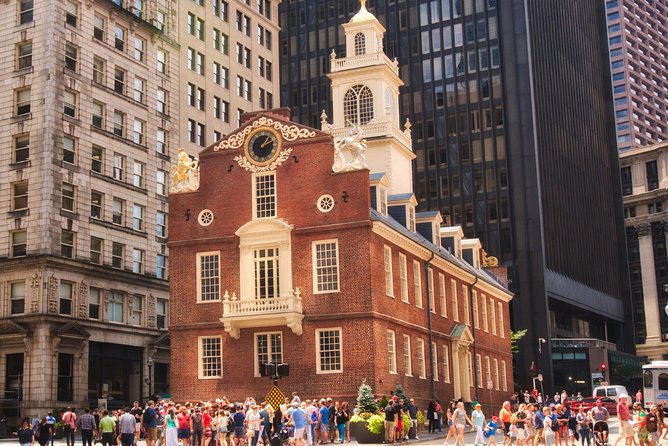
The Old State House is a key point in the tour. It was the site of the Boston Massacre, and the Declaration of Independence was read to Boston residents from its balcony in 1776.
The guide uses this building to explain the difference between an event as it happened and the way political leaders later presented it. The Boston Massacre became powerful propaganda for the patriot cause, and the tour examines what really happened when British soldiers fired on colonists in 1770.
The related Boston Massacre site is marked in the pavement near the Old State House. It is easy to miss if you are walking alone, which is exactly why a guide adds value here. The stop is short, about three minutes, but the location carries enormous weight.
This is also where the tour’s myth-busting approach is most useful. You may hear about the tensions between soldiers and residents, the circumstances of the shooting, and how the incident helped push Boston toward open revolt. The guide also connects these events to the night of April 18, 1775, and the opening of the Revolution.
Admission to the Old State House is not included. You can still understand the site from outside, but an interior visit would give you more rooms, objects, and background. If you are a serious history enthusiast, consider adding that on your own.
Faneuil Hall and the final Boston photo
The walk ends at Faneuil Hall Marketplace, often called the Cradle of Liberty because of its role in colonial resistance and public debate. The building and market area are still active, so this is not a quiet final stop. You will finish in a practical place for food, shopping, and further exploration.
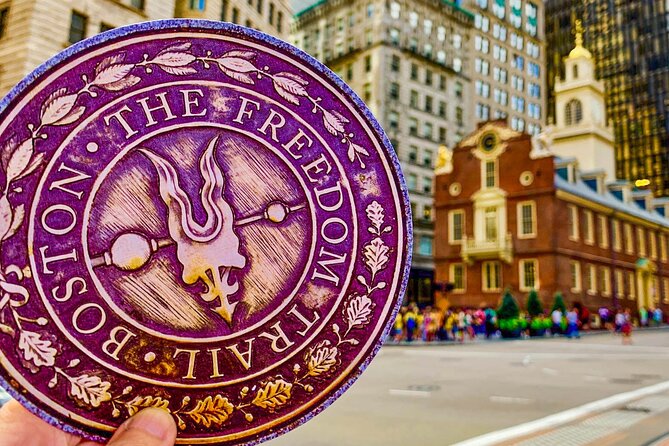
The formal stop at Faneuil Hall lasts about three minutes. That is enough for a short explanation and a final photograph, but not enough for a full tour of the complex. The route also includes a photo stop at the large BOSTON sign on City Hall Plaza, with Faneuil Hall in the background.
This ending is convenient. You can continue to Quincy Market, look for a snack, or walk toward the North End. The route does not include Paul Revere’s House or Old North Church, but finishing near Faneuil Hall puts you within reach of the North End for a separate visit.
The photography side of the experience
The photography coaching is one of the tour’s more unusual features. You do not need an expensive camera. The focus is on using your smartphone better, with suggestions about framing, angles, color contrast, grouping, and camera settings.
The guide may help you find a more interesting viewpoint instead of taking the same straight-on picture everyone else takes. You can also learn how to include a person, statue, church, or street line in a stronger composition. Past participants have found the tips useful for future trips, not only for Boston.
Keep your expectations in check. This is not a dedicated photography workshop, and the tour description makes that clear. History receives more attention than technical instruction. One person felt too much time was spent on photos, while others considered the photo advice a major part of the value.
Families can make good use of this feature. Children and teenagers may engage more readily when they are asked to frame a building or find a creative angle. Solo visitors and couples also benefit because the guide can help with composition and, when appropriate, taking pictures of you at the sites.
Price, pace, and practical value
At $45 per person, the tour is not the cheapest way to walk the Freedom Trail. You can follow the red line on your own for little or no cost. The price pays for a guide, historical interpretation, a planned route, and personal photo advice.
I think the value is strongest for first-time visitors who want a clear introduction in a short window. You hear the major stories, see many of the central sites, and end near Faneuil Hall. The shorter format also works well if you have only one afternoon in downtown Boston.
The value is weaker if your main goal is full trail coverage. This route does not include Paul Revere’s House or Old North Church, and it cannot cover all 16 official sites in 90 minutes. A complete Freedom Trail experience takes several more hours or requires additional self-guided exploring.
Plan for a moderate amount of walking and standing. There are no restroom stops, so use facilities before meeting the guide. The tour is offered in English, and children must be accompanied by an adult.
Boston weather matters. The experience requires good weather, and poor conditions can lead to a different date or a full refund. Free cancellation is available up to 24 hours before the start time, but cancellations or changes inside that window are not refunded or accepted.
Who should book this walk?
This tour suits you if you want:
- A short, organized introduction to Boston’s Revolutionary-era landmarks
- A small-group setting rather than a large costumed procession
- Clear explanations of famous events and common historical myths
- Help taking better phone pictures
- A route that ends near Faneuil Hall and Quincy Market
It may not suit you if you want to enter every historic building, cover the entire Freedom Trail, or spend several hours examining each site. It is also less suitable if you need frequent breaks, a restroom stop, or a slower walking pace.
The tour has earned a 4.5 rating from 98 reviews, with repeated praise for Saba’s energy, historical detail, friendliness, and photo guidance. A few low ratings point to two real concerns: expectations about the amount of history and uncertainty about group size on a holiday weekend. Those are easy issues to manage if you understand the format before booking.
Should you book the Freedom Trail Guided Walking Tour?
Book it if you want a focused 90-minute overview, strong storytelling, and practical photo tips. Saba’s approach appears especially well suited to curious families, couples, solo visitors, and anyone who enjoys learning the story behind a famous site rather than simply checking it off a list.
Do not book it expecting every Freedom Trail stop or a full tour of Paul Revere’s Boston. For that, pair this walk with a separate North End visit and extra time at the Old State House or Old South Meeting House.
For most first visits, this is a friendly and efficient way to get oriented. Just arrive early, reconfirm the reservation, wear comfortable shoes, use the restroom beforehand, and remember that the $45 buys interpretation and guidance, not complete site admission.
FAQ
How long does the Freedom Trail tour last?
The tour lasts approximately 90 minutes.
Where does the tour begin?
It begins at Park Street Church, 1 Park Street, Boston, Massachusetts.
What time does the tour start?
The scheduled start time is 1:15 p.m. You should arrive 10 minutes early.
Where does the tour end?
The walk ends at Faneuil Hall Marketplace.
Are Paul Revere’s House and Old North Church included?
No. Those two sites are not included in this tour. They are part of the provider’s Boston North End, Little Italy history and photo walk.
How many people can join the tour?
The stated maximum is 15 people. A past holiday-weekend departure had 21 people, so you should reconfirm the group size if that detail is especially important to you.
Is admission to the historic buildings included?
Admission is not included at King’s Chapel, Old South Meeting House, or the Old State House. Several other stops are exterior locations or public sites.
Are restroom stops provided?
No. There are no restroom stops during the tour.
What happens if bad weather cancels the tour?
If poor weather causes cancellation, you will be offered another date or a full refund. You can also cancel up to 24 hours before the start time for a full refund.
More Small-Group History Tours in Boston
- Boston Freedom Trail History Pub Crawl Small-Group Tour
★ 5.0 · 996 reviews - Beacon Hill Boston History + Photo Walking Tour (SMALL Group)
★ 5.0 · 163 reviews - Boston’s Architecture, History + Photo Walking Tour (SMALL Group)
★ 5.0 · 91 reviews - Beacon Hill + Back Bay History + Photo Walking Tour(SMALL Group)
★ 5.0 · 60 reviews
Just added around Boston
- Boston’s North End History + Photo Walking Tour (SMALL Group)★ 5.0 · 27 reviews
- Boston’s Architecture, History + Photo Walking Tour (SMALL Group)★ 5.0 · 91 reviews
- Boston: Underground Railroad History Tour of Beacon Hill★ 5.0 · 141 reviews
- North End Food Tour: Taste Boston’s Italian Heritage★ 5.0 · 20 reviews
- Boston Freedom Trail History and Food Tour★ 4.5 · 22 reviews
- Beacon Hill + Back Bay History + Photo Walking Tour(SMALL Group)★ 5.0 · 60 reviews
- Haunted Boston’s Historic Streets Walking Guided Tour★ 4.5 · 184 reviews
- Boston: Votes for Women History Tour of Back Bay★ 5.0 · 49 reviews
History Walking Tours, compared.
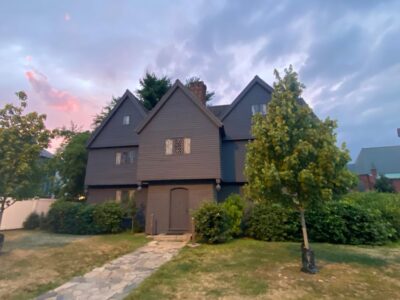
History and Hauntings of Salem Guided Walking Tour
Read our review →
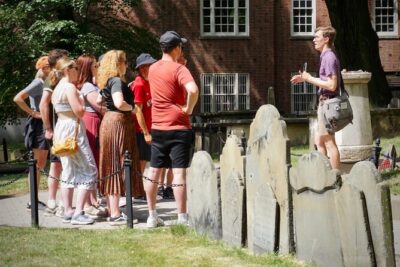
Freedom Trail History Small Group Walking Tour
Read our review →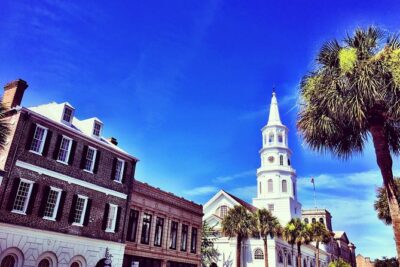
Historic Charleston Guided Sightseeing Walking Tour
Read our review →
Tapas Walking Tour with Food, Wine, and History
Read our review →
Savannah History and Haunts Candlelit Ghost Walking Tour
Read our review →
A History of Terror – Belfast City Centre Walking Tour
Read our review →Browse the lists this tour appears in