
Review · TEXAS
San Antonio: UNESCO World Heritage Missions Tour
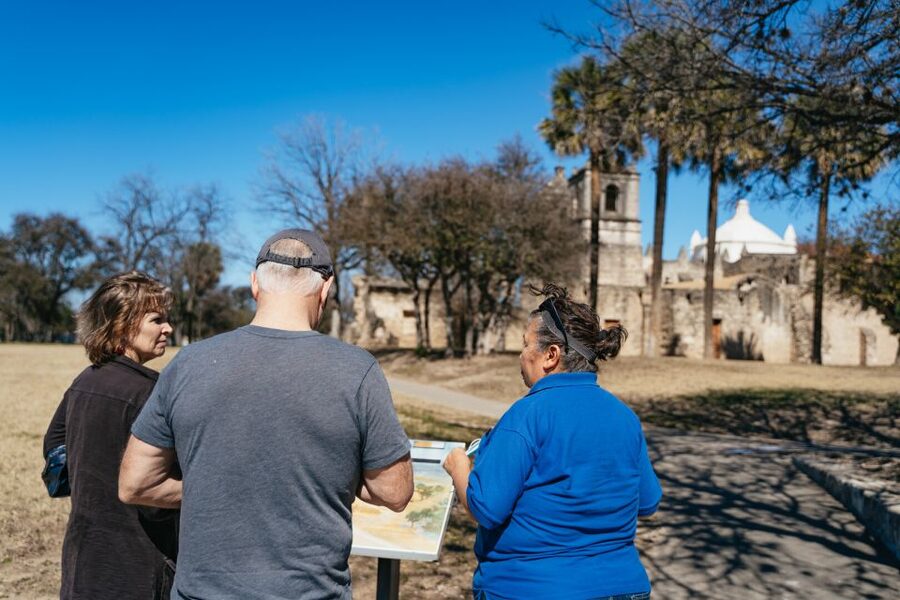
History lives beyond the Alamo. This half-day outing gives you a clear look at four Spanish missions, including Mission San José and Mission Concepción, without asking you to arrange transport between them. I especially like the mix of guided explanation and free time at each stop, plus the chance to see the Rose Window, original frescoes, the Espada Aqueduct, and the old acequia system.
The tour also earns points for practical ease. Downtown hotel pickup and drop-off remove the need to navigate between the missions, and guides such as Domingo and Alex have been praised for clear communication, good timing, humor, and strong command of the subject. The main drawback is the clock: 210 minutes covers a lot of ground, but you may wish for more time at the larger missions, especially San José and Concepción.
Key points to know before booking
- Four missions in 210 minutes: Visit Mission San José, Mission Concepción, Mission San Juan, and Mission San Francisco de Espada in one organized outing.
- The Rose Window: Mission San José offers one of the tour’s most memorable architectural details, a baroque work admired for its design and survival.
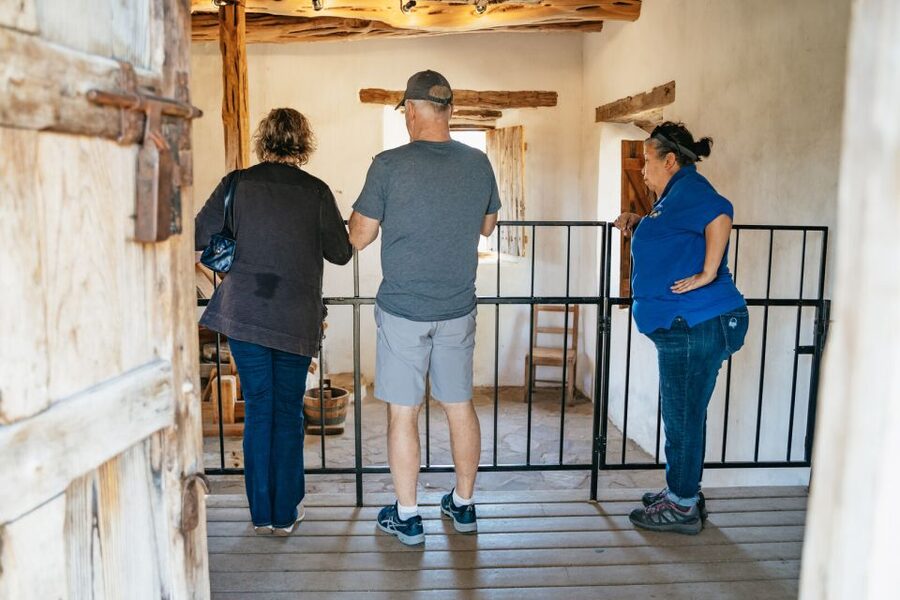
- Original art at Concepción: You can view old frescoes inside Mission Concepción, a special treat for anyone interested in early religious art.
- A working water system: Espada’s dam, aqueduct, and acequia show how irrigation supported mission life and remain in use.
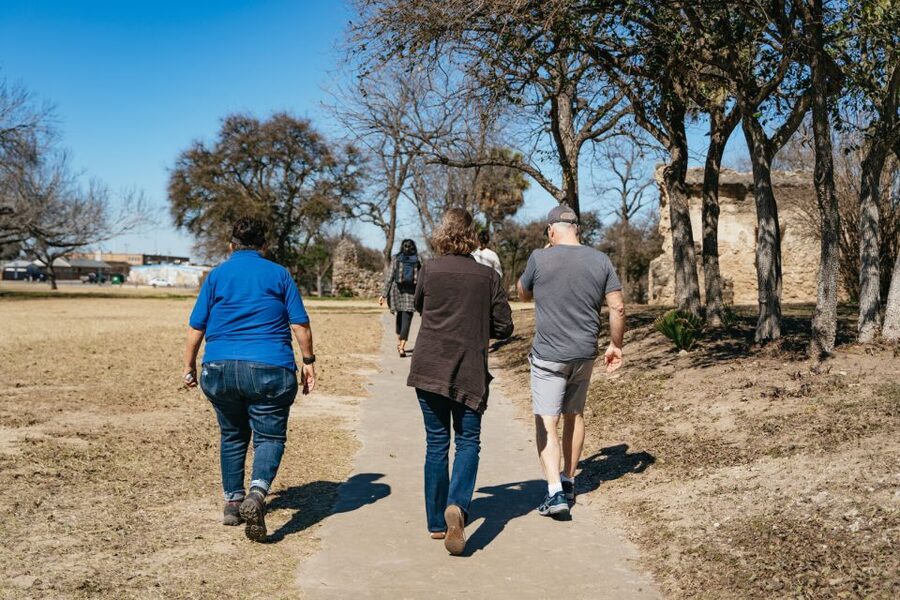
- Good guide-to-free-time balance: Guides explain each site, then allow you to look around on your own and read the information boards.
- A useful downtown option: Hotel pickup, an English-speaking guide, and wheelchair accessibility make this easier than visiting all four missions independently.
Why San Antonio’s missions deserve more than a quick photo
San Antonio is often introduced through the River Walk and the Alamo. Those places matter, but the four missions south of downtown tell a broader story of settlement, faith, labor, agriculture, architecture, and cultural exchange.
This tour helps you connect the sites. Instead of seeing four isolated buildings, you hear how the missions fit into the growth of San Antonio and why the Spanish mission system depended on churches, homes, workshops, farmland, and irrigation.
I like that the experience includes both the impressive visual details and the practical systems behind them. The churches draw your eye with their carved stone, painted surfaces, and unusual silhouettes. The acequias and aqueduct show how daily life actually worked.
The tour is conducted in English, with both live explanations and recorded narration. That combination is useful during the drive between stops, when you can keep learning without standing in the Texas heat.
More UNESCO World Heritage Tours in the USA:
- San Antonio Missions UNESCO World Heritage Sites Tour
★ 4.5 · 918 reviews - Small-Group World Heritage San Antonio Missions Guided Tour
★ 5.0 · 237 reviews - World Heritage Shirakawa-go and Experience Tours from Kanazawa
★ 5.0 · 4,049 reviews
The ride from downtown sets the scene
Pickup begins at downtown San Antonio hotels about 30 minutes before departure. Gray Line asks you to call 800-341-6000 between 24 and 48 hours before the tour to confirm your booking, a small step that can prevent confusion on the day.
The drive is part of the lesson. Guides explain the origins and importance of the missions while taking you from one site to the next. Several people specifically appreciated guides who pointed out places of interest along the way, rather than waiting until the group arrived at a church.
That approach gives you context before you step out of the vehicle. You are not simply handed a building and told to take pictures. You learn what to look for and why each mission has a different character.
The vehicle has been described as clean and comfortable. That matters because the schedule moves steadily, with several stops packed into three and a half hours. At the same time, you should expect a sightseeing vehicle rather than a leisurely open-air ride.
Mission San José brings mission life into focus
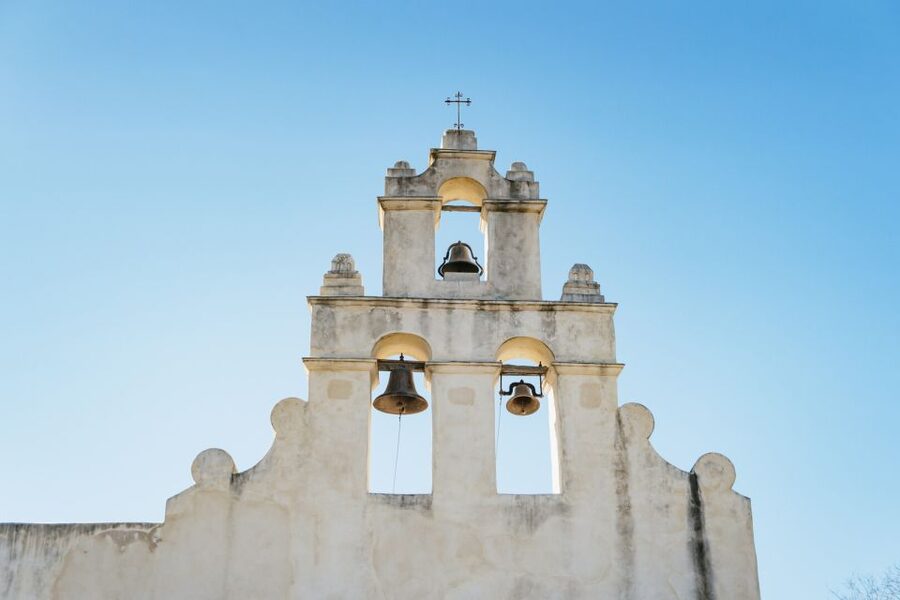
Mission San José is one of the central stops and one of the places where the tour’s history becomes easiest to picture. Here, the focus is not only the church facade. You get a sense of how a mission functioned as a community.
The church’s Spanish and Moorish-influenced design gives it a distinctive profile against the South Texas sky. It is the sort of place where the silhouette catches your attention first, then the smaller details begin to matter: the curves, stonework, decorative elements, and traces of earlier color.
The Rose Window is the star detail. It is a notable example of baroque architecture and gives you a reason to slow down and look closely rather than treating the stop as a quick exterior photograph.
Mission San José is also tied to the story of mission life presented at the San Antonio Missions National Historical Park Visitor Center. The tour includes time connected with that visitor center, where the award-winning film Gente de Razon adds another layer to the day.
I find this combination useful. A guide can explain dates, people, and buildings, but a film gives the story a more focused shape. It also offers a break from walking and the Texas sun.
The practical limitation is time. San José is one of the larger and more visually rewarding stops, so you may wish you had longer to wander, read every panel, and take in the details. The guide helps you prioritize, but you will not have unlimited time for every corner.
Mission Concepción rewards careful looking
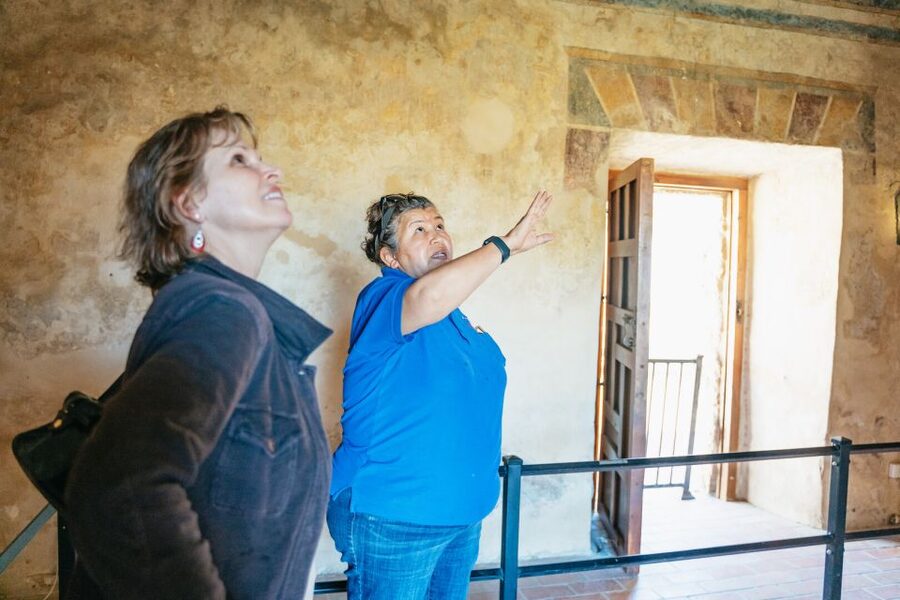
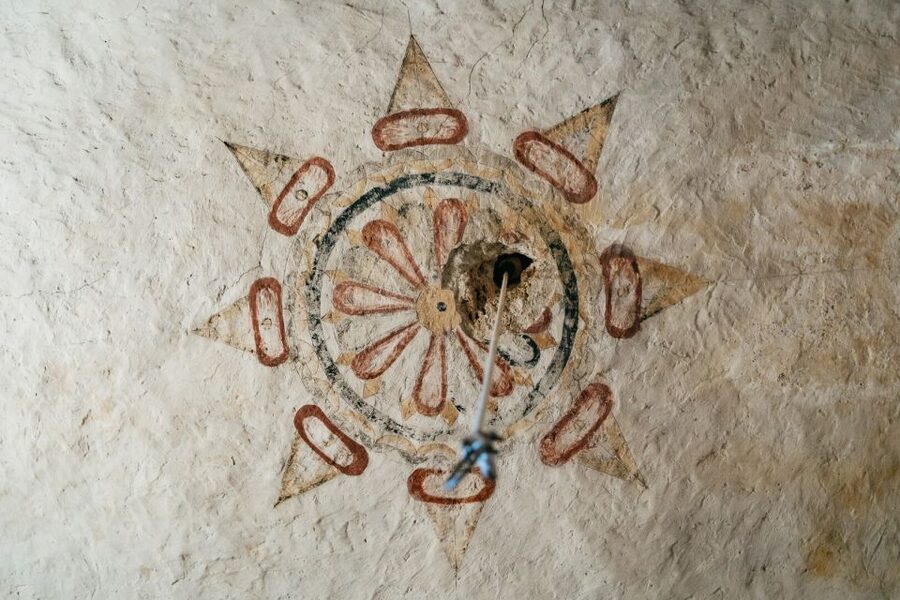
Mission Concepción is especially important for visitors who enjoy architecture and painted interiors. The tour includes a look at original frescoes, which are among the most memorable artistic details available during the outing.
The surviving color and decoration help you imagine how different these buildings once looked from the plain stone surfaces many people expect. Concepción’s interior art makes the mission feel less like an empty historic shell and more like a place designed for worship, teaching, and community life.
The guide’s role is valuable here. A good introduction can point out features you might otherwise miss, while free time lets you stand quietly and examine the work at your own pace.
This stop can feel short if you are drawn to the paintings. One useful strategy is to listen closely to the guide’s introduction, then spend your independent time inside looking at the specific details mentioned. You may not be able to inspect every wall at leisure, but you can make the limited time count.
A few more history tours around the USA worth a look
- History and Hauntings of Salem Guided Walking Tour
★ 5.0 · 14,564 reviews - Charleston’s Old South Carriage Historic Horse & Carriage Tour
★ 5.0 · 10,023 reviews - Beneath The Streets Underground History Tour
★ 4.5 · 8,006 reviews - Boston: Freedom Trail History Small Group Walking Tour
★ 5.0 · 6,450 reviews
Mission San Juan shows the wider mission system
Mission San Juan adds another side to the story. The tour does not treat the missions as four copies of the same church. Each stop helps explain a different part of the system and the way religious buildings were connected to work, farming, water, and settlement.
Here, listen for the details that explain how a mission community operated. The value of the stop is not only the building itself. It is the wider picture of people living, working, worshiping, and adapting in one connected environment.
The guided format helps keep this part from feeling repetitive. While traveling between sites, the guide continues the explanation, so you are not starting from zero at every mission.
You will also have time to explore on your own and read the information boards. That balance has been one of the tour’s strongest features. Guides including Domingo, Alex, Eric, Loretta, and others have been praised for giving clear background without filling every minute with talking.
Espada connects history to water
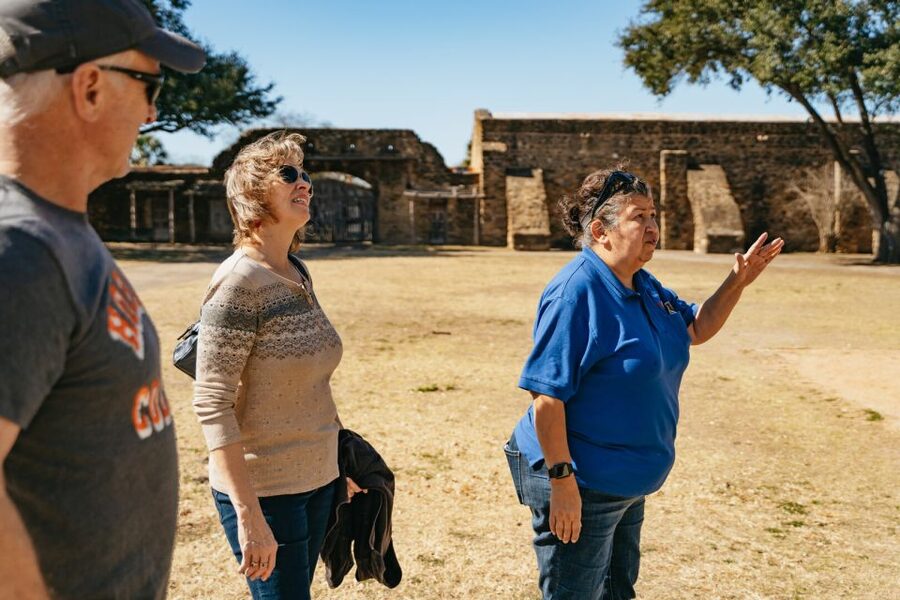
Mission San Francisco de Espada is the stop that gives the tour a practical edge. Here, you see the Espada Aqueduct and Acequia, part of one of the nation’s oldest and longest-running irrigation systems.
This is where the mission story moves from architecture to engineering. Churches and walls may be the most obvious remains, but water made daily life possible. The dam, aqueduct, and channel system show how people directed water for agriculture and community needs.
The fact that the system is still in use makes the stop especially worthwhile. It is not only a preserved object behind glass. It helps you see how an old solution can remain part of the present.
The aqueduct is also a good reminder to look beyond the main church at each mission. The prettiest facade may draw your camera, but the waterworks explain how the settlement survived.
The Mission Riverwalk adds birds, wildlife, and breathing room
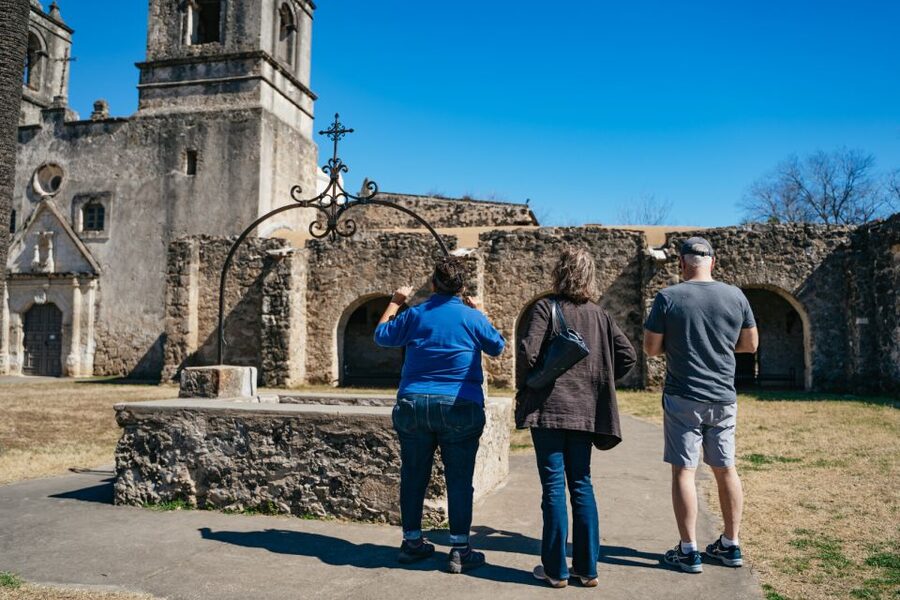
The experience includes time connected with the new Mission Riverwalk Hike and Bike Trail. This part brings a different pace to the day, with opportunities to watch birds and wildlife along the river.
You should not think of this as a long hiking excursion. The total tour lasts 210 minutes, and the main focus remains the four missions. Still, the trail helps place the buildings in their natural setting and gives your eyes a break from church walls and information panels.
It also shows why the river matters to San Antonio’s story. The missions were not scattered randomly. Water, movement, farming, and settlement were closely connected.
Wear comfortable shoes and clothes. The tour is wheelchair accessible, but the amount of independent walking and the ground conditions at individual stops may still affect how you want to pace yourself. If mobility is a concern, contact the operator before departure so you can discuss the practical details.
What the guides add to the experience
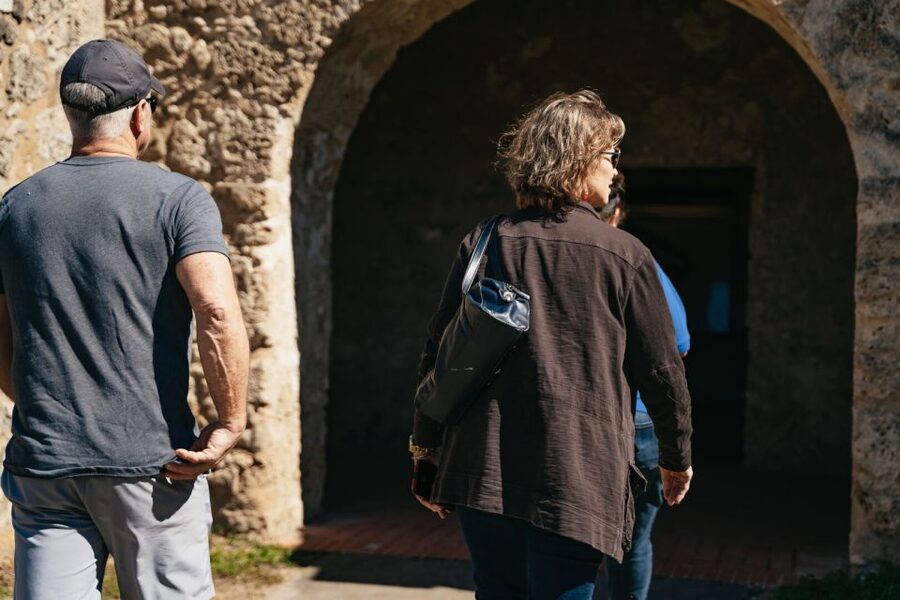
The guide can make or break a history tour, and this experience has a strong record in that area. Domingo is frequently praised for being prompt, clear, calm behind the wheel, and passionate about the missions. Alex is noted for combining solid information with humor and an easy manner.
That balance matters. A nonstop lecture can wear you down, while a tour with too little explanation leaves you staring at beautiful buildings without understanding them. The best guides on this outing explain the site, answer questions, point out practical details such as restrooms, and then let you explore.
Communication before pickup has also been a strength. One guide contacted a couple in advance when road closures and a festival disrupted normal pickup plans, then arranged a workable meeting point. That kind of flexibility is useful in a city where construction and events can affect downtown traffic.
There have been occasional booking complications, including a tour being canceled because of staffing or low enrollment and a later rescheduling mix-up. Those situations appear to be exceptions, but confirming your booking 24 to 48 hours ahead is sensible.
Some guides have brought bottled water, which was appreciated on hot afternoons. Water is not listed as an included service, so I would bring your own bottle rather than count on it. Food and drinks are not included.
Is $65 a fair price?
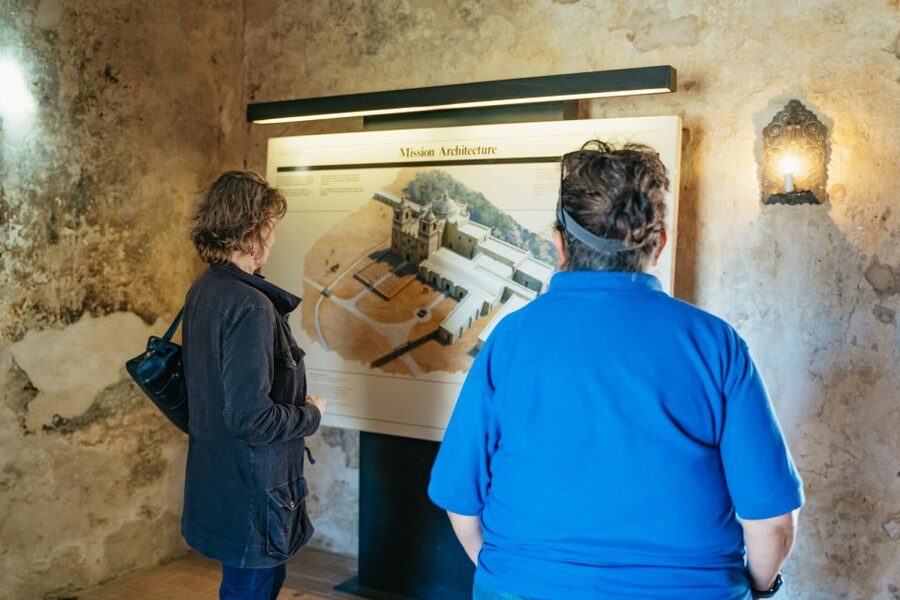
At $65 per person, the tour offers reasonable value if you are staying downtown and want to see all four missions in one outing.
You are paying for transportation, hotel pickup and drop-off in the downtown area, a live English-speaking guide, recorded narration, entry into the guided mission visits, and the film experience. You also save the effort of planning a route between four separate sites.
The value is strongest for first-time visitors, people with limited time, and anyone who prefers historical explanation to independent sign reading. A private car or rideshare between every stop could cost more and would not automatically provide the same level of interpretation.
The price is less compelling if you want a slow architectural study. You may prefer to arrange your own visits if you want to spend half a day at San José or Concepción alone. The organized tour gives you range, but not unlimited time at each place.
For most people, I would view the price as paying for access to a connected story and efficient transport, not simply a ride past four churches.
How to get the most from the 210 minutes
A little preparation will improve the day.
- Wear comfortable shoes, since you will get in and out of the vehicle and explore several sites.
- Bring water, sunscreen, and a hat, especially in warm weather. Bottled water has sometimes been supplied, but it is not listed as included.
- Listen carefully during the drive. The background information helps you understand what you are seeing at each stop.
- Save your own questions for the guide. Domingo and Alex have been praised for taking time with detailed questions.
- At San José, make the Rose Window a priority.
- At Concepción, focus on the original frescoes before moving on to general photographs.
- At Espada, look beyond the church for the dam, aqueduct, and acequia.
- If you want the film at the visitor center, let the guide know you are interested so the timing can allow for it.
The tour is rated 4.5 out of 5 from 213 reviews, and the pattern is clear: the strongest part is the guide’s ability to make a compact schedule feel informative rather than rushed. The main caution is also clear: three and a half hours can only provide an introduction to four substantial sites.
Who should book this mission tour?
I would choose this experience if you want a well-organized first look at San Antonio’s missions, especially if you are staying downtown and do not have a car.
It suits history fans, architecture lovers, families who benefit from a guide, older visitors who prefer included transportation, and anyone who wants to understand the relationship between the missions and the river. The wheelchair-accessible format is another useful advantage.
I would think twice if your main goal is quiet photography, long walks, or close study of frescoes and architectural details. In that case, the tour can serve as an orientation, but you may want to return independently to one or two favorite missions afterward.
FAQ
How long does the San Antonio UNESCO World Heritage Missions Tour last?
The tour lasts 210 minutes, or three and a half hours.
Which missions are included?
The tour visits Mission San José, Mission Concepción, Mission San Juan, and Mission San Francisco de Espada.
Is hotel pickup included?
Yes. Pickup and drop-off are included at downtown San Antonio hotels. Pickup begins about 30 minutes before the scheduled departure time.
What language is the tour conducted in?
The live tour guide and narration are in English.
Is the tour wheelchair accessible?
Yes, the activity is listed as wheelchair accessible.
Are food and drinks included?
No. Food and drinks are not included. Bringing your own water is a practical choice.
Can I cancel for a full refund?
Yes. You can cancel up to 24 hours before the tour for a full refund. You can also reserve now and pay later.
Should you book it?
Book this tour if you want to see all four San Antonio missions without arranging your own transportation, and if you value a guide who can explain how architecture, faith, water, and settlement fit together.
The strongest reasons to go are the Rose Window at San José, the original frescoes at Concepción, and the working irrigation features at Espada. Add the Mission Riverwalk, the Gente de Razon film, and a guide such as Domingo or Alex, and $65 feels fair.
Just keep your expectations realistic. This is a focused introduction, not an unhurried day at each mission. Bring comfortable shoes and water, confirm your pickup, and listen closely during the drives. For a first visit to San Antonio, it is an efficient way to get beyond the city center and understand the places that helped shape it.
Just added around the USA
- Historical Bicycle Tour of Dunedin★ 5.0 · 44 reviews
- Safety Harbor Ghost Tour★ 5.0 · 60 reviews
- Tarpon Springs Ghost Tour★ 4.5 · 19 reviews
- 2.5 Hour Kayaking with Manatee and History Tour in Tarpon Springs★ 5.0 · 24 reviews
- Cincy Brunch History and Streetcar Tour with Riverside Food Tours★ 5.0 · 108 reviews
- Chicago River Architecture Tour Aboard a Historic Yacht★ 5.0 · 45 reviews
- Walkin’ with Colin: Chicago History-Mystery-Comedy-Tragedy Tour★ 5.0 · 218 reviews
- Historic Homes and Cottages of Wicker Park Walking Tour★ 5.0 · 44 reviews
UNESCO World Heritage Tours, compared.
World Heritage Shirakawa-go and Experience Tours from Kanazawa
Read our review →

Bali: Tanah Lot UNESCO World Heritage Sites Full-Day Tour
Read our review →World Heritage Kyoto & Nara Uji Authentic Matcha Experience
Read our review →
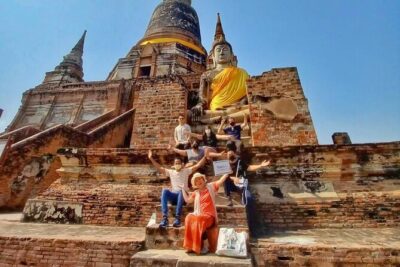
UNESCO’s Ayutthaya Historical Park: Full-Day Tour from Bangkok
Read our review →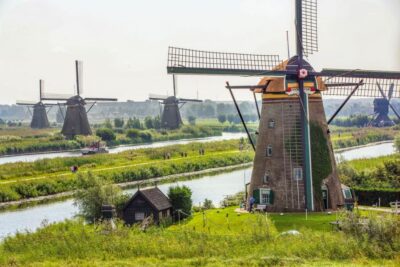
Rotterdam: Kinderdijk UNESCO World Heritage Entry Ticket
Read our review →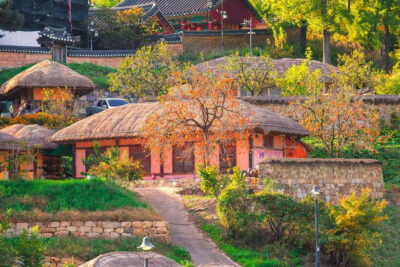
From Busan: Gyeongju UNESCO World Heritage Guided Day Tour
Read our review →Browse the lists this tour appears in