
Review · CHARLESTON
Small-Group Tour: Charleston Old Walled City Historical Walking Tour
Charleston’s past is packed into a few walkable blocks. This small-group tour connects the French Quarter, Broad Street, Rainbow Row, the Battery, and several important churches in about two hours. I like the way it combines major landmarks with lesser-seen lanes and local stories, rather than sending you from one famous façade to the next without context.
I also like the strong focus on architecture, public squares, cemeteries, slavery, the Revolutionary War, and the Civil War. Guides such as Al, Bruce, Eric, and Linda have been praised for making the city’s story lively and personal. The main concern is consistency: some guests have found guides hard to understand or too quick, and there have been occasional reports of a guide arriving late or not appearing at all.
Key points at a glance
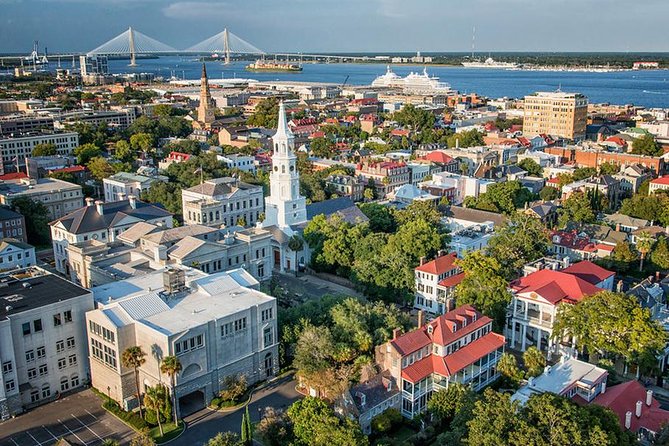
- A true city orientation: You cover the French Quarter, Broad Street, Rainbow Row, the Battery, and several historic churches in one continuous walk.
- Small-group format: The stated maximum is 15 people, though one past departure was reportedly larger, so group size may not always be perfectly predictable.
- Strong local storytelling: Al, Bruce, Eric, and Linda have each received praise for local insight, architecture, and personal stories.
- Serious history, not just pretty houses: The route discusses slavery, the Old Slave Mart, the siege of Charleston, Fort Sumter, and the city’s colonial past.
- Almost entirely outdoors: Most stops involve sidewalk or graveyard narration, with garden access at the Nathaniel Russell House but no house admission.
- Easy walking, with weather exposure: Charleston is flat, but you should wear comfortable shoes and dress for heat, rain, or cold.
Why this walk works well for a first day
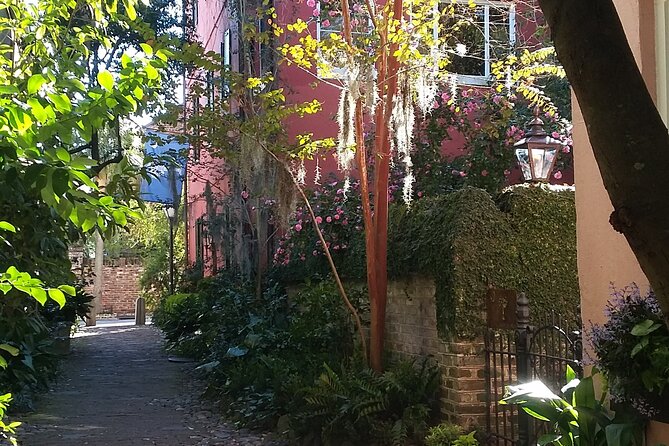
Charleston rewards wandering, but its history can feel scattered at first. This tour gives you a useful map in your head. You move through the old peninsula on foot, linking churches, civic buildings, waterfront defenses, grand homes, and former sites of commerce.
The route is especially useful if you have only one day in Charleston. You see enough of the historic center to decide where you want to return later. The Battery may deserve a slower second visit. St. Philip’s churchyard may prompt you to seek out more colonial history. The Old Slave Mart Museum may need more than the brief exterior explanation provided during the walk.
The tour is advertised at approximately two hours, and the walking is on level city streets. That makes it a reasonable choice for active people who prefer walking to a bus or carriage. The distance is still meaningful, especially in summer, and the tour can run longer when the guide takes questions or adds local stories. One past group received more time than expected, so do not schedule a tight appointment immediately afterward.
More History Walking Tours in Charleston
- Historic Charleston Guided Sightseeing Walking Tour
★ 5.0 · 6,216 reviews - Hidden Alleyways and Historic Sites Small-Group Walking Tour
★ 5.0 · 2,335 reviews - Charleston historical walking tour with a Professor of History at The Citadel
★ 5.0 · 1,284 reviews
Starting at Circular Congregational Church
The walk begins near 108 Meeting Street, by Circular Congregational Church. The congregation has worshipped on this site since 1681, making it an excellent opening stop for Charleston’s colonial story.
The graveyard is the real attraction here. Its eighteenth-century slate tombstones are unusually legible, and the inscriptions give you a direct connection to the people of the old town. The guide provides about 20 minutes of narration, longer than at most stops, so this is where the tour begins to feel like more than a quick landmark checklist.
You should expect to remain outdoors. The churchyard offers atmosphere and evidence, but this is not a church interior tour. If you are interested in early Charleston families, religious life, and old gravestones, listen closely here.
Gunpowder, churches, and the French Quarter
The Powder Magazine is a quick stop, about five minutes, but its age gives it weight. Built by 1713, it was used to store gunpowder in a city that faced repeated military threats. It is described as the oldest surviving public structure between St. Augustine and Williamsburg.
The narration takes place from the sidewalk, so you should not expect a long museum visit. Still, it helps explain why Charleston’s defenses mattered and why the city was never simply a wealthy port with attractive houses.
St. Philip’s Church brings together religion, politics, and the early colonial elite. Founded in 1680, it became known as the church of planters and politicians. The churchyard includes figures connected with the Declaration of Independence and the Constitution. The guide discusses the site from the sidewalk and in the graveyard for roughly 10 minutes.
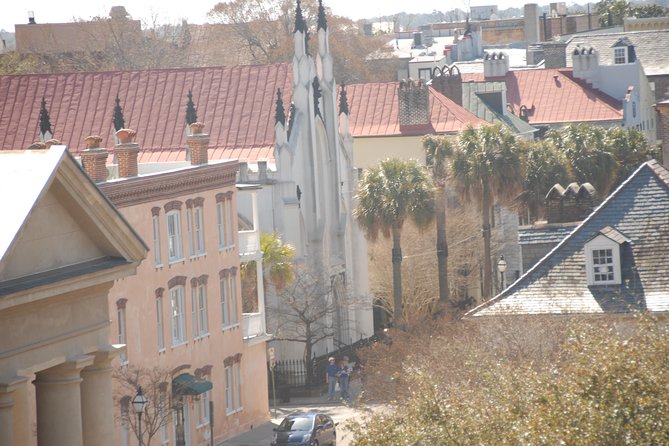
The French Huguenot Church follows with a short stop. This Gothic Revival building is home to the only active French Calvinist congregation in North America, and worship has taken place on the site since 1706. Five minutes is enough for an introduction, but not enough for a detailed architectural study. If church design interests you, note the exterior details and consider returning on your own.
Theater, law, and the difficult history of slavery

The Dock Street Theater is one of the route’s more unusual stops. The current building was constructed in 1937 as a Works Progress Administration project, but it occupies the site of the first playhouse built in British North America, dating to 1736. The contrast between an eighteenth-century theatrical tradition and a Depression-era public works building makes this a useful reminder that Charleston’s old appearance is layered, not frozen in one period.
At the Four Corners of Law, the guide explains the intersection’s long public role, dating to 1680. The four corners are associated with religious, municipal, state, and federal authority. The popular claim that this is the only intersection where the four governing laws of mankind meet is a colorful piece of Charleston lore. Treat it as local tradition rather than a point that needs proving.
The Old Slave Mart Museum requires careful attention. The building is identified as the only surviving structure in Charleston that was used as a showroom for slave sales. The tour provides a short explanation from outside, while the museum itself tells the wider story of slavery in the South Carolina Lowcountry.
Five minutes cannot do justice to this subject. I see the stop as an important introduction, not a replacement for entering the museum. The guide’s treatment matters here. A good explanation should make clear that slavery was central to Charleston’s economy and society, not a side note in a tour about architecture.
More History Walking Tours in the USA
- Charleston: Old Walled City Historical Walking Tour
★ 4.7 · 705 reviews - Historic Charleston Walking Tour: Rainbow Row, Churches, and More
★ 5.0 · 691 reviews - Charleston: History and Architecture Guided Walking Tour
★ 4.8 · 349 reviews - Charleston History and Hops Tour: Bar and History Walk
★ 5.0 · 316 reviews
The Old Exchange and Charleston’s revolutionary role
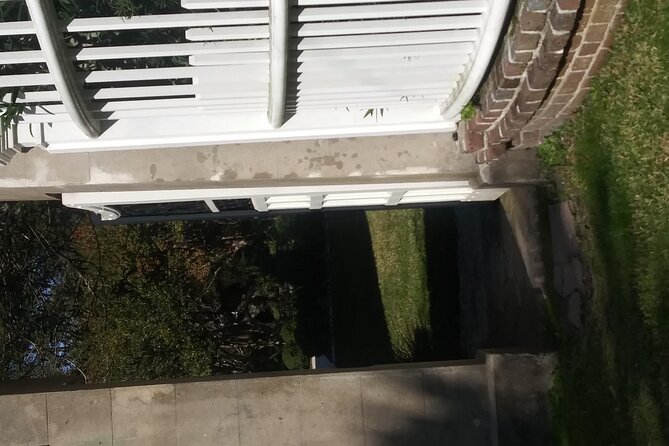
The Old Exchange and Provost Dungeon connects Charleston to the American Revolution. The building was involved in events that helped shape the new nation, and George Washington was entertained there four times in 1791.
Again, the tour offers sidewalk narration rather than an extended interior visit. The stop lasts about seven minutes. That is enough to place the building in the city’s political story, but you may want a separate visit if you want to see the museum and dungeon in detail.
This is one of the tour’s strengths: it keeps moving through different periods. You are not hearing two hours of unrelated house descriptions. Colonial defense, political power, religious institutions, slavery, revolution, and war all appear along the same streets.
St. Michael’s Church and the city under fire
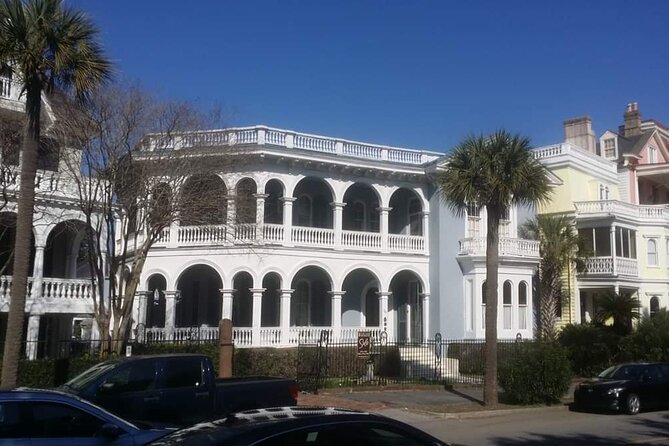
St. Michael’s Church is presented as Charleston’s oldest surviving church, dating to 1761. It was targeted during the British siege in 1780 and again during the Federal siege from 1863 to 1865. Two signers of the Constitution are buried in the churchyard.
The stop lasts about seven minutes, with narration along the sidewalk and in the graveyard. The site gives the guide a chance to explain how Charleston’s buildings endured repeated military pressure. It also puts national events in a very local setting: a church, a churchyard, and the marks of war on an old city.
Several people have singled out St. Michael’s as a highlight, which makes sense. It is visually strong, easy to understand, and tied to both the founding era and the Civil War. If the guide is speaking too quickly, this is a place where you may want to ask for a pause.
Rainbow Row and Charleston’s Caribbean connections
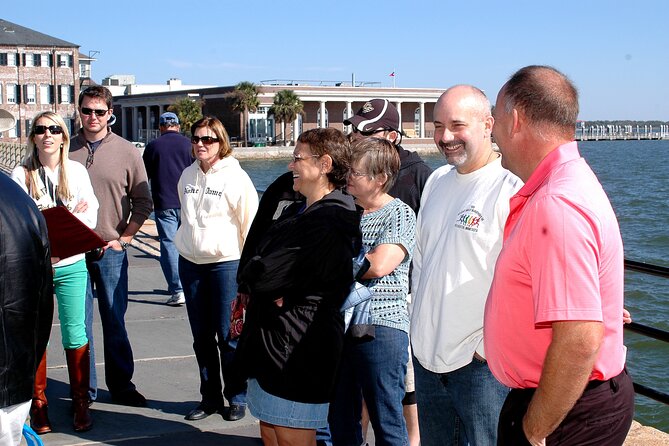
Rainbow Row is the most immediately photogenic stop. These eighteenth-century commercial buildings are painted in soft pastels, and the colors point to Charleston’s early links with Barbados, Antigua, and Nevis.
The guide gives about five minutes of sidewalk narration. You will hear more than the familiar explanation that the buildings are colorful. The Caribbean connection helps show how Charleston’s trade, architecture, and culture were tied to the wider Atlantic world.
This is also a good place to remember that appearance can be misleading. The pastel façades are charming, but the city’s wealth was linked to plantation agriculture, trade, and enslaved labor. The best version of this tour lets the beauty and the difficult economic story exist together.
The Battery and Fort Sumter from shore

The Battery brings you to Charleston’s waterfront defenses and its most impressive collection of grand homes. Many of these houses were built in the first half of the nineteenth century as winter residences and party houses for wealthy owners.
The guide connects the Battery to the opening of the Civil War, explaining that General Pierre Beauregard gave the order to fire on Fort Sumter from one of the houses. The stop lasts about 10 minutes, giving you time to take in the seawall, harbor views, and architecture.
You do not visit Fort Sumter by boat on this tour. Instead, you view it from the High Battery seawall and hear about the siege and bombardment of both the fort and Charleston’s civilian population. The account includes the city’s dramatic fall after 587 days.
This is a valuable distinction when planning. If you want to walk inside Fort Sumter, book a separate ferry excursion. If you mainly want the setting and the story, the Battery viewpoint gives you a useful introduction without taking half a day.
The Nathaniel Russell House garden
The final listed stop is the garden at the Nathaniel Russell House, built in 1808. The guide discusses horticulture, garden design, and the layout of an eighteenth-century Charleston property. You also hear about the joggling board, a distinctive piece of Lowcountry furniture designed for gentle rocking.
The tour enters the garden but does not include admission to the house. That limitation matters. The exterior and garden can help you understand how a Charleston property was arranged, but you will not see the famous interior rooms as part of this experience.
Ending with garden design gives the walk a calmer finish after the heavier subjects of war and slavery. It also adds a practical architectural detail that many general history tours skip.
Guides, group size, and the pace of the walk
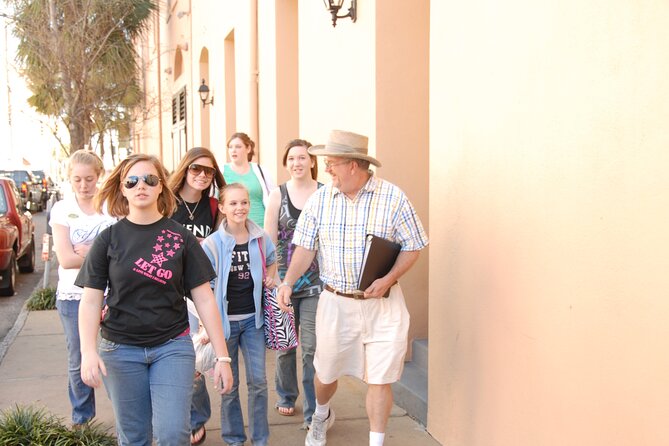
The strongest praise has gone to guides who connect dates and buildings with personal knowledge of Charleston. Al is often described as entertaining, hospitable, and especially good with architecture. Bruce has been praised for sharing local places and childhood connections. Eric is noted for an easy pace and interesting background stories, while Linda has been praised for answering questions and adding memorable anecdotes.
That personal style can be a real advantage. One small group was led through alleys and less obvious paths, giving the walk a more local feel than a simple march between famous addresses. Another guide offered restaurant suggestions and made sure a child could keep up.
There is a tradeoff. Personal storytelling can sometimes crowd out formal history. One past group felt the guide focused too much on personal connections and houses belonging to friends. You can improve the balance by asking direct questions about Charleston’s colonial era, slavery, the Civil War, or architecture.
The stated maximum is 15 people. That is a sensible size for city walking because you can hear questions and stay connected to the guide. Still, one departure was reported to have 19 people, so do not assume every group will follow the advertised limit perfectly.
Communication has also been uneven. Some guides have been praised for clear, lively explanations, while others have spoken too fast or were difficult to understand. If you have hearing concerns, position yourself near the guide and ask for repetition early rather than waiting until the group has moved on.
Practical details that affect the value
The tour includes a local guide, taxes, fees, and handling charges. Transportation to and from attractions is not included, and there is no hotel pickup or drop-off. Since the route is on the Charleston peninsula, you need to arrange your own way to 108 Meeting Street and from the ending point, which is different from the starting point.
The walking itself is free of hills, but the route is not effortless. You will be outside for about two hours, sometimes longer, and Charleston’s weather can change the experience. Wear shoes you can walk in comfortably, bring weather-appropriate clothing, and remember that there is no promise of indoor shelter at every stop.
The mobile ticket is convenient, and confirmation is provided at booking. Service animals are allowed, most people can participate, and children must be accompanied by an adult. Free cancellation is available up to 24 hours before the start time, but late cancellations and late changes are not accepted.
The value depends on your goals. You are paying for a guide who can join many separate sites into one readable story. The tour does not provide deep access to interiors, and it does not replace museum visits. For a first orientation, especially on a short stay, the concentration of landmarks makes the time worthwhile.
Who should book this Charleston walk?
I would choose this tour if you want a broad introduction before exploring on your own. It suits first-time visitors, history fans, architecture fans, families who can manage a steady walk, and anyone with only one day in the city.
It is less suited to you if you want long interior visits, a relaxed photography stroll, or a tightly timed excursion with no risk of delay. The route is mainly outdoors, and guide quality can affect how much you take away.
The overall rating is strong at 4.7 out of 5 from 283 ratings, with 93 percent recommending it. Those numbers fit the main pattern: excellent local storytelling and broad coverage, balanced by occasional problems with punctuality, group size, and speaking pace.
Should you book it?
Book it if you want Charleston explained as a connected city rather than a collection of pretty streets. The churches, cemeteries, Battery, Rainbow Row, Old Slave Mart, and Fort Sumter viewpoint give you a solid first framework.
Before booking, leave room in your schedule afterward, wear good shoes, and be ready to ask questions. If your guide is Al, Bruce, Eric, or Linda, you may get the warm, personal style that has made this walk memorable for many people. If the guide is late or difficult to hear, contact the operator promptly and ask for help rather than quietly losing the tour.
FAQ
How long does the Charleston Old Walled City tour last?
The tour lasts approximately two hours, though it may run longer if the guide adds stories or allows extra questions.
Where does the tour begin?
The meeting point is 108 Meeting Street, Charleston, South Carolina 29401.
Does the tour end where it starts?
No. The activity ends at a different location, so plan your next stop with that in mind.
Is transportation included?
No. Transportation to and from the attractions, as well as hotel pickup and drop-off, is not included.
Does the tour enter the historic buildings?
Most stops involve sidewalk or graveyard narration. The tour enters the garden at the Nathaniel Russell House, but house admission is not included.
Is the walking route difficult?
Charleston is described as a hill-free city, and most travelers can participate. Comfortable walking shoes are recommended because you will be outside and walking for about two hours.
What happens if the weather is poor?
The tour operates in all weather conditions, so dress appropriately for the local forecast.
How large is the group?
The stated maximum is 15 people, although one past departure was reported to have a larger group.
Can I cancel for a refund?
Yes. You can cancel at least 24 hours before the start time for a full refund. Cancellations or changes made less than 24 hours before the start time are not accepted.
More Small-Group History Tours in Charleston
- Small Group Ghost Tour Charleston: 60min of True Haunted History
★ 4.5 · 272 reviews - Semi-private SMALL group Historic Walking Tours w/certified guide
★ 5.0 · 224 reviews - Small Group Historic Charleston walking Tour
★ 5.0 · 62 reviews - London Small Group Tour of Historical Pubs
★ 5.0 · 10,422 reviews
Just added around Charleston
- Charleston’s Historic Pubs, Taverns, and Taprooms Tour★ 4.5 · 33 reviews
- Charleston’s Strong Women of the South History Tour★ 4.5 · 27 reviews
- Private Walking Tour of Historic Charleston★ 5.0 · 38 reviews
- Sip History in The Sun Cabana Covered Cocktail Class★ 5.0 · 332 reviews
- Sip History In a Secret Speakeasy Cocktail Class★ 5.0 · 40 reviews
- Private Sunset Sail BYOB Dolphin/History Tours on 43ft Mystique★ 5.0 · 42 reviews
- Private Afternoon Sailing/Dolphin & History Tour on 43ft Mystique★ 5.0 · 32 reviews
- Charleston History, Homes, and Architecture Guided Walking Tour★ 5.0 · 267 reviews
History Walking Tours, compared.
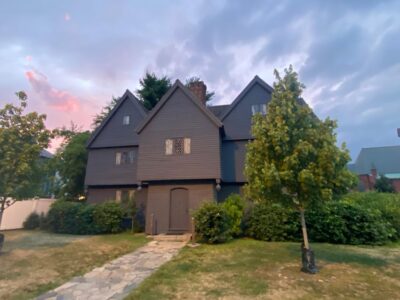
History and Hauntings of Salem Guided Walking Tour
Read our review →
Freedom Trail History Small Group Walking Tour
Read our review →
Historic Charleston Guided Sightseeing Walking Tour
Read our review →
Tapas Walking Tour with Food, Wine, and History
Read our review →
Savannah History and Haunts Candlelit Ghost Walking Tour
Read our review →
A History of Terror – Belfast City Centre Walking Tour
Read our review →Browse the lists this tour appears in