

Review · GALLE
Galle Fort Heritage Walk by a Certified Heritage Interpreter
History comes alive on Galle’s old walls. This private walk pairs the fort’s best-known landmarks with a certified heritage interpreter, giving you room to ask questions instead of following a fixed group script. I especially like the access to a private museum and hidden gunpowder magazine, plus the fact that the walk stays focused on history rather than turning into an unwanted shopping stop.
The two-hour route covers the Black Fort, lighthouse, Dutch Reformed Church, clock tower, Courts Square, and the planned streets of the Dutch fort. I also like the personal pace: guides such as Yasiru and Epsa have been praised for answering detailed questions patiently and adding useful context about Galle and Sri Lanka. The main consideration is that this is a walking tour with no private transport, so hot weather, uneven surfaces, and the number of stops may matter to some people.
Key details at a glance
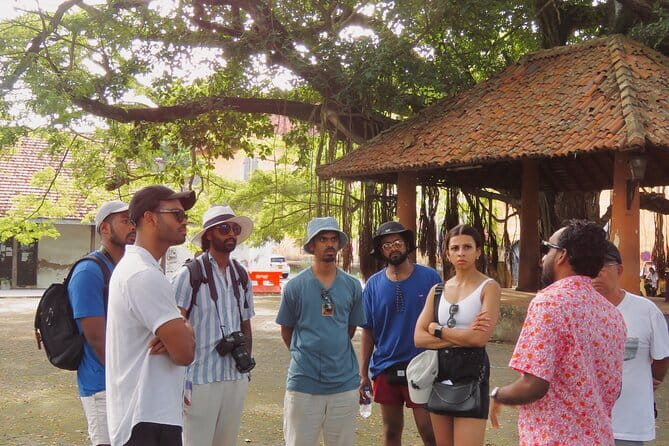
- A private walk with a certified interpreter: Your group receives the guide’s full attention, with no strangers joining the experience.
- Seven historic stops in about two hours: The route moves from the Black Fort to Courts Square, covering major fort landmarks without requiring a full museum day.
- Access beyond the usual street circuit: Entry to a private museum and a hidden gunpowder magazine adds something many self-guided walks cannot offer.
- Strong choice for history questions: Guides answer questions during the walk, making this useful for curious visitors who want more than dates and building names.
- No shopping detour built into the experience: The focus stays on Galle Fort’s past, architecture, trade, and colonial-era role.
- Good value for a private tour: At $45 per person, the cost makes the most sense when your group wants focused guiding and special access.
Why Galle Fort benefits from a guided walk

Galle Fort is easy to enter and easy to wander. That is also the problem. Without context, you may see thick walls, old churches, a lighthouse, and attractive streets without understanding why they were built or how the port worked.
This walk gives those pieces a useful order. You hear about trade, military planning, religious life, exports, colonial rule, and the daily purpose of the fort’s streets. The route is not just a parade of buildings. It explains how a fortified port operated as a small town.
I like the private format because it lets you set the tone. If you want more detail about church construction, trade goods, or military defenses, you can ask. If one person in your group has a particular interest in history, the guide can respond directly rather than move on because a large group is waiting.
The experience lasts about two hours to two hours and 20 minutes. That is long enough to cover the main points without taking over an entire day in Galle. Still, you should expect to walk between stops and spend time outdoors. There is no private transportation included, and the tour works best when you are ready to explore on foot.
More Castle and Palace History Tours in the world:
- Edinburgh: Edinburgh Castle Guided History Tour with Tickets
★ 4.8 · 9,933 reviews - Madrid Essential: Historic Center, Plaza Mayor & Royal Palace
★ 5.0 · 6,416 reviews - Venice’s Best: Basilica, Doge’s Palace, Gondola & History Gallery
★ 4.5 · 2,478 reviews
Black Fort: trade, defense, and the port city
The walk begins at Black Fort, where the guide sets up the larger story of Galle. This stop focuses on the port’s role as a major trading center during the colonial era, when goods, cultures, and ideas moved through the harbor.
That opening matters. It helps you understand that Galle Fort was not built only as a military stronghold. It was also a working port tied to commerce and international exchange. The fort’s walls protected an active center of business and administration.
Expect roughly 20 minutes here. That is enough time for a clear introduction, though anyone seeking a long military lecture may find the schedule brisk. I would use this stop to ask how trade shaped the fort and which groups influenced its development. The private format makes those questions easy.
Galle Fort Lighthouse and its lost predecessor
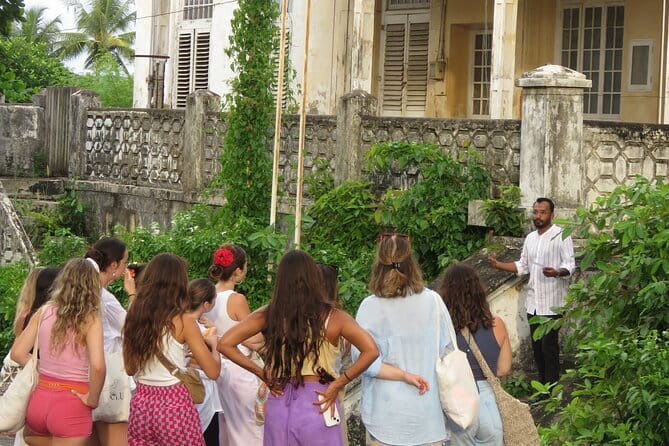
The lighthouse stop also lasts about 20 minutes. Here, you learn the story of how Asia’s first lighthouse was burned down. That detail gives the landmark more weight than a simple photo stop.
A lighthouse is practical infrastructure, not just a scenic object. Its purpose connects directly to Galle’s position as a port and to the ships that depended on safe navigation. The story of its destruction adds a human and dramatic turn to the wider tale.
This is one place where a guide adds real value. A self-guided visitor can admire the lighthouse, but may not know which story to attach to it. Your interpreter can explain the landmark’s place in the fort’s history and answer questions while you look around.
The stop is short enough that you will not spend much time lingering. If lighthouse architecture is a major interest, ask questions early so the guide can tailor the explanation to your group.
Old Town, fortifications, and Queen Victoria’s palace

The next section covers Galle’s old town and fortifications, with a focus on Queen Victoria’s palace. The route spends about 15 minutes here.
This stop links the defensive walls with the civilian life inside them. The fort was not simply a line of stone around empty space. It contained streets, buildings, institutions, and places connected to colonial authority.
The mention of Queen Victoria’s palace gives the stop a strong political angle. You can ask how the palace fit into the wider order of the fort and what it represented during the colonial period. Since the tour is private, this is a good moment to ask for clarification if you are not familiar with Sri Lanka’s colonial timeline.
The 15-minute timing suggests a focused explanation rather than a long interior visit. The tour’s value here comes from connecting the building to the fort’s wider story, not from spending an entire hour at one site.
More History Walking Tours in the world:
- History and Hauntings of Salem Guided Walking Tour
★ 5.0 · 14,564 reviews - Lisbon: History, Stories and Lifestyle Walking Tour
★ 4.8 · 10,902 reviews - Boston: Freedom Trail History Small Group Walking Tour
★ 5.0 · 6,450 reviews - Historic Charleston Guided Sightseeing Walking Tour
★ 5.0 · 6,216 reviews
Dutch Reformed Church: a 50-year construction story

The Dutch Reformed Church receives about 10 minutes, making it the shortest stop on the route. The key story is the church’s construction and why it took more than 50 years to complete.
That long building period gives you a useful reminder: old monuments were often shaped by changing resources, plans, and political conditions. A church that took decades to finish reflects a process, not a single moment.
Ten minutes is enough for an introduction and a quick look, but it may feel brief if you want a detailed architectural study. I would treat this as a compact history lesson and save any questions about religious life or construction for the guide as you walk to the next stop.
The church also broadens the tour beyond military subjects. You get a look at the religious institutions that formed part of life inside the fort.
Galle Fort Clock Tower and UNESCO status

The clock tower stop lasts about 20 minutes and addresses two important questions: why Galle Fort became a UNESCO World Heritage site and why the port mattered during the colonial era.
This is a useful point in the walk because it pulls together what you have already seen. The fort’s value does not rest on one building. It comes from the relationship between its defenses, streets, public buildings, religious sites, and port function.
A guide can also explain why preservation matters here. The fort is a place where layers of colonial and local history meet, and the clock tower offers a clear setting for discussing that wider importance.
I would not treat the UNESCO designation as a shortcut for understanding the site. The useful part is learning what makes the fort significant and how its different elements work together. The 20-minute stop gives the interpreter time to explain that rather than simply point out a plaque.
Dutch Fort: a planned village inside the walls

The Dutch Fort section lasts about 20 minutes and examines the layout of the settlement. You learn why the streets were arranged as they were and what purpose each street served.
This may be the most practical stop for understanding how the fort functioned day to day. Military walls get the attention, but streets reveal how people actually moved, worked, governed, and lived within the enclosure.
I like this part because it teaches you to read the town rather than merely photograph it. A street plan can tell you about planning, control, access, and the relationship between public and private spaces.
The stop should also improve the rest of your time in Galle. After learning how the streets were planned, you can continue looking around with more purpose. You may notice how the fort feels like a compact village rather than a single monument.
The route’s promise of access to parts of the fort that many people do not see is especially relevant here. The included entry to a hidden gunpowder magazine adds a military detail that ordinary street wandering may miss. This is a meaningful extra because it connects the fort’s grand walls with the equipment and storage needs behind them.
Courts Square and the goods that left Sri Lanka

The final listed stop is Courts Square, with about 15 minutes devoted to the goods exported from Sri Lanka. The focus includes large quantities of goods, gems, and herbs.
This is where the walk returns to commerce. You have already heard about Galle as a port, and Courts Square gives that subject a more concrete shape. Trade was not an abstract force. It involved valuable materials, organized movement, and the people who handled those goods.
The stop also helps explain why Galle attracted outside powers. A port connected to valuable exports was important for both business and control. The guide can tie this commercial story back to the fortifications and administrative buildings you have seen earlier.
Fifteen minutes should be enough for a clear overview, but visitors who want detailed trade figures or a long economic lecture may want to ask whether extra questions can be covered before the walk ends.
The private museum and gunpowder magazine
Two inclusions add value beyond a basic route around the walls. Your ticket includes entry to a private museum and access to see a hidden gunpowder magazine.
These features matter because Galle Fort can otherwise be experienced as an open-air stroll with limited interpretation. A private museum gives the guide another setting for objects and stories, while the gunpowder magazine offers a direct connection to military planning.
The data provided does not specify the museum’s collection or how long you spend inside it, so I would not book this expecting a large formal museum visit. Think of it as an added stop within a guided heritage walk.
Access to the gunpowder magazine is the more unusual feature. It gives the tour a sense of discovery without making exaggerated promises about a secret attraction. You are seeing a part of the fort connected to its defensive purpose, and the interpreter can explain why it was there.
What the $45 price buys you
The price is $45 per person. All fees and taxes are included, along with a licensed guide, private museum entry, and access to the gunpowder magazine.
That is not the cheapest way to walk through Galle Fort. You can explore the streets independently, especially if you are content to read signs and look at the architecture. The value here comes from the private attention, structured route, interpretation, and access beyond the normal public walk.
I think the price works best for a small group that cares about history. It is also easier to justify if you would otherwise pay for several separate museum entries or spend time trying to piece together the fort’s story alone.
The tour has had five or more bookings in the last month and a 100 percent recommendation rate from 31 ratings, with a five-star average. The strongest praise centers on detailed explanations, patience with questions, useful information about Galle and Sri Lanka, and the lack of a shopping detour.
That last point is worth emphasizing. Some guided sightseeing experiences quietly become sales outings. This one is presented as a history-focused walk, and Yasiru was specifically appreciated for keeping the experience away from that pattern. Epsa was also praised for being patient, informative, and unhurried, with the experience ending naturally with useful local suggestions such as a local arrack cocktail.
Who should book this walk
I would choose this experience if you want Galle Fort to make sense rather than simply look attractive. It suits first-time visitors, history fans, people who enjoy asking questions, and anyone who prefers a private guide over a large group.
It is also a good fit if you have only a short time in Galle. Two hours covers the main landmarks and gives you a framework for exploring on your own afterward.
You may want a different plan if you dislike walking, want private transport, or prefer to spend a long time inside one museum or church. The route visits several places in a limited period, so it favors breadth and context over a slow study of one building.
Most people can participate, and service animals are allowed. The activity is near public transportation, but transportation itself is not included. Confirmation is provided when you book, and free cancellation is available up to 24 hours before the start time. Changes or cancellations made within 24 hours are not accepted for a refund.
Should you book the Galle Fort Heritage Walk?
Book it if you want a private, history-first introduction to Galle Fort, especially if the private museum and gunpowder magazine appeal to you. The combination of major landmarks, direct questions, and guide attention gives you more than a loose walk around the walls.
At $45 per person, it is best value for people who care about context and have a small group to share the experience. Skip it if you only want a quick photo circuit or prefer to explore without a schedule. For most curious visitors, the detailed guiding and focused route make this a sensible way to meet Galle Fort.
FAQ
How long does the Galle Fort Heritage Walk last?
The walk lasts approximately two hours to two hours and 20 minutes.
Is this a private tour?
Yes. Only your group participates in the activity.
How much does the tour cost?
The price is $45 per person.
What is included in the price?
The price includes all fees and taxes, a licensed guide, entry to a private museum, and access to see a hidden gunpowder magazine.
Is private transportation included?
No. Private transportation is not included.
Which places are visited?
The route includes Black Fort, Galle Fort Lighthouse, Galle’s old town and fortifications, the Dutch Reformed Church, Galle Fort Clock Tower, Galle Dutch Fort, and Courts Square.
Does the tour include a lighthouse visit?
Yes. The route includes Galle Fort Lighthouse, where the guide explains the story of how Asia’s first lighthouse was burned down.
Can I ask the guide questions?
Yes. The private format allows you to ask the guide questions during the walk.
What is the cancellation policy?
You can cancel at least 24 hours before the experience starts for a full refund. Cancellations or changes made less than 24 hours before the start time are not accepted for a refund.
Just added around the world
- Aztec Tlan – Heritage Bike Tour CDMX★ 5.0 · 26 reviews
- Half-Day Small-Group Historical Center Mexico City Tour★ 5.0 · 31 reviews
- Uxmal and Kabah Ruins Tour with Chocolate History★ 4.5 · 54 reviews
- Discover Meteora’s Monastic Heritage: Personalized Private Tour★ 5.0 · 122 reviews
- Walking Tour Across the Historic Center in Merida★ 5.0 · 177 reviews
- From Messina : Savoca and Taormina; history, cinema and dreamlike views★ 5.0 · 20 reviews
- Memphis Haunted History Bus Tour★ 4.5 · 170 reviews
- Full-Day Ancient Cenotes Homún from Mérida★ 4.5 · 21 reviews
Castle & Palace History Tours, compared.

Edinburgh Castle Guided History Tour with Tickets
Read our review →
Venice’s Best: Basilica, Doge’s Palace, Gondola & History Gallery
Read our review →
Imperial Palace and Shogun Historical Walking Tour
Read our review →
Saadian Tombs & Bahia Palace, Medina Guided Tour
Read our review →
Charleston historical walking tour with a Professor of History at The Citadel
Read our review →
Abu Dhabi Grand Mosque, Palace, and Heritage Village
Read our review →
Buda Castle District Dark History, Legends and Vampire Night Tour
Read our review →
Tokyo Castle & Imperial PalaceーShogun Walking Tour
Read our review →Browse the lists this tour appears in