Review · MADRID
Madrid Essential: Historic Center, Plaza Mayor & Royal Palace
Madrid reveals itself one stone at a time. This lively walking tour links Puerta del Sol, Plaza Mayor, and the Royal Palace while adding odd corners, old businesses, food tips, maps, and stories that help Madrid make sense. I especially like the visual teaching aids and the way guides such as Javier, David, Christian, Miguel, and JP turn dates and rulers into memorable tales.
The route is also a good first-day choice because it gives you a useful map of central Madrid without requiring museum tickets. The main caution is that this is a history-heavy walk, and the tour may run longer than planned. You also need to budget for a tip, and one report mentions a small earpiece charge.
Key points to know before booking
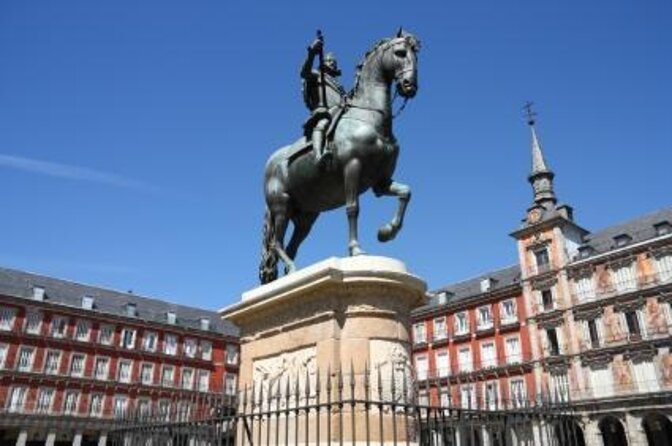
- Puerta del Sol starts the story: See Madrid’s Kilometer 0, the Bear and the Strawberry Tree, and the statue of Carlos III.
- Plaza Mayor brings history and food together: Expect stories about public spectacles, the Spanish Inquisition, Toledo, and the famous squid sandwich.
- The route includes several overlooked stops: Arco de Cuchilleros, the Arab Wall, an old pharmacy, and Madrid’s first main square.
- No major interior visits are included: The Royal Palace is viewed from outside, and entry tickets are not part of the experience.
- Guide quality is a major strength: Javier, David, Christian, Miguel, JP, Paul, Melissa, and others are praised for humor, energy, and clear English.
- Plan for a tip and walking time: The advertised price is very low, but the guide’s tip is expected at the end.
Why this makes a strong first walk in Madrid
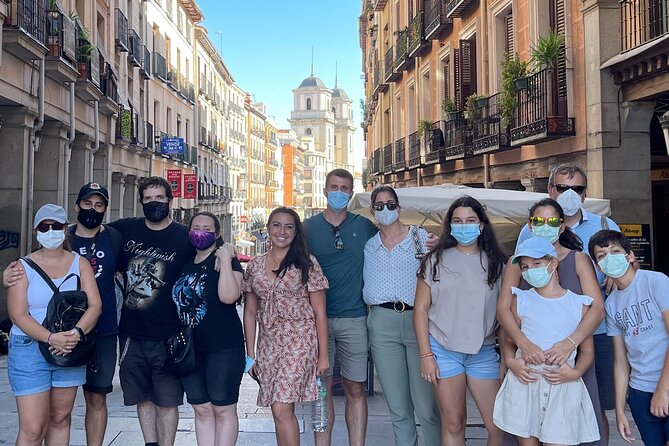
Madrid’s historic center is compact, but it can feel confusing at first. Squares open into narrow lanes, royal buildings appear beside ordinary shops, and important sites often carry several layers of Spanish history. This tour gives you a basic route through the old center in about two and a half hours.
I like the balance between famous places and small details. You get the obvious highlights, such as Plaza Mayor and the Royal Palace, but you also pause at a centuries-old pharmacy, the Arab Wall, a flamenco venue, and the narrow streets near Cuchilleros. These brief stops help you see Madrid as a living city rather than a string of grand monuments.
The guides use printed material, maps, and other visual tools during the walk. That matters at places where the original building or city wall has disappeared. Instead of staring at an empty patch of pavement, you can see what once occupied the site.
The tone varies by guide. Javier is repeatedly praised for his humor, enthusiasm, and command of Madrid’s past. David receives similar praise for turning history into an interactive experience. Christian is described as charming and entertaining, while Miguel, JP, Paul, Melissa, and Idan are also singled out for energy and personal recommendations.
That variety is worth noting. This is not a scripted audio walk with a fixed personality. Your experience will depend partly on the guide leading your group. The strongest guides appear to use humor without losing the main historical thread, though one report felt that the jokes occasionally took space away from the cultural material.
More Old Town and Historic Centre Walks in Madrid
- Madrid Historic Centre Food Tour with Authentic Tapas & Wines
★ 5.0 · 814 reviews - Madrid in a Day Tour:Royal Palace, Historic Center & Prado Museum
★ 5.0 · 628 reviews - Guided Tour of Madrid of the Austrias and the Historic Center
★ 5.0 · 520 reviews
Puerta del Sol: Madrid’s center point
The walk begins at Puerta del Sol, one of Madrid’s best-known gathering places. This is where the city celebrates New Year’s Eve, eating twelve grapes with the twelve clock chimes. The tradition gives the square an immediate connection to everyday Spanish culture, not just royal history.
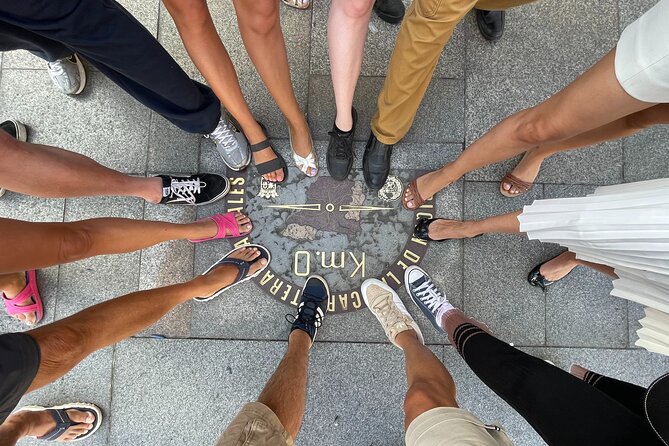
You will also see the Kilometer 0 plaque, marking the starting point for Spain’s radial roads. It is a small object, easy to miss on your own, but useful once someone explains why it matters. Guides often use it as a playful orientation point, helping you understand how Madrid became the country’s central reference point.
The Bear and the Strawberry Tree statue is another quick but important stop. It is the symbol of Madrid and a favorite photo point. The tour also covers the statue of King Carlos III, linking the square to the monarch associated with major changes in the city.
Allow about 20 minutes here. The stop is free, and the value comes from the explanation rather than admission. If you are starting your stay in Madrid, this is an efficient way to get your bearings fast.
Plaza Mayor and the stories behind the postcard
From Sol, the group moves to Plaza Mayor, the grand rectangular square at the heart of old Madrid. It is easy to admire the buildings and move on, but the square has hosted far more than cafés and souvenir shops.
The guide discusses bullfights, carnivals, public events, and the Spanish Inquisition. The square’s past is not presented as a polished royal backdrop. You hear about the public spectacles and difficult chapters that shaped Madrid’s identity.
This is also where the tour brings in food. The squid sandwich is a Madrid classic, especially around the central area, and the guide explains its place in local eating habits. You may not eat one during the walk, since food and drinks are not included, but you should leave with a practical idea for a quick local bite.
The discussion also reaches Toledo, the former capital and a major center of Spanish religious and political life. Calling Toledo the Spanish Jerusalem gives you a compact sense of the city’s importance, though the stop is not a day trip there. It is context for understanding why Madrid’s rise changed the country’s center of power.
The advertised time here is about 30 minutes. That should be enough for a clear introduction, though the depth depends on the guide and group pace. Some guides use maps and images to make the past easier to picture, which is especially useful when the modern square hides much of its earlier role.
Arco de Cuchilleros and Madrid’s old lanes
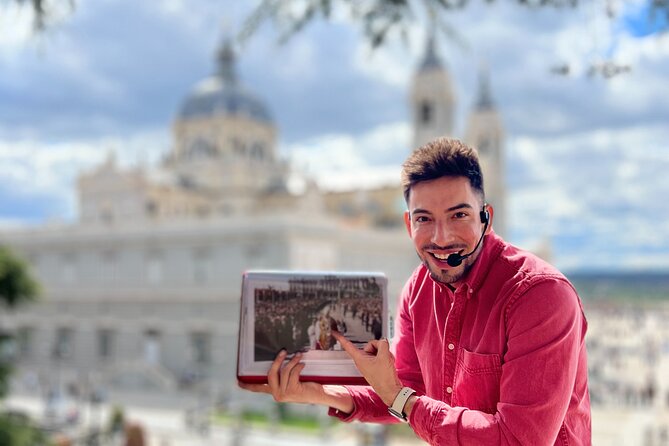
The route then heads toward Arco de Cuchilleros, one of the most atmospheric passages near Plaza Mayor. The arch leads into a lower, older section of the center where the streets feel more enclosed and irregular.
You will hear about the world’s oldest restaurant and the oldest barbershop in the European Union. The provided information does not promise an interior visit, so think of this as a storytelling and orientation stop rather than a meal or guided entry.
I like this part because it shifts the focus from kings and public squares to ordinary businesses that have survived for generations. It also gives you a useful reason to explore the lanes around Plaza Mayor later, when you can return at your own speed.
The stop lasts roughly 20 minutes. Wear shoes that can handle old paving and uneven walking surfaces. The route is not described as difficult, but it is a city walk with several hours on your feet.
More Old Town and Historic Centre Walks in Spain
- Segway Private Tour in the Historic Center of Madrid
★ 5.0 · 310 reviews - Private: Madrid Historic Centre Food Tour with 10+ Authentic
★ 5.0 · 97 reviews - Essential Madrid: Walking Tour of the Historic Center
★ 4.7 · 58 reviews - Madrid: Royal Palace, Prado Museum & Historic Center Tour
★ 4.6 · 50 reviews
The Arab Wall and Madrid before the palace
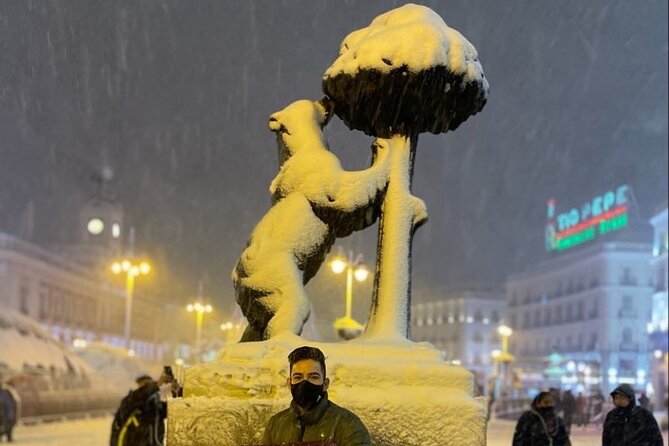
Near the Arab Wall, the guide introduces the city’s early foundations and points out the former gates where Arab and Christian sections of Madrid met. The stop is short, around 10 minutes, but it adds an important layer to a city often presented mainly through its Bourbon and royal buildings.
You will need to picture parts of this history because not everything survives in full view. This is one of the places where printed material and visual aids help. A guide can show how Madrid’s earlier walls and entrances fitted into the growing city.
If you prefer grand interiors and long monument visits, this brief stop may feel modest. If you enjoy seeing how a city developed over time, it gives the walk more substance than a simple parade of famous squares.
Flamenco, the old pharmacy, and details you could miss
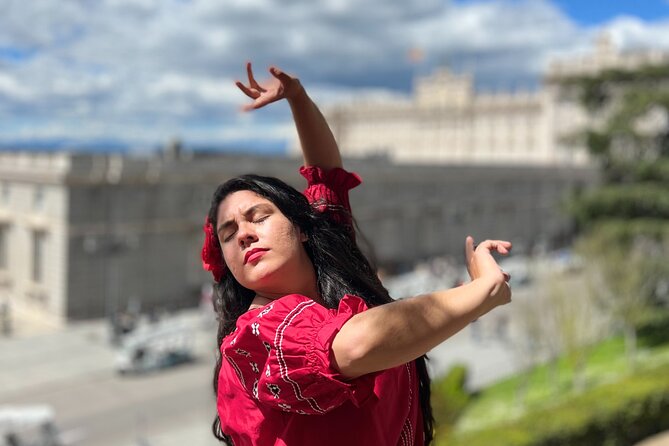
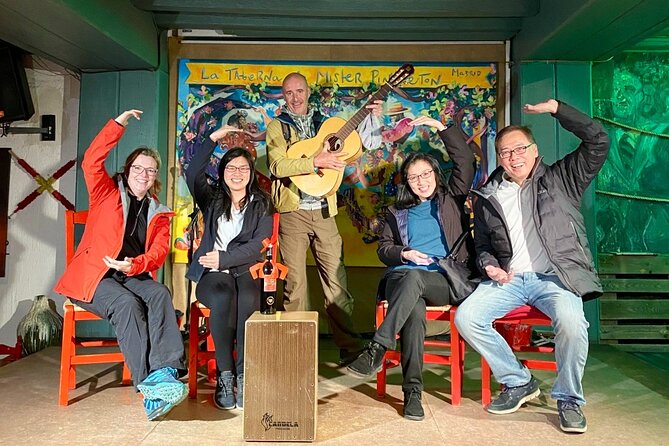
The stop at Tablao Flamenco Arco de Cuchilleros is listed as a five-minute introduction to a flamenco venue. It is not a full flamenco performance included in the walk. Instead, the guide presents it as a place to consider for a separate evening experience and explains some of the tradition behind the show.
One guide, Paul, was praised for giving a short but lively account of flamenco’s origins. That kind of explanation can be useful if you are considering a performance but do not know how the venues differ.
The walk then pauses at La Real Botica de la Reina Madre, described as Madrid’s oldest centenary business. The guide points out a tunnel connected with the Royal Palace. Again, the emphasis is on seeing and explaining the location, not on entering every site.
These tiny stops are part of the tour’s appeal. They do not take long, but they give you a list of places to revisit. They also break up the political history with stories about medicine, business, music, and city life.
Plaza de la Villa, Madrid’s former civic center
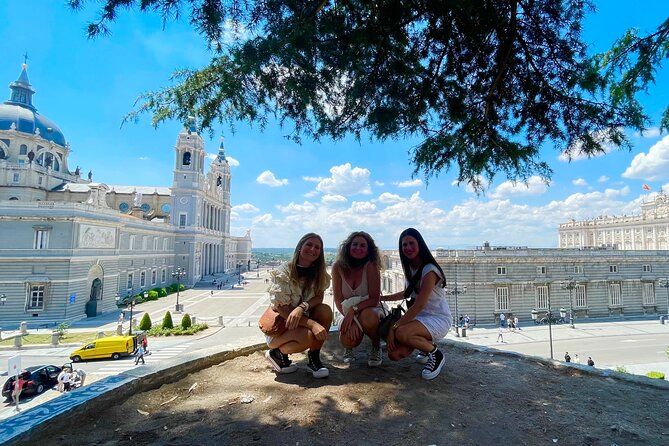
Plaza de la Villa was Madrid’s first main square and the location of the old town hall and city jail. The tour also points out a very narrow street nearby. The square is smaller and less immediately famous than Plaza Mayor, which makes the guide’s explanation especially useful.
This is the sort of place I would likely pass without understanding its role. A short stop turns it into a reference point for Madrid’s earlier civic life. You can see how power operated before the royal palace district became the city’s best-known symbol.
About 15 minutes are planned here. The stop is listed with admission included, but the experience does not promise a separate interior visit. Treat it as an outdoor historical stop.
Almudena Cathedral and the approach to the Royal Palace
The Catedral de Santa María la Real de la Almudena is one of the route’s grandest sights. It was consecrated by Pope John Paul II and has hosted royal weddings. The guide introduces the cathedral from the outside, with no entry fee included because the tour does not take you inside.
The short five-minute stop is enough to place the cathedral within Madrid’s royal district. It is not enough for a full architectural study, a quiet prayer, or an interior tour. If the building interests you, plan a separate visit.
The route ends near the Royal Palace after a final stop of about 30 minutes. The palace itself is not included, and the tour does not enter it. Instead, you get an outside introduction and climb a hill to a viewpoint with some of the best views of Madrid.
That final climb is a useful detail. The walk is mostly about streets and squares, but this section adds an uphill stretch and a broad city view. If you have mobility concerns, ask the provider for current route details before booking. The tour information says most people can participate and service animals are allowed, but it does not describe a step-free route.
The end point is on Calle de Requena, only about five minutes from Puerta del Sol according to the supplied details. That makes it easy to continue to the palace area, find lunch, or return to the central transport network.
Price, group size, and the real cost
The advertised price is $3.62 per group, for up to 15 people. That is unusually low for a two-and-a-half-hour guided walk, especially one that includes maps, printed material, and personal recommendations after the tour.
You should not treat the listed price as the full expected cost. Tips are not included, and the guide is paid at the end. One report says the guide explained that the tip was divided among several parts of the service and suggested bringing about €15 per person. Another said around €20 was suggested as a minimum for a high-quality experience.
The exact amount is your decision, but you should arrive prepared for this tipping model. One report also mentions a €1 earpiece charge so the guide could be heard clearly. That detail may vary, so confirm it when you arrive.
The group information needs a little care. The price description says up to 15 people per group, while the additional tour information gives a maximum of 29 participants. Ask the provider which group size applies to your booking. A group of 13, including adults, teenagers, and young children, was handled well by guide Andrés, but a larger group may feel less personal.
Timing, weather, and what to bring
The planned duration is approximately two hours and 30 minutes. One report found the walk ran beyond the original estimate and created a rush for a lunch reservation. Do not schedule a tight meal, museum entry, or train immediately afterward.
Madrid’s weather can change the feel of the walk. A group touring in cold rain still received a full historical introduction, but parts of the route were affected by Christmas market construction. The provider says poor weather can lead to a new date or a full refund, subject to the stated cancellation terms.
Wear comfortable shoes and bring water. There is no included food or drink, and the walk moves through busy central streets rather than stopping for a formal break. A small umbrella or light rain layer is sensible outside the hottest months.
Confirmation arrives at booking, and the meeting point is Puerta del Sol. The tour is offered in English and uses a mobile ticket. Public transportation is nearby, so arriving and leaving should be straightforward.
Who will enjoy this tour most
I would choose this walk for a first visit to Madrid, especially if you want a historical framework before exploring alone. It suits families, couples, solo visitors, and groups that enjoy a guide who tells stories rather than simply naming buildings.
It is also a good fit if you like local details: the squid sandwich, the old pharmacy, the flamenco venue, the narrow street, and the city symbols at Sol. The guide’s personal food suggestions can be useful when you have only a short stay.
History fans will probably get the most from it. David Onion, JP, Javier, and several other guides are praised for strong preparation and animated explanations. Families may appreciate the interactive approach, including a pop quiz used by Idan with one group.
I would be more cautious if you want extended time inside the Royal Palace or Almudena Cathedral. This experience is an outside walking introduction. You will need separate tickets and time for the interiors, and those admissions are not included.
Should you book Madrid Essential?
Book it if you want a lively introduction to central Madrid, enjoy historical stories, and can keep your schedule flexible. The low listed price gives the tour excellent potential value, but plan for the expected tip and possible small earpiece charge.
I would book it near the beginning of your stay, then use the guide’s suggestions to choose restaurants, flamenco, palace time, and further walks. Skip it if you strongly dislike group pacing, long historical explanations, or tip-based tours. For most first-time visitors who want the old center to make sense, this is a practical and entertaining starting point.
FAQ
How long does the Madrid Essential tour last?
The tour lasts approximately two hours and 30 minutes. Allow extra time because one report found the walk ran longer than expected.
Where does the tour begin?
The meeting point is Puerta del Sol in central Madrid.
Where does the tour end?
The tour ends at C. de Requena, 3, in central Madrid, near the Royal Palace and about five minutes from Puerta del Sol.
Is Royal Palace admission included?
No. The tour visits the Royal Palace area and a nearby viewpoint, but entry to the palace is not included.
Is food or drink included?
No. Food and drinks are not included. The guide discusses local specialties, including Madrid’s squid sandwich.
Is the tour offered in English?
Yes. The experience is offered in English and uses a mobile ticket.
What happens if the weather is poor?
The experience requires good weather. If it is canceled because of poor weather, you will be offered another date or a full refund. Cancellation by you is fully refundable when made at least 24 hours before the start time.
More Castle and Palace History Tours in Madrid
- Edinburgh: Edinburgh Castle Guided History Tour with Tickets
★ 4.8 · 9,933 reviews - Venice’s Best: Basilica, Doge’s Palace, Gondola & History Gallery
★ 4.5 · 2,478 reviews - Tokyo: Imperial Palace and Shogun Historical Walking Tour
★ 5.0 · 2,251 reviews - Marrakech: Saadian Tombs & Bahia Palace, Medina Guided Tour
★ 4.6 · 1,989 reviews
Just added around Madrid
- Madrid: Tour of the Historic City Center★ 5.0 · 87 reviews
- Madrid: Royal Palace, Prado Museum & Historic Center Tour★ 4.6 · 50 reviews
- Madrid: Tapas, Taverns & History Tour★ 4.7 · 71 reviews
- Madrid: Tuk-tuk tour of the historic center and highlights★ 4.7 · 20 reviews
- Madrid: Authentic Tapas Evening Tour with a side of History★ 4.9 · 37 reviews
- Madrid City Tour: Culture and History★ 5.0 · 29 reviews
- Madrid: Small-group historical walking tour★ 4.9 · 19 reviews
- Tapas Crawl in Madrid Historical Quarter for Lunch or Dinner★ 4.9 · 45 reviews
Castle & Palace History Tours, compared.
Edinburgh Castle Guided History Tour with Tickets
Read our review →
Venice’s Best: Basilica, Doge’s Palace, Gondola & History Gallery
Read our review →
Imperial Palace and Shogun Historical Walking Tour
Read our review →
Saadian Tombs & Bahia Palace, Medina Guided Tour
Read our review →
Charleston historical walking tour with a Professor of History at The Citadel
Read our review →
Abu Dhabi Grand Mosque, Palace, and Heritage Village
Read our review →
Buda Castle District Dark History, Legends and Vampire Night Tour
Read our review →