
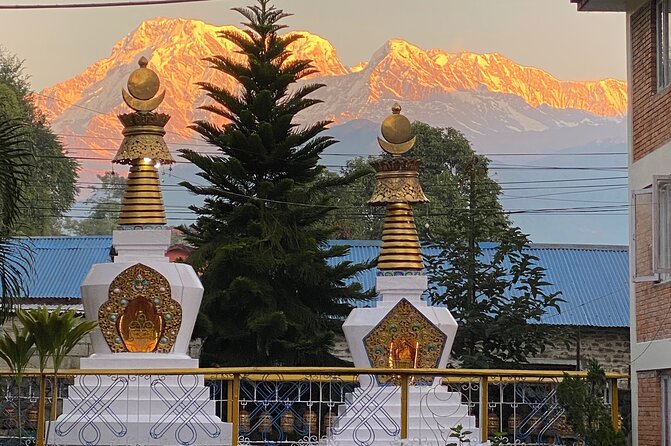
Review · POKHARA
Morning Tibetan cultural tour to Tibetan settlements Pokhara
Tibetan life begins before sunrise. This 8 to 9-hour outing gives you a thoughtful look at Tibetan culture in Nepal, with monastery visits, village walks, home food, and time to ask questions. I especially like the 5:30 a.m. start, which leaves room for several stops, and the chance to meet local people rather than only view religious buildings from outside.
I also like having Mr. Thupten Gyatso as the guide. His focus on Tibetan culture, Buddhist teachings, refugee life, medicine, cuisine, and daily routines gives the day a human center. The main drawback is the long schedule: with four hours planned at Tashi Ling Tibetan Village, this is not a quick cultural stop, and the early departure may not suit anyone who prefers a slow morning.
Key points to know before booking
- Start at 5:30 a.m. and expect a full 8 to 9 hours of sightseeing around Pokhara.
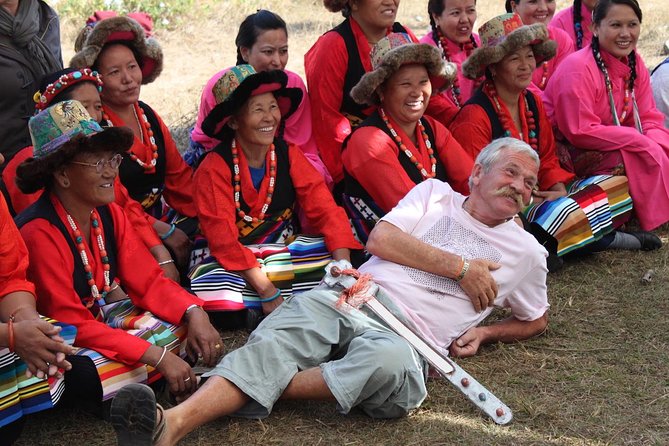
- Meet Tibetan families and eat local food, including momos and thukpa, with vegetarian, non-vegetarian, and gluten-free options available.
- Visit four important religious sites, including Jangchub Choeling Tibetan Monastery and Pema Ts’al Sakya Monastic Institute.
- Spend up to four hours at Tashi Ling Tibetan Village, with time for schools, daily life, and village walking.
- Keep the group small, with no more than 15 people and hotel transfers included.
- Ask questions freely, since the day is built around conversation and personal explanation, not just taking photographs.
Why this Tibetan tour adds something different to Pokhara
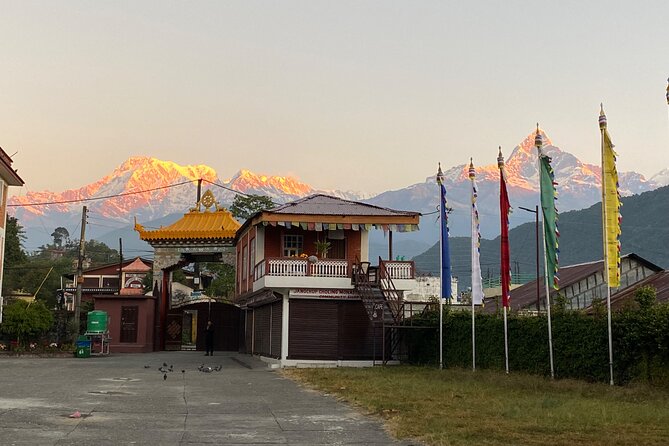
Pokhara is best known for mountain views, boating, and access to trekking routes. This tour points you toward a different part of the city’s story: the Tibetan communities that built new lives in Nepal after leaving Tibet.
You will not simply pass through a settlement and hear a few prepared facts. The day connects religious practice with food, education, refugee life, medicine, and ordinary household routines. That mix matters. A monastery can show you symbols and rituals, but a family visit helps you understand how a community functions beyond its sacred spaces.
I like the range of the program. You move from a Buddhist monastery to a local home, then to a monastic institute, another monastery, and finally a Tibetan village. The result is broader than a standard temple visit, though it also means the day has a lot packed into it.
The tour is capped at 15 people. That is small enough for the guide to handle questions and keep the group together without creating the feel of a large coach excursion. Since hotel pickup is offered, you do not need to work out public transport before dawn. The area is also near public transportation if you are arranging part of your own movement.
More Local Culture and Traditions Tours in Nepal:
- Full-Day Tibetan Cultural Tour to Tibetan Settlements Pokhara
★ 5.0 · 184 reviews - Afternoon Tibetan Cultural Tour to Tibetan Settlements Pokhara
★ 5.0 · 106 reviews - Kathmandu World Heritage Full Day Culture Tour
★ 5.0 · 41 reviews
The 5:30 a.m. start and what it means
The early departure is practical, not decorative. With several settlements and religious sites on the schedule, starting at 5:30 gives the tour enough time to cover the region without turning every stop into a rushed photo break.
You should be ready before pickup and dress for changing weather. The tour operates in all weather conditions, so a light layer and rain protection make sense. The supplied information does not give a precise pickup time for each hotel, so confirm that detail when you book.
An early start can also shape your mood. If you enjoy quiet roads and a full day of exploring, it is a benefit. If your Pokhara plans include late nights or sunrise activities elsewhere, think carefully before adding this outing.
The total duration is about eight to nine hours. That makes it closer to a full-day cultural program than a morning excursion, even though the title calls it a morning tour. Plan to keep the rest of your day light.
Jangchub Choeling Tibetan Monastery
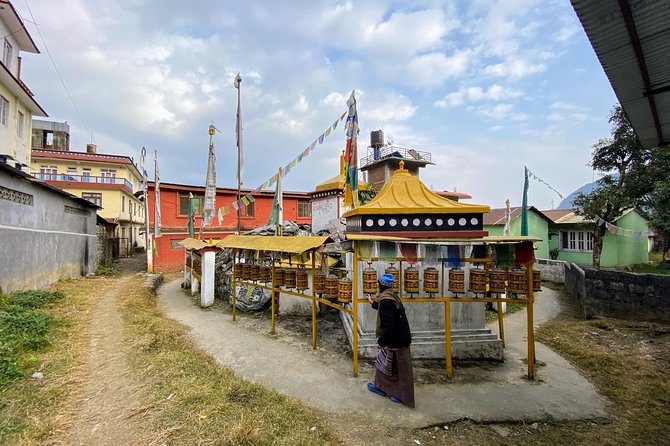
The first listed stop is Jangchub Choeling Tibetan Monastery, with about an hour set aside. This is where the day introduces Tibetan religion and the experience of Tibetan refugee life in Nepal.
You can expect the guide to explain how religious practice connects to community life. The visit is not only about architecture. It gives you a starting point for understanding the symbols, ceremonies, and teachings that appear again at later stops.
Admission is included. Since the tour schedule lists this as the opening visit, it should help set the tone for the rest of the day. You may want to keep your questions in mind here, especially if you are curious about Buddhist teachings, monastic education, or the role of prayer in daily life.
One practical point: the itinerary gives one hour for this monastery, so you should not expect unlimited time for quiet observation. The value comes from the guide’s explanations and the way this stop connects with the others.
Breakfast with a Tibetan family at Tashi Palkhel
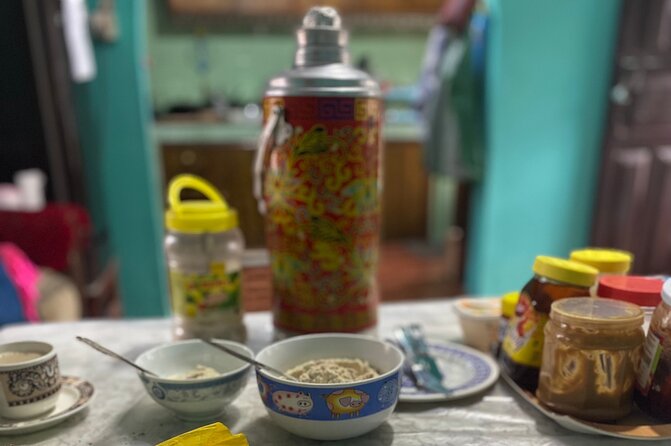
The Tashi Palkhel Tibetan Settlement adds the most personal part of the morning. Here, you visit a local Tibetan family and taste Tibetan food at home.
Food can explain a culture faster than a long speech. A shared meal gives you a chance to discuss ingredients, eating habits, and family life in a natural setting. The program specifically highlights a Tibetan breakfast, while lunch later includes momos and thukpa, two familiar foods for anyone curious about Tibetan and Himalayan cuisine.
You should not expect a restaurant-style meal with a long menu. This is a home visit, which is precisely why it has value. The setting may feel more intimate and less polished than a commercial food stop, but it offers a closer look at how hospitality works within the settlement.
The tour can provide vegetarian and non-vegetarian food, as well as gluten-free food. Tell the operator about your needs when booking, rather than waiting until the meal appears. Food is part of the experience, so dietary communication helps everyone enjoy it.
A few more history tours around Nepal worth a look
- Private Kathmandu Sightseeing Tour | UNESCO World Heritage sites
★ 5.0 · 756 reviews - UNESCO Seven World Heritage Tour in Kathmandu
★ 5.0 · 253 reviews - Nepal Discovery Tour: Heritage Sites & Scenic Hill Easy Hike
★ 5.0 · 121 reviews - Kathmandu Private Sightseeing Tour | UNESCO World Heritage Sites
★ 5.0 · 109 reviews
Pema Ts’al Sakya Monastic Institute and young monastic life
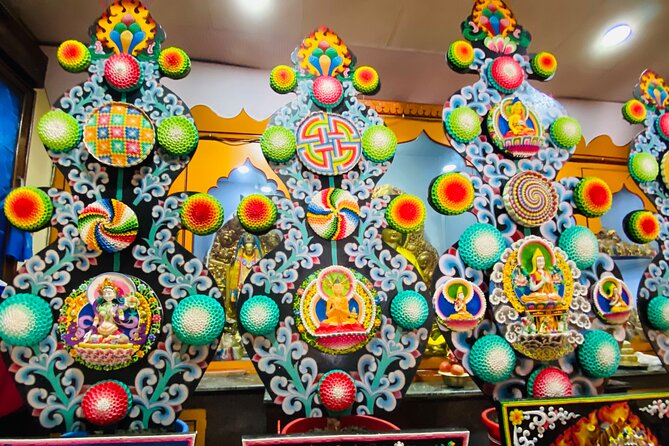
At Pema Ts’al Sakya Monastic Institute, you meet a young monk who can explain monastic life and education. This stop lasts about an hour and gives the day a useful focus on learning.
The detail about meeting a young monk matters. It shifts the conversation away from seeing monks only as distant religious figures. You can ask about study, daily routines, and how education fits within the monastery.
This is a good place to listen carefully and ask respectful questions. The tour is designed as an interactive experience, so you are encouraged to clarify anything you do not understand. Buddhist institutions can seem difficult to read from the outside, especially when you are unfamiliar with the symbols or customs. A direct conversation helps make the setting easier to understand.
You should also allow for the fact that this is a religious and educational institution, not a stage built for entertainment. Keep your voice low, follow the guide’s instructions, and treat photographs with care if you are unsure.
Shree Gaden Dhargay Ling Monastery and Buddhist symbols
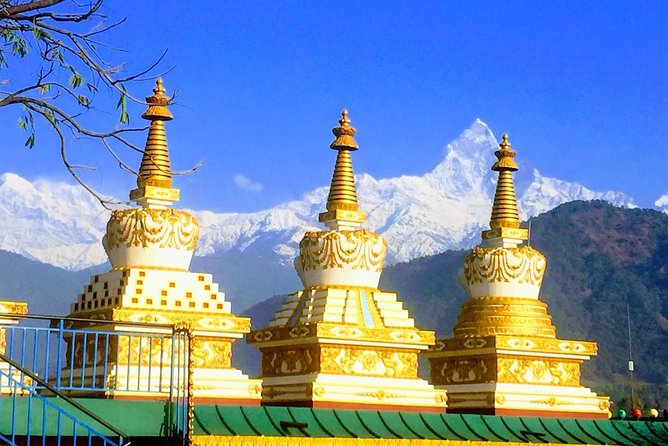
The next monastery, Shree Gaden Dhargay Ling, receives about 45 minutes. The emphasis here is on Buddhist signs and symbols that appear in everyday religious life.
The guide explains items such as prayer wheels, prayer flags, and stupas. These can look decorative when you first see them, but their meaning becomes clearer when someone explains how they relate to prayer, remembrance, and Buddhist practice.
This stop is shorter than the others, so it works best as a focused lesson rather than a long visit. I like that the program gives specific attention to symbols. Once you know what to look for, you can recognize Buddhist details elsewhere in Nepal with a better sense of their purpose.
It is worth slowing down here instead of treating the monastery as another background for photographs. Look at how the objects are placed, listen to the explanations, and ask what you do not understand. The tour becomes more rewarding when you treat the sites as active religious places.
Four hours at Tashi Ling Tibetan Village
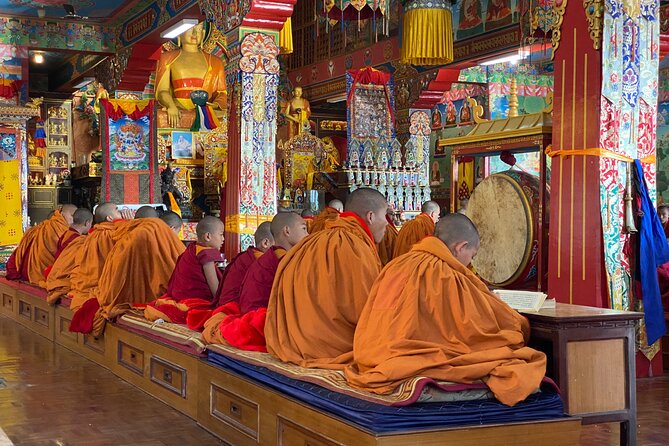
The longest part of the day is Tashi Ling Tibetan Village, with about four hours assigned to it. This is where the program moves from individual religious sites to a wider view of community life.
You will walk around the village and see how people live their daily lives. The visit also includes Tibetan schools and other parts of the settlement, though the supplied schedule does not specify every activity or the length of each one.
Four hours is a generous amount of time. It allows the guide to avoid rushing from one point to another, and it gives you room to notice ordinary details that a shorter stop would miss. You may see how religious buildings, homes, schools, and shared spaces fit together.
The length can also be the tour’s biggest challenge. If you prefer short stops and constant movement, the village visit may feel slow. I would choose this tour only if you want conversation and observation, not a rapid checklist of attractions.
This is also the part where respectful behavior matters most. You are moving through a living community, not an open-air museum. Follow the guide’s lead, ask before taking close-up photographs, and remember that schools and homes are working places.
Food, group size, and personal attention
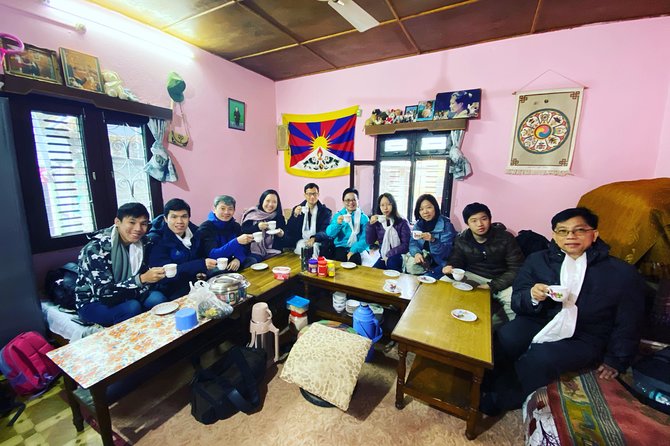
The food element helps balance the religious and historical material. Momos and thukpa provide a familiar introduction to Tibetan cuisine, while the family breakfast gives you a more personal setting.
The tour includes vegetarian and non-vegetarian choices, plus gluten-free food. That is useful, though you should still state your dietary requirements ahead of time so the operator can prepare properly.
With a maximum of 15 people, the group is small enough for questions to be practical. You are not likely to receive the same level of direct attention in a large bus group. The strongest praise for this experience centers on Thupten’s explanations, especially his ability to discuss Tibetan people, culture, history, and Buddhist teachings in a way that makes the day feel personal.
That guide-led approach is important because several sites may be unfamiliar to you. The buildings and symbols matter, but the explanations connect them to real lives. If you enjoy asking questions, you will get more from the day than someone who only wants to take photographs.
Is the $85 price good value?
At $85 per person, the price is reasonable for a full-day, small-group cultural outing that includes hotel transfers, a guide, several monastery visits, a family food experience, and meals.
The value is not based on one famous sight. It comes from the amount of access and context packed into the day. You visit multiple religious and community sites, meet local people, and spend substantial time in a Tibetan village. Admission to the listed stops is free, but the cost pays for organization, transportation, guiding, and the structure that connects them.
I would not choose this tour if you only want a cheap way to see a monastery. You can find simpler visits for less. I would consider the price worthwhile if you want someone to explain the sites and help you approach Tibetan culture with care.
Group discounts may be available, so the cost could work better for couples, families, or friends booking together. The exact discount is not provided, so ask before paying.
Who should book this experience?
I would recommend it to you if you are curious about culture, religion, migration, food, and daily life. It is especially suited to people who prefer conversations and context over a short list of photo stops.
It also works well for visitors who want a structured day outside central Pokhara. Hotel transfers remove some of the transport planning, and the small group keeps the experience more manageable.
You should think twice if you dislike early starts, long days, or visits that depend on listening and asking questions. The program has a clear cultural focus, so it is not designed as a scenic tour or a relaxed food crawl.
Families may appreciate the variety, though the long schedule could test younger children. Most people can participate, but the provided information does not give detailed accessibility guidance. If you have specific mobility needs, ask the operator before booking.
Free cancellation is available when you cancel at least 24 hours before the start time. Changes or cancellations inside that window are not accepted for a refund.
Should you book the Tibetan cultural tour?
Book it if you want a serious, friendly introduction to Tibetan life in Nepal and you are willing to give it a full day. The strongest reason to go is the combination of Thupten Gyatso’s personal explanations, family hospitality, Buddhist sites, and the long visit to Tashi Ling.
Skip it if your Pokhara schedule is already packed or if a 5:30 a.m. departure sounds miserable. For the right person, though, this is a useful counterpoint to Pokhara’s outdoor attractions. You leave with more than a few monastery photographs. You gain a clearer sense of how Tibetan religion, food, education, and community life continue in Nepal.
FAQ
How long does the Tibetan cultural tour last?
The experience lasts approximately 8 to 9 hours.
What time does the tour depart?
The listed departure time is 5:30 a.m.
Is hotel pickup included?
Yes. Hotel transfers are included, and pickup is offered for convenience.
What food is included?
The experience includes Tibetan food, including momos and thukpa, along with a visit to a local Tibetan home for breakfast.
Can dietary requirements be accommodated?
Vegetarian, non-vegetarian, and gluten-free food are available.
How many people can join the tour?
The group has a maximum of 15 participants.
Does the tour operate in bad weather?
Yes. The tour operates in all weather conditions, so you should dress appropriately.
Can I cancel for a full refund?
Yes, if you cancel at least 24 hours before the experience start time. Cancellations made less than 24 hours in advance are not refunded.
Just added around Nepal
- Half Day Tibetan Cultural tour Pokhara★ 5.0 · 36 reviews
- Full-Day Tibetan Cultural Tour to Tibetan Settlements Pokhara★ 5.0 · 184 reviews
- Afternoon Tibetan Cultural Tour to Tibetan Settlements Pokhara★ 5.0 · 106 reviews
- Morning Half Day Tibetan cultural tour to Tibetan Settlements★ 5.0 · 26 reviews
- Full Day Private Tour of Seven World Heritage Sites in Kathmandu★ 5.0 · 19 reviews
- Seven World Heritage Day Tour in Kathmandu Nepal★ 5.0 · 26 reviews
- Kathmandu World Heritage Tour★ 5.0 · 74 reviews
- Kathmandu UNESCO World Heritage Tour★ 5.0 · 24 reviews
Local Culture & Traditions Tours, compared.

Amsterdam Food and Cultural Tour with Tastings
Read our review →
Sevilla Food Tour: Tapas, Wine, History & Traditions
Read our review →
Tromsø: Reindeer Camp and Sami Cultural Tour with Lunch
Read our review →
Half Day Dominican Republic Cultural Tour : Small Group
Read our review →
Ultimate Melbourne Walking Tour: History, Laneways & Culture
Read our review →
Tromsø: Sámi Reindeer Sledding and Sami Cultural Tour
Read our review →
Kyoto Gion: 2-Hour Geisha Culture & History Walking Tour
Read our review →
Marrakech Historical and Cultural Tour – Half Day City Tour
Read our review →Browse the lists this tour appears in